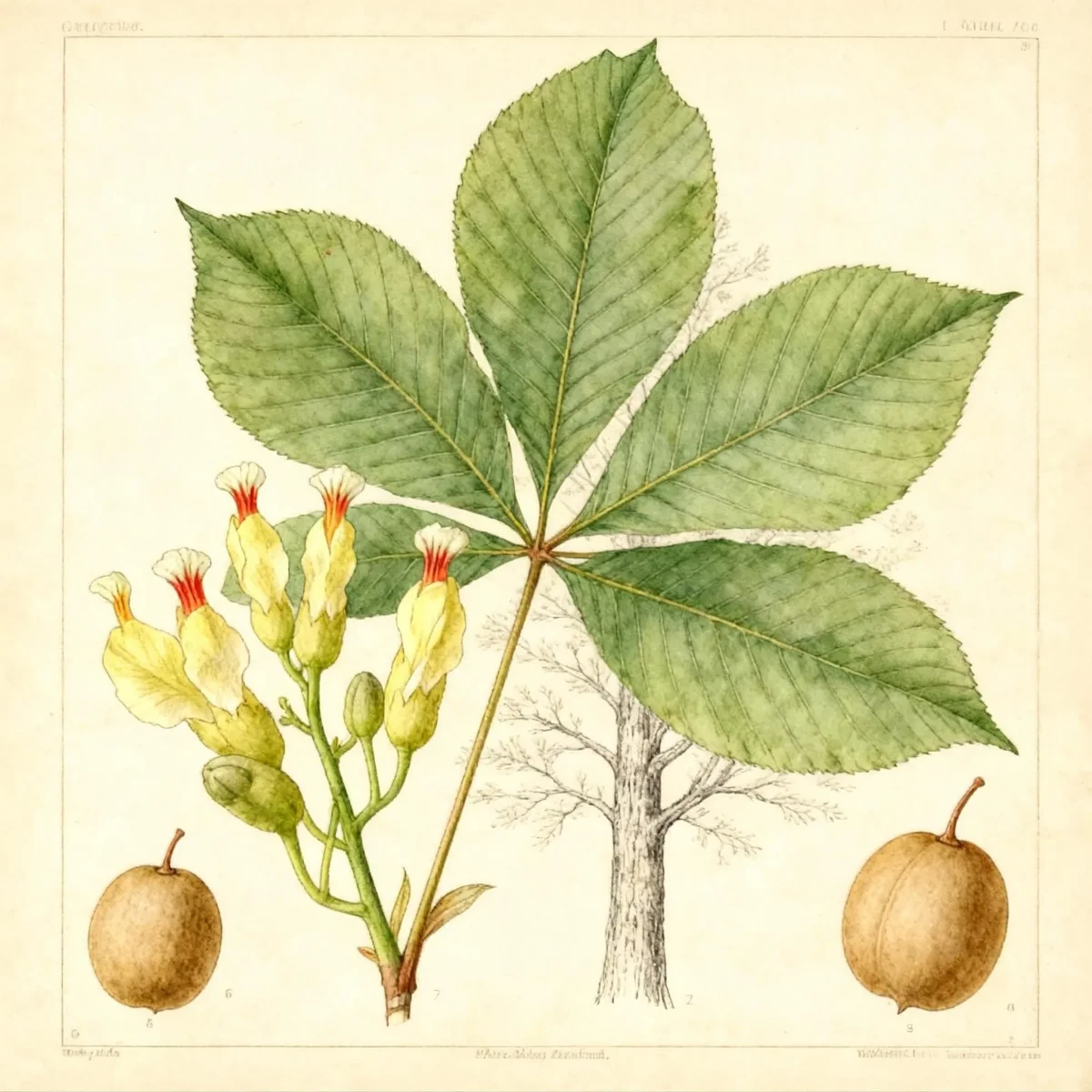
Red horse chestnut (Aesculus × carnea 'Marginata')
The Aesculus × carnea 'Marginata' is a striking Red horse chestnut tree, prized for its showy red blooms and variegated foliage. Ideal for parks, zones 5-8.

Bloom Boldly, No Matter the Season - Sweatshirt
Cozy organic cotton sweatshirt featuring our exclusive Purple Coneflower design. Perfect for gardeners who bloom year-round.
Inspired by the beautiful Red horse chestnut
Limited first batch (50) — join the waitlist for early access
Waitlist closes Feb 15, 2026.
Complete Plant Information
Field Guide Continues
Ready for care notes, companion picks, and planting tips?
The map is just the start. The full guide below covers growth habits, seasonal performance, and landscape uses.
Overview
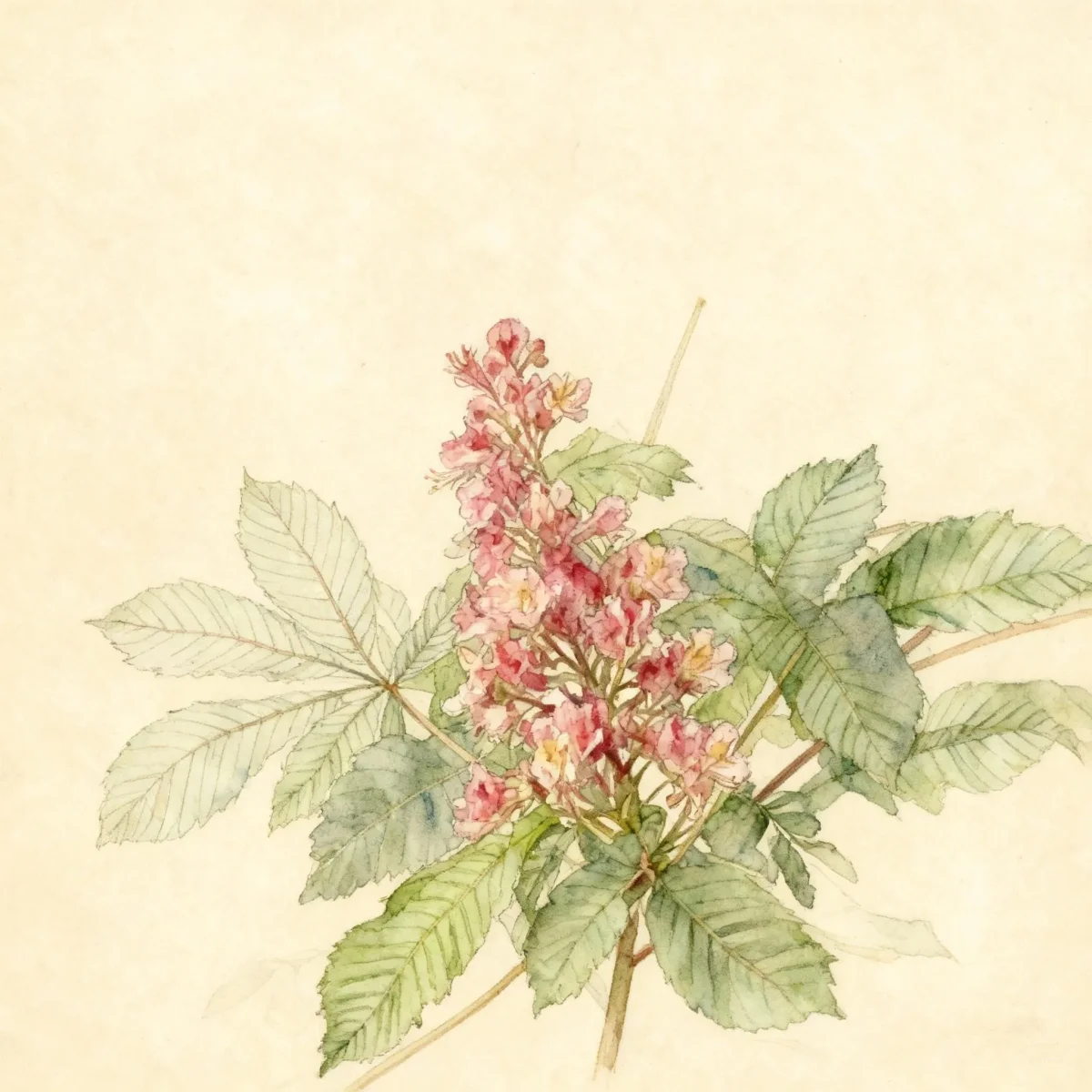
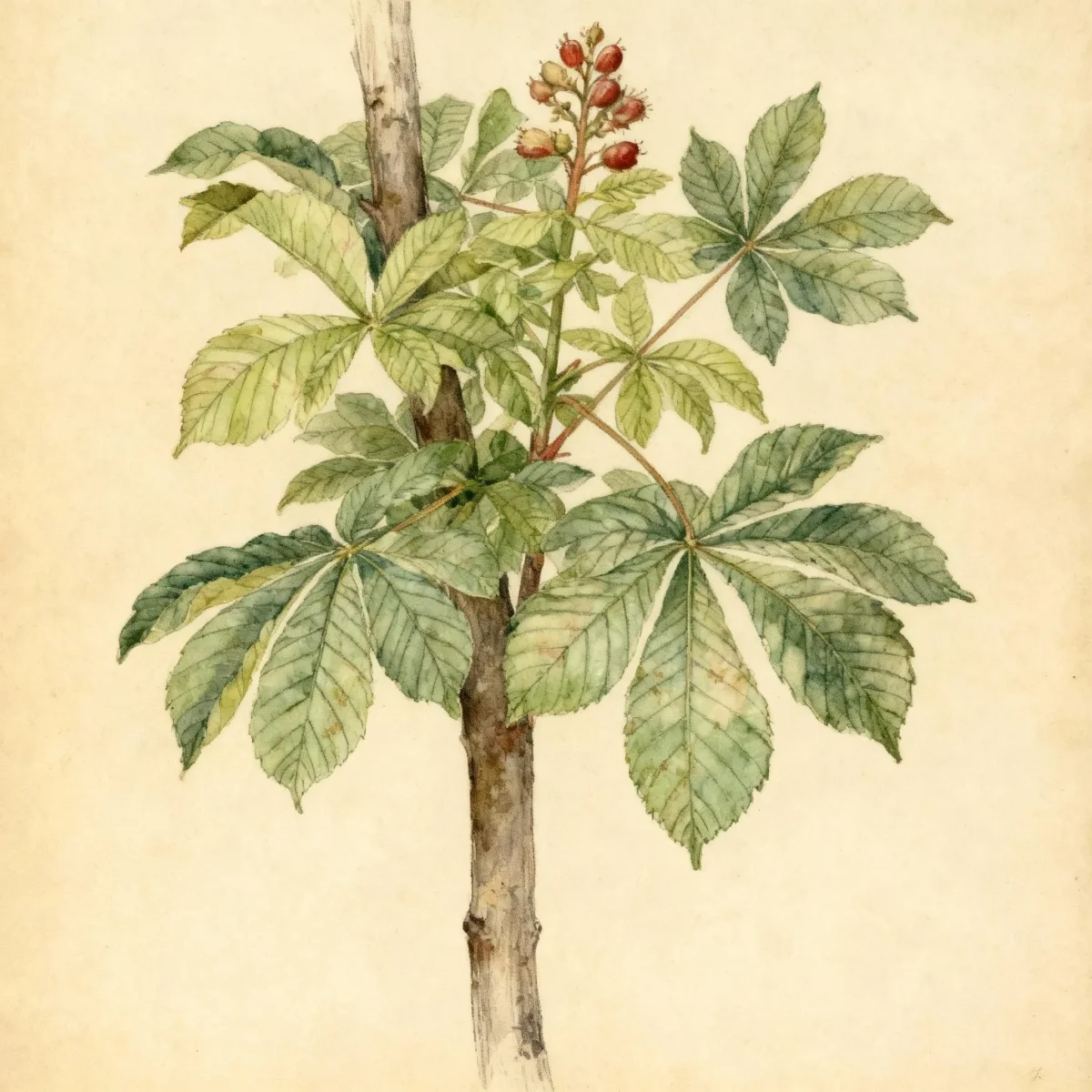
The Aesculus × carnea ‘Marginata’, commonly known as the Red horse chestnut, is a captivating deciduous specimen tree valued for its ornamental qualities, particularly its vibrant spring display. This hybrid cultivar offers gardeners a more manageable size than some relatives while delivering impactful visual interest through its distinctive red flowers and delicately variegated foliage. It establishes itself as a substantial, oval to rounded focal point in the landscape.
While the Red horse chestnut is generally adaptable, providing it with moist, fertile soils in full sun to partial shade locations ensures the best performance. Gardeners should note that the foliage of Aesculus × carnea ‘Marginata’ is susceptible to scorching or deterioration in extremely dry or windy environments, necessitating consistent moisture. Its robust structure and beautiful flowering make the Aesculus × carnea ‘Marginata’ an excellent choice for large residential lots or public parks seeking seasonal drama.
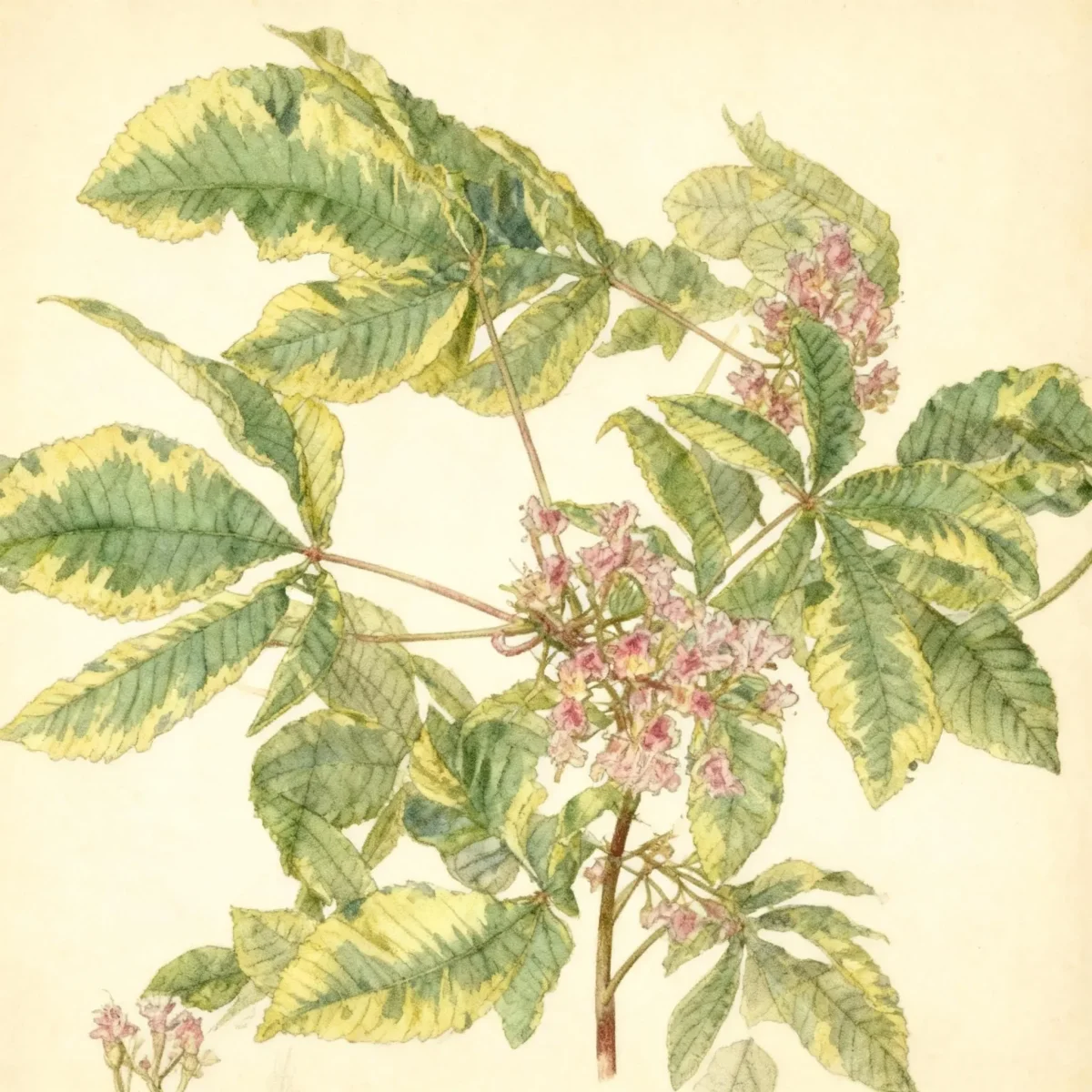
This particular cultivar, ‘Marginata’, is noted for its unique leaf treatment—green leaflets edged with irregular yellow margins—setting it apart aesthetically from the standard Red horse chestnut. Although it eventually develops a strong taproot, making transplants challenging once mature, careful initial placement allows this beautiful tree to thrive for decades.
Fast Facts
- Plant Family: Sapindaceae
- Plant Type: Tree
- Hardiness Zones: USDA Zones 5-8
- Size at Maturity:
- Height: 30-40 ft
- Spread: 25-35 ft
- Bloom Time: May
- Bloom Description: Red
- Sun Exposure: Full sun to part shade
- Water Needs: Medium
- Maintenance Level: Medium
How to Grow
Planting the Aesculus × carnea ‘Marginata’ is best achieved in spring or fall, ensuring the tree has time to establish its critical root system before facing temperature extremes. Utilize average, medium-moisture, well-drained soils, though fertile, consistently moist ground will maximize vigor. Due to the development of a strong taproot, avoid transplanting this species once it reaches a significant size, as established trees resent disturbance.
Ongoing care centers heavily on maintaining soil moisture, especially during establishment and throughout hot summers, as irrigation prevents the undesirable leaf scorch that affects the handsome foliage. Fertilizing is generally unnecessary unless soil tests indicate severe deficiencies, as the tree prefers fertile conditions naturally. Pruning should be minimal, primarily removing dead, damaged, or crossing branches, as large cuts can invite decay into this species.
While fall color is not a primary feature of the Red horse chestnut, cleanup may be necessary due to the litter produced by the nuts (which should never be consumed, as they are poisonous). Although the Aesculus × carnea ‘Marginata’ is a hybrid, gardeners will find that it generally comes true to type when propagated from seed, adding resilience to naturalized plantings.
Landscape Uses
The primary role of the Aesculus × carnea ‘Marginata’ in the landscape is that of a beautiful specimen or flowering shade tree. Its relatively dense, rounded canopy provides excellent coverage, making it perfectly suited for large lawns or park settings where its mid-spring red blooms can be fully appreciated. Given its need for consistent moisture and its slight sensitivity to pollution or stress, it performs best when situated away from heavily paved areas.
While it offers significant aesthetic value, the species is often discouraged as a street tree due to the considerable litter produced by its flowers, leaves, and eventually, its prickly seed capsules. Instead, focus landscape designs around its strengths: creating central features in open spaces or providing dappled shade over informal seating areas.
Companion planting should lean towards species that appreciate similar sun exposure and soil moisture levels, avoiding aggressive neighboring roots that compete with the developing taproot of the Red horse chestnut. Look towards robust understory shrubs or perennials that can handle the seasonal shade provided by this magnificent flowering tree.
Standout Features
Flower Qualities
- Showy
Fruit Qualities
- Showy
Noteworthy Characteristics
Aesculus × carnea, commonly called red horse chestnut, is the result of a cross between A. Hippocastanum and A. Pavia that was discovered in Europe in 1812. It is a small, oval to rounded, deciduous tree that grows 30-40’ tall, and is perhaps best noted for its attractive red flowers. The cultivar ‘Marginata’ is highly sought after because it features green leaves that are aesthetically variegated with irregular yellow margins, offering visual complexity throughout the growing season.
Tolerances
- Leaf blotch can be a significant problem
- Powdery mildew and leaf spots may also occur
- Bagworms, Japanese beetles and borers are infrequent but potentially troublesome
- Leaf scorch (brown edges) may occur in droughty conditions or on sites exposed to wind
Potential Problems
The aesthetic enjoyment of the Aesculus × carnea ‘Marginata’ can be seriously curtailed by several common fungal issues. Leaf blotch is cited as a significant problem, manifesting as dark spots that cause premature leaf drop, although this tree generally possesses better disease resistance than A. hippocastanum. Gardeners must also watch for powdery mildew and general leaf spots, especially in humid conditions.
In addition to fungal threats, environmental stress invites trouble. Leaf scorch, characterized by browning leaf edges, directly results from summer drought or exposure to strong winds, underscoring the need for adequate water. Infestations by common landscape pests like bagworms, Japanese beetles, and borers occasionally occur but are usually manageable if caught early.
Management of these issues focuses heavily on cultural practices. Ensuring excellent air circulation, consistent deep watering during dry spells, and promptly removing heavily infected foliage can mitigate the worst effects of disease and insect pressure, preserving the variegated beauty of this Red horse chestnut cultivar.
Frequently Asked Questions
What hardiness zones is Red horse chestnut suitable for?
The Aesculus × carnea ‘Marginata’ is suitably hardy for USDA growing zones 5 through 8.
How large does Aesculus × carnea ‘Marginata’ grow?
This medium-sized tree typically reaches a mature height between 30 and 40 feet, with a spread generally ranging from 25 to 35 feet wide.
When does Red horse chestnut bloom?
The showy red flowers of the Aesculus × carnea ‘Marginata’ appear in mid-spring, typically by the month of May.
What sun exposure does Aesculus × carnea ‘Marginata’ need?
For optimal performance and to best showcase its variegated leaves, this tree requires full sun to light part shade conditions.
Conclusion
The Aesculus × carnea ‘Marginata’ stands out as a visually compelling specimen tree, offering unique variegated foliage backed by a superb display of red spring flowers. If you are looking for an architectural element that thrives with consistent moisture in moderate climates, this Red horse chestnut is an excellent choice. Before planting, confirm your locale falls within USDA Zones 5-8 and plan your site selection carefully to avoid transplanting issues later in its life.
Companion Planting
When selecting companion plants for the Aesculus × carnea ‘Marginata’, prioritize those that share its preference for average to medium moisture levels and well-drained soil. Avoid shallow-rooted species that will aggressively compete for surface water, especially during establishment. Consider using shade-tolerant perennials like Hostas or Astilbes beneath the canopy as the tree matures, adding texture below the large palmate leaves.
This hybrid tree often benefits from environments where leaf litter is managed carefully, as heavy mulch layers can sometimes interfere with the development of its critical taproot system. Focus your underplanting scheme on lower maintenance groundcovers or shrubs that establish quickly and tolerate deeper shade in mid to late summer once the canopy fills in.
Design Ideas for the Variegated Horse Chestnut
The distinct appearance of Aesculus × carnea ‘Marginata’ makes it an ideal centerpiece for formal or semi-formal garden areas where its variegated leaves can be viewed clearly against darker backdrops. Plant it against a backdrop of deep green evergreens or dark brickwork to make the yellow margins pop during the growing season. It serves exceptionally well as a specimen featured in a wide expanse of lawn where its eventual 30-foot spread has room to express itself fully.
Because of its moderate size (not towering like Oak or Maple), this tree fits beautifully into suburban estates or larger suburban yards requiring a mid-scale shade provider that offers flowering prowess. Use it to anchor a corner of the property or as the primary vertical accent in a mixed border dominated by deciduous material.