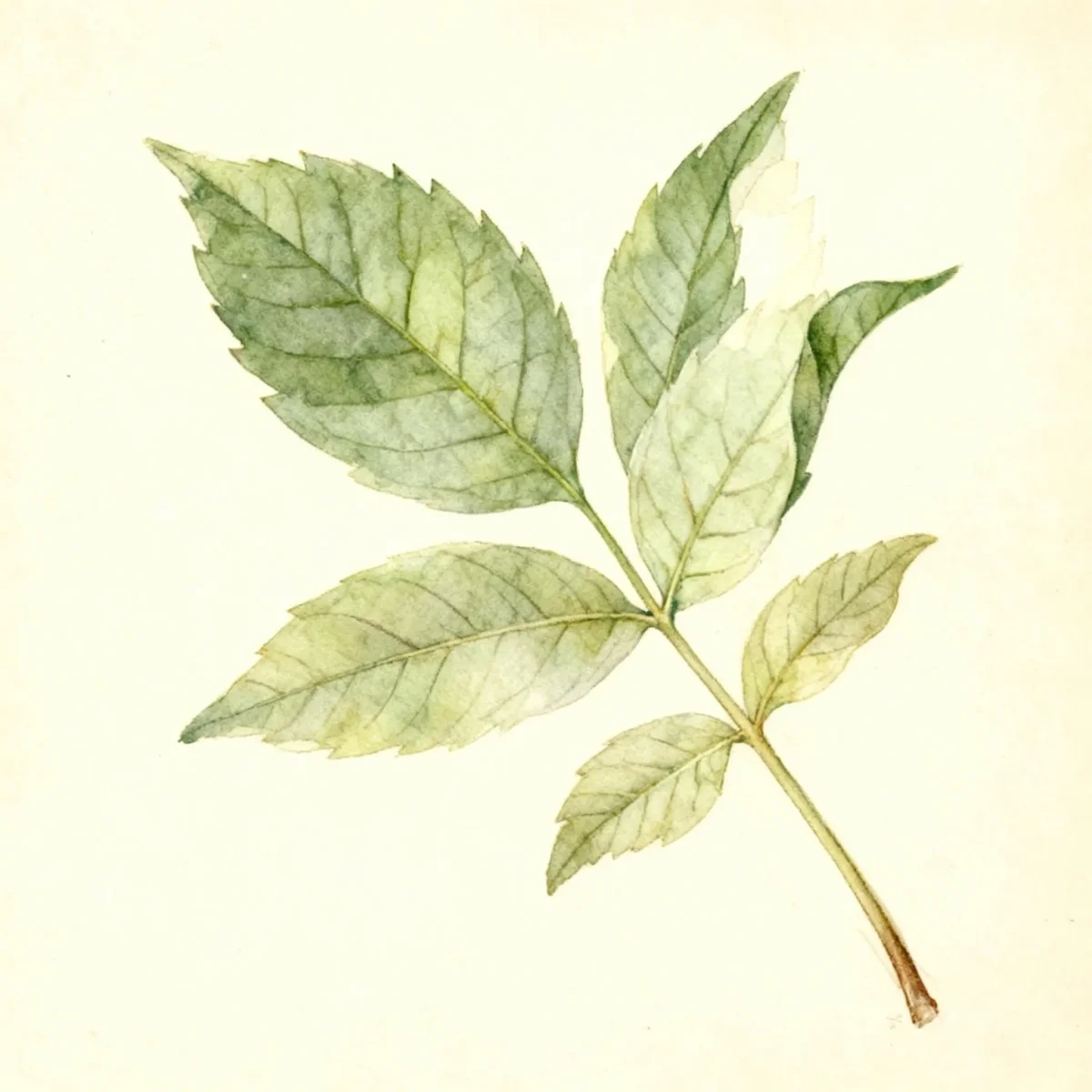
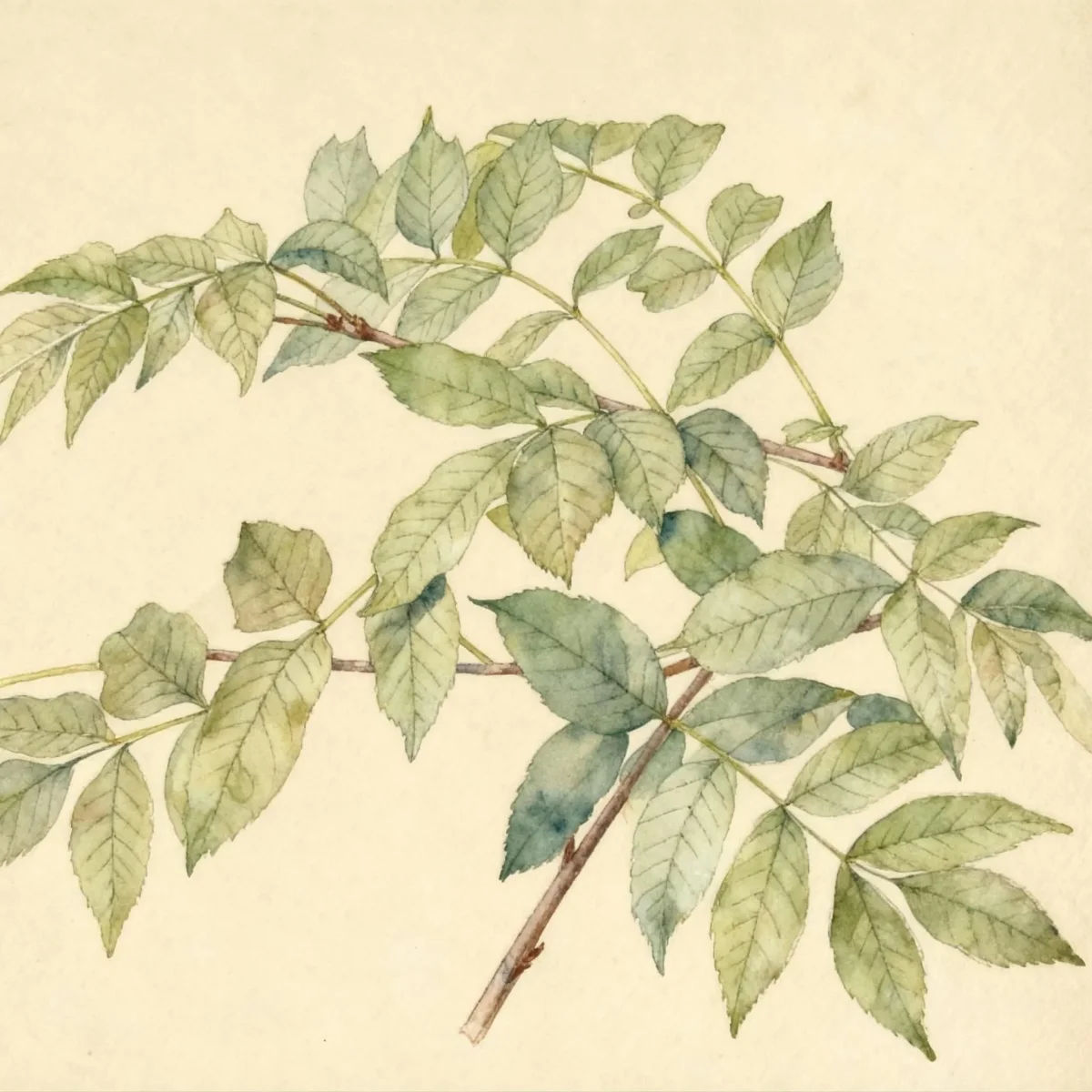
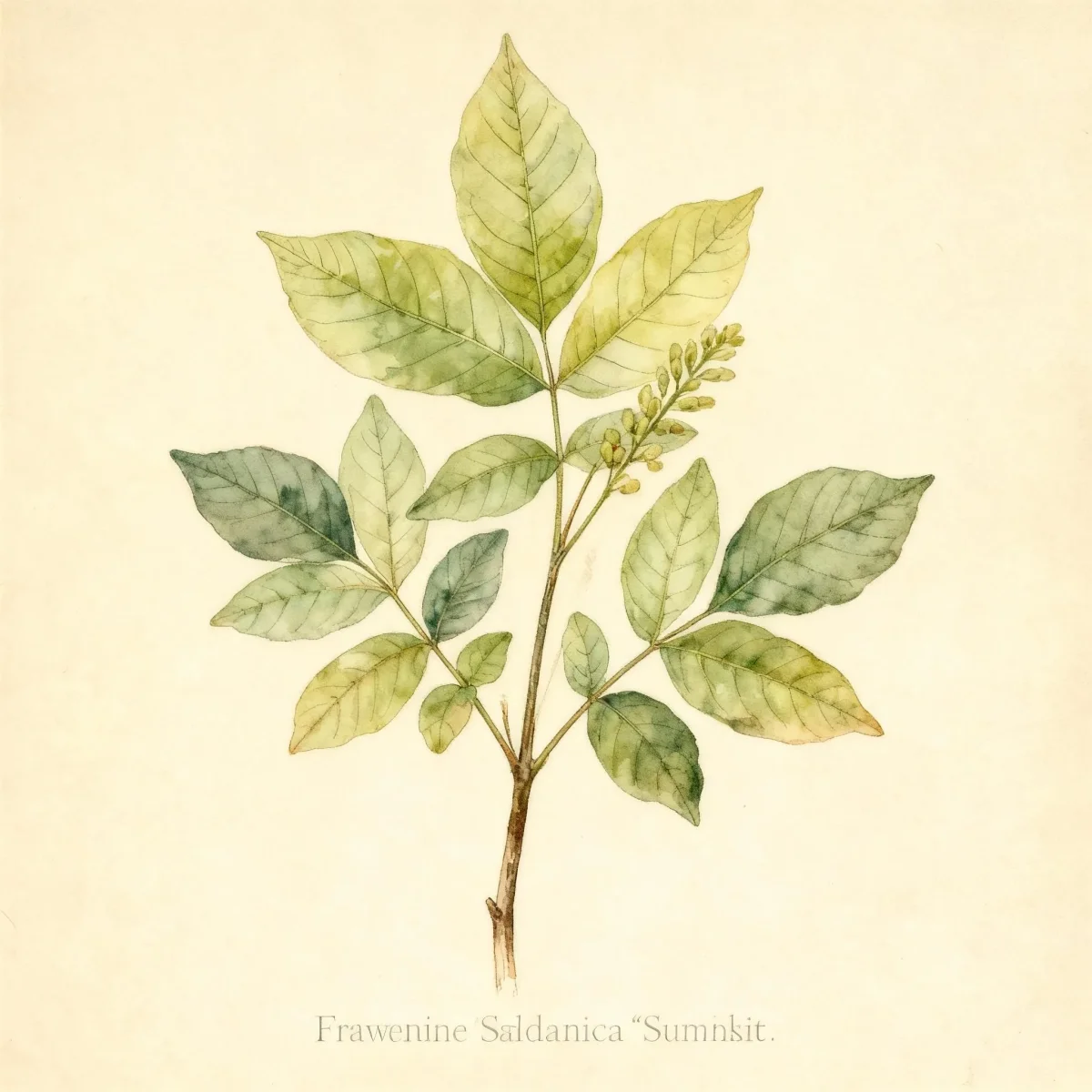
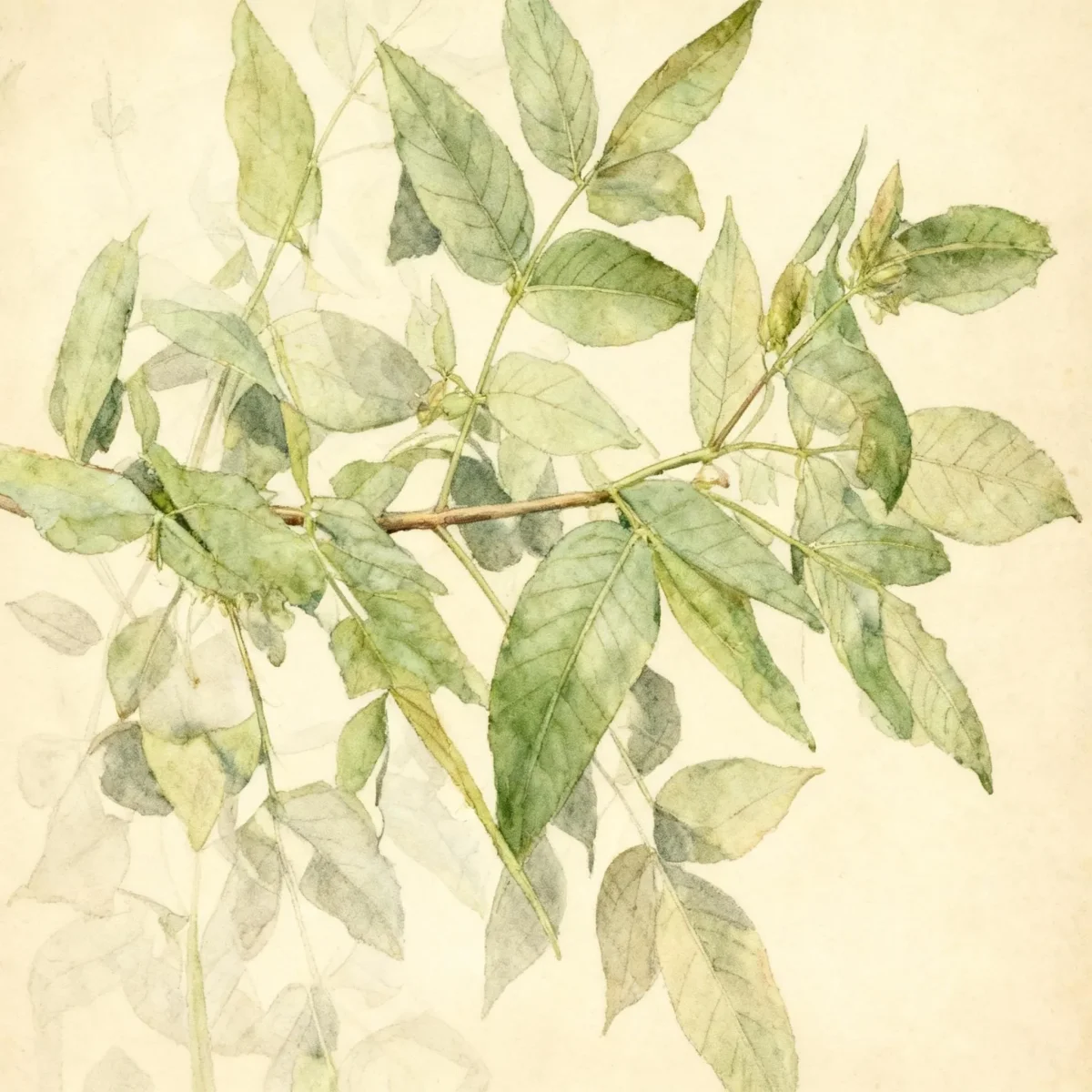
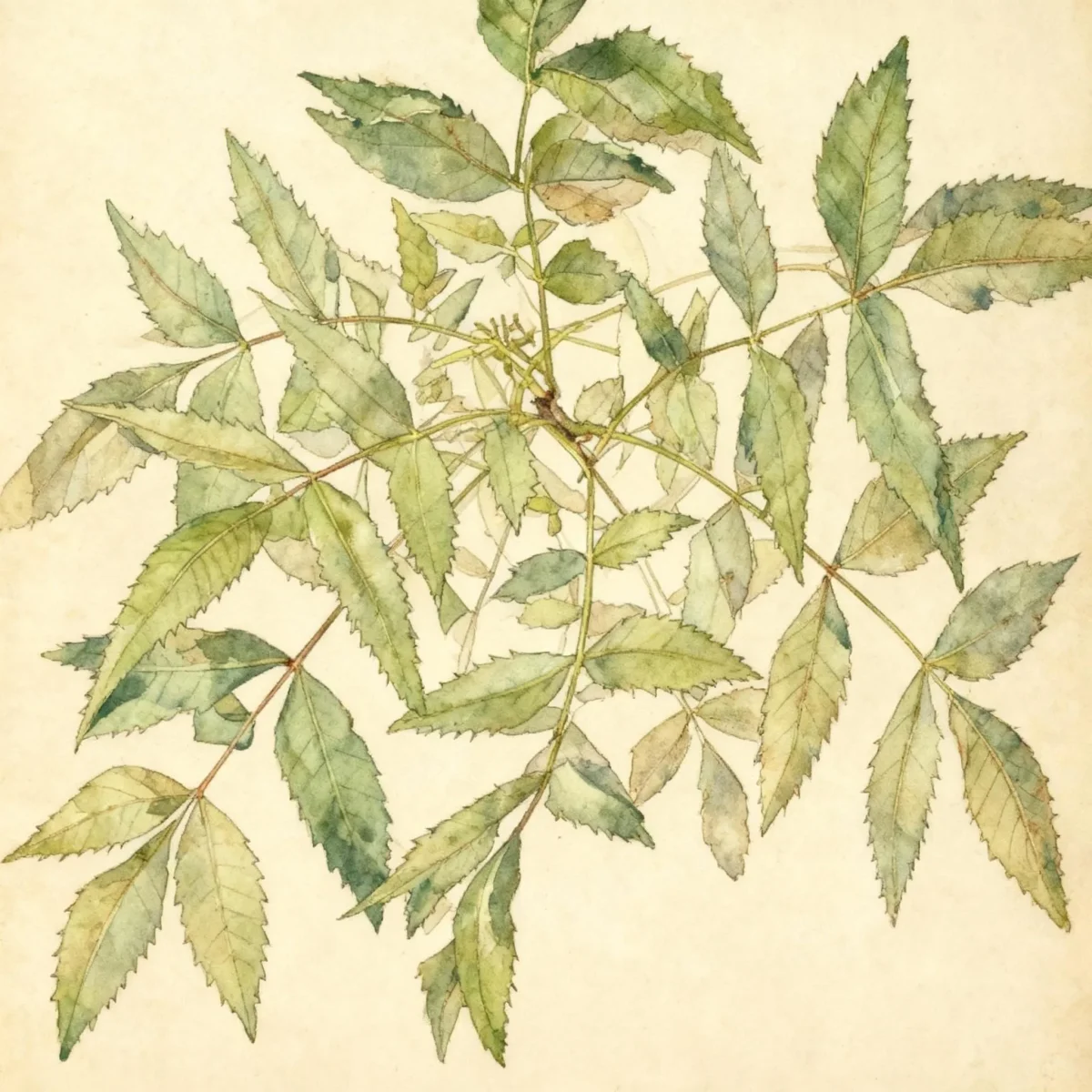
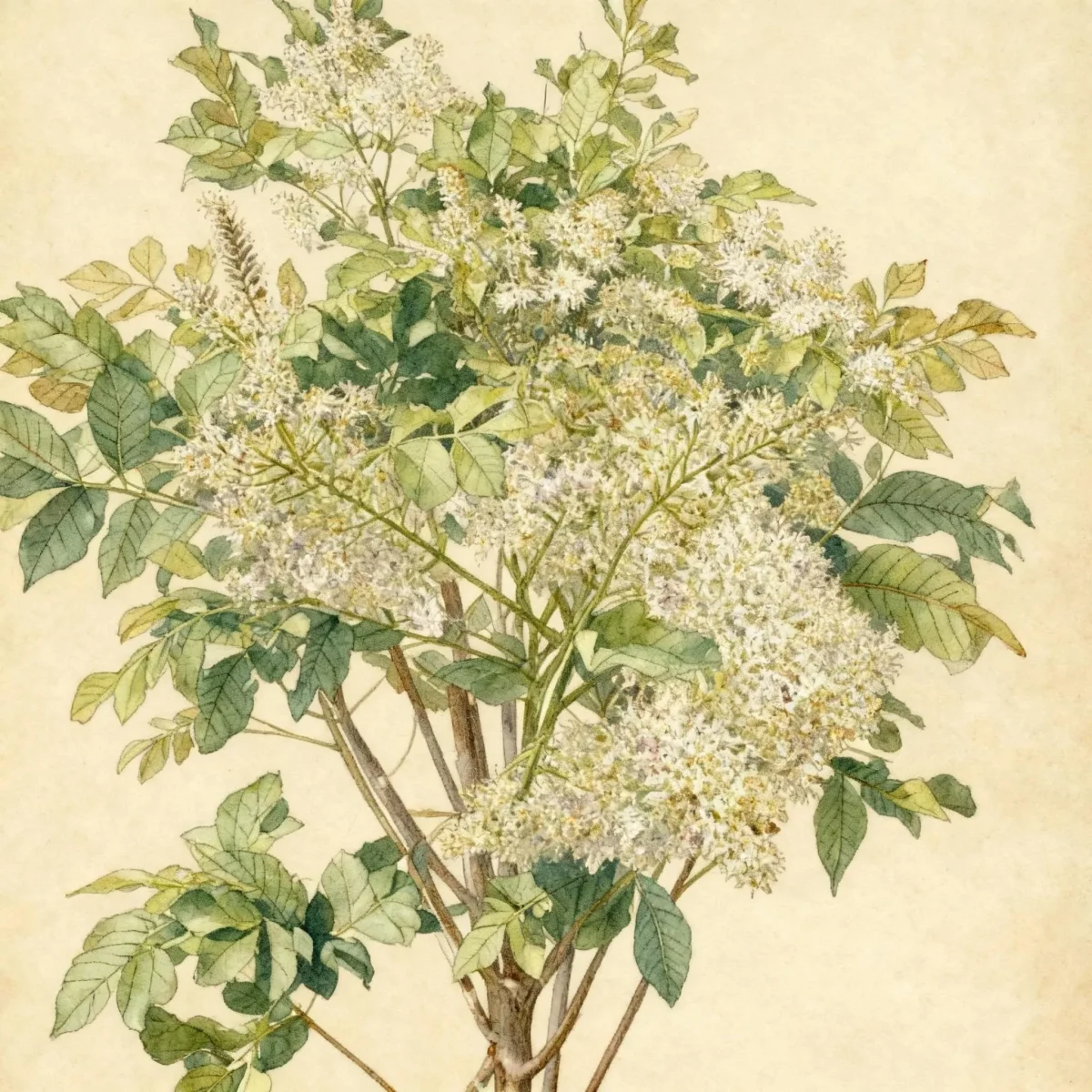
European ash (Fraxinus excelsior 'Pendula')
Explore Fraxinus excelsior 'Pendula', a weeping European ash, thriving in Zones 5-8 with medium water needs and full sun.
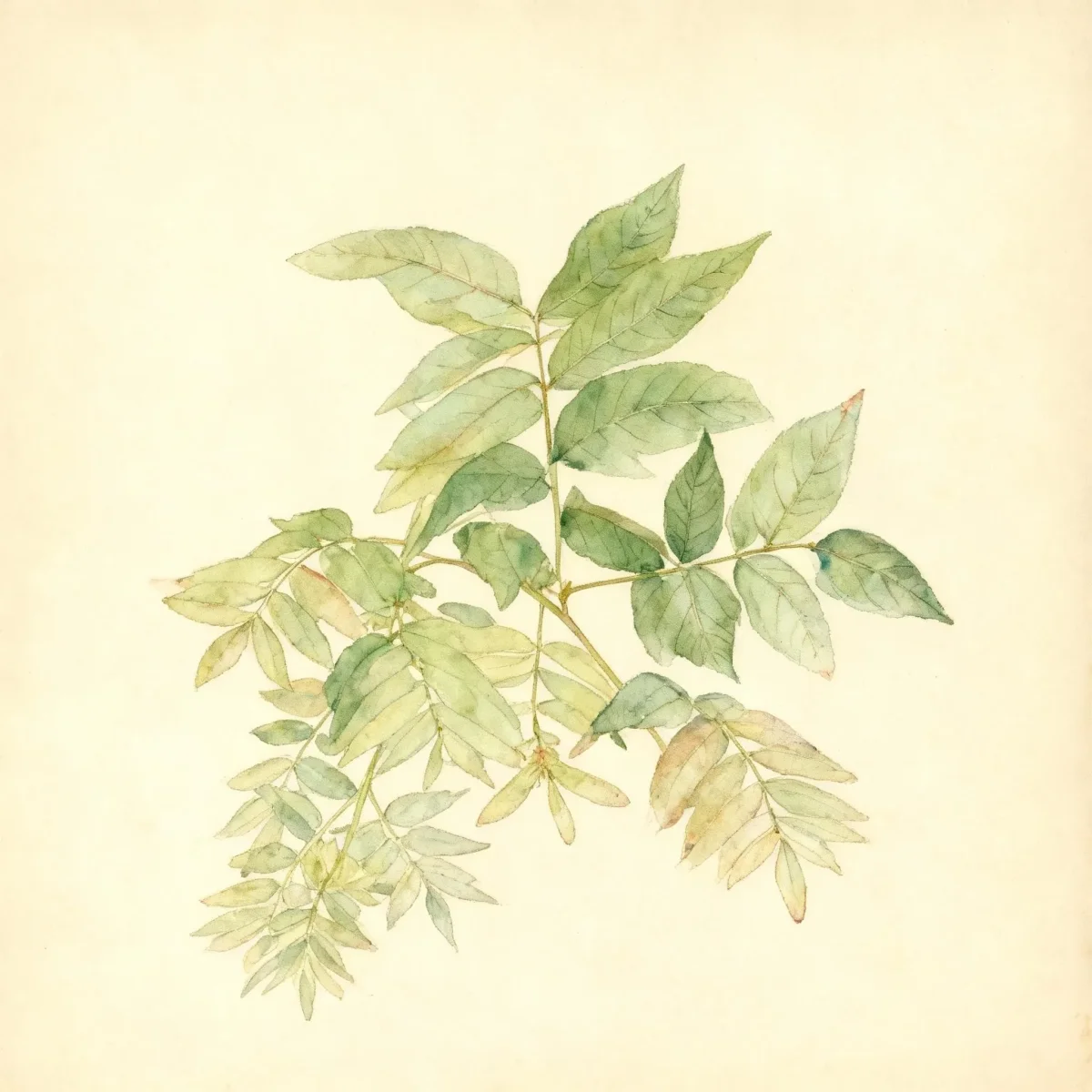

Bloom Boldly, No Matter the Season - Sweatshirt
Cozy organic cotton sweatshirt featuring our exclusive Purple Coneflower design. Perfect for gardeners who bloom year-round.
Inspired by the beautiful European ash
Limited first batch (50) — join the waitlist for early access
Waitlist closes Feb 15, 2026.
Complete Plant Information
Field Guide Continues
Ready for care notes, companion picks, and planting tips?
The map is just the start. The full guide below covers growth habits, seasonal performance, and landscape uses.
Overview
The distinctive Fraxinus excelsior ‘Pendula’, commonly known as weeping European ash, offers significant architectural interest to the landscape. Discovered in the mid-18th century, this cultivar is prized for its densely rounded, umbrella-like crown with branches cascading gracefully downwards, contrasting sharply with the upright nature of the standard Fraxinus excelsior. While the standard species is a massive tree, the ‘Pendula’ form remains relatively manageable, typically reaching 10 to 25 feet tall but spreading widely up to 50 feet, creating a sweeping presence.
This deciduous tree performs best when situated where it receives full sun exposure and consistent moisture. Gardeners utilizing the European ash must be aware of significant pest threats, particularly the Emerald Ash Borer, which has severely limited new plantings of this species in many regions. When site conditions are ideal—moist, richly organic, well-drained loams, especially those with cooler summers—Fraxinus excelsior ‘Pendula’ provides year-round structure and seasonal color interest.
Despite contemporary concerns, where it can be successfully established and maintained, the weeping habit of the European ash makes it a focal point specimen. Its somewhat insignificant flowers appear in mid-spring, ranging from green to cream to purple, preceding attractive late-season leaf color, often turning an appealing yellow before dropping.
Fast Facts
- Plant Family: Oleaceae
- Plant Type: Tree
- Hardiness Zones: USDA Zones 5-8
- Size at Maturity:
- Height: 10-25 ft
- Spread: 20-50 ft
- Bloom Time: April to May
- Bloom Description: Green to cream to purple
- Sun Exposure: Full sun
- Water Needs: Medium
- Maintenance Level: Medium
How to Grow
Planting Fraxinus excelsior ‘Pendula’ is best accomplished in the cool, moist conditions of early spring or fall, provided the soil is prepared correctly prior to planting. Choose a location that offers full sun exposure, as insufficient light will thin the canopy and lessen its desirable weeping habit. The ideal growing medium is a moist, organically rich, well-drained loam. Ensuring excellent drainage is paramount to supporting the health of this European ash specimen.
Ongoing care for the weeping European ash requires a medium level of attention, primarily focused on consistent moisture, especially during establishment and hot, dry summers. Avoid planting in locations subject to extreme heat or prolonged drought, as the performance of Fraxinus excelsior ‘Pendula’ suffers significantly under stress. Supplemental fertilization is usually unnecessary if the soil is organically rich, but monitoring soil moisture levels will be key to success.
Pruning should be approached judiciously. Focus on removing dead, diseased, or crossing branches, particularly during the dormant season. Because the branches of this tree cascade, shaping can be difficult; maintenance often involves careful pruning to maintain clearance beneath the weeping canopy or managing accidental damage from heavy snow or ice loads.
Landscape Uses
Historically, the European ash and its cultivars like ‘Pendula’ were widely utilized as robust shade trees or effective street trees due to their strong structure and mature size. While planting new specimens is discouraged due to severe insect threats across North America, where they already exist, Fraxinus excelsior ‘Pendula’ serves beautifully as a specimen planting in large lawns or open park settings.
The dramatic, rounded, weeping form demands attention and works excellently as a singular focal point or specimen tree where its unique outline can be fully appreciated without being crowded by neighboring plants. Companion planting should favor species that share a preference for moist, well-drained, rich soils but be mindful of selecting understory plants that do not create excessively competitive surface roots beneath the ash. They are generally unsuitable for formal hedging given their overarching, cascading habit.
Standout Features
Flower Qualities
- Insignificant
Noteworthy Characteristics
Fraxinus excelsior, commonly called European ash or common ash, is native to Europe and western Asia, though the ‘Pendula’ form creates a localized, rounded or umbrella shape with branches that cascade down to the ground. Discovered in England in the mid-18th century, this weeping cultivar was popular during the Victorian era for its unique silhouette, featuring leaves that might turn an attractive yellow in fall or drop while still green. The genus name is derived from the classical Latin term for ash trees, signifying its historical importance.
Tolerances
- Deer
Potential Problems
The most critical issue facing the European ash across North America is the invasive Emerald Ash Borer (EAB), an Asian pest discovered in the US in 2002. EAB infestation is often fatal within 3-5 years, feeding under the bark and boring into the wood, making eradication extremely difficult once established. Consequently, planting new European ash is strongly discouraged wherever EAB is active or expected.
Beyond EAB, the species is susceptible to other insect issues, including various borers, scale insects, and aphids, as well as fungal diseases like anthracnose and leaf spots, and general ash decline. Furthermore, the brittle nature of ash branches means they are prone to breakage during severe weather events involving high winds, heavy snow, or ice accumulation. Proactive pest and disease management, combined with avoiding planting stress, are essential for existing trees.
Frequently Asked Questions
What hardiness zones is European ash (Fraxinus excelsior ‘Pendula’) suitable for?
Fraxinus excelsior ‘Pendula’ is suitable for USDA Zones 5 through 8.
How large does European ash (Fraxinus excelsior ‘Pendula’) grow?
This weeping variety typically reaches a height between 10 to 25 feet, with a spread ranging from 20 to 50 feet wide.
What sun exposure does European ash (Fraxinus excelsior ‘Pendula’) need?
This tree requires full sun exposure for optimal health and shape development.
When does European ash (Fraxinus excelsior ‘Pendula’) bloom?
Blooming occurs from April to May, producing inconspicuous flowers described as green to cream to purple.
Conclusion
The unique, cascading silhouette of Fraxinus excelsior ‘Pendula’ provides exceptional, structured beauty, making it a highly decorative specimen tree when site conditions are favorable. While the historic desirability of planting European ash is tempered today by severe insect threats like the Emerald Ash Borer, established trees should be meticulously cared for. Before planting any new ash, always consult local agricultural extension services regarding current pest pressures in your area.
Companion Planting
Selecting appropriate companions is crucial, particularly when safeguarding the long-term health of this tree. Due to the preference of Fraxinus excelsior ‘Pendula’ for moist but well-drained, rich soil, species like Hosta (in shaded peripheral areas), Astilbe, and certain ferns thrive nearby, provided they don’t compete aggressively for surface nutrients or water. Avoid shallow-rooted turfgrasses directly under the canopy that might compact the soil around the critical root zone of the European ash.
Seasonal Care Calendar
For existing trees, pay attention to seasonal changes. In early spring, before bud break, conduct a thorough inspection for overwintering pests or cankers, applying dormant oil or fungicide if necessary and recommended for your region. Summer maintenance focuses almost entirely on consistent, deep watering, especially during heat waves, to meet the medium water needs of the European ash. Fall cleanup should involve removing fallen leaves promptly, as many potential fungal spores overwinter on leaf litter beneath the tree.