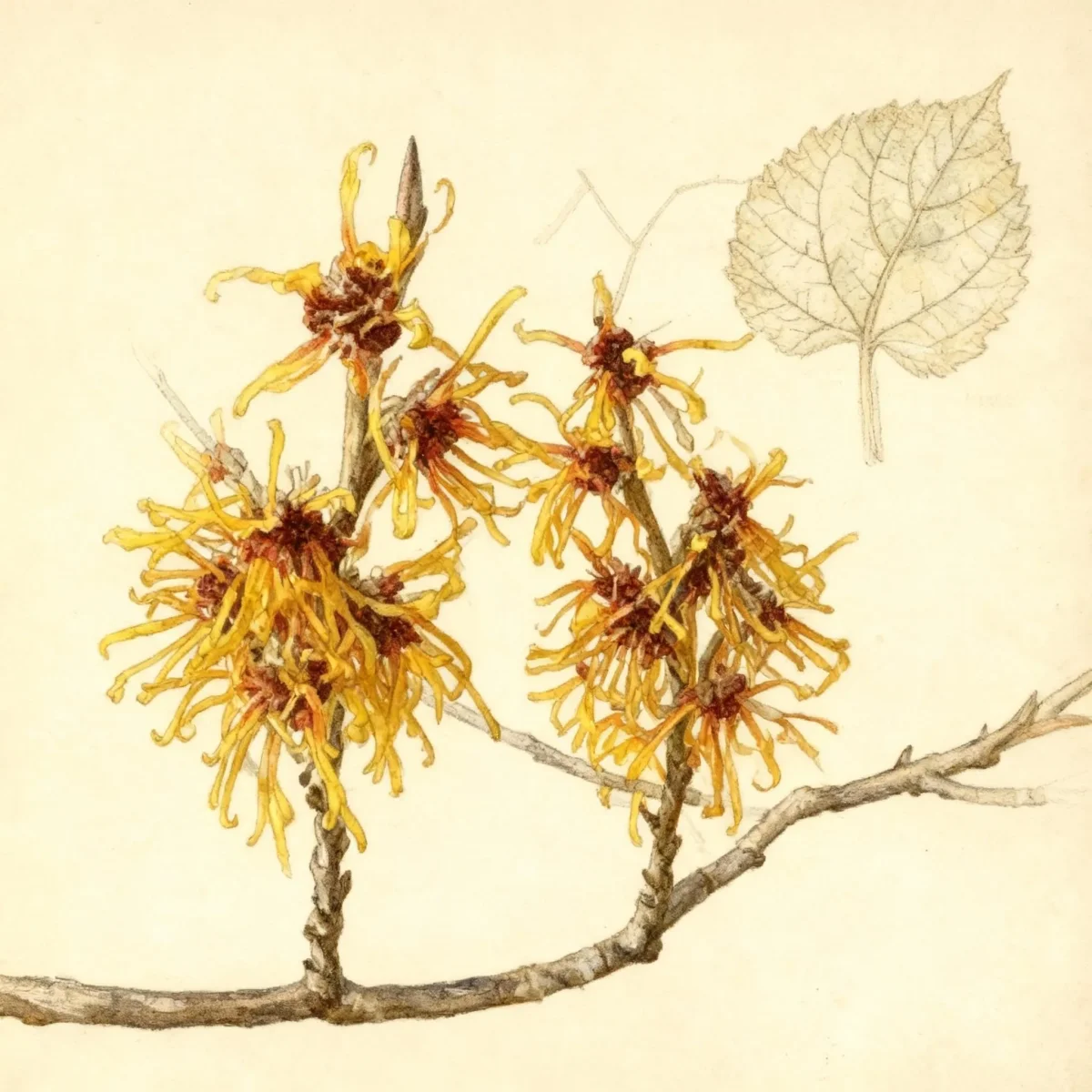
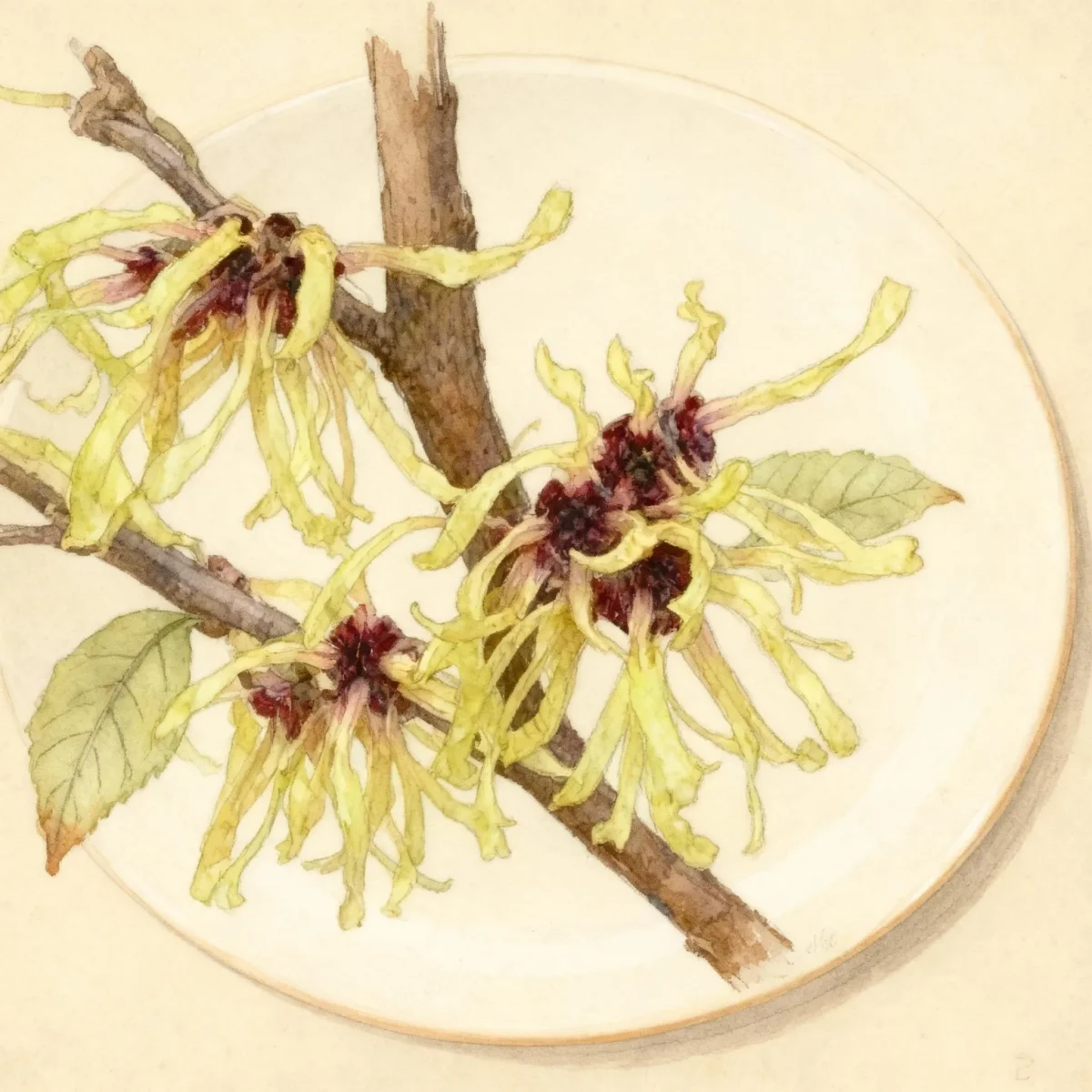
Witch hazel (Hamamelis japonica 'Pendula')
Discover Hamamelis japonica 'Pendula', a low-maintenance Witch hazel offering fragrant winter blooms and graceful weeping form.

Bloom Boldly, No Matter the Season - Sweatshirt
Cozy organic cotton sweatshirt featuring our exclusive Purple Coneflower design. Perfect for gardeners who bloom year-round.
Inspired by the beautiful Witch hazel
Limited first batch (50) — join the waitlist for early access
Waitlist closes Feb 15, 2026.
Complete Plant Information
Field Guide Continues
Ready for care notes, companion picks, and planting tips?
The map is just the start. The full guide below covers growth habits, seasonal performance, and landscape uses.
Overview
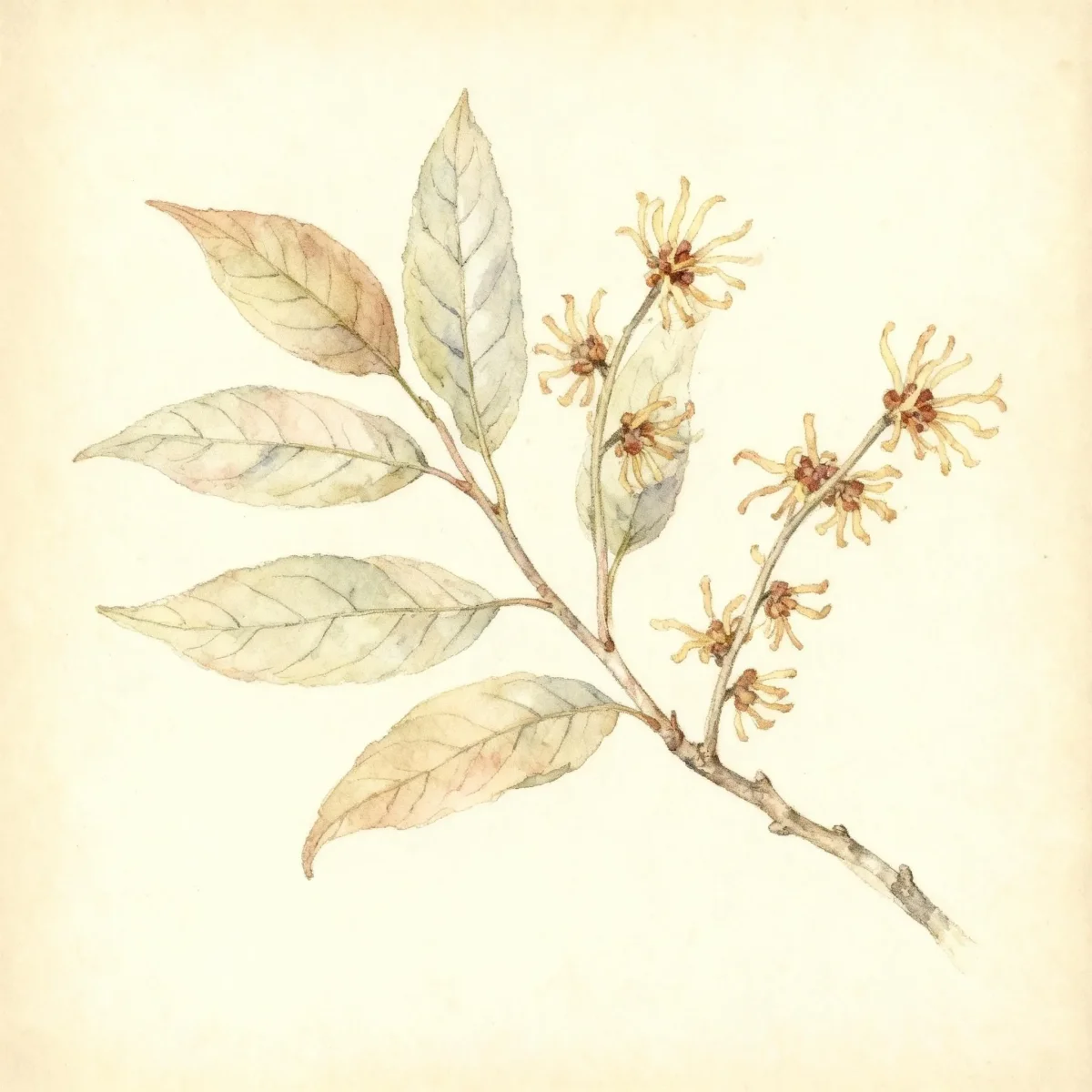
The Hamamelis japonica ‘Pendula’ brings essential winter interest to the landscape when few other plants offer consistent color. This specific cultivar of Japanese witch hazel is highly valued for its distinctly weeping habit, creating a graceful, architectural presence even when dormant. Gardeners appreciate this deciduous shrub for its reliable, mildly fragrant blooms that appear in late winter, signaling the approach of spring.
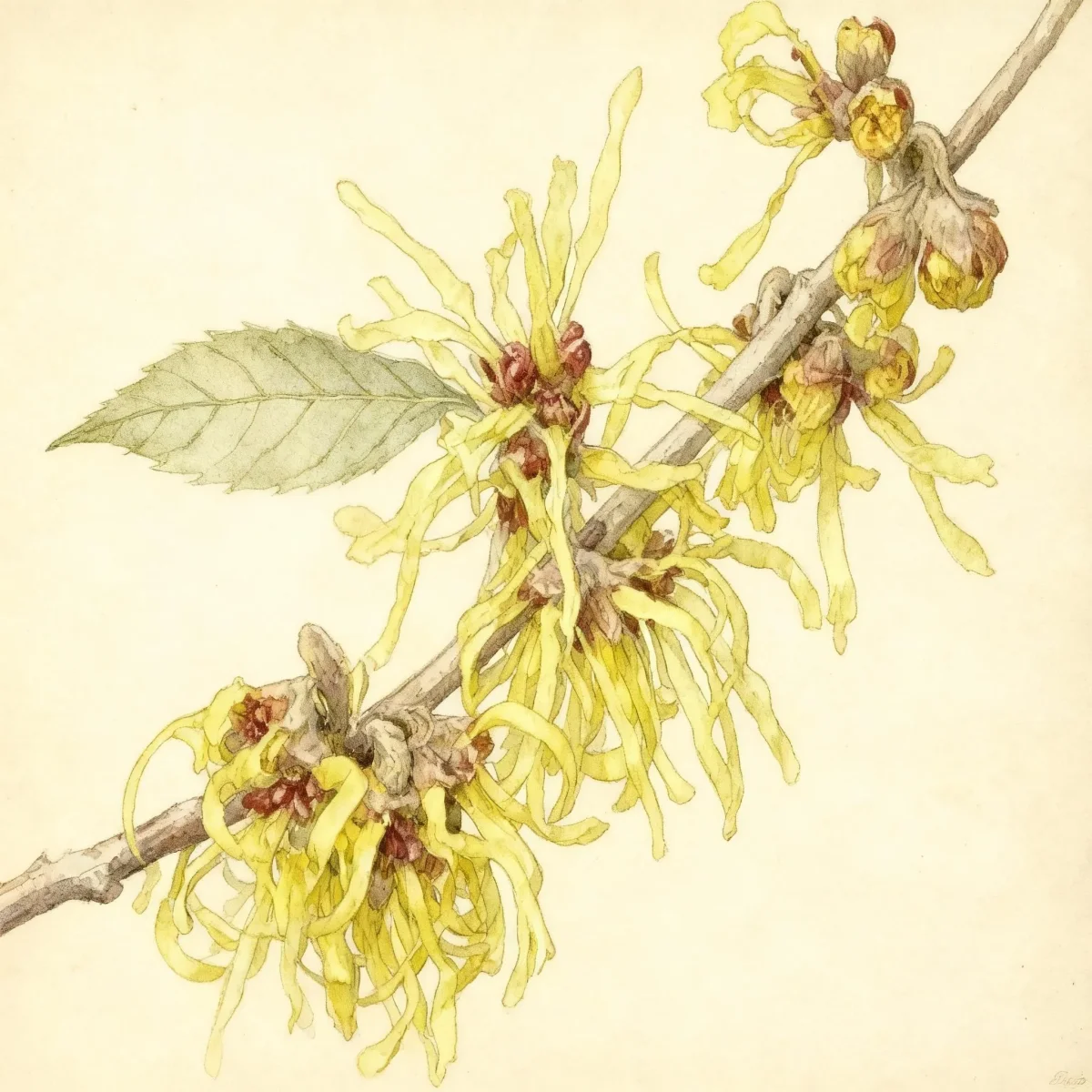
This variety of witch hazel performs best when given ample space to develop its naturally irregular, drooping structure. While it is classified as a low-maintenance specimen, its cultural needs—moist, organically rich, slightly acidic soil—ensure optimal performance. The fine texture of the crinkled, strap-like petals provides a subtle, showy display during the coldest months.
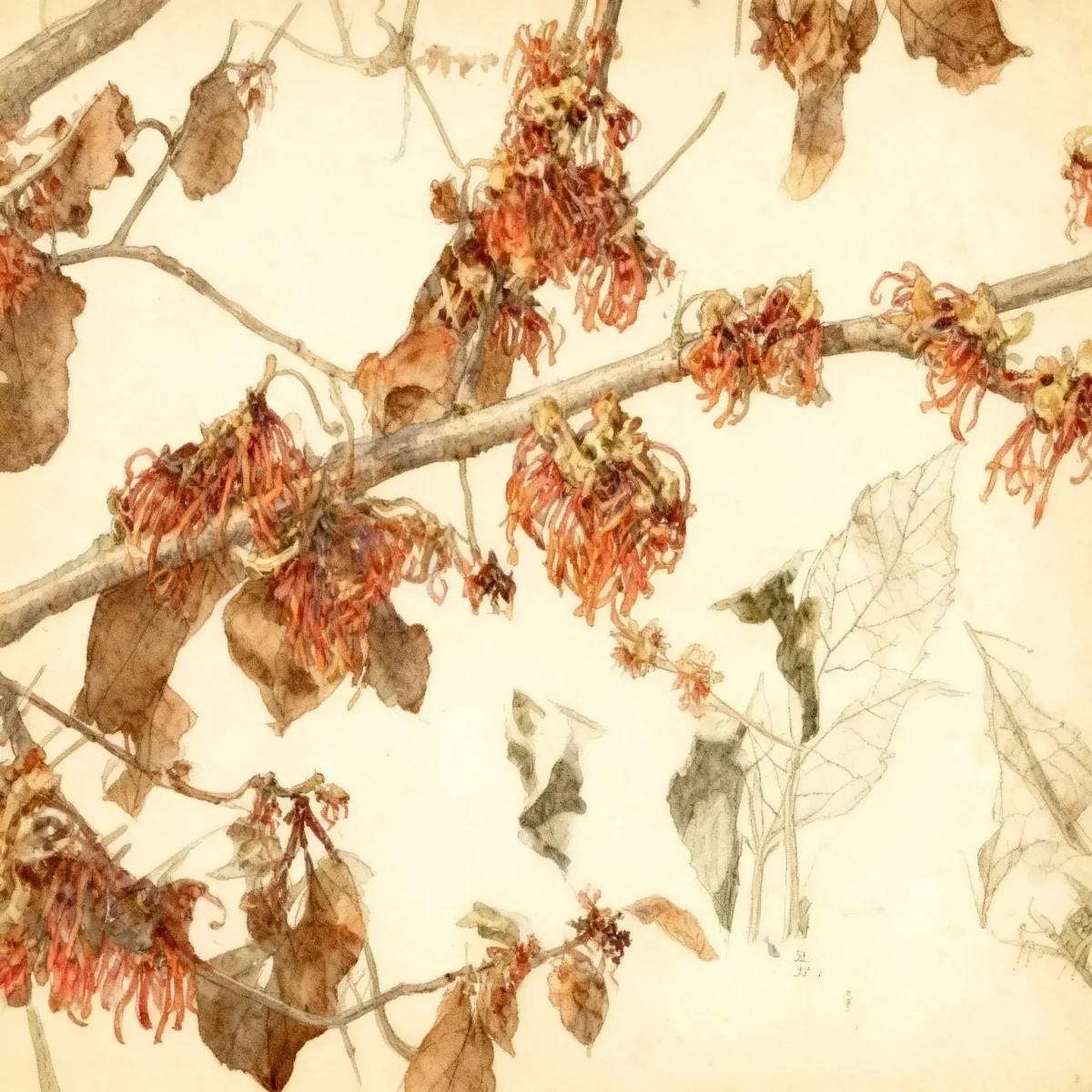
Beyond its winter flowers, Hamamelis japonica ‘Pendula’ offers decent fall color, shifting its foliage to warm shades of orange and red. Its resistance to deer browsing and tolerance for erosion make it a practical choice for structuring borders or woodland edges, providing multi-season appeal in USDA Zones 5 through 8.
Fast Facts
- Plant Family: Hamamelidaceae
- Plant Type: Deciduous shrub
- Hardiness Zones: USDA Zones 5-8
- Size at Maturity:
- Height: 6-8 ft
- Spread: 3-6 ft
- Bloom Time: January to March
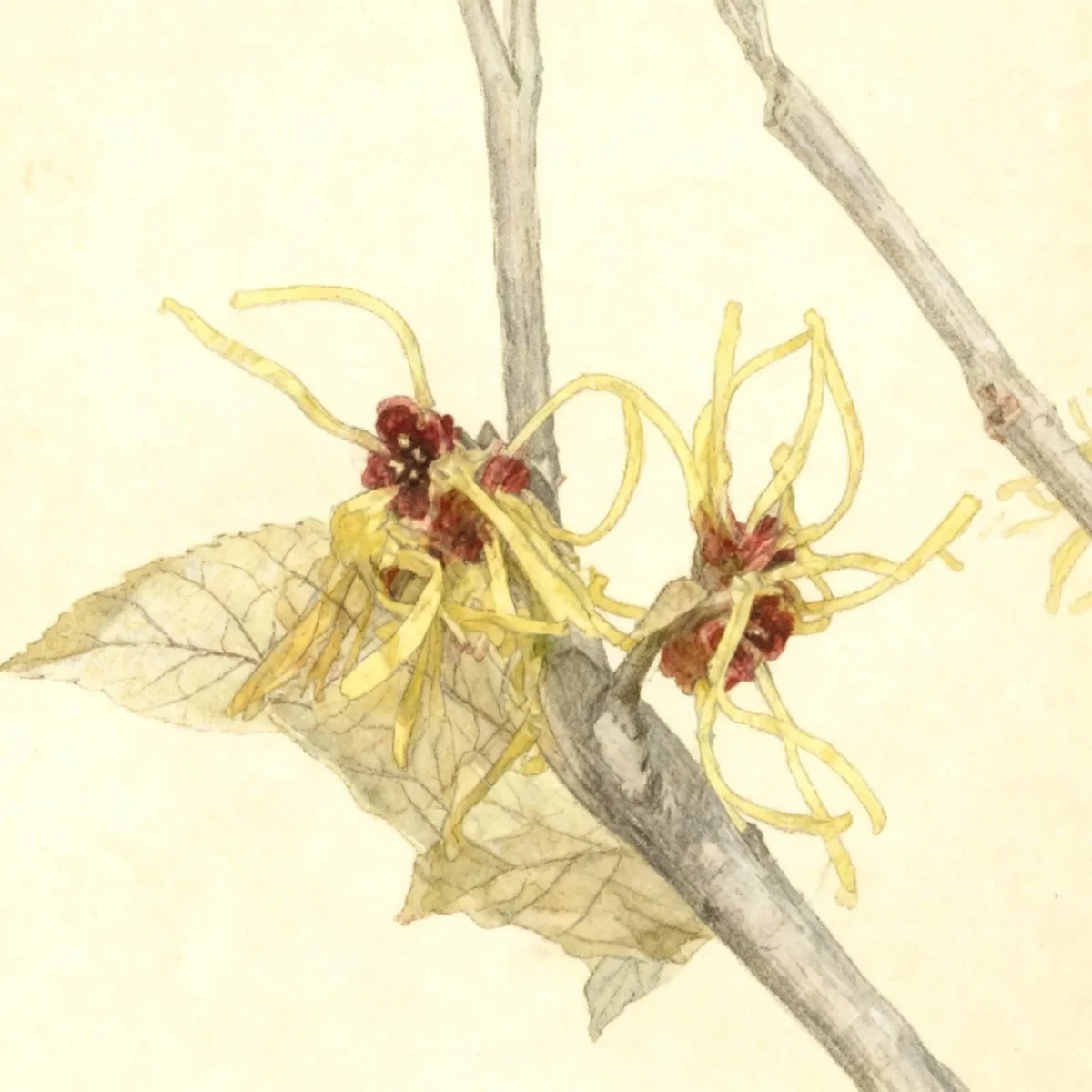
- Bloom Description: Light yellow with dark red inner cup
- Sun Exposure: Full sun to part shade
- Water Needs: Medium
- Maintenance Level: Low
How to Grow
Planting this witch hazel should occur in the fall or early spring, ensuring its roots establish before extreme temperatures arrive. Locate Hamamelis japonica ‘Pendula’ where it receives full sun for the best flower production, though it tolerates light afternoon shade. The ideal soil is medium moisture, well-drained, and rich in organic matter, preferably slightly acidic. While it offers some tolerance for clay soils, ensuring adequate drainage is crucial for long-term health.
Ongoing care is straightforward due to its low maintenance profile. Water moderately, especially during dry spells, focusing moisture near the root zone. Fertilizing is rarely necessary if the soil is organically rich; avoid high-nitrogen fertilizers that promote excessive leafy growth over flowering wood. Promptly remove any suckers originating from the base to maintain the specific weeping form of the ‘Pendula’ cultivar and prevent unwanted self-propagation.
Pruning for Hamamelis japonica ‘Pendula’ should be restricted to the period immediately following flowering in the spring. Focus pruning efforts on correcting shape or removing crossing branches. Heavy pruning should be avoided, as this interrupts the plant’s natural, elegant structure. Winter preparation is minimal; maintain a protective layer of mulch to conserve moisture and keep the root zone cool.
Landscape Uses
The weeping habit of Hamamelis japonica ‘Pendula’ makes it an exceptional specimen plant where its unique silhouette can be admired throughout the year, particularly during the winter bloom season. It excels when positioned near viewing areas or adjacent to evergreen structure that highlights its bare branches. Use this witch hazel in shrub borders, allowing it to soften the transition between taller trees and lower plantings.
Due to its mature height of 6 to 8 feet and manageable spread, this cultivar functions effectively as a tall hedge or screen where a formal, upright form is not required. In more naturalistic settings, plant it within woodland gardens where its medium moisture needs integrate well with neighboring shade-tolerant perennials. Planting in groups allows the collective winter glow of the flowers to create a more significant impact across the winter garden.
Standout Features
Flower Qualities
- Showy
- Fragrant
Noteworthy Characteristics
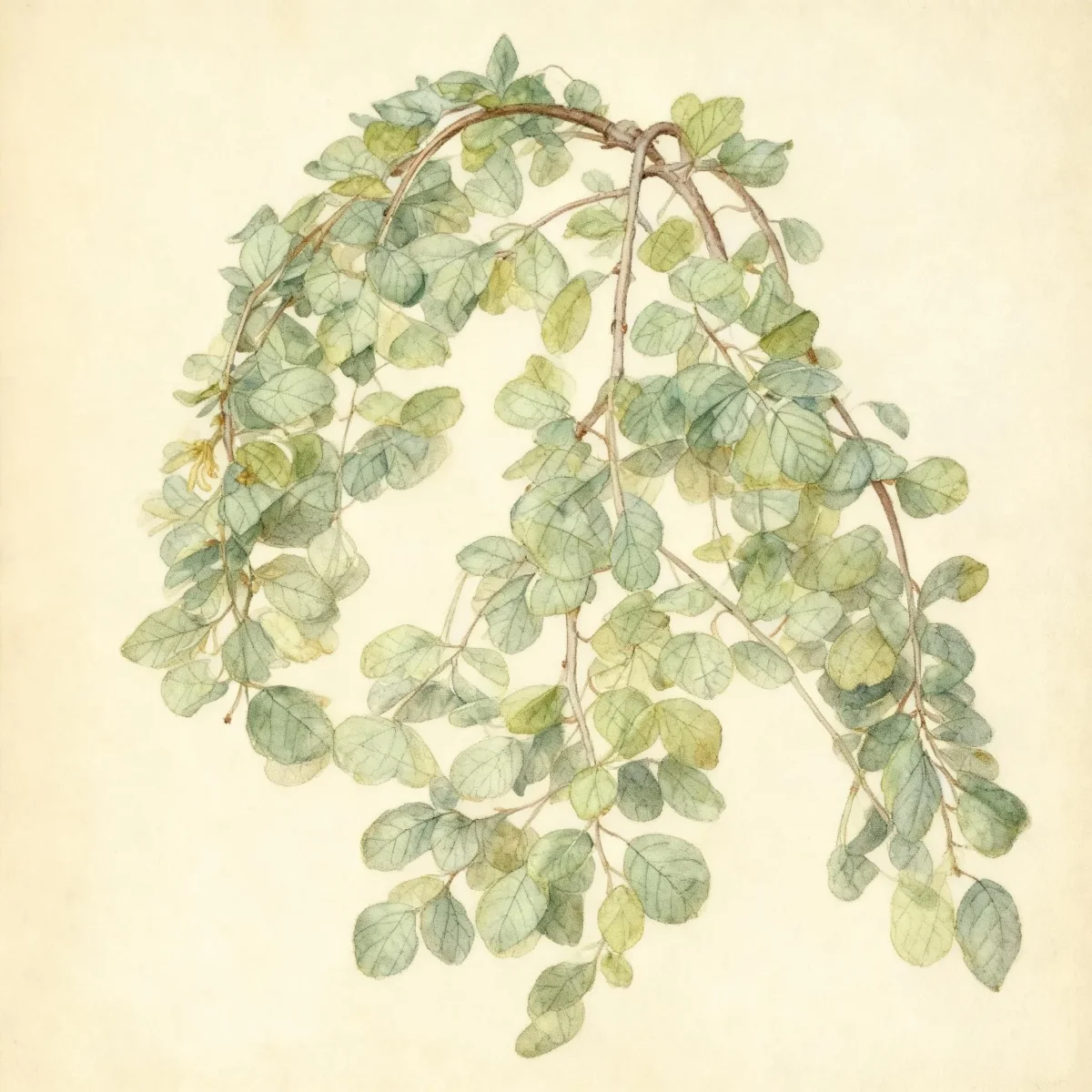
Hamamelis japonica, commonly called Japanese witch hazel, is an upright, open, medium to large, suckering, deciduous shrub that typically grows to 10-15’ tall with a rounded, spreading shape. It is native to mountainous areas of Japan. It is particularly noted for its mildly fragrant pale yellow winter flowers, attractive medium to dark green summer foliage (broad ovate to obovate leaves to 4” long) and yellow/red/purple fall color. Flowers typically bloom for up to 4 weeks during the period of February-March. Each flower has four narrow strap-shaped petals that are crinkled. H. Japonica is very similar in appearance to H. Virginica. H. Japonica and H. Mollis are the parents of the popular H. X intermedia cultivars.Genus name comes from the Greek words hama meaning at same time and melon meaning apple or fruit in reference to the occurrence of both fruit and flowers at the same time on this shrub (particularly in the case of fall flowering members of the genus).Specific epithet means of Japan. ‘Pendula’ has a stiffly weeping habit and is profusely covered with slightly scented, light yellow flowers in late winter to early spring. Its leaves turn shades of orange and red in fall. ‘Pendula’ grows 6 to 8 ft. Tall and 3 to 6 ft. Wide
Tolerances
- Deer
- Erosion
- Clay Soil
Potential Problems
Insect pest damage to Hamamelis japonica ‘Pendula’ is usually minor and rarely requires intensive treatment. Watch for caterpillars and Japanese beetles, which occasionally chew holes in the foliage during the warmer months. Other potential pests include gall aphids, scale insects, leafrollers, and leafminers, though severe infestations are uncommon for this hardy witch hazel.
Fungal issues such as powdery mildew, occasional leaf spots, and root rots represent the main disease concerns. Preventing these issues involves ensuring good air circulation, which is easily achieved with the weeping habit of ‘Pendula’, and avoiding overly wet or poorly drained soils. If disease is noted, generally, cultural adjustments are sufficient, and chemical controls are rarely warranted for this robust plant.
Frequently Asked Questions
What hardiness zones is Witch hazel suitable for?
The Hamamelis japonica ‘Pendula’ is reliably hardy in USDA Zones 5 through 8. Confirming your rating is key before planting.
How large does Hamamelis japonica ‘Pendula’ grow?
This weeping witch hazel matures to a moderate size, typically reaching 6 to 8 feet tall with a spread of 3 to 6 feet wide.
When does Witch hazel bloom?
This specific variety provides excellent late-season relief, blooming reliably from January through March with light yellow, fragrant clusters.
What sun exposure does Hamamelis japonica ‘Pendula’ need?
For the most abundant flowering display from this witch hazel, plant it in a location receiving full sun, although it will tolerate partial shade.
Conclusion
The Hamamelis japonica ‘Pendula’ remains an indispensable specimen for its late-winter floral show and unique, pendulous habit. Its low maintenance needs and deer tolerance make it a practical and beautiful addition to many landscape plans. Before planting, ensure your site offers well-drained, medium moisture soil compatible with its USDA Zone rating.
Companion Planting
When designing a mixed border around your Witch hazel, select companions that complement its winter bloom or share its cultural needs for moist, rich soil. Avoid planting sensitive, shallow-rooted plants directly beneath it, as Hamamelis develops a fibrous root system. Consider early spring bulbs like snowdrops (Galanthus) or hellebores (Helleborus) that emerge around the same time as the witch hazel blooms, creating layered interest.
For summer structure, shrubs like Japanese pieris or certain rhododendrons blend well, as they share a preference for acidic environments. When using Hamamelis japonica ‘Pendula’ near woodland edges, look to ferns and hostas to fill in the space beneath its canopy once the fall foliage has dropped and the winter blossoms take center stage.
Seasonal Care Calendar
Spring is the critical time for shaping this deciduous shrub. After the last flowers fade, use this window to prune Hamamelis japonica ‘Pendula’ to maintain its weeping form; avoid heavy shearing. As the weather warms, monitor moisture levels, ensuring medium water needs are met during establishment and dry spells.
Summer care focuses on observation and minimal intervention. If pests like Japanese beetles appear, hand-picking is often the most effective and environmentally sound control for this low-maintenance garden feature. Ensure mulch remains consistent to suppress weeds and regulate the soil temperature around the base of the witch hazel.
Fall brings the foliage display, turning the leaves shades of orange and red before dropping them. As the temperatures drop radically heading into winter, the plant requires little direct intervention. Its resilience allows it to stand as a structural element, showcasing its buds and preparing for its spectacular January to March bloom period.