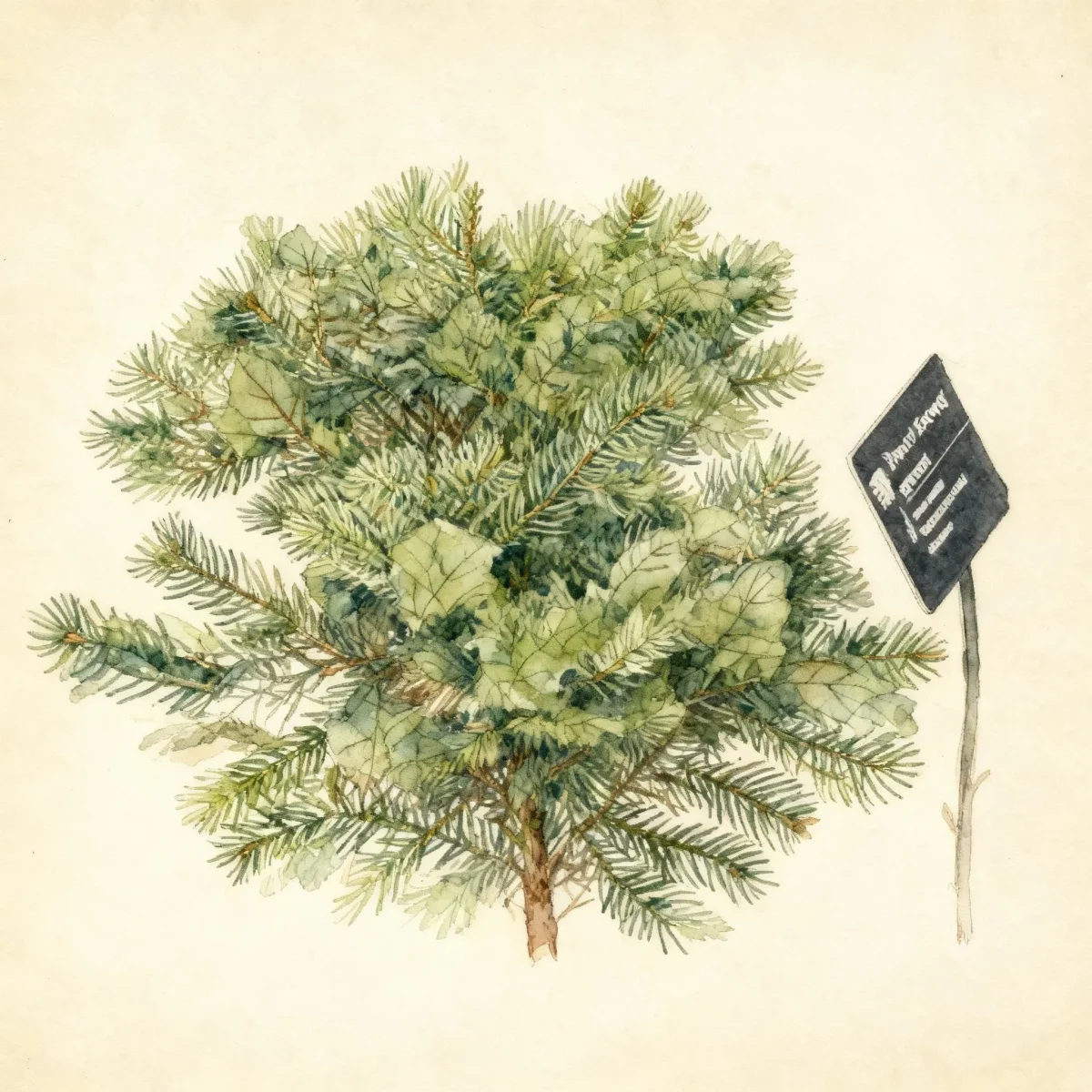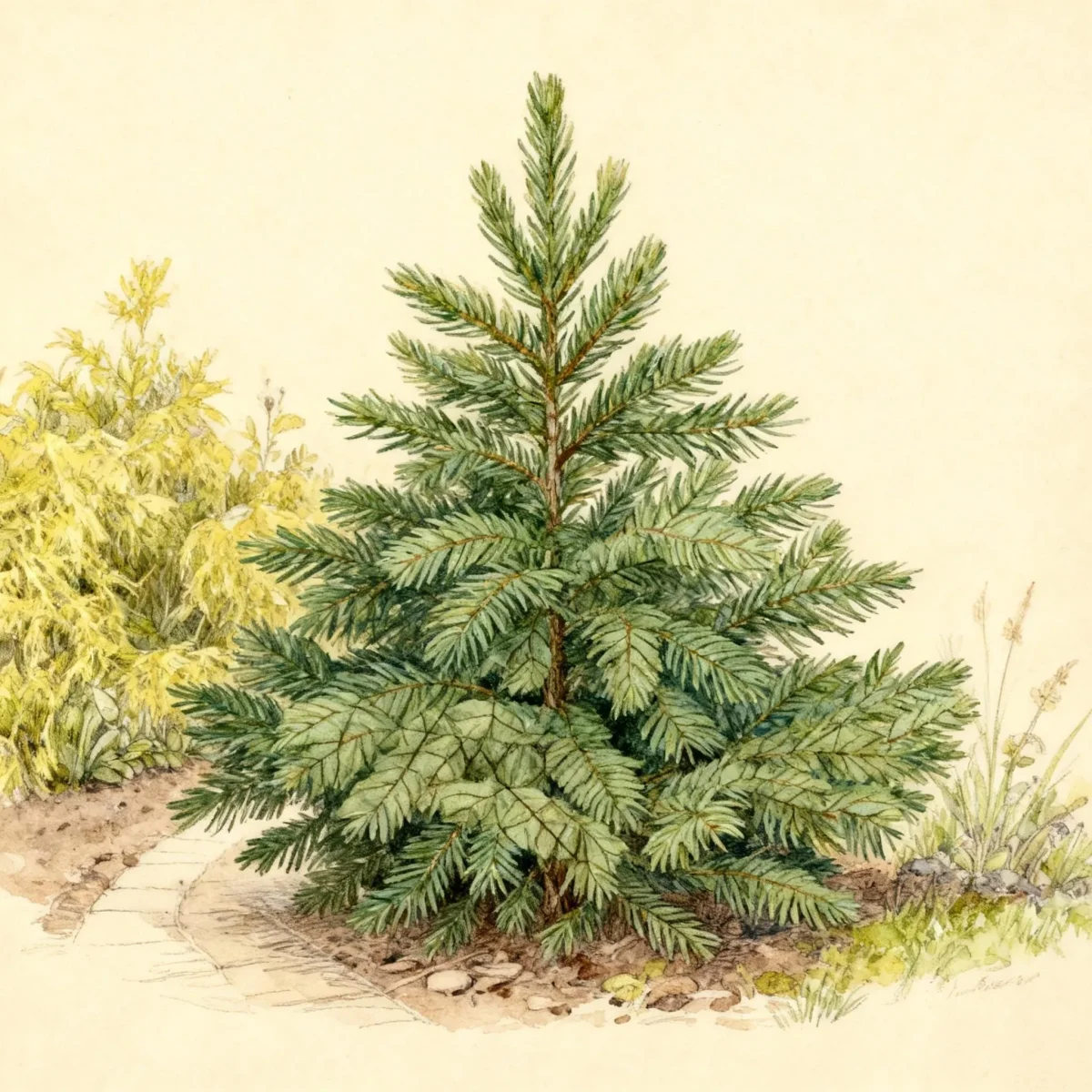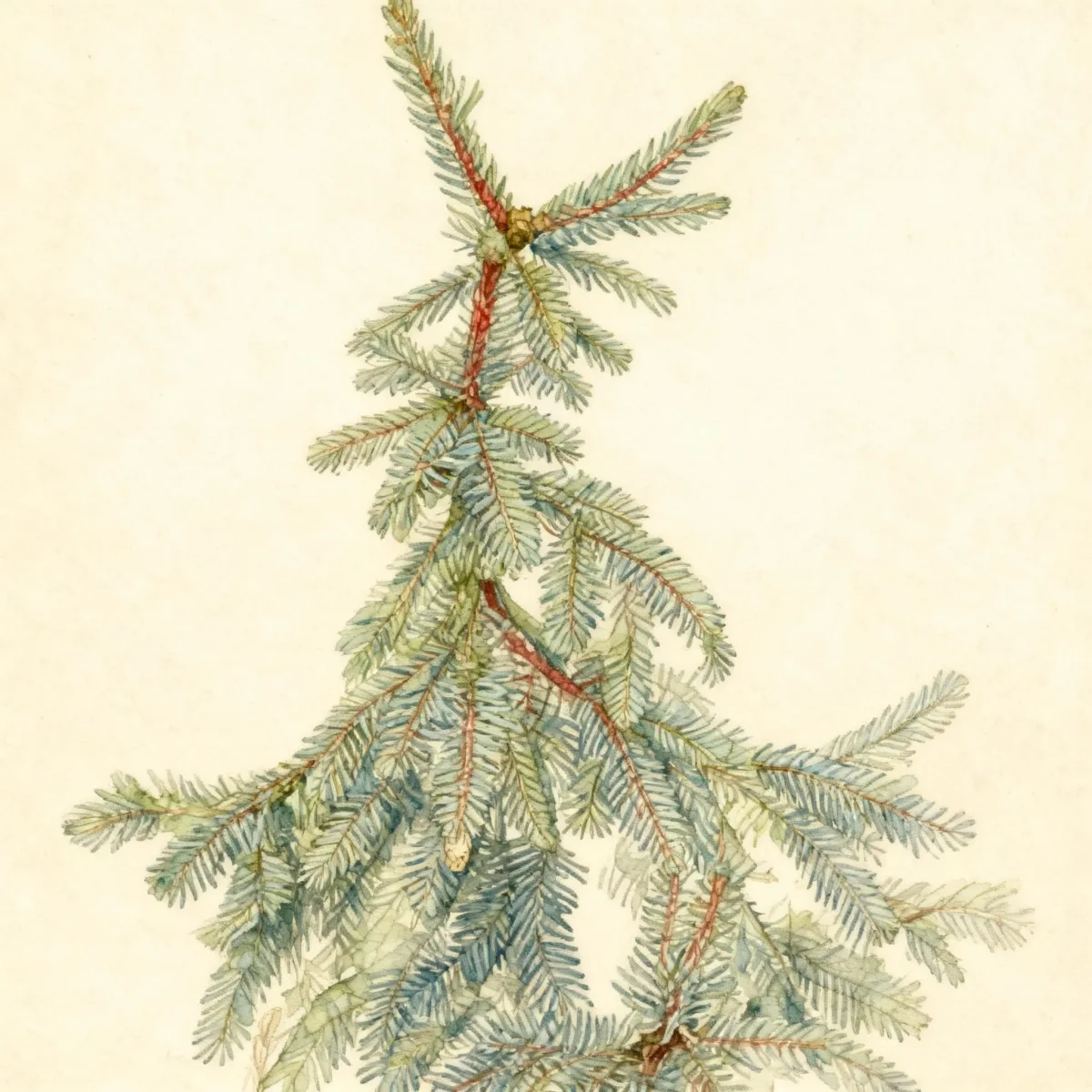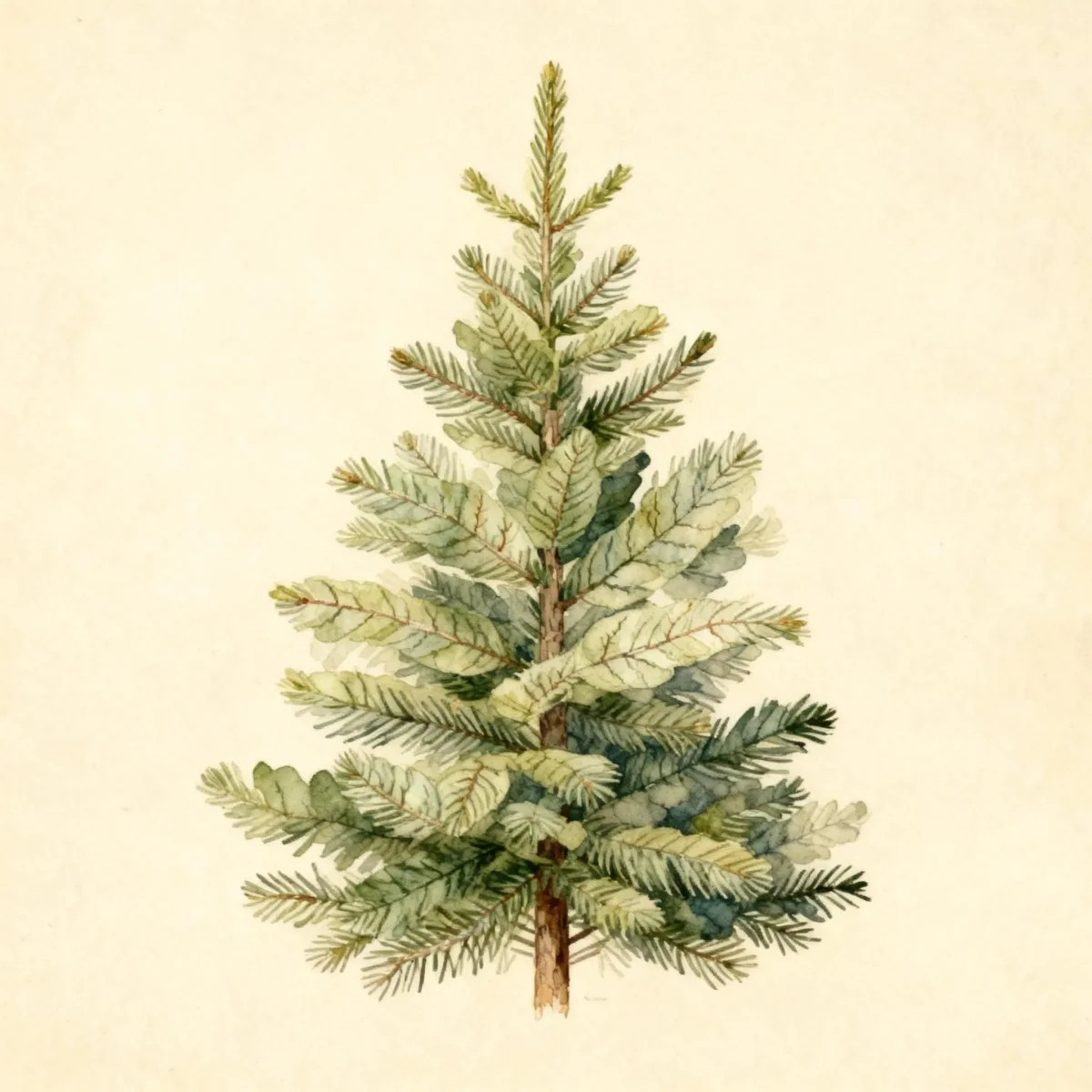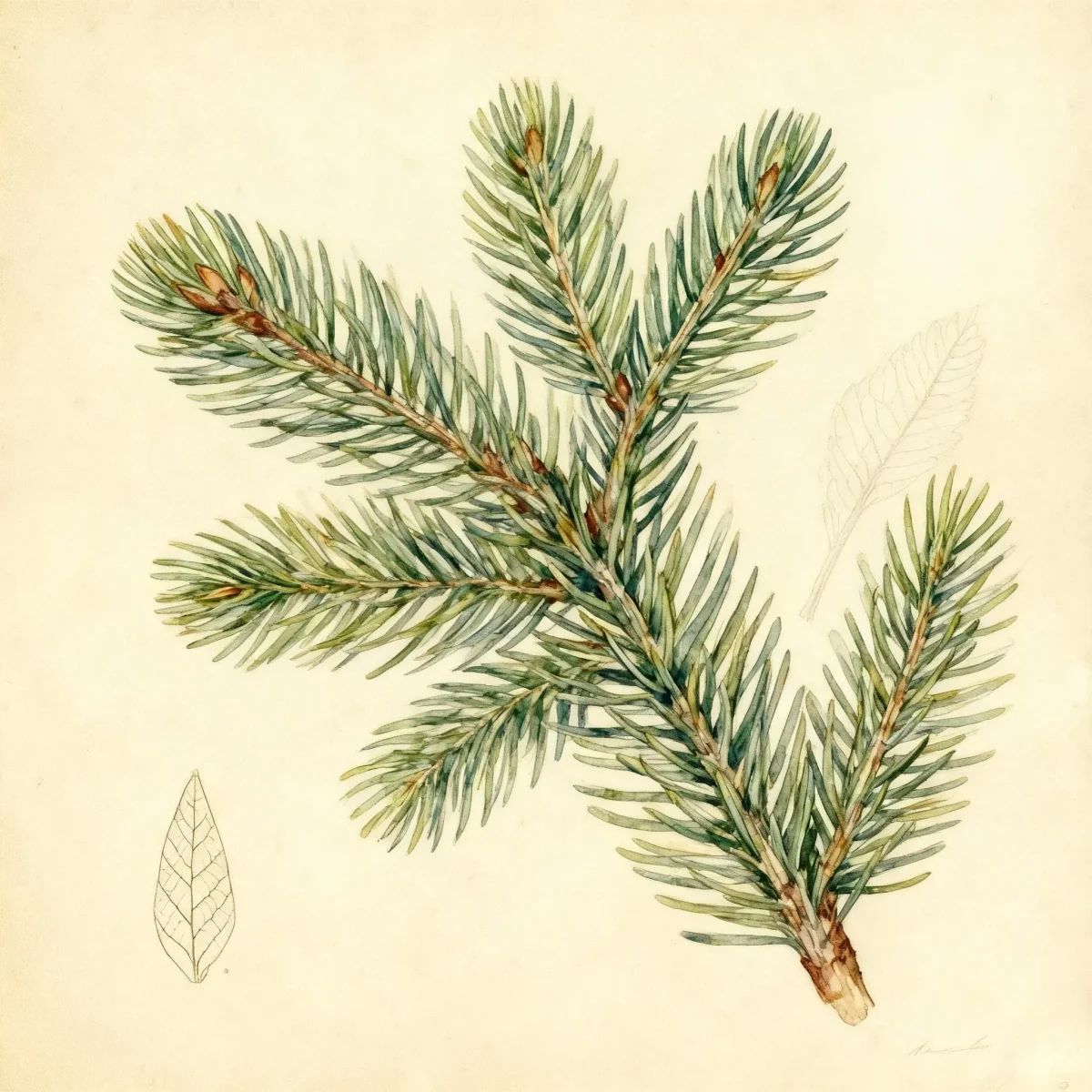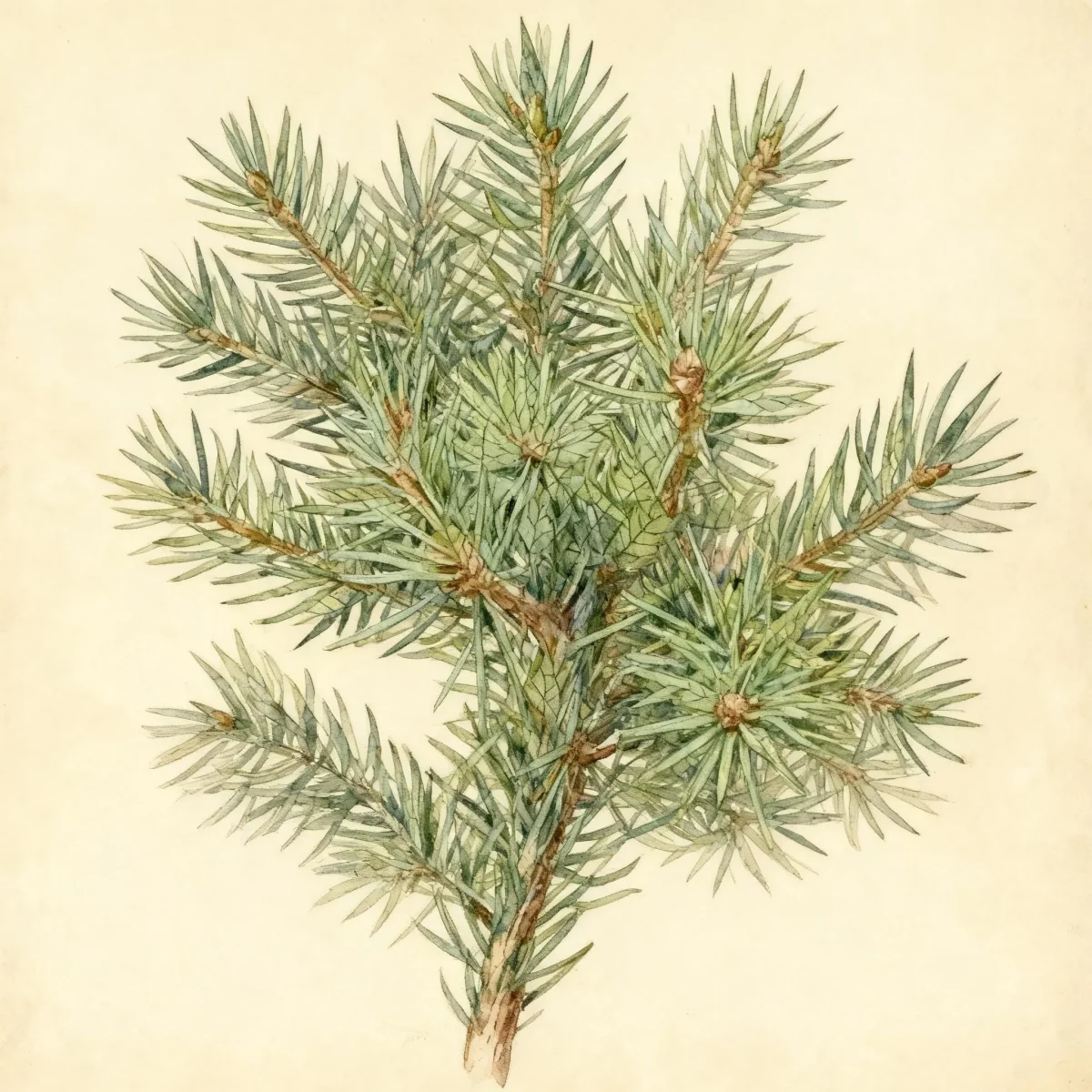

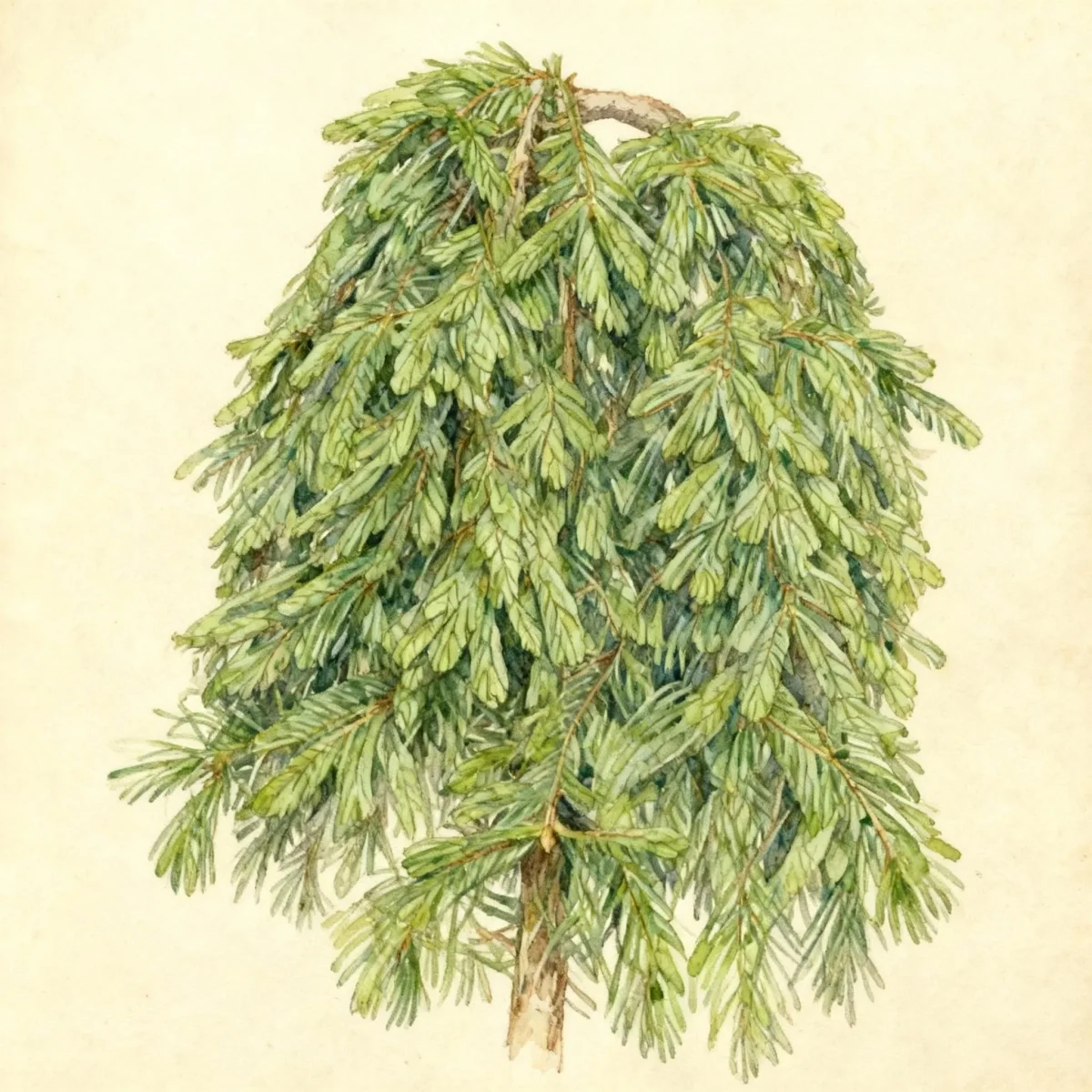
Dwarf Norway spruce (Picea abies 'Inversa')
Discover Picea abies 'Inversa', the versatile Dwarf Norway spruce. This weeping evergreen is excellent for training as a specimen or groundcover in Zones 2-7.
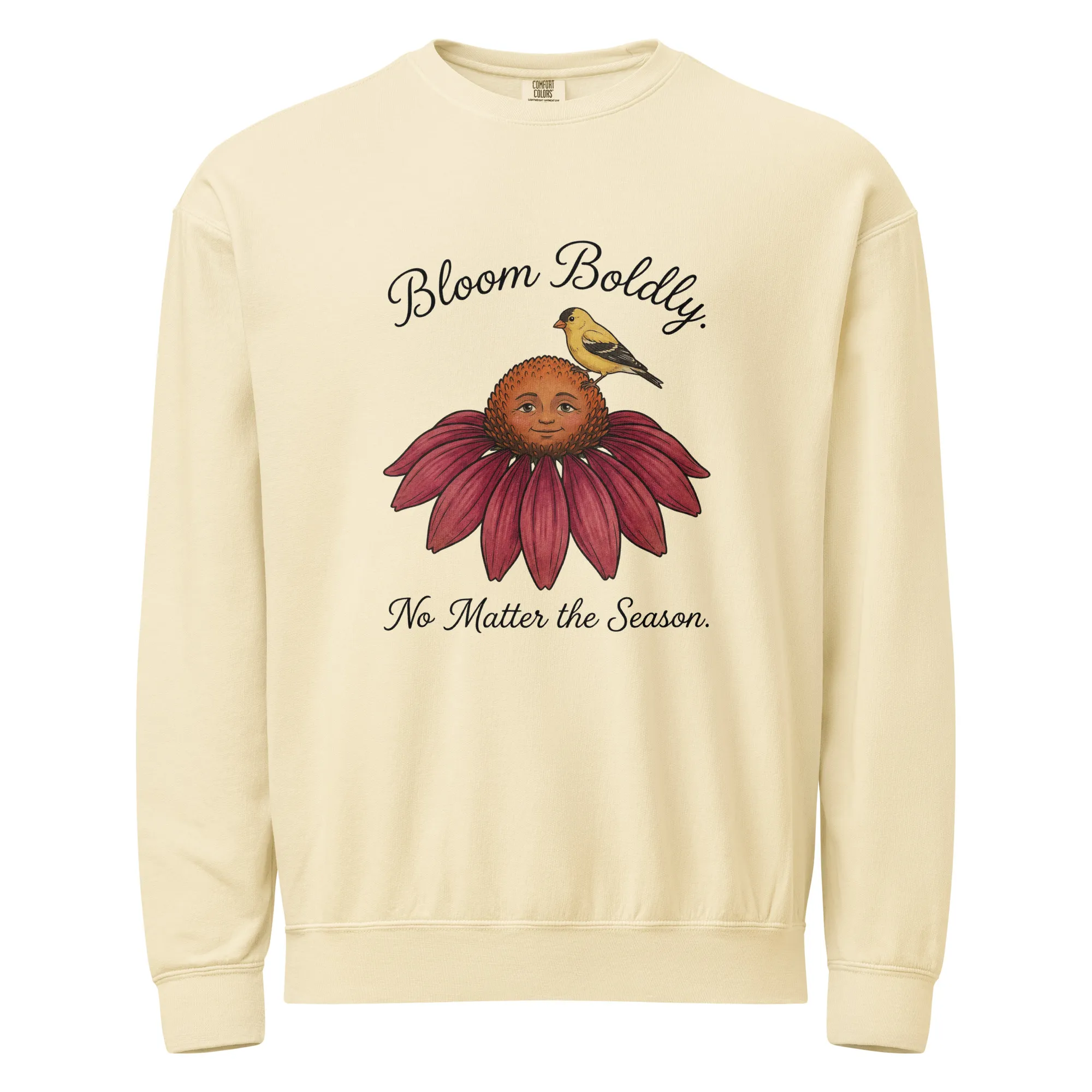
Bloom Boldly, No Matter the Season - Sweatshirt
Cozy organic cotton sweatshirt featuring our exclusive Purple Coneflower design. Perfect for gardeners who bloom year-round.
Inspired by the beautiful Dwarf Norway spruce
Limited first batch (50) — join the waitlist for early access
Waitlist closes Feb 15, 2026.
Complete Plant Information
Field Guide Continues
Ready for care notes, companion picks, and planting tips?
The map is just the start. The full guide below covers growth habits, seasonal performance, and landscape uses.
Overview
The remarkable Picea abies ‘Inversa’, commonly known as Dwarf Norway spruce, stands out due to its uniquely weeping and trailing branch structure. This versatility allows gardeners to either stake it upright into an unconventional specimen tree or allow its dense, pendulous branches to cascade dramatically over structures. As a needled evergreen, it provides essential year-round texture and deep green color to the landscape, making it a reliable focal point.
While the standard Norway spruce can become massive, the ‘Inversa’ cultivar offers manageable dimensions, typically reaching heights between 1.5 and 30 feet depending on how it is trained. This makes the Dwarf Norway spruce adaptable to different garden scales where its distinctive form can be fully appreciated. It thrives best in cooler summer regions, offering low maintenance once established.
Gardeners value the Picea abies ‘Inversa’ for its adaptability in form and its excellent tolerance for less-than-ideal urban conditions. Its lush texture, recalling Spanish moss when fully draped, provides contrast against more rigidly shaped conifers. Integrating this unique weeping conifer ensures winter interest remains high, showcasing its vibrant lime-green new growth in spring.
Fast Facts
- Plant Family: Pinaceae
- Plant Type: Needled evergreen
- Hardiness Zones: USDA Zones 2-7
- Size at Maturity:
- Height: 1.5-30 ft
- Spread: 10-20 ft
- Bloom Time: Non-flowering
- Bloom Description: Non-flowering
- Sun Exposure: Full sun
- Water Needs: Medium
- Maintenance Level: Low
How to Grow
Planting the Dwarf Norway spruce is best done in spring or early autumn when cultural stresses are lower. Ensure the chosen location provides full sun exposure, which is critical for maintaining dense foliage and robust structure. This conifer prefers average, acidic soils that are evenly moist but exceptionally well-drained. It performs particularly well in rich, sandy soil compositions.
Watering requirements are medium; aim for consistent moisture, especially during the first few growing seasons as the root system establishes itself. Once mature, established plants show some tolerance for dry soil conditions, though regular deep watering during extended dry spells in summer will ensure peak health. Fertilizer is rarely necessary if the soil is inherently rich; otherwise, apply a balanced, slow-release fertilizer formulated for acid-loving plants in early spring.
Pruning on the Picea abies ‘Inversa’ is primarily aesthetic or functional, focusing on training its weeping habit via staking if desired. Avoid heavy pruning, as it does not readily break new growth on old wood. Be aware that this spruce prefers cool summer climates and often struggles or fails to thrive reliably outdoors in areas exceeding USDA Zone 7, where high heat and humidity can stress the tree.
Landscape Uses
The unique trailing habit of the Dwarf Norway spruce makes it a dynamic element in landscape design. It excels when used as an accent piece near entryways or patios, allowing its dramatic drape to soften hard lines. When trained upright on a sturdy stake, it serves as an excellent, albeit dwarf, specimen tree in large lawns where its form can be viewed from all sides.
For gardeners managing slopes or retaining walls, allowing the Picea abies ‘Inversa’ to cascade over hardscape edges offers a breathtaking visual impact. Furthermore, its dense structure lends itself well to functioning as an effective evergreen screen or windbreak, particularly in colder northern zones where it shows superior hardiness.
Due to its tolerance for air pollution, this cultivar performs admirably in urban settings where many other fine evergreens might suffer. Its consistent green color and manageable mature size also make it a suitable, though large, choice for foundation plantings near commercial buildings or in structured park settings.
Standout Features
Noteworthy Characteristics
Picea abies, commonly called Norway spruce, is a large pyramidal evergreen conifer that is native to the mountains of northern and central Europe east to the Urals. In its native European habitat, it typically matures to 100-150’ (occasionally to 200’) tall. It has been widely planted in cool and temperate regions of North American where it typically matures to a much shorter 40-60’ (less frequently to 100’) tall. It is noted for its rapid growth. Primary branches are slightly upturned but secondary branches become pendulous as the tree matures. Branches are clad with spirally-arranged, four-sided, needle-like, deep green leaves which are attached at their bases to tiny pegs. Cylindrical seed bearing cones (to 9” long) are pendulous. In excess of 150 cultivars (mostly dwarf) have been named over the years. Cultivars can be very difficult to distinguish.Genus name is reportedly derived from the Latin word pix meaning “pitch” in reference to the sticky resin typically found in spruce bark.Specific epithet refers to its similarity to the genus Abies (fir).’Inversa’ is a weeping cultivar of Norway spruce. It may be grown as a upright tree by training it to grow against a stake or as a ground cover by allowing to spread across the ground. It may also be grown draped over raised planters or retaining walls. ‘Inversa’ has dense, trailing branches that are reminiscent of Spanish moss and needle-like green leaves that emerge lime green in spring. Depending upon how it is trained, it will grow 1.5 to 30 ft. Tall and 10 to 20 ft. Wide
Tolerances
- Deer
- Air Pollution
Potential Problems
Cytospora canker and various forms of wood decay or needle cast are potential fungal issues for the Dwarf Norway spruce, often exacerbated by poor air circulation or overly wet conditions. To mitigate these risks, ensure proper spacing between plantings and avoid overhead watering when possible.
Insect pests to monitor include aphids, bagworms, budworms, and various borers, while red spider mites can become particularly troublesome during hot, dry weather. Regular inspection, especially of needle undersides, allows for early treatment using horticultural oils or appropriate insecticides if infestations become severe. Adhering to the cultural needs of the Picea abies ‘Inversa’ remains the best preventative defense against stress and ensuing pest outbreaks.
Frequently Asked Questions
What hardiness zones is Dwarf Norway spruce suitable for?
The ideal range for successful cultivation of Picea abies ‘Inversa’ is USDA Zones 2 through 7.
How large does Dwarf Norway spruce grow?
The height of the Picea abies ‘Inversa’ varies wildly based on training, ranging from a low groundcover form of 1.5 feet up to 30 feet when staked, with a spread usually between 10 and 20 feet.
What sun exposure does Dwarf Norway spruce need?
This needled evergreen requires full sun exposure to develop its best color and structure, though it appreciates relief from intense afternoon heat in the hotter ends of its hardiness range.
When does Dwarf Norway spruce bloom?
Picea abies ‘Inversa’ is a non-flowering conifer, meaning it does not produce noticeable flowers or bloom structures in the traditional sense.
Conclusion
The Picea abies ‘Inversa’ offers unparalleled form interest among easy-to-manage evergreens. Its weeping structure, coupled with reliable performance in cooler climates, solidifies the Dwarf Norway spruce as a top choice for textural contrast and year-round color. Before planting, confirm that your location falls within USDA Zones 2-7 and that you can provide full sun and consistently moist soil conditions.
Companion Planting
When planning beds around your Picea abies ‘Inversa’, select plants that share its preference for full sun and acidic soil. Pairing it with broadleaf evergreens like Rhododendrons or Azaleas works well, as they share similar cultural needs. For ground cover beneath the specimen, consider low-growing, acid-tolerant perennials such as Hosta varieties that tolerate brighter light or Heathers, which provide excellent seasonal color beneath the dark green boughs.
Design Ideas for Weeping Conifers
The weeping nature of the Dwarf Norway spruce opens up unique design possibilities beyond simple border planting. Consider using it near a water feature or alongside a contemplative garden path where its draped branches can create a cave-like, romantic effect. If planting on an embankment, allow its stems to cascade naturally down the slope, anchoring the hillside with evergreen presence.