Crape myrtle(Lagerstroemia indica 'Whit III' PINK VELOUR)
Lagerstroemia indica 'Whit III' PINK VELOUR is a stunning Crape myrtle offering magenta-pink blooms and excellent drought tolerance for Zones 6-9.
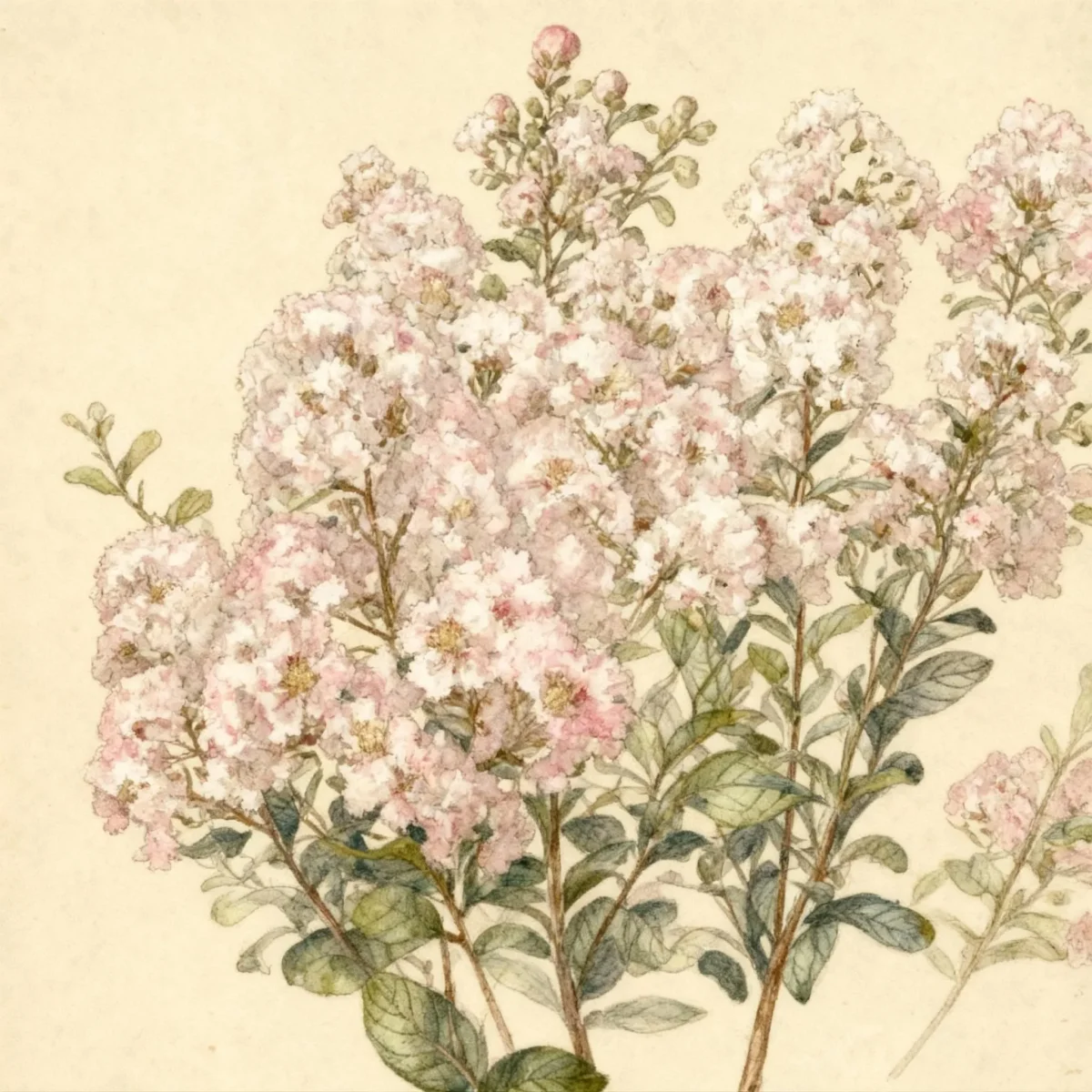
Complete Plant Information
- Hardiness zones
- USDA 6–9
- Plant type
- Deciduous shrub
- Plant family
- Lythraceae
- Sun exposure
- Full sun
- Water needs
- Medium
- Maintenance
- Medium
- Height
- 6–12 ft (183–366 cm)
- Spread
- 6–12 ft (183–366 cm)
- Bloom time
- July to September
- Flower color
- Magenta pink
- Flower qualities
- Showy
- Fruit qualities
- Not recorded
- Tolerances
- Drought, Clay Soil, Air Pollution
- Garden uses
- Not recorded
- Native range
- Not recorded
Field Guide Continues
Ready for care notes, companion picks, and planting tips?
The map is just the start. The full guide below covers growth habits, seasonal performance, and landscape uses.
Overview
The Lagerstroemia indica ‘Whit III’ PINK VELOUR Crape myrtle cultivar is celebrated for delivering vibrant, long-lasting color through the heat of the summer, extending from July well into September. As an upright, multi-stemmed deciduous shrub, this specific variety—often sold as PINK VELOUR—culminates in striking magenta-pink inflorescences that truly stand out in the landscape. Gardeners rely on this Crape myrtle for its attractive exfoliating bark and its good performance in warmer climates, though winter care requires attention in marginally hardy regions.
This cultivar provides substantial ornamental appeal throughout the year, boasting showy crepe-papery flowers in mid-summer and attractive fall coloration in its foliage. While adaptable to various soil types, the success of Lagerstroemia indica ‘Whit III’ PINK VELOUR depends heavily on maximizing sun exposure to ensure robust flowering and good winter survival. It offers tremendous value as a focal point or an informal screen where a medium-sized structure is desired.
Fast Facts
- Plant Family: Lythraceae
- Plant Type: Deciduous shrub
- Hardiness Zones: USDA Zones 6-9
- Size at Maturity:
- Height: 6-12 ft
- Spread: 6-12 ft
- Bloom Time: July to September
- Bloom Description: Magenta pink
- Sun Exposure: Full sun
- Water Needs: Medium
- Maintenance Level: Medium
How to Grow
Plant Lagerstroemia indica ‘Whit III’ PINK VELOUR in average, medium-moisture, well-drained soils, ensuring it receives full sun exposure for the best flowering results. This variety handles loamy or clay soils well, provided drainage is adequate. Avoid overly fertile soils, as this typically encourages excessive leafy growth rather than flower production and can increase susceptibility to winter injury.
Water the roots deeply, especially during dry spells, but take care to keep water off the foliage to help prevent potential fungal issues. The maintenance level is medium; applying a slow-release fertilizer can benefit growth, but sparingly. In cooler zones (5-6), planting in protected locations and applying a winter mulch is highly recommended to protect the structural wood.
For marginally hardy areas like the St. Louis region, be prepared for top-kill when temperatures drop below -5°F. In such cases, prune the stems back to about 8 inches in early spring; the roots will reliably sprout new, flowering wood that grows several feet by the end of the season. Flowers for this Crape myrtle always appear on the current season’s new growth.
Landscape Uses
The versatile size of Lagerstroemia indica ‘Whit III’ PINK VELOUR makes it adaptable to various landscape roles. Its 6 to 12-foot stature makes it excellent when used as a specimen shrub, providing a vertical element of color throughout the summer months. It performs beautifully planted in groups or incorporated into mixed shrub borders where its magenta-pink blooms can contrast with neighboring greens or whites.
In the warmer reaches of its range (Zones 8-9), where top growth is reliably hardy, this cultivar functions exceptionally well as an effective informal hedge or screen due to its dense habit and extended bloom period. Consider placing it where its exfoliating bark can be admired during the winter months, or pair it with late-season bloomers to ensure continuous garden interest after the primary Crape myrtle flush fades.
Standout Features
Flower Qualities
- Showy
Noteworthy Characteristics
Lagerstroemia indica, commonly known as crape myrtle, is a multi-stemmed, deciduous shrub prized for its long bloom period, superb fall color, and showy flowers with crimped petals that bloom from summer to frost. Specifically, the ‘Whit III’, or PINK VELOUR cultivar, features terminal inflorescences of beautiful magenta-pink flowers, rising to 6–10 feet tall, with dark green summer leaves that provide excellent contrast. Mature branches reveal smooth, grayish-brown bark that exfoliates gracefully with age, adding year-round texture to the garden setting.
Tolerances
- Drought
- Clay Soil
- Air Pollution
Potential Problems
The two primary concerns for any Crape myrtle planting are fungal leaf spot and powdery mildew, though the ‘Whit III’ cultivar reportedly exhibits very good mildew resistance. If foliage yellows, it may indicate that the soil is too alkaline, a condition known as chlorosis. Additionally, while roots may survive down to Zone 5, the above-ground growth of this Crape myrtle is susceptible to winter dieback in Zones 5 and 6. Management involves cultural controls like avoiding overhead watering to deter fungal issues and selecting protected planting sites in cooler areas.
Frequently Asked Questions
What hardiness zones is Crape myrtle suitable for?
The Lagerstroemia indica ‘Whit III’ PINK VELOUR is generally hardy in USDA Zones 6 through 9.
How large does Lagerstroemia indica ‘Whit III’ PINK VELOUR grow?
This cultivar typically reaches a height between 6 to 12 feet, with a similar spread of 6 to 12 feet at maturity.
What sun exposure does Crape myrtle need?
This plant requires full sun exposure to thrive and produce its best display of magenta-pink flowers.
When does Lagerstroemia indica ‘Whit III’ PINK VELOUR bloom?
This beautiful Crape myrtle blooms profusely from July through September each year.
Conclusion
The Lagerstroemia indica ‘Whit III’ PINK VELOUR offers gardeners a reliable source of mid-to-late summer color, complemented by its attractive structure and notable drought tolerance once established. This specific Crape myrtle cultivar is a fantastic choice for focal points or screening where full sun is guaranteed. Before planting, always confirm your local USDA zone compatibility and plan for winter protection if planting near the northern limits of its hardiness range.
Companion Planting
When selecting companions for your Lagerstroemia indica ‘Whit III’ PINK VELOUR, focus on plants that appreciate similar full sun conditions and dislike overly rich soil conditions. Consider grounding it with lower-growing perennials like Russian Sage (Perovskia atriplicifolia), which offers silvery foliage and blue summer spikes that complement the magenta-pink blooms of the Crape myrtle. Alternatively, planting shorter, heat-tolerant ornamental grasses nearby can soften the structure of the shrub and provide textural contrast, enhancing the tropical feel that Crape myrtles provide.
Seasonal Care Calendar
Spring is the crucial time for assessing winter damage on your Lagerstroemia indica ‘Whit III’ PINK VELOUR. Prune out any dead, above-ground wood back to the base; this encourages new flowering growth. After the last frost, apply a balanced, slow-release fertilizer lightly around the root zone, following label directions carefully. Summer care focuses on deep, infrequent watering, especially during dry periods, ensuring the roots are soaked but avoiding splashing water onto the leaves to maintain good mildew resistance. In the fall, after the leaves change color, apply a layer of winter mulch in cooler zones to help insulate those critical root zones over winter.
Recommended Companion Plants
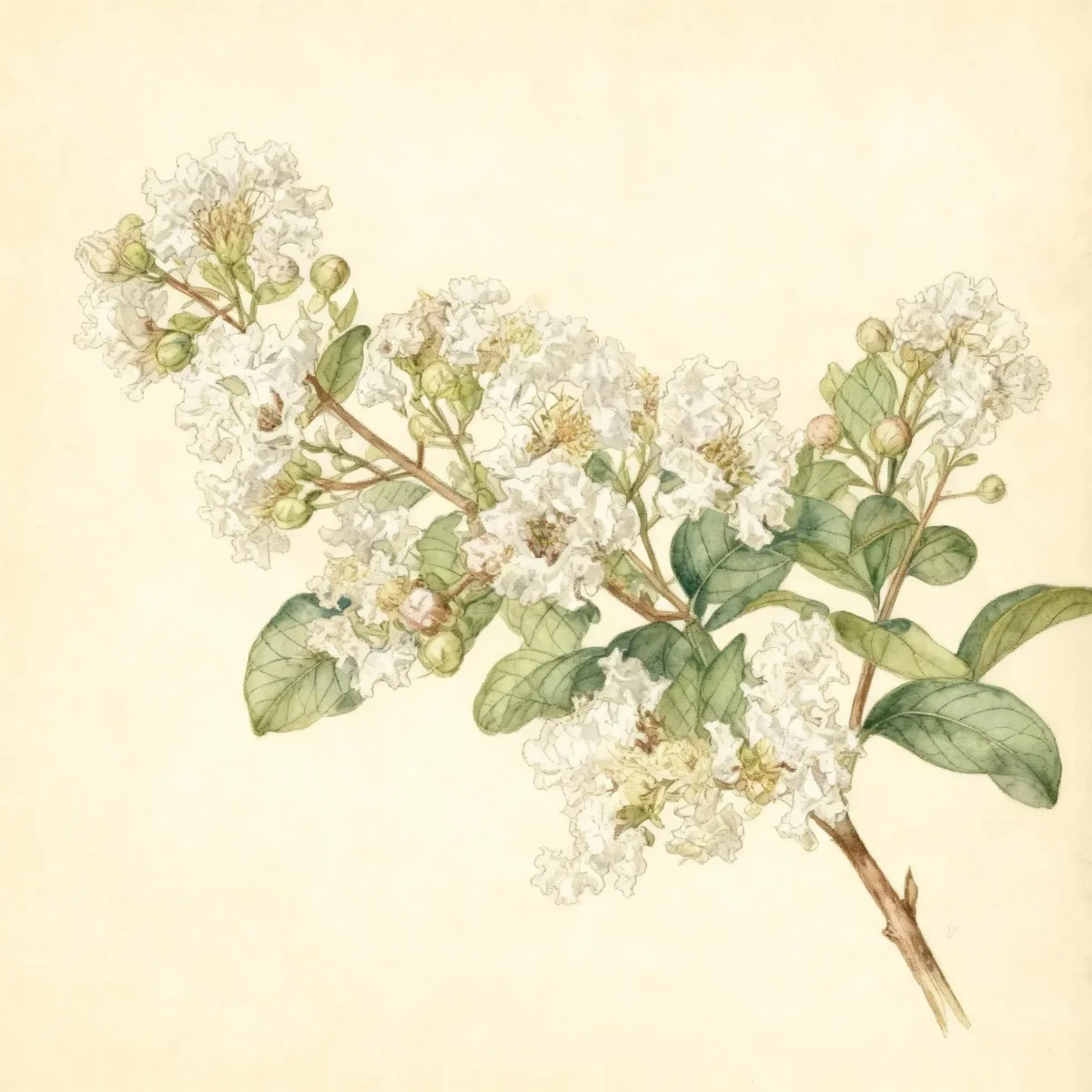
Crape myrtle
Lagerstroemia 'Acoma'
- USDA zones
- 6–9
- Light
- Full sun
- Water
- Medium
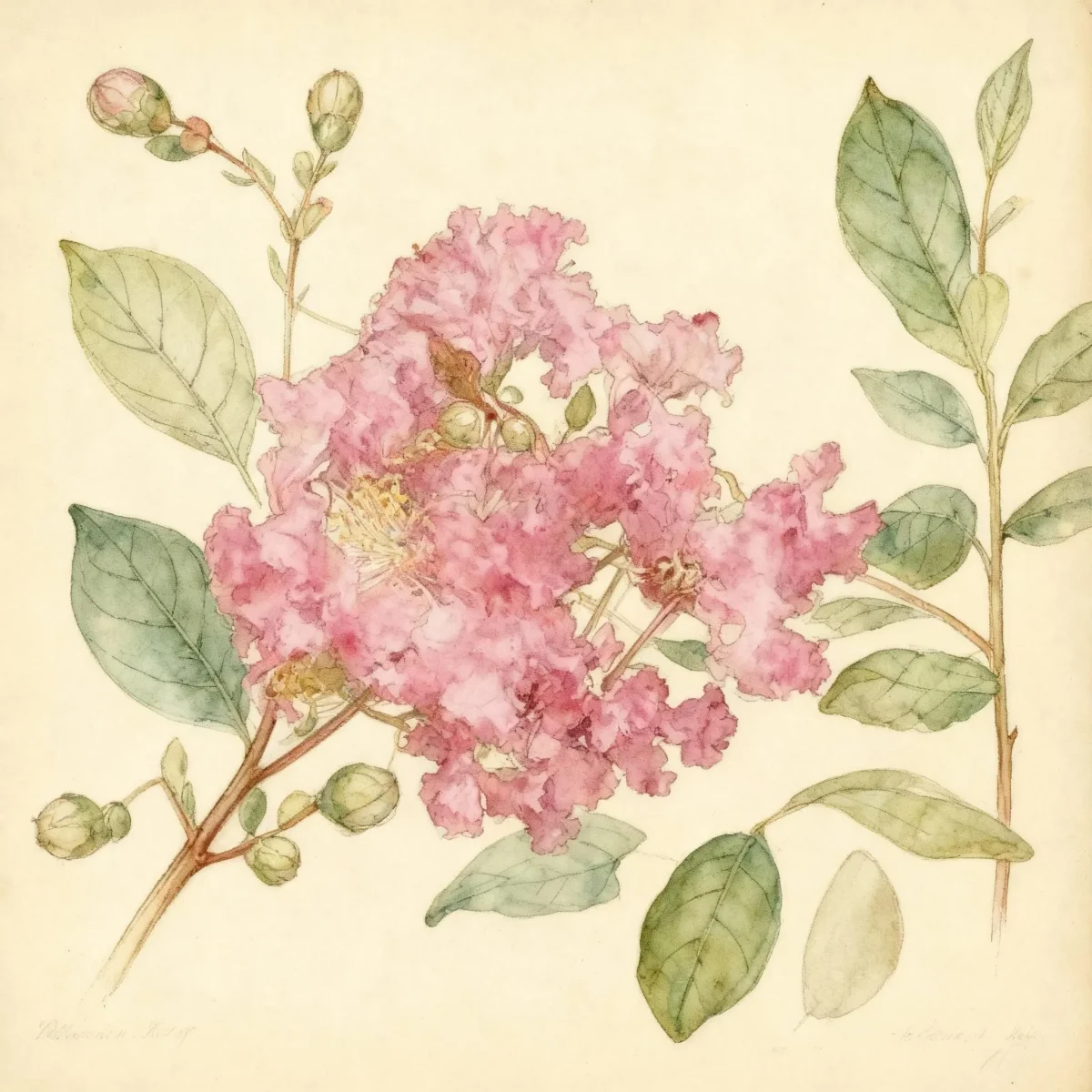
Crape myrtle
Lagerstroemia indica 'Baton Rouge'
- USDA zones
- 6–9
- Light
- Full sun
- Water
- Medium
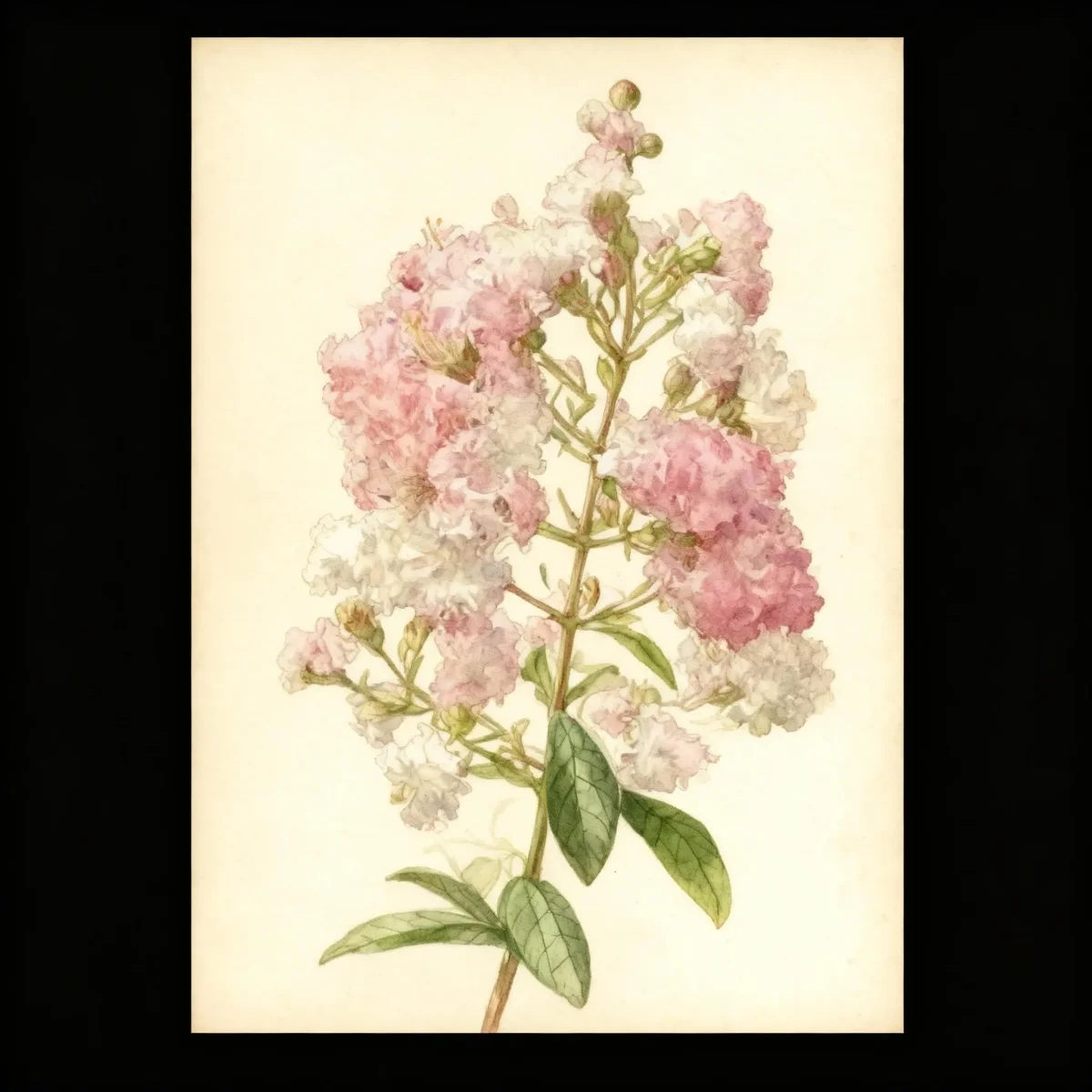
Crape myrtle
Lagerstroemia 'Bicolor'
- USDA zones
- 6–9
- Light
- Full sun
- Water
- Medium
Crape myrtle
Lagerstroemia 'Chickasaw'
- USDA zones
- 6–9
- Light
- Full sun
- Water
- Medium
Crape myrtle
Lagerstroemia 'Choctaw'
- USDA zones
- 6–9
- Light
- Full sun
- Water
- Medium
Crape myrtle
Lagerstroemia 'Comanche'
- USDA zones
- 6–9
- Light
- Full sun
- Water
- Medium
Keep Learning
Test what you know with a garden quiz
You have the plant facts and care notes. Continue with a related challenge, or browse the complete quiz library.

Can You Identify These Common Garden Plants? Test Your Plant Knowledge
Think you know your roses from your peonies? Test your plant identification skills with our comprehensive garden plant quiz featuring 10 challenging questions.
Start quiz
USDA Garden Zone Map Quiz
Use this USDA garden zone map quiz to check whether you can read hardiness zones and choose plants with more confidence.
Start quizBrowse the full quizzes section
Explore plant identification, zone strategy, and seasonal gardening challenges.
View all quizzes