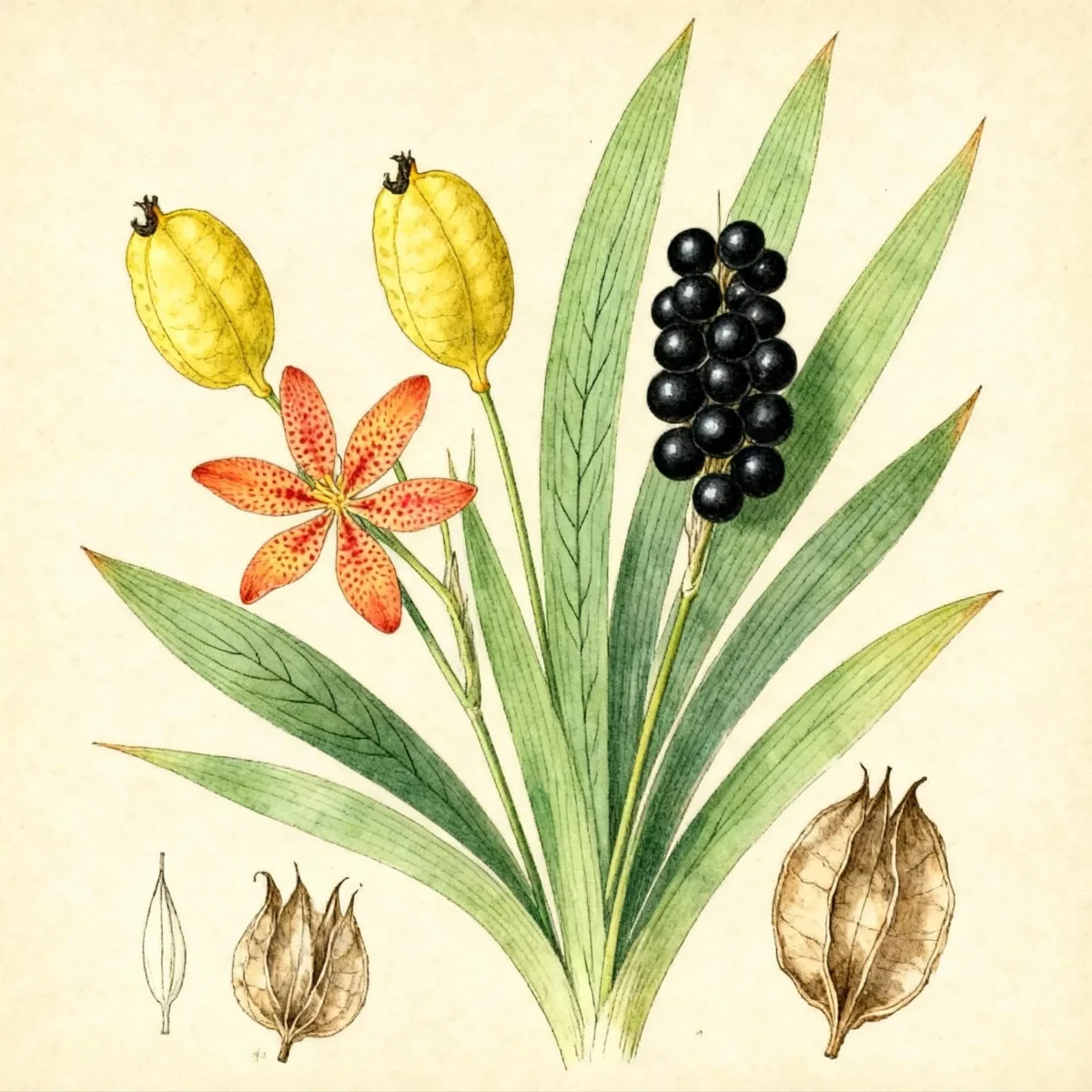
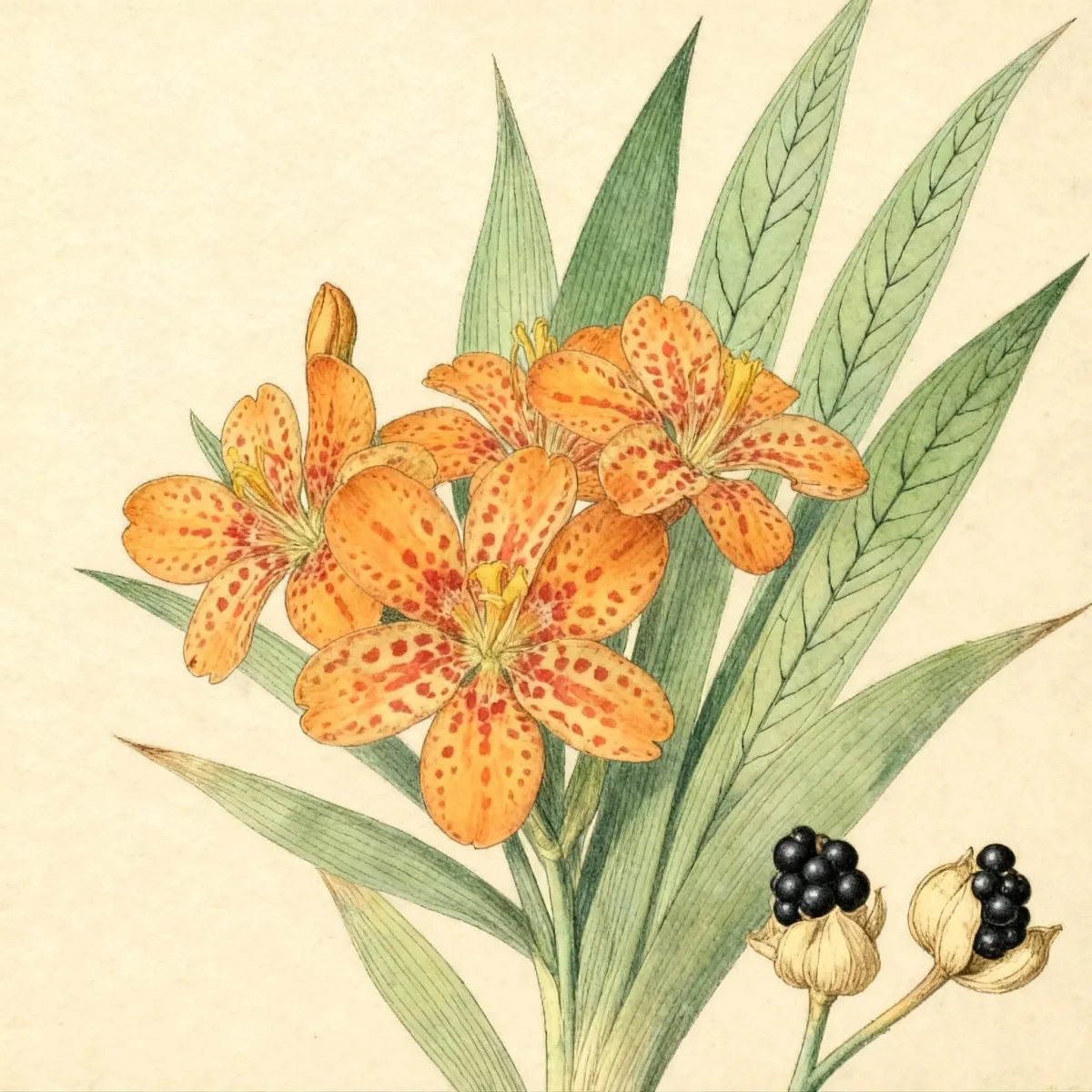
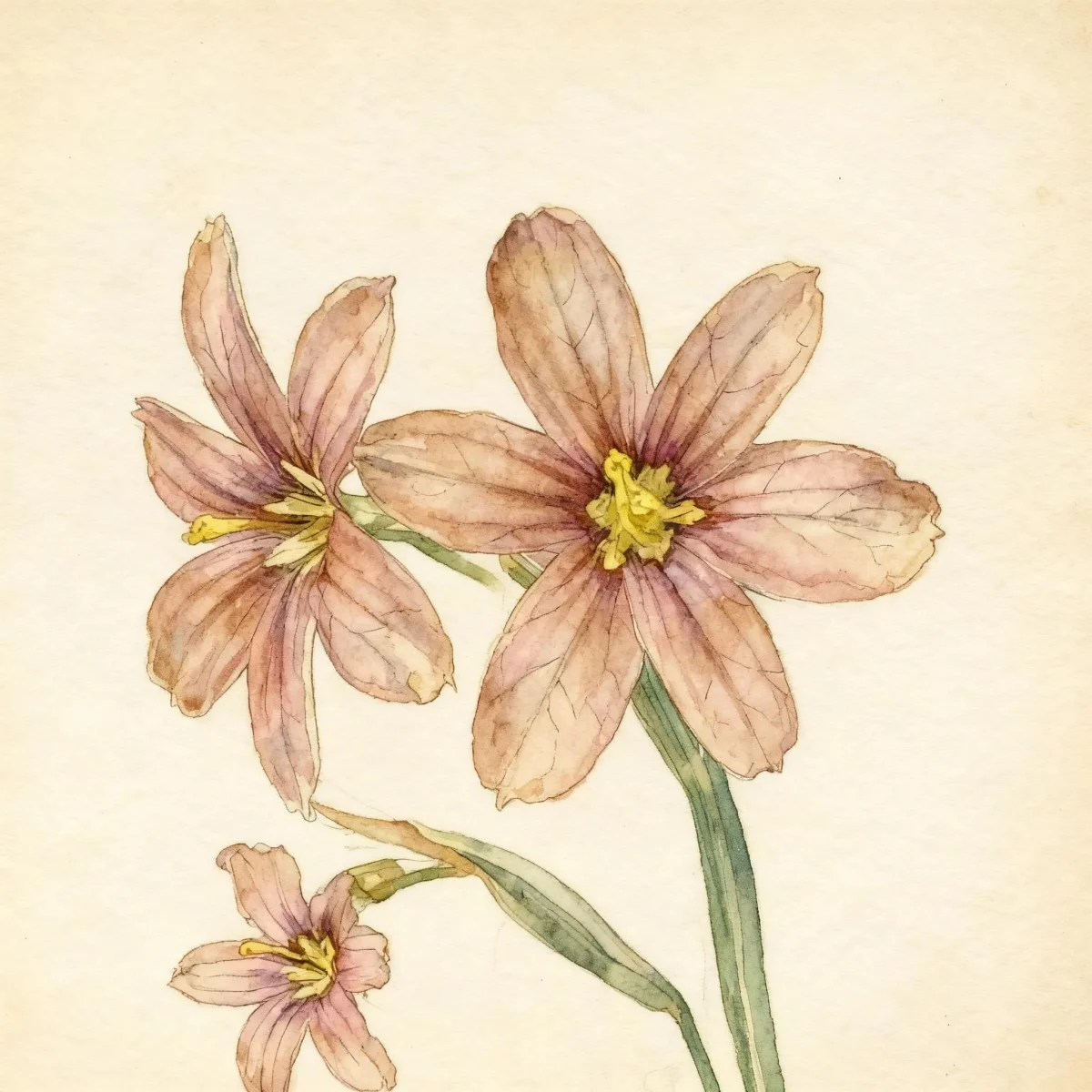
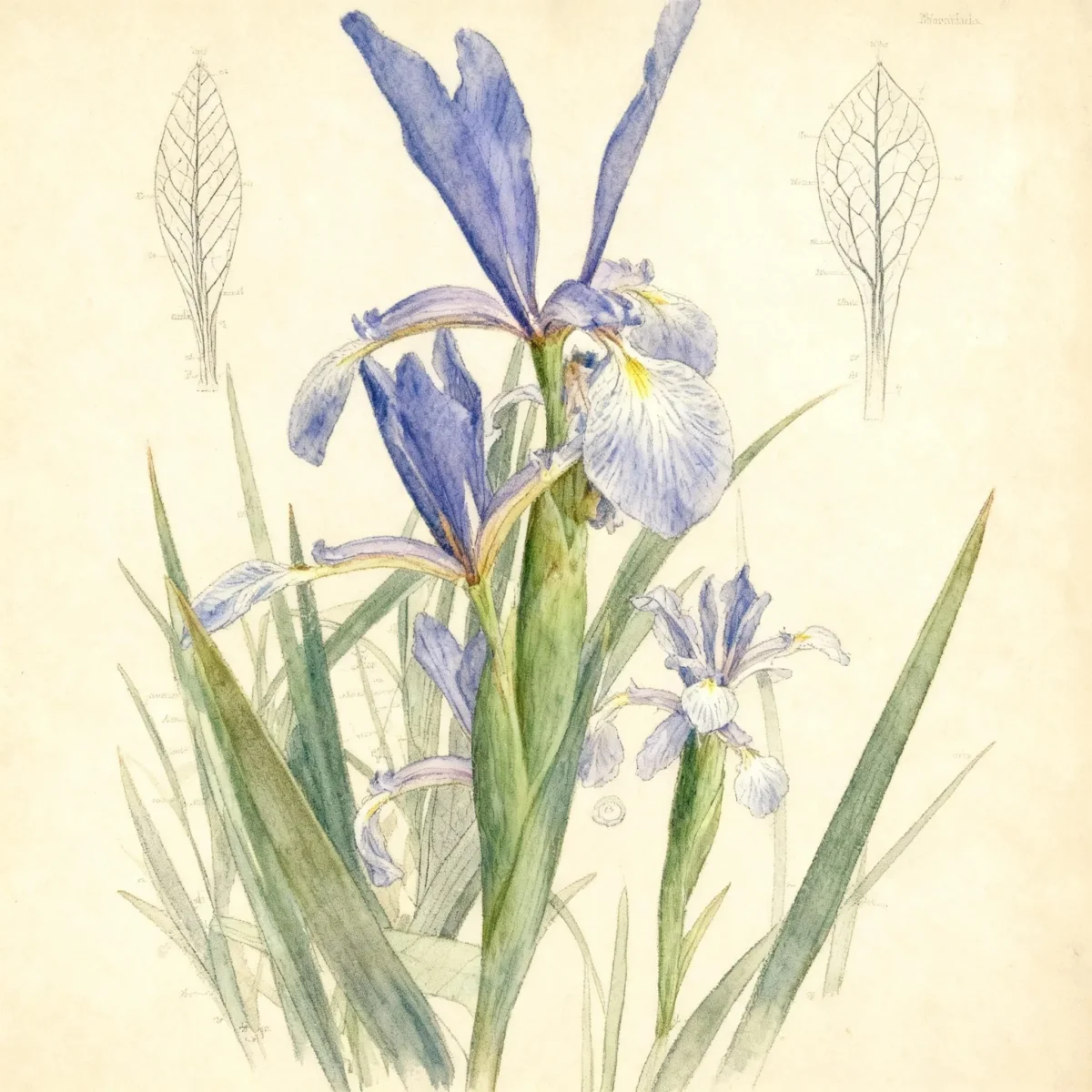
Leopard lily (Iris domestica 'Hello Yellow')
Iris domestica 'Hello Yellow' provides striking, unspotted yellow blooms perfect for low-maintenance borders. This Leopard lily cultivar thrives in full sun.

Bloom Boldly, No Matter the Season - Sweatshirt
Cozy organic cotton sweatshirt featuring our exclusive Purple Coneflower design. Perfect for gardeners who bloom year-round.
Inspired by the beautiful Leopard lily
Limited first batch (50) — join the waitlist for early access
Waitlist closes Feb 15, 2026.
Complete Plant Information
Field Guide Continues
Ready for care notes, companion picks, and planting tips?
The map is just the start. The full guide below covers growth habits, seasonal performance, and landscape uses.
Overview
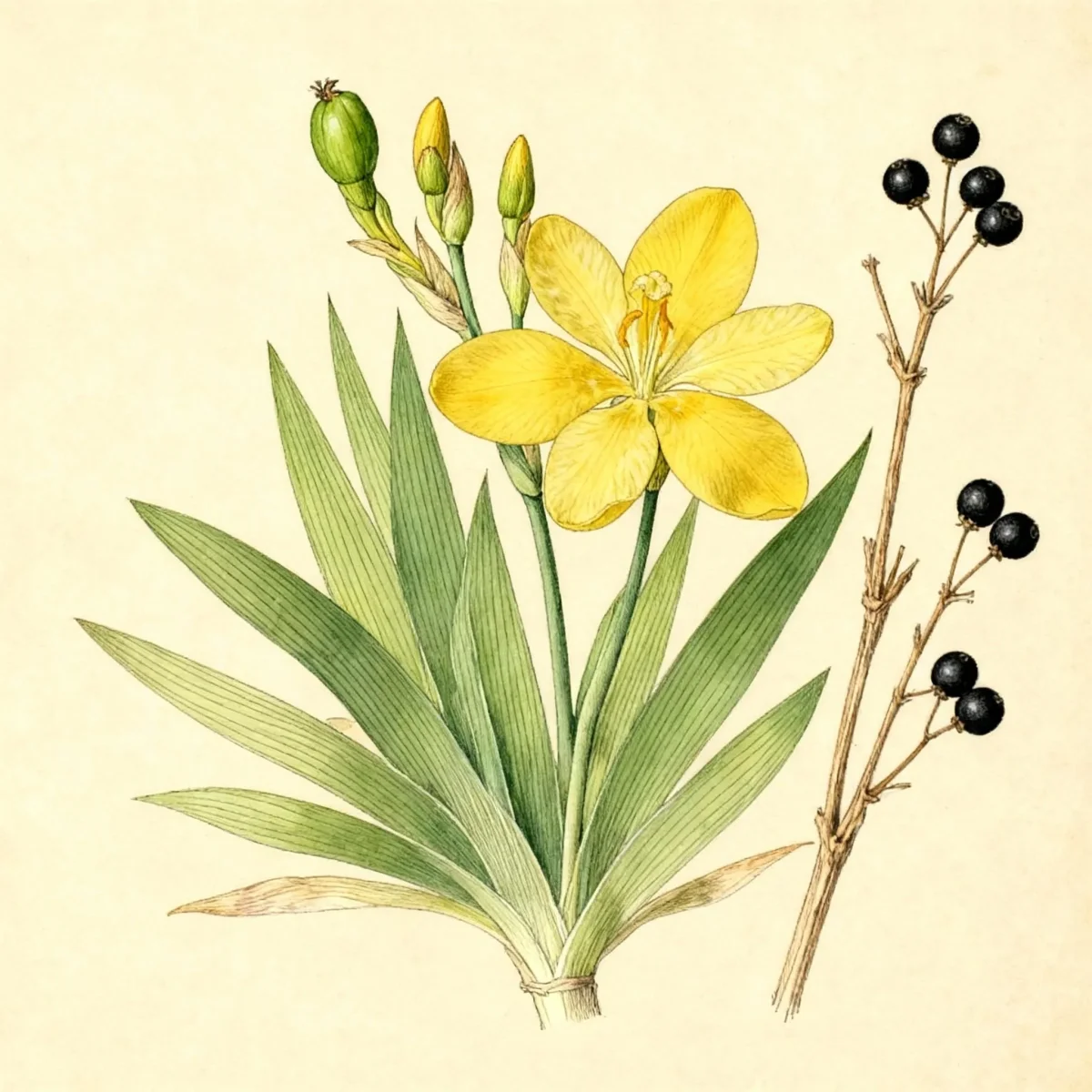
Iris domestica ‘Hello Yellow’, commonly known as Leopard lily, is a highly desirable herbaceous perennial valued for its compact stature and vibrant summer flowers. This dwarf cultivar brightens borders with unspotted, butter yellow blooms, offering a sophisticated alternative to the spotted orange varieties of its relatives. As a low-maintenance choice, Iris domestica ‘Hello Yellow’ performs best when situated where it receives ample direct sunlight throughout the day.
This rhizomatous perennial forms attractive fans of medium green, sword-shaped foliage, offering year-round structure until deep freezes occur. While the related species are known for developing blackberry-like seed pods, the primary appeal of the ‘Hello Yellow’ Leopard lily remains its cheerful, mid-summer floral display. Plants establish slowly by creeping rhizomes, slowly forming neat clumps suitable for edging or foreground planting.
Gardeners appreciate Iris domestica ‘Hello Yellow’ for its simplicity and relative pest resistance, making it an excellent selection for those seeking high visual impact with minimal weekly fuss. Its refined size allows it to integrate well into smaller garden spaces or mixed perennial beds where larger Iris varieties might overwhelm the planting scheme.
Fast Facts
- Plant Family: Iridaceae
- Plant Type: Herbaceous perennial
- Hardiness Zones: USDA Zones 5-10
- Size at Maturity:
- Height: 1-1.5 ft
- Spread: 0.75-1 ft
- Bloom Time: July to August
- Bloom Description: Yellow
- Sun Exposure: Full sun
- Water Needs: Medium
- Maintenance Level: Low
How to Grow
For optimal growth, introduce Iris domestica ‘Hello Yellow’ in the spring after the last danger of heavy frost has passed, or in early fall. The most critical factor for successful cultivation is drainage; the plant must have well-drained soil, even though it prefers consistently medium moisture levels. Avoid heavy clay or saturated spots, as poorly-drained conditions, especially throughout winter dormancy, can quickly prove fatal to the rhizomes.
Daily care involves ensuring a full application of sunlight; the Leopard lily requires full sun to produce its best flowering display. Water should be supplied consistently at a medium rate, allowing the top inch of soil to approach dryness between waterings during peak summer heat, but never letting the plant completely dry out for extended periods. Fertilization is rarely necessary; an annual light application of balanced fertilizer in early spring is usually sufficient to support healthy foliage and robust blooming.
As a low-maintenance perennial, Iris domestica ‘Hello Yellow’ demands little pruning outside of removing any spent flower stalks after blooming concludes. Spent foliage can be trimmed back in late fall or early spring before new growth emerges. Clumps will slowly expand via creeping rhizomes, and division is seldom required unless overcrowding affects performance, typically only needed every few years.
Landscape Uses
The compact nature and vivid yellow blooms make Iris domestica ‘Hello Yellow’ an exceptional choice for formal and informal garden edging. Planted along paths or incorporated into mixed perennial borders, these plants provide excellent mid-season color without excessive height. They perform reliably in sunny locations such as foundation plantings or rock gardens, offering vertical texture contrast against mounding plants.
The refined size, with flower spikes reaching only 18-20 inches high, allows this Leopard lily cultivar to be placed in the mid-ground or front of borders where taller specimens would obscure shorter companions. Consider pairing Iris domestica ‘Hello Yellow’ with later-blooming perennials that appreciate similar growing conditions, such as coneflowers or certain Sedums, ensuring continuous visual interest once the yellow flowers fade.
Standout Features
Flower Qualities
- Showy
Fruit Qualities
- Showy
Noteworthy Characteristics
Iris domestica, commonly known as blackberry lily or leopard lily, is an erect, rhizomatous perennial typically reaching 2-3’ tall in its standard form. This specific cultivar, ‘Hello Yellow’, remains dwarf, producing foliage only 10 inches tall with butter yellow, unspotted flower spikes rising to 18-20 inches. The genus name honors the Greek goddess of the rainbow, reflecting the diverse colors found in other species.
Tolerances
- No serious insect or disease problems.
Potential Problems
The Leopard lily generally presents few challenges to the dedicated gardener, boasting strong resistance to most common pests and diseases. The primary threat, mentioned under tolerances, involves potential rhizome damage from iris borers, although this is typically less common than in larger garden iris varieties. Good cultural practices are the best defense against potential issues.
Preventing borer activity relies heavily on ensuring excellent soil drainage, particularly during the colder, wet months when the rhizomes are dormant and most vulnerable. If borers are observed, standard integrated pest management for garden borers can be employed, focusing on monitoring emerging growth in the spring. Overall, the excellent disease resistance of Iris domestica ‘Hello Yellow’ secures its reputation as a reliable performer.
Frequently Asked Questions
What hardiness zones is Leopard lily suitable for?
Iris domestica ‘Hello Yellow’ is hardy in USDA Zones 5 through 10, making it adaptable across a wide range of climates.
How large does Iris domestica ‘Hello Yellow’ grow?
This dwarf cultivar typically reaches a height between 1 and 1.5 feet, with a spread of about 0.75 to 1 foot wide.
What sun exposure does Leopard lily need?
The Leopard lily requires full sun exposure to achieve its best growth and most abundant yellow blooms.
When does Iris domestica ‘Hello Yellow’ bloom?
This perennial displays its showy yellow flowers relatively late in the season, typically blooming from July straight through August.
Conclusion
Iris domestica ‘Hello Yellow’ is an excellent, undemanding addition to any sunny perennial bed, offering clean, unspotted yellow flowers with low overall maintenance needs. Incorporating the Leopard lily into your landscape provides reliable mid-summer color and structural foliage. Before planting, confirm that your garden site offers the full sun and well-drained conditions essential for the long-term success of this charming plant.
Companion Planting
When selecting companions for Iris domestica ‘Hello Yellow’, focus on plants that share the requirements for full sun and well-drained soil, while offering contrasting textures or bloom times. Because the Leopard lily is slightly shorter, it pairs beautifully with taller, later-flowering perennials like varieties of Rudbeckia (Black-eyed Susan) or Echinacea, which can rise above its foliage after its bloom period ends.
Consider species that fill the mid-to-late summer niche, such as ornamental grasses that provide fine texture, or dusty miller for silvery foliage contrast against the rich green fans of the Iris domestica. Because this plant clumps slowly and prefers not to be heavily disturbed, ensure companions are not aggressively spreading types that would compete strongly for resources or seasonal moisture.
Seasonal Care Calendar
Spring preparation should involve an early season check to ensure the planting area is clear of winter debris and to gently refresh the soil surface with a light layer of compost if necessary. This is the ideal time to assess soil moisture and address initial watering needs as active growth begins. Avoid high-nitrogen fertilizers, which encourage leafy growth over flowering.
Summer months require consistent monitoring of water, especially during dry spells, to maintain medium moisture levels. Deadheading spent flower stalks is beneficial for tidiness, although the primary work during this season is ensuring the full sun conditions are maintained, as the Leopard lily performs best when basking in high light intensity.
As fall approaches, the need for supplemental water will decrease naturally. Unlike some traditional lilies, the foliage on Iris domestica ‘Hello Yellow’ can often remain attractive into early winter; however, cutting the foliage back after it yellows or freezes solid in late autumn simplifies spring cleanup.