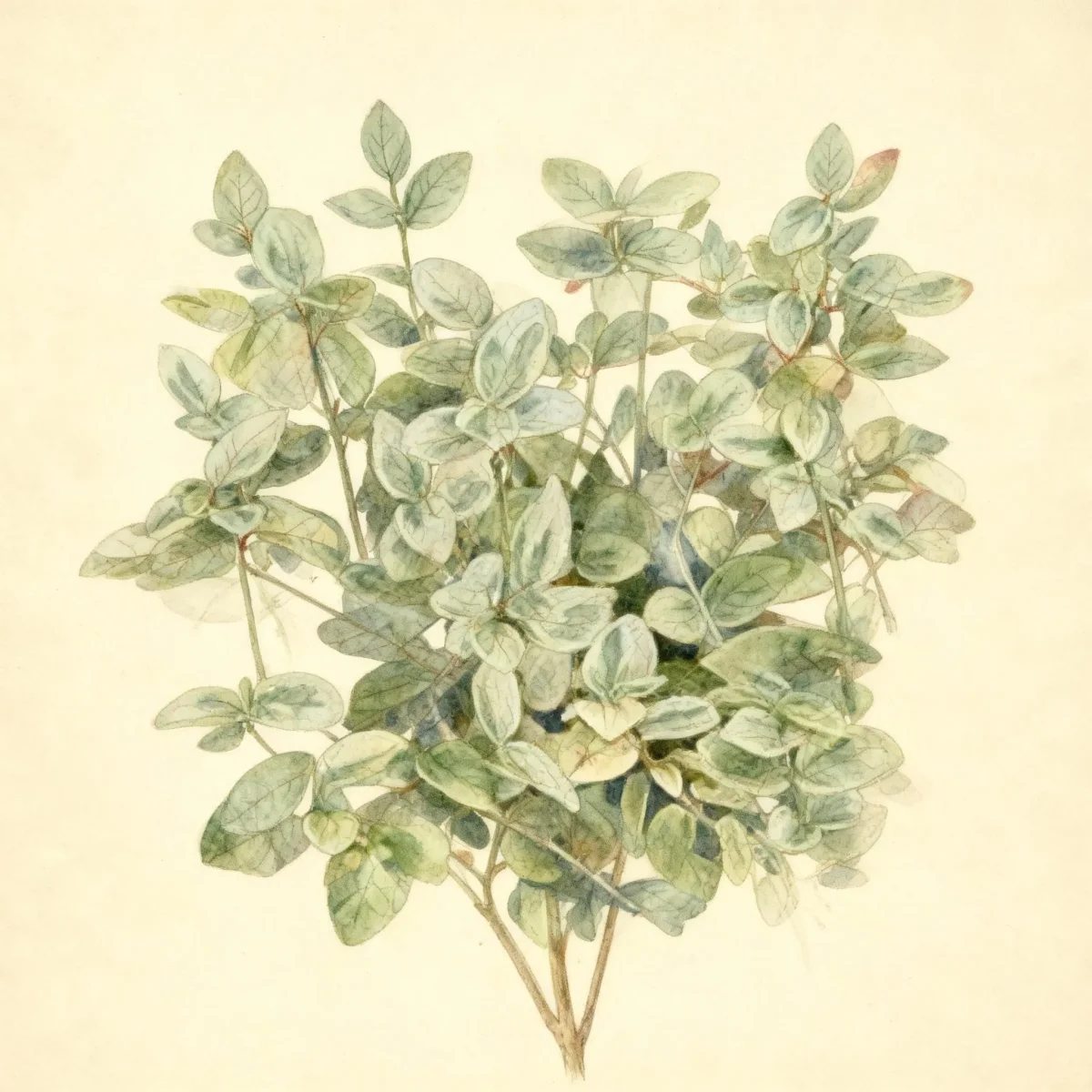
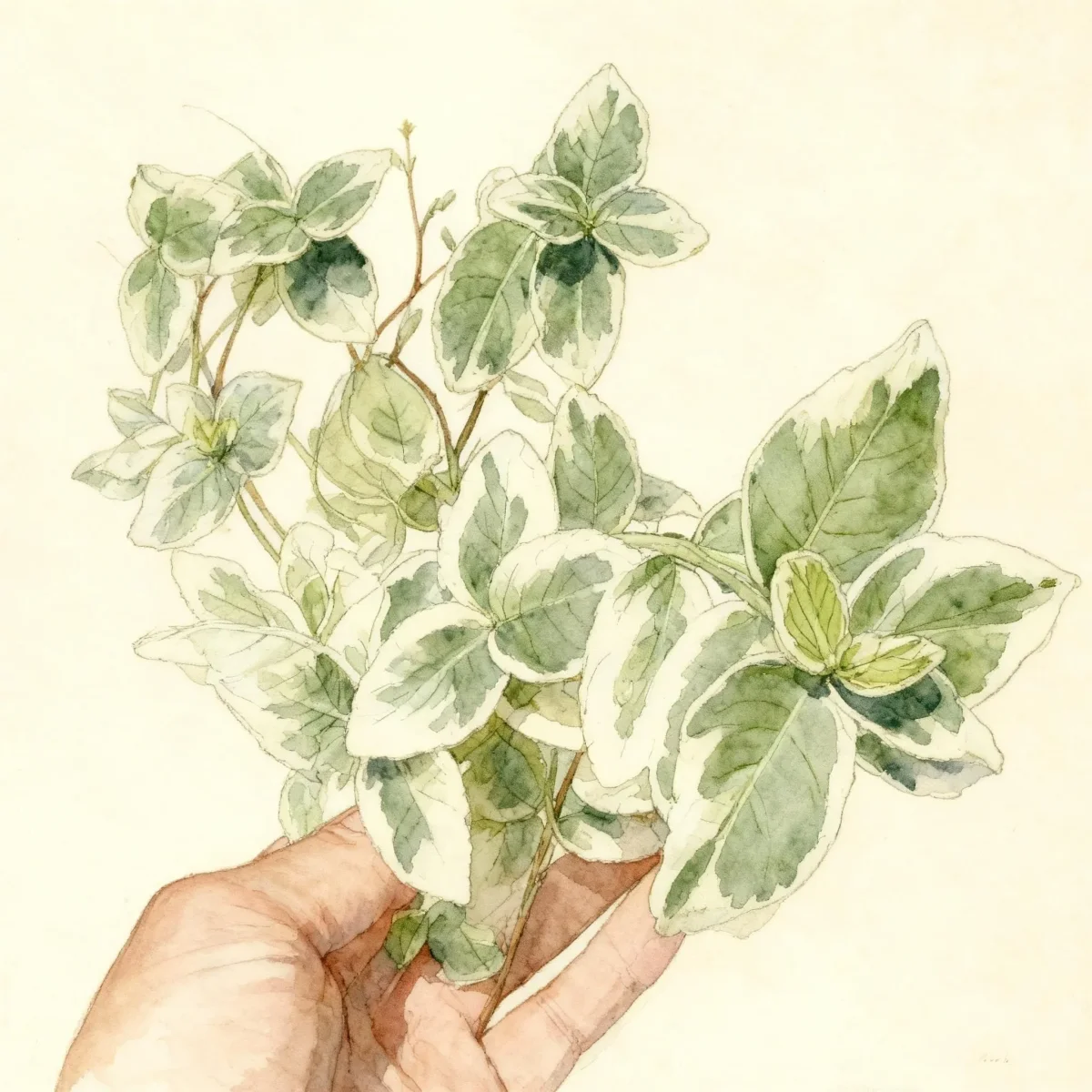
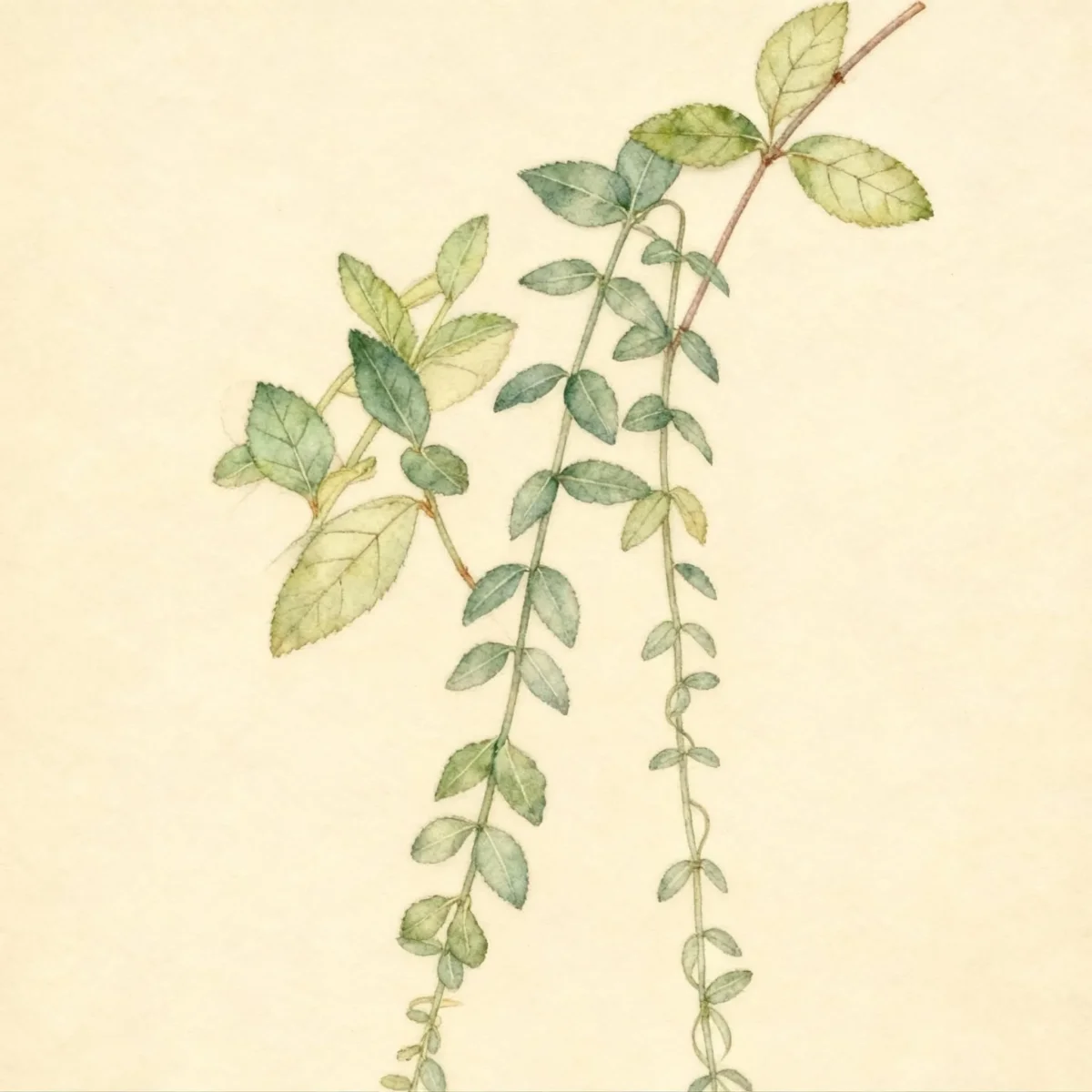
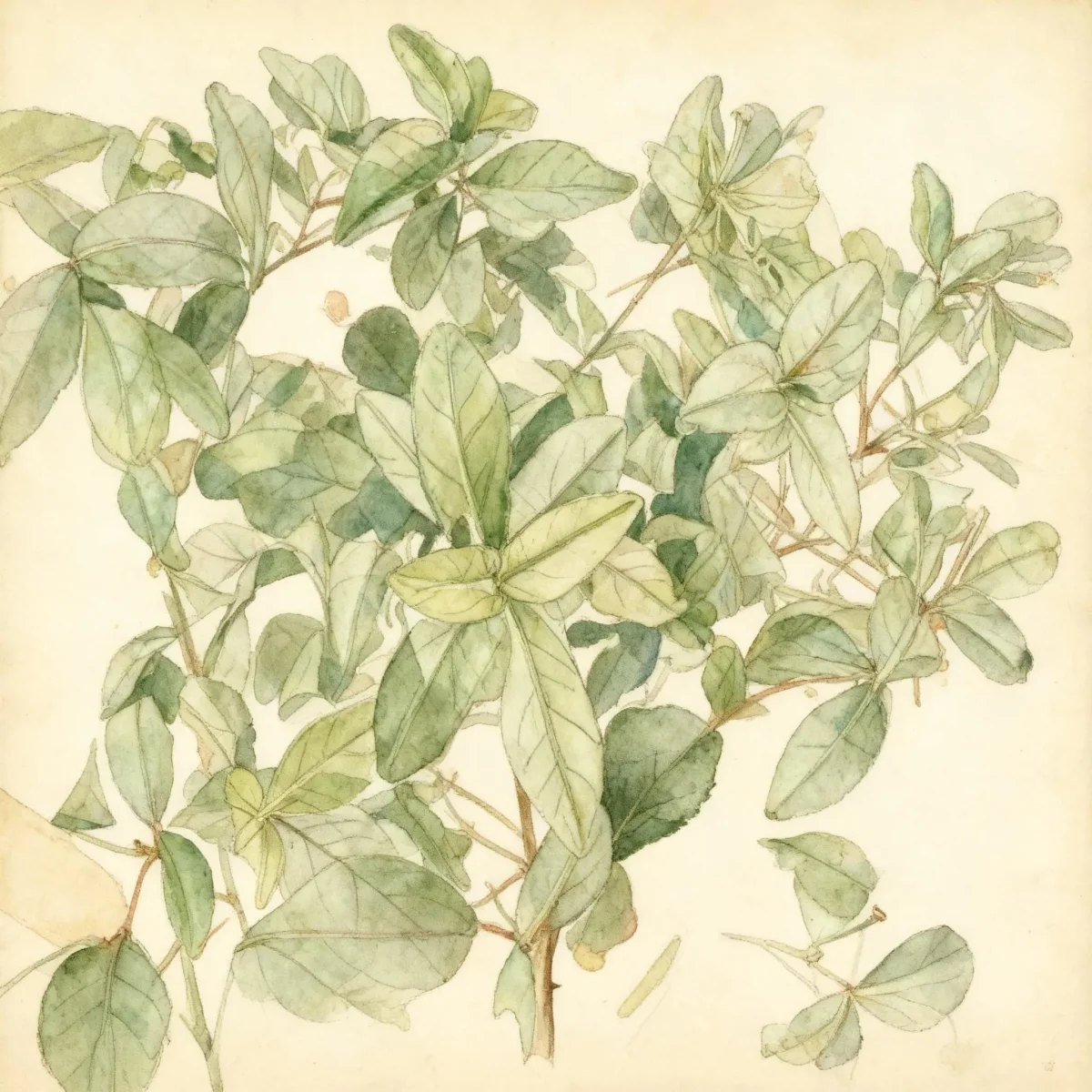
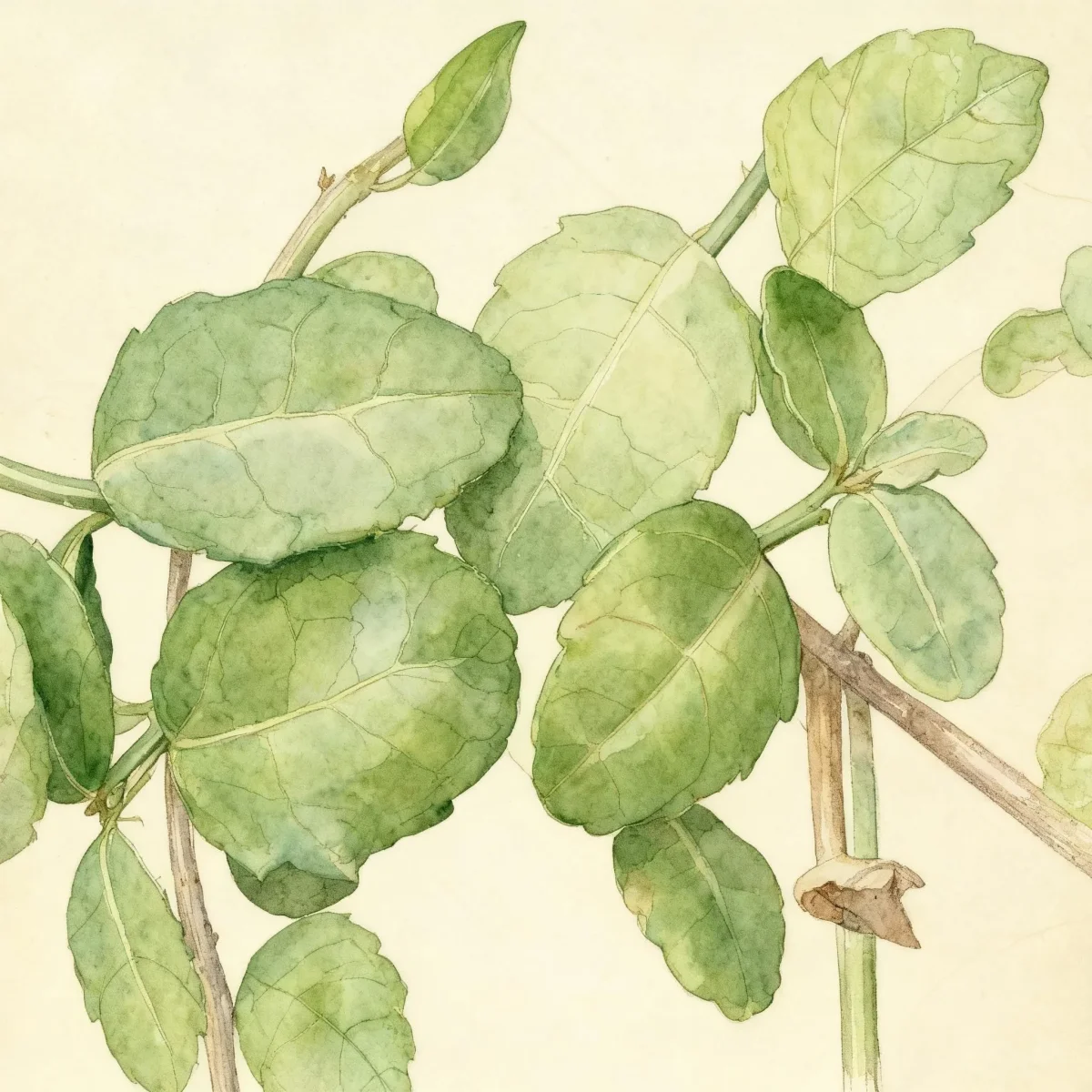
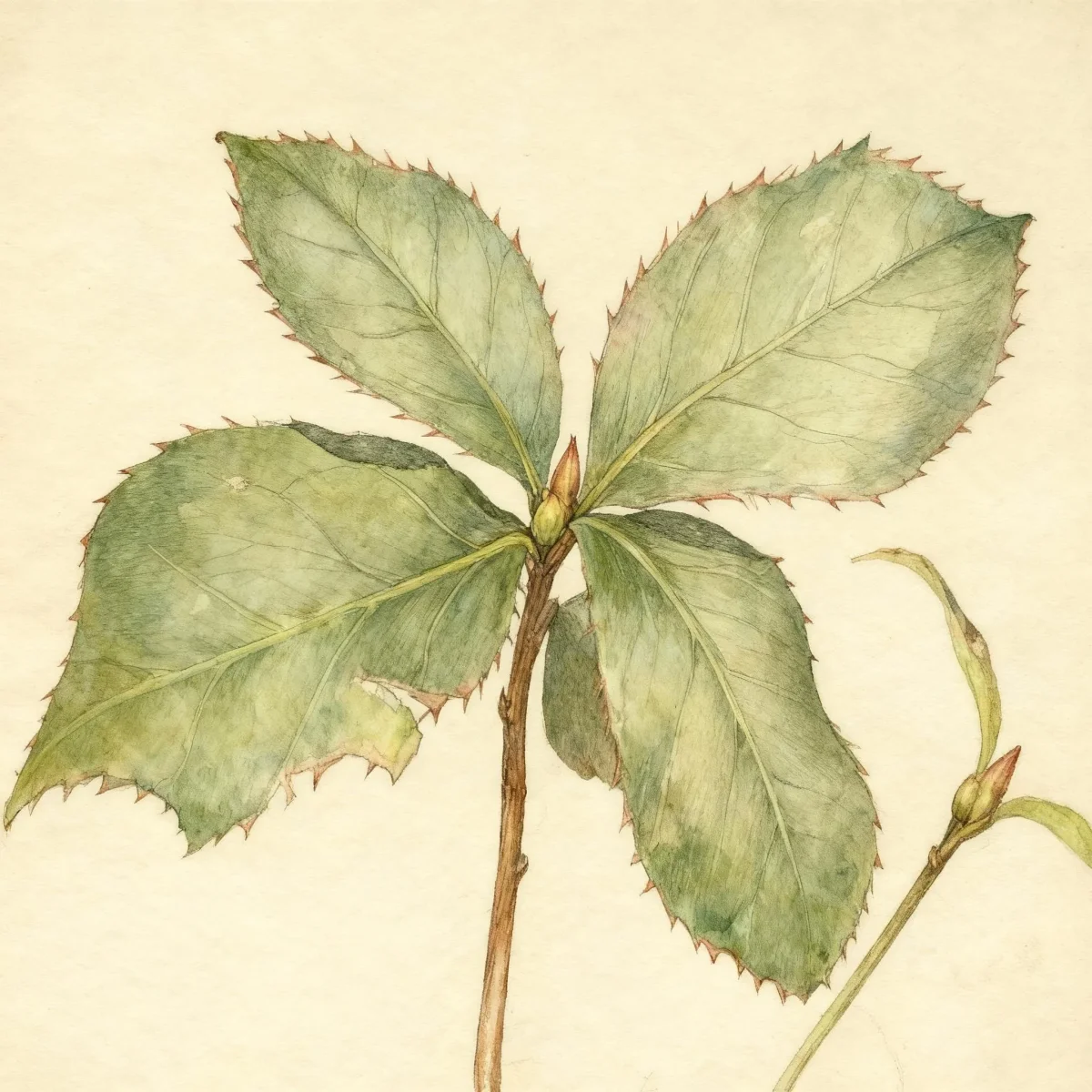
Wintercreeper euonymus (Euonymus fortunei 'Canadale Gold')
Euonymus fortunei 'Canadale Gold' is a versatile evergreen groundcover thriving in zones 5-8. This Wintercreeper euonymus offers yellow-margined foliage.

Bloom Boldly, No Matter the Season - Sweatshirt
Cozy organic cotton sweatshirt featuring our exclusive Purple Coneflower design. Perfect for gardeners who bloom year-round.
Inspired by the beautiful Wintercreeper euonymus
Limited first batch (50) — join the waitlist for early access
Waitlist closes Feb 15, 2026.
Complete Plant Information
Field Guide Continues
Ready for care notes, companion picks, and planting tips?
The map is just the start. The full guide below covers growth habits, seasonal performance, and landscape uses.
Overview
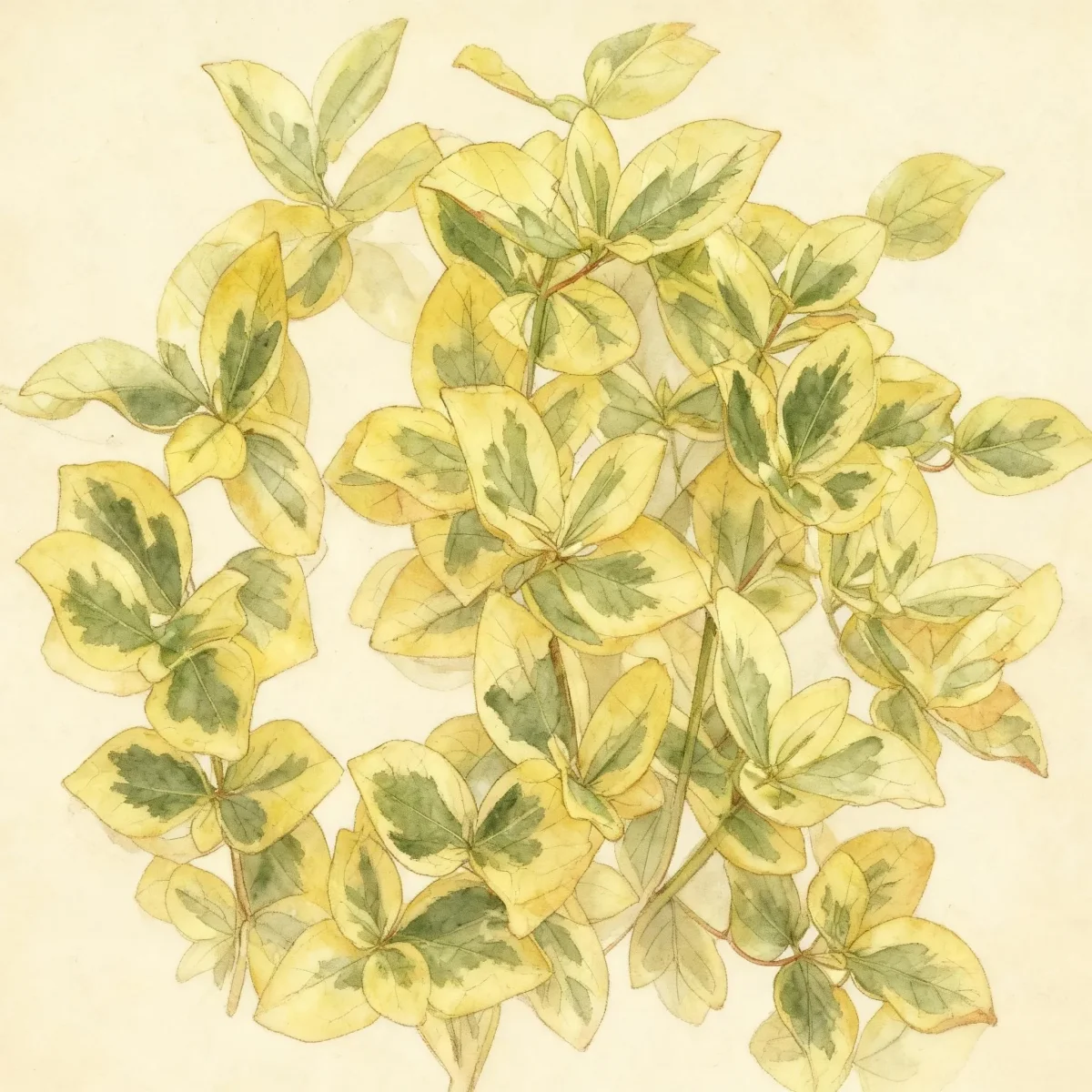
Euonymus fortunei ‘Canadale Gold’, commonly known as Wintercreeper euonymus, is a highly adaptable broadleaf evergreen valued for its year-round color and dense growth habit. This cultivar features attractive oval-rounded leaves edged with bright, sunny yellow margins contrasting against medium green centers, providing excellent focal interest. It is a robust plant capable of functioning as a low, spreading shrub, a creeping groundcover, or even a vigorous climber utilizing adventitious roots.
This adaptable plant performs well across a wide spectrum of conditions, tolerating significant shade once established, though it prefers morning sun. While useful for erosion control and foundational plantings, gardeners must be aware that Wintercreeper euonymus can become highly invasive, spreading aggressively into lawns and adjacent natural areas if not managed. Proper siting and annual trimming are key to harnessing the aesthetic benefits of Euonymus fortunei ‘Canadale Gold’ without unintended ecological consequences.
Fast Facts
- Plant Family: Celastraceae
- Plant Type: Broadleaf evergreen
- Hardiness Zones: USDA Zones 5-8
- Size at Maturity:
- Height: 2-3 ft
- Spread: 3-4 ft
- Bloom Time: June
- Bloom Description: Greenish-white
- Sun Exposure: Full sun to part shade
- Water Needs: Medium
- Maintenance Level: Medium
How to Grow
Plant Euonymus fortunei ‘Canadale Gold’ in the spring or fall for the best establishment results. This Wintercreeper euonymus thrives in average, medium moisture, well-drained soils. While it prefers full sun to part shade, it exhibits good tolerance for significant shade, making it versatile for various landscape locations. Avoid consistently wet soil conditions, which can impede root health.
Once established, watering needs decrease to medium levels; established plants show good drought tolerance. Maintenance is medium; trim Euonymus fortunei ‘Canadale Gold’ annually after its June flowering concludes to encourage that dense, attractive shape and limit its spread. Since the stems can root where they touch the ground, managing its spread is an important semi-annual task if used as a groundcover.
This variety shows good tolerance for urban environments, including exposure to pollution and various challenging soil conditions found near structures. If propagation is desired, rooted stem cuttings taken during the growing season are highly effective.
Landscape Uses
The primary strength of using Euonymus fortunei ‘Canadale Gold’ lies in its versatility as a dense, spreading groundcover across sunny or partially shaded slopes, offering excellent erosion control qualities. Where local regulations permit planting, it functions beautifully as a low, formal hedge or a tidy edger lining sidewalks and paths, highlighting the bright leaf variegation.
As a foundation planting, the mounding form of this Wintercreeper euonymus provides reliable evergreen structure near buildings. For vertical interest, it can be trained to climb walls or fences, though this climbing habit often leads to more prolific flowering and subsequent seed dispersal, increasing its invasive potential. Plan companion plantings carefully, opting for slow-spreading perennials or shrubs to contrast its creeping nature.
Standout Features
Flower Qualities
- Insignificant
Noteworthy Characteristics
Euonymus fortunei, commonly called wintercreeper euonymus, is a dense, creeping to mounding, broadleaf evergreen subshrub native to East Asia. ‘Canadale Gold’ is distinguished by its compact, densely-branched form featuring medium green leaves boldly variegated with wide, bright yellow margins. While the inconspicuous, greenish-white flowers may appear in June, they are often sparse or absent.
Tolerances
- Drought
- Black Walnut
Potential Problems
Aphids, leaf spot, and mildew can affect Euonymus fortunei ‘Canadale Gold’, but the most significant potential issue is Euonymus scale, which requires prompt treatment if infestations occur. Anthracnose and crown gall are also possible fungal or bacterial diseases gardeners should monitor. Because this Wintercreeper euonymus can spread invasively, gardeners must actively manage its growth to prevent it from moving into lawns or climbing untreated adjacent structures.
Frequently Asked Questions
What hardiness zones is Wintercreeper euonymus suitable for?
Euonymus fortunei ‘Canadale Gold’ is reliably hardy in USDA Zones 5 through 8.
How large does Euonymus fortunei ‘Canadale Gold’ grow?
This dense, mounding form typically reaches a mature height between 2 and 3 feet tall, spreading modestly to 3 to 4 feet wide.
What sun exposure does Euonymus fortunei ‘Canadale Gold’ need?
This variety performs best in conditions ranging from full sun to partial shade, tolerating significant amounts of shade once established.
When does Wintercreeper euonymus bloom?
The inconspicuous, greenish-white flowers of this plant generally appear during the month of June.
Conclusion
The Euonymus fortunei ‘Canadale Gold’ offers dependable, variegated evergreen structure, functioning effectively as both a groundcover and a low hedge in suitable landscapes. Remember that while this cultivar is beautiful, responsible gardening practices are essential to manage the spreading nature characteristic of Wintercreeper euonymus. Before planting, confirm that its use aligns with local regulations and evaluate your site conditions to ensure medium water needs and full sun to part shade requirements are met.
Companion Planting
When selecting plants to pair with Euonymus fortunei ‘Canadale Gold’, focus on varieties that appreciate similar sun exposure and soil drainage without competing aggressively for space. Hosta varieties that display deeper green or blue-green foliage create a striking contrast against the bright yellow variegation of the wintercreeper euonymus. Low-growing ferns, such as Autumn Fern (Dryopteris erythrosora), can offer softer, fine texture beneath the shrub’s denser habit, especially in shadier areas where the euonymus is utilized as a filler.
Seasonal Care Calendar
Spring is the ideal time to apply a slow-release, balanced fertilizer, ensuring the plant has nutrients for robust summer growth and that any potential winter damage on the evergreen leaves is pruned away. In summer, monitor for pests like scale and ensure the medium water needs are met during dry spells, though drought tolerance lessens during the first year. Late summer or early fall is the best time to execute any significant pruning to maintain shape, as trimming after flowering in June is preferred. Minimal winter preparation is usually needed for established plants in Zones 5-8, though a layer of mulch can buffer young roots against harsh temperature swings.