Hosta(Hosta 'Fire and Ice')
Grow Hosta 'Fire and Ice': dramatic reverse-variegated sport of 'Patriot', pure white leaf centers, dark green margins, shade siting, and USDA zones 3–8 care.
Complete Plant Information
- Hardiness zones
- USDA 3–8
- Plant type
- Herbaceous perennial
- Plant family
- Asparagaceae
- Sun exposure
- Part shade to full shade
- Water needs
- Medium
- Maintenance
- Low
- Height
- 1–1.5 ft (30–46 cm)
- Spread
- 1.5–2 ft (46–61 cm)
- Bloom time
- July to August
- Flower color
- Funnel-shaped pale lavender flowers on upright scapes to 20 inches
- Flower qualities
- Showy, Attracts Hummingbirds
- Fruit qualities
- Not recorded
- Tolerances
- Heavy Shade, Black Walnut
- Garden uses
- Not recorded
- Native range
- Horticultural hybrid (genus native to East Asia)
Field Guide Continues
Ready for care notes, companion picks, and planting tips?
The map is just the start. The full guide below covers growth habits, seasonal performance, and landscape uses.
Overview
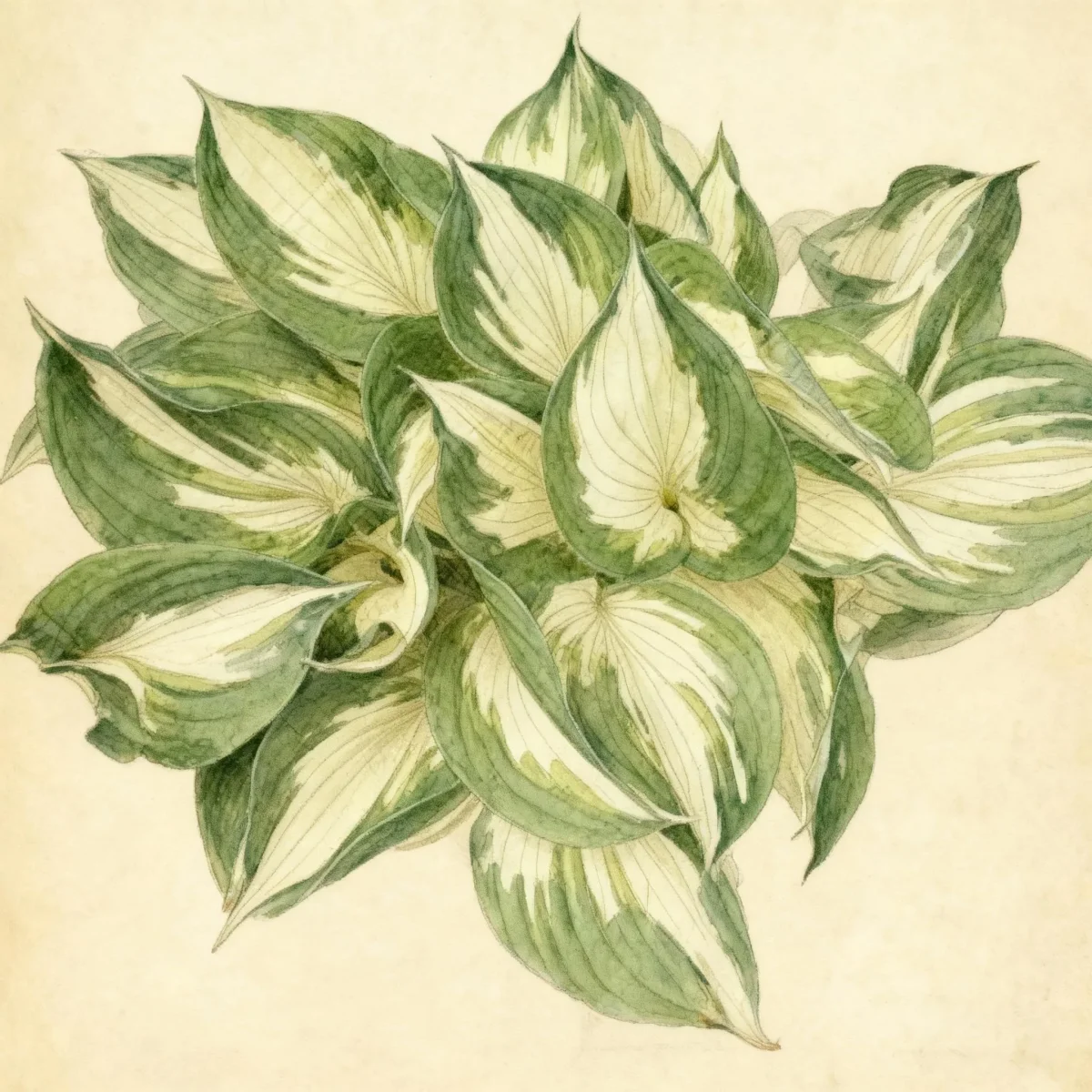
Hosta ‘Fire and Ice’ is an acclaimed, high-contrast reverse-variegated perennial plantain lily hardy across USDA Zones 3 through 8. Discovered as a sport of the famous cultivar ‘Patriot’ (itself derived from ‘Francee’), it completely flips the coloration pattern of its parent: each heavy-textured, heart-shaped leaf features a pure snow-white center framed by a wide, irregular dark emerald-green margin. Forming a tidy, upright-arching mound 12 to 16 inches tall and 18 to 24 inches wide, it produces pale lavender trumpet blossoms on upright flower scapes in midsummer.
Because the white center lacks chlorophyll, ‘Fire and Ice’ grows at a slower, more deliberate pace than all-green hostas, but rewards gardeners with breathtaking visual contrast in shady woodland borders.
How to Grow
- Sunlight & Sun-Scorch Protection: Dappled canopy shade or gentle morning sun only. Direct midday or harsh afternoon sun will rapidly scorch, brown, and melt out the delicate white leaf centers, which lack protective pigment. Conversely, in dense dark shade with zero direct light, clump vigor slows considerably.
- Soil & Moisture: Requires fertile, moist, organically enriched, well-draining soil. Maintain regular irrigation during hot summer dry spells. Drip irrigation beneath the foliage canopy prevents foliar fungal leaf spots.
- Hardiness & Winter Chill: USDA Zones 3 through 8. Requires winter cold below 40°F (4°C) for several weeks to break crown dormancy.
- Winter Cleanup: In late autumn after frost collapses the leaves, clear away dead foliage to prevent overwintering slug habitat.
Landscape Uses
- Shade Border Illumination: Pure white leaf centers brighten dark corners beneath dense tree canopies and along north-facing foundation walls.
- Formal Pathway Ribbon: Compact 18-inch spread makes it ideal for lining shaded brick or stone garden paths.
- Container Gardening: Outstanding as a high-contrast focal plant in patio containers combined with dark green ferns.
Potential Problems
- Leaf Melting in Harsh Sun: White tissue lacks chlorophyll and burns easily if exposed to unshaded afternoon sunlight; provide adequate canopy shade.
- Slower Growth Pace: Due to reduced photosynthetic surface area, clumps take 3 to 4 years to reach full mature spread.
- Pet Safety Warning: Contains toxic saponins harmful to dogs, cats, and horses; ingestion causes vomiting, diarrhea, and lethargy.
Frequently Asked Questions
Why is ‘Fire and Ice’ called a reverse sport?
Its parent cultivar ‘Patriot’ features green centers with wide white edges. ‘Fire and Ice’ is a mutation that inverted this pattern, producing pure white centers with dark green edges.
Why does ‘Fire and Ice’ grow slower than other hostas?
Because the large white center of each leaf lacks chlorophyll, the plant produces less food through photosynthesis, resulting in slower clump expansion.
Can ‘Fire and Ice’ take direct sun?
Only gentle early morning sun (1 to 2 hours). Any direct midday or hot afternoon sun will scorch the white centers into crispy brown holes.
Companion Plants
Pair Hosta ‘Fire and Ice’ with shade-loving perennials that complement its striking white-and-green leaves:
- Fine-Textured Green Ferns: Plant alongside delicate maidenhair ferns or autumn ferns (Dryopteris erythrosora).
- Flowering Shade Partners: Combine with red or purple astilbes, bleeding hearts (Dicentra spectabilis), or blue woodland phlox.
- Solid Green Backdrops: Sited in front of solid dark green hostas or yews to emphasize the white centers.
Sources & Lineage
- Missouri Botanical Garden PlantFinder: Record taxon 274327 (Hosta ‘Fire and Ice’) — sport origin from ‘Patriot’, dimensions, and shade requirements.
- American Hosta Society (AHS): Cultivar Registry: Hosta ‘Fire and Ice’ — registration details, Hans Hansen introduction, and variegation classification.
- ASPCA Animal Poison Control: Hosta Saponin Toxicity — clinical pet safety profile.
Recommended Companion Plants
Hosta
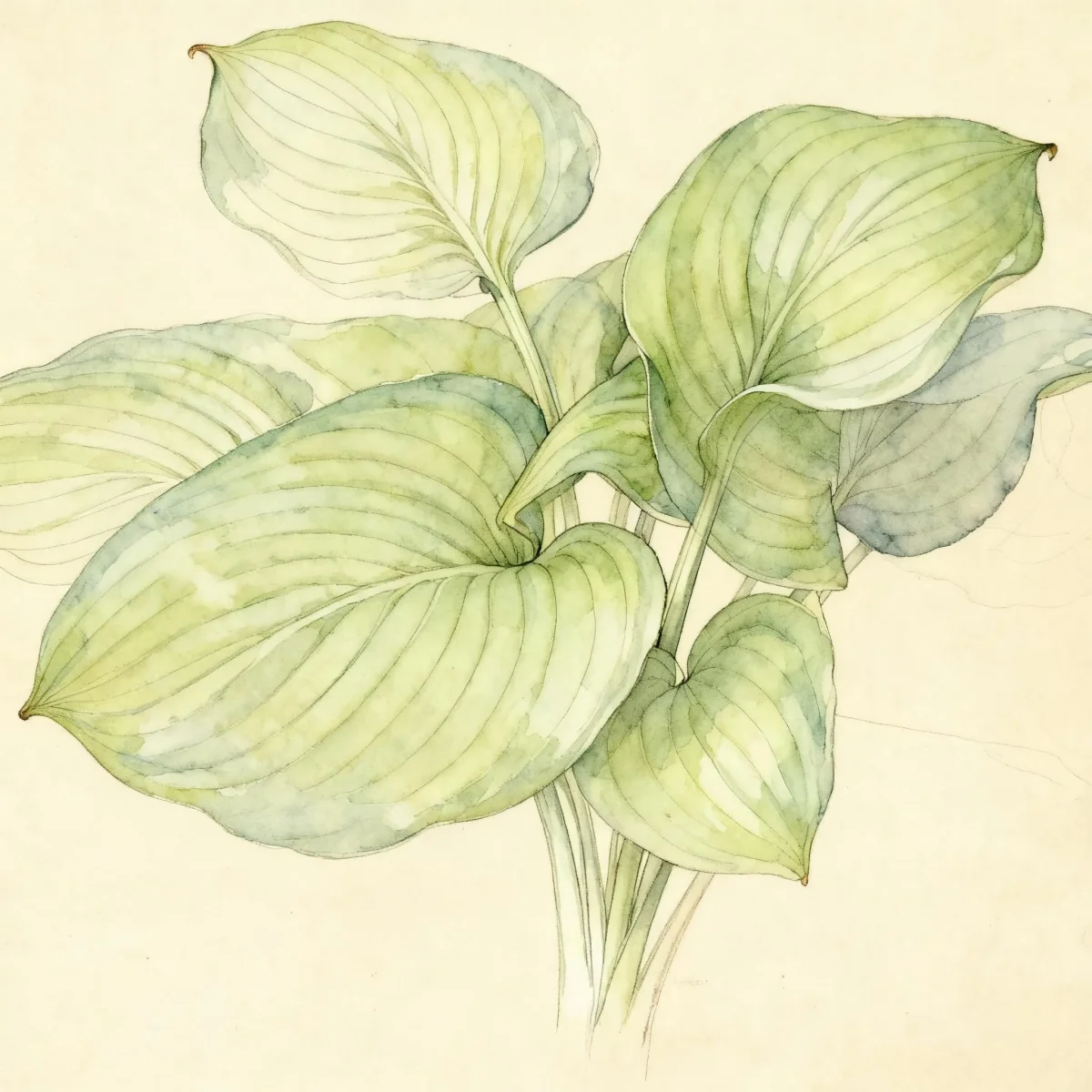
Hosta 'Guacamole'
- USDA zones
- 3–8
- Light
- Part shade to full shade
- Water
- Medium
Hosta
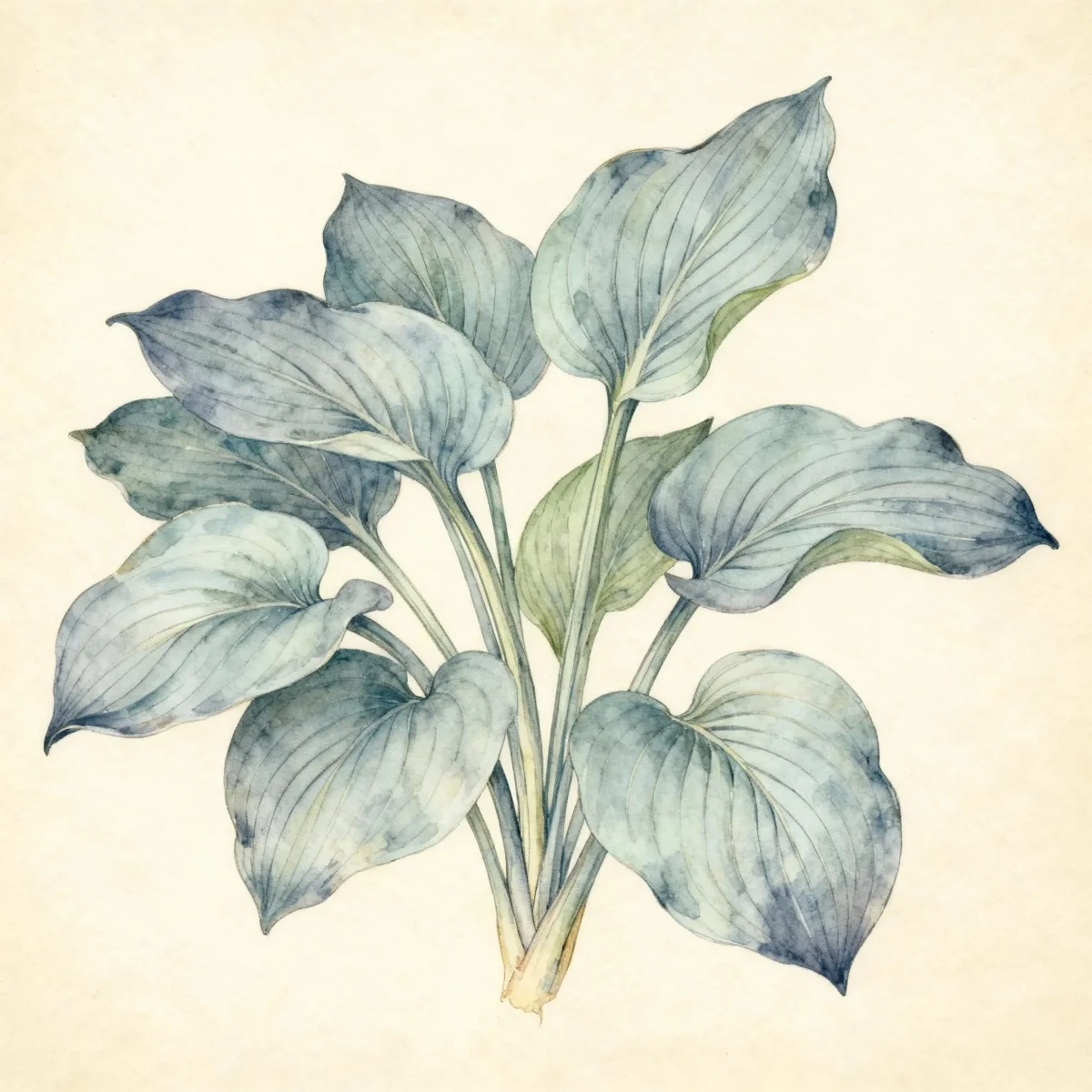
Hosta 'Hadspen Blue'
- USDA zones
- 3–8
- Light
- Part shade to full shade
- Water
- Medium
Hosta
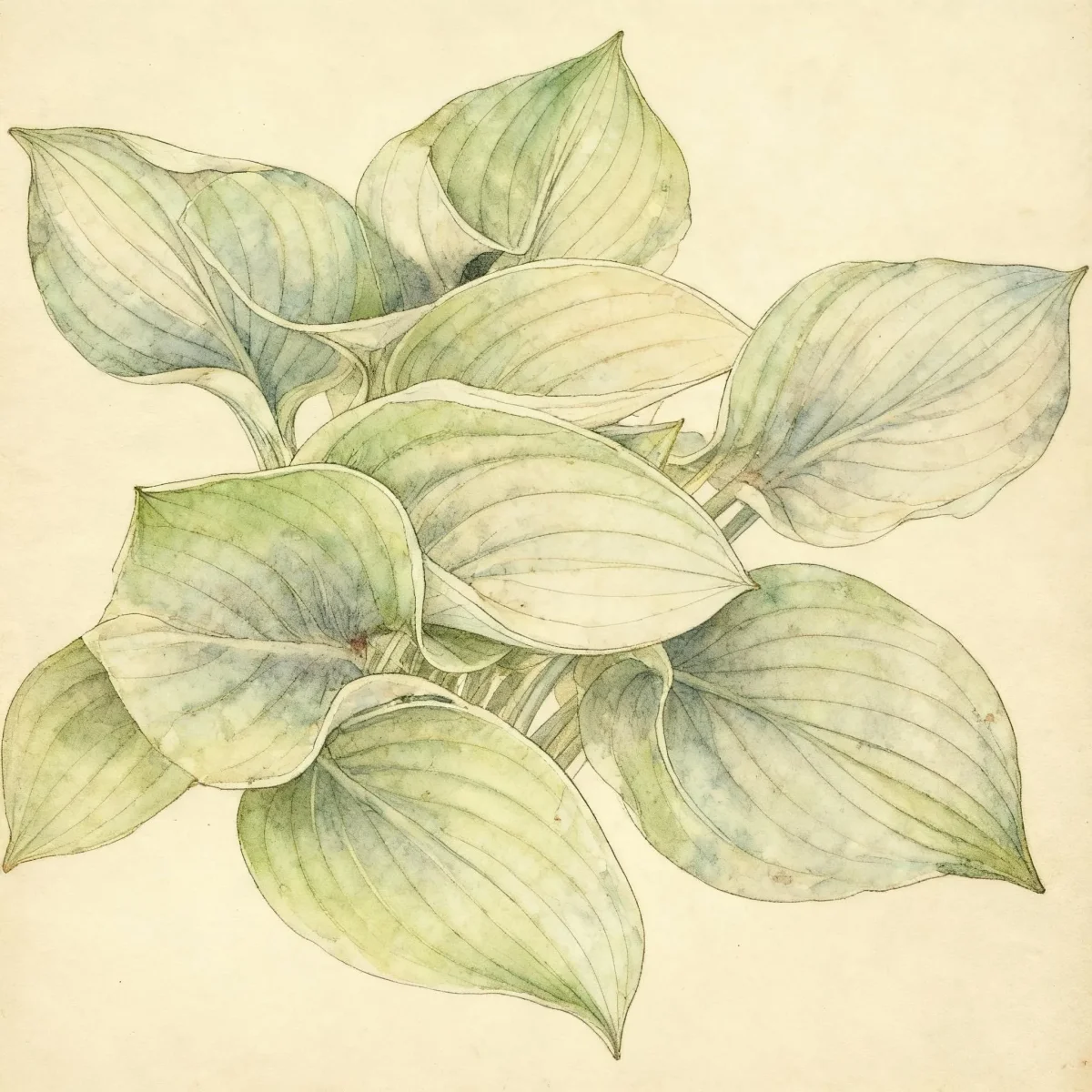
Hosta (Tardiana Group) 'Hadspen Hawk'
- USDA zones
- 3–8
- Light
- Part shade to full shade
- Water
- Medium
Hosta
Hosta 'Haku Chu Han'
- USDA zones
- 3–8
- Light
- Part shade to full shade
- Water
- Medium
Hosta
Hosta (Tardiana Group) 'Halcyon'
- USDA zones
- 3–8
- Light
- Part shade to full shade
- Water
- Medium
Hosta
Hosta (Tardiana Group) 'Harmony'
- USDA zones
- 3–8
- Light
- Part shade to full shade
- Water
- Medium
Keep Learning
Test what you know with a garden quiz
You have the plant facts and care notes. Continue with a related challenge, or browse the complete quiz library.

Can You Identify These Common Garden Plants? Test Your Plant Knowledge
Think you know your roses from your peonies? Test your plant identification skills with our comprehensive garden plant quiz featuring 10 challenging questions.
Start quiz
USDA Garden Zone Map Quiz
Use this USDA garden zone map quiz to check whether you can read hardiness zones and choose plants with more confidence.
Start quizBrowse the full quizzes section
Explore plant identification, zone strategy, and seasonal gardening challenges.
View all quizzes