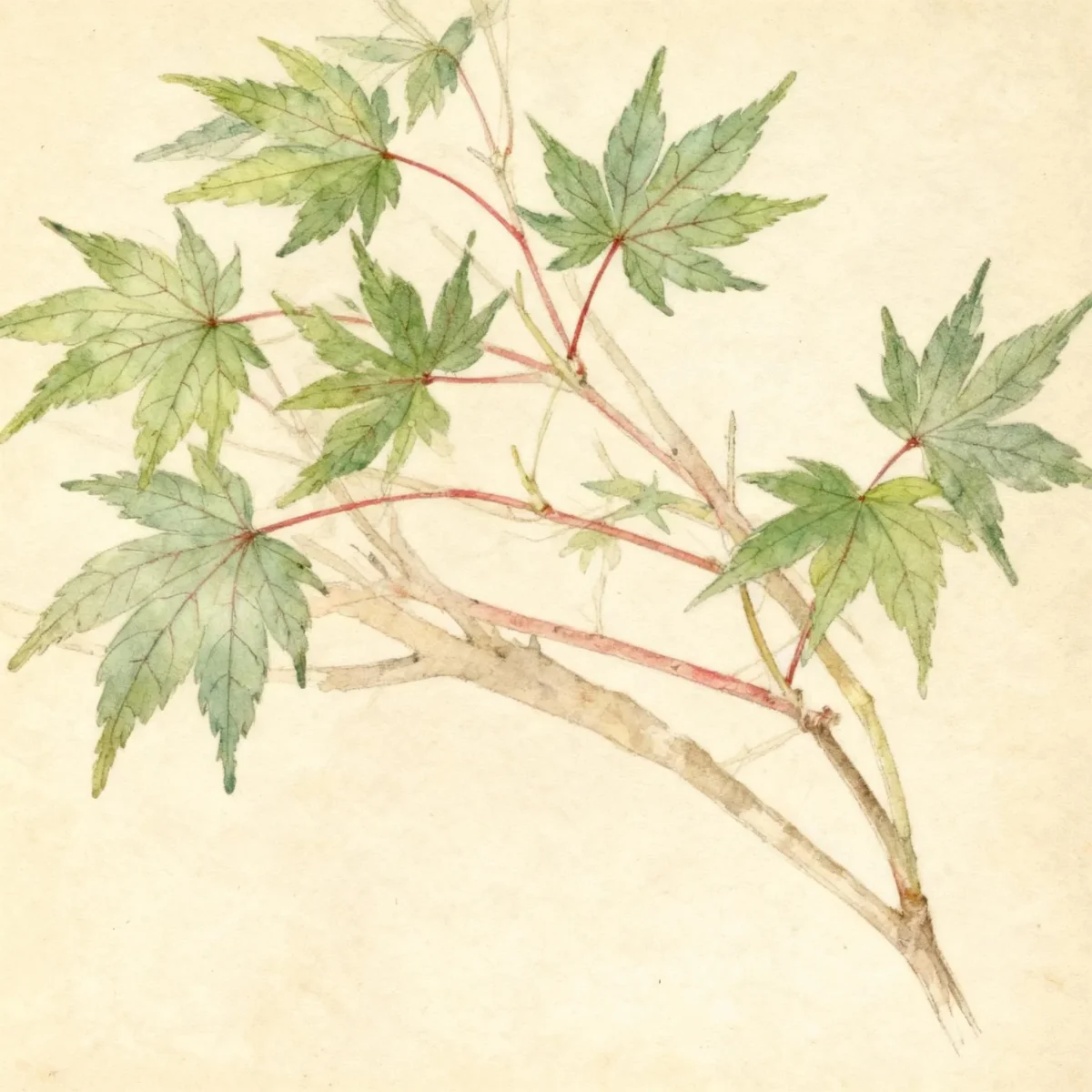
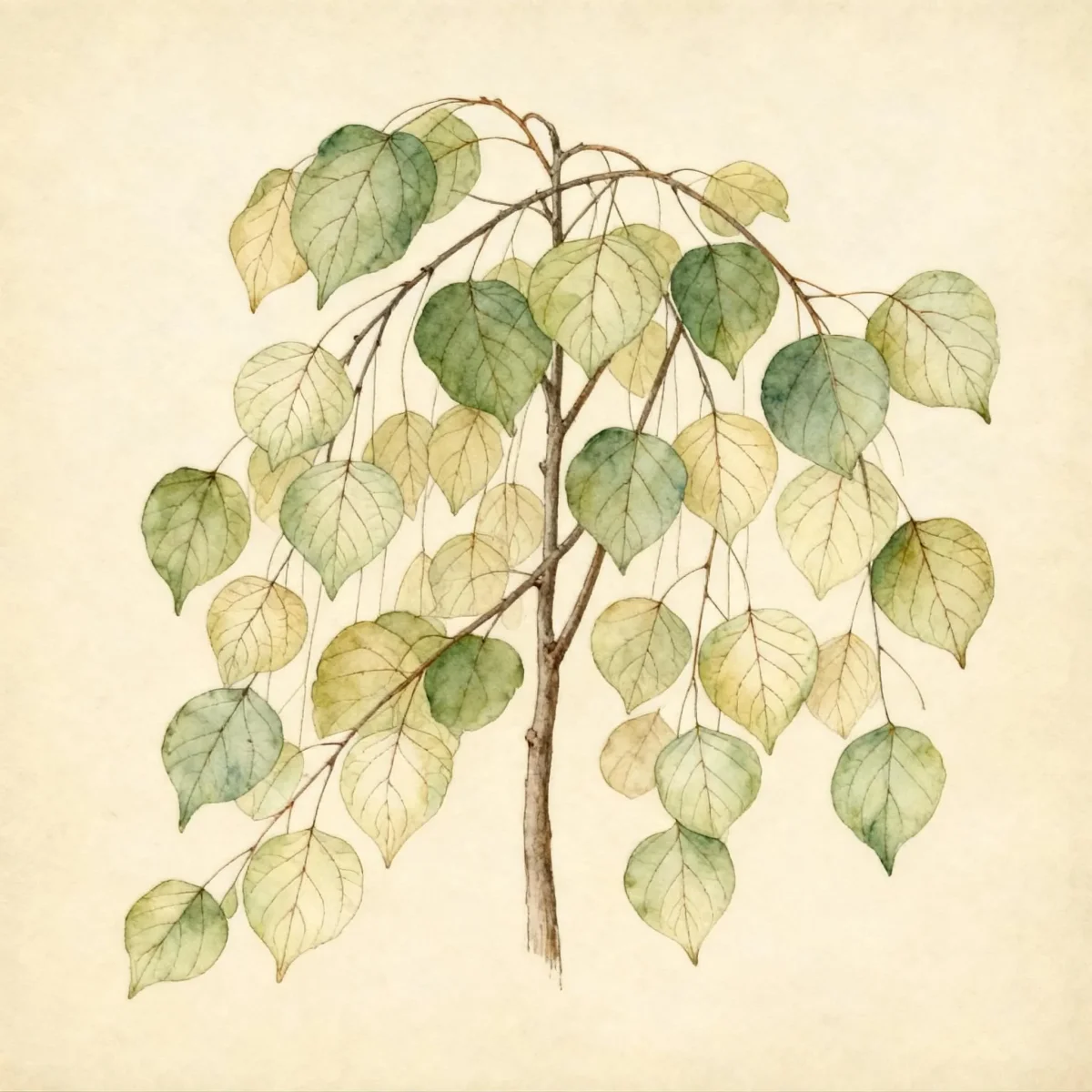
Katsura tree (Cercidiphyllum japonicum 'Pendulum')
The weeping Katsura tree, Cercidiphyllum japonicum 'Pendulum', offers beautiful fall color and unique form for small landscapes.

Bloom Boldly, No Matter the Season - Sweatshirt
Cozy organic cotton sweatshirt featuring our exclusive Purple Coneflower design. Perfect for gardeners who bloom year-round.
Inspired by the beautiful Katsura tree
Limited first batch (50) — join the waitlist for early access
Waitlist closes Feb 15, 2026.
Complete Plant Information
Field Guide Continues
Ready for care notes, companion picks, and planting tips?
The map is just the start. The full guide below covers growth habits, seasonal performance, and landscape uses.
Overview
The Cercidiphyllum japonicum ‘Pendulum’, commonly known as the Katsura tree, is a highly valued ornamental specimen recognized for its distinctive weeping habit. This top-grafted form creates a dramatic, cascading silhouette, making it a focal point even during winter months. While the standard Cercidiphyllum japonicum is known for its delightful autumnal scent, this cultivar retains the exquisite foliage transformations.
This deciduous tree establishes itself as an excellent choice for smaller properties, reaching a manageable height and spread compared to its upright cousins. Its foliage emerges with attractive color transitions, moving from reddish-purple in spring to green, and finally brilliant yellow in autumn. Growing the Katsura tree requires attention to its moisture demands, particularly when establishing its shallow root system.
Gardeners desiring year-round interest and unique structure appreciate the Cercidiphyllum japonicum ‘Pendulum’ for its relatively low maintenance needs once sited correctly. It serves as a refined specimen plant, bringing elegance and seasonal change to the landscape structure.
Fast Facts
- Plant Family: Cercidiphyllaceae
- Plant Type: Tree
- Hardiness Zones: USDA Zones 4-8
- Size at Maturity:
- Height: 15-25 ft
- Spread: 10-15 ft
- Bloom Time: March to April
- Bloom Description: Reddish-green
- Sun Exposure: Full sun to part shade
- Water Needs: Medium
- Maintenance Level: Low
How to Grow
The best time to plant your Cercidiphyllum japonicum ‘Pendulum’ is during the dormant season in early spring or fall, allowing it to establish roots before facing summer heat. Ensure you select a planting location that offers rich, moist, well-drained soil. While this weeping Katsura tree tolerates full sun, partial shade is often preferred, especially to shield it from harsh hot afternoon sun, which can stress the foliage.
Ongoing care focuses heavily on consistent moisture management, as this tree has little tolerance for drought, especially when young. Water deeply and regularly throughout the first growing seasons until the root system is well-established. Due to its often shallow root system, be mindful when mowing nearby or installing hardscaping close to the trunk base.
Protection from strong winds is recommended to prevent branch damage to the pendulous canopy. Pruning requirements are generally minimal for form, as the ‘Pendulum’ shape is inherent due to top-grafting. Generally, maintenance is low, involving only the removal of any damaged or crossing branches.
Landscape Uses
The compact size and striking, weeping habit make the Cercidiphyllum japonicum ‘Pendulum’ perfectly suited as a small specimen tree. It shines when placed near patios, entrances, or in courtyard gardens where its unique structure can be fully appreciated without overwhelming the space. Its size lends itself well to smaller residential lots where larger shade trees are impractical.
Consider planting the Katsura tree where its fall color can be viewed against a darker background, enhancing the gold and yellow spectacle. Because it is a multi-season interest plant, site it strategically near windows or walkways. It works beautifully as a focal point against simpler evergreen plantings that contrast well with its delicate structure.
Standout Features
Flower Qualities
- Insignificant
Noteworthy Characteristics
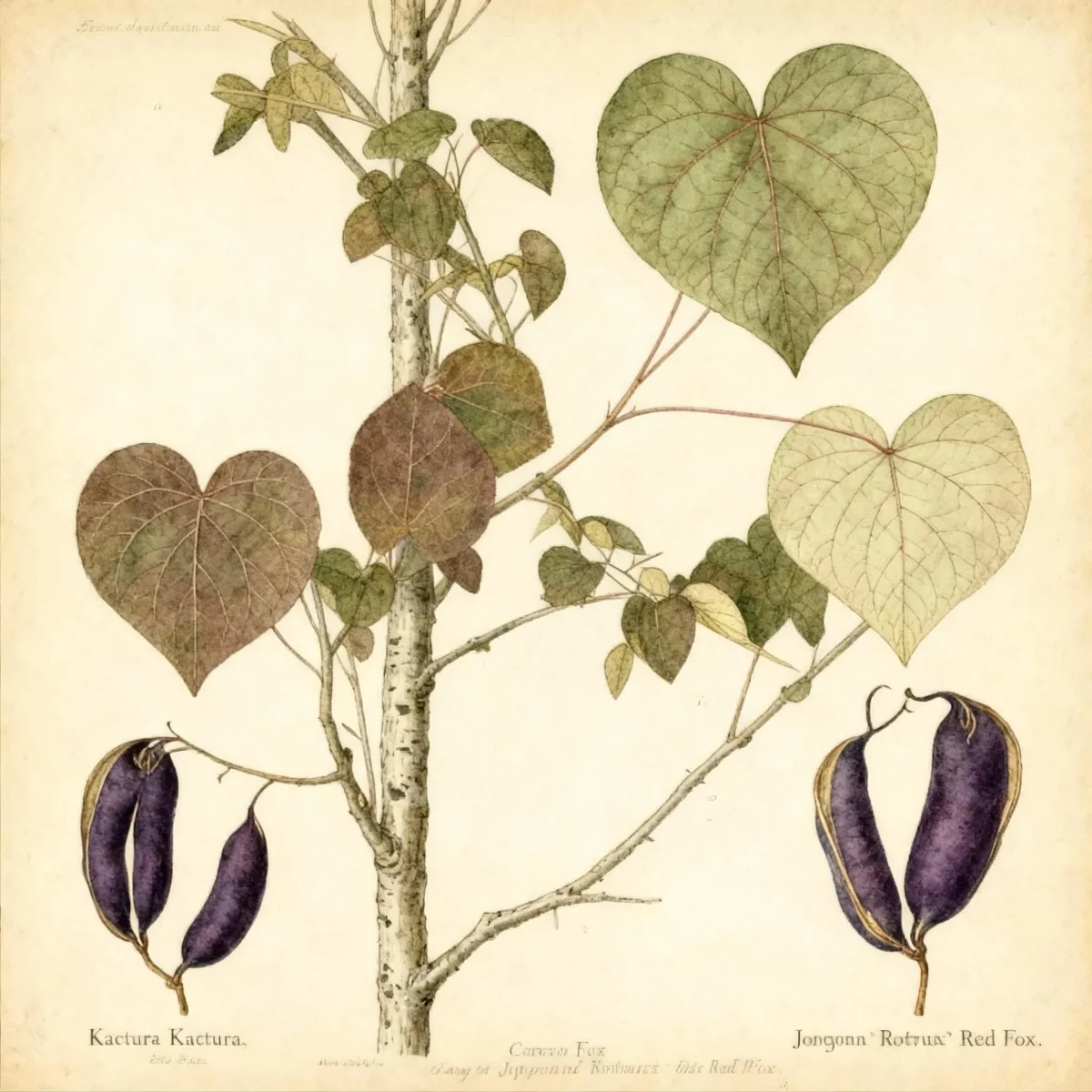
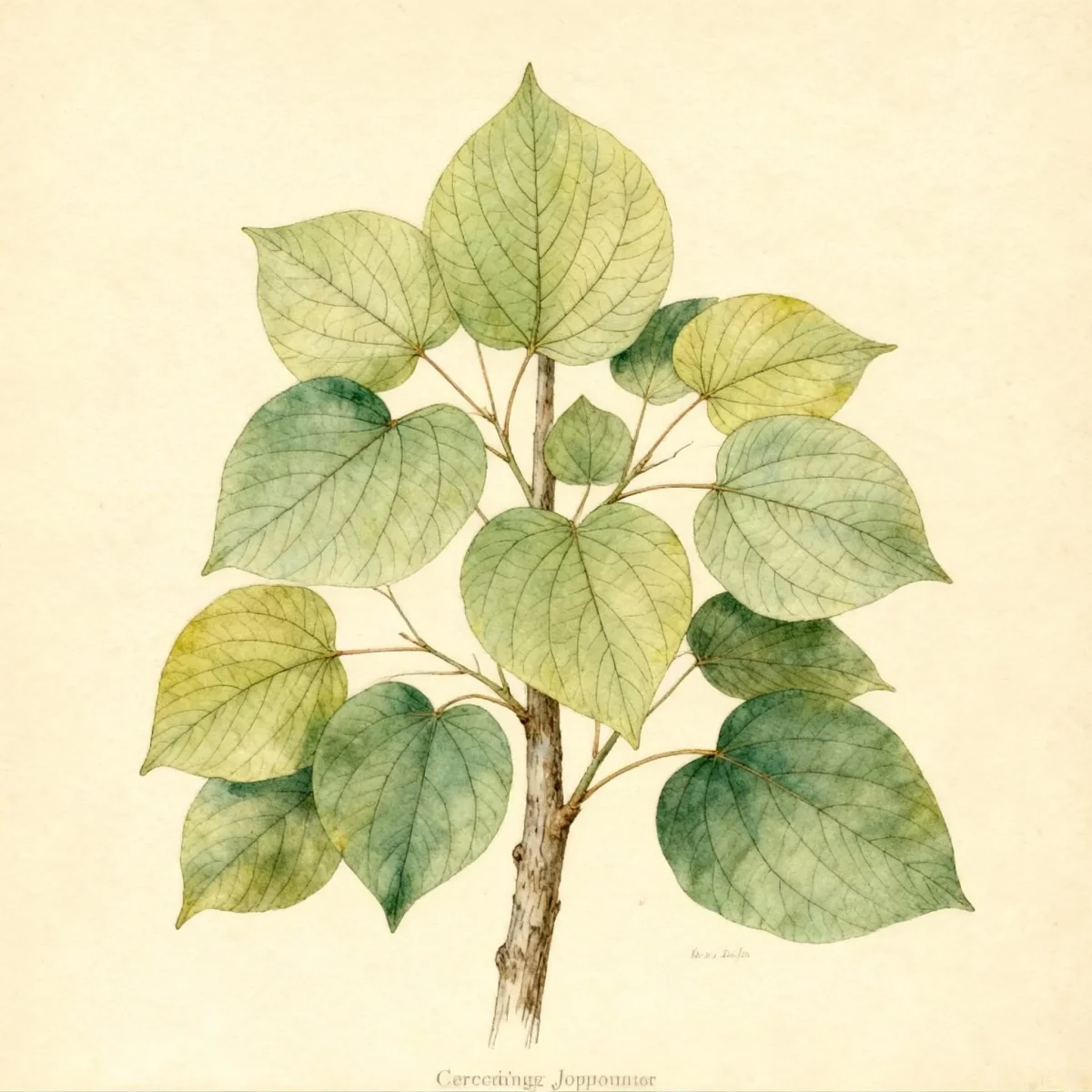
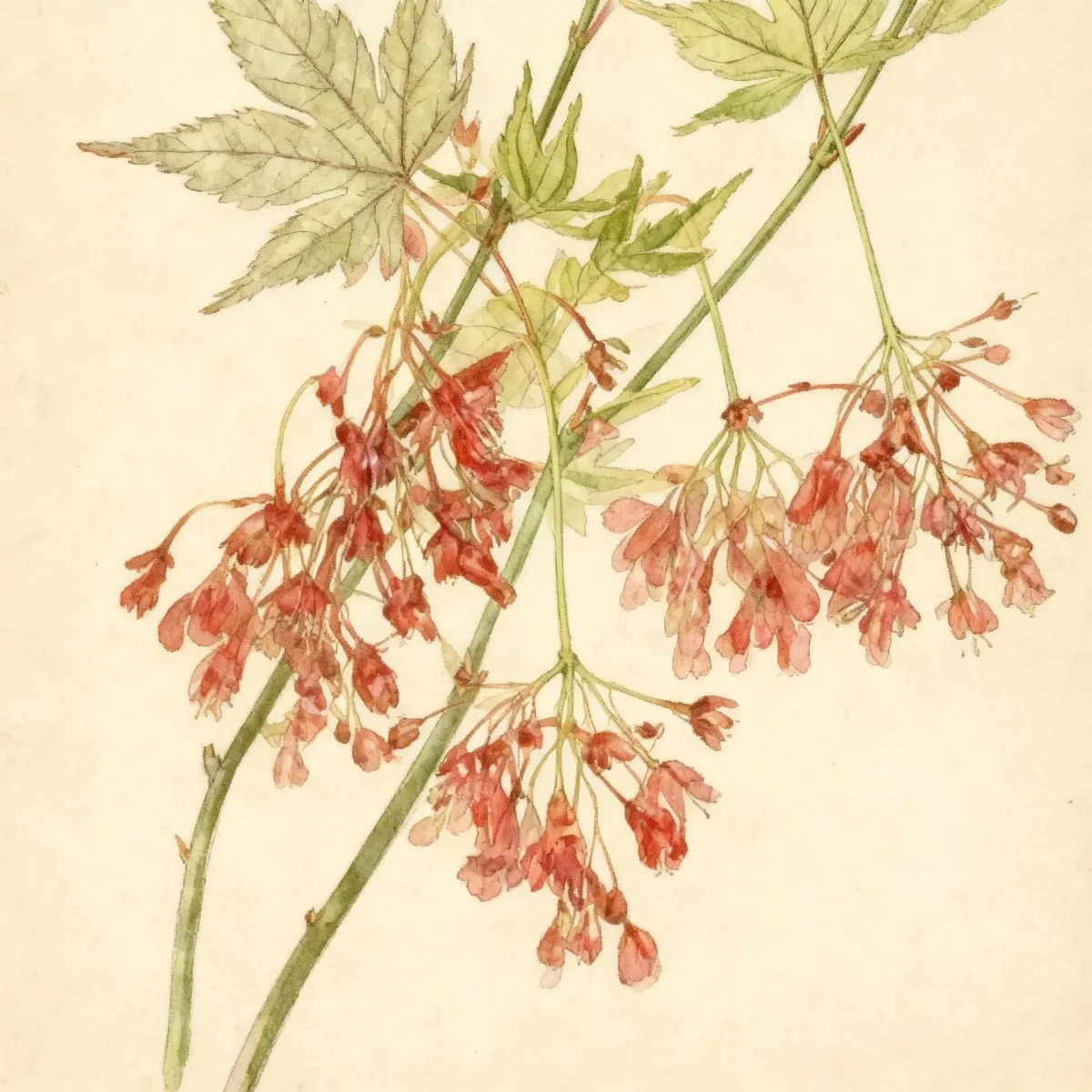
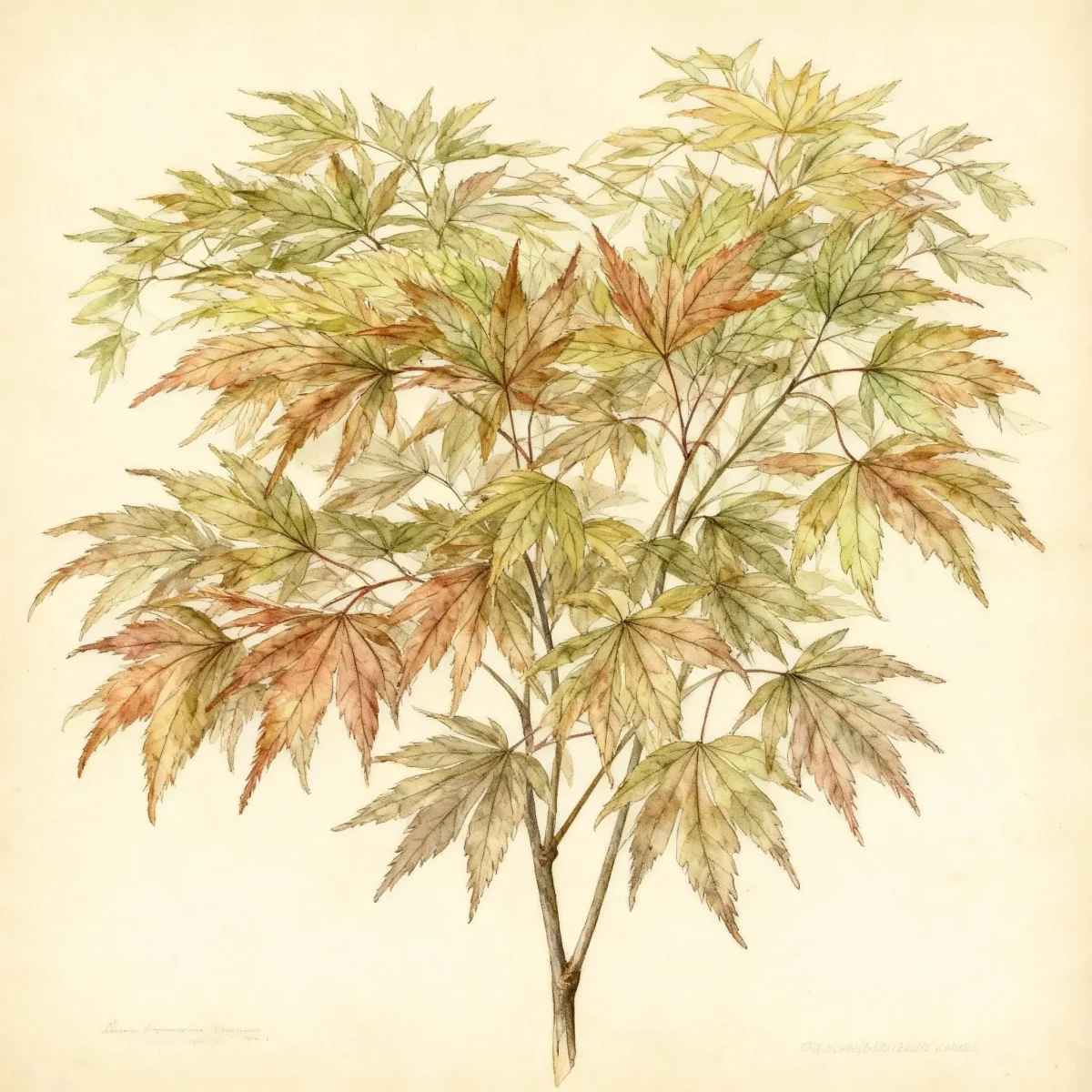
Cercidiphyllum japonicum, commonly called katsura tree, is native to Japan and China. It is a deciduous, single or multi-trunked, understory tree with a dense, rounded habit that typically matures to 40-60’ tall in cultivation, but can reach 100’ or more in the wild. It is grown for its beautiful shape and its attractive foliage. Cordate, round-oval leaves (to 4” long) resemble those of a small redbud (Cercis is the redbud genus and phyllon is Greek for leaf). Leaves emerge reddish purple in spring, mature to medium green with a slight bluish tinge in summer and turn quality shades of gold, orange and red in fall. Although not aromatic, the fallen autumn leaves have been varyingly described as smelling of cinnamon, burnt sugar or ripe apples. Tiny flowers (red on male trees and green on female trees) appear in spring before the foliage but are not particularly showy. Pollinated flowers on female trees are followed by clusters of greenish pods (to 3/4” long).Genus name comes from the Greek words kerkis meaning redbud or Judas tree and phyllon meaning a leaf for its appearance to redbud (Cercis.)Specific epithet means of Japan.‘Pendulum’ is a top-grafted, weeping form that features an irregular cascading canopy of pendulous branches dipping toward the ground. It typically grows over time to as much as 15-25’ tall. Blue green summer foliage turns a quality shade of yellow in fall. Pendulous form provides some winter interest.
Tolerances
- Clay Soil
Potential Problems
The Katsura tree is generally free from serious insect or disease issues, which contributes to its low maintenance rating. The primary cultural concern involves foliage health under adverse conditions. Foliage may scorch if exposed to hot, dry, and windy conditions simultaneously, emphasizing the need for proper siting away from exposed western walls or prevailing harsh winds.
Be aware that the Cercidiphyllum japonicum ‘Pendulum’ often develops a shallow root system. This characteristic requires proactive landscape planning; avoid planting where lawn maintenance (like deep aeration or close mowing) might damage surface roots, or where roots could potentially interfere with sidewalks or driveways over time.
Frequently Asked Questions
What hardiness zones is Katsura tree suitable for?
The Katsura tree is suitable for USDA Hardiness Zones 4 through 8.
How large does Katsura tree grow?
This weeping cultivar typically matures to a height between 15 and 25 feet, with a spread ranging from 10 to 15 feet.
What sun exposure does Cercidiphyllum japonicum ‘Pendulum’ need?
It prefers full sun to part shade; ensure it receives some protection from the most intense afternoon sun for best foliage health.
When does Katsura tree bloom?
Flowering occurs relatively early, usually from March to April, with small, reddish-green blooms appearing before the leaves emerge.
Conclusion
The Cercidiphyllum japonicum ‘Pendulum’ offers architectural interest and stunning fall color in a size appropriate for smaller settings. Its rarity as a weeping specimen adds significant value wherever it is planted. Before installing your new Katsura tree, confirm your location falls within USDA Zones 4-8 and ensure adequate, consistent moisture to promote healthy establishment.
Companion Planting
When designing a garden around your Cercidiphyllum japonicum ‘Pendulum’, select plants that appreciate similar growing conditions. Choose companion shrubs that thrive in rich, moist, well-drained soil and offer reliable structure. Plants like Hosta cultivars (especially those with blue or variegated foliage) contrast beautifully with the weeping form and tolerate the part-shade areas where a Katsura tree might be sited.
Consider foundational plantings that offer deep green texture, such as certain varieties of Japanese Forest Grass (Hakonechloa). These choices echo the tree’s native woodland aesthetic and help maintain consistent soil moisture around the shallow roots of the tree during dry spells. Avoid aggressive surface competitors that might vie for limited surface water.
Design Ideas
The weeping form of the Katsura tree naturally lends itself to Asian-inspired garden designs or formal specimen plantings. Because of its distinct overhead canopy, it acts as a living umbrella, creating a shaded microclimate beneath it suitable for shade-tolerant groundcovers or moss gardens. Use lighting underneath the canopy in evening gardens to dramatically highlight the pendulous branch structure.
For modern landscapes, use the Pendulous katsura against clean lines of hardscaping, such as concrete patios or retaining walls, allowing the foliage to drape over the edges. This contrast between the rugged architecture and the soft, flowing branches of the Cercidiphyllum japonicum ‘Pendulum’ creates compelling visual tension.