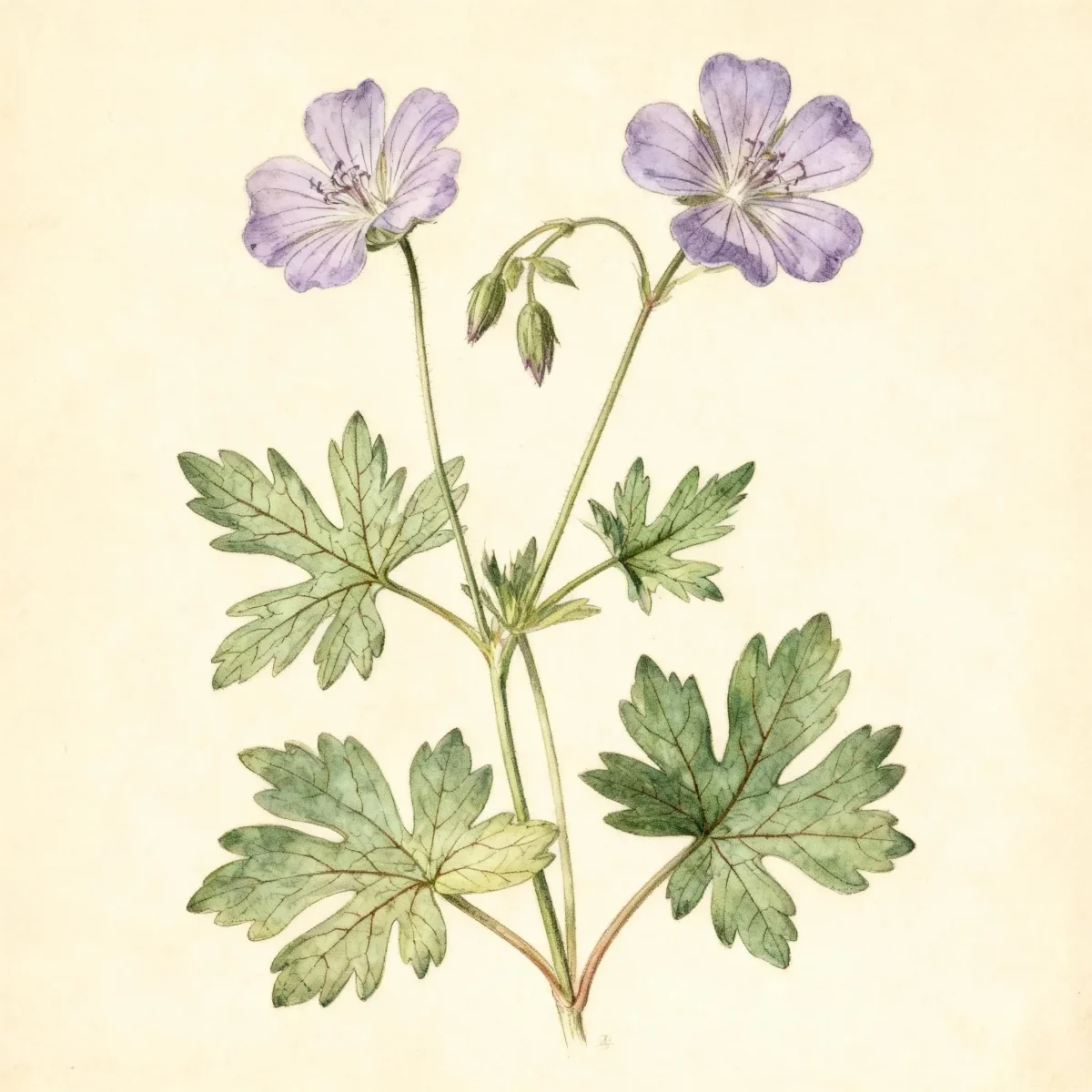
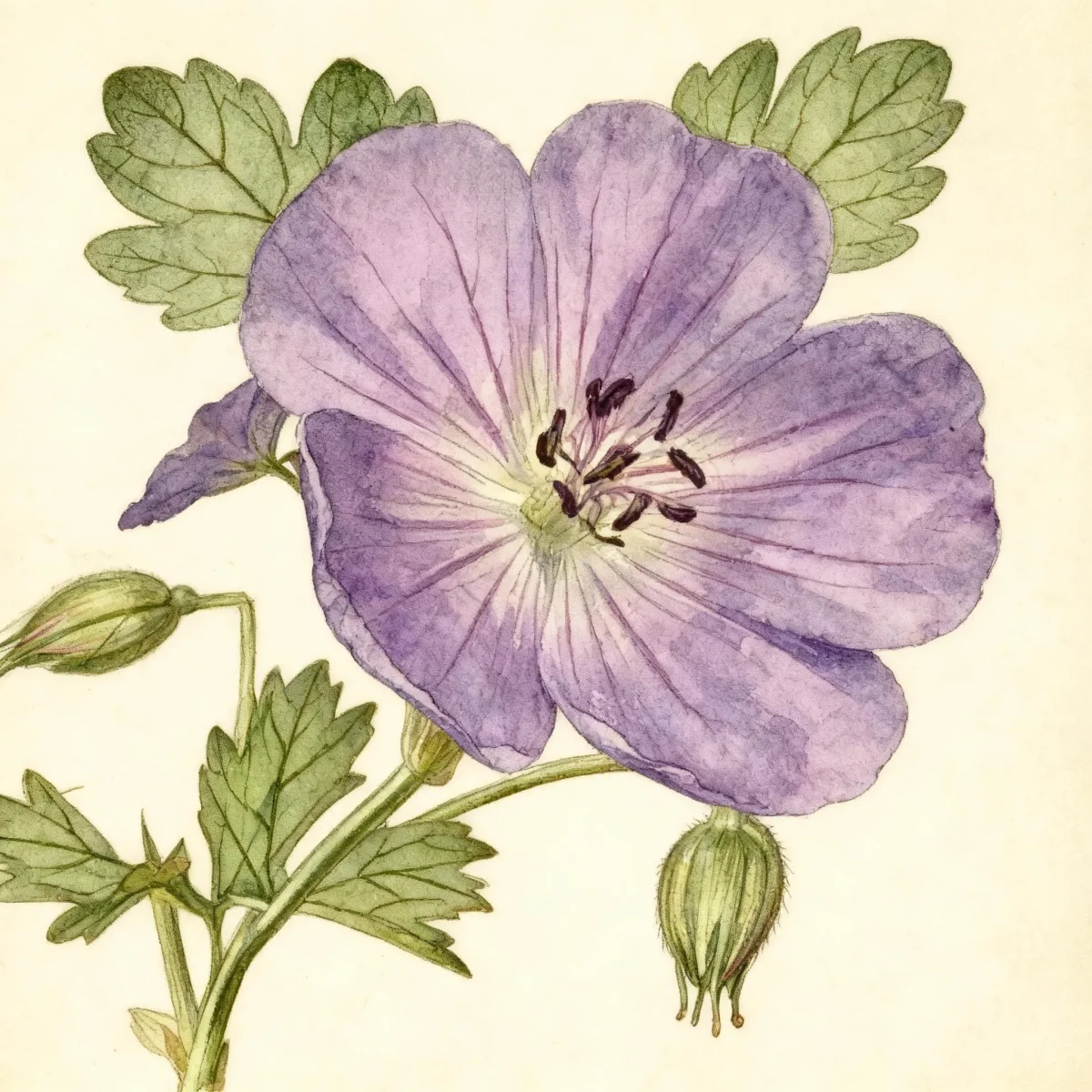
Cranesbill (Geranium 'Blushing Turtle')
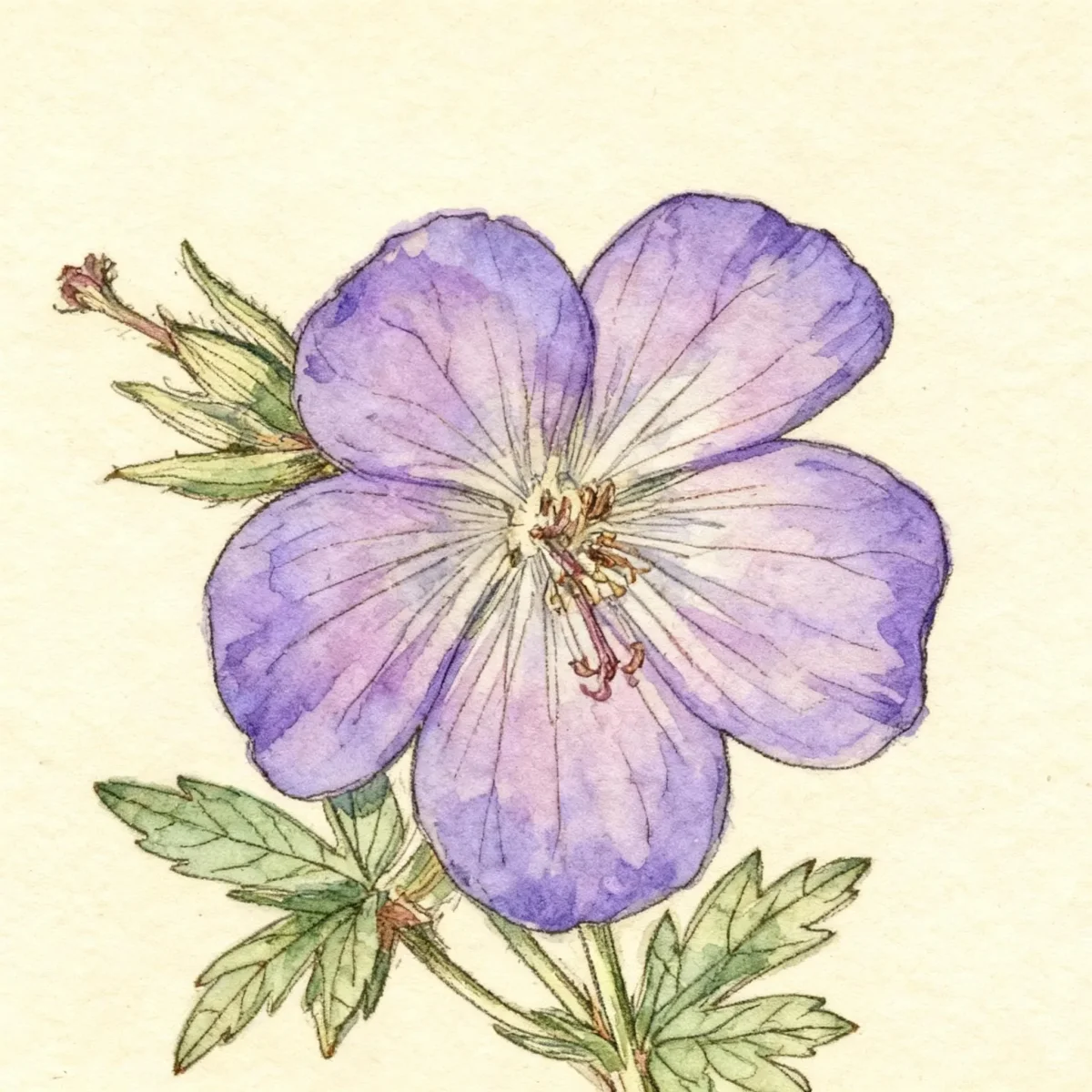
Geranium 'Blushing Turtle' is a low-maintenance Cranesbill known for its orchid-pink, veined blooms from June to September.
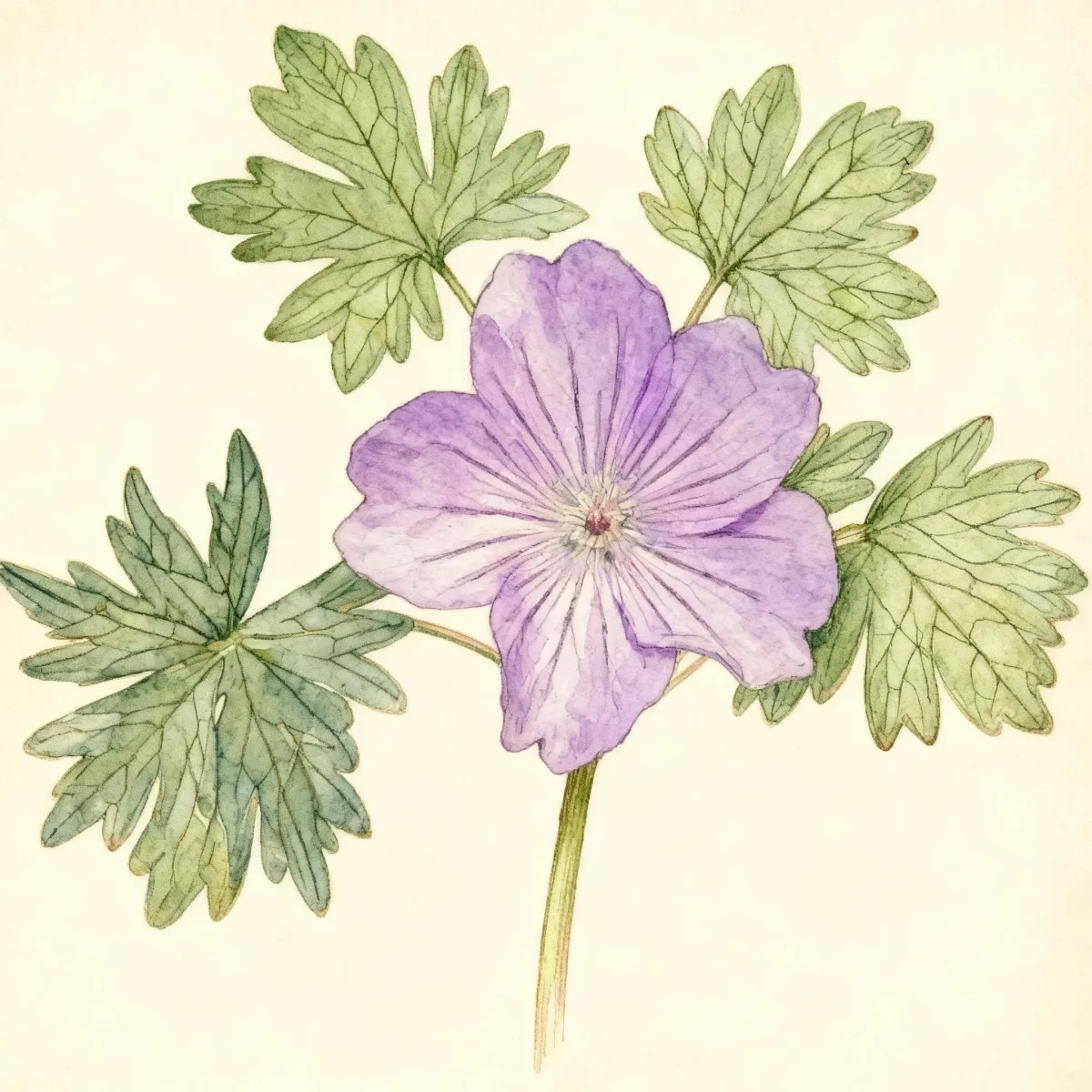

Bloom Boldly, No Matter the Season - Sweatshirt
Cozy organic cotton sweatshirt featuring our exclusive Purple Coneflower design. Perfect for gardeners who bloom year-round.
Inspired by the beautiful Cranesbill
Limited first batch (50) — join the waitlist for early access
Waitlist closes Feb 15, 2026.
Complete Plant Information
Field Guide Continues
Ready for care notes, companion picks, and planting tips?
The map is just the start. The full guide below covers growth habits, seasonal performance, and landscape uses.
Overview
Geranium ‘Blushing Turtle’ is an exceptionally valuable herbaceous perennial, often sought after for its reliable, long-lasting color display and attractive foliage structure. This Cranesbill variety forms a slowly spreading mound, reminiscent of a turtle’s shape, making it an excellent textured component in mixed borders. Gardeners appreciate the orchid-pink flowers, which feature delicate, darker reddish-purple veins, adding depth to the summer garden.
As a modern hybrid, Geranium ‘Blushing Turtle’ offers the robust nature typical of many hardy Cranesbills while providing consistent performance from early summer well into fall. It fits seamlessly into various landscape designs, thriving in average conditions while yielding high ornamental impact for relatively low effort. Its hardiness and deer/rabbit resistance further cement its place as a favorite perennial staple.
This specific cultivar is notable for its response to high heat; while the main show occurs in June, attentive pruning can encourage sporadic rebloom throughout the hottest months. Whether you are establishing a cottage garden or seeking reliable ground cover, Geranium ‘Blushing Turtle’ delivers consistent beauty and manageable growth habits.
Fast Facts
- Plant Family: Geraniaceae
- Plant Type: Herbaceous perennial
- Hardiness Zones: USDA Zones 5-8
- Size at Maturity:
- Height: 1.5-2 ft
- Spread: 2-3 ft
- Bloom Time: June to September
- Bloom Description: Orchid pink with darker veins
- Sun Exposure: Full sun to part shade
- Water Needs: Medium
- Maintenance Level: Low
How to Grow
Plant Geranium ‘Blushing Turtle’ during the spring or fall to allow it time to establish before experiencing extreme weather. It performs best in average, medium moisture, well-drained soils. While it tolerates average conditions, richer, moist, organic soils will produce superior vigor. While established individuals show some drought tolerance, consistent moisture supports the best rebloom, especially in dry spells.
For optimal flowering, provide full sun, but in the hot summer climates, integrating some part afternoon shade will prevent bloom interruption. In northern regions, consistent sun exposure throughout summer typically encourages flowering right through to fall. This sturdy Cranesbill requires low maintenance overall.
If the primary flush of blooms fades during intense summer heat (June-July in hot areas), use pruning to rejuvenate the plant. Cutting the stems back will encourage a refreshed appearance, help shape the slowly spreading mound, and stimulate a lighter, secondary bloom period later in the summer or early autumn. Trimming side stems at any time is also appropriate for controlling its spread in confined areas.
Landscape Uses
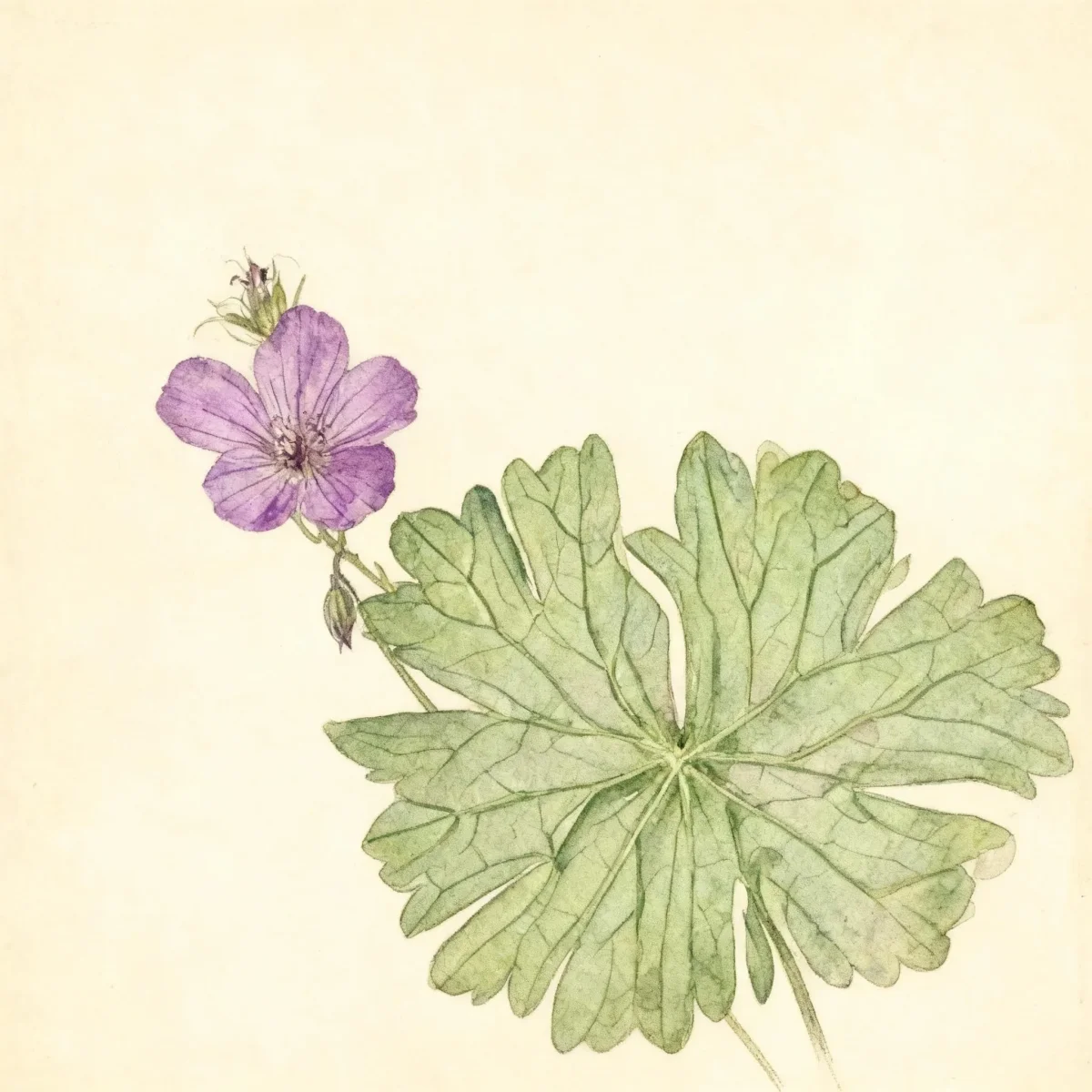
Geranium ‘Blushing Turtle’ is versatile enough to act as a foundational planting in numerous settings within the garden. Its gently mounding habit and rich green, maple-like foliage make it an excellent choice for defining the front lines of mixed borders or softening the edges of pathways. Use this Cranesbill to mass plant for an effective, colorful, and low-maintenance ground cover effect.
This variety is also well-suited for more intimate spaces, proving highly effective in rock gardens where its needs for drainage are easily met. Furthermore, it adapts wonderfully to containers, where its 1.5 to 2-foot height can provide structure alongside trailing or upright annuals or perennials. The reliable performance and deer/rabbit resistance ensure these plantings remain attractive throughout the growing season.
Standout Features
Flower Qualities
- Showy
Noteworthy Characteristics
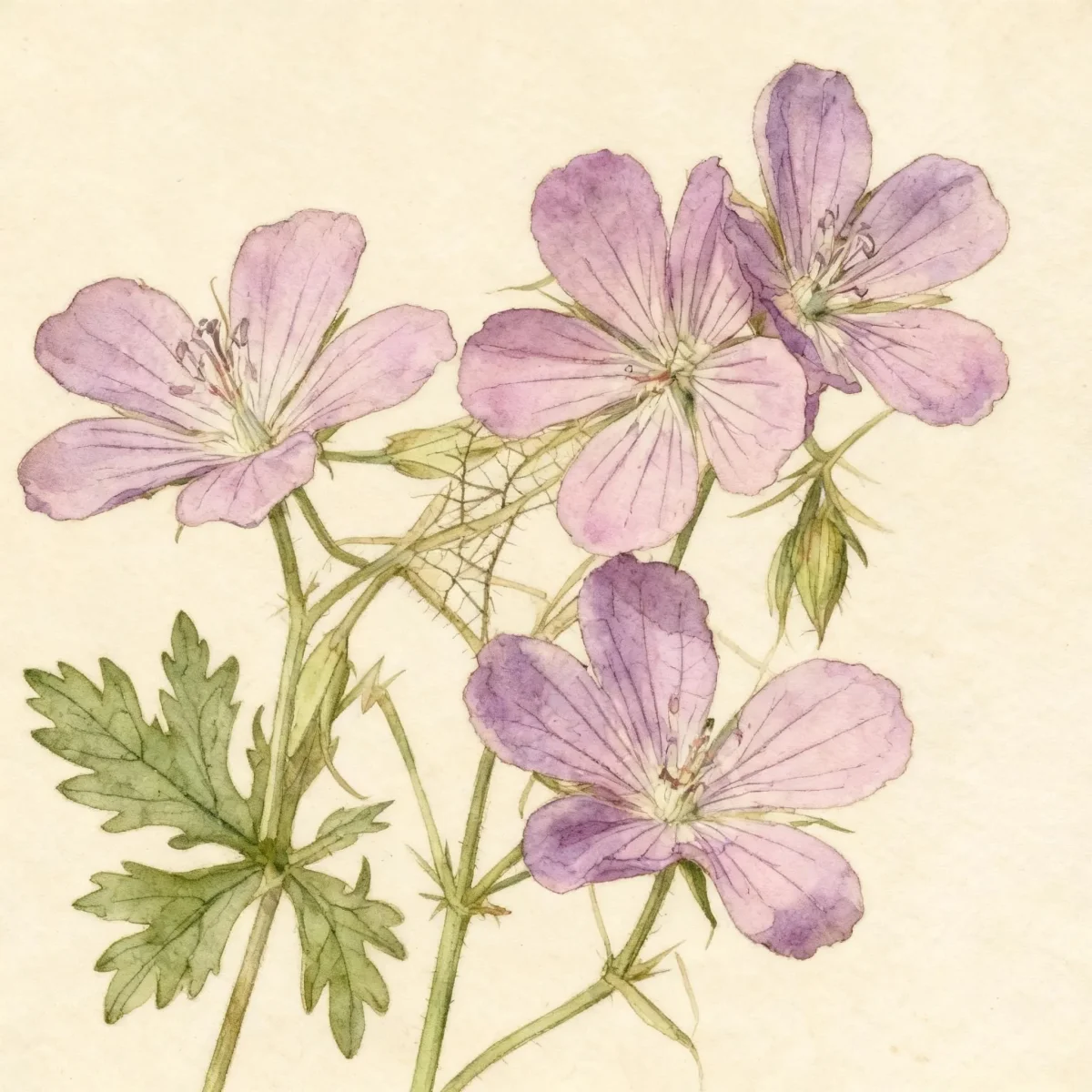
Geranium is a genus of about 300 species of annuals and herbaceous perennials from temperate regions. This plant, Geranium ‘Blushing Turtle’, is the result of a cross-pollination event occurring in 1999, leading to a slowly spreading mound of foliage topped by five-petaled, 1-2 inch flowers that are orchid pink with darker veins. The genus name refers to the crane, referencing the shape of the fruit.
Tolerances
- Rabbit
- Deer
Potential Problems
Generally, Geranium ‘Blushing Turtle’ does not suffer from any serious insect or disease problems, making it a reliable performer. However, like many members of the Geraniaceae family, it can exhibit some minor susceptibility to fungal issues, specifically leaf spots and rusts under specific humid or wet conditions. Ensure excellent air circulation and maintain well-drained soil to mitigate these risks, addressing any affected foliage promptly by trimming it away to prevent spore spread.
Frequently Asked Questions
What hardiness zones is Cranesbill suitable for?
Geranium ‘Blushing Turtle’ is hardy across USDA Zones 5 through 8, offering reliable perennial performance in a wide range of temperate climates.
How large does Geranium ‘Blushing Turtle’ grow?
This Cranesbill is expected to reach a mature height between 1.5 and 2 feet, spreading outward to cover an area between 2 and 3 feet wide.
When does Cranesbill bloom?
The primary bloom time for Geranium ‘Blushing Turtle’ is from June through September, featuring orchid pink flowers marked with darker veins.
Conclusion
Geranium ‘Blushing Turtle’ excels as a low-maintenance, resilient addition to the garden, offering captivating color and dense foliage structure. If you seek a dependable Cranesbill that resists common garden pests, ensure your planting site offers the appropriate sun exposure and drainage. Check your local USDA zone compatibility before planting this stunning perennial.
Companion Planting Excellence
When selecting partners for Geranium ‘Blushing Turtle’, look for plants with similar culture needs—medium moisture, well-drained soil, and tolerance for partial shade. Consider pairing it with silver-leaved plants like Lamb’s Ears (Stachys byzantina) to provide contrast against the rich green foliage. For vertical interest behind this medium-sized perennial, tall ornamental grasses or classic summer bloomers like Salvias or Veronica cultivars work beautifully, creating layered textures in vibrant and complementary colors.
Pruning and Rejuvenation Techniques
While maintenance is low, strategic pruning enhances the performance of Geranium ‘Blushing Turtle’, especially in hot summers. Immediate deadheading spent flowers during the main bloom phase encourages the sporadic rebloom extending into the fall. If the plant becomes overly leggy or tired looking by late July or August, execute a “hard cutback,” trimming the entire mound down by about one-third to one-half its height. This aggressive pruning cleans up the appearance and signals the Cranesbill to produce a fresh flush of foliage and flowers for the closing months of the growing season.