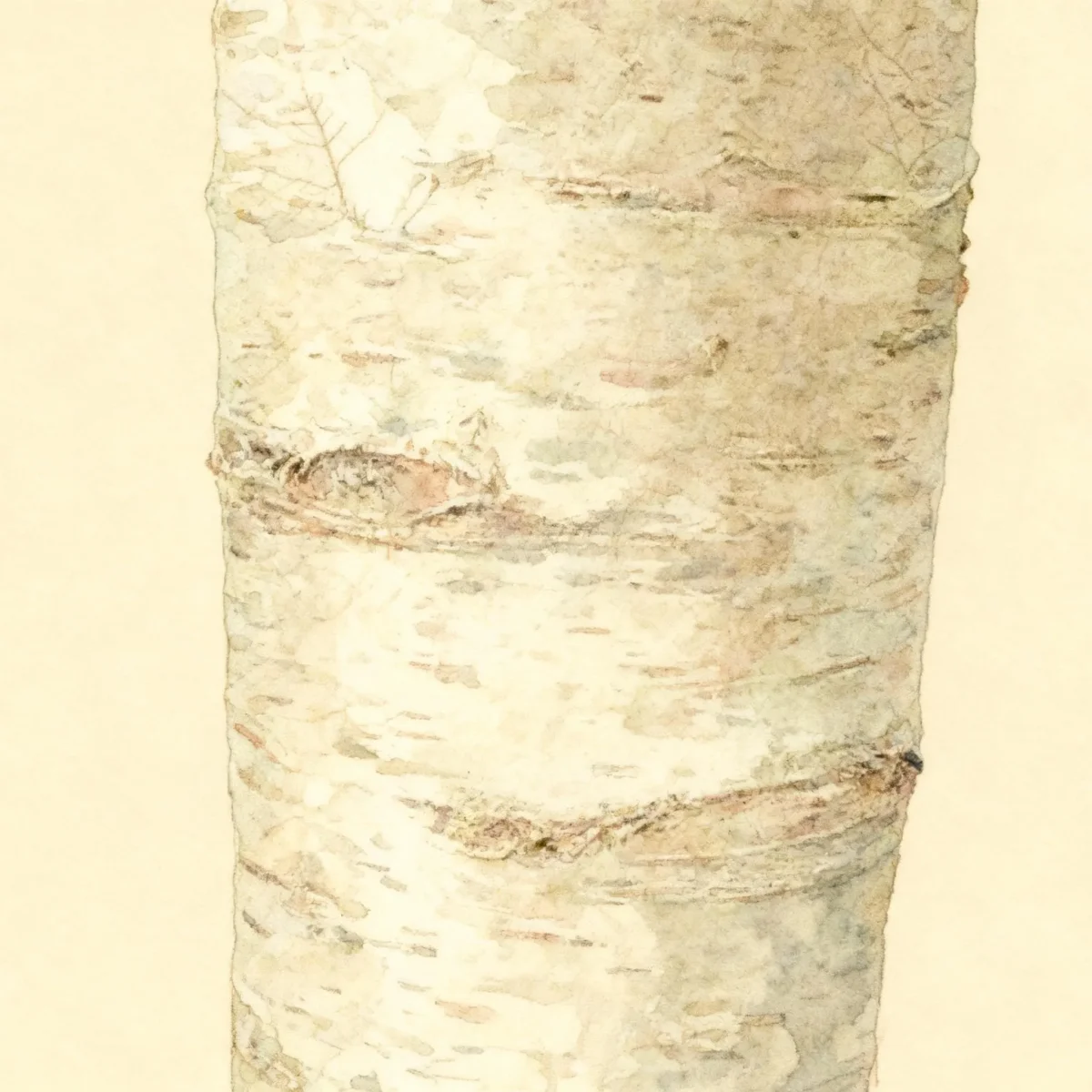
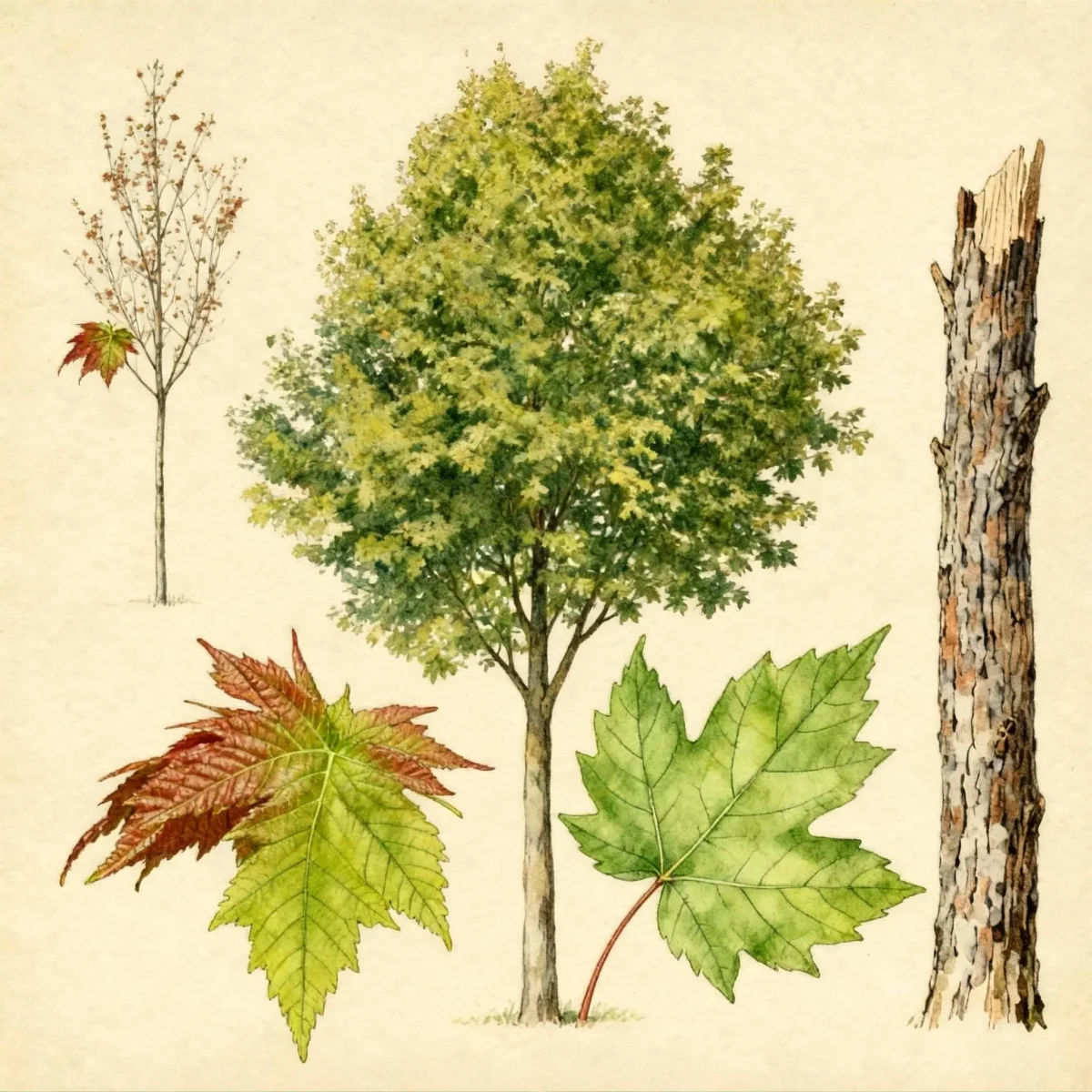
Boxelder (Acer negundo)
The Boxelder (Acer negundo) is a fast-growing, low-maintenance deciduous tree native to North America, known for its tolerance of difficult sites.

Bloom Boldly, No Matter the Season - Sweatshirt
Cozy organic cotton sweatshirt featuring our exclusive Purple Coneflower design. Perfect for gardeners who bloom year-round.
Inspired by the beautiful Boxelder
Limited first batch (50) — join the waitlist for early access
Waitlist closes Feb 15, 2026.
Complete Plant Information
Field Guide Continues
Ready for care notes, companion picks, and planting tips?
The map is just the start. The full guide below covers growth habits, seasonal performance, and landscape uses.
Overview
The Boxelder, scientifically known as Acer negundo, is a highly adaptable and fast-growing deciduous tree popular for providing quick structure in challenging landscapes. While sometimes frowned upon in formal plantings due to its weaker wood, its hardiness and rapid establishment make the Acer negundo an invaluable resource. This medium-sized maple is recognized by its unique foliage, which is compound rather than the simple leaves typically associated with maples.
Native to North America, the Boxelder thrives across a vast range of conditions, making it a reliable choice for screening or rapid shade creation. It establishes quickly, displaying a high tolerance for poor soils and environmental stressors that sideline more delicate ornamental trees. Gardeners should be aware that it is a dioecious species, meaning male and female flowers appear on separate trees.
Despite its casual appearance and tendency to sucker, the Boxelder serves a critical ecological and functional role. It provides substantial, albeit temporary, shade and often outcompetes other species in harsh environments. When selecting specimens for lower maintenance and cleaner aesthetics, male trees are often preferred over seed-bearing females.
Fast Facts
- Plant Family: Sapindaceae
- Plant Type: Tree
- Native Range: North America
- Hardiness Zones: USDA Zones 2-10
- Size at Maturity:
- Height: 30-50 ft
- Spread: 30-50 ft
- Bloom Time: March to April
- Bloom Description: Greenish-yellow
- Sun Exposure: Full sun
- Water Needs: Medium to wet
- Maintenance Level: Low
How to Grow
Planting Acer negundo is straightforward due to its adaptability. This tree prefers average, medium, or wet soils but is famous for tolerating poor, dry conditions where other species fail. Ensure it receives full sun, as the Boxelder is intolerant of shade, which can lead to weak, spindly growth. While spring planting is ideal, establishment is often successful across multiple seasons given its vigorous nature.
Maintenance for the Boxelder is generally considered low. Water regularly until established, especially during dry spells, although it will persist through significant drought once mature due to its medium to wet water needs profile. Fertilization is rarely necessary unless correcting a severe nutrient deficiency in extremely poor soil. Pruning should focus on removing dead or broken branches, particularly those damaged by ice or high winds, as the wood is relatively weak.
For winter preparation in colder zones, inspect trees for crossing or weak limbs that could accumulate heavy ice or snow load. In cooler climates where deciduous trees struggle, the Boxelder proves itself invaluable. Clearing away fallen samaras (seeds) in late winter or early spring is recommended if you have planted female trees near patios or walkways.
Landscape Uses
The primary recommended use for the Boxelder is as a shade tree, particularly where rapid cover is required. It excels in difficult corners of the landscape where other, more ornamental trees will struggle, or in extremely cold northern regions like the Dakotas where growing seasons are short. Think of this tree as a temporary structural element or a robust screening solution rather than a specimen tree.
When considering placement, recognize that female Acer negundo produces abundant, often messy seed clusters that can litter hardscapes. Therefore, positioning male trees near patios, pools, or outdoor living spaces is highly advisable. Its fast growth rate also makes it suitable for establishing quick shelterbelts or windbreaks in large rural settings.
Companion planting should focus on species that can handle similar low-maintenance, full-sun environments, understanding that the Boxelder can spread vigorously via suckers. While it lacks high ornamental value compared to other maples, its role as a tough survivor should be respected in functional landscape planning.
Standout Features
Flower Qualities
- Insignificant
Noteworthy Characteristics
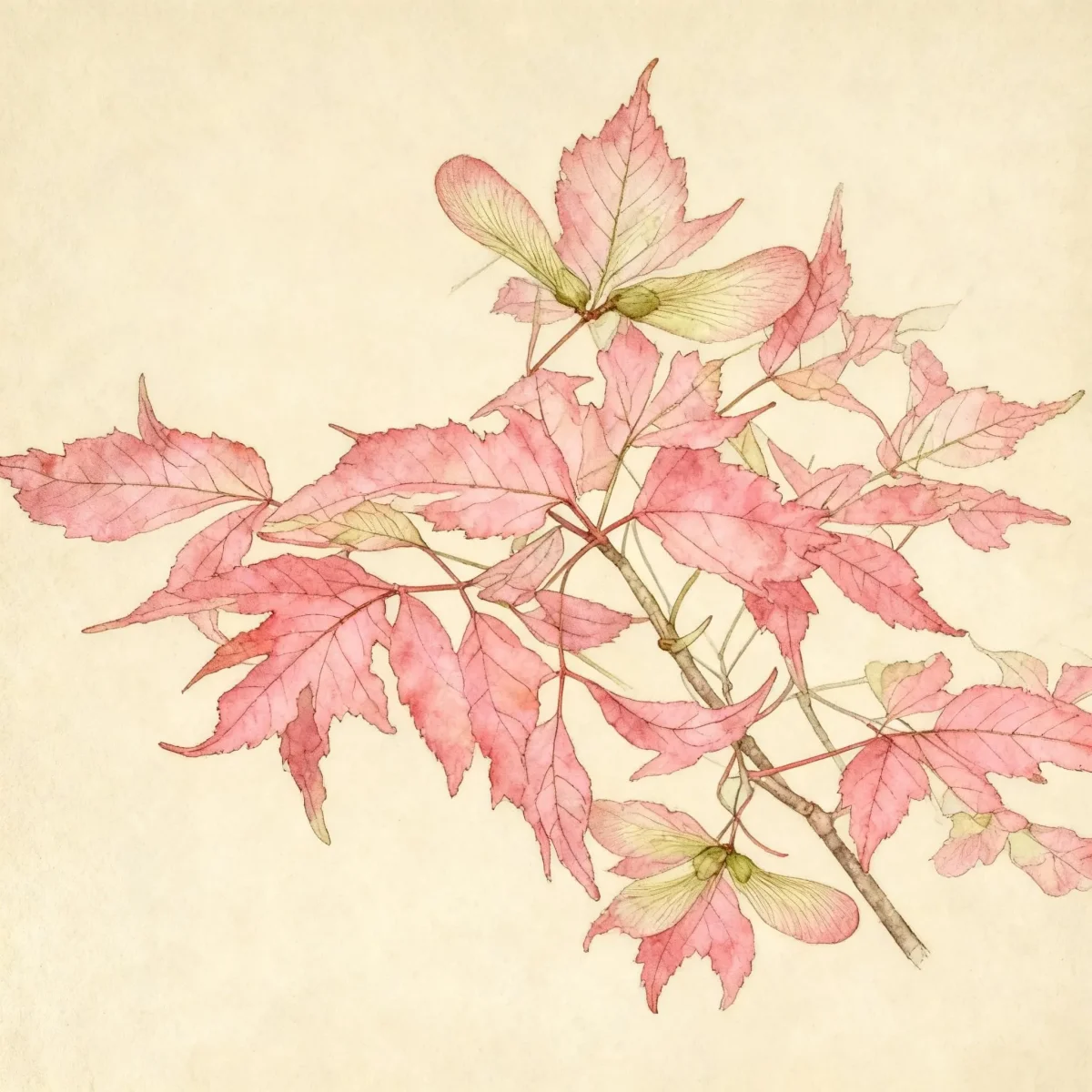
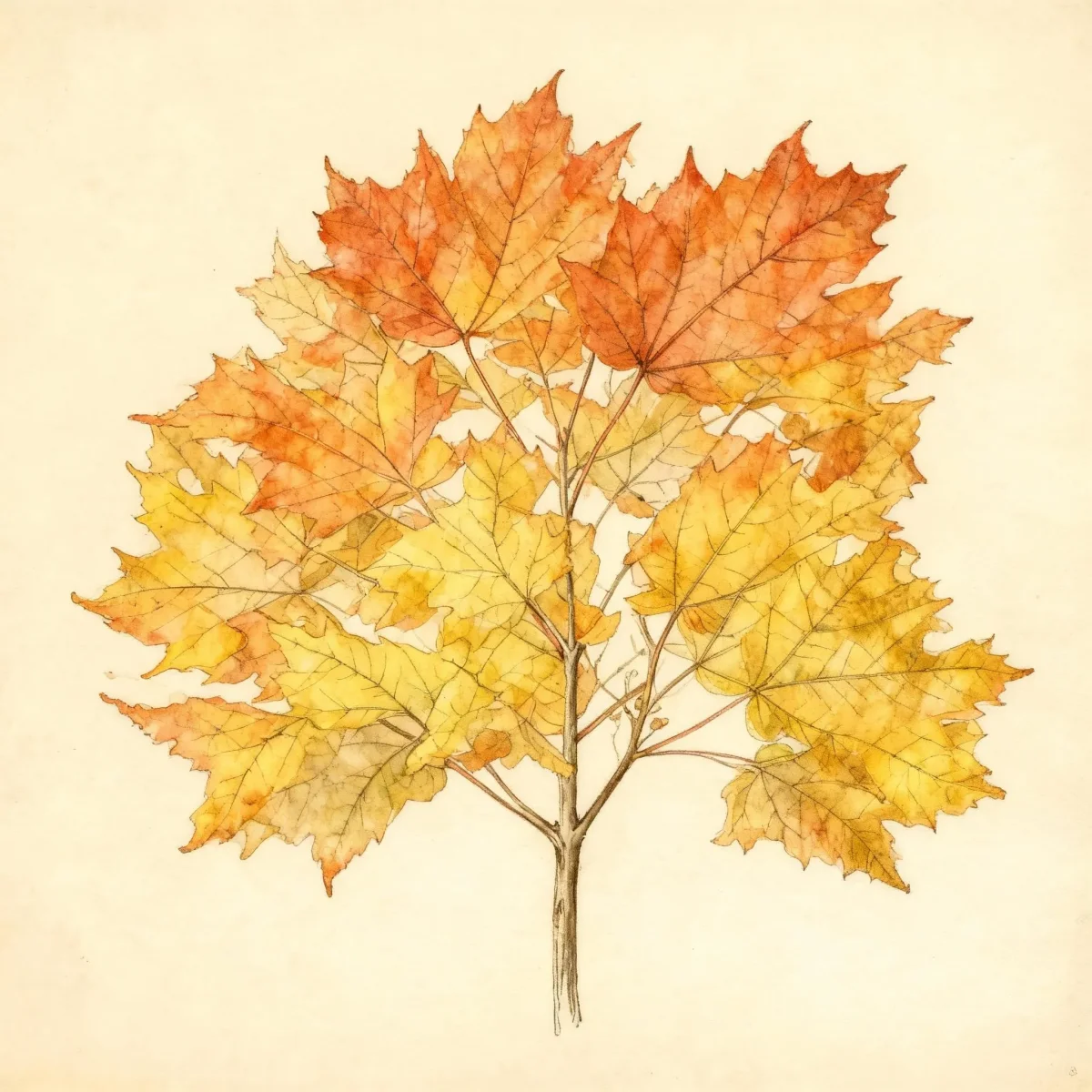
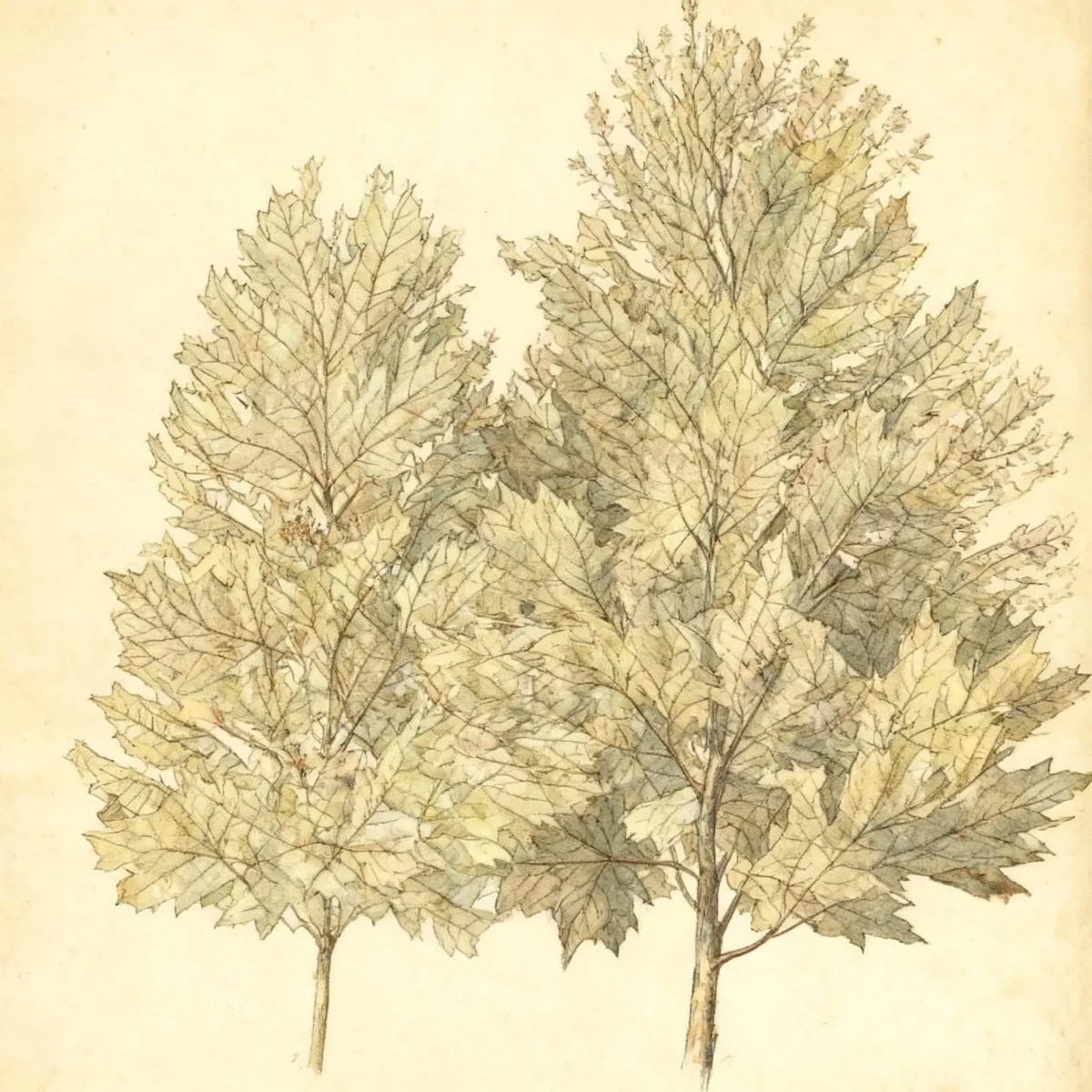
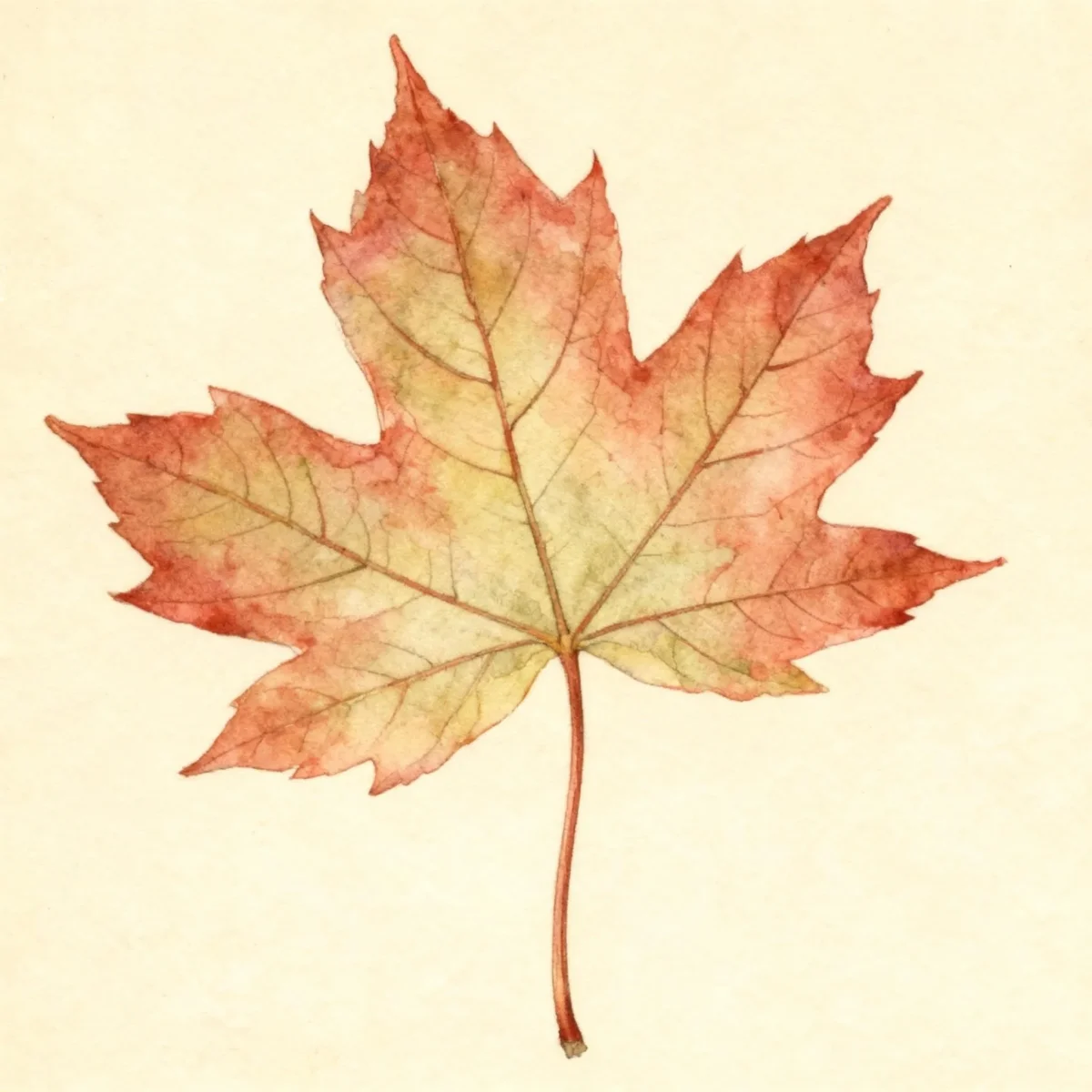
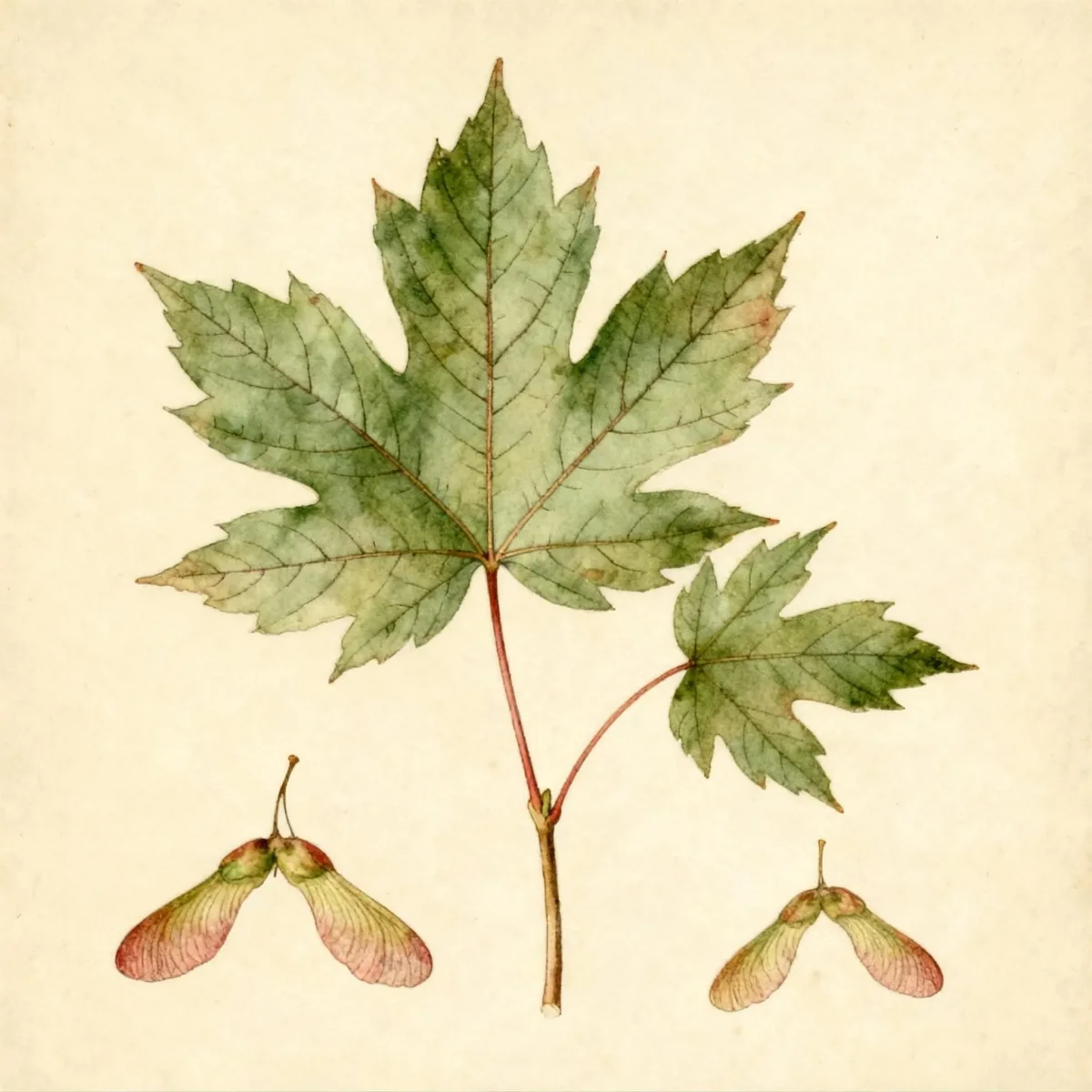
Acer negundo, commonly known as box elder, is a suckering, fast-growing, weak-wooded, medium-sized, deciduous tree that typically grows 30-50’ (less frequently to 70’) tall with an irregular rounded crown. It is widely distributed throughout the U.S. Except in Alaska and Hawaii. In Missouri, it typically occurs in moist to wet soils along streams, river flood plains and low woods (Steyermark). Although it is a maple and produces the familiar maple fruits (paired samaras), it differs from most maples by having odd-pinnate compound leaves (each with 3-5 toothed leaflets) and by being dioecious (separate male and female trees). Leaves with three leaflets are most common, and these resemble poison ivy (Toxicodendron radicans). Leaves are light to medium green, turning an undistinguished yellow in fall. Greenish-yellow flowers appear in pendant clusters in spring on separate male and female trees. Flowers are not showy. Female flowers give way to fruits (samaras) which mature in fall and often persist on the tree well into winter. Fruiting can be abundant.Genus name is the Latin name for a maple tree.Specific epithet comes from the Sanskrit and Bengali word nirgundi, which was used as negundo in the naming of Vitex negundo and later for this maple that has a leaf similar to that of Vitex negundo.The name box elder (sometimes boxelder) is in reference to a use of the wood for making crates and boxes and the supposed similarity of the leaves to those of elder (Sambucus). Leaves also resemble those of some ashes, hence the additional common name of ash-leaved maple.
Tolerances
- Drought
- Clay Soil
- Black Walnut
- Air Pollution
Potential Problems
The Boxelder is prone to several common issues, the most noted being susceptibility to borers, which target the week wood. Anthracnose, powdery mildew, and canker are occasional disease problems that can affect foliage health, especially in humid periods. The most common interaction involves boxelder bugs, which treat the tree as a host but become a significant nuisance when they seek shelter inside nearby homes as temperatures cool.
To manage structural issues, prune away any branches that appear weak or damaged, particularly after severe ice or snow storms, as the wood is brittle and breaks easily. Avoid planting the Acer negundo immediately adjacent to buildings or walkways if you have female varieties, to prevent nuisance from the abundant fruit clusters or falling limbs.
Frequently Asked Questions
What hardiness zones is Boxelder suitable for?
The Boxelder is exceptionally adaptable, thriving in USDA Zones 2 through 10.
How large does Boxelder grow?
This tree typically reaches a mature height between 30 and 50 feet, with a corresponding spread of 30 to 50 feet.
What sun exposure does Acer negundo need?
Acer negundo requires full sun exposure to develop properly and resist potential weak growth.
When does Boxelder bloom?
The greenish-yellow flowers of the Boxelder appear relatively early, blooming from March to April.
Conclusion
The Acer negundo, or Boxelder, stands out for its unparalleled adaptability and rapid growth, making it a resilient choice for tough sites or for providing quick shade. Recognizing the differences between male and female specimens is key to planning a cleaner landscape, especially if proximity to structures is a concern. Before planting, always verify that your specific location falls within the versatile USDA hardiness zones 2-10.
Companion Planting
Given the Boxelder’s aggressive nature and tolerance for poor soil, companion planting requires plants that can compete without needing extremely rich amendments. Consider planting natives that thrive in full sun and tolerate periodic drought once established. In moister areas where the Boxelder naturally occurs along streams, moisture-loving shrubs that appreciate quick establishment can pair well.
For areas needing quick stabilization, the Boxelder can act as a nurse crop, sheltering more sensitive, slower-growing trees until they can establish their own canopy. Avoid placing slow-growing, high-value specimens right at the base, as the Acer negundo will quickly outcompete them for light and water resources.
Wildlife Benefits
While not known for spectacular flowers, the Boxelder does offer value to local ecosystems. Deer will occasionally browse the young twigs and leaves, making it important to protect saplings in areas with high deer populations. Furthermore, the late-persisting seed clusters of the female trees can provide a limited food source for some bird species throughout the winter months.