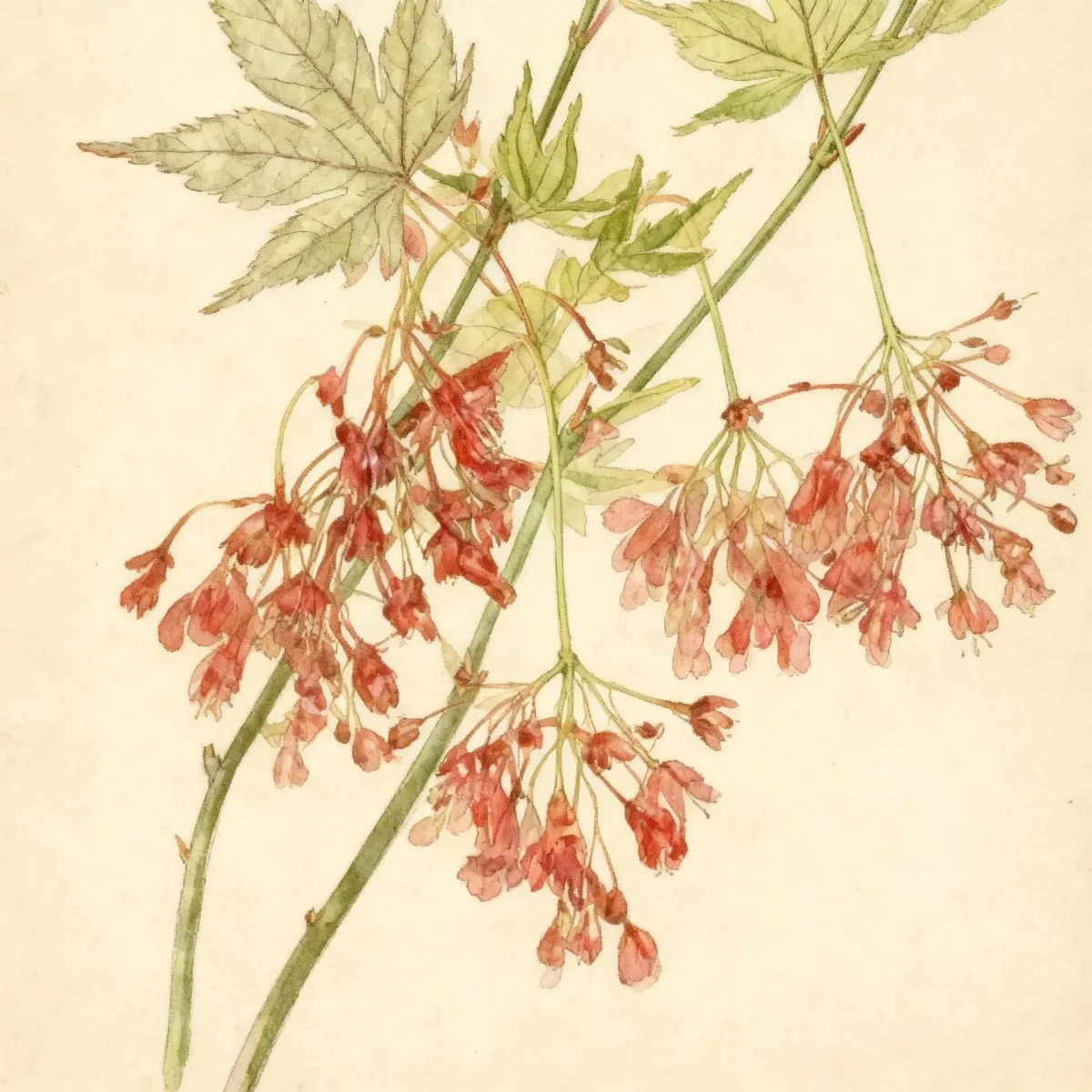
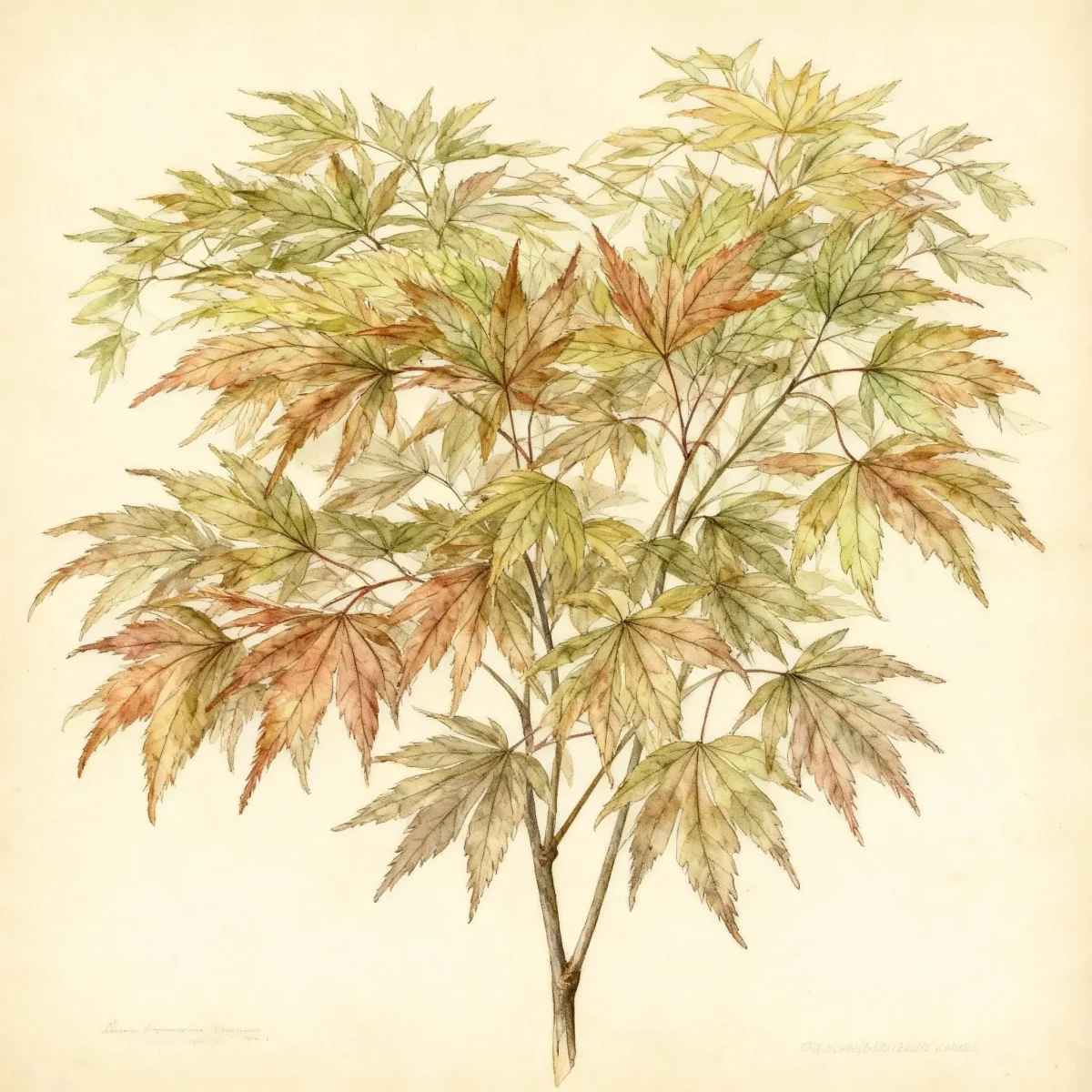
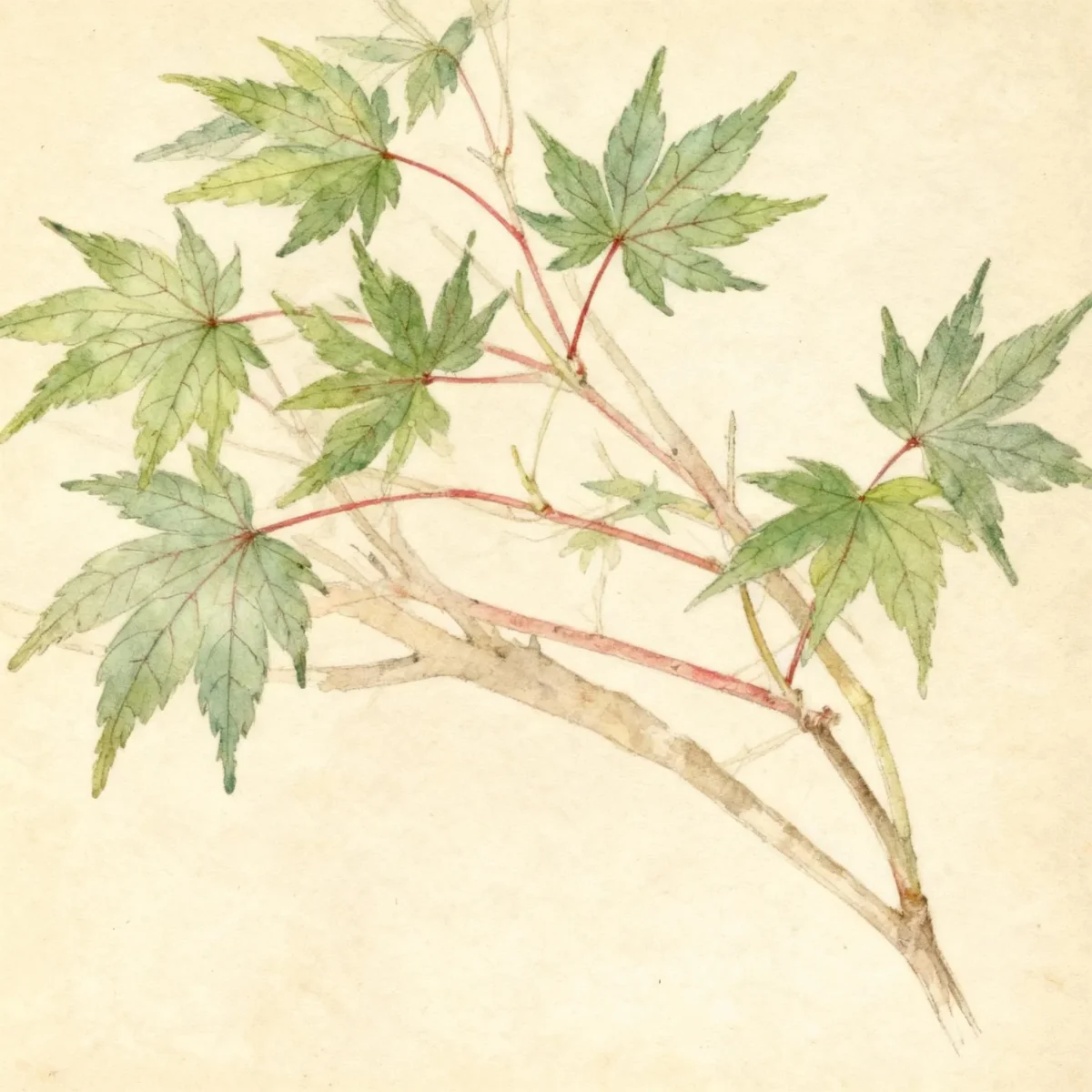
Korean maple (Acer pseudosieboldianum)
Acer pseudosieboldianum, the Korean maple, offers excellent fall color and superior hardiness compared to many Japanese maples. A low-maintenance, upright specimen tree.
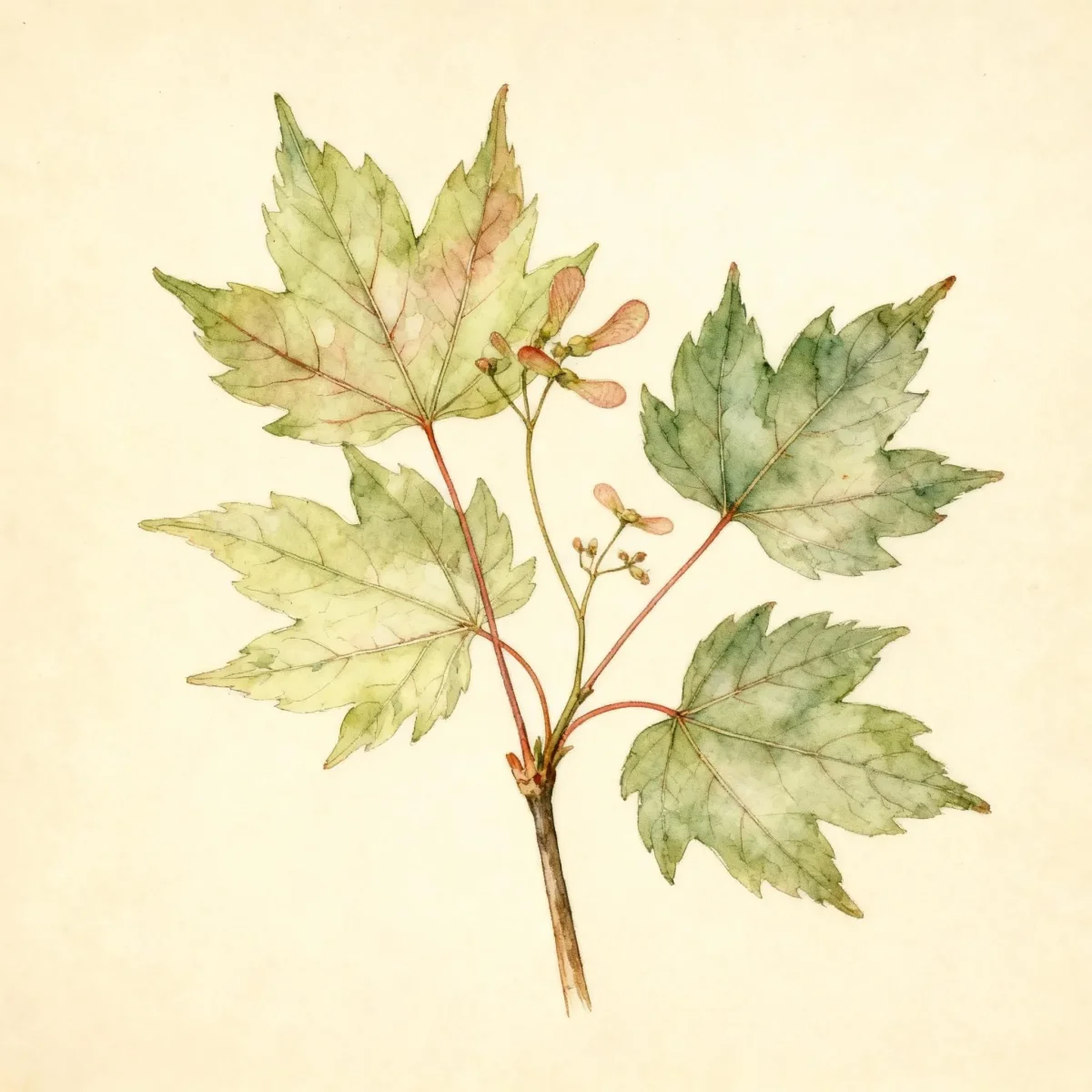

Bloom Boldly, No Matter the Season - Sweatshirt
Cozy organic cotton sweatshirt featuring our exclusive Purple Coneflower design. Perfect for gardeners who bloom year-round.
Inspired by the beautiful Korean maple
Limited first batch (50) — join the waitlist for early access
Waitlist closes Feb 15, 2026.
Complete Plant Information
Field Guide Continues
Ready for care notes, companion picks, and planting tips?
The map is just the start. The full guide below covers growth habits, seasonal performance, and landscape uses.
Overview
The Korean maple, Acer pseudosieboldianum, is a valuable addition to temperate landscapes due to its attractive form and impressive cold hardiness, often outperforming many traditional Japanese maples in cooler climates. Matured from a large shrub into a small, upright deciduous tree, this species brings reliable structure and vibrant seasonal interest. Its medium to dark green foliage transforms into brilliant yellow, orange, and red hues come autumn, making Acer pseudosieboldianum a sought-after specimen plant.
Native to forested regions of Korea and China, the Korean maple thrives in settings offering protection from harsh elements, yet still appreciates brighter light conditions for best color development. It is celebrated for being a relatively low-maintenance tree once established, offering significant aesthetic payoff without demanding intensive care. Gardeners prize this species for its graceful habit, making the Acer pseudosieboldianum an excellent focal point or an attractive accent near homes and walkways.
Fast Facts
- Plant Family: Sapindaceae
- Plant Type: Tree
- Native Range: Eastern Asia
- Hardiness Zones: USDA Zones 4-8
- Size at Maturity:
- Height: 15-25 ft
- Spread: 15-25 ft
- Bloom Time: April
- Bloom Description: Purple
- Sun Exposure: Full sun to part shade
- Water Needs: Medium
- Maintenance Level: Low
How to Grow
Planting the Korean maple should ideally occur in spring or early fall when temperatures are moderate, allowing the roots time to settle before summer heat or winter cold sets in. This species requires consistently moist, organically rich, and well-drained soil for optimal development. Ensure the planting location provides bright, sun-dappled conditions or full sun, and crucially, site the tree where it is protected from strong, drying winds that can stress the foliage.
Once established, the Korean maple needs medium water, meaning consistent moisture during dry spells but never waterlogged conditions, as excellent drainage is key to preventing root issues. Maintenance is generally low; fertilization is usually unnecessary if the soil is rich. Pruning, if required, should focus on removing crossing or damaged branches to maintain its naturally attractive, upright shape.
When siting Acer pseudosieboldianum, remember that although it is tough, avoiding extremely hot and dry sites is vital, especially in extreme heat waves. This small tree benefits from a layer of organic mulch to help moderate soil temperature and retain the necessary moisture levels throughout the growing season, supporting its slightly better winter hardiness advantage.
Landscape Uses
The beautiful foliage and reliable fall coloration make the Korean maple an exceptional choice for specimen planting, drawing the eye as a singular accent in the landscape. Because it functions well as a shade tree on a smaller scale, it is perfect for residential yards where an extremely large canopy is undesirable, providing dappled shade suitable for understory plantings. Furthermore, its tolerance for urban settings, combined with its manageable size, makes Acer pseudosieboldianum a viable, attractive alternative for street tree applications where space is limited.
Consider grouping Korean maples to create a screen or informal border, where their collective structure and seasonal changes create a significant visual impact. They pair wonderfully with woodland companions that share similar cultural needs, such as shade-loving ferns, hostas, and azaleas. Use the Korean maple to bridge the transition between a full woodland edge and an open lawn area, leveraging its resistance to cold compared to less hardy ornamental maples.
Standout Features
Flower Qualities
- Insignificant
Noteworthy Characteristics
Acer pseudosieboldianum, or Korean maple, is recognized as a small, upright deciduous tree or large shrub, typically reaching 15 to 25 feet tall with a spread that can sometimes be wider. Its distinct medium to dark green leaves possess 9 to 11 doubly serrate lobes, culminating in spectacular fall color displays of yellow, orange, and red. This species is often favored because it exhibits slightly better winter hardiness than many comparable Japanese maples.
Tolerances
- Susceptible to stem canker, leaf spots, tar spot and anthracnose
- Verticillium wilt may also occur
Potential Problems
The Korean maple enjoys a reputation for having few serious insect or disease challenges, which contributes to its low maintenance profile when sited correctly. However, gardeners should remain vigilant for common fungal issues that affect many maples. Susceptibility includes stem canker, various leaf spots, tar spot, and anthracnose, particularly in damp or crowded conditions.
Water management is crucial; ensure the soil drains perfectly, as standing water invites problems, while drought stress can predispose the tree to issues. Watch periodically for common pests such as aphids, borers, scale insects, leafhoppers, caterpillars, and mites, addressing minor infestations early with targeted horticultural oils or soap treatments if necessary.
Frequently Asked Questions
What hardiness zones is Korean maple suitable for?
The Korean maple (Acer pseudosieboldianum) is suitable for USDA Hardiness Zones 4 through 8, offering better cold tolerance than some other Asian maples.
How large does Acer pseudosieboldianum grow?
This small tree typically reaches a mature height between 15 and 25 feet, often developing a spread that is similar, ranging from 15 to 25 feet wide.
What sun exposure does Korean maple need?
Acer pseudosieboldianum performs best in locations receiving full sun to part shade, thriving in bright, sun-dappled environments but requiring protection from intense, hot afternoon sun.
When does Korean maple bloom?
The purple flowers of the Korean maple appear in April, carried in corymbs, followed by small, winged samaras.
Conclusion
The Acer pseudosieboldianum, or Korean maple, offers outstanding ornamental value through its refined structure and reliable, vibrant autumnal display, bolstered by commendable hardiness. This low-maintenance tree fits seamlessly into many landscape designs requiring an elegant, medium-sized focal point. Before planting, confirm your site offers well-drained soil and protection from drying winds to ensure the long-term success of your Korean maple.
Companion Planting
For areas receiving afternoon shade, companion plants that appreciate similar moist, rich soil conditions create a harmonious woodland planting scheme around your Acer pseudosieboldianum. Consider planting shade-tolerant natives like Hosta varieties, especially those with blue or variegated foliage, to contrast with the maple’s green leaves. Low-growing groundcovers such as Epimedium (Barrenwort) are excellent choices that suppress weeds and maintain soil moisture near the base of the Korean maple without competing aggressively for nutrients.
If you are planting in a brighter, open area where the Acer pseudosieboldianum receives more sun, incorporate spring-flowering bulbs like Narcissus or species Tulips beneath the canopy line. These bulbs emerge and bloom early, finishing their cycle before the maple’s dense summer foliage fully develops, thus maximizing light usage throughout the growing season. Ensure all companions have medium water requirements mirroring those of the Korean maple.
Design Ideas for Small Spaces
The compact, ultimately upright form of the Korean maple makes it an excellent choice for properties with limited space, such as smaller suburban yards or courtyards. Use Acer pseudosieboldianum strategically near patios or outdoor living areas where its summer dappled shade and spectacular fall show can be fully appreciated up close. Its relatively narrow profile allows it to be incorporated near property lines without immediately encroaching on neighboring yards, unlike broader shade species.
In Asian-inspired garden design, this species excels as a curated specimen. Plant it near water features or over carefully placed boulders to enhance a naturalistic view, mirroring its native habitat. The purple bloom in spring, though inconspicuous, adds a subtle layer of interest before the foliage fully emerges, providing a transition from early spring perennials to the main summer display of the Korean maple.