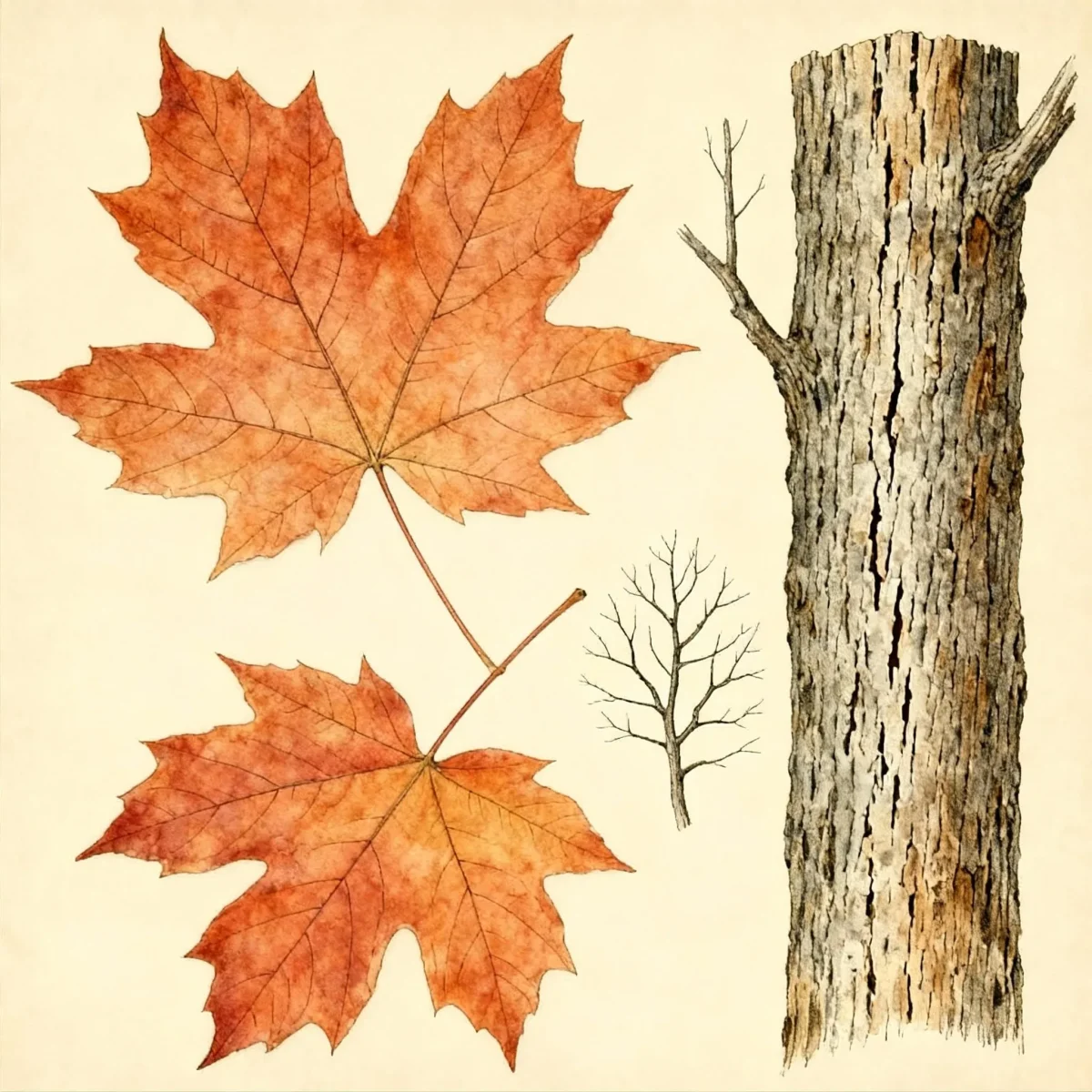
Sugar maple (Acer saccharum)
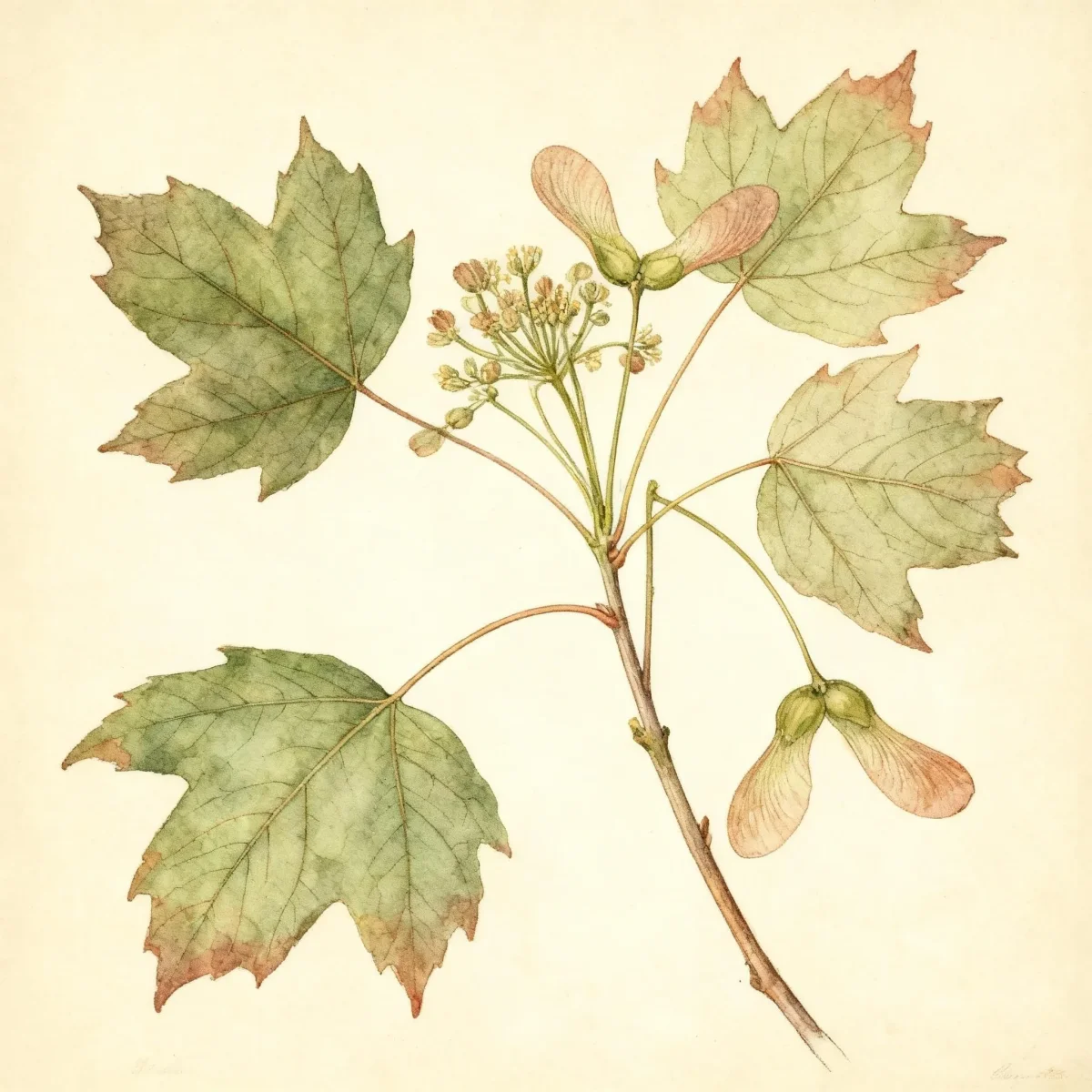
The magnificent Sugar maple (Acer saccharum) offers brilliant fall color and shade. A slow-growing, long-lived tree suitable for Zones 3-8.

Bloom Boldly, No Matter the Season - Sweatshirt
Cozy organic cotton sweatshirt featuring our exclusive Purple Coneflower design. Perfect for gardeners who bloom year-round.
Inspired by the beautiful Sugar maple
Limited first batch (50) — join the waitlist for early access
Waitlist closes Feb 15, 2026.
Complete Plant Information
Field Guide Continues
Ready for care notes, companion picks, and planting tips?
The map is just the start. The full guide below covers growth habits, seasonal performance, and landscape uses.
Overview
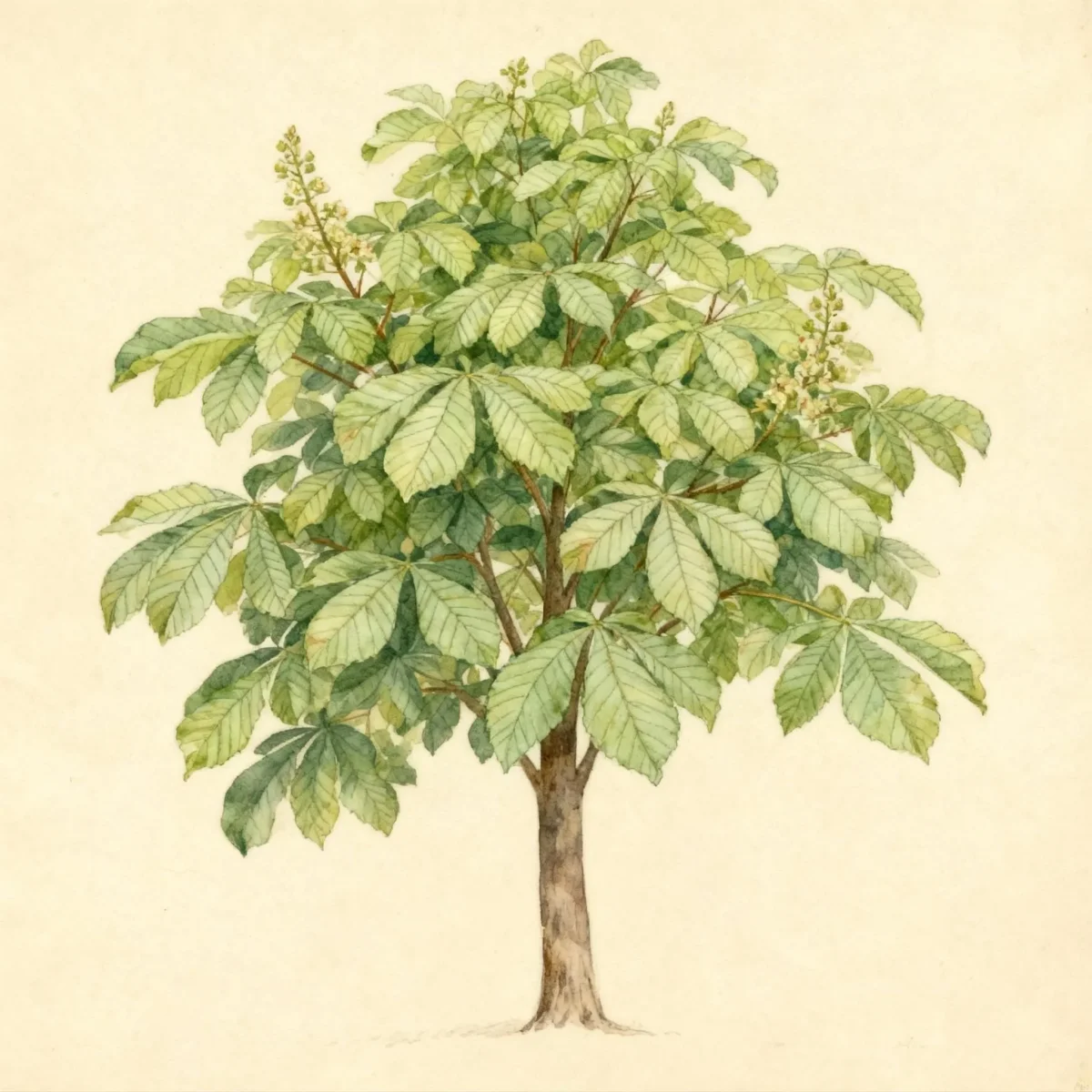
The Sugar maple, scientifically known as Acer saccharum, is one of North America’s most iconic and beloved deciduous trees, recognized globally as a symbol of Canadian identity. Gardeners highly value the Acer saccharum for its dense, rounded canopy providing exceptional shade and its spectacular, reliable autumn display featuring brilliant yellow-orange foliage. This long-lived species forms a critical component of Eastern U.S. hardwood forests, offering significant ecological benefits alongside its aesthetic appeal.
This impressive tree typically reaches heights between 40 to 80 feet, developing a broad spread that requires ample space, making it ideal for large landscapes. While sugar maples grow relatively slowly, especially after the initial establishment period, this longevity ensures generational enjoyment. The sweet sap for which the tree is named has secured the Sugar maple a significant place in agricultural and cultural history through maple syrup production.
To ensure success, site selection is crucial, favoring fertile, established locations away from compacted soils and roadside salt spray. Its majestic form and vibrant seasonal changes make the Acer saccharum an unparalleled choice when searching for a stately specimen tree capable of anchoring a property or park space for decades to come.
Fast Facts
- Plant Family: Sapindaceae
- Plant Type: Tree
- Native Range: Eastern North America
- Hardiness Zones: USDA Zones 3-8
- Size at Maturity:
- Height: 40-80 ft
- Spread: 30-60 ft
- Bloom Time: April
- Bloom Description: Greenish
- Sun Exposure: Full sun to part shade
- Water Needs: Medium
- Maintenance Level: Medium
How to Grow
Planting should ideally occur in the fall or early spring when the tree is dormant, ensuring the site provides average, medium moisture, well-drained soil. The Acer saccharum thrives best when situated in full sun, though it tolerates part shade, and prefers fertile, slightly acidic soil conditions. Avoid areas where water pools or soils are heavily compacted, as this species performs poorly under those stresses.
Ongoing care centers on consistent moisture management, especially during establishment, meeting its medium water needs without waterlogging the roots. Fertilization is rarely necessary if the soil is inherently fertile; otherwise, light feeding in early spring can support vigorous growth. Pruning should be limited primarily to removing dead or damaged wood immediately, avoiding heavy summer pruning due to potential sap flow issues.
Seasonal checks are important; be mindful that the Acer saccharum is intolerant of road salt, so avoid using it near driveways or walkways where de-icing salts are applied. Furthermore, this maple generally shows intolerance toward urban air pollution, demanding cleaner air quality for optimal health outside of ideal forest settings.
Landscape Uses
The primary recommendation for the Sugar maple is its use as an excellent specimen tree for large lawns or park settings where its towering stature and stunning foliage can be fully appreciated. When appropriately sited, the resulting dense canopy provides superior shade, making it a functional and beautiful addition near patios or gathering areas.
While often used as a street tree historically, gardeners must exercise caution; due to its intolerance of road salt, soil compaction, and general urban pollution, it is best reserved for protected locations within the landscape. Consider planting the Acer saccharum alongside understory shrubs or smaller flowering trees that share similar requirements for fertile, slightly acidic soil to create cohesive planting zones. Its slow growth rate translates to lower, slower-spreading root systems compared to faster-growing species, which can be advantageous in foundation plantings if adequate space is provided.
Standout Features
Flower Qualities
- Insignificant
Noteworthy Characteristics
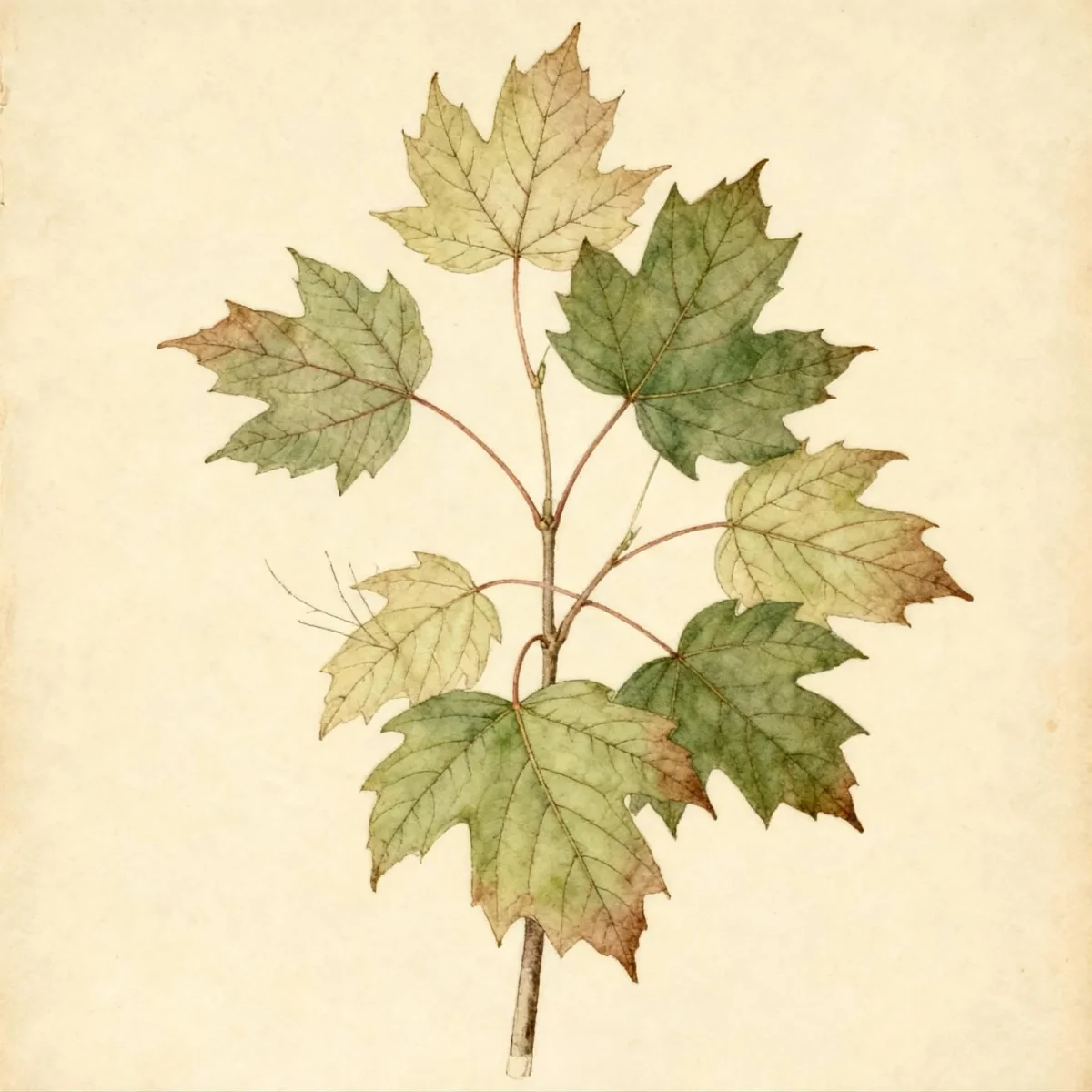
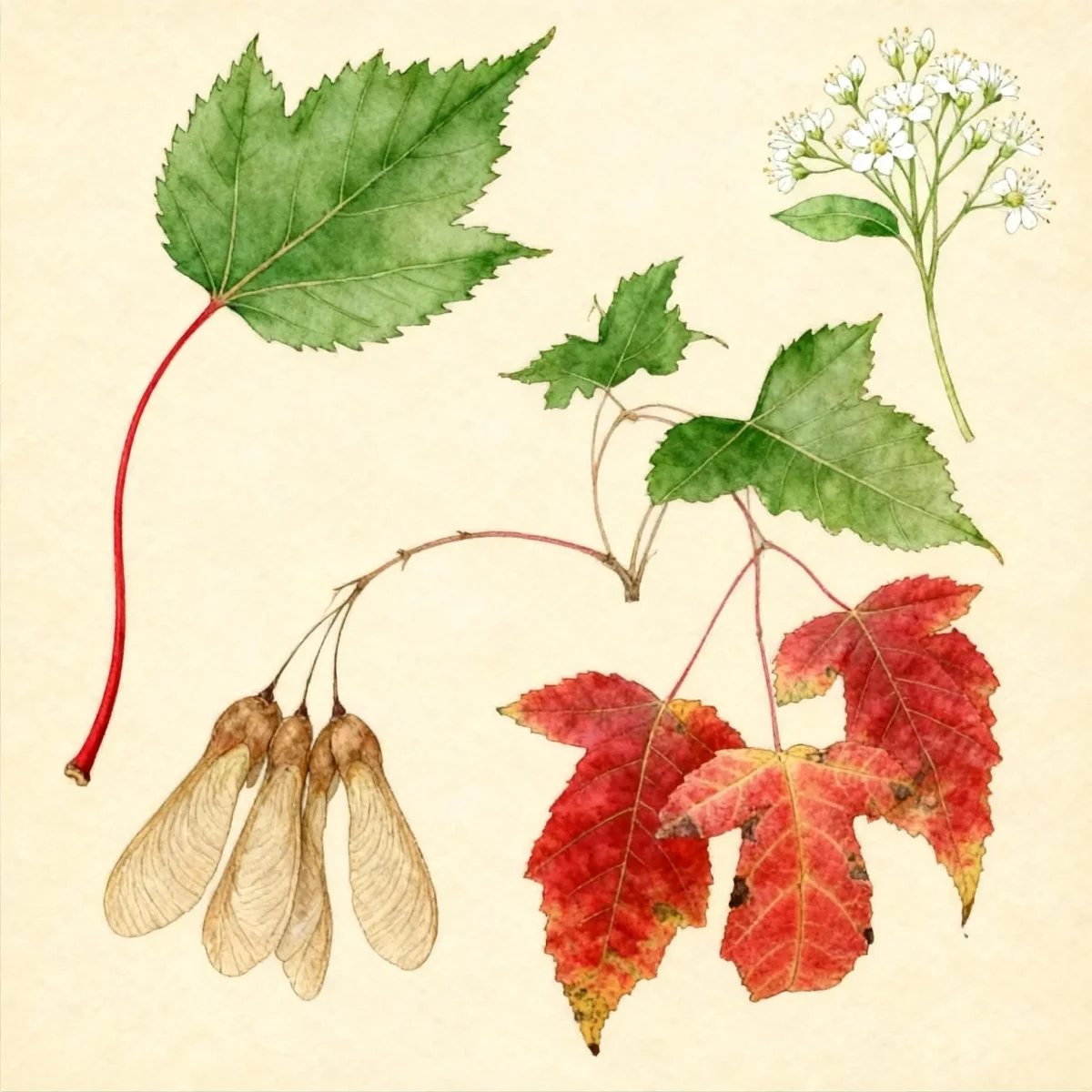
Acer saccharum commonly known as sugar maple is a deciduous, Missouri native tree which will typically grow 40’ to 80’ tall (sometimes to 100’) with a dense, rounded crown. This tree is a main component of the Eastern U.S. Hardwood forest and is one of the trees which is most responsible for giving New England its reputation for spectacular fall color. Medium green leaves (3-6” wide with 3-5 lobes) turn yellow-orange in autumn, sometimes with considerable color variations. The genus name is the Latin name for a maple tree, and the specific epithet means sugary in reference to the sweet sap.
Tolerances
- Heavy Shade
Potential Problems
The Acer saccharum is susceptible to several significant fungal and pest issues that require vigilance. These include verticillium wilt, anthracnose, cankers, leaf spot, and tar spot, which can impact overall vigor and appearance. Pests such as aphids, borers, and scale can also infest the tree, necessitating appropriate treatment protocols if infestations become severe.
Leaf scorch is a distinct possibility during periods of drought, emphasizing the need to maintain medium, consistent moisture, particularly in exposed settings. As noted, this species struggles significantly when exposed to road salt, soil compaction, and industrial pollutants common in highly urbanized environments, demanding careful site selection to mitigate these environmental stresses.
Frequently Asked Questions
What hardiness zones is Sugar maple suitable for?
The Sugar maple (Acer saccharum) is typically suitable for USDA Hardiness Zones 3 through 8.
How large does Sugar maple grow?
At maturity, this impressive tree usually reaches heights between 40 to 80 feet tall with a spread generally ranging from 30 to 60 feet wide.
When does Sugar maple bloom?
The tree produces its indistinct greenish flowers during the month of April.
What sun exposure does Acer saccharum need?
Acer saccharum performs best when planted in full sun but maintains reasonable tolerance for partial shade conditions.
Conclusion
The Sugar maple is an unparalleled choice for gardeners seeking enduring beauty, offering legendary fall color and robust shade production across Zones 3 to 8. While the Acer saccharum requires attention regarding soil compaction and salt exposure, its long lifespan and majestic profile justify the necessary care planning. Always verify your specific microclimate conditions before planting this iconic American hardwood.
Companion Planting
Selecting appropriate companions for the Acer saccharum is vital, as its extensive, shallow root system can aggressively compete for surface moisture and nutrients. To avoid competition, focus on establishing groundcovers that tolerate dry shade once the maple is mature, such as certain varieties of Pachysandra or European Wild Ginger (Asarum europaeum).
When planting young saplings of Acer saccharum, ensure they are given wide berth from competing turfgrass, which draws significant moisture from the root zone. If planting companion shrubs, select acid-loving varieties that prefer dappled light, such as Rhododendrons or Azaleas, ensuring they are placed far enough away that their mature root systems will not eventually clash with the established maple.
Seasonal Care Calendar
For young Sugar maples (first 5 years), monitor soil moisture weekly during the summer months; supplemental watering during dry spells is critical for establishing a strong, deep root system. In late winter or very early spring, before bud break, carefully prune any crossing, damaged, or diseased branches to maintain the tree’s structure and improve air circulation.
As the season progresses into fall, enjoy the spectacular leaf drop and use the fallen leaves as a natural mulch layer around the base of the tree, provided they do not form a thick mat that smothers new growth or traps excessive moisture against the bark. Avoid heavy fertilization in late summer or fall, as this encourages tender new growth susceptible to early frost damage on this slow-growing specimen.