Tatarian maple(Acer tataricum)
Grow Tatarian maple (Acer tataricum): cold-hardy small tree with ruby-red summer samaras, alkaline soil and drought tolerance, and USDA zones 3–8 care.
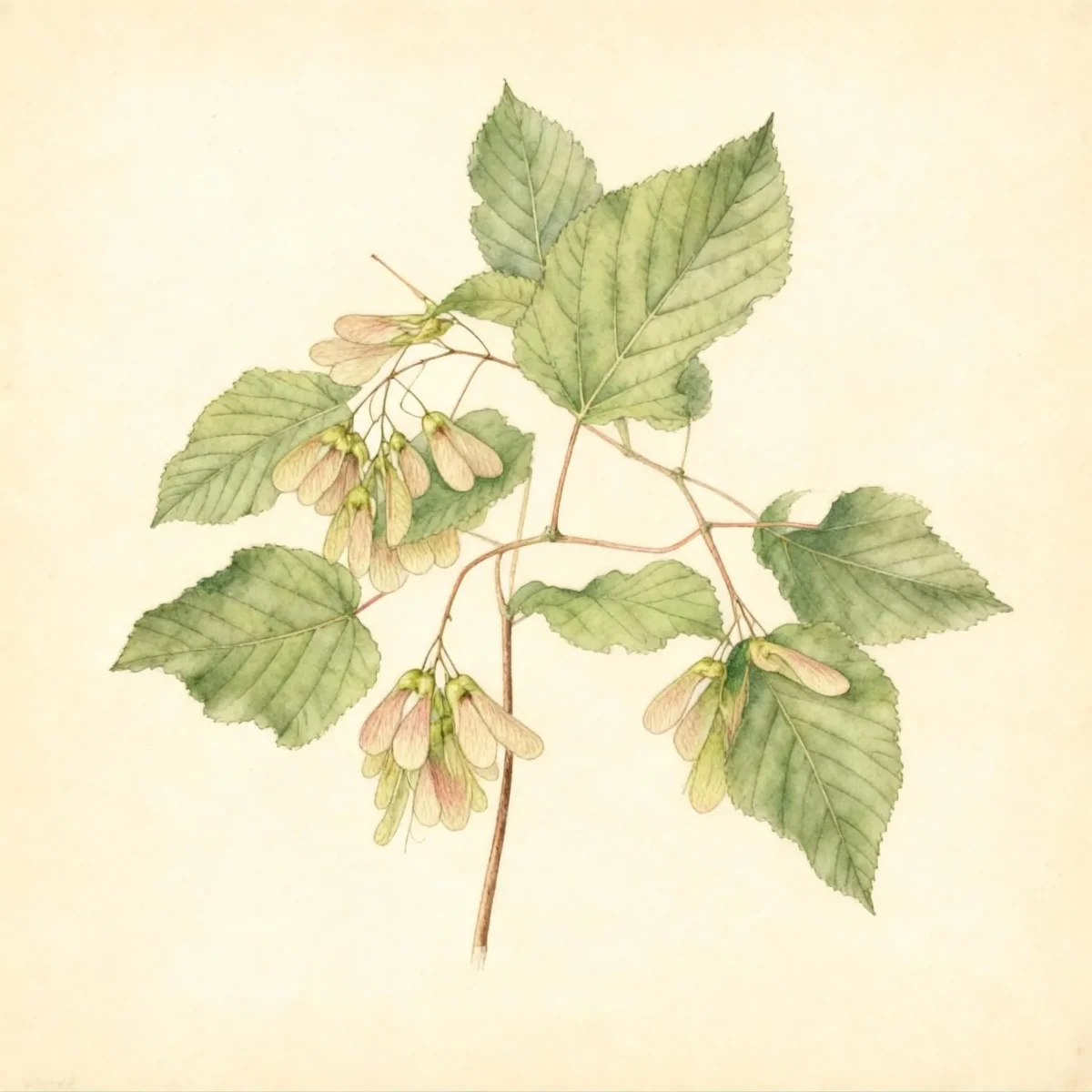
Complete Plant Information
- Hardiness zones
- USDA 3–8
- Plant type
- Tree
- Plant family
- Sapindaceae
- Sun exposure
- Full sun to part shade
- Water needs
- Medium to dry
- Maintenance
- Low
- Height
- 15–25 ft (457–762 cm)
- Spread
- 15–25 ft (457–762 cm)
- Bloom time
- April to May
- Flower color
- Small, fragrant, greenish-white upright panicles followed by ruby-red summer samaras
- Flower qualities
- Insignificant
- Fruit qualities
- Showy
- Tolerances
- Drought, Clay Soil, Alkaline Soil, Air Pollution
- Garden uses
- Small lawn specimen, windbreak, street tree, patio shade tree
- Native range
- Eastern Europe to Central Asia (steppes, riverbanks, and dry woodland edges)
Field Guide Continues
Ready for care notes, companion picks, and planting tips?
The map is just the start. The full guide below covers growth habits, seasonal performance, and landscape uses.
Overview
Tatarian maple (Acer tataricum) is a rugged, drought-tolerant deciduous small tree or large multi-stemmed shrub hardy in USDA Zones 3 through 8. Originating from the dry open woodlands and riverbanks of Eastern Europe and Central Asia, it matures into an upright-spreading, rounded canopy 15 to 25 feet tall and wide. Highly prized for tough urban conditions where more delicate maples fail, it produces masses of brilliant ruby-red winged seeds (samaras) in mid-to-late summer, creating the striking appearance of a second summer bloom against dark green foliage.
Unlike common palmate maples, Tatarian maple features unlobed ovate leaves that turn yellow, orange, and russet in autumn.
How to Grow
- Hardiness & Cold Resilience: USDA Zones 3 through 8. Exceptional cold hardiness makes it a premier small tree across the Northern Plains, Midwest, and Intermountain West.
- Sunlight: Full sun to partial shade. Best branch density, heaviest ruby samara coloration, and peak autumn foliage develop in full sun (at least 6 hours daily).
- Alkaline & Clay Soil Tolerance: While most maples demand acidic soils and suffer iron chlorosis in high-pH ground, Tatarian maple is exceptionally tolerant of high-pH alkaline soils (pH up to 8.0), dry soils, and heavy, compacted urban clay.
- Drought Adaptability: Highly drought-tolerant once established, requiring supplemental watering only during extended summer heatwaves.
- The Summer Pruning Rule: Like all maples, it bleeds sap profusely if cut in late winter or early spring. Prune only during full winter dormancy (November–December) or in midsummer after leaves have hardened off.
Landscape Uses
- Small-Scale Lawn Specimen: Fits comfortably into suburban front yards where standard 60-foot maples would overwhelm the property.
- Urban Street & Patio Tree: High tolerance to soil compaction, drought, and alkaline concrete runoff makes it ideal for street medians and parking strips.
- Shelterbelt & Windbreak: Multi-stemmed specimens form dense, wind-resistant screens for open properties.
Potential Problems
- Sap Bleeding in Spring: Avoid pruning between February and May during active sap rise.
- Root Encroachment in Tight Sites: While less aggressive than Norway maple, provide at least 8 to 10 feet of clearance from foundations.
- Pests & Diseases: Highly resistant to common maple pests, though verticillium wilt can occasionally affect trees planted in infected soils.
Frequently Asked Questions
What is the difference between Tatarian maple and Amur maple?
Amur maple is classified as a subspecies (Acer tataricum subsp. ginnala) and features deeply 3-lobed leaves. The straight species Acer tataricum has unlobed leaves and offers superior drought and alkaline soil tolerance.
Are the red “flowers” in summer actually seeds?
Yes. The showy bright red clusters in July and August are winged seed pods (samaras), which create the illusion of a vibrant summer rebloom.
Can Tatarian maple grow in heavy clay and alkaline soil?
Yes. It is one of the most adaptable maples in cultivation, tolerating heavy clay and high pH soils up to 8.0 without developing iron chlorosis.
Companion Plants
Pair Tatarian maple with sun-loving perennials and understory shrubs that appreciate well-draining soil:
- Flowering Shrubs: Plant near lilac (Syringa), mock orange (Philadelphus), or potentilla.
- Drought-Tolerant Perennials: Combine with Russian sage (Salvia yangii), purple coneflowers (Echinacea), and daylilies.
- Native Ornamental Grasses: Interplant with little bluestem (Schizachyrium scoparium) or switchgrass (Panicum virgatum).
Sources & Lineage
- Missouri Botanical Garden PlantFinder: Record taxon 275398 (Acer tataricum) — species profile, growth habit, and summer samaras.
- Kew Plants of the World Online (POWO): Acer tataricum L. (POWO: 781526-1) — species taxonomy, family (Sapindaceae), and native range.
- Utah State University Extension: Tatarian Maple for Intermountain Landscapes — high-pH tolerance, urban hardiness, and water-wise landscaping traits.
Recommended Companion Plants
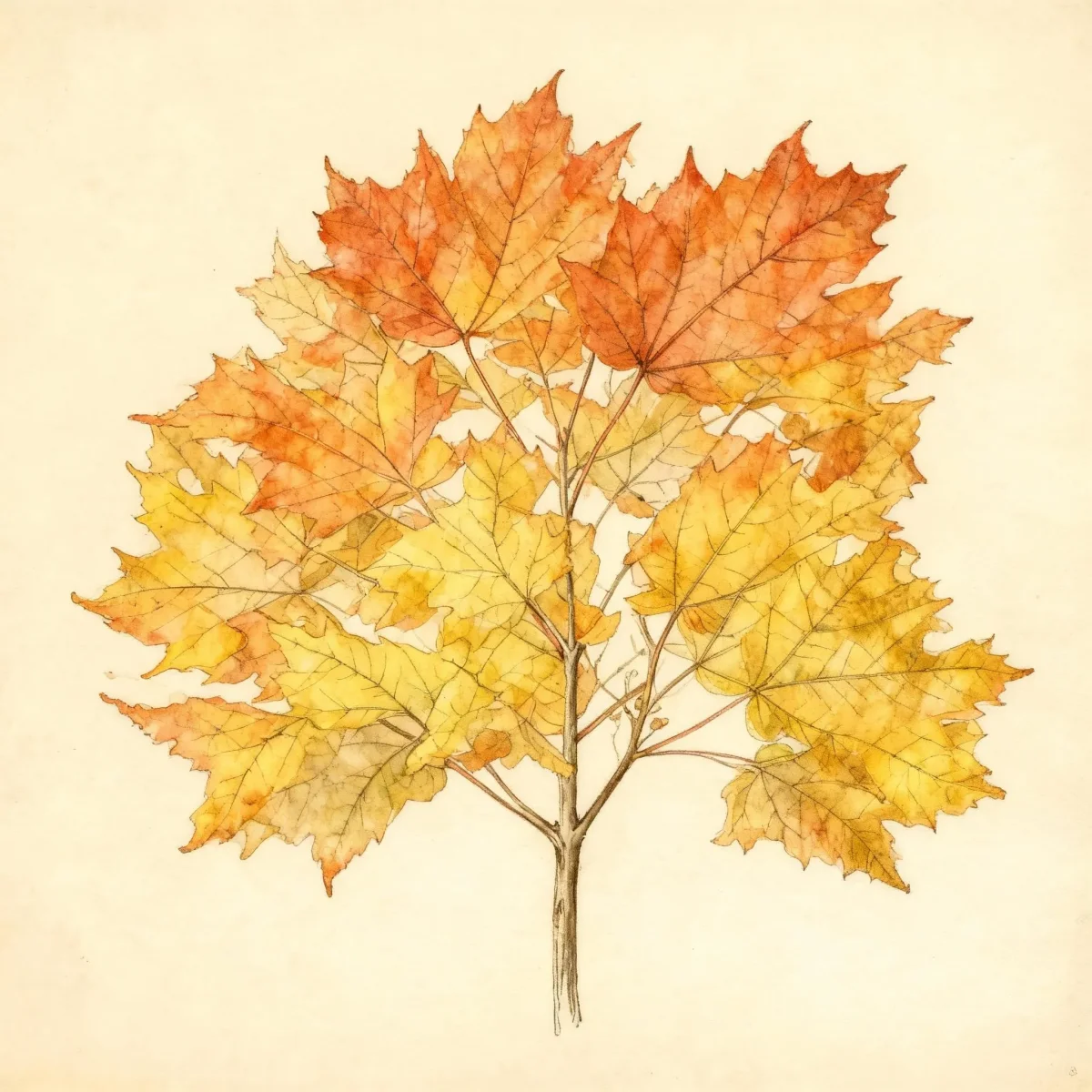
Red maple
Acer rubrum 'Northwood'
- USDA zones
- 3–9
- Light
- Full sun to part shade
- Water
- Medium to wet
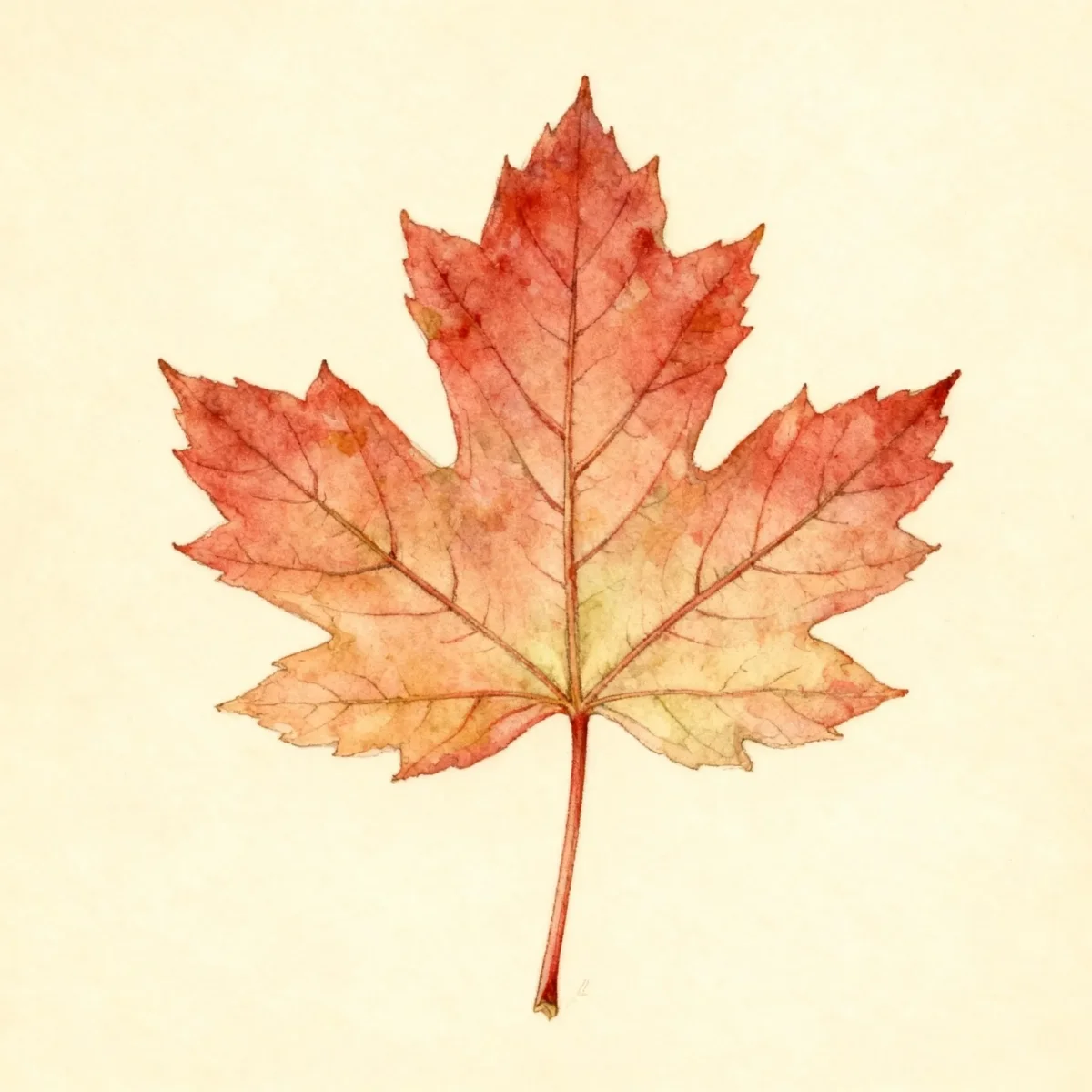
Red maple
Acer rubrum 'October Glory'
- USDA zones
- 4–9
- Light
- Full sun to part shade
- Water
- Medium to wet
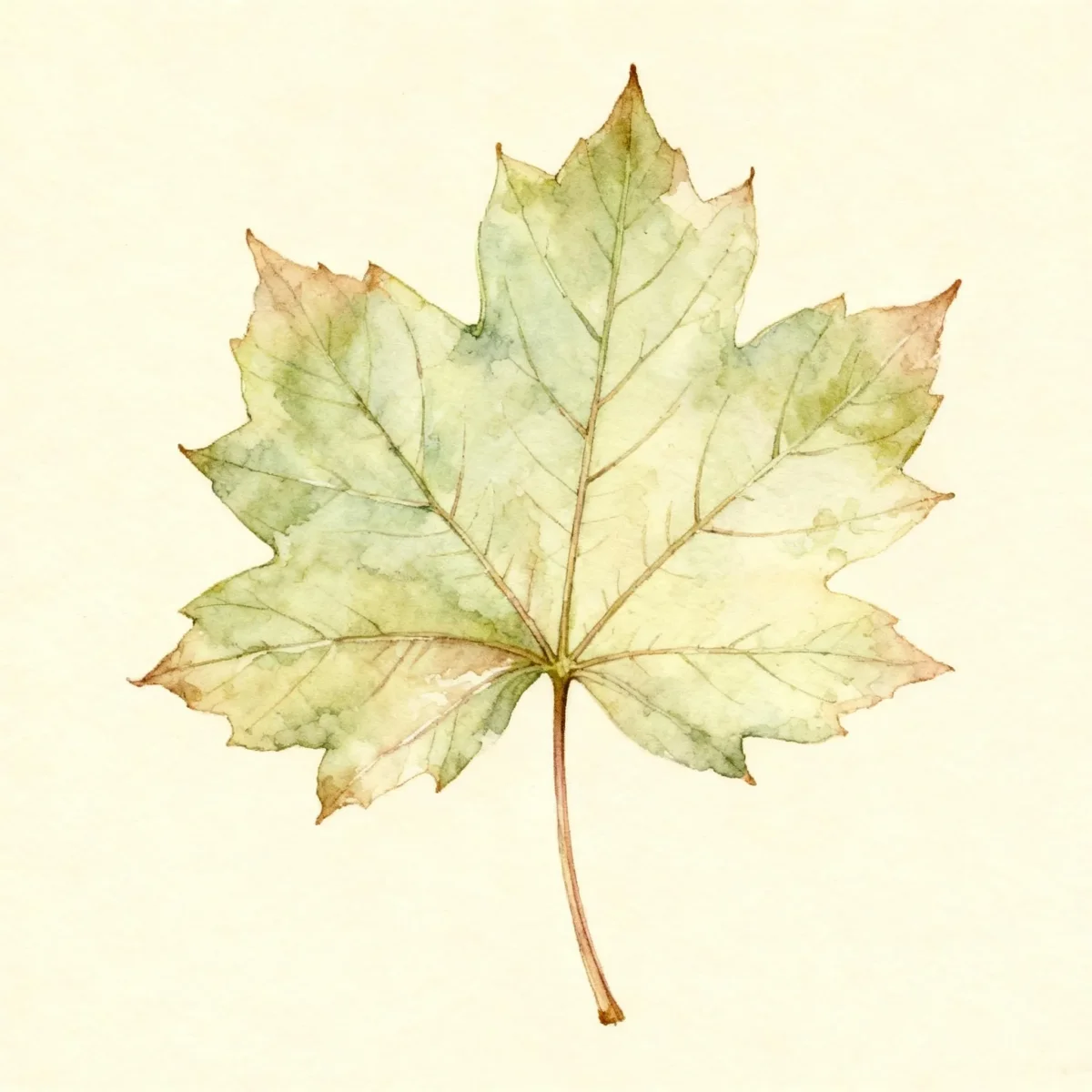
Norway maple
Acer platanoides 'Crimson King'
- USDA zones
- 3–7
- Light
- Full sun to part shade
- Water
- Medium
Sugar maple
Acer saccharum 'Goldspire'
- USDA zones
- 4–8
- Light
- Full sun to part shade
- Water
- Medium
Sugar maple
Acer saccharum 'Green Mountain'
- USDA zones
- 4–8
- Light
- Full sun to part shade
- Water
- Medium
Sugar maple
Acer saccharum 'Newton Sentry'
- USDA zones
- 4–8
- Light
- Full sun to part shade
- Water
- Medium
Keep Learning
Test what you know with a garden quiz
You have the plant facts and care notes. Continue with a related challenge, or browse the complete quiz library.

Can You Identify These Common Garden Plants? Test Your Plant Knowledge
Think you know your roses from your peonies? Test your plant identification skills with our comprehensive garden plant quiz featuring 10 challenging questions.
Start quiz
USDA Garden Zone Map Quiz
Use this USDA garden zone map quiz to check whether you can read hardiness zones and choose plants with more confidence.
Start quizBrowse the full quizzes section
Explore plant identification, zone strategy, and seasonal gardening challenges.
View all quizzes