Paperbark maple (Acer griseum)
Discover Acer griseum, the Paperbark maple, renowned for its stunning exfoliating copper bark and vibrant fall color in zones 4-8.

Bloom Boldly, No Matter the Season - Sweatshirt
Cozy organic cotton sweatshirt featuring our exclusive Purple Coneflower design. Perfect for gardeners who bloom year-round.
Inspired by the beautiful Paperbark maple
Limited first batch (50) — join the waitlist for early access
Waitlist closes Feb 15, 2026.
Complete Plant Information
Field Guide Continues
Ready for care notes, companion picks, and planting tips?
The map is just the start. The full guide below covers growth habits, seasonal performance, and landscape uses.
Overview
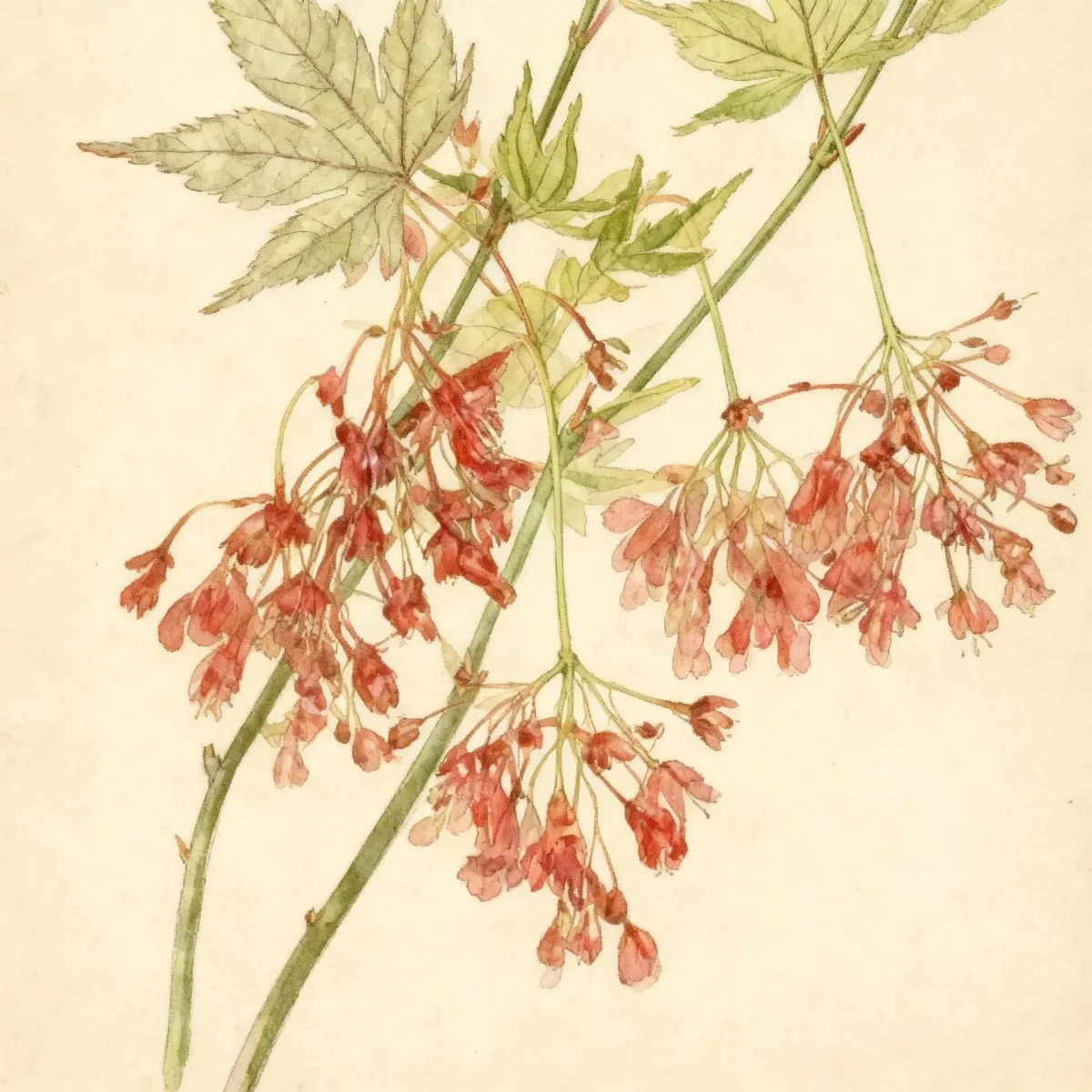
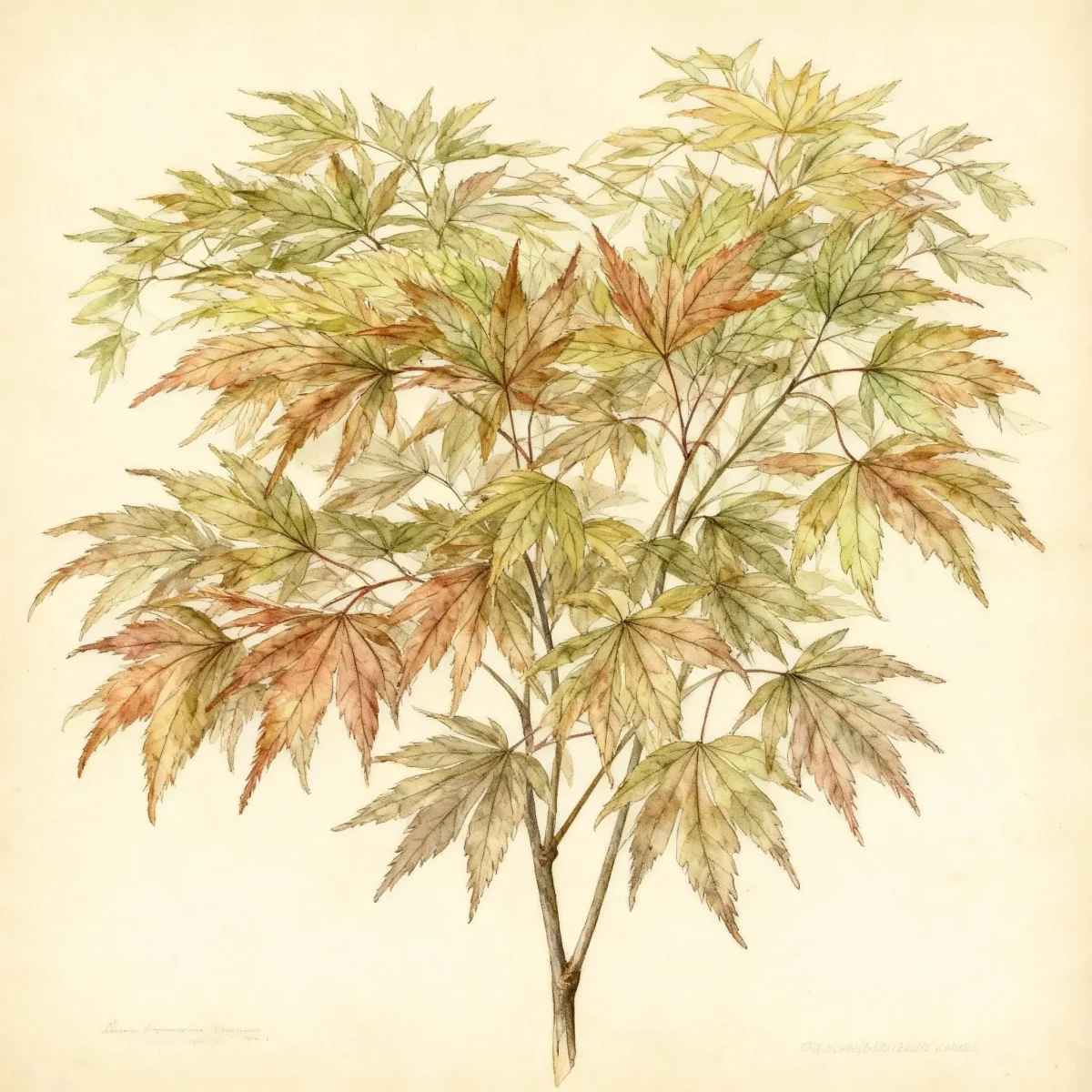
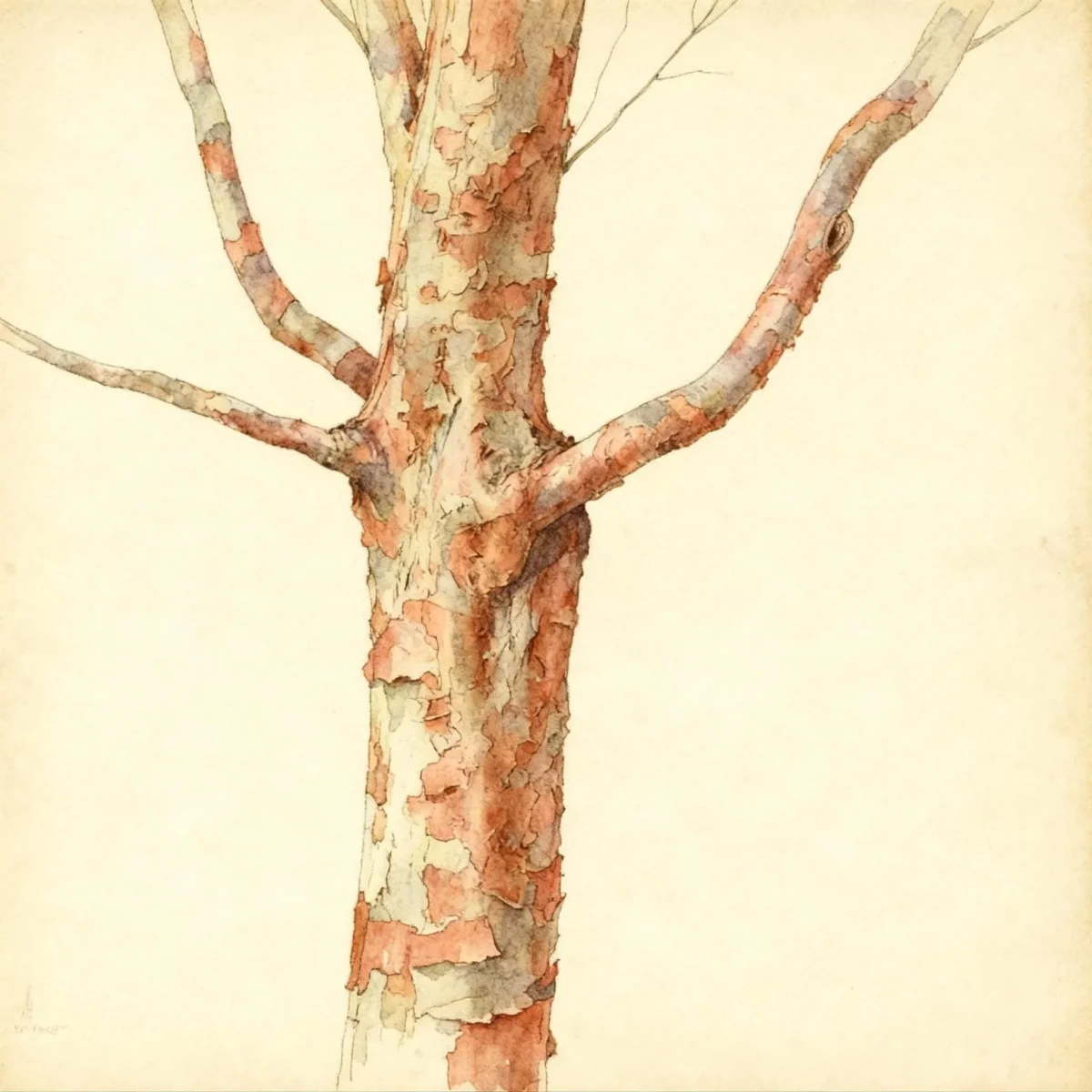
The Paperbark maple, scientifically known as Acer griseum, stands out in the landscape primarily for its exceptionally ornamental exfoliating bark. This handsome small tree slowly matures, revealing curls of burnished copper, cinnamon, and reddish-brown bark against the tan inner layer, a feature prized throughout the winter months. Gardeners value Acer griseum for its delicate, upright branching habit and its reliable, albeit sometimes subdued, autumn display of orange and red foliage.
Native to the mixed forests of Central and Eastern China, this deciduous tree thrives best when protected from harsh winds, allowing its slender structure and fine branching to develop gracefully. While it is a relatively low-maintenance specimen once established, understanding its moisture requirements is key to ensuring the distinctive bark remains healthy and vibrant on your property.
This plant offers enduring aesthetic appeal, transitioning from its fine green spring foliage to its dramatic winter silhouette, making the Paperbark maple a superior choice for discerning landscape designs, particularly where year-round visual interest is desired.
Fast Facts
- Plant Family: Sapindaceae
- Plant Type: Tree
- Native Range: Central and eastern China
- Hardiness Zones: USDA Zones 4-8
- Size at Maturity:
- Height: 20-30 ft
- Spread: 15-25 ft
- Bloom Time: April
- Bloom Description: Green
- Sun Exposure: Full sun to part shade
- Water Needs: Medium
- Maintenance Level: Low
How to Grow
Planting your Acer griseum is best done in spring or fall when temperatures are moderate. Locate it in a site with average, slightly acidic soil that offers medium moisture retention, ensuring excellent drainage is present. While Acer griseum tolerates full sun, afternoon shade can help prevent leaf scorch, especially in warmer climates within its range.
Consistent moisture is vital; the Paperbark maple is intolerant of drought conditions, so plan for regular watering, especially during the first few years as the root system establishes. Fertilization is generally unnecessary if the soil quality is adequate, preventing overly rapid growth that can sometimes distort the branching structure.
Pruning should be minimal, focused primarily on removing dead or crossing branches. Due to the difficulty in propagation—with up to 95% of seed being non-viable and woody cuttings rooting poorly—protecting your young tree from damage is the most effective cultural practice to ensure its long-term success.
Landscape Uses
The Paperbark maple excels as a magnificent specimen tree where its peeling bark can be clearly observed throughout the year. Its manageable size makes it an excellent choice for smaller properties or suburban yards where larger maples would overwhelm the space. Consider placing it near a deck, patio, or walkway to fully appreciate its ornamental features up close.
As an understory tree, Acer griseum integrates beautifully into woodland garden settings, benefiting from the dappled light and protection such locations offer. Its refined structure also makes it suitable as a focal point in foundation plantings or as an elegant screening element, providing textural contrast against evergreen plantings. This species is also highly regarded globally as a subject for bonsai cultivation.
Standout Features
Flower Qualities
- Insignificant
Noteworthy Characteristics
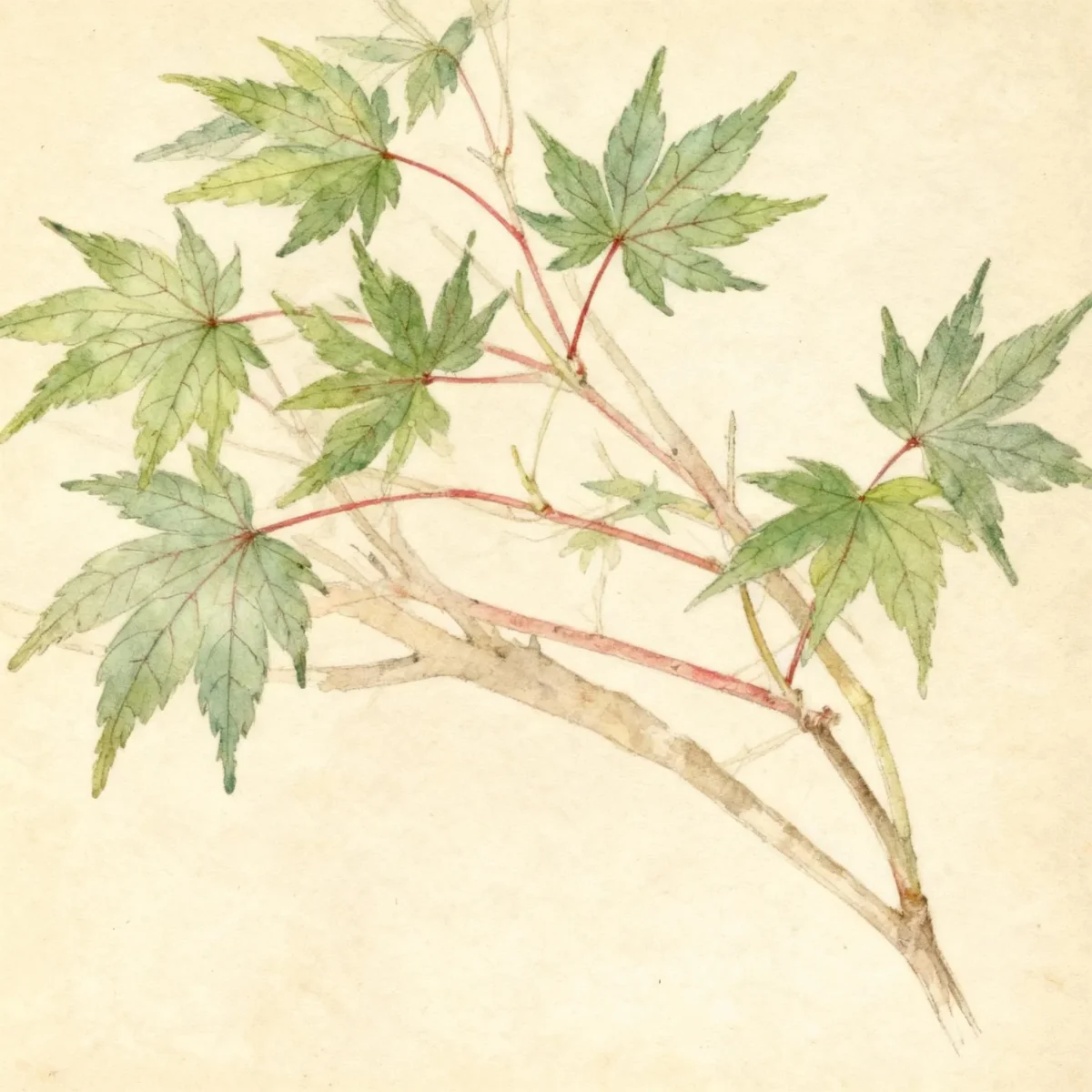
Acer griseum, commonly called paperbark maple, is a small, deciduous, oval to oval-rounded tree with slender upright branching. It is particularly noted for its exfoliating copper orange to cinnamon reddish/brown bark and its showy orange to red fall color. Each trifoliate leaf features three coarsely toothed leaflets, with the middle leaflet being short-stalked; the undersides of the leaves often appear blue-green due to fine hairs, giving the specific epithet griseus (gray) its origin.
Tolerances
- Clay Soil
Potential Problems
This species generally suffers from no serious insect or disease problems, making it robust for low-maintenance designs. The primary maintenance challenge relates to moisture management; ensure the soil remains consistently moist but well-drained, as prolonged dry spells will stress the tree. Be cautious when pruning, as this plant can be challenging to root from cuttings, emphasizing the importance of achieving the right location from the start.
Frequently Asked Questions
What hardiness zones is Paperbark maple suitable for?
The Paperbark maple (Acer griseum) thrives in USDA Hardiness Zones 4 through 8.
How large does Acer griseum grow?
This small deciduous tree typically reaches a mature height between 20 and 30 feet, with a spread of 15 to 25 feet.
What sun exposure does Acer griseum need?
It performs well in conditions ranging from full sun to partial shade, though preferences lean toward moist, well-drained soil regardless of the light level.
When does Paperbark maple bloom?
The flowers appear in April and are described as green and ornamentally insignificant clusters.
Conclusion
For year-round visual impact, few deciduous trees rival the Paperbark maple, especially due to its signature exfoliating, cinnamon-hued bark. The reliable structure and manageable size of Acer griseum ensure it remains a treasured specimen in gardens across suitable zones. Before planting, confirm your soil provides the medium moisture and good drainage required for this spectacular tree to flourish.
Companion Planting
When selecting plants to grow near your Paperbark maple, focus on species that enjoy similar soil moisture and slight acidity, as these environments help the bark retain its color. Consider underplanting with shade-tolerant, low-growing evergreens like Japanese Forest Grass (Hakonechloa macra) for contrasting texture beneath the canopy. Good companions that appreciate partial shade include various Hosta cultivars or Japanese Anemones, which add late-season color without competing aggressively for surface moisture.
Design Ideas for Focal Interest
The best placement for Acer griseum is as a specimen against a dark backdrop, perhaps a deep green hedge or a neutral-colored wall, to maximize the contrast of its exfoliating bark. In smaller gardens or courtyards, use it as a vertical accent near seating areas where its form can be appreciated during evening illumination. Avoid planting it in high-traffic areas where the shedding bark might cause a tripping hazard, despite typically remaining attached to the limbs.