Chinese maple (Acer oliverianum)
Discover Acer oliverianum, the Chinese maple, a small deciduous tree known for its attractive, multi-colored fall foliage and low maintenance needs.

Bloom Boldly, No Matter the Season - Sweatshirt
Cozy organic cotton sweatshirt featuring our exclusive Purple Coneflower design. Perfect for gardeners who bloom year-round.
Inspired by the beautiful Chinese maple
Limited first batch (50) — join the waitlist for early access
Waitlist closes Feb 15, 2026.
Complete Plant Information
Field Guide Continues
Ready for care notes, companion picks, and planting tips?
The map is just the start. The full guide below covers growth habits, seasonal performance, and landscape uses.
Overview
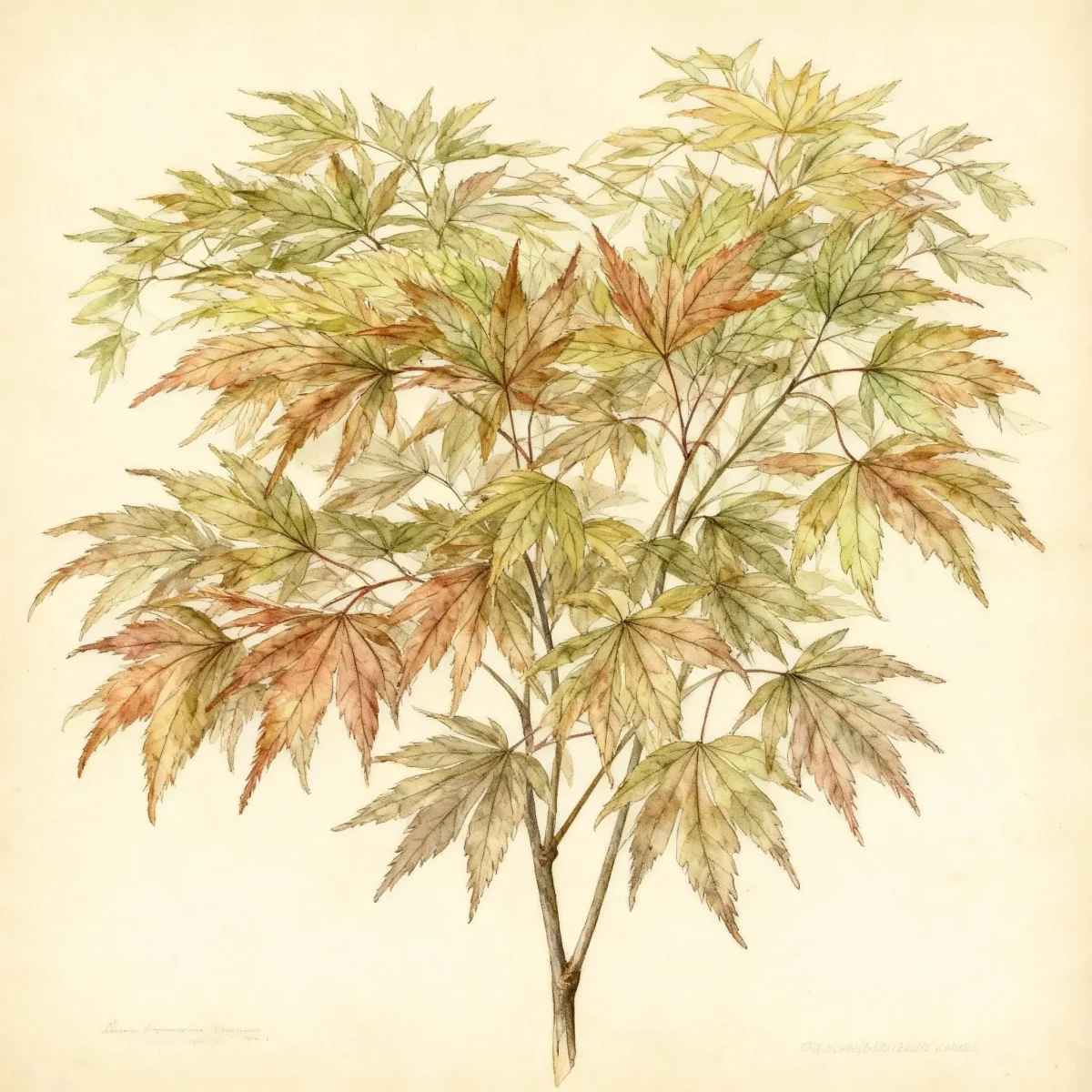
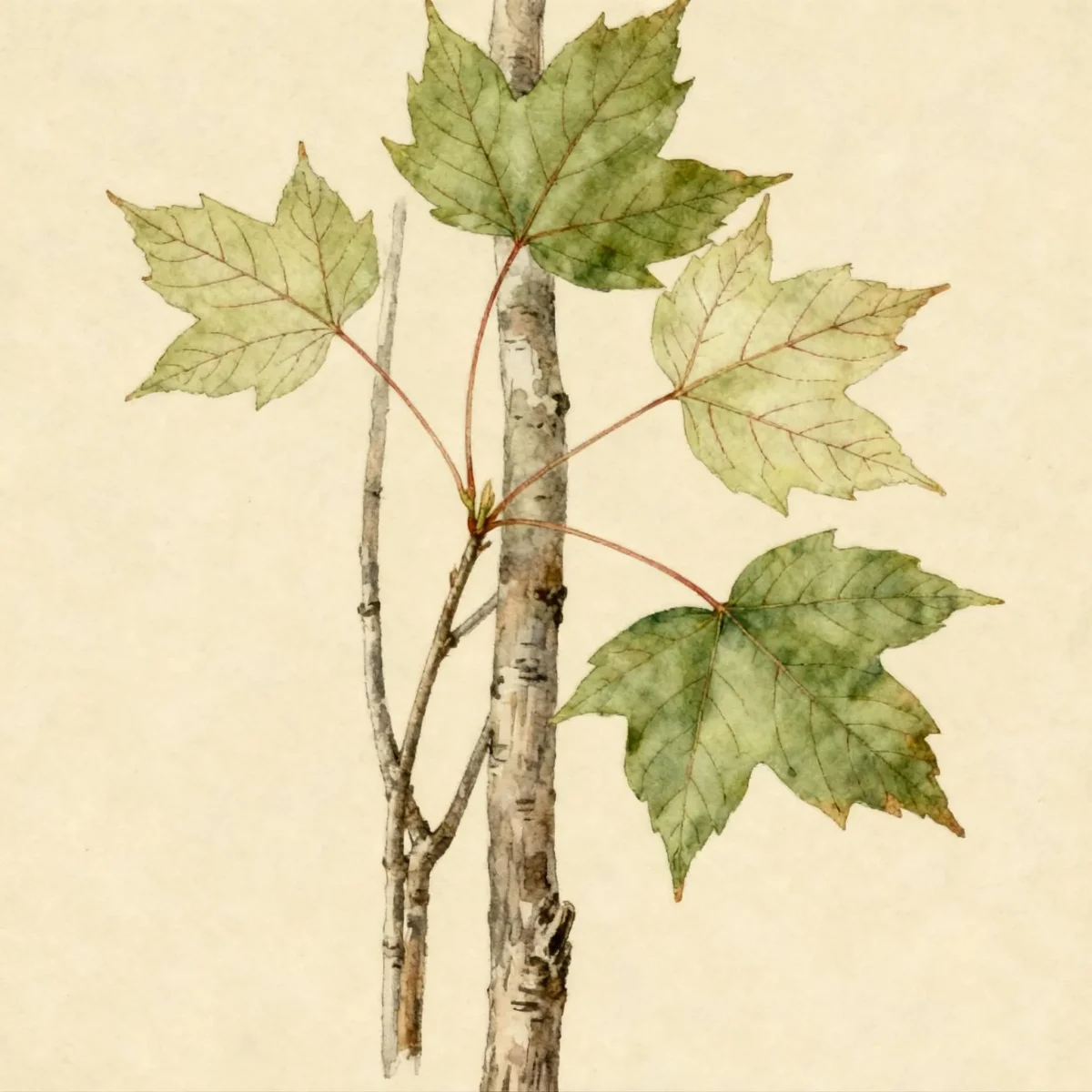
The Chinese maple, Acer oliverianum, offers a refined presence suitable for smaller landscapes where traditional maples might overwhelm the space. This small deciduous tree distinguishes itself with upright-spreading, nearly horizontal branching, often drawing comparisons to the admired Japanese maple structure. Gardeners appreciate the seasonal interest provided by its foliage.
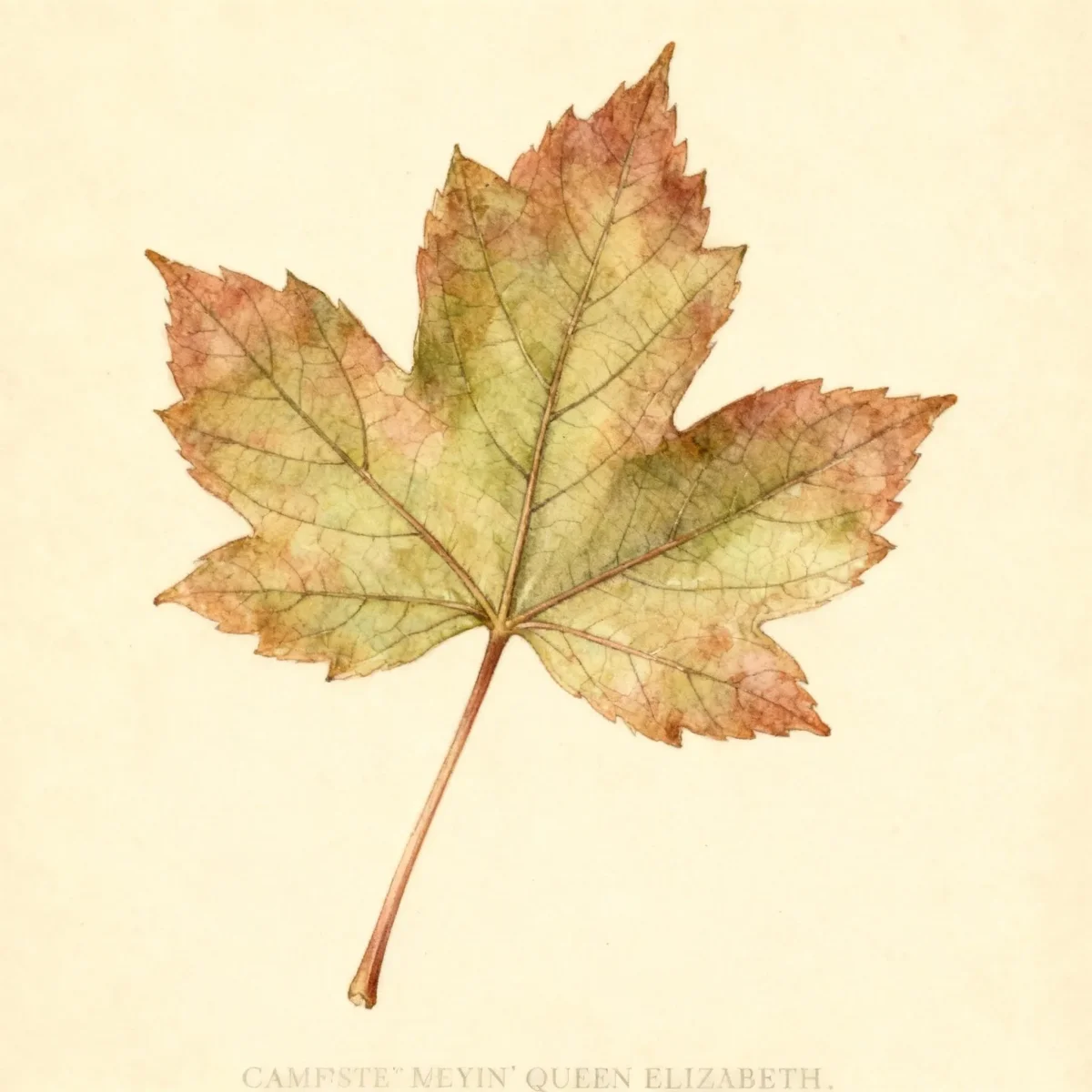
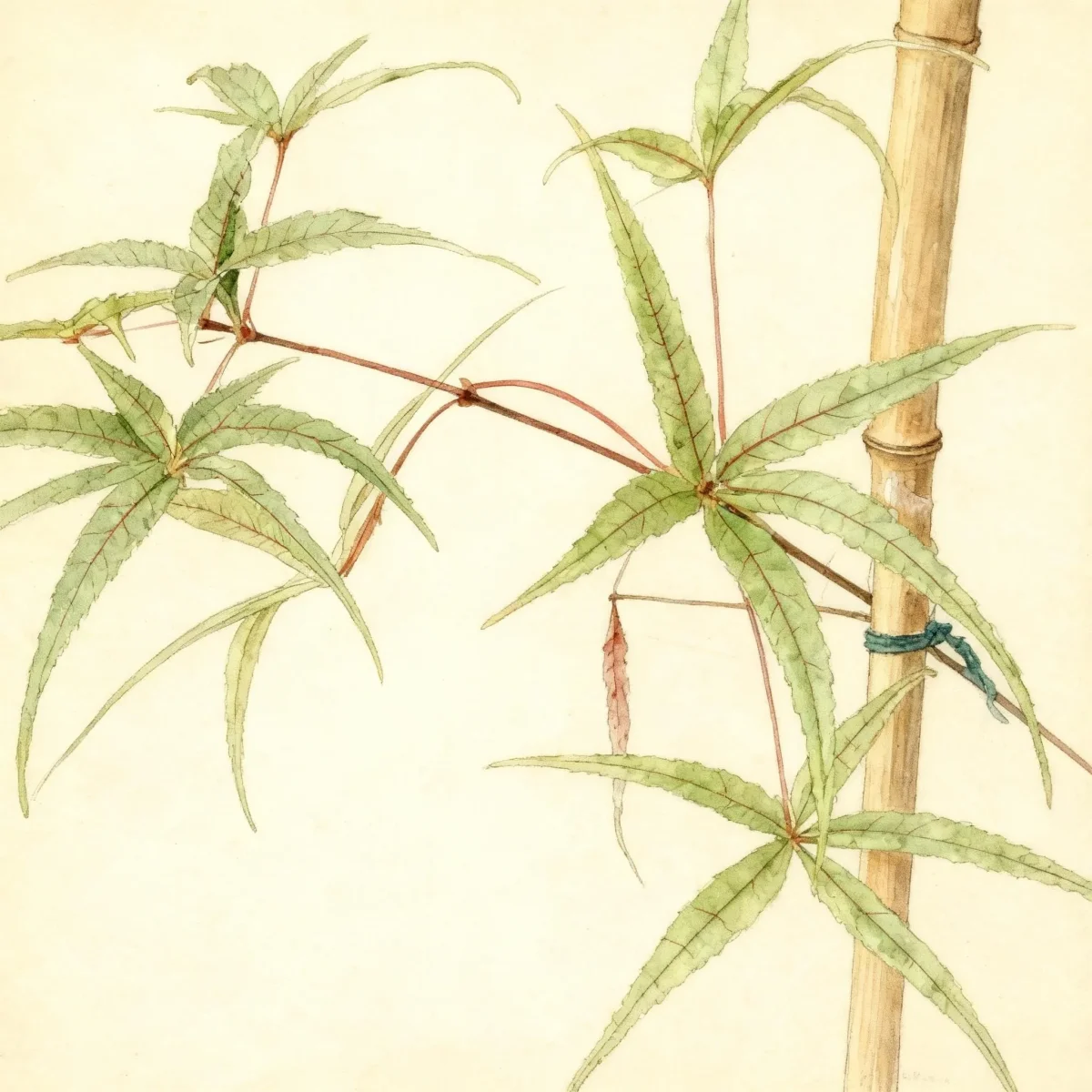
Acer oliverianum provides a dynamic display, starting with bronze-toned new leaves in spring before settling into a rich medium green. As autumn approaches, this Chinese maple rewards patient owners with a truly superb show of oranges, reds, and yellows, usually late in the season. Its modest mature size keeps it manageable, fitting well into contemporary garden designs.
Cultivating the Chinese maple is generally straightforward due to its low maintenance requirements once established. It thrives under balanced care, offering significant seasonal impact without demanding constant intervention, making Acer oliverianum an excellent, eye-catching specimen tree.
Fast Facts
- Plant Family: Sapindaceae
- Plant Type: Tree
- Native Range: Central China, Taiwan
- Hardiness Zones: USDA Zones 7-9
- Size at Maturity:
- Height: 15-30 ft
- Spread: 15-30 ft
- Bloom Time: April
- Bloom Description: White with red sepals
- Sun Exposure: Full sun to part shade
- Water Needs: Medium
- Maintenance Level: Low
How to Grow
The ideal site for planting Acer oliverianum ensures it receives full sun to light partial shade. Crucially, locate this Chinese maple in a position sheltered from strong, drying winds, as exposure can damage the foliage. Soil should ideally be light, humusy, slightly acidic, and well-drained loam, maintained evenly moist throughout the growing season.
Established trees exhibit some drought tolerance, but consistent moisture is key, especially during initial establishment, aligning with its medium water needs. Avoid planting in deep, dark shade, as the species is intolerant of such conditions and will exhibit poor vigor and reduced fall color. Fertilization is rarely required if the soil is moderately fertile; focus maintenance efforts on appropriate siting and watering.
Maintenance for this low-maintenance species centers on monitoring moisture levels and providing some winter protection if necessary, particularly in the colder reaches of its hardiness range. While pruning is typically minimal, remove crossing or damaged branches promptly in the dormant season to preserve the desirable horizontal branch structure typical of Acer oliverianum. Be aware that this cultivar may struggle with winter hardiness in areas like the St. Louis region.
Landscape Uses
The Chinese maple excels as an uncommon specimen planting in North American landscapes. Its structure and size—rarely exceeding 30 feet in height and spread—make it perfect for courtyards, smaller suburban yards, or as a striking focal point where larger shade trees are impractical. It showcases well against evergreen backgrounds which serve to amplify its vivid autumn display.
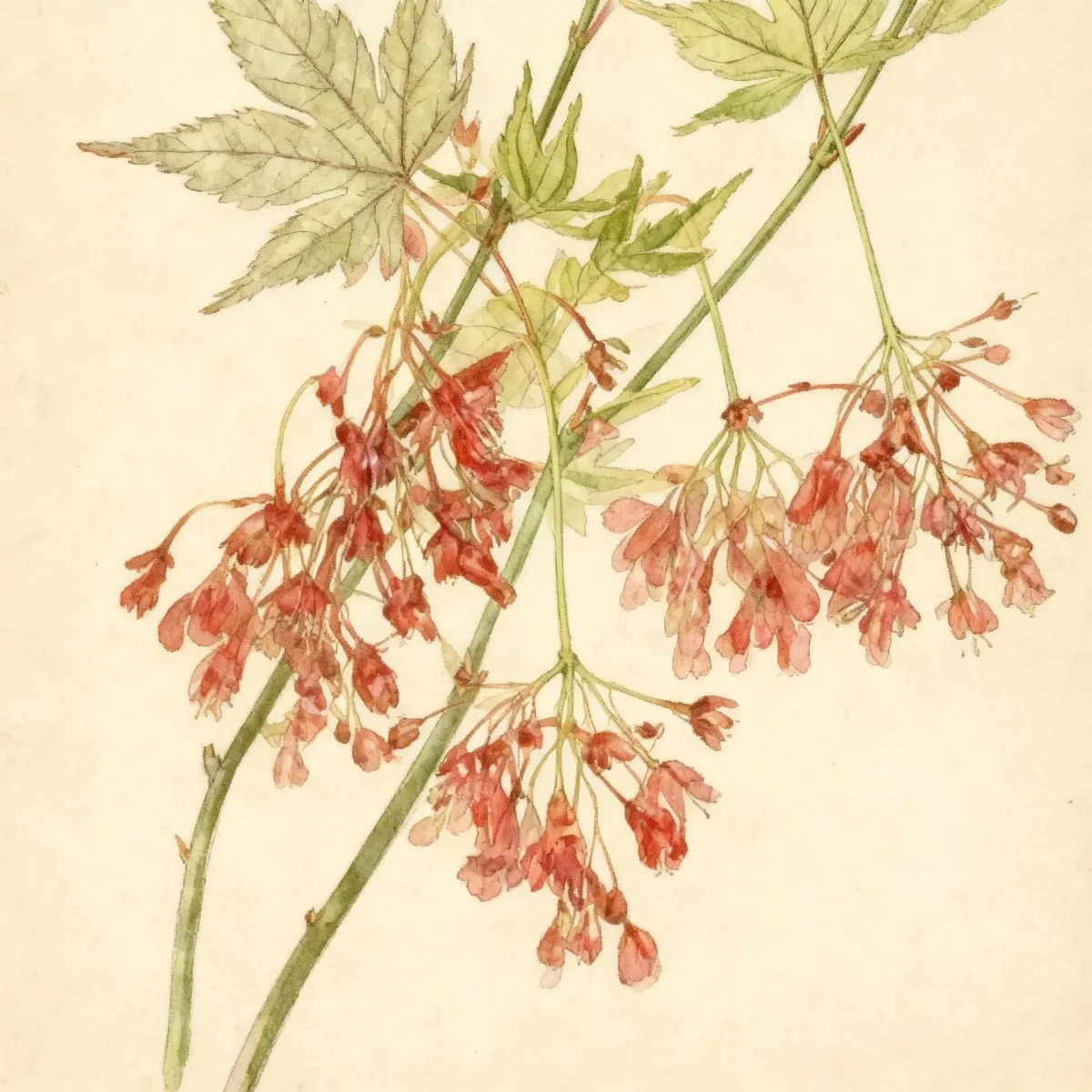
Consider integrating Acer oliverianum near patios or walkways where its spring bloom of white flowers with red sepals can be appreciated up close. Because it is infrequently seen, the Chinese maple acts as a subtle statement piece, differentiating a curated garden space. Though not extensively cultivated in the U.S., its relatively small stature allows for integration into mixed borders featuring other acid-loving, well-drained soil specimens.
Standout Features
Flower Qualities
- Insignificant
Noteworthy Characteristics
Acer oliverianum, sometimes commonly called oliver maple, is a small deciduous maple that typically grows to 15-30’ tall. It is native to valleys and forests in central to southeastern China, notable for its upright-spreading, nearly horizontal branching reminiscent of Acer palmatum. The leaves offer seasonal change, emerging bronze, turning green, and finishing with often superb oranges, reds, and yellows in the late fall.
Tolerances
- Rabbit
- Black Walnut
Potential Problems
Overall, Acer oliverianum enjoys a relatively clean bill of health, presenting no serious insect or disease issues requiring intensive management. Gardeners should primarily focus on cultural requirements—specifically soil drainage and moisture—as environmental stress is often the precursor to susceptibility to pests or pathogens. Proper siting, avoiding overly saturated or poorly draining soils, will circumvent most common tree ailments.
Frequently Asked Questions
What hardiness zones is Chinese maple suitable for?
The Chinese maple (Acer oliverianum) is best suited for USDA Hardiness Zones 7 through 9.
How large does Acer oliverianum grow?
This small maple tree typically reaches a mature height between 15 and 30 feet, with an equal spread of 15 to 30 feet.
What sun exposure does Chinese maple need?
Acer oliverianum prefers conditions ranging from full sun to partial shade, though it is intolerant of dense, heavy shade.
When does Chinese maple bloom?
It blooms in April, featuring small white flowers that are distinctly accented with red sepals.
Conclusion
The charm of Acer oliverianum lies in its manageable size, elegant branching structure, and reliable multi-seasonal color palette, culminating in superior fall foliage. This Chinese maple is an excellent choice for expert and novice gardeners seeking a sophisticated specimen tree with low overall maintenance needs. Ensure your site meets the soil and light requirements before planting to guarantee the best performance from your new Acer oliverianum.
Companion Planting
When planning the understory or surrounding plantings for your Chinese maple, select species that share similar requirements for slightly acidic, humus-rich, well-drained soil and partial sun. Good neighbors include moisture-loving woodland edge plants such as Japanese forest grass (Hakonechloa macra), which provides graceful texture contrast. Rhododendrons and Azaleas are excellent companions, as they thrive in the same acidic conditions and offer vibrant spring color without competing aggressively for light beneath the dappled canopy of the Acer oliverianum.
Seasonal Care Calendar
Spring is the crucial time for the Chinese maple, as new growth emerges and the delicate white flowers with red sepals appear in April. Monitor soil moisture closely as the season warms to support this new growth. Throughout the summer, standard medium watering is essential; consider deep, slow watering sessions rather than frequent shallow sprinkles. Fall requires observing the spectacular leaf change, but requires minimal active care other than ensuring established trees are not exposed to sudden, severe freezes if temperatures dip unexpectedly after the rich color has developed. Winter care is largely hands-off for established trees in zones 7-9, focusing primarily on pruning any winter-damaged wood during the dormant period.