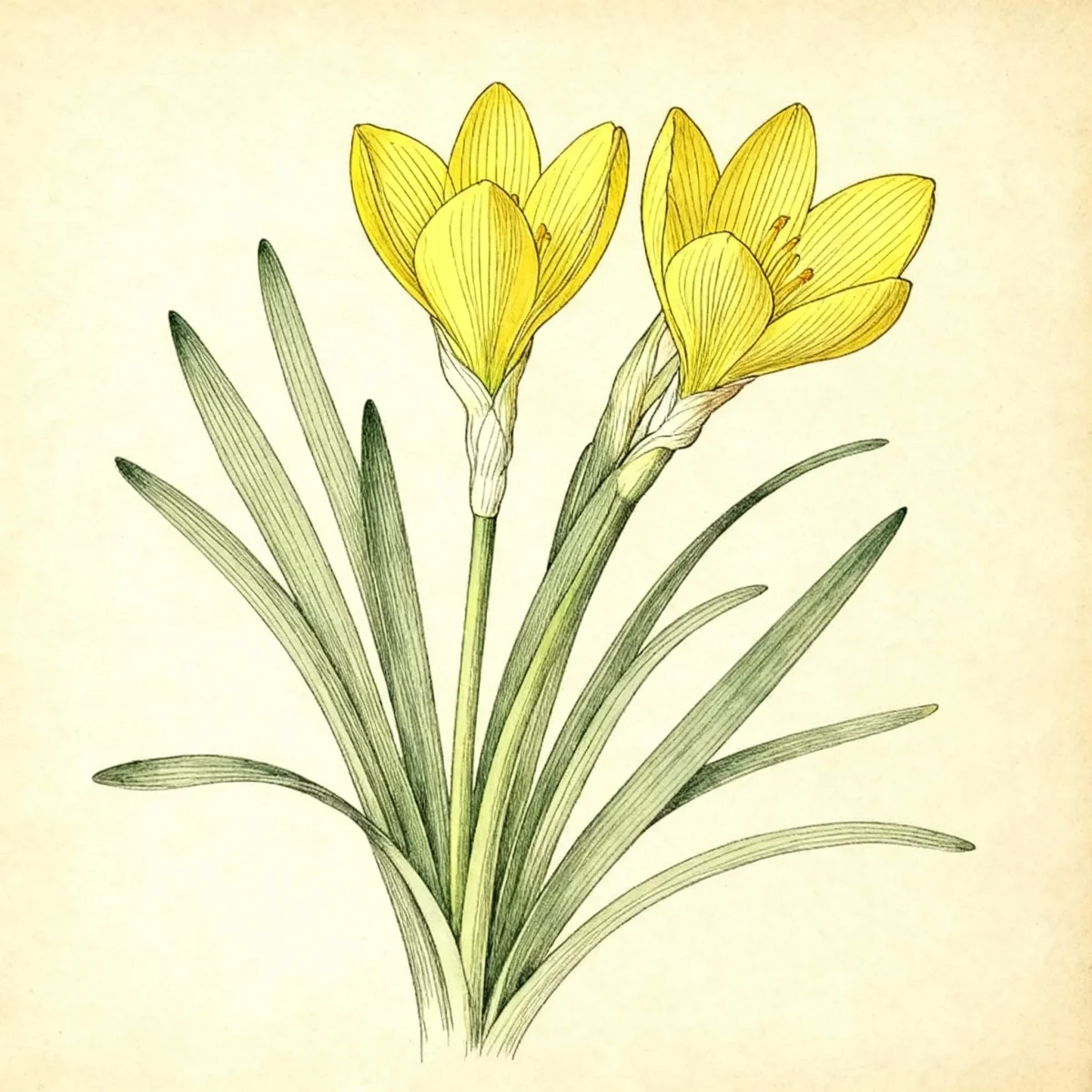
Autumn daffodil(Sternbergia lutea)
Grow autumn daffodil (Sternbergia lutea): golden-yellow fall-blooming bulbs, summer dormancy baking requirements, sharp drainage, and USDA zones 6–9 care.
Complete Plant Information
- Hardiness zones
- USDA 6–9
- Plant type
- Bulb
- Plant family
- Amaryllidaceae
- Sun exposure
- Full sun
- Water needs
- Dry to medium
- Maintenance
- Low
- Height
- 0.3–0.5 ft (9–15 cm)
- Spread
- 0.3–0.5 ft (9–15 cm)
- Bloom time
- September to October
- Flower color
- Upright, goblet-shaped, rich golden-yellow flowers resembling giant crocuses
- Flower qualities
- Showy
- Fruit qualities
- Not recorded
- Tolerances
- Drought, Dry Soil, Deer, Rabbit
- Garden uses
- Rock garden, gravel border, Mediterranean garden, south-facing stone wall
- Native range
- Mediterranean basin to Central Asia (rocky slopes and scrublands)
Field Guide Continues
Ready for care notes, companion picks, and planting tips?
The map is just the start. The full guide below covers growth habits, seasonal performance, and landscape uses.
Overview
Autumn daffodil (Sternbergia lutea, commonly called winter daffodil or lily of the field) is a dwarf, autumn-blooming bulbous perennial in the amaryllis family (Amaryllidaceae), hardy across USDA Zones 6 through 9 and recipient of the RHS Award of Garden Merit. Originating from the sun-drenched, stony hillsides of the Mediterranean basin, it emerges in September and October with dazzling 2-inch, goblet-shaped flowers of saturated canary-yellow. Often mistaken for a yellow crocus, it is botanically distinct, emerging alongside glossy, strap-like dark green leaves that persist through mild winter freezes.
Its unexpected autumn bloom timing provides a final burst of warm golden color when most spring bulbs and summer perennials are dying back.
How to Grow
- The Mandatory Summer Baking Period: Like many Mediterranean geophytes, bulbs go completely dormant from late May through August as foliage dies back. During this dormant window, bulbs require warm, dry soil (“summer baking”) to set floral embryos for autumn. Excess moisture or automated summer sprinkler irrigation will rot dormant bulbs or suppress flowering.
- Sunlight & Siting: Full sun is mandatory. In USDA Zone 6, plant against a warm, reflective south- or west-facing masonry wall to capture residual warmth and prevent winter freeze damage.
- Soil & Sharp Drainage: Requires gritty, rocky, or sandy loam with sharp drainage and neutral to alkaline pH (6.5–8.0). In heavy clay soils, plant in raised gravel beds or alpine troughs.
- Planting Depth: Plant dormant bulbs in midsummer (July to August) 3 to 4 inches deep and 4 to 6 inches apart.
Landscape Uses
- Alpine Rock Gardens & Troughs: Gritty, well-drained rockery crevices perfectly replicate its stony native habitat.
- Gravel Borders & South Foundations: Bakes in dry summer heat along sunny gravel paths and building margins.
- Naturalized Drifts: Left undisturbed in dry, open soil, clumps slowly expand over years into glowing autumn carpets.
Potential Problems
- Summer Bulb Rot from Wet Soil: Avoid heavily watered lawn edges or automated irrigation beds during summer dormancy.
- Cold Zone Freeze Damage in Zone 6: In exposed, windy northern sites, bulbs can freeze; mulch lightly after the ground freezes in late autumn.
- Toxicity Warning: Like all Amaryllidaceae, bulbs and foliage contain poisonous lycorine alkaloids that can cause severe gastrointestinal distress if ingested by pets or humans. However, this toxicity makes bulbs completely immune to burrowing voles, squirrels, and deer.
Frequently Asked Questions
Is Sternbergia lutea a crocus?
No. While flowers resemble bright yellow crocuses, Sternbergia belongs to the amaryllis family (Amaryllidaceae). It features 6 stamens and produces strap-like green leaves alongside its autumn flowers.
Why didn’t my autumn daffodils bloom?
The most common cause is too much summer moisture or too much shade. Bulbs require full sun and a hot, dry summer dormant period to trigger flower bud formation.
Do deer or rodents eat the bulbs?
No. The bulbs contain bitter lycorine alkaloids that voles, squirrels, chipmunks, and deer strictly avoid.
Companion Plants
Pair autumn daffodil with sun-loving, drought-tolerant perennials that thrive in dry, gritty soils:
- Autumn-Blooming Perennials: Plant near hardy cyclamen (Cyclamen hederifolium), autumn crocuses (Colchicum), or late-blooming sedums.
- Mediterranean Herbs: Combine with creeping thymes, dwarf lavender, and santolina.
- Contrasting Foliage: Interplant with blue fescue grass (Festuca glauca) or low-growing succulent stonecrops.
Sources & Lineage
- Missouri Botanical Garden PlantFinder: Record taxon 275683 (Sternbergia lutea) — autumn bloom timing, dimensions, and cultivation.
- Kew Plants of the World Online (POWO): Sternbergia lutea (L.) Ker Gawl. ex Spreng. (POWO: 60471738-2) — species taxonomy, family (Amaryllidaceae), and Mediterranean range.
- Royal Horticultural Society (RHS): Sternbergia lutea AGM Profile — Award of Garden Merit description and alpine gravel culture.
Recommended Companion Plants
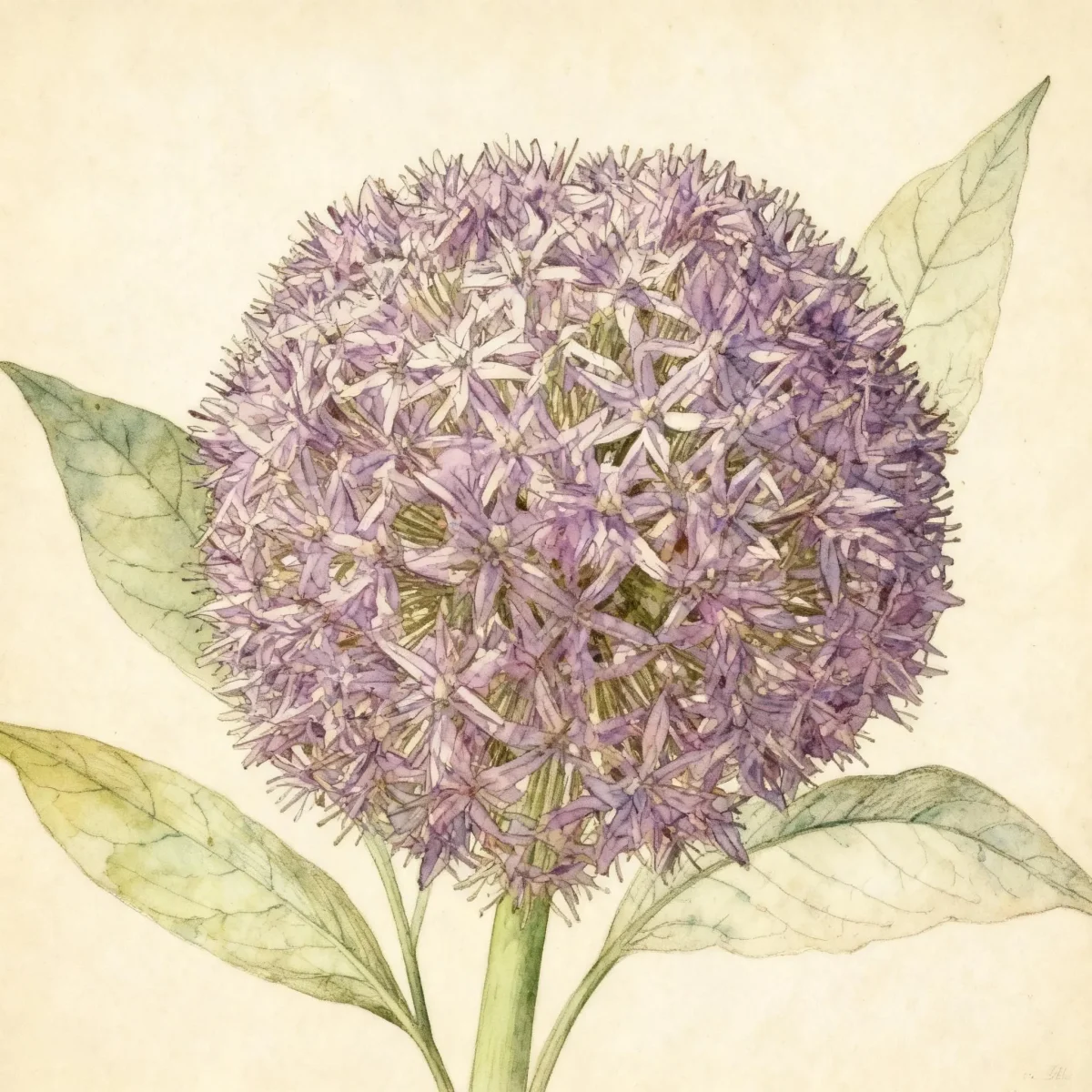
Ornamental onion
Allium 'Globemaster'
- USDA zones
- 5–8
- Light
- Full sun
- Water
- Dry to medium
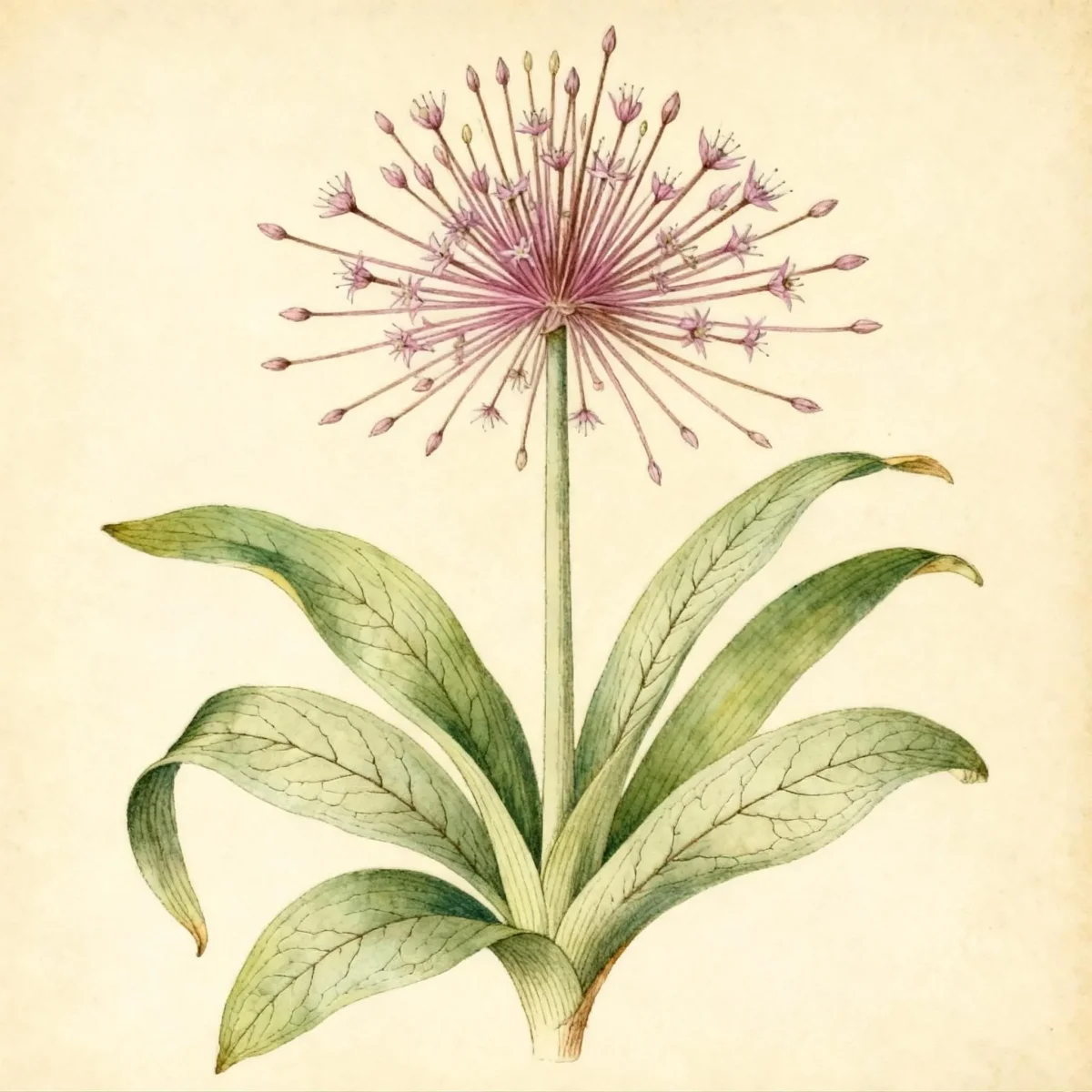
Ornamental onion
Allium schubertii
- USDA zones
- 5–8
- Light
- Full sun
- Water
- Dry to medium
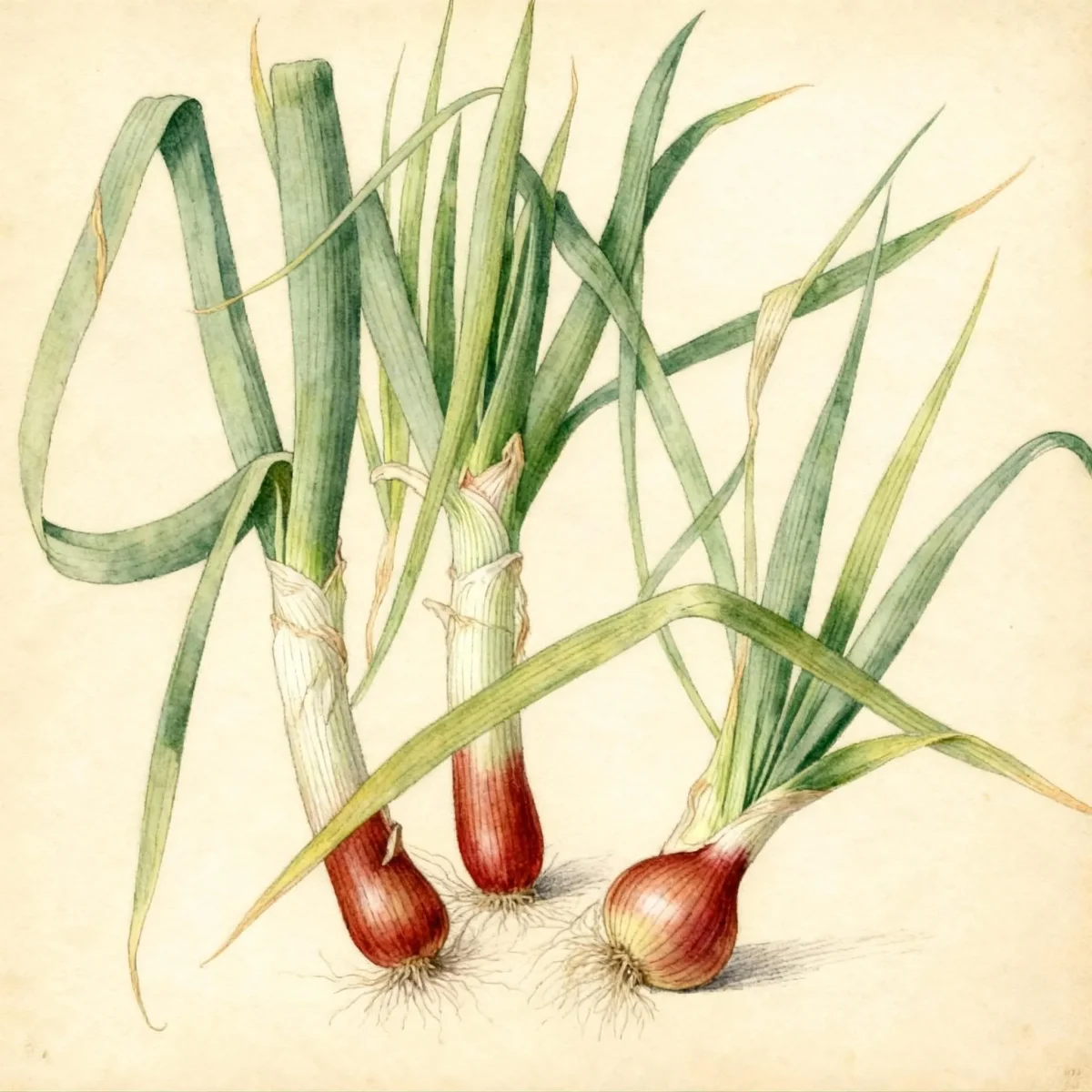
Onion
Allium cepa
- USDA zones
- 5–10
- Light
- Full sun
- Water
- Dry to medium
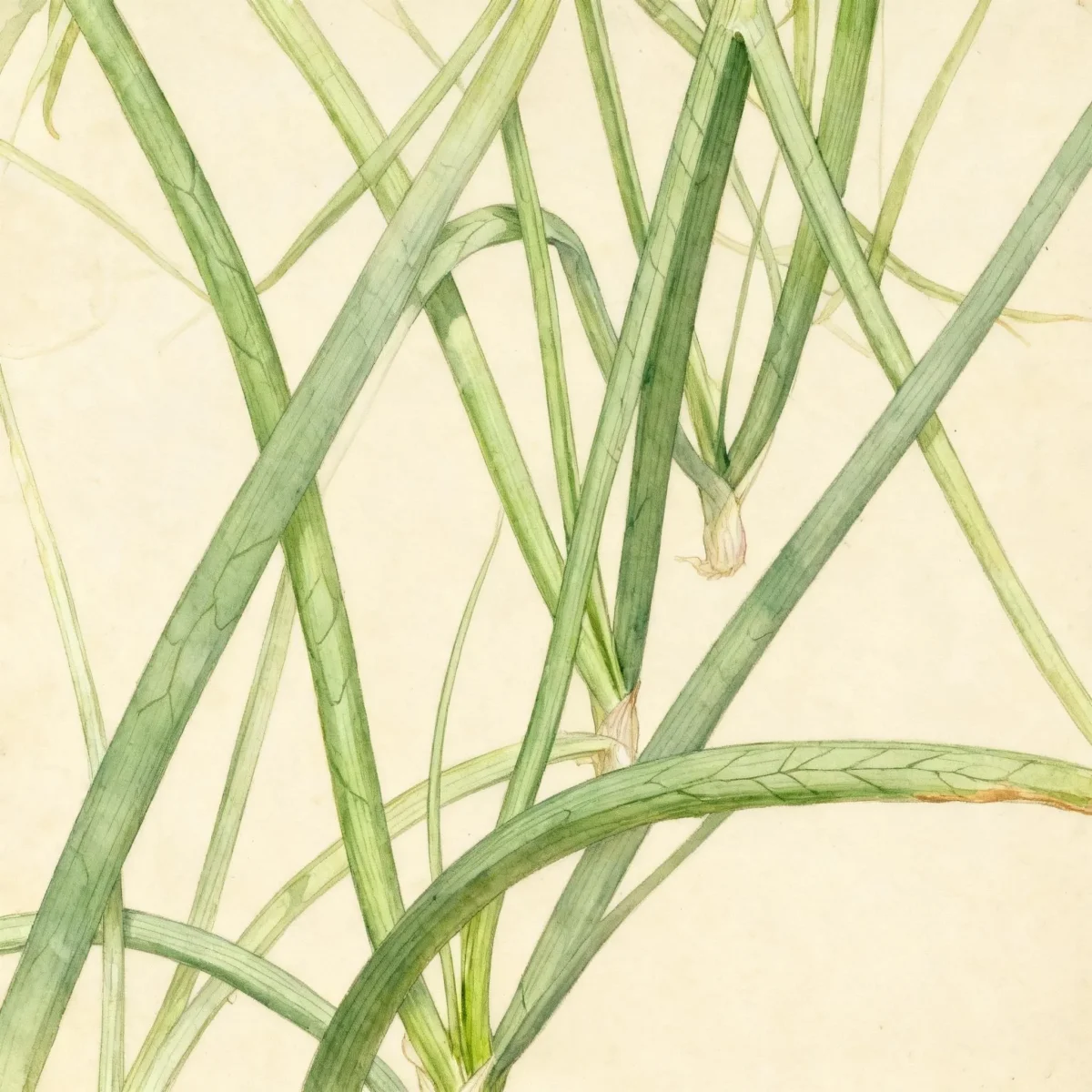
Scallion
Allium fistulosum
- USDA zones
- 6–9
- Light
- Full sun
- Water
- Medium
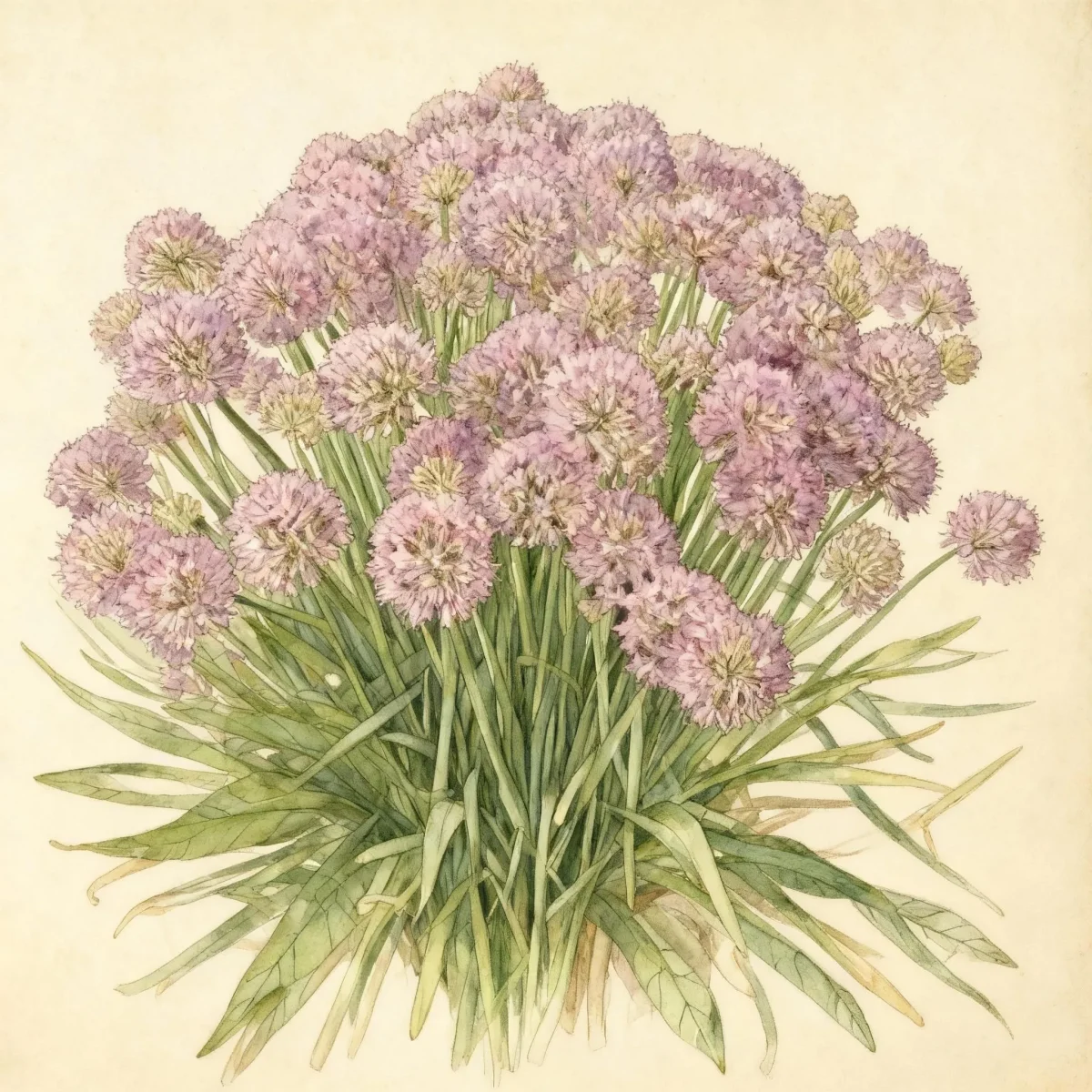
Ornamental onion
Allium 'Millenium'
- USDA zones
- 5–8
- Light
- Full sun to part shade
- Water
- Dry to medium
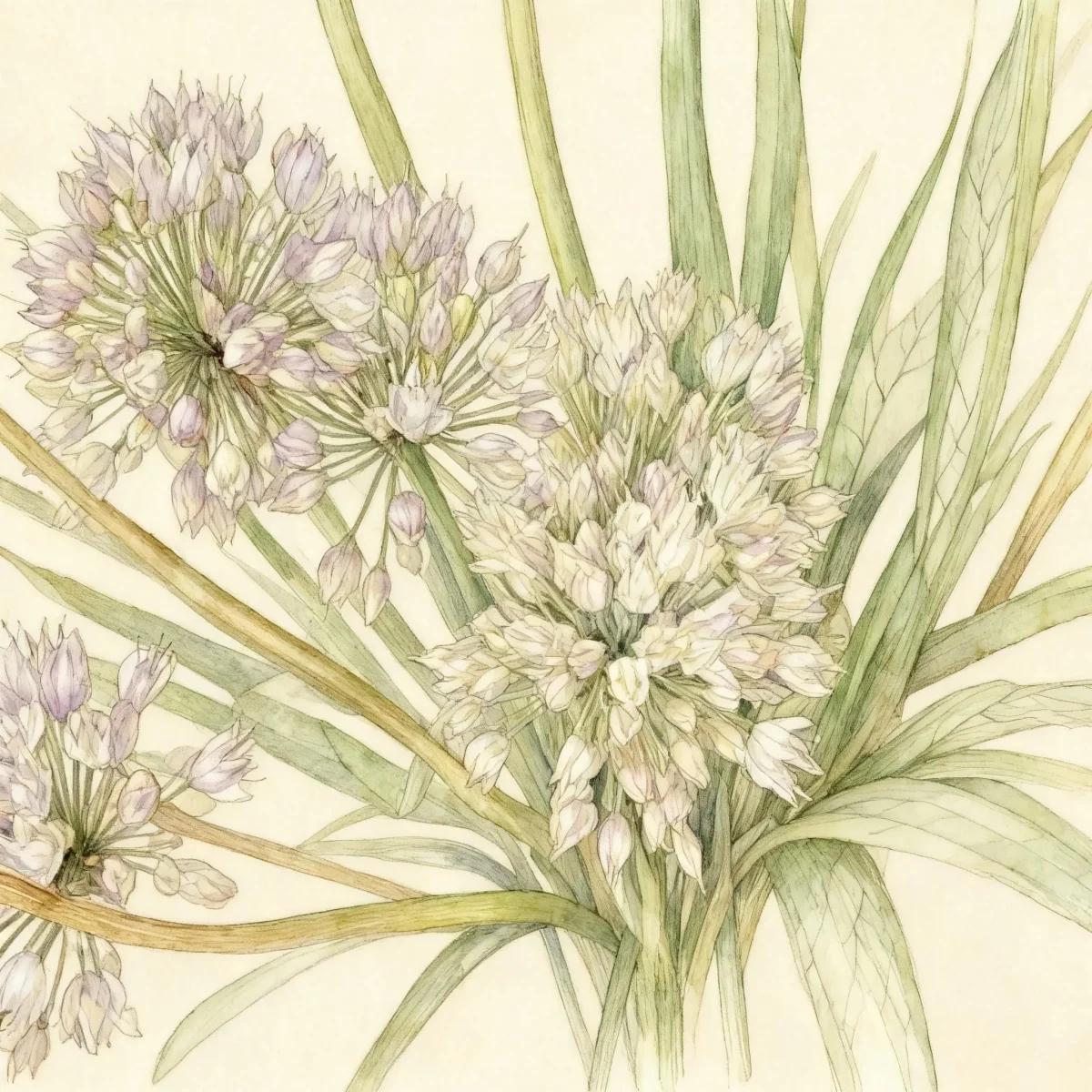
Ornamental onion
Allium 'Sugar Melt'
- USDA zones
- 5–8
- Light
- Full sun to part shade
- Water
- Dry to medium
Keep Learning
Test what you know with a garden quiz
You have the plant facts and care notes. Continue with a related challenge, or browse the complete quiz library.

USDA Garden Zone Map Quiz
Use this USDA garden zone map quiz to check whether you can read hardiness zones and choose plants with more confidence.
Start quiz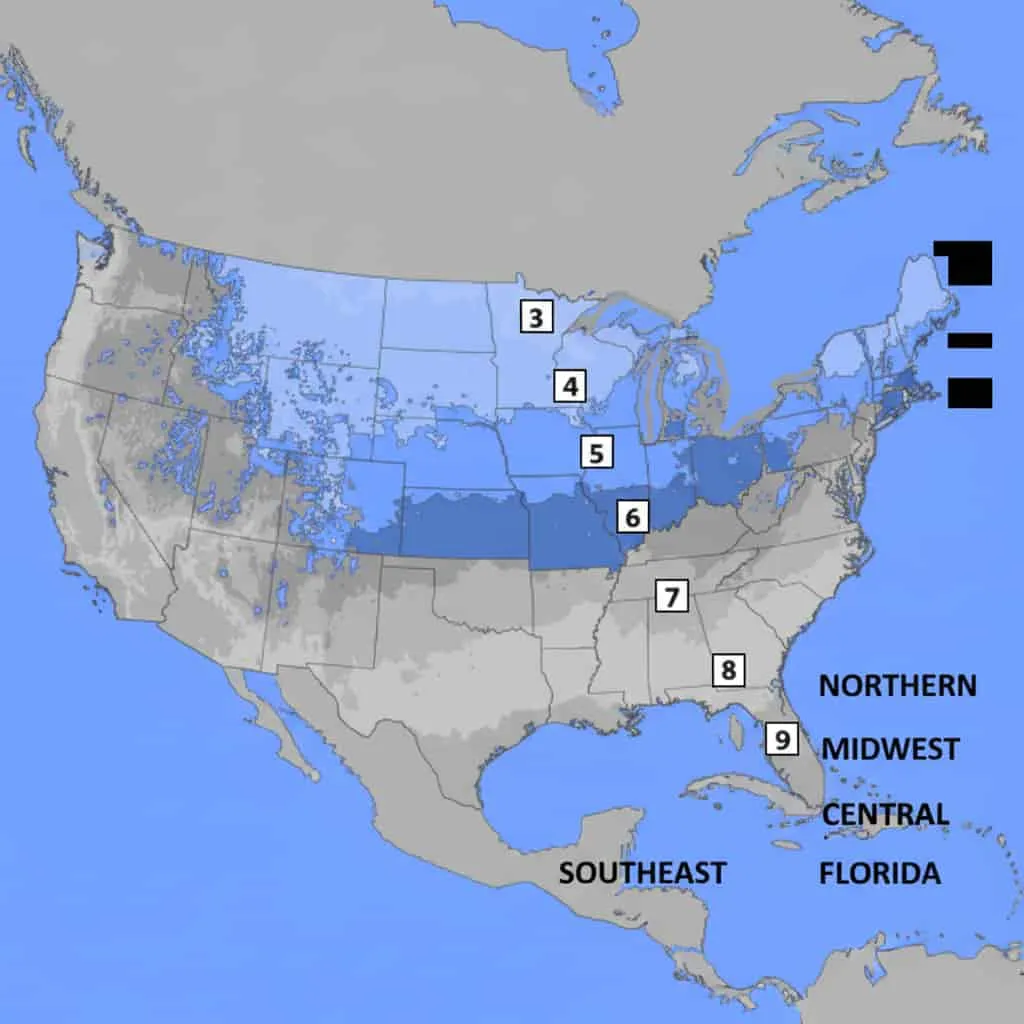
Zone 5 Gardening Challenge
Think you know Zone 5 gardening? Prove it with our challenge!
Start quizBrowse the full quizzes section
Explore plant identification, zone strategy, and seasonal gardening challenges.
View all quizzes