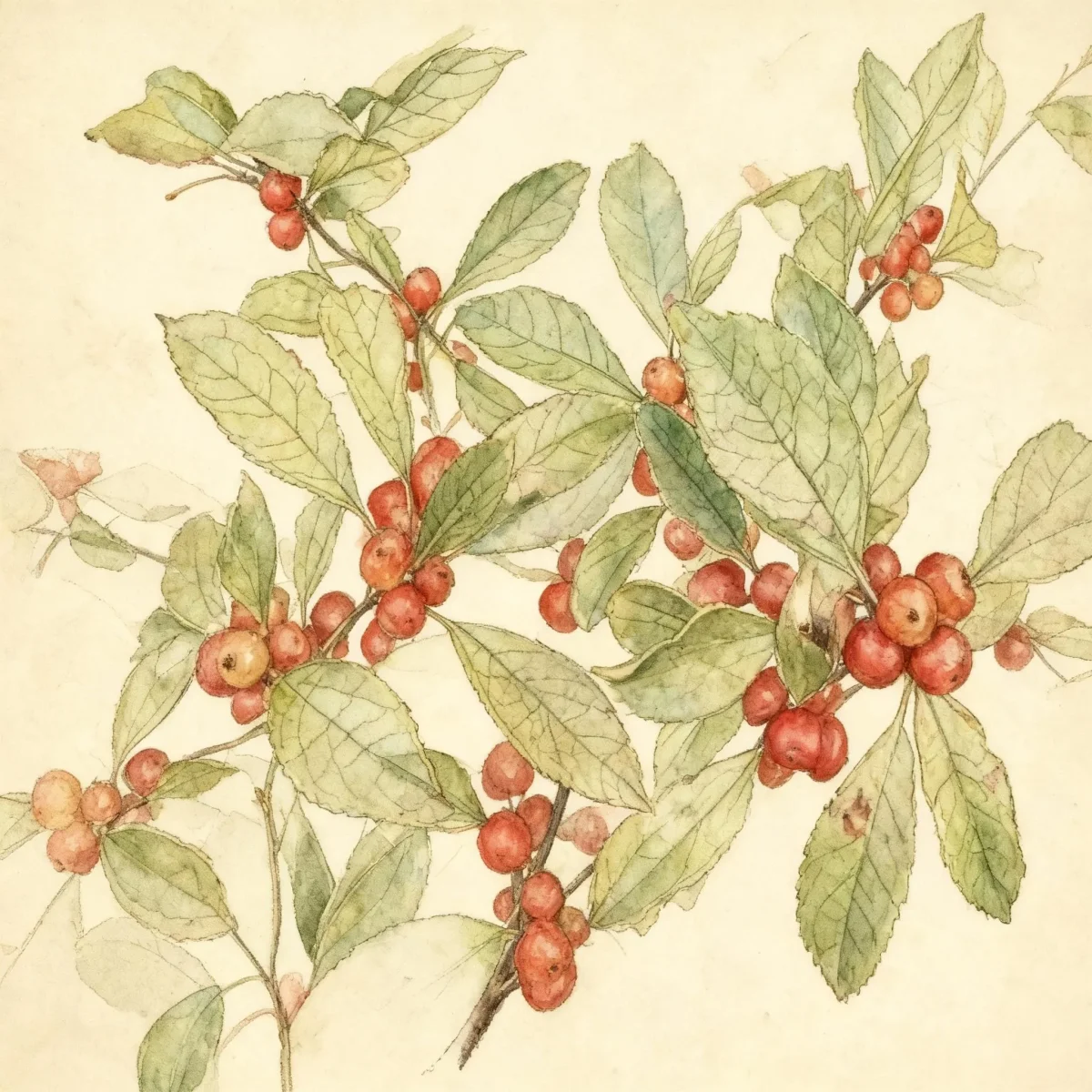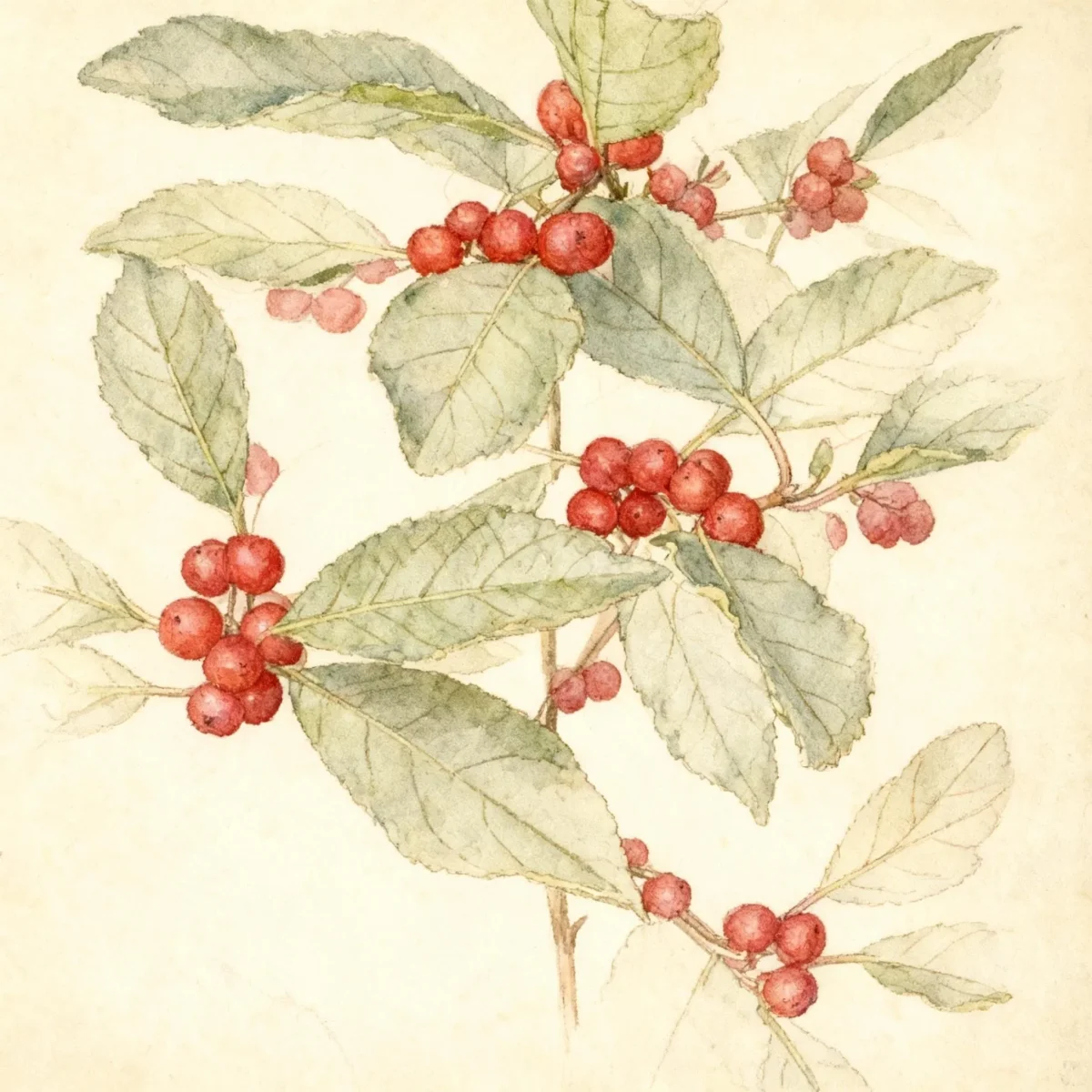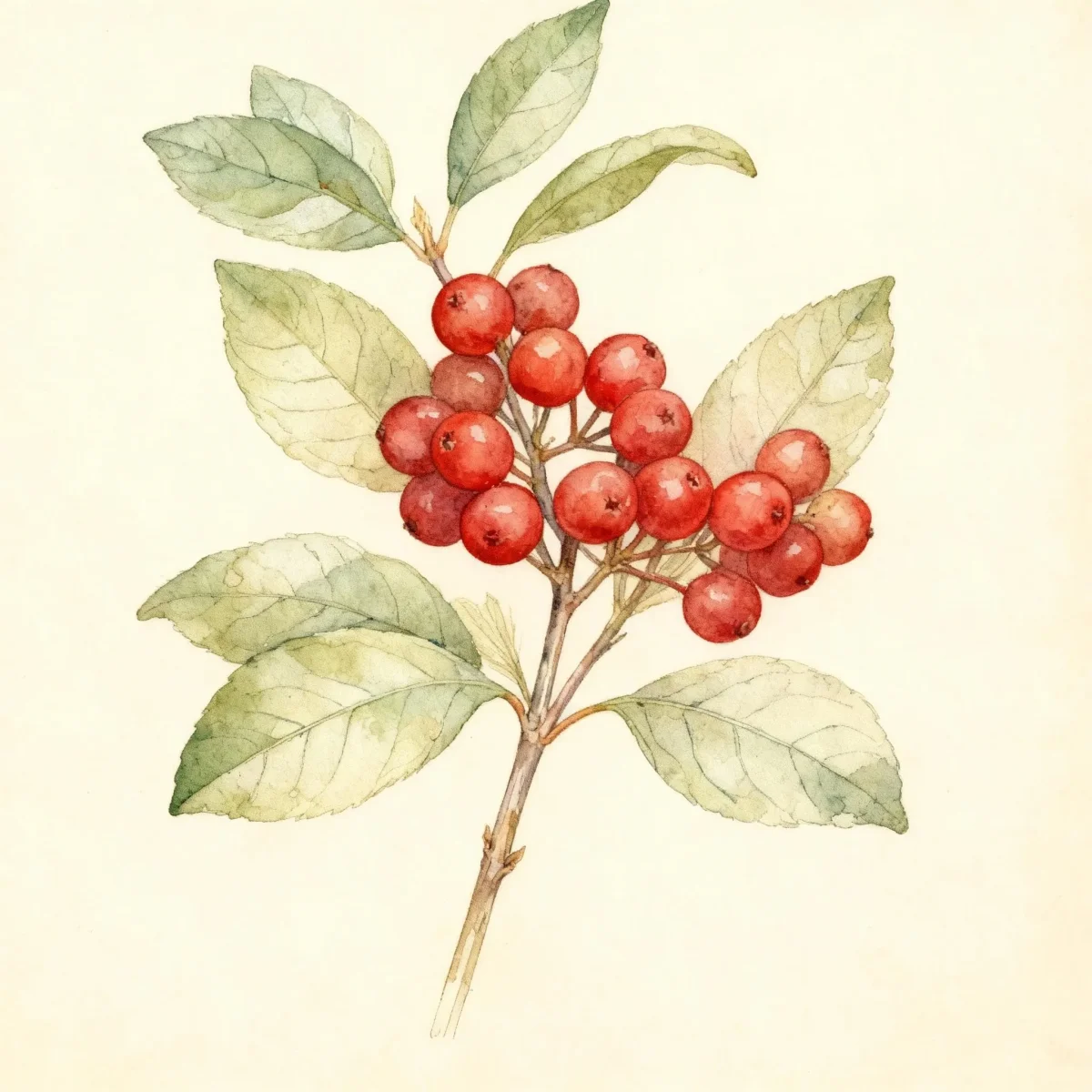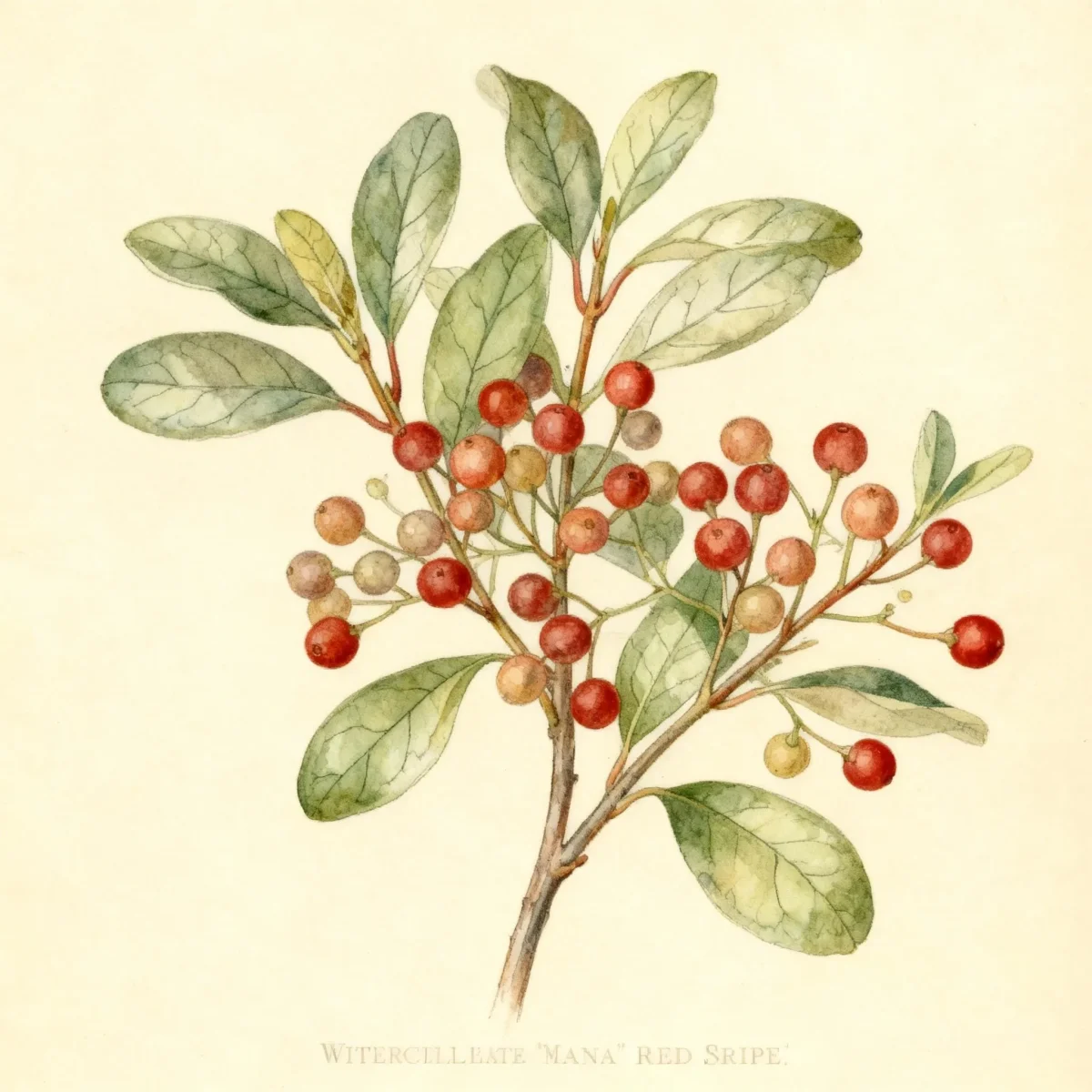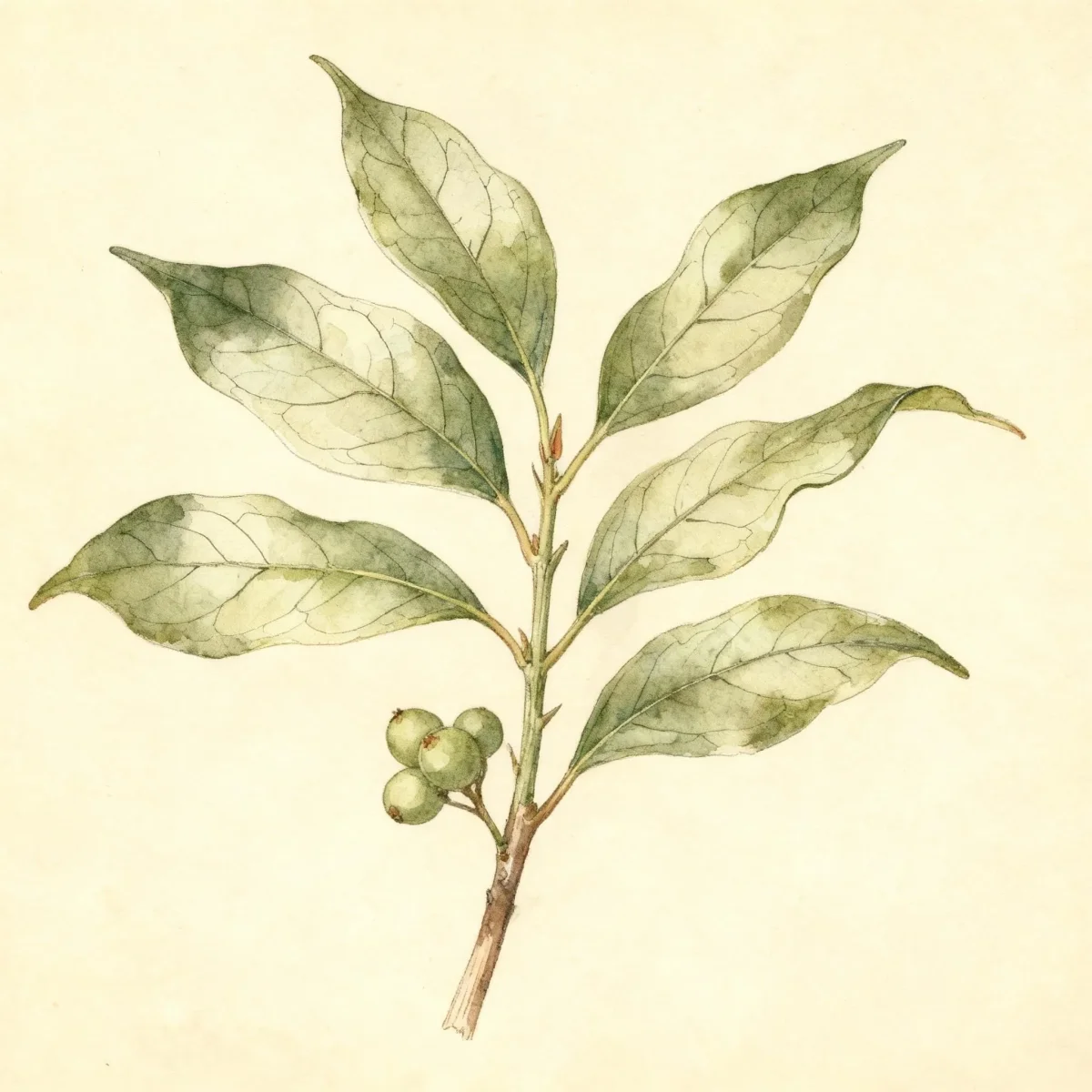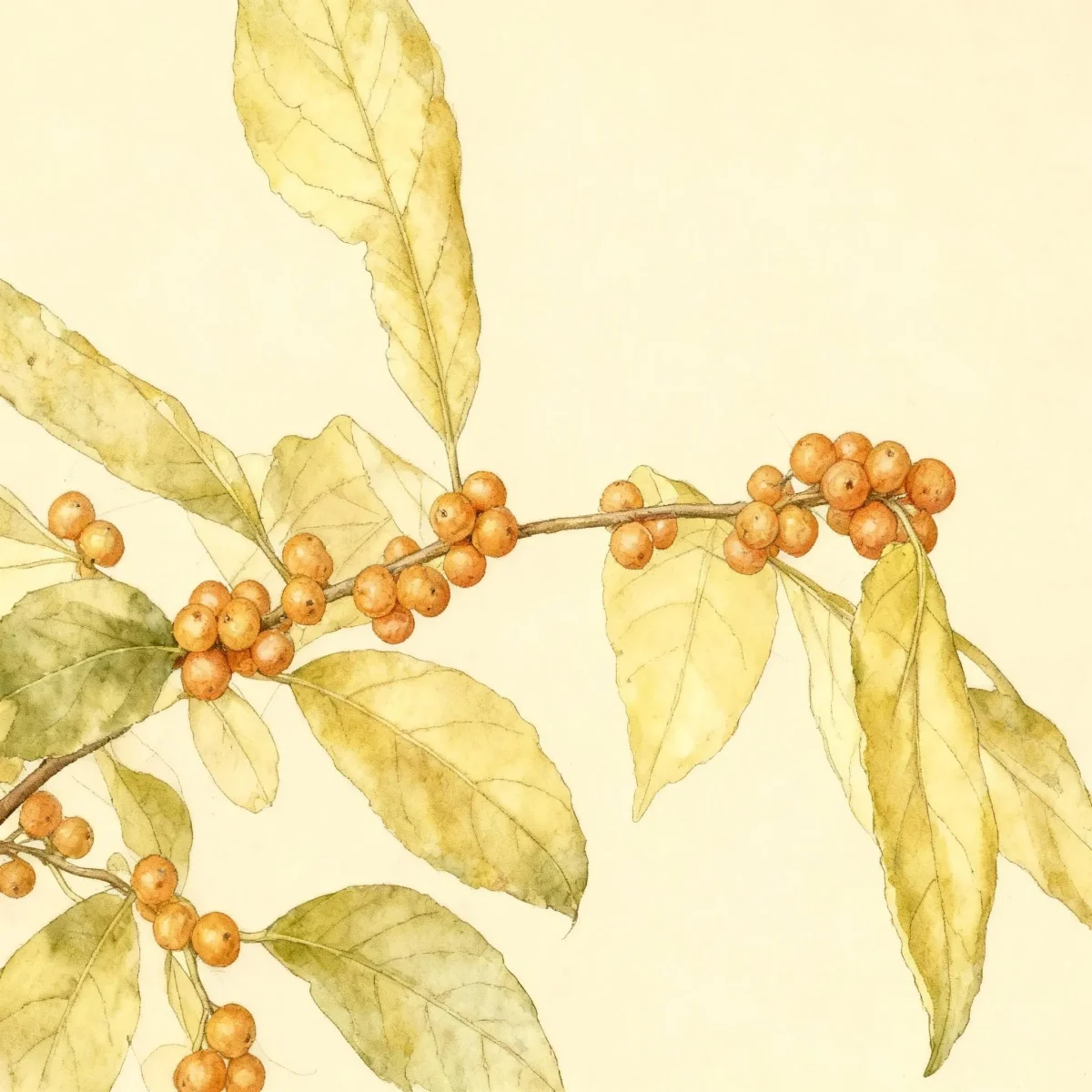

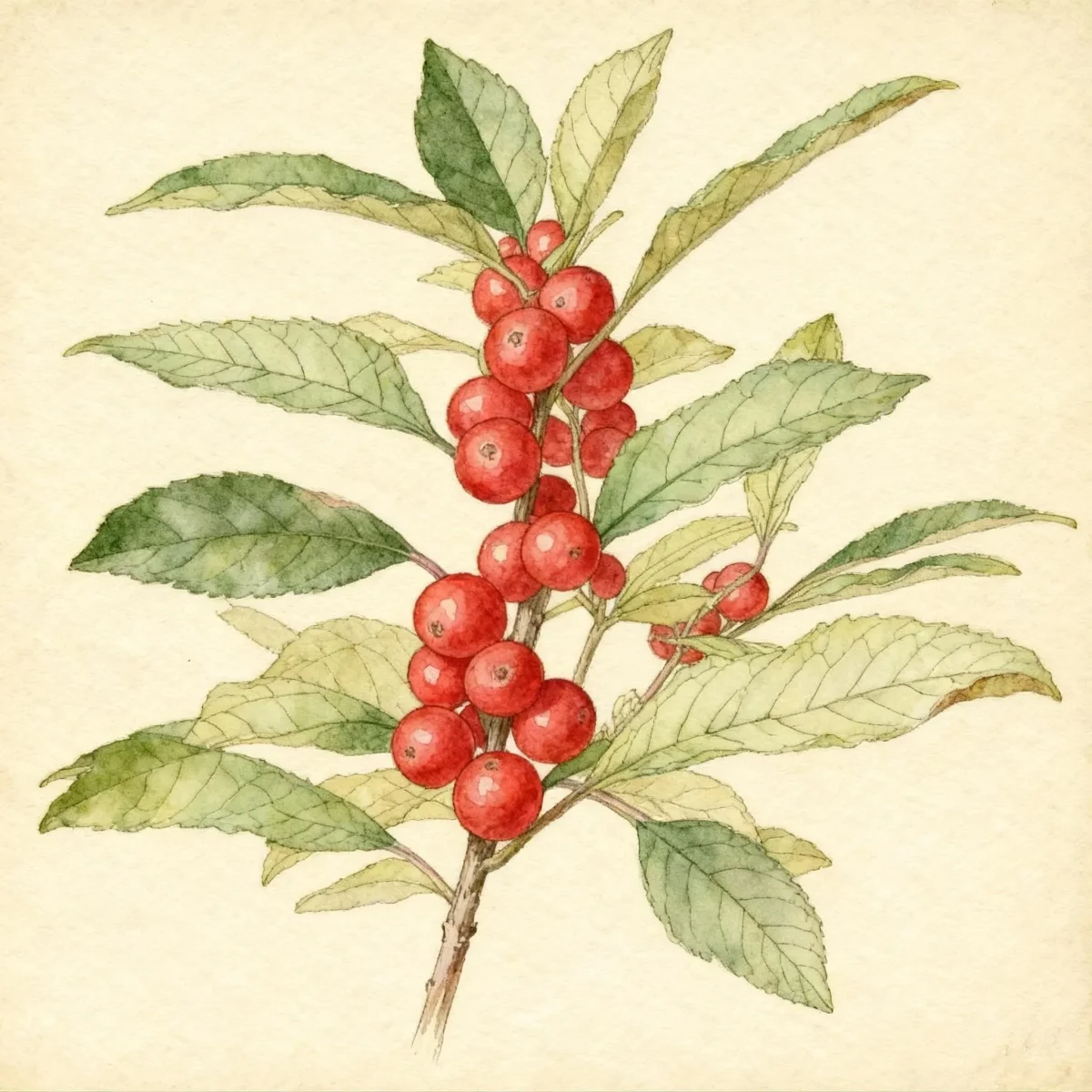
Winterberry (Ilex verticillata)
Achieve stunning winter color! Winterberry (Ilex verticillata) offers brilliant red berries persisting through snow on this adaptable, native deciduous shrub.
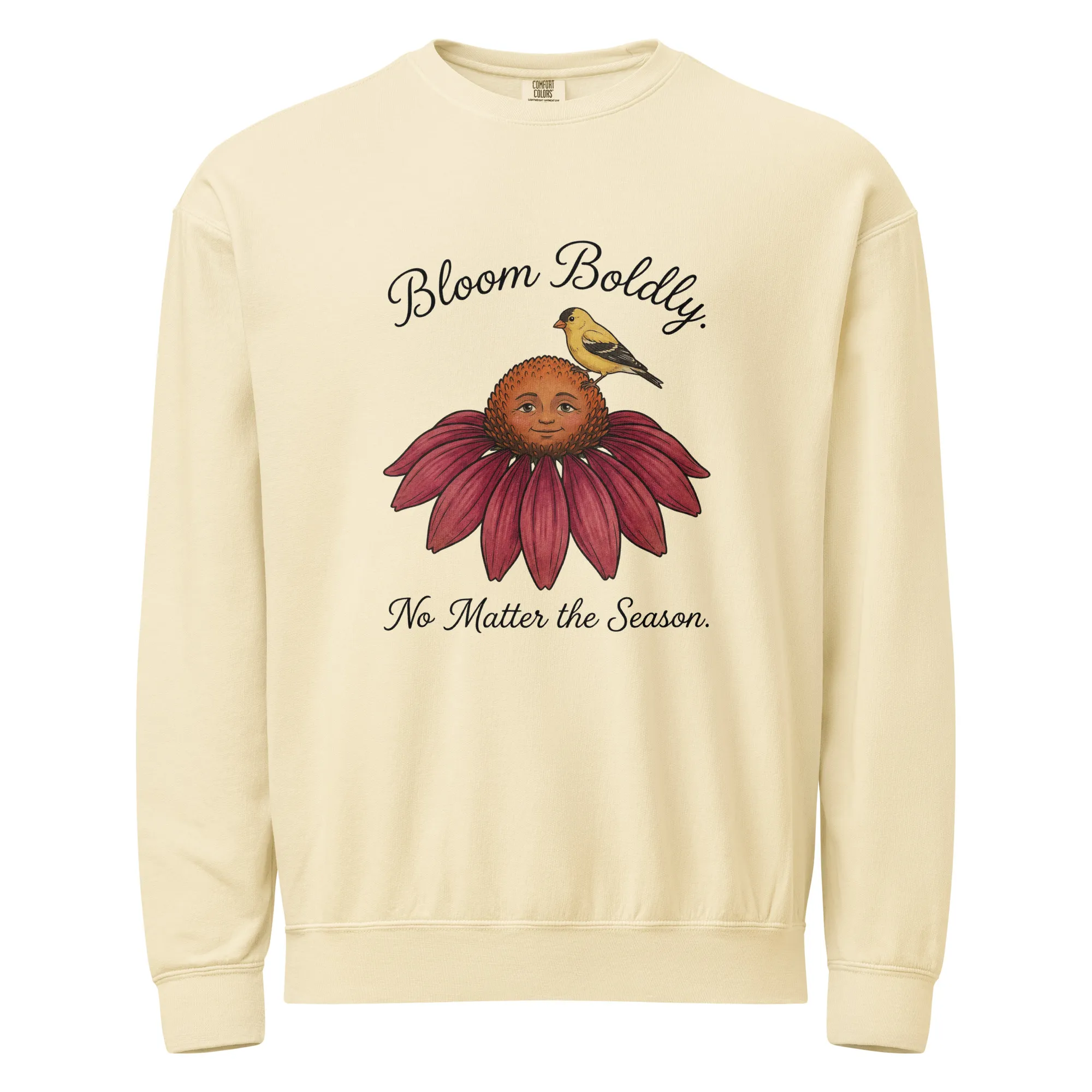
Bloom Boldly, No Matter the Season - Sweatshirt
Cozy organic cotton sweatshirt featuring our exclusive Purple Coneflower design. Perfect for gardeners who bloom year-round.
Inspired by the beautiful Winterberry
Limited first batch (50) — join the waitlist for early access
Waitlist closes Feb 15, 2026.
Complete Plant Information
Field Guide Continues
Ready for care notes, companion picks, and planting tips?
The map is just the start. The full guide below covers growth habits, seasonal performance, and landscape uses.
Overview
The Winterberry, scientifically known as Ilex verticillata, is a North American native deciduous holly prized primarily for its unparalleled winter display. Unlike evergreen hollies, this shrub sheds its leaves to reveal clusters of intensely bright red berries clinging to the bare branches from fall well into early spring. This dramatic seasonal shift provides vital color and structure to the winter landscape.
Ilex verticillata is an obligate wetland species, making it highly adaptable to moist conditions where many other shrubs struggle. It thrives in full sun to partial shade, growing into an upright, rounded shrub reaching 6 to 12 feet tall. Its low maintenance requirements and native status make it an excellent choice for ecological landscaping and reliable seasonal impact.
For maximum berry production, understanding the dioecious flowering habit of Winterberry is crucial; you must plant separate male and female specimens. When properly sited in moist, acidic soil, this plant offers year-round interest, culminating in the spectacular red show that gives Winterberry its common name.
Fast Facts
- Plant Family: Aquifoliaceae
- Plant Type: Deciduous shrub
- Native Range: Central and eastern North America
- Hardiness Zones: USDA Zones 3-9
- Size at Maturity:
- Height: 6-12 ft
- Spread: 6-12 ft
- Bloom Time: June to July
- Bloom Description: Greenish-white
- Sun Exposure: Full sun to part shade
- Water Needs: Medium to wet
- Maintenance Level: Low
How to Grow
Plant Ilex verticillata in the cooler seasons—spring or fall—to allow roots to establish before summer heat. Locate specimens where they receive at least six hours of direct sun for the best berry set, though they tolerate part shade. This shrub strongly prefers average, acidic soils rich in organic matter, but its greatest strength is its adaptability to poor drainage, thriving near ponds, in rain gardens, or in constantly wet spots.
Watering should focus on keeping the soil consistently moist, especially for young plants. Fertilization is rarely necessary if the soil is organically rich, but an acid-loving plant food can be applied in early spring if needed. Maintenance is generally low; site plants where their potential suckering tendency can be utilized to form colonies or masses, or prune occasionally to maintain shape.
Pruning should be performed in early spring just before new growth emerges. This timing ensures you are shaping dormant wood and allows you to maximize branch display, as flowers appear on the current season’s growth. Remember that berries only form on female plants that have been pollinated by a nearby male Ilex verticillata. One male plant is sufficient to pollinate six to ten females.
Landscape Uses
The spectacular red berries make Winterberry a highlight in any garden design, particularly when its deciduous nature exposes the fruit mid-winter. It excels as a dramatic specimen or planted in masses to create an informal hedge, softening the edge of a woodland area or screening foundation plantings where moisture collects. Since Ilex verticillata loves moisture, it is the quintessential structural plant for rain gardens and low spots that retain water after heavy rains.
For maximum contrast, plant this holly near evergreen shrubs or lighter-colored structural elements like grey stone. Cut branches laden with berries make outstanding additions to winter floral and craft arrangements, extending the season of enjoyment indoors. Modern cultivars are often bred to be more compact, allowing the vibrant berries of Winterberry to be featured even in smaller garden settings without excessive spread.
Standout Features
Flower Qualities
- Insignificant
Fruit Qualities
- Showy
Noteworthy Characteristics
Ilex verticillata, commonly called winterberry, is a deciduous holly that is native to eastern North America where it typically occurs in swamps, damp thickets, low woods and along ponds and streams. The bark is smooth and grey, and the shrub grows into an upright-rounded shape, often suckering to form thickets. While summer foliage is dark green, fall color can occasionally turn attractive shades of maroon before the stunning red berries appear, providing a critical winter food source for birds.
Tolerances
- Erosion
- Clay Soil
- Wet Soil
- Air Pollution
Potential Problems
Ilex verticillata is generally robust, exhibiting few serious insect or disease issues under ideal growing conditions. Potential problems primarily arise when environmental conditions are incorrect, particularly soil pH. Plants fare poorly in neutral or alkaline soils, which commonly leads to chlorosis, causing the leaves to yellow and potentially resulting in plant decline or death. Manage this by ensuring your soil remains acidic and avoiding high-pH mulch or fertilizers. Occasionally, leaf spots or powdery mildew may appear, especially in humid, shady sites; ensure adequate air circulation when planting.
Frequently Asked Questions
What hardiness zones is Winterberry suitable for?
Ilex verticillata is reliably hardy across USDA Zones 3 through 9.
How large does Winterberry grow?
This shrub typically reaches a mature height between 6 and 12 feet tall, with a similar spread range of 6 to 12 feet.
What sun exposure does Winterberry need?
For optimal berry production and dense growth, provide Winterberry with full sun, though it successfully tolerates partial shade.
When does Winterberry bloom?
The inconspicuous, greenish-white flowers of Ilex verticillata appear relatively late in the season, generally blooming from June through July.
Conclusion
Ilex verticillata offers seasonal magic with virtually no effort, delivering the most intense winter color available from a native deciduous shrub. Ensure you have sufficient sun and maintain acidic, moist soil to guarantee that signature crop of red berries on your Winterberry. Check your local frost dates and plan your planting schedule for early spring or fall establishment to enjoy this stunning, low-maintenance plant for years to come.
Wildlife Benefits
The inconspicuous flowers, appearing in late spring, are valuable nectar sources for small native bees and flies early in the season. However, the highest wildlife benefit comes in winter when the persistent red fruit becomes a crucial lifeline. Many bird species and small mammals rely on the high-energy berries of Ilex verticillata throughout the coldest months, long after other food sources have depleted. Planting this species helps support local avian populations when they need it most.
Achieving Maximum Berry Set
Because Ilex verticillata is dioecious, the main cultural pitfall is selecting only female plants without a male pollinator nearby. To guarantee a spectacular fruit display, ensure at least one male plant is situated within range of 6 to 10 female clones—the exact range can vary, but proximity increases success. The flowers bloom on new wood, so pruning timing is critical; never prune in late summer or fall, as this will remove the buds destined to become next year’s fruit display.