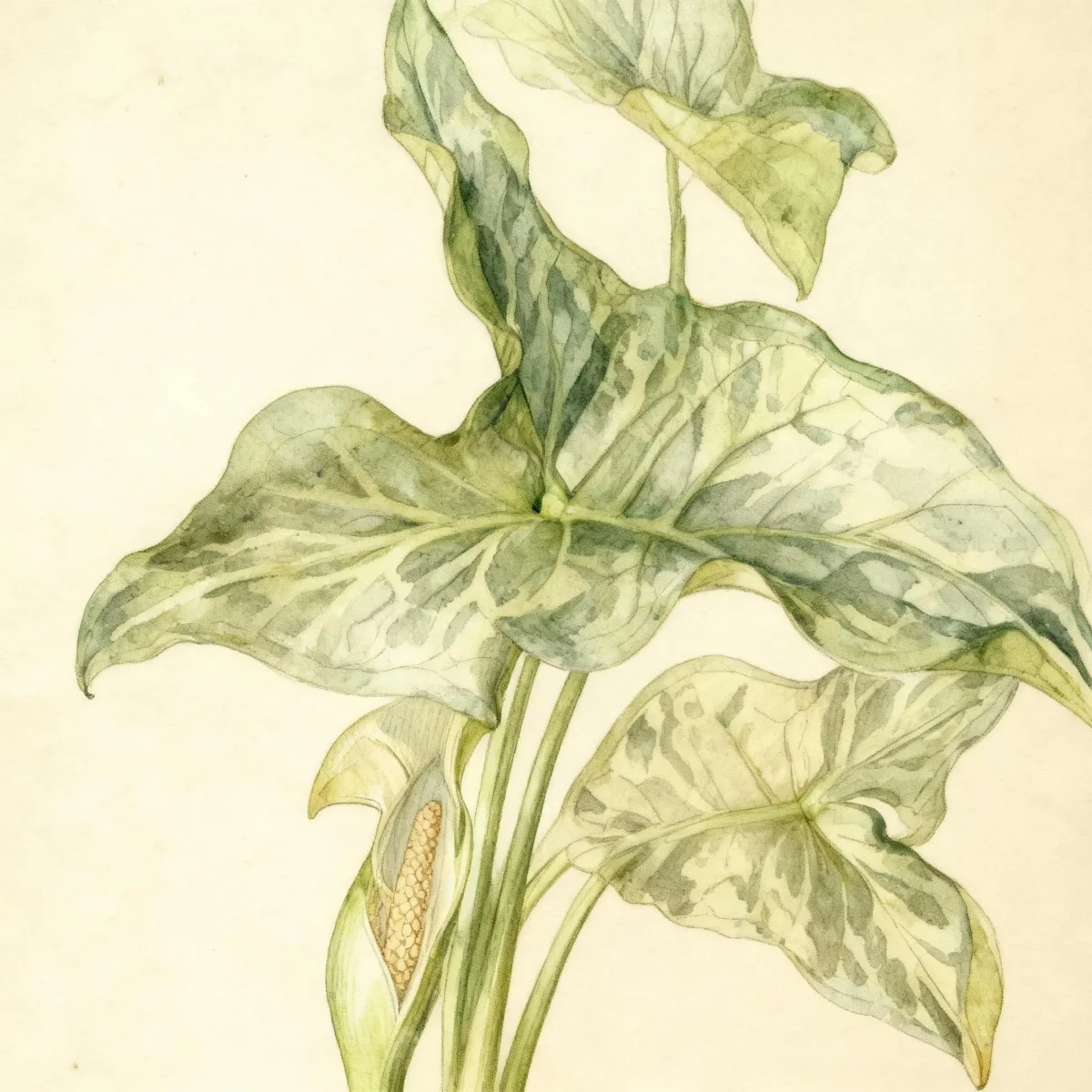
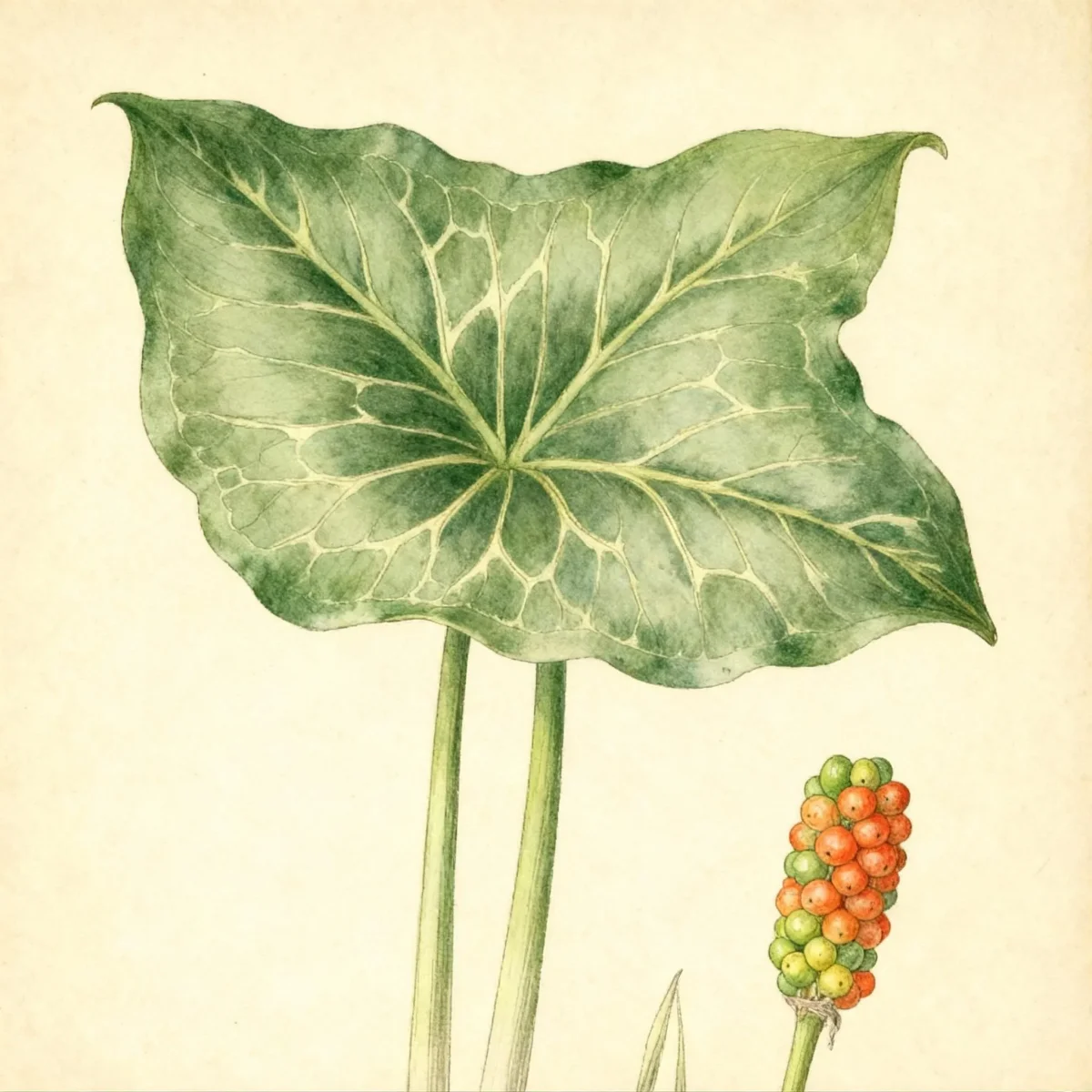
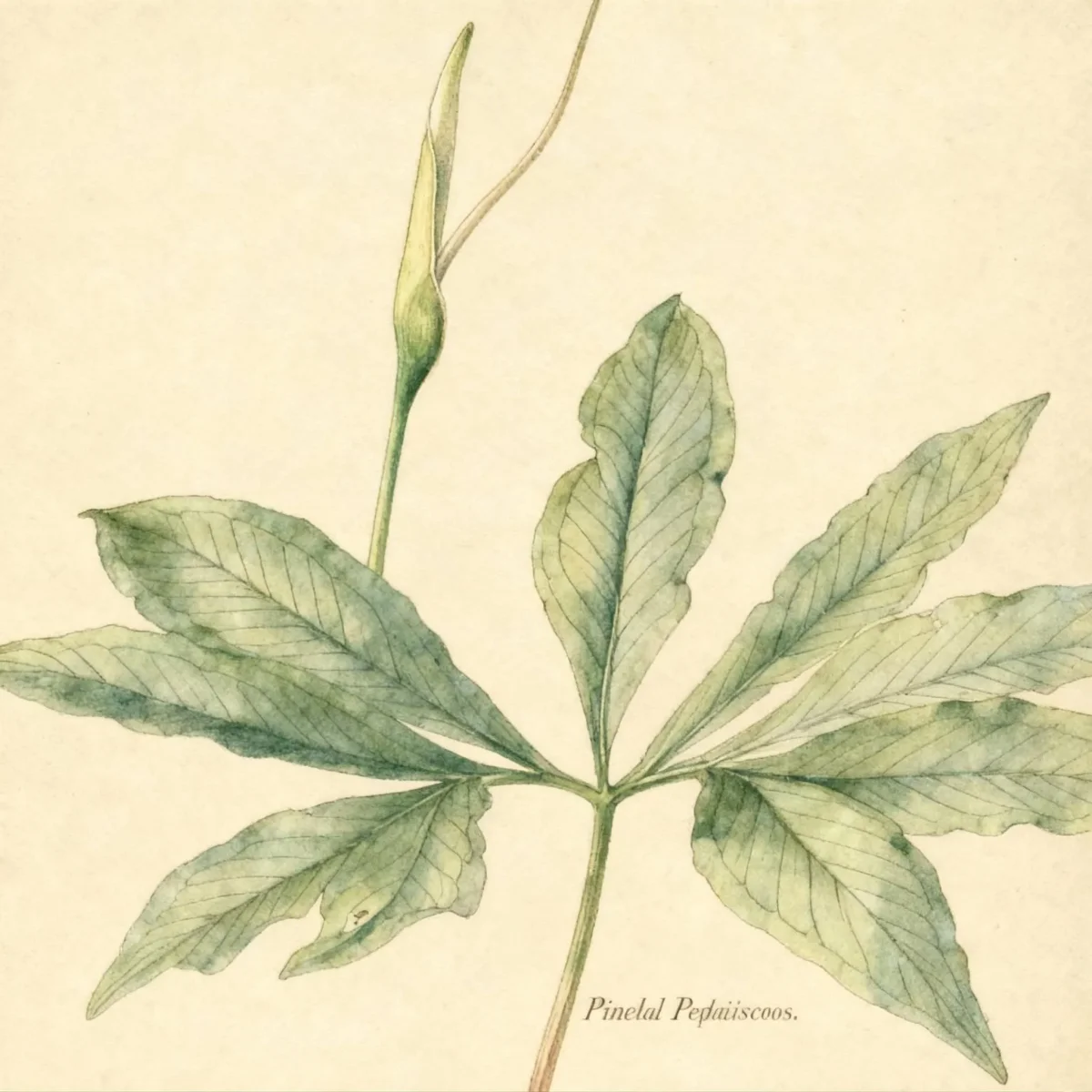
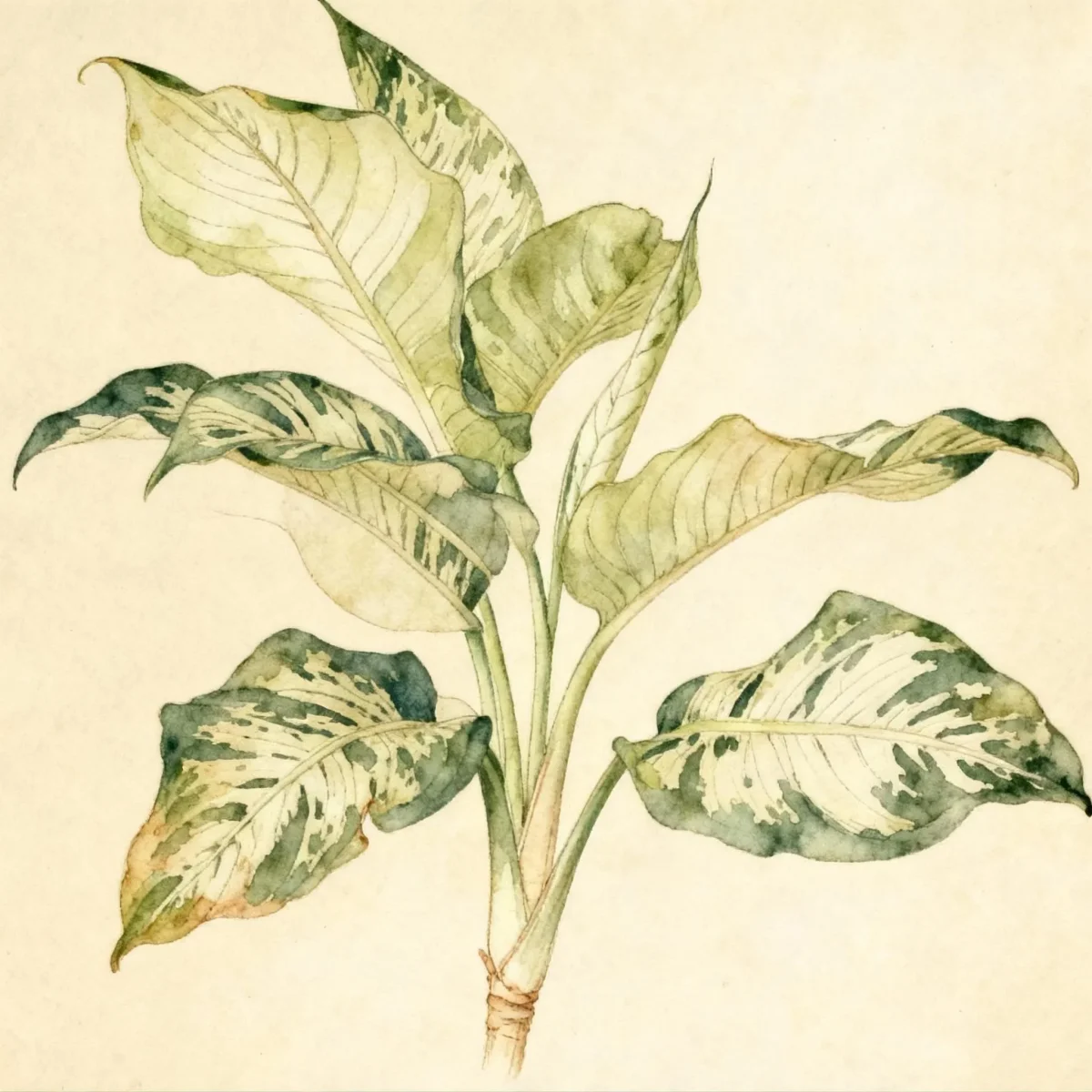
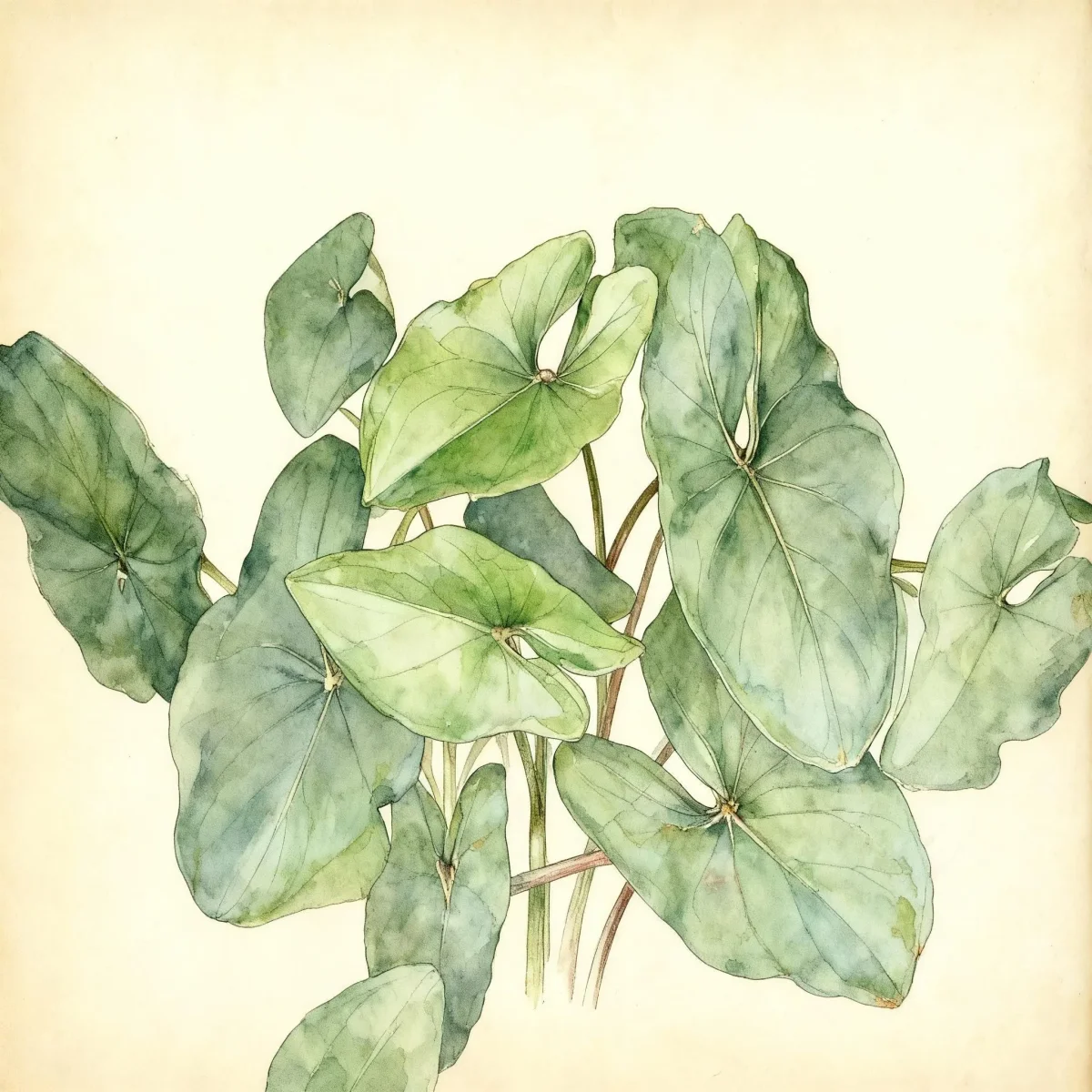
Water arum (Calla palustris)
Water arum (Calla palustris) is a unique herbaceous perennial for bog gardens, featuring bright white spathes in summer.
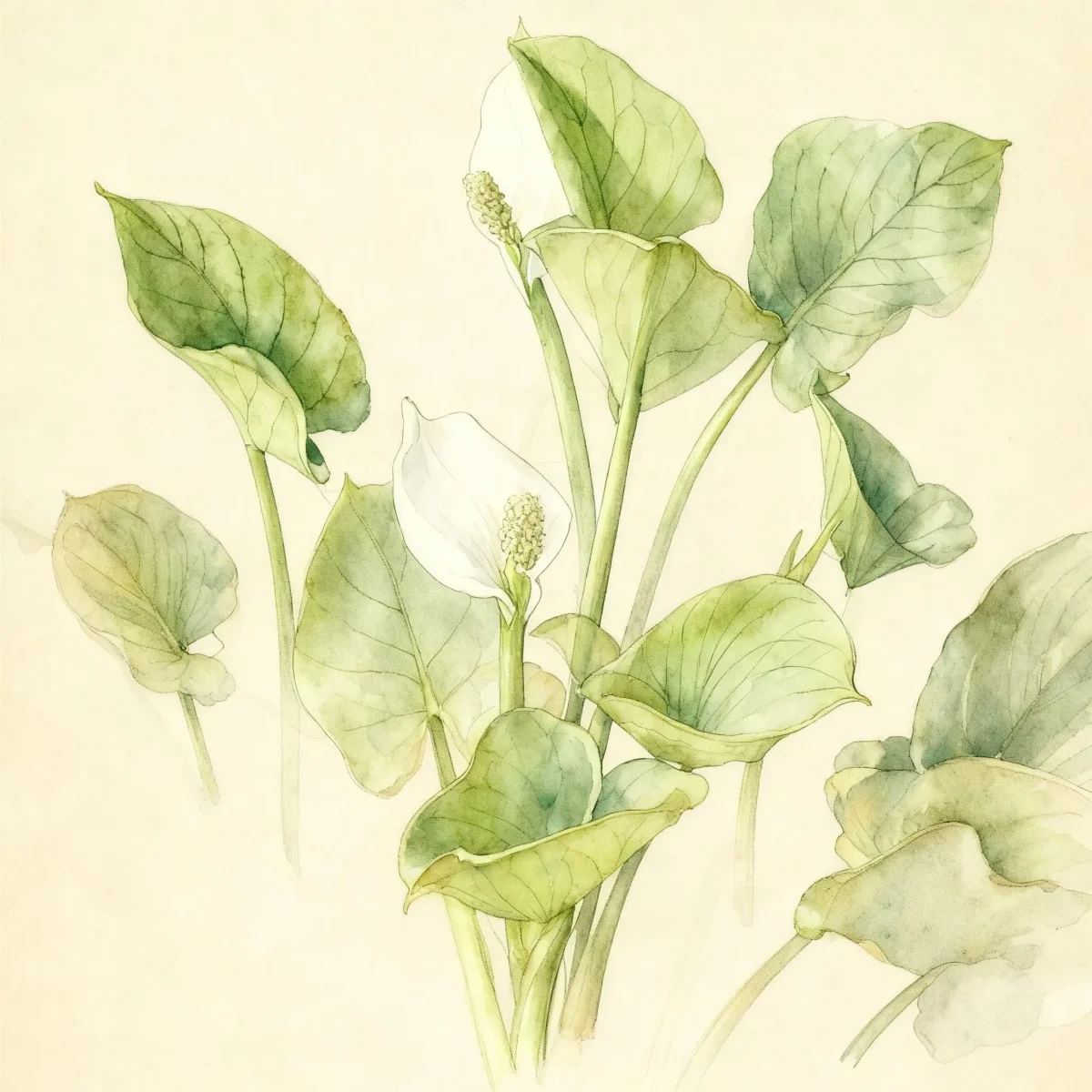

Bloom Boldly, No Matter the Season - Sweatshirt
Cozy organic cotton sweatshirt featuring our exclusive Purple Coneflower design. Perfect for gardeners who bloom year-round.
Inspired by the beautiful Water arum
Limited first batch (50) — join the waitlist for early access
Waitlist closes Feb 15, 2026.
Complete Plant Information
Field Guide Continues
Ready for care notes, companion picks, and planting tips?
The map is just the start. The full guide below covers growth habits, seasonal performance, and landscape uses.
Overview
Water arum, scientifically known as Calla palustris, is a captivating herbaceous perennial perfectly suited for aquatic and wetland environments. Its charm lies in the classic, pure white spathe that elegantly encircles a yellow-green spadix, providing striking contrast in shady, moist locations. As a native of northern bogs and marshes across temperate regions, Calla palustris brings naturalistic beauty to designed water gardens.
This plant maintains a modest stature, generally reaching only one foot tall, making it ideal for the edges of ponds or water features where it can grow happily with its creeping rhizomes anchored in mud. Although it needs consistent moisture, it is quite adaptable, tolerating part shade to nearly full shade, provided its root zone remains perpetually wet.
Gardeners prize the water arum for its ability to thrive where few other ornamentals can, establishing lush foliage and unique flowers in boggy areas. Recognizing the specific needs of Calla palustris ensures decades of enjoyment, offering both aesthetic appeal and functional utility in rain gardens and marginal plantings.
Fast Facts
- Plant Family: Araceae
- Plant Type: Herbaceous perennial
- Native Range: Temperate regions
- Hardiness Zones: USDA Zones 2-6
- Size at Maturity:
- Height: 0.5-1 ft
- Spread: 0.5-1 ft
- Bloom Time: June to July
- Bloom Description: White spathe encircles yellow-green spadix
- Sun Exposure: Part shade to full shade
- Water Needs: Medium
- Maintenance Level: Medium
How to Grow
The ideal site for Calla palustris cultivation involves acidic, humus-rich, muddy soil that remains moist to wet throughout the growing season. Plant in the spring, ensuring the shallow creeping rhizomes are established in saturated soil or even shallow standing water, up to two inches over the crown is acceptable, provided the leaves remain above the waterline. While it thrives in brighter conditions, plants tolerate close to full shade, though excessive shade may result in weak stems that lean significantly.
Water arum requires a consistent moisture supply, meeting its medium water needs by situating it permanently in boggy areas or the shallow margins of ponds. Fertilizing is generally unnecessary if the soil is organically rich; too much fertility can sometimes encourage excessive weak growth. Pruning is minimal; simply remove any dead or damaged foliage in early spring before new growth emerges.
Propagation is straightforward, primarily achieved through the division of its shallow creeping rhizomes in early spring or by sowing fresh seed. If you are managing Calla palustris in a cold region (Zone 2), ensure the rhizomes are protected, although its hardiness generally covers most temperate winters when properly sited in wet areas.
Landscape Uses
This water arum excels as an aquatic marginal plant, perfectly framing the edges of ponds or water features where the soil is always saturated. Its compact size, reaching just one foot tall, makes it indispensable for rain gardens, helping to filter runoff while providing structure during wet periods. Because of its native habitat among seepages and marshes, it pairs beautifully with other moisture-loving species.
Consider planting Calla palustris alongside Siberian Iris, Marsh Marigold, or various moisture-loving ferns to create a textured, shaded waterside scene. Its upright growth habit contrasts nicely with creeping groundcovers adapted to wet feet, creating varied visual interest throughout June and July when the flowers appear. Utilize water arum to define the transition zone between dry land and open water in a naturalistic landscape design.
Standout Features
Flower Qualities
- Showy
Fruit Qualities
- Showy
Noteworthy Characteristics
Calla palustris, commonly known as water arum or wild calla, is native to bogs, marshes, pond peripheries, slow-moving stream margins, seepages and swamps in Alaska, Canada and the northern U. S. The plant is readily identified by its unique flower structure: a showy, flattened, oval white spathe partially encircling an upright, yellow-green spadix that blooms in June. Following flowering, tiny pear-shaped fruits ripen to a striking bright red, adding late-season visual appeal to this fascinating species.
Tolerances
- Wet Soil
Potential Problems
Gardeners will be pleased to know that Calla palustris experiences virtually no serious insect or disease problems when grown in its preferred wet environment. Maintaining proper soil acidity and consistent saturation is the key management strategy, preventing stress that might invite opportunistic pests. Avoid overly rich, dry soil conditions, as this is the main cultural deviation that stresses the plant.
Frequently Asked Questions
What hardiness zones is Water arum suitable for?
Calla palustris is quite cold-hardy and is suitable for USDA Zones 2 through 6.
How large does Water arum grow?
This herbaceous perennial typically matures to a height between 0.5 and 1 ft, with a similar spread of 0.5 to 1 ft.
What sun exposure does Water arum need?
Water arum performs best in part shade to full shade conditions, thriving where sunlight is diffused, though it can handle brighter spots if kept consistently wet.
When does Water arum bloom?
The primary bloom time for Calla palustris is from June to July, featuring its distinctive white spathe encircling a yellow-green spadix.
Conclusion
The water arum (Calla palustris) is an exceptional choice for gardeners needing reliable, beautiful texture in consistently wet or marginal zones. Its striking white flowers and tolerance for shade make it a foundational element for any successful bog or water garden design. Before planting, confirm that your site can maintain the necessary muddy, wet soil conditions compatible with USDA Zones 2–6 to ensure success with this magnificent bog native.
Companion Planting
When selecting neighbors for Calla palustris, focus on other plants that demand high moisture and thrive in partial shade. Good companions include various moisture-loving ferns, such as the Ostrich Fern (Matteuccia struthiopteris), which offers attractive vertical contrast. Consider low-growing sedges that can handle wet feet, providing a dense green base layer beneath the broad leaves of the water arum, ensuring the entire planting area remains consistently moist and visually unified.
Propagation Tips
Calla palustris is easily propagated in the spring through two primary methods: seed and rhizome division. Division is often the simplest route for expanding existing clumps; gently lift the plant and carefully separate portions of the shallow creeping rhizomes, ensuring each division has healthy leaf nodes attached. Plant these divisions immediately into prepared, humus-rich, muddy soil, keeping them well-watered. Sowing seeds requires patience, as they should be surface-sown in moist conditions immediately after collection for the best germination success.