Green arrow arum(Peltandra virginica)
Peltandra virginica, the Green arrow arum, is a unique aquatic perennial thriving in wet soils from Zones 5-9.
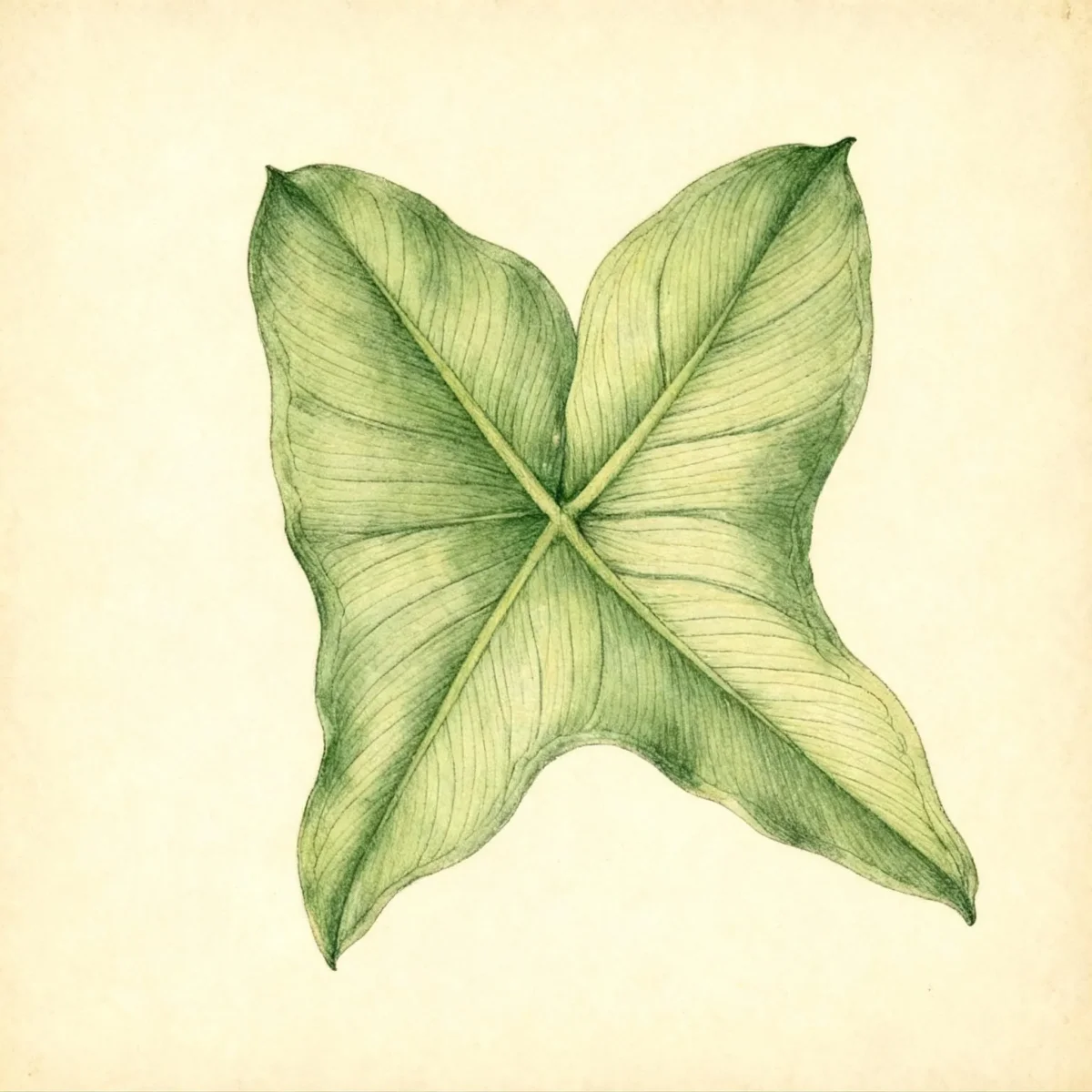
Complete Plant Information
- Hardiness zones
- USDA 5–9
- Plant type
- Herbaceous perennial
- Plant family
- Araceae
- Sun exposure
- Full sun to part shade
- Water needs
- Wet
- Maintenance
- Medium
- Height
- 1.5–2 ft (46–61 cm)
- Spread
- 1.5–2 ft (46–61 cm)
- Bloom time
- April to June
- Flower color
- Greenish-white to greenish-yellow
- Flower qualities
- Showy
- Fruit qualities
- Not recorded
- Tolerances
- Heavy Shade
- Garden uses
- Water Plant, Naturalize, Rain Garden
- Native range
- Canada, Eastern and central North America
Field Guide Continues
Ready for care notes, companion picks, and planting tips?
The map is just the start. The full guide below covers growth habits, seasonal performance, and landscape uses.
Overview
The Green arrow arum, scientifically known as Peltandra virginica, offers striking, arrow-shaped foliage well suited for aquatic and bog landscapes. This herbaceous perennial provides excellent structural interest throughout the growing season, making it a cornerstone for water gardens and rain catchment areas. Its unique habit of thriving in standing water differentiates it from many upland garden plants.
Native to wetlands across Eastern North America, Peltandra virginica is incredibly adaptable once its moisture needs are met. It forms dense clumps from thick, cord-like roots, creating naturalized colonies near ponds, marshes, and ditches. The plant offers subtle, intriguing blooms nestled within a spathe during late spring and early summer.
For gardeners seeking reliable wetland texture, the Green arrow arum is an excellent choice. It requires medium maintenance but provides high visual impact in saturated soil conditions. Consider integrating Peltandra virginica into specialized water features where full sun to partial shade conditions can be maintained.
Fast Facts
- Plant Family: Araceae
- Plant Type: Herbaceous perennial
- Native Range: Canada, Eastern and central North America
- Hardiness Zones: USDA Zones 5-9
- Size at Maturity:
- Height: 1.5-2 ft
- Spread: 1.5-2 ft
- Bloom Time: April to June
- Bloom Description: Greenish-white to greenish-yellow
- Sun Exposure: Full sun to part shade
- Water Needs: Wet
- Maintenance Level: Medium
How to Grow
Planting Peltandra virginica should occur in spring after the danger of hard frost has passed, positioning it directly in rich, consistently wet soils. This species must have wet conditions to thrive; it performs optimally when planted directly into the mud bottom of shallow ponds or water gardens, tolerating standing water up to six inches deep. While it prefers full sun to part shade, this bog arum tolerates full shade, although flowering may be reduced.
Maintenance is generally straightforward for Green arrow arum. Ongoing, ensure the soil remains saturated or standing water is present; supplemental watering is mandatory if grown in boggy garden soil rather than standing water. No detailed fertilizing schedule is typically necessary if grown naturally in rich wetland substrates.
Divide established clumps in spring or propagate via seed, though division is usually easier for gardeners. While Peltandra virginica forms expanding clumps, it is noted for colonizing less aggressively than similar aquatic plants like Sagittaria. In the late fall, remove spent foliage as part of general cleanup routines around the water margin.
Landscape Uses
The recommended uses for Peltandra virginica center heavily around aquatic and wetland design. It functions beautifully as a foliage plant bordering ponds, enhancing the natural look of rain gardens, or providing vertical structure within water features. Its requirement for wet conditions means it pairs perfectly with other moisture-loving marginal plants like larger Irises or Lobelia species.
When grown in large containers or tubs, these pots must be submerged or kept consistently saturated at the soil level to mimic natural bog environments. This allows gardeners without permanent water features to incorporate the glossy, arrowhead leaves of the Green arrow arum into patio designs or deck displays. Growing in well-defined clumps helps maintain an intentional, manicured look even within its naturalizing tendencies.
Standout Features
Flower Qualities
- Showy
Noteworthy Characteristics
Peltandra virginica, commonly called green arrow arum, bog arum or tuckahoe, is an aquatic perennial that is native to wet areas including swamps, bogs, sloughs, marshes, ditches and pond-lake-river margins in the eastern U.S. (Maine to Minnesota south to Florida and Texas). From thick cordlike roots, this plant typically produces clumps of long-stalked, arrowhead shaped, glossy, medium green leaves (to 12” long) on stems rising to 24” tall. Tiny greenish-yellow to greenish-white flowers appear in spring on finger-like spadices enveloped by a pointed, light green spathe.
Tolerances
- Heavy Shade
Potential Problems
Gardeners report no serious insect or disease problems when cultivating Peltandra virginica. The main management concern revolves around ensuring adequate, consistent moisture, as allowing the roots to dry out can stress or kill the plant. In suitable wetland settings, this perennial is rugged and pest-resistant. If planted outside of its required wet niche, longevity and vigor will decrease significantly before pests become an issue.
Frequently Asked Questions
What hardiness zones is Green arrow arum suitable for?
The Green arrow arum, Peltandra virginica, is reliably hardy across USDA Zones 5 through 9.
How large does Green arrow arum grow?
This plant typically reaches a mature height of 1.5 to 2 feet, and spreads to a similar width of 1.5 to 2 feet.
What sun exposure does Green arrow arum need?
Peltandra virginica prefers full sun to part shade, though it is noted to tolerate full shade, where its performance may be reduced.
When does Green arrow arum bloom?
Bloom time is generally from April to June, featuring greenish-white to greenish-yellow flowers.
Conclusion
The striking, glossy foliage of the Green arrow arum makes Peltandra virginica an invaluable accent for any water or bog garden design. Its tolerance for deep moisture makes it a reliable textural element where other plants fail. Always confirm your planting location offers the necessary wet soil conditions before purchasing this exceptional aquatic perennial.
Companion Planting
When designing a bog garden featuring Peltandra virginica, select companions that share the need for continuous wet roots. Good associates include various sedges (Carex species), Caltha (Caltha palustris), and native rushes (Juncus). These plants thrive under similar full sun to part shade conditions and will help create a dense, natural-looking marginal planting around a pond edge or in a dedicated rain garden basin.
Companion planting keeps the overall aesthetic harmonious, focusing on height variation while maintaining uniform moisture needs. Since the Green arrow arum forms clumps, pairing it with spreading groundcovers or taller structural plants helps break up the canopy and prevents any single species from overwhelming the view in the shallows.
Propagation Tips
Propagation of Peltandra virginica is reliably achieved through division or seed. For division, carefully lift clumps in the spring before active growth begins or in the fall after foliage dies back. Gently separate the thick, cord-like roots, ensuring each division has at least one viable bud node attached.
Seeds, which are water-dispersed naturally, can also be sown. Collect the green fruits as they mature and plant them immediately in wet substrate or cold-stratify them over winter before sowing in spring. While division yields instant, mature plants, propagation by seed is an excellent method for increasing stock across a wider wetland area.
Recommended Companion Plants

Common duckweed
Lemna minor
- USDA zones
- 4–10
- Light
- Full sun to part shade
- Water
- Wet
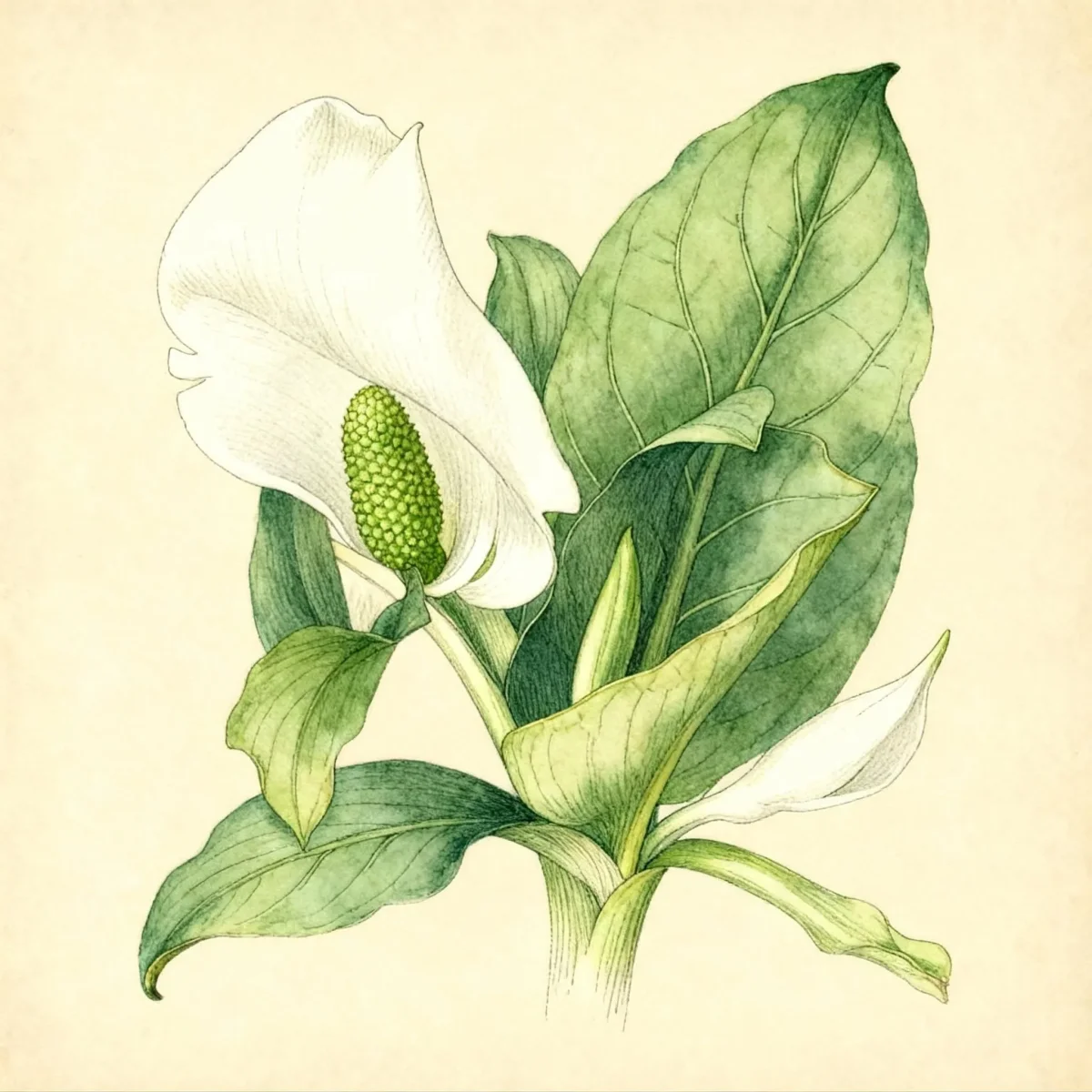
Skunk cabbage
Lysichiton camtschatcensis
- USDA zones
- 5–7
- Light
- Full sun to part shade
- Water
- Medium to wet
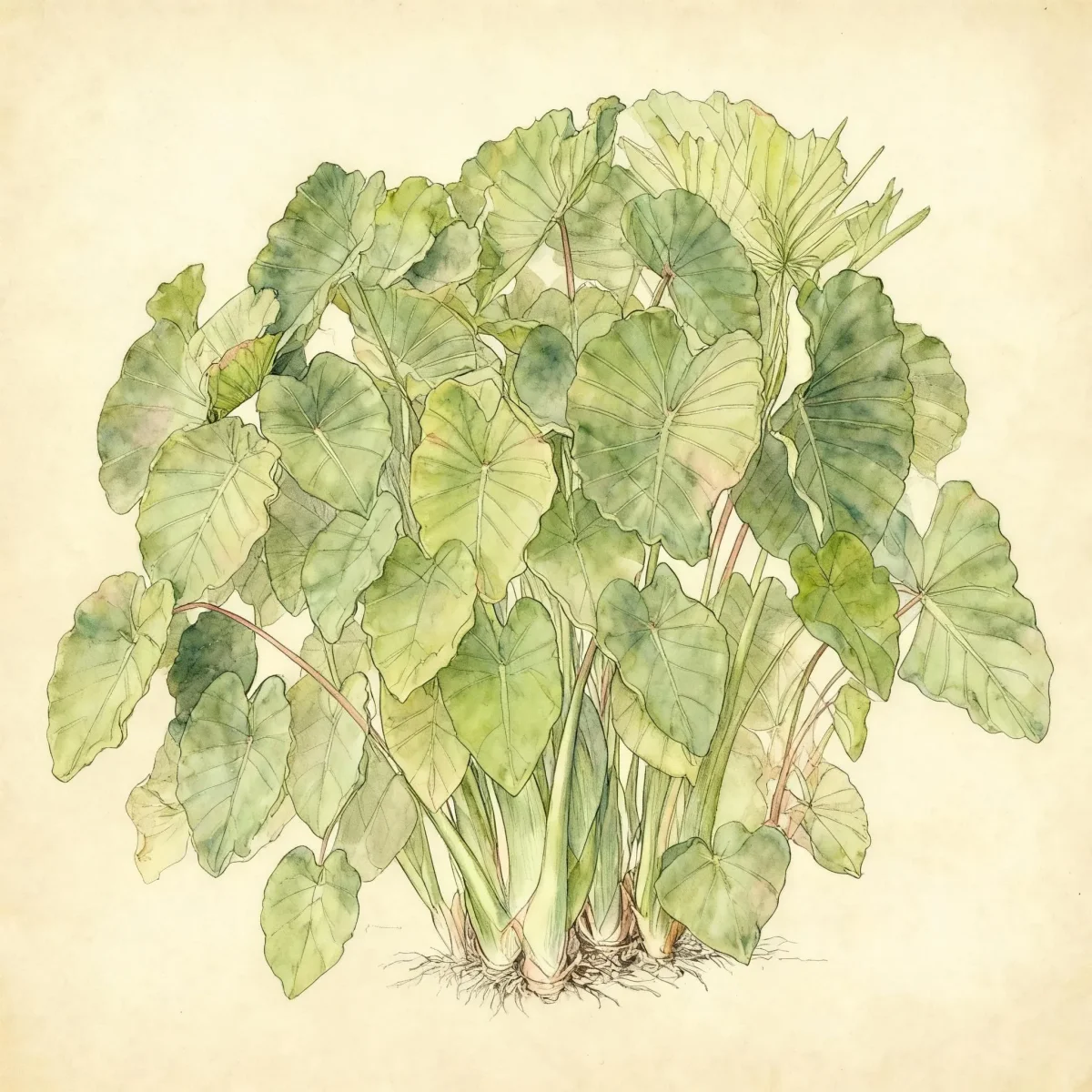
Taro
Colocasia esculenta 'Pink China'
- USDA zones
- 6–10
- Light
- Full sun to part shade
- Water
- Medium to wet
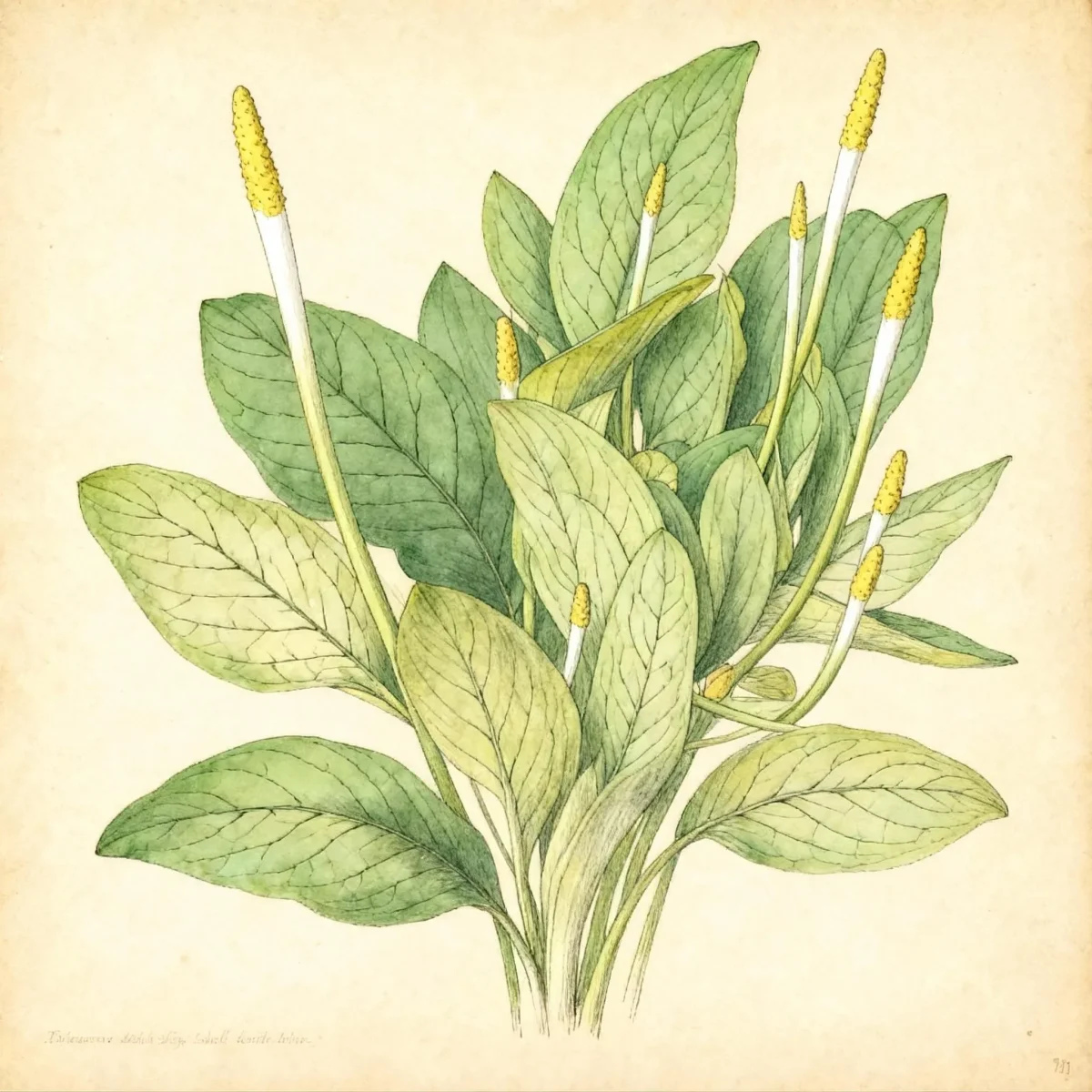
Golden club
Orontium aquaticum
- USDA zones
- 5–10
- Light
- Full sun
- Water
- Wet
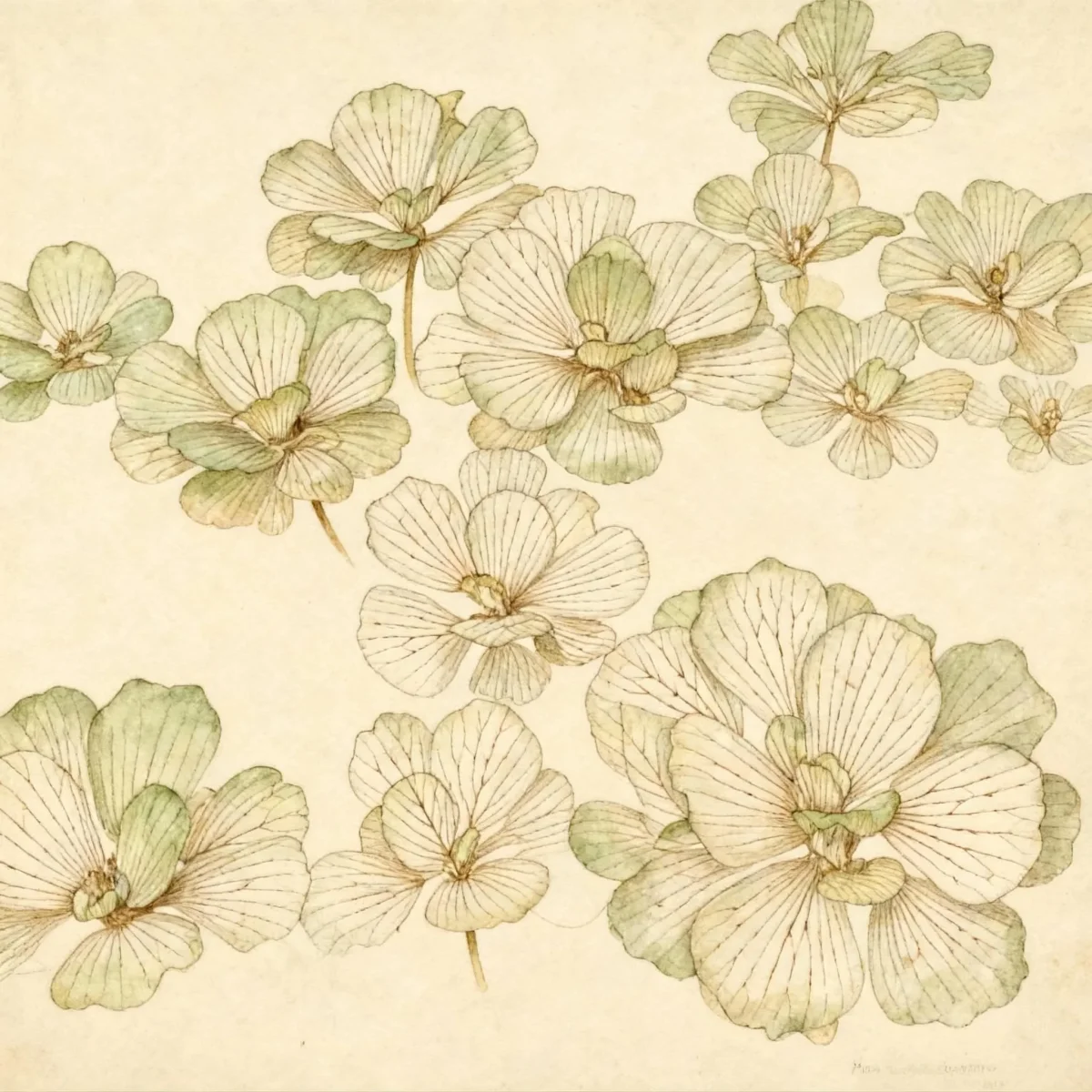
Water lettuce
Pistia stratiotes
- USDA zones
- 8–10
- Light
- Full sun to part shade
- Water
- Wet
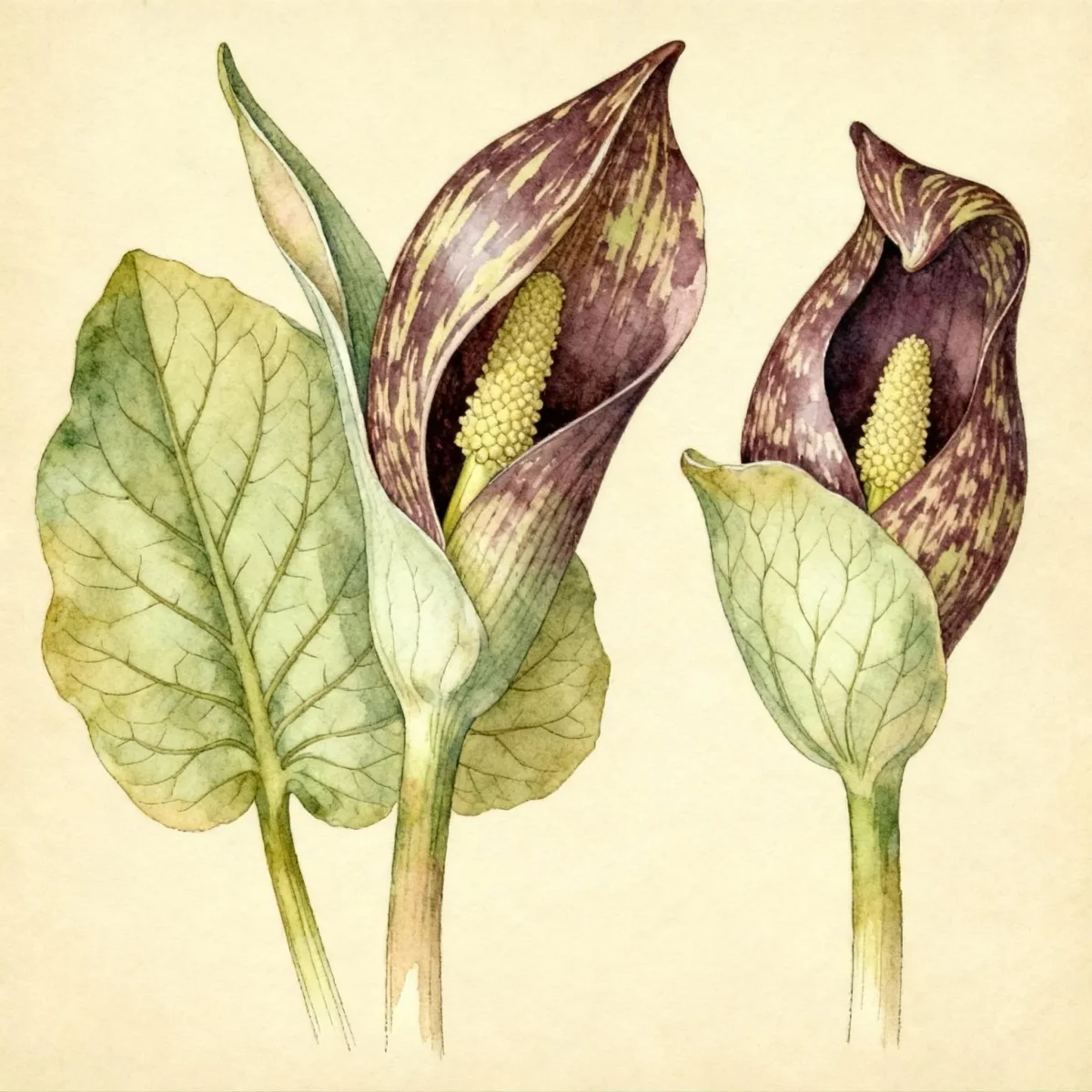
Skunk cabbage
Symplocarpus foetidus
- USDA zones
- 4–7
- Light
- Part shade to full shade
- Water
- Wet
Keep Learning
Test what you know with a garden quiz
You have the plant facts and care notes. Continue with a related challenge, or browse the complete quiz library.

Can You Identify These Common Garden Plants? Test Your Plant Knowledge
Think you know your roses from your peonies? Test your plant identification skills with our comprehensive garden plant quiz featuring 10 challenging questions.
Start quiz
USDA Garden Zone Map Quiz
Use this USDA garden zone map quiz to check whether you can read hardiness zones and choose plants with more confidence.
Start quizBrowse the full quizzes section
Explore plant identification, zone strategy, and seasonal gardening challenges.
View all quizzes