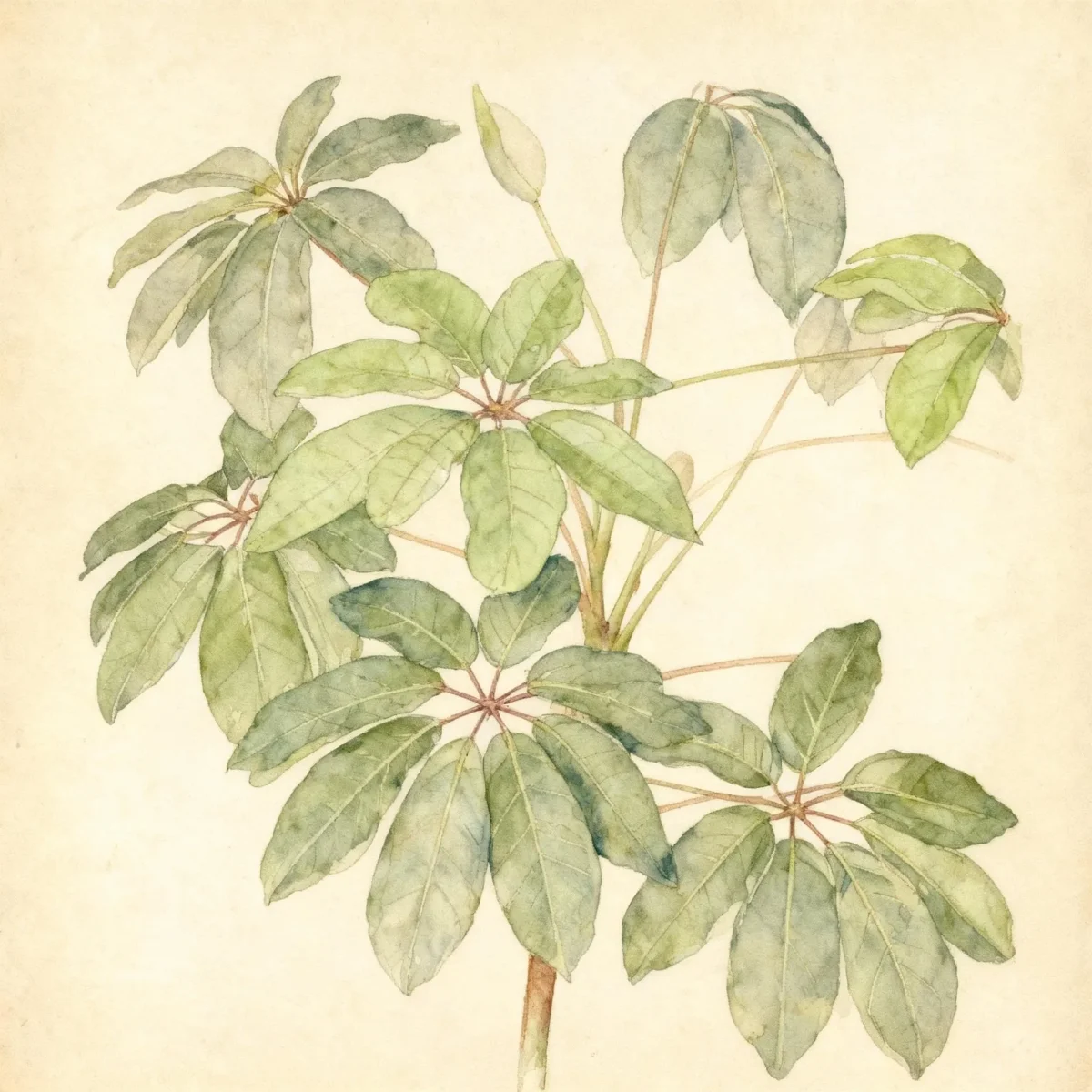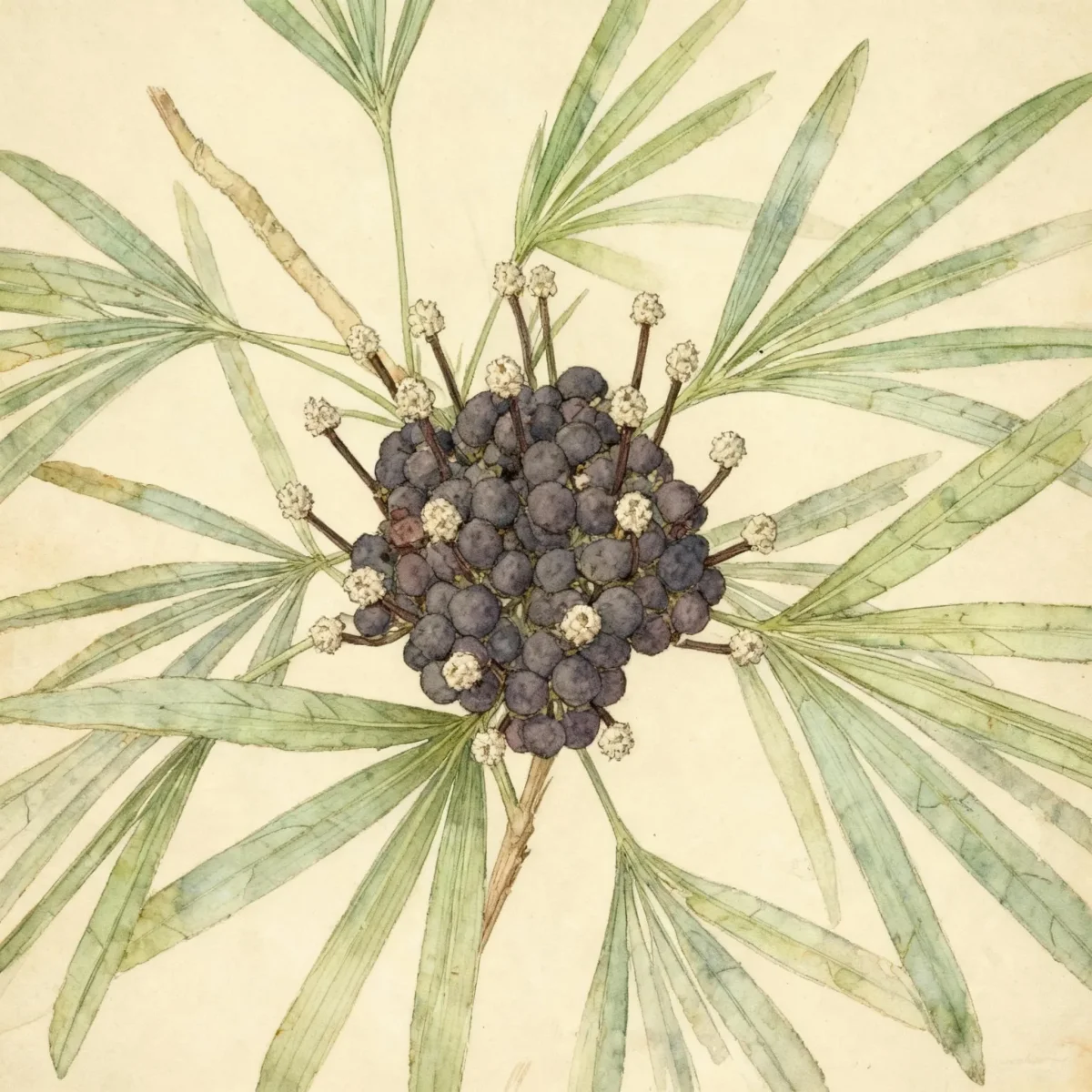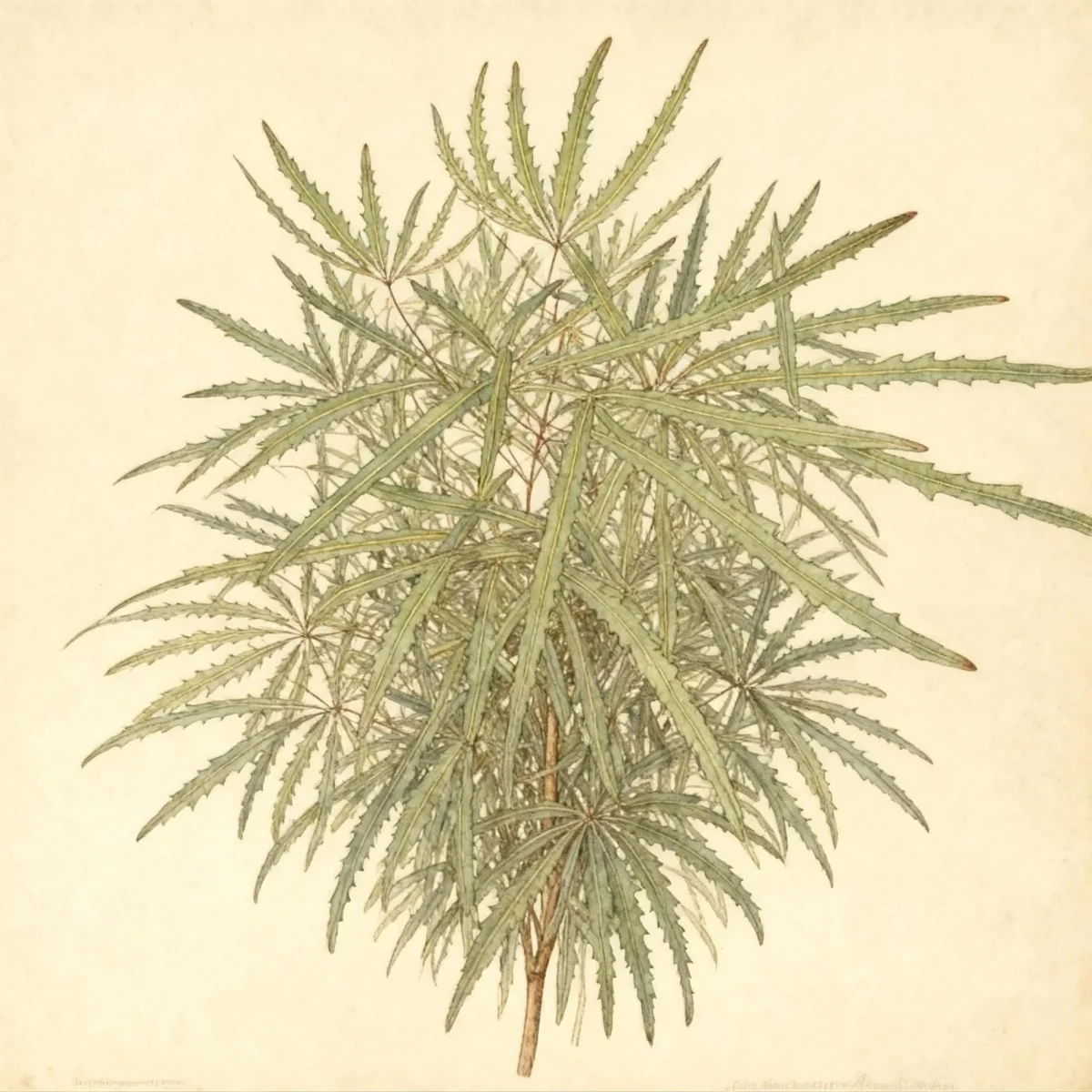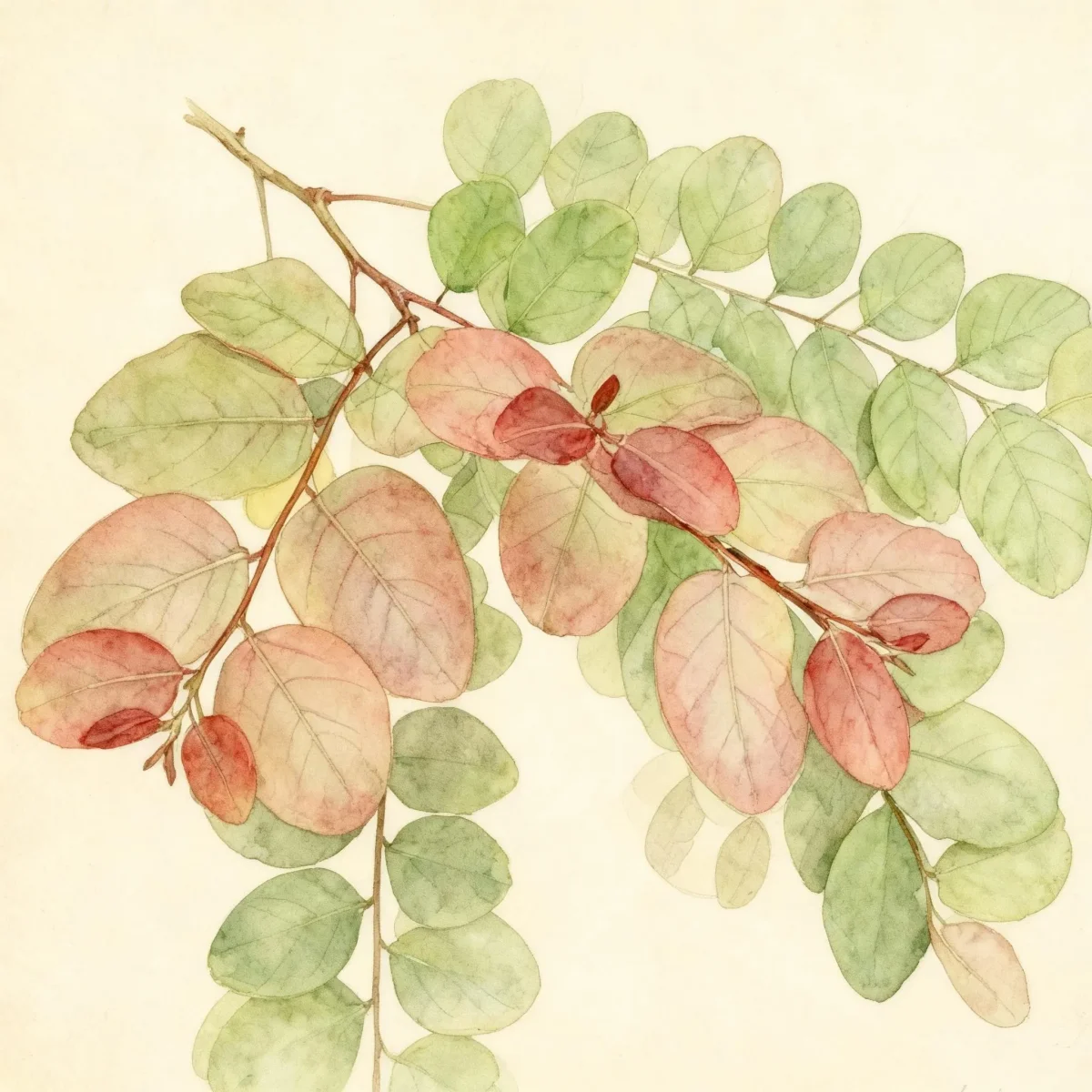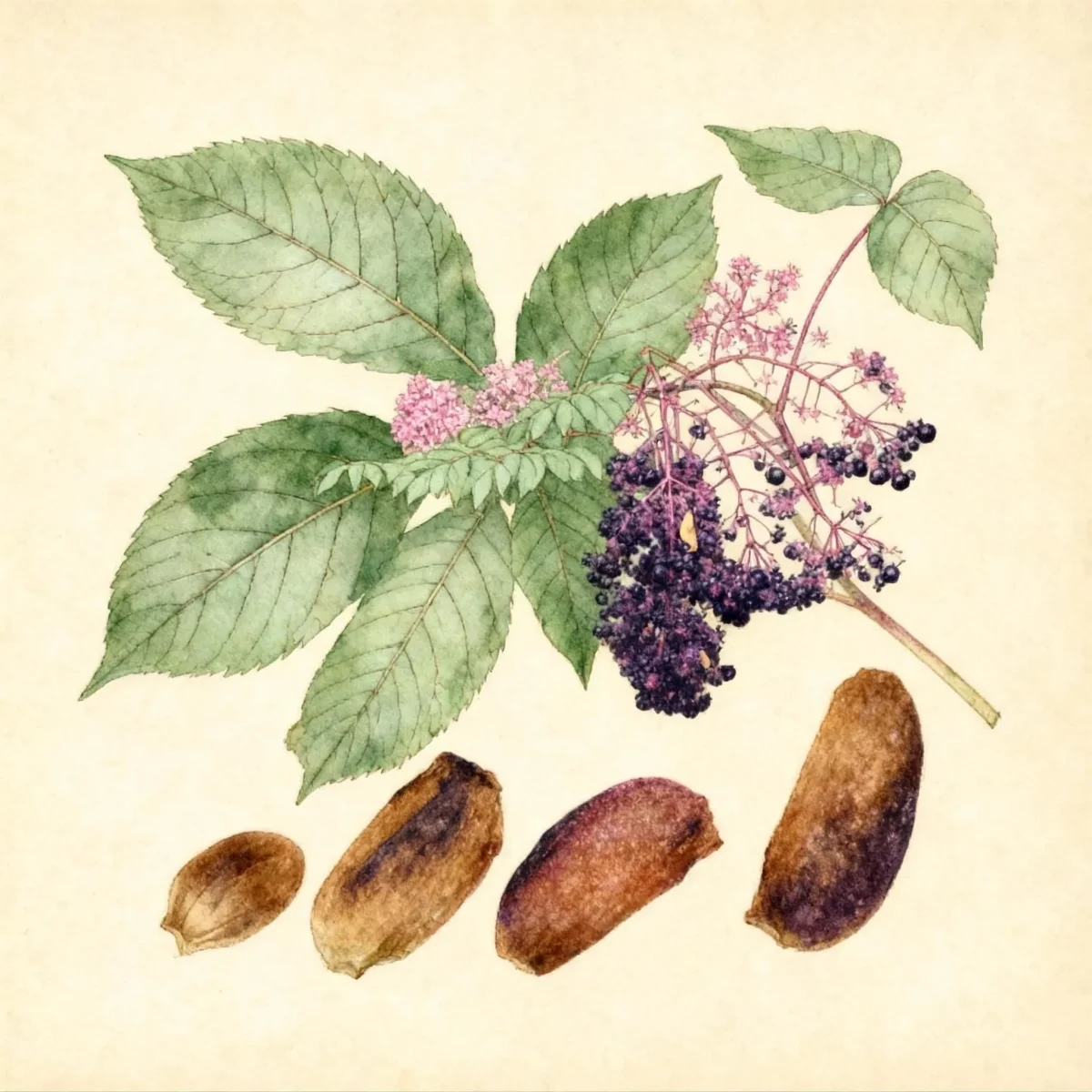

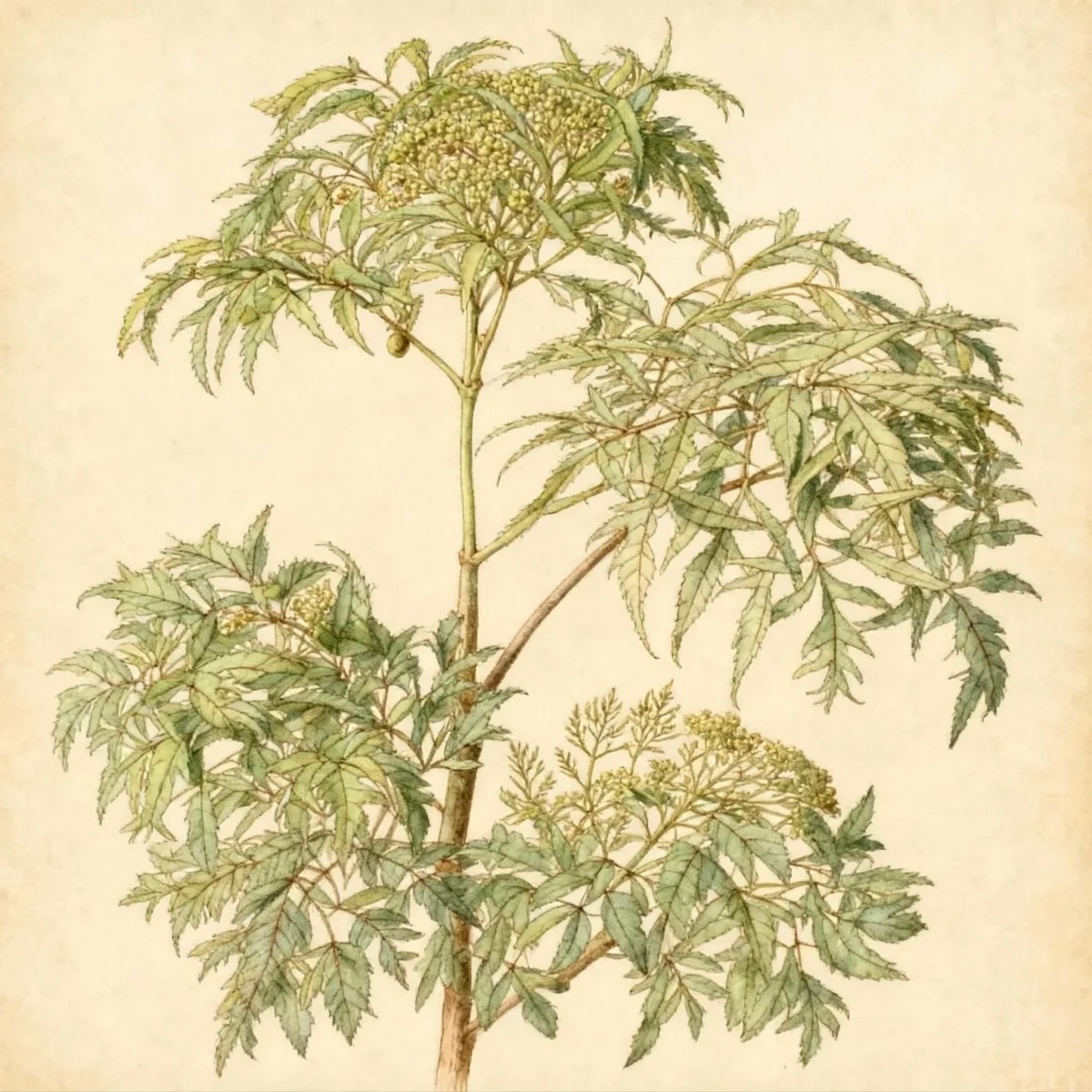
Ming aralia (Polyscias fruticosa)
Discover the Ming aralia (Polyscias fruticosa), an evergreen shrub prized for its handsome, finely-segmented foliage, ideal for tropical accents or bright indoor containers.
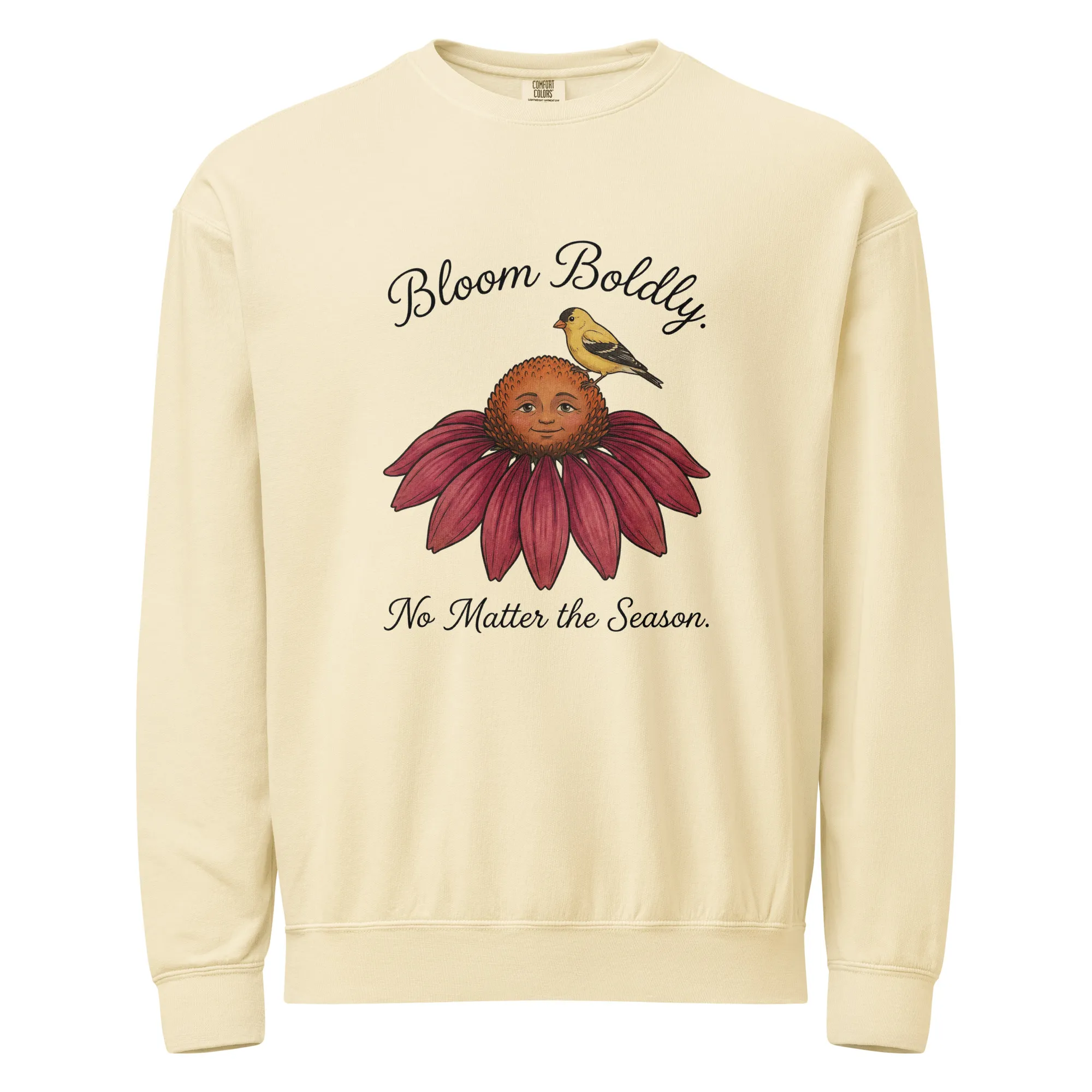
Bloom Boldly, No Matter the Season - Sweatshirt
Cozy organic cotton sweatshirt featuring our exclusive Purple Coneflower design. Perfect for gardeners who bloom year-round.
Inspired by the beautiful Ming aralia
Limited first batch (50) — join the waitlist for early access
Waitlist closes Feb 15, 2026.
Complete Plant Information
Field Guide Continues
Ready for care notes, companion picks, and planting tips?
The map is just the start. The full guide below covers growth habits, seasonal performance, and landscape uses.
Overview
Polyscias fruticosa, widely recognized by its common name, Ming aralia, is a striking tropical evergreen valued for its dense, highly ornamental foliage. This plant offers a vertical, somewhat architectural presence, making it a spectacular choice where frost is not a concern. Its handsome, finely-segmented leaves provide year-round texture wherever it is grown.
For those residing outside of tropical regions, the Ming aralia transitions beautifully into an easy-to-manage houseplant. It provides a touch of the exotic indoors, thriving in bright light conditions when properly cared for. The ease of propagation further adds to its appeal for plant enthusiasts looking to expand their collection.
In its native tropical environments, Polyscias fruticosa can reach significant garden heights, but as an indoor specimen, it remains manageable, demanding only medium moisture and relatively low maintenance. Its enduring popularity stems from its unique leaf structure and its ability to create year-round visual interest.
Fast Facts
- Plant Family: Araliaceae
- Plant Type: Broadleaf evergreen
- Native Range: Tropical Old World
- Hardiness Zones: USDA Zones 11-12
- Size at Maturity:
- Height: 6-8 ft
- Spread: 2-3 ft
- Bloom Time: Seasonal bloomer
- Bloom Description: Pale yellow to white
- Sun Exposure: Full sun to part shade
- Water Needs: Medium
- Maintenance Level: Low
How to Grow
In frost-free climates (USDA Zones 11-12), plant the Ming aralia where it receives full sun to part shade exposure. Optimal growth occurs in rich, well-drained loams that maintain medium moisture levels and slightly acidic conditions. When establishing specimens outdoors, ensure the location provides protection from overly harsh winds that could damage the foliage.
For temperate regions where Polyscias fruticosa is grown indoors, soil drainage is the primary concern for container success. Plants thrive best in peaty, sandy, soil-based potting mixes that maximize water exit. Containers should be positioned receiving part filtered sun or bright light, ideally avoiding intense, direct midday sun indoors; morning sun is generally acceptable.
Water deeply when growing Ming aralia, but always allow the topsoil to nearly dry out before rewatering to prevent overly saturated conditions. These plants appreciate high humidity; misting the foliage regularly or placing containers on trays filled with wet pebbles can help maintain ideal atmospheric moisture levels. Keep indoor temperatures above 60°F. Tip prune consistently to promote the dense, bushy structure for which the Ming aralia is named.
Landscape Uses
In tropical or subtropical landscapes (Zones 11-12), Polyscias fruticosa excels as a striking specimen plant, providing vertical accents near entryways or patios. It can also be effectively utilized to form low, formal hedges due to its dense branching habit when properly maintained. For gardeners seeking year-round tropical structure, the Ming aralia is an excellent foundational plant.
When grown indoors, the Polyscias fruticosa functions perfectly as a stand-alone feature plant in large containers, placed in bright rooms or conservatories. Because it prefers consistent, bright light away from drafts, it pairs well with other medium-light loving tropicals such as certain ferns or smaller, shade-tolerant Dracaena varieties in bright indoor settings.
Standout Features
Flower Qualities
- Showy
Noteworthy Characteristics
Polyscias fruticosa, commonly called Ming aralia, is an evergreen shrub that is native to tropical areas from India to Polynesia, but has been introduced into a large number of tropical and subtropical areas around the world. It typically grows vertically to 6-8’ (less frequently to 12’) tall, displaying handsome, finely-segmented, 1-3 pinnate compound leaves. While it produces small pale yellow to white flowers in summer in the tropics, this flowering is rare in cultivation outside of frost-free zones.
Potential Problems
Be vigilant for common houseplant pests, especially when growing Polyscias fruticosa indoors or in dry environments. Watch for infestations of aphids, scale, mealybugs, and whiteflies, which can quickly detract from the foliage appeal. Mites frequently appear when humidity levels drop too low, while root rot is a critical danger if the soil remains overly moist.
Tolerances
Frequently Asked Questions
What hardiness zones is Ming aralia suitable for?
Polyscias fruticosa is winter hardy only in USDA Zones 11 through 12, requiring container culture indoors when temperatures drop below 60°F.
How large does Ming aralia grow?
Outdoors in appropriate climates, the Ming aralia typically attains a height between 6 to 8 feet, with a spread of 2 to 3 feet.
What sun exposure does Ming aralia need?
Outdoors, this plant prefers conditions ranging from full sun to part shade. When grown as an indoor container plant, aim for bright light, avoiding harsh, direct afternoon sun exposure indoors.
When does Ming aralia bloom?
Polyscias fruticosa is classified as a seasonal bloomer, producing small flowers described as pale yellow to white when conditions are optimal, usually during the summer months.
Conclusion
The Ming aralia provides exceptional, textured foliage that enhances both indoor environments and tropical garden designs. As a low-maintenance Broadleaf evergreen, the Polyscias fruticosa offers consistent visual appeal, whether as a patio accent or a vibrant houseplant. Before planting, definitively confirm your local USDA zone compatibility or ensure you have a bright indoor location ready for this handsome tropical shrub.
Propagation Tips
Growing new Ming aralia plants is straightforward, as Polyscias fruticosa readily propagates from stem cuttings. For best success, use semi-hardwood cuttings taken from healthy parent plants. Ensure your cuttings have several nodes and remove any lower foliage before placing them in a well-draining medium.
Maintaining warmth and high humidity around the cuttings significantly speeds up root development. Cuttings root relatively easily, though patience is required as root initiation can take several weeks. This ease of multiplication makes it simple to replace older plants or share this handsome foliage specimen with others.
Companion Planting
When using Ming aralia in indoor container arrangements, pair it with plants that share similar needs for moisture retention and high light levels, such as certain Bromeliads or compact Ficus species. Outdoors in tropical settings, their texture contrasts nicely against broad-leaved foliage plants or low-growing groundcovers that thrive in bright, well-drained soil conditions.
For hedging applications, consider using complementary textures; shorter, fine-leafed tropicals that enjoy similar sun exposure can soften the base of the taller hedges formed by the Polyscias fruticosa. Avoid planting near species that require consistently dry soil, as the medium moisture needs of the Ming aralia may lead to care discrepancies.