Umbrella plant (Schefflera arboricola)
The Umbrella plant, Schefflera arboricola, is a low-maintenance, glossy-leaved evergreen perfect for tropical hedges or indoor display.


Bloom Boldly, No Matter the Season - Sweatshirt
Cozy organic cotton sweatshirt featuring our exclusive Purple Coneflower design. Perfect for gardeners who bloom year-round.
Inspired by the beautiful Umbrella plant
Limited first batch (50) — join the waitlist for early access
Waitlist closes Feb 15, 2026.
Complete Plant Information
Field Guide Continues
Ready for care notes, companion picks, and planting tips?
The map is just the start. The full guide below covers growth habits, seasonal performance, and landscape uses.
Overview
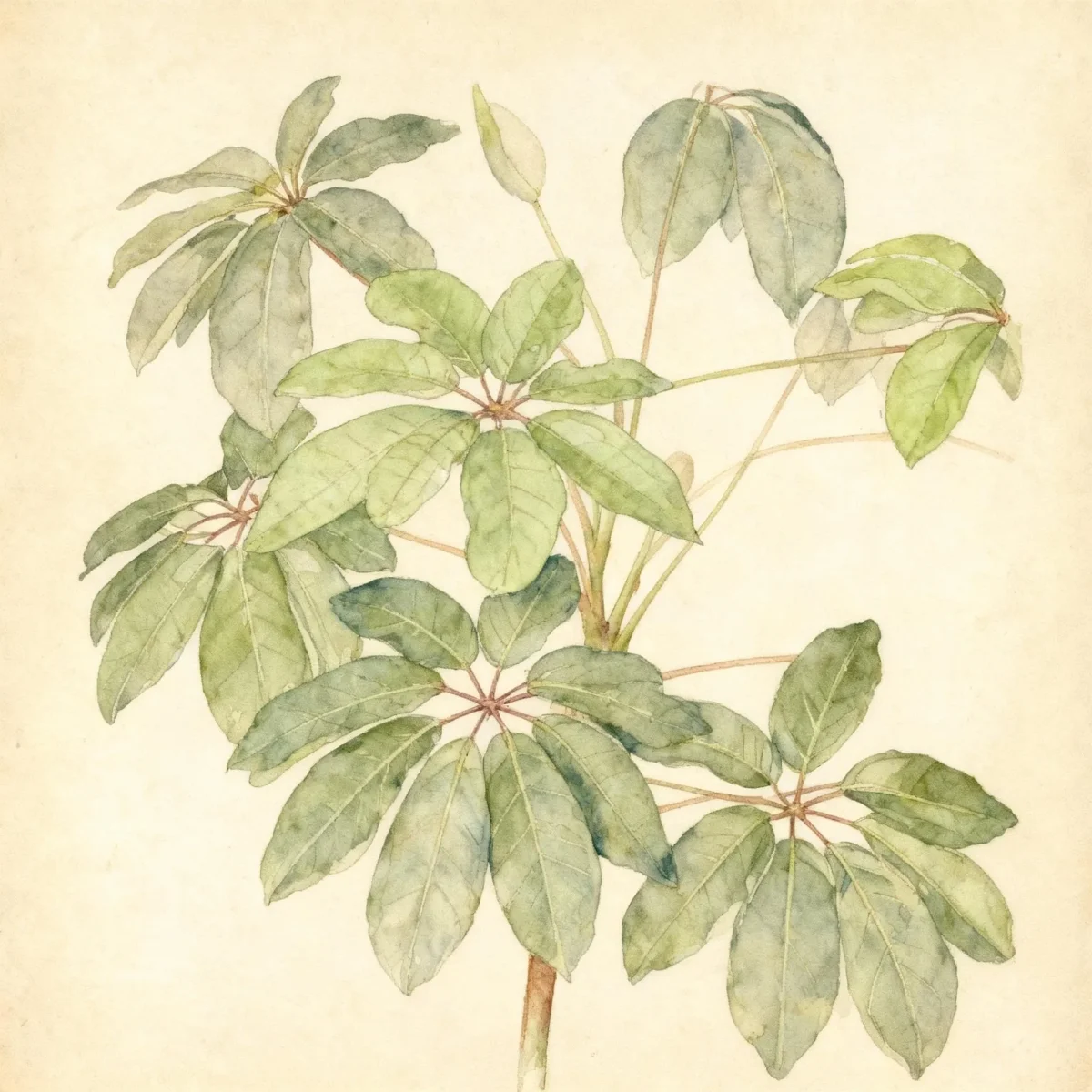
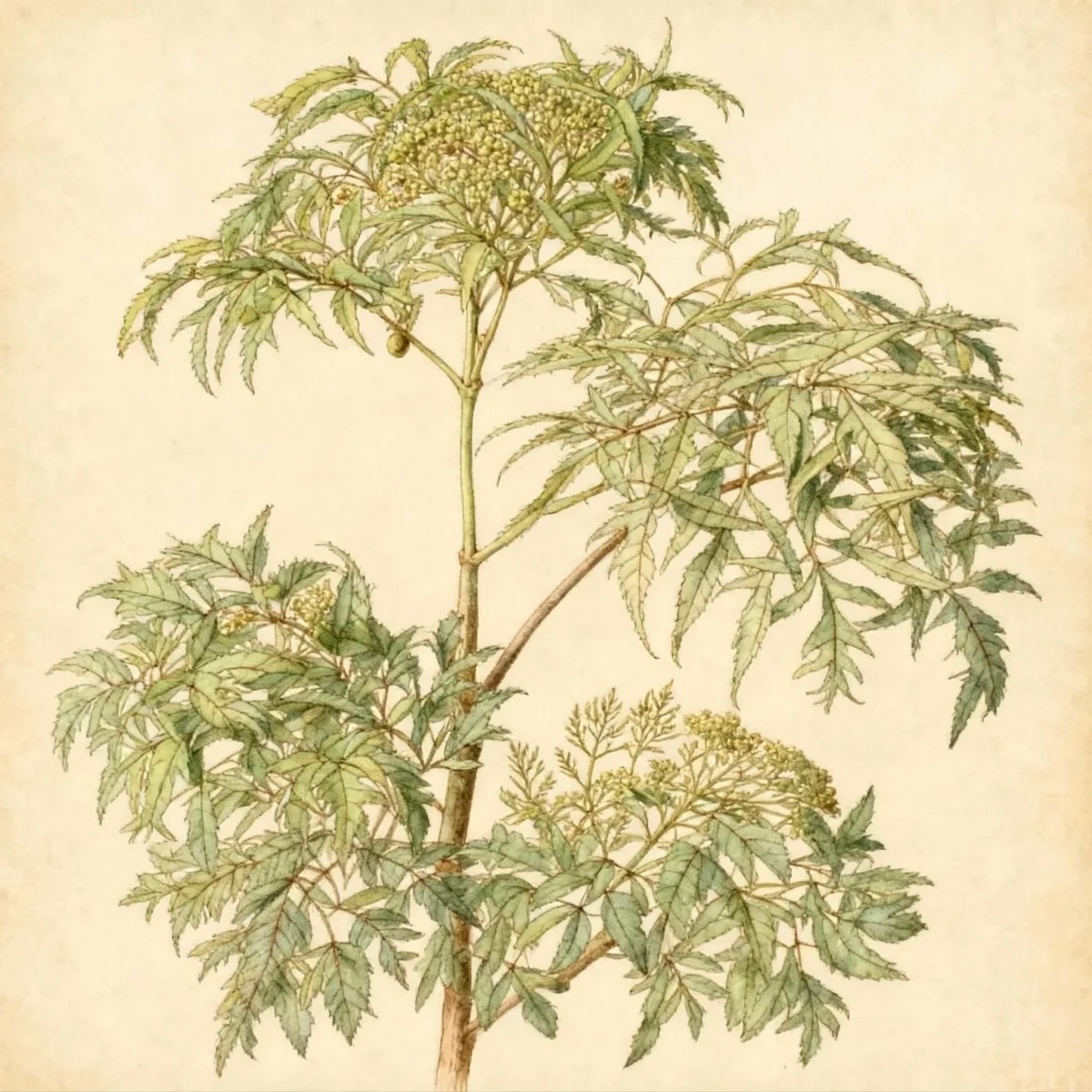
The Schefflera arboricola, commonly known as the Umbrella plant, is prized for its attractive, glossy, compound foliage that radiates outward like an umbrella. This evergreen shrub or small tree is native to tropical regions of Taiwan, offering adaptability as both a landscape specimen outdoors in warm climates and a popular houseplant worldwide. Its low maintenance needs make the Schefflera arboricola an excellent choice for gardeners seeking reliable structure and year-round greenery.
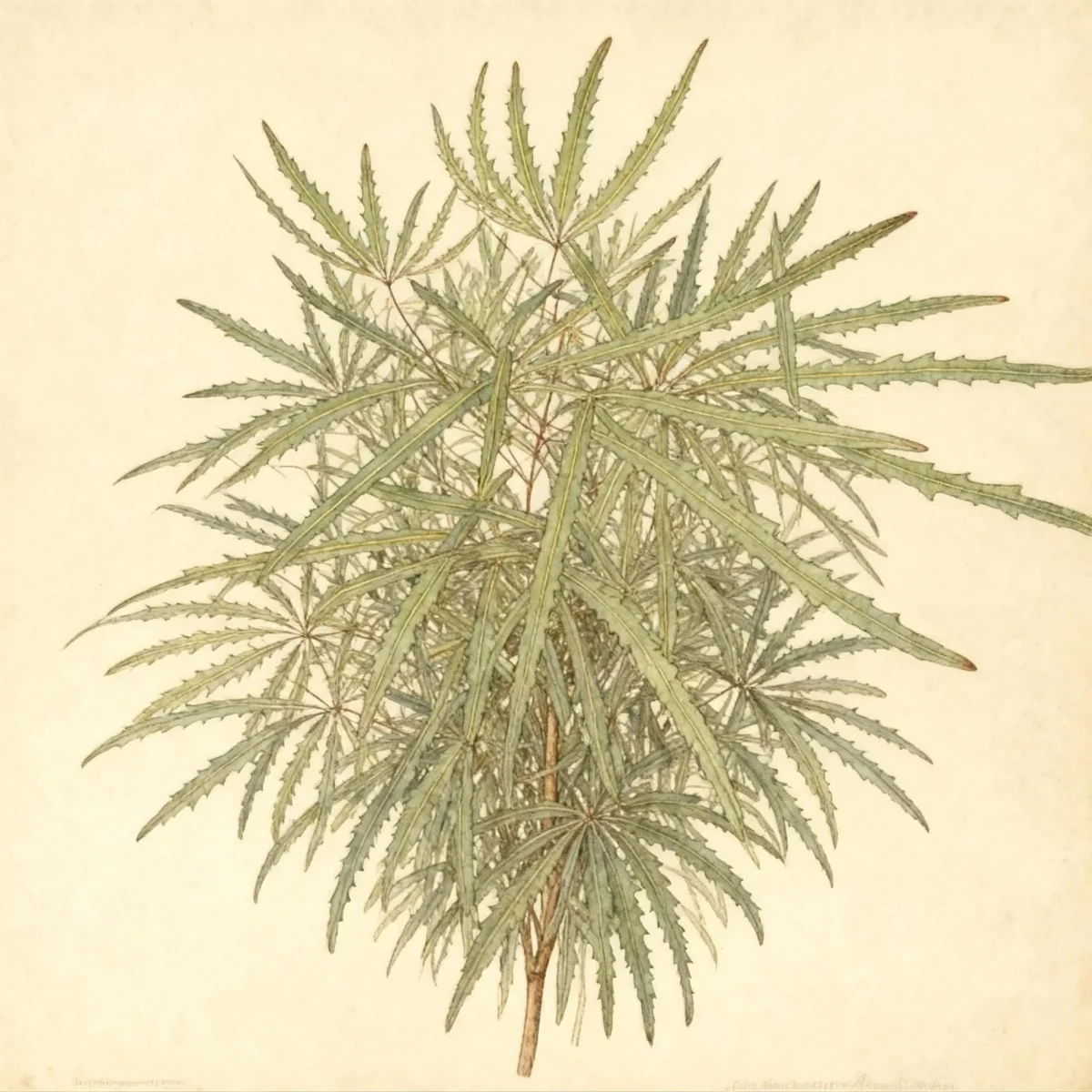
In its native habitat, this plant can reach significant heights, but as an Umbrella plant grown ornamentally, it typically remains manageable, often maintained indoors as a smaller feature. The structure of the palmate leaves, featuring 7 to 9 leaflets, provides a sophisticated texture that brightens shaded areas or fills containers beautifully.
Gardeners appreciate the Umbrella plant for its resilience and ability to thrive with minimal fuss once established in appropriate light conditions. Whether utilized as a dense hedge outdoors or a sculptural accent indoors, the Schefflera arboricola promises enduring tropical appeal.
Fast Facts
- Plant Family: Araliaceae
- Plant Type: Broadleaf evergreen
- Native Range: Taiwan, Hainan Province
- Hardiness Zones: USDA Zones 10-12
- Size at Maturity:
- Height: 10-25 ft
- Spread: 4-8 ft
- Bloom Time: Rarely flowers indoors
- Bloom Description: Red
- Sun Exposure: Full sun to part shade
- Water Needs: Medium
- Maintenance Level: Low
How to Grow
For outdoor planting in USDA Zones 10-12, site Schefflera arboricola where it receives bright part shade. While it can handle full sun, protection from intense afternoon heat is beneficial for maintaining leaf quality. When grown outdoors, ensure the location is sheltered if temperatures might dip near, or below, 60°F, particularly in winter. Plants thrive in containers utilizing a peaty, well-drained soil mix.
Watering should be moderate during the active growing season; aim to water deeply, then allow the soil to nearly dry out before watering again to prevent overly moist conditions, which the roots dislike. Reduce watering frequency noticeably from fall through late winter. Indoor cultivation requires placing the Umbrella plant near east, west, or south windows, utilizing curtain-filtered light for about 3 to 4 hours daily, strictly avoiding harsh direct sunlight.
Maintenance is generally low. Prune as necessary to maintain desired size and shape. Indoor care benefits significantly from higher humidity; mist the foliage regularly or situate the pot on a tray filled with wet pebbles. Wipe down the large leaves periodically with a damp sponge to keep the foliage clean and maximize light absorption for this stunning Umbrella plant.
Landscape Uses
The versatility of Schefflera arboricola allows it to transition seamlessly between tropical landscape applications and interior design. Outdoors in warmer zones, it excels as a foundational planting, performing admirably as a compact hedge due to its dense, upright growth habit. It also serves effectively as a specimen or accent plant where its distinct palmate leaves can be admired up close.
When grown in containers, the Umbrella plant becomes a portable piece of living architecture, ideal for patios or entryways that receive bright, indirect light. In temperate climates, container culture is essential, allowing the plant to be brought indoors during winter months to maintain its evergreen status. This adaptability makes the dwarf schefflera a low-maintenance staple.
Standout Features
Flower Qualities
- Showy
Fruit Qualities
- Showy
Noteworthy Characteristics
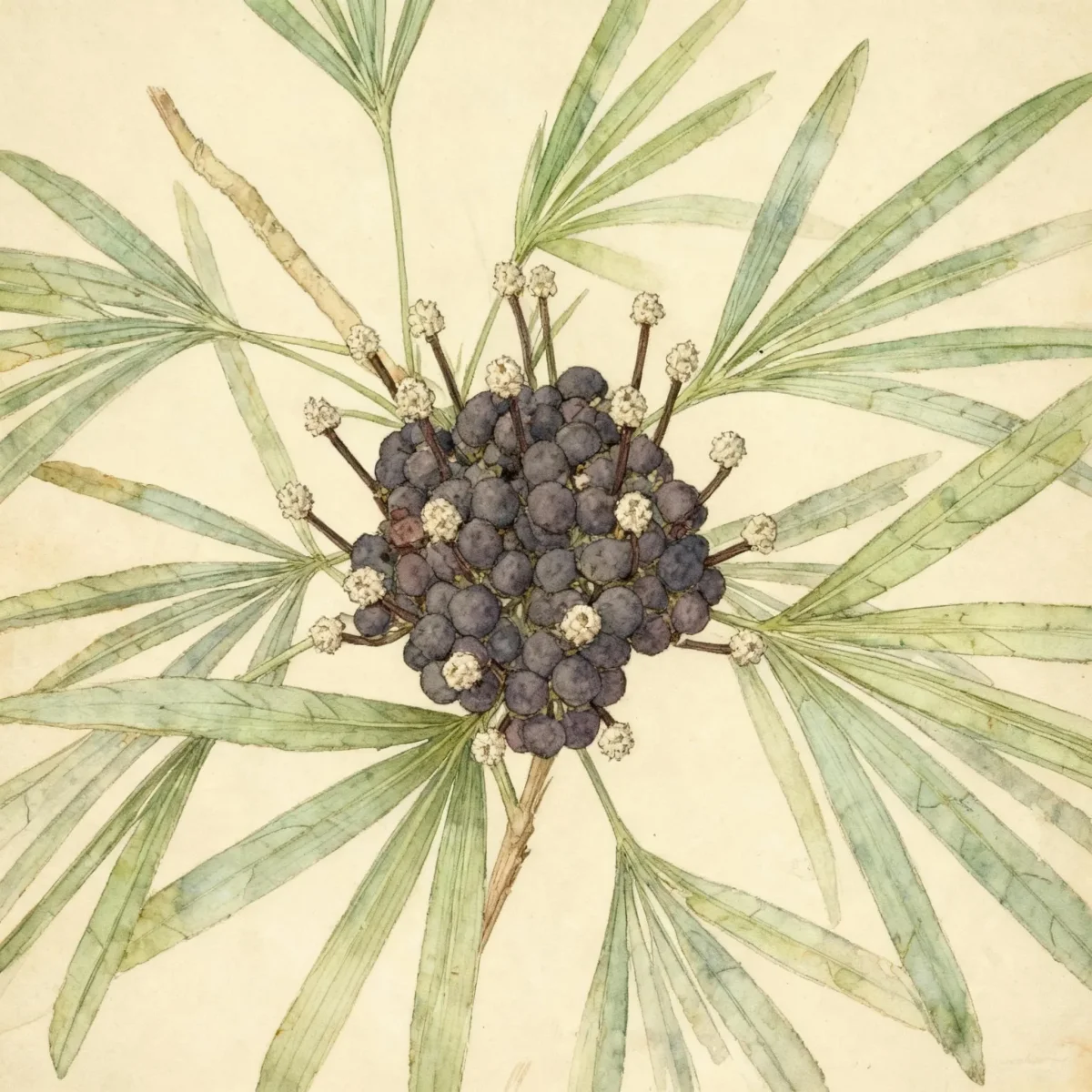
Schefflera arboricola, commonly called umbrella plant or dwarf schefflera, is an evergreen shrub or small tree that grows in tropical climates to 10-25’ tall. It is widely grown in temperate climates as a much smaller ornamental foliage houseplant rising to 3-6’ tall on upright stems clad with glossy, slender-stalked, compound, palmate, evergreen leaves. Tiny red flowers followed by orange-to-black drupes are rare indoors.
Tolerances
Potential Problems
Pests that commonly target Schefflera arboricola include mealybugs, aphids, and thrips. Be diligent in checking the undersides of leaves, especially for spider mites, which frequently appear when indoor conditions become too dry. Cultural stress is a major trigger for health issues; leaves will rapidly drop if the plant experiences underwatering or, more commonly, overwatering leading to soggy soil. Promptly remove any foliage that yellows naturally to maintain the best aesthetic appearance.
Frequently Asked Questions
What hardiness zones is Umbrella plant suitable for?
The Umbrella plant is best suited for outdoor cultivation in USDA Hardiness Zones 10 through 12.
How large does Schefflera arboricola grow?
Outdoors in tropical settings, Schefflera arboricola can reach 10 to 25 feet tall with a spread of 4 to 8 feet; however, indoor specimens remain significantly smaller.
What sun exposure does Umbrella plant need?
The optimal light for this plant is full sun to part shade, but indoor settings benefit most from bright, filtered light, avoiding harsh direct sun exposure.
When does Schefflera arboricola bloom?
This species rarely flowers when grown indoors, but when it does, blooms are noted as tiny red flowers appearing in summer.
Conclusion
The Umbrella plant (Schefflera arboricola) offers fantastic, reliable foliage structure, making it a highly valuable addition to both indoor collections and warm-climate landscapes. Its low maintenance requirements ensure enjoyment without constant fuss, perfect for the busy gardener. Before planting the Schefflera arboricola, confirm that your location falls within USDA Zones 10-12 or plan to treat it as a protective container specimen during winter.
Companion Planting
Selecting suitable companions for Schefflera arboricola should focus on plants that share similar light and moisture preferences. In shaded outdoor beds, pair the Umbrella plant with other tropical or subtropical foliage plants like Philodendrons or ferns, which also appreciate bright, diffused light and well-drained, consistently moist—but never soggy—soil. Grouping plants with similar medium water needs simplifies your irrigation routine.
When using the Umbrella plant as a container feature, consider drought-tolerant, upright companions such as Sansevieria (Snake Plant) for contrast in texture and form, provided the Snake Plant can tolerate the slightly higher humidity preferred by the schefflera. Ensure container companions do not compete aggressively for root space, as root health is paramount for the longevity of your Umbrella plant.
Container Growing Strategies
Container gardening is the most common way many gardeners interact with Schefflera arboricola, especially where frost is a concern. The key to success lies entirely in the soil medium, which must be light, airy, and extremely well-draining, often achieved using a peat-based mix amended with perlite or bark fines. This prevents the root compaction and subsequent drowning that the Umbrella plant strongly dislikes.
Regular repotting is necessary as the plant matures, or alternatively, you can employ root pruning to keep the size manageable within its current pot. When overwintering indoors, ensure the container is placed on a humidity tray to mitigate dry indoor air, which encourages pest issues like spider mites. Proper humidity is crucial for keeping the leaf surfaces of the Schefflera arboricola looking their best.