New Caledonian pine (Araucaria columnaris)
Grow the striking Araucaria columnaris, the New Caledonian pine, for its dramatic narrow, columnar shape in warm climates (Zones 10-11).

Bloom Boldly, No Matter the Season - Sweatshirt
Cozy organic cotton sweatshirt featuring our exclusive Purple Coneflower design. Perfect for gardeners who bloom year-round.
Inspired by the beautiful New Caledonian pine
Limited first batch (50) — join the waitlist for early access
Waitlist closes Feb 15, 2026.
Complete Plant Information
Field Guide Continues
Ready for care notes, companion picks, and planting tips?
The map is just the start. The full guide below covers growth habits, seasonal performance, and landscape uses.
Overview
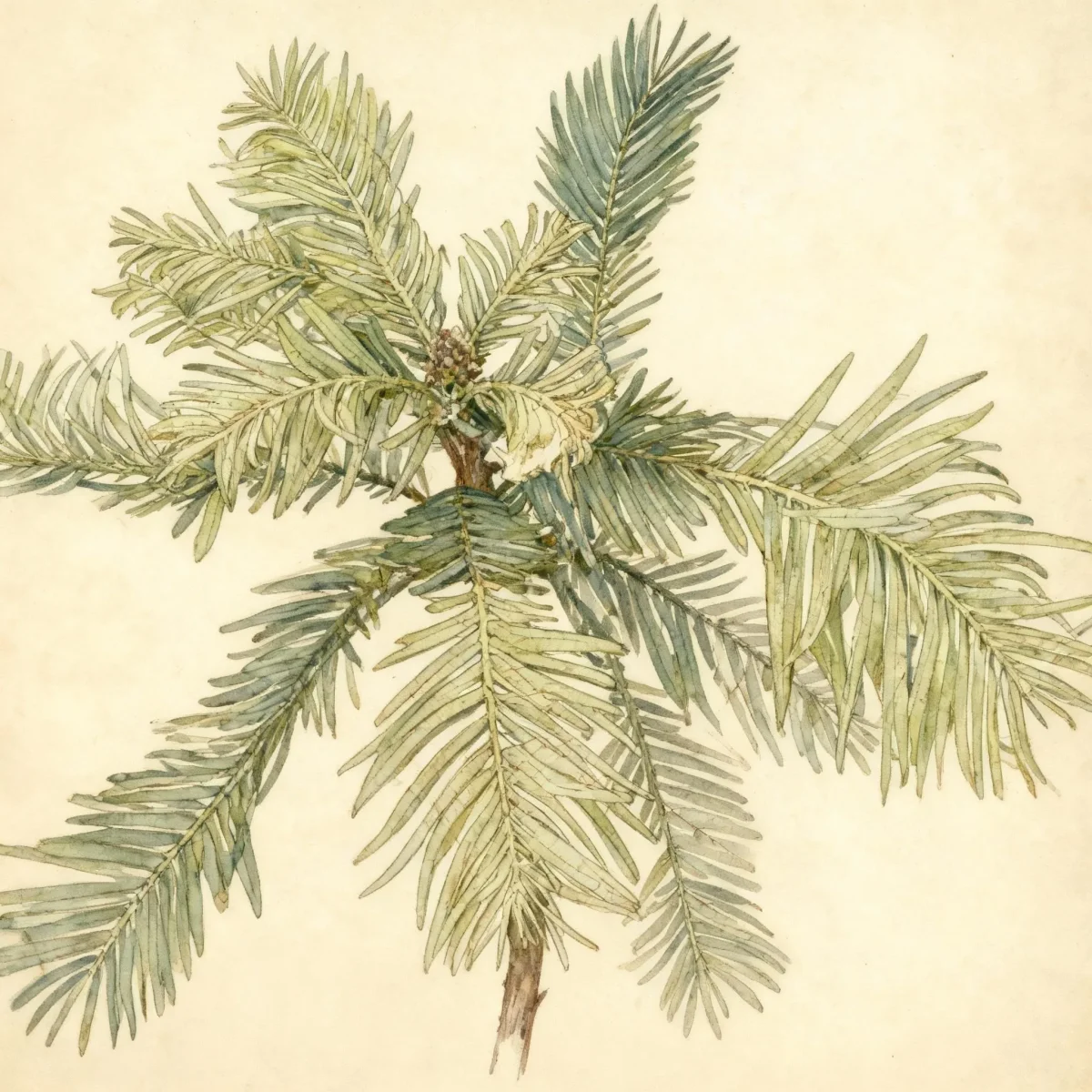
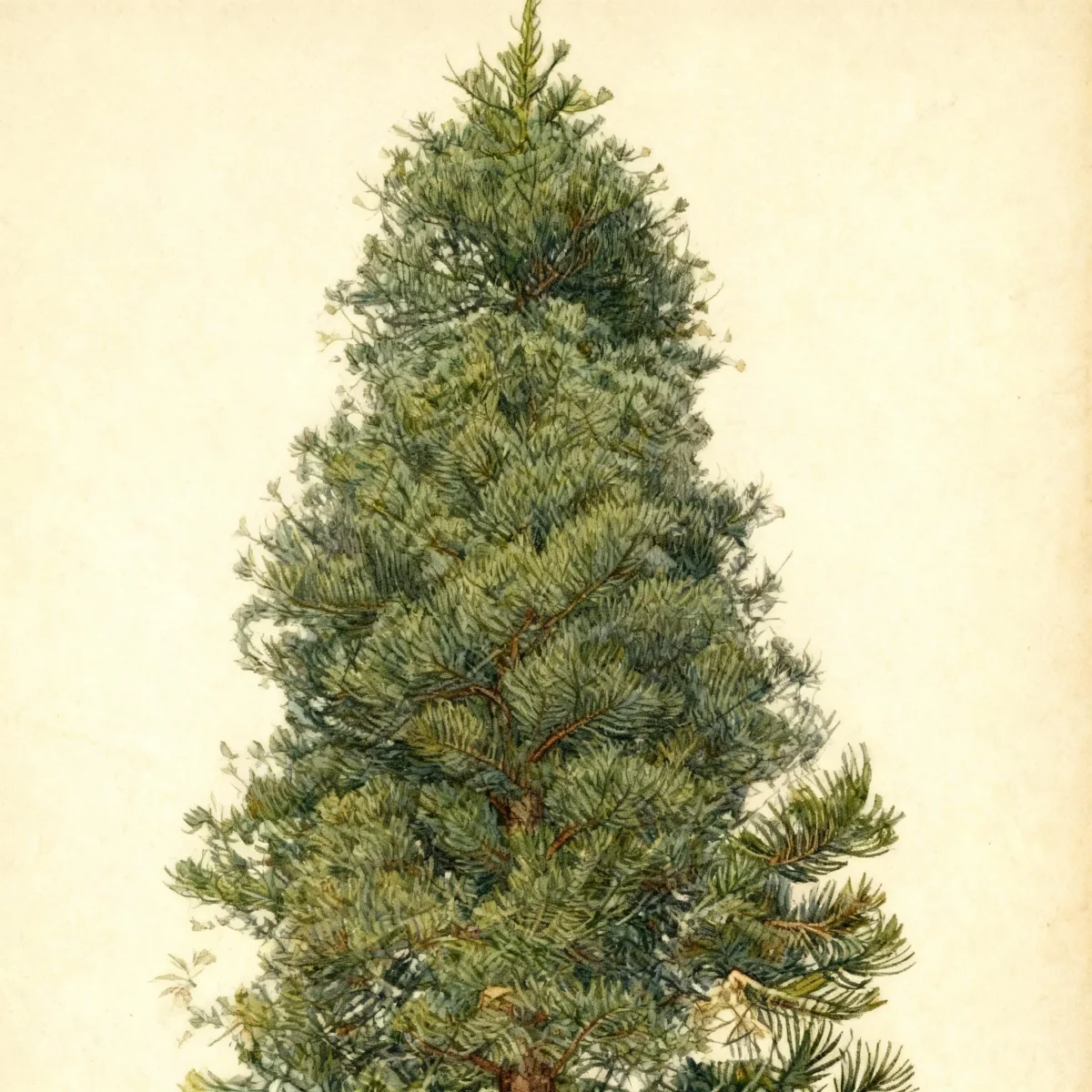
The New Caledonian pine (Araucaria columnaris) is an architectural marvel in the conifer world, immediately recognized by its incredibly narrow, spire-like silhouette. Discovered by Captain Cook, this towering evergreen commands attention in the warm landscapes where it thrives. Its distinctive columnar form makes it a powerful vertical accent in large park settings or as an impressive street tree.
This species requires consistent warmth, being reliably hardy only in USDA Zones 10 and 11 outdoors. When selecting a site for Araucaria columnaris, ensure ample room for its considerable mature height, which can easily exceed 180 feet. While it prefers full sun, its needs for deep, moist, and well-drained soil must be met for optimal growth and structural integrity.
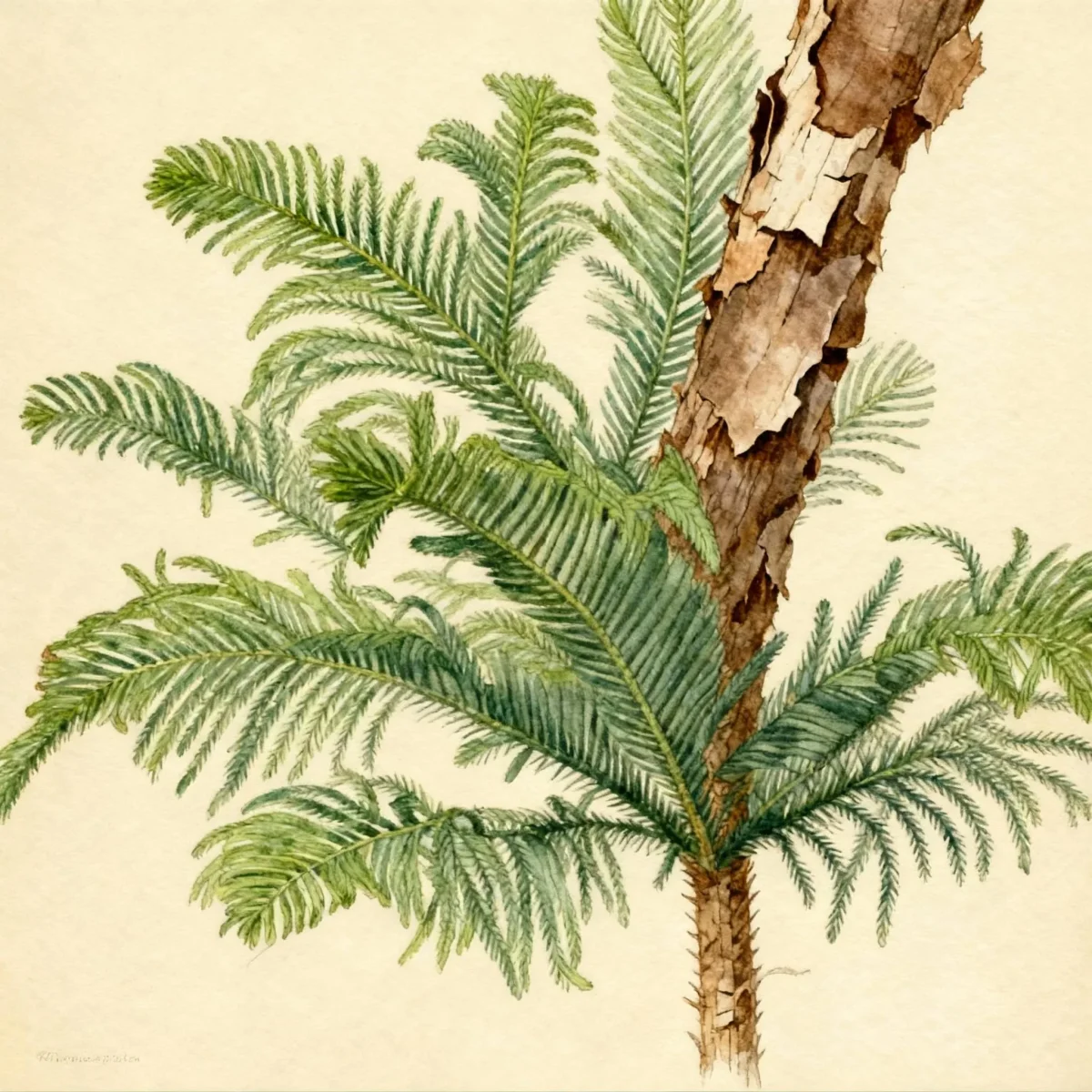
While reaching monumental heights outdoors, the New Caledonian pine can be adapted for container growth in cooler regions, provided winter temperatures remain above 50°F. The bark peels in strips, contrasting with the whorled, short branches that create its signature silhouette, offering excellent year-round visual interest.
Fast Facts
- Plant Family: Araucariaceae
- Plant Type: Needled evergreen
- Native Range: New Caledonia
- Hardiness Zones: USDA Zones 10-11
- Size at Maturity:
- Height: 180-200 ft
- Spread: 30-50 ft
- Bloom Time: Non-flowering
- Bloom Description: Non-flowering
- Sun Exposure: Full sun
- Water Needs: Medium
- Maintenance Level: Medium
How to Grow
For successful outdoor cultivation, plant the Araucaria columnaris in deep, moist, somewhat fertile, and exceptionally well-drained soil. Due to its potential massive size, select a location where its eventual height and spread will not conflict with structures or utility lines. It is crucial to shelter large specimens from strong winds, as the height makes them susceptible to damage.
Consistent moisture is key to maintaining this tree’s health, especially during dry periods. While watering needs are medium, avoid waterlogged conditions entirely, which can lead to root rot. In tubs or containers used for indoor cultivation, use a sandy, peaty, well-drained soil mixture.
When grown indoors, provide bright sunny conditions, though protection from intense, direct afternoon sun is beneficial to prevent foliage bleaching. Maintain slightly cool indoor temperatures and ensure watering is consistent throughout the growing season, reducing the amount slightly in winter, but never allowing the soil to dry out severely. Crucially, indoor temperatures should not drop below 50°F.
Pruning is generally minimal for established outdoor trees, focusing only on removing any dead or damaged lower branches as needed. Focus maintenance efforts on ensuring proper soil drainage and watching for common pests when kept as houseplants.
Landscape Uses
In their ideal tropical and subtropical climates, the New Caledonian pine excels as a magnificent specimen tree. Its strong vertical emphasis breaks up horizontal sightlines in large park landscapes, providing immediate drama and scale. Furthermore, its tolerance for urban environments makes the New Caledonian pine an excellent choice for wide, formal avenues as a street tree.
Where winter temperatures dip too low, embracing container gardening allows enthusiasts access to this stunning conifer. Use large, sturdy tubs, and treat the plant as a dramatic focal point on patios or decks during summer months before moving it indoors for winter protection. This allows gardeners to appreciate the architectural grace of Araucaria columnaris year-round.
The young trees, characterized by juvenile foliage, offer a dense, almost formal texture that contrasts well with broadleaf tropical foliage nearby. As the tree matures and sheds its lower limbs, the distinctive, often slightly curved trunk becomes a striking feature against simpler structural plantings.
Standout Features
Noteworthy Characteristics
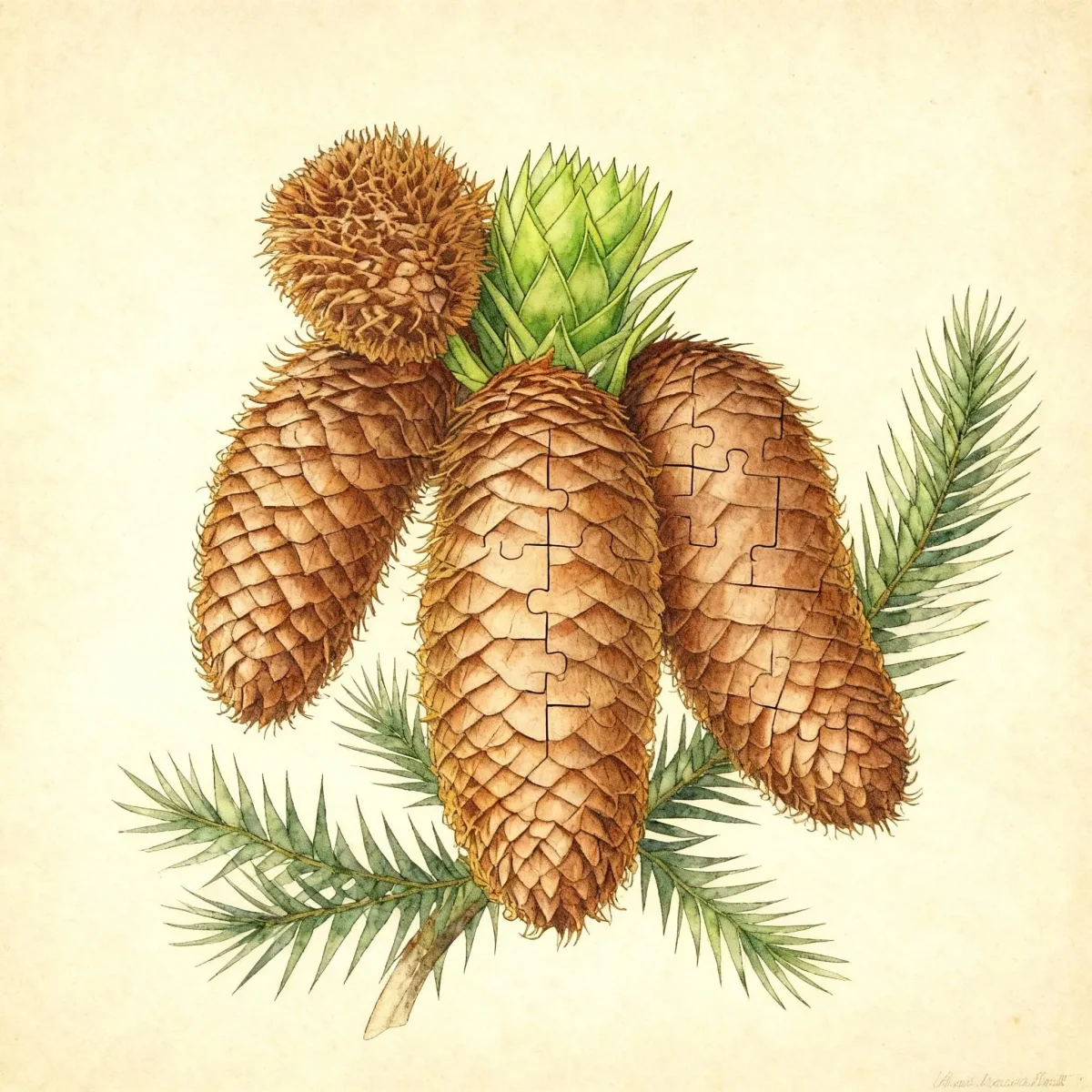
The New Caledonian pine is famed for its narrow columnar form, which persists as it matures to heights often exceeding 100 to 200 feet. Its trunk can exhibit distinct curves near the base before correcting upright, eventually covered in rough, brown, scaly bark that peels in strips. Juvenile foliage is awl-shaped, transitioning to smaller, overlapping, lanceolate-ovate adult leaves. Seed cones add interest, with female cones being upright and egg-shaped, while male cones are drooping and cylindrical.
Tolerances
- Root rot in poorly-drained soils
Potential Problems
When growing Araucaria columnaris as an indoor houseplant, consistent monitoring is required to manage common pests. Watch carefully for infestations of spider mites or scale, which can quickly weaken the foliage, especially in dry indoor air. Implementing regular pest checks and appropriate horticultural oils can manage these issues effectively.
The single most critical cultural problem involves drainage. Root rot is a significant threat if the soil becomes saturated or waterlogged, even slightly. Always ensure containers or planting sites offer excellent drainage, adhering strictly to the medium moisture needs of this species. If placed indoors, reduce watering frequency slightly during the winter rest period.
Frequently Asked Questions
What hardiness zones is New Caledonian pine suitable for?
The Araucaria columnaris is best suited for USDA Hardiness Zones 10 through 11 for outdoor planting.
How large does New Caledonian pine grow?
When mature, this tree typically reaches heights between 180 and 200 feet tall, with a spread ranging from 30 to 50 feet across.
What sun exposure does Araucaria columnaris need?
Araucaria columnaris requires full sun exposure for optimal growth when situated outdoors. Indoor plants prefer bright sun but need protection from intense afternoon exposure.
When does Araucaria columnaris bloom?
This species is non-flowering; it does not produce traditional flowers.
Conclusion
The appeal of the New Caledonian pine lies in its unparalleled vertical presence, making it a truly unique specimen for grand landscapes in warm climates. Proper attention to drainage and wind protection is vital for the successful establishment of this massive tree. Before planting your Araucaria columnaris, confirm that your local USDA zone aligns with its requirements for durable, majestic growth.
Companion Planting
Selecting appropriate companion plants is crucial, particularly in the warm zones where Araucaria columnaris thrives naturally. This tree prefers deep, rich, well-drained soil and consistent moisture without becoming soggy. Consider pairing the columnar shape with broad-leaved, lower-growing tropical shrubs that share these requirements, like various species of large bromeliads or Hibiscus varieties, ensuring they do not eventually compete too aggressively for root space.
When planting understory layers near the base of a mature New Caledonian pine, remember that very little light will penetrate the dense canopy, especially lower down. Focus on shade-tolerant groundcovers that enjoy rich, slightly acidic soil conditions. Avoid shallow-rooted lawn grasses directly under the drip line, as the tree’s extensive root system requires generous, deep watering that can easily drown sensitive turf.
Seasonal Care Calendar
For those growing the New Caledonian pine in containers indoors during winter (below Zone 10), temperature management is paramount. Aim to keep the room cool but strictly above 50°F, especially overnight. Reduce watering frequency significantly compared to summer, allowing the top few inches of the sandy/peaty soil mix to dry out between waterings, thereby preventing chilling-induced root rot.
As winter transitions into early spring, gradually increase both light exposure and moisture levels for containerized specimens before moving them back outdoors in late spring after all danger of frost has passed (though frost should not be a concern in Zones 10-11). During the main summer growing season, when the tree is actively expanding, ensure deep, thorough watering to match its medium water needs, allowing minimal drying between these deep soakings.