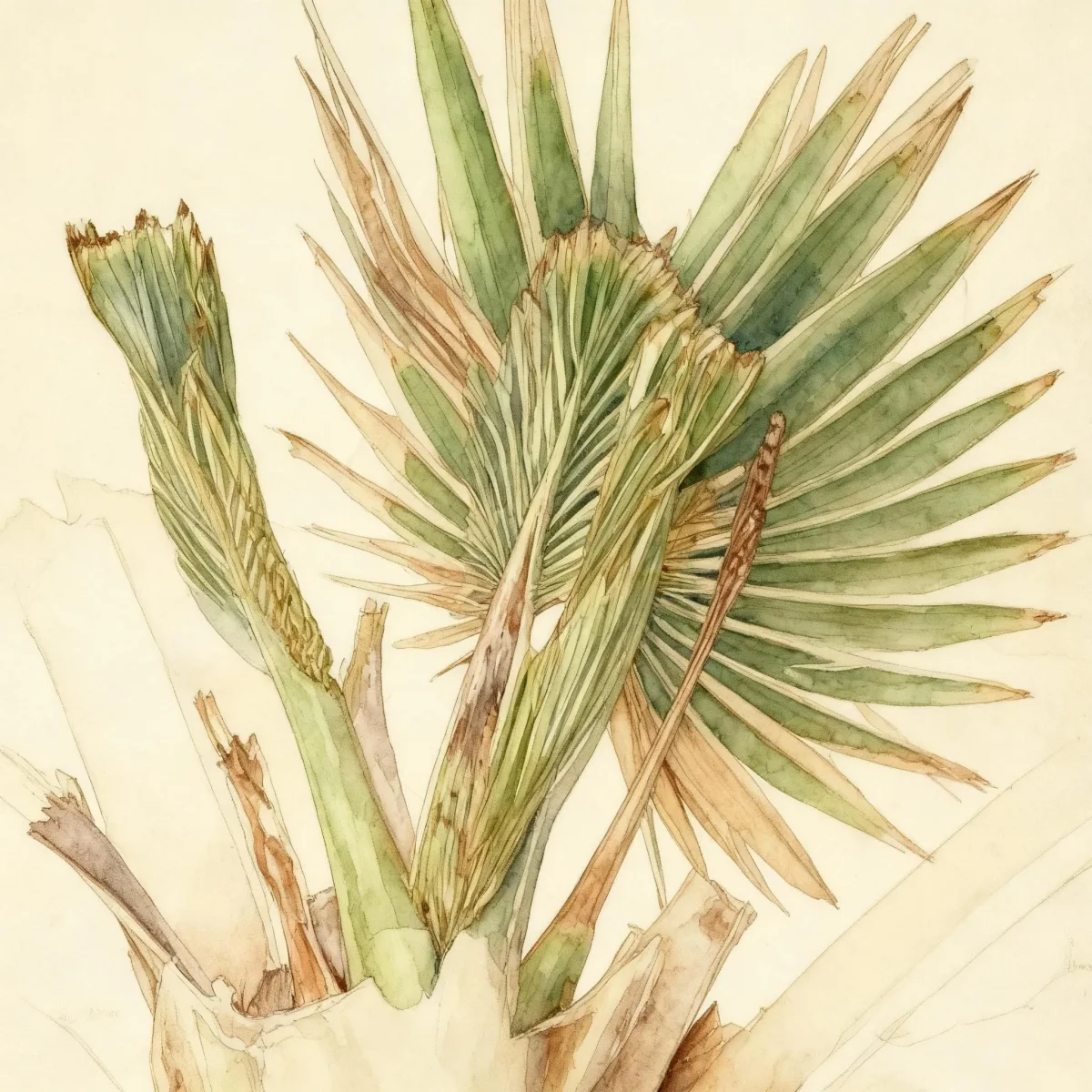
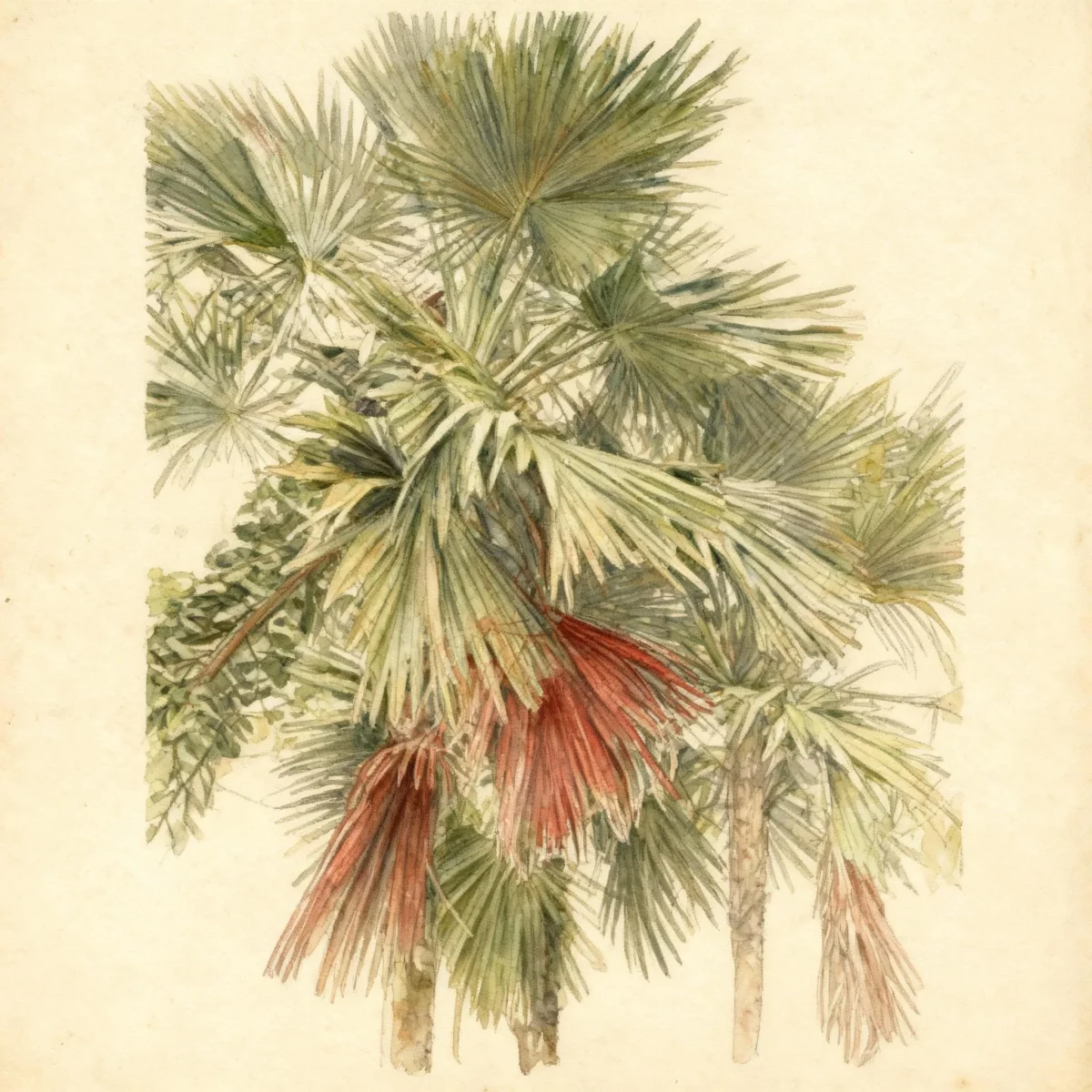
Coconut palm (Cocos nucifera)
The majestic Coconut palm (Cocos nucifera) provides tropical grandeur, edible coconuts, and year-round fragrant blooms in humid climates.

Bloom Boldly, No Matter the Season - Sweatshirt
Cozy organic cotton sweatshirt featuring our exclusive Purple Coneflower design. Perfect for gardeners who bloom year-round.
Inspired by the beautiful Coconut palm
Limited first batch (50) — join the waitlist for early access
Waitlist closes Feb 15, 2026.
Complete Plant Information
Field Guide Continues
Ready for care notes, companion picks, and planting tips?
The map is just the start. The full guide below covers growth habits, seasonal performance, and landscape uses.
Overview
The striking Coconut palm (Cocos nucifera) is instantly recognizable as the quintessential symbol of the tropics, valued globally for its shade, dramatic silhouette, and indispensable fruits. This broadleaf evergreen thrives in humid, frost-free environments, offering significant aesthetic benefits as a towering accent plant. While it requires significant warmth, its majestic presence makes it a worthwhile feature in suitable coastal or park settings.
This species is renowned not only for its beauty but also for the incredible utility derived from the coconut fruit, providing oil, milk, and edible meat. Growing rapidly in ideal conditions, the Cocos nucifera can attain heights between 50 and 100 feet, creating an impressive vertical element in the landscape. For gardeners in the appropriate zones, establishing a Coconut palm offers both ornamental appeal and practical harvest potential.
Fast Facts
- Plant Family: Arecaceae
- Plant Type: Broadleaf evergreen
- Native Range: Tropical Regions
- Hardiness Zones: USDA Zones 10-12
- Size at Maturity:
- Height: 50-100 ft
- Spread: 20-40 ft
- Bloom Time: Seasonal bloomer
- Bloom Description: Creamy white to yellow
- Sun Exposure: Full sun
- Water Needs: Medium
- Maintenance Level: Medium
How to Grow
Planting the Coconut palm should occur in spring after all danger of frost has passed, although it naturally thrives in established tropical environments. This species requires full sun exposure, situated in coastal lowlands or areas mimicking its native seaside habitat. The ideal medium is moderately fertile, humusy, moist, and crucially, well-drained soil.
Care centers around consistent moisture and warmth; the minimum temperature required for fruit production is 64 degrees F, confirming its tropical nature. Though it requires medium water, ensure the soil never becomes waterlogged, as this palm prefers well-drained conditions. Maintenance is rated as medium, largely revolving around occasional debris removal from the large fronds.
For gardeners outside the core tropical range, Cocos nucifera can be successfully grown in containers for several years. When potting, use a soil mixture heavily amended with grit or sand to guarantee excellent drainage, sowing seeds in the spring. Remember that this tropical giant demands excellent humidity and zero frost to survive long-term.
Landscape Uses
The Coconut palm, reaching heights up to 100 feet, serves spectacularly as a singular focal point or an impressive street tree in tropical municipalities. Its dramatic height and airy crown provide vertical interest without creating dense, low-level shade, making it ideal for placement along roadways or in expansive parks.
Due to its robust size and cultural needs—full sun and high humidity—companion planting requires selecting other vigorous tropical species that share similar requirements. Consider grouping Cocos nucifera with colorful tropical understory plants or flowering shrubs suited for bright, well-drained areas. The primary functional use remains the ornamental harvest of coconuts, providing a timeless, resort-like atmosphere.
Standout Features
Flower Qualities
- Showy
- Fragrant
Fruit Qualities
- Showy
- Edible
Noteworthy Characteristics
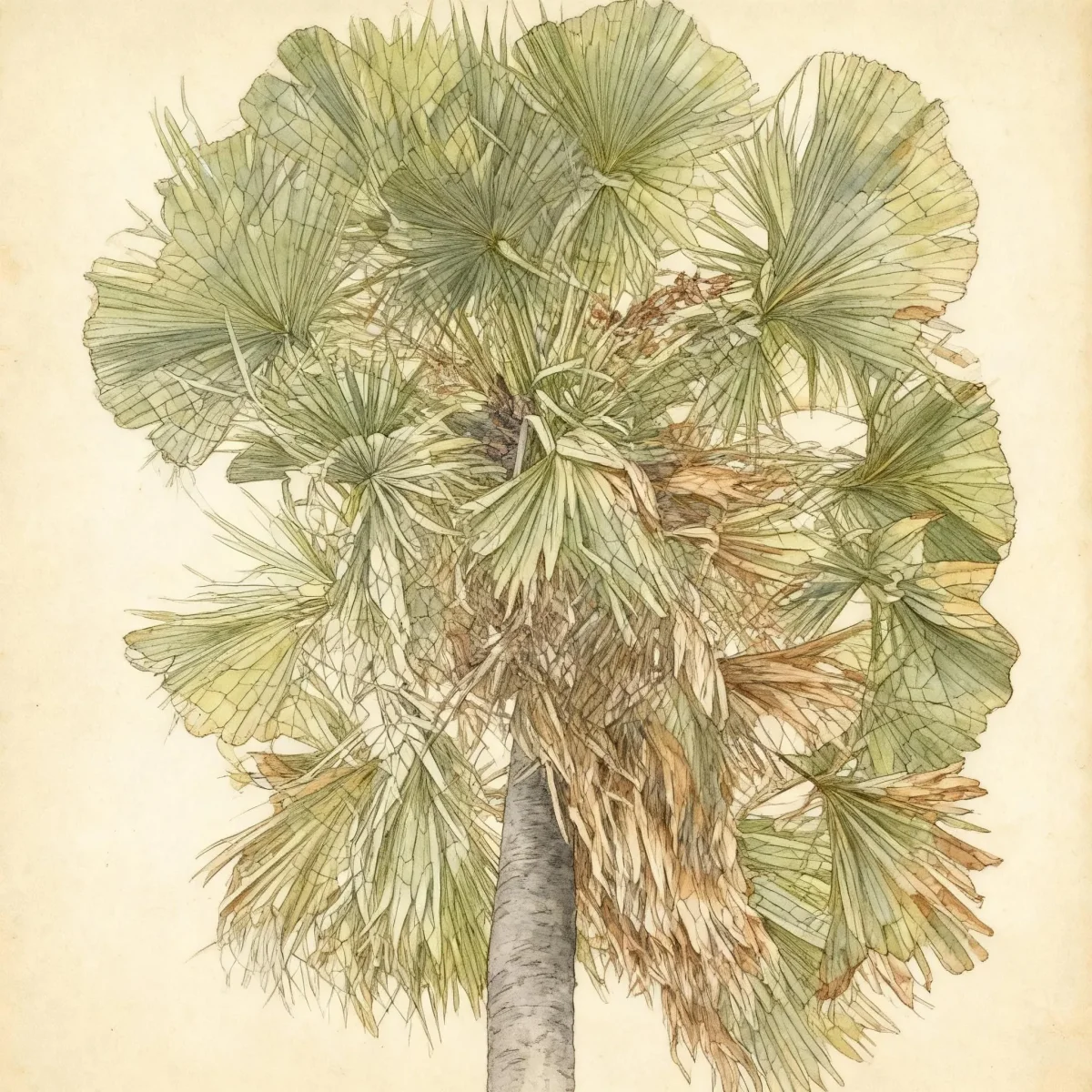
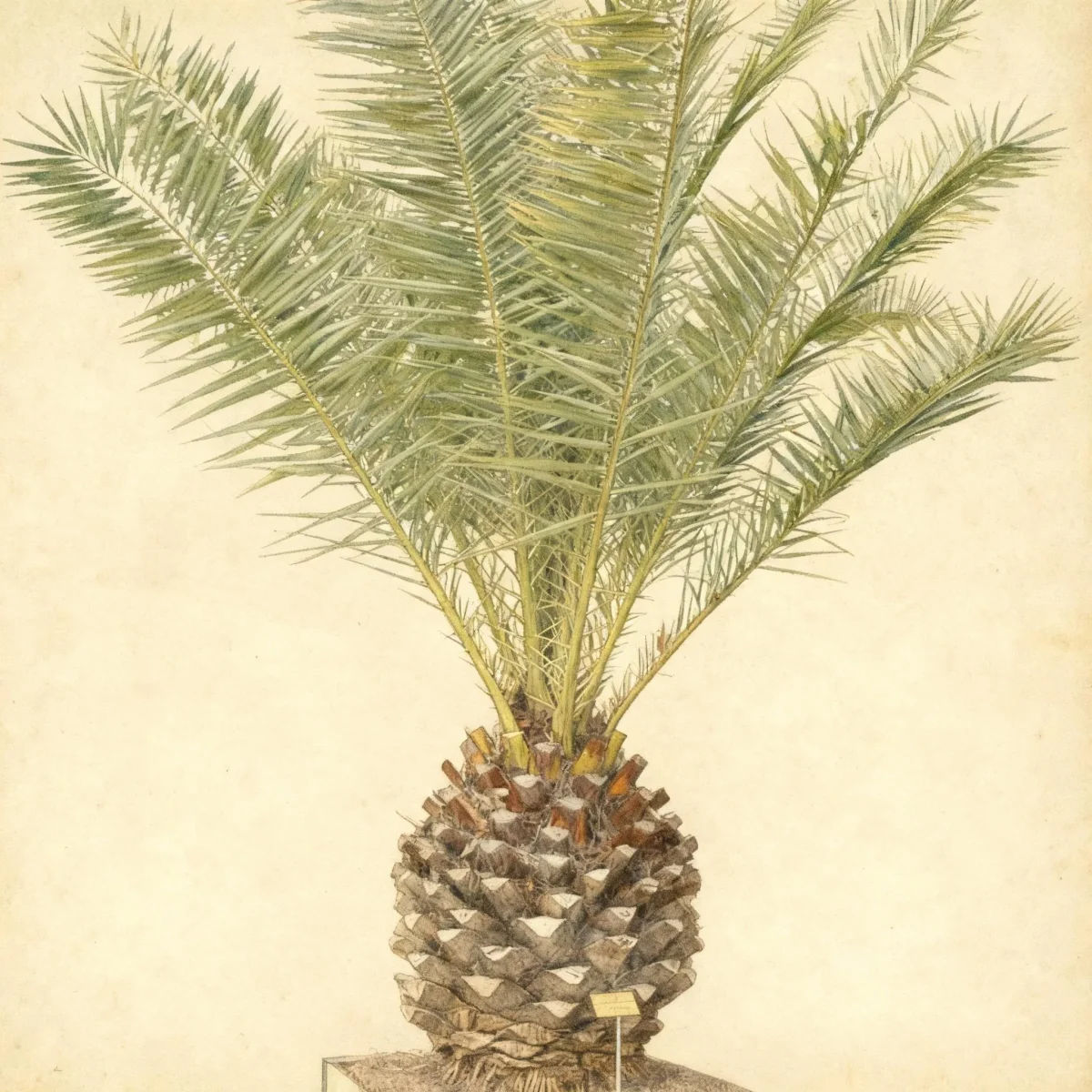
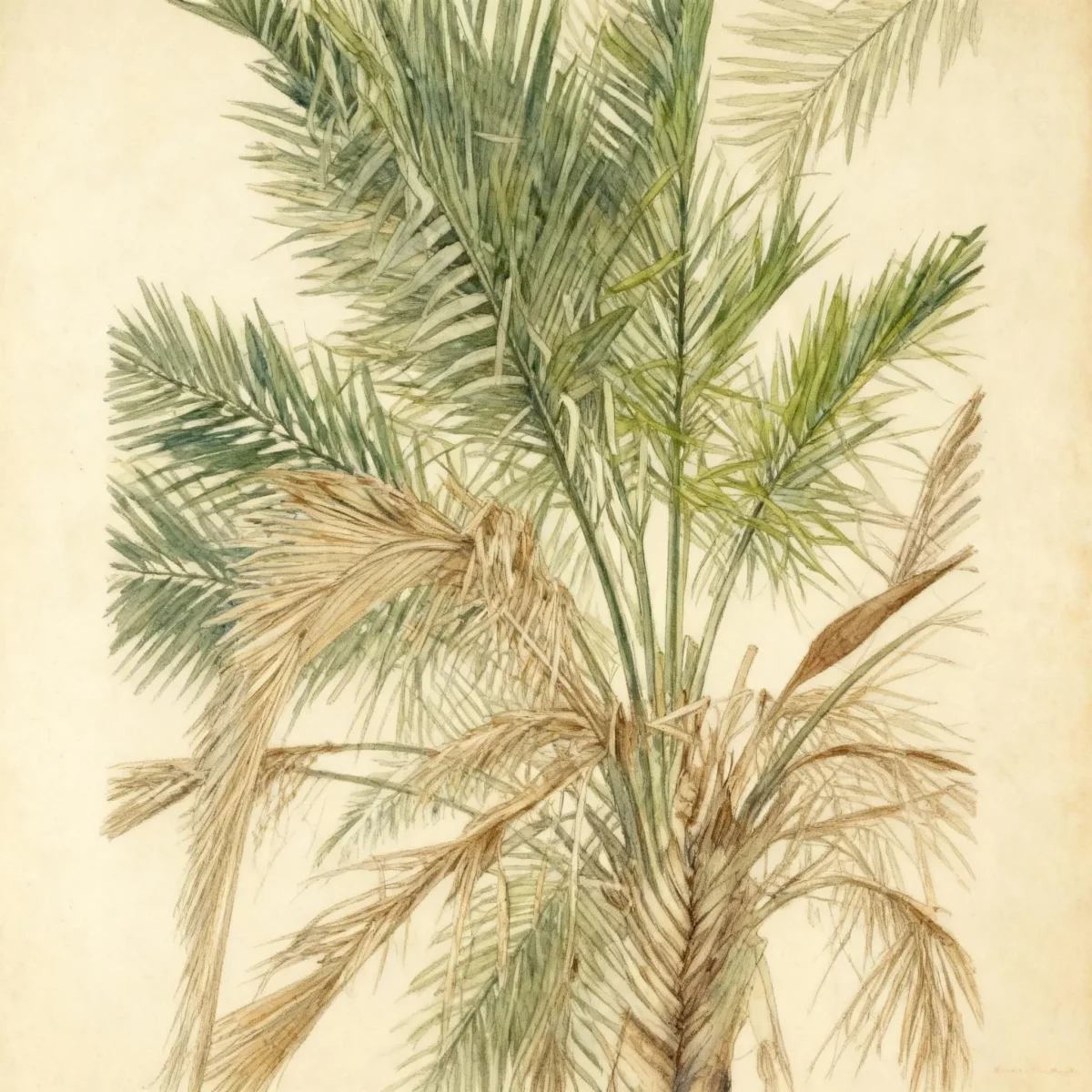
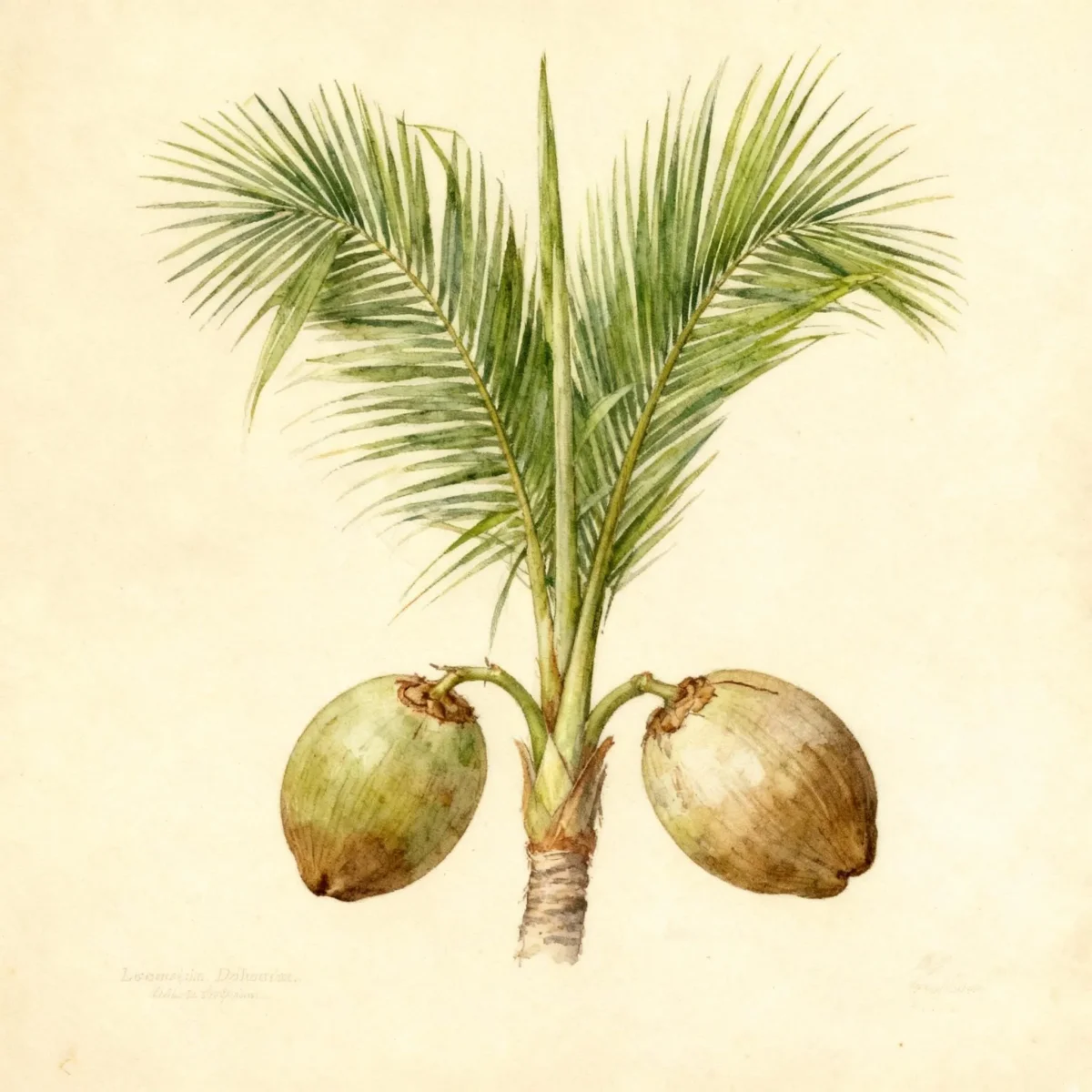
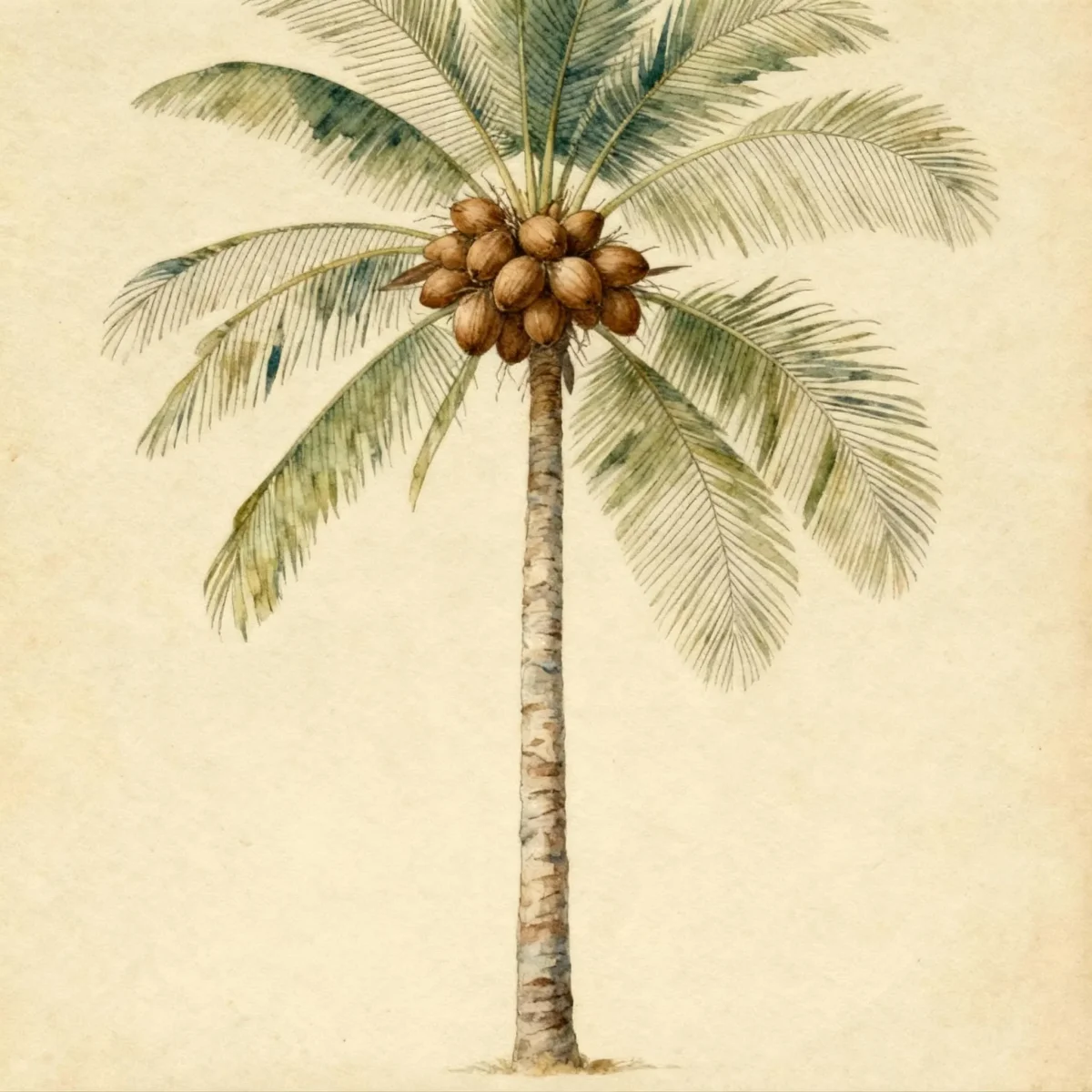
Cocos nucifera, commonly called coconut or coconut palm, is a tall tree native to tropical islands in the western Pacific, widely planted in frost-free areas globally for decoration. It features a tall, often curved, light gray trunk topped by a crown of large, pinnate fronds, bearing fragrant flowers and the iconic single-seeded coconuts. Beyond aesthetics, the hard shell, fibrous husk, and liquid contents offer numerous practical uses, including coconut oil production and housing materials.
Tolerances
- None listed
Potential Problems
Lethal yellowing presents a serious threat to established Cocos nucifera populations in regions like Florida, spreading via leaf hoppers; while injections can stabilize afflicted plants, they are not a cure. Gardeners should seek out resistant varieties where this disease is known. Other insect pests that may require monitoring include scale, aphids, nematodes, and the palm leaf skeletonizer. Spider mites can also cause cosmetic damage to the fronds.
Frequently Asked Questions
What hardiness zones is Coconut palm suitable for?
The Coconut palm is generally suitable for USDA Zones 10 through 12, requiring reliably warm, frost-free conditions to thrive.
How large does Coconut palm grow?
This majestic palm typically matures to a height between 50 and 100 feet, spreading 20 to 40 feet wide.
What sun exposure does Cocos nucifera need?
Cocos nucifera absolutely requires full sun exposure for optimal growth and fruit production.
When does Coconut palm bloom?
This species is a seasonal bloomer, producing clusters of creamy white to yellow flowers that are often fragrant in tropical climates where they bloom intermittently throughout the year.
Conclusion
The towering Coconut palm (Cocos nucifera) remains a magnificent choice for large, tropical landscapes, delivering striking vertical architecture, fragrant blooms, and the globally recognized coconut fruit. If your location falls within USDA Zones 10-12 and you can provide full sun and medium, consistent moisture, plan your planting during the warm spring season for the best establishment.
Companion Planting
When designing a space around the impressive height of the Coconut palm, focus on understory plants that enjoy the bright, filtered light cast beneath its crown, or those that can tolerate the full sun that bathes its base. Tropical groundcovers, such as various Agave or low-growing flowering gingers, pair well aesthetically without competing excessively for root space. Ensure that any companion plants also share the need for well-drained, humusy soil characteristic of good Cocos nucifera culture.
Design Ideas
The classic application for the Coconut palm is mass planting along beachfront properties or bordering expansive resort grounds, emphasizing its natural coastal affinity. For smaller properties—where container growing is utilized—position a single specimen near a patio or entrance to provide immediate tropical elegance. Its high canopy naturally draws the eye upward, making it an excellent anchor specimen in a mixed tropical border, juxtaposed against lower-growing, broad-leafed foliage plants.