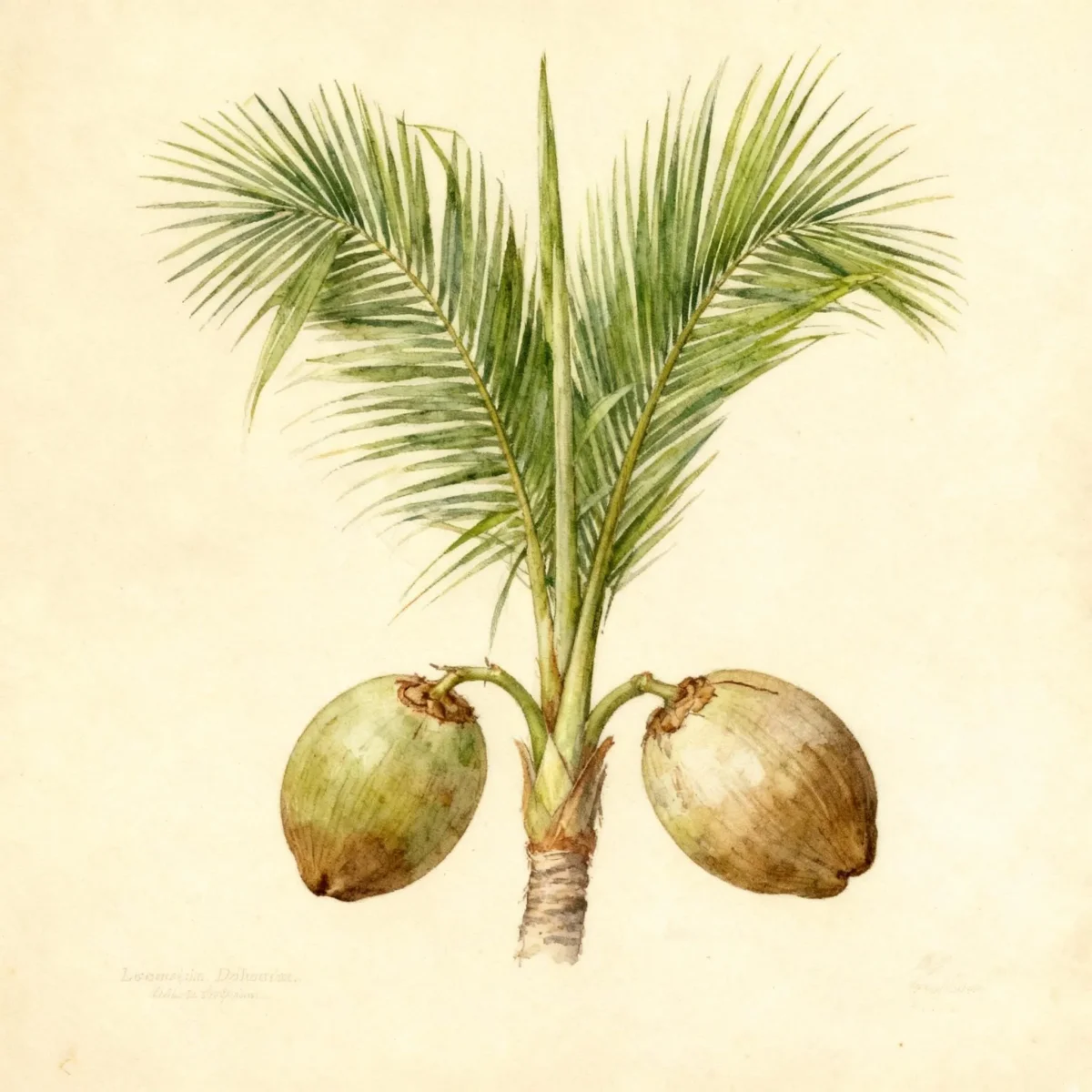
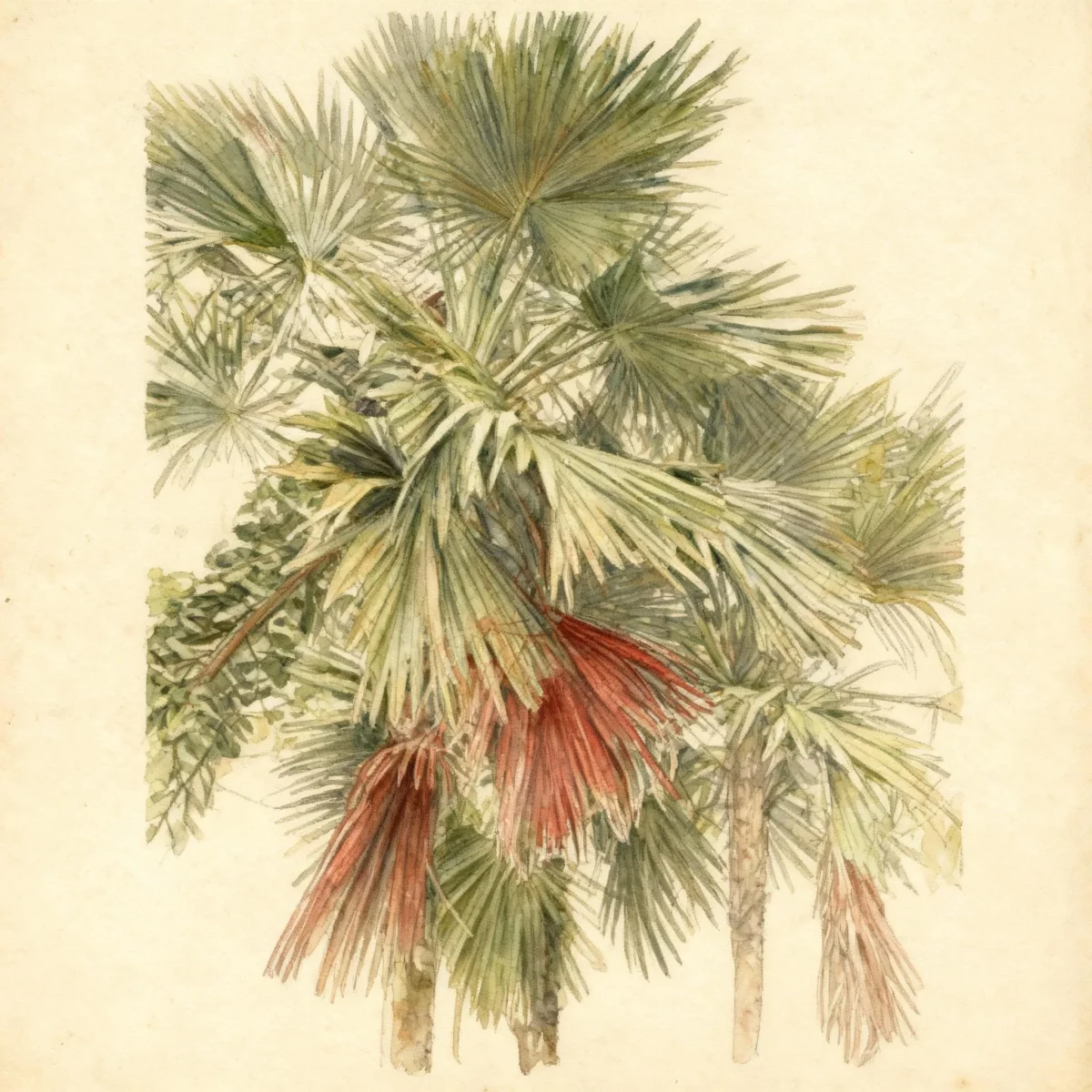
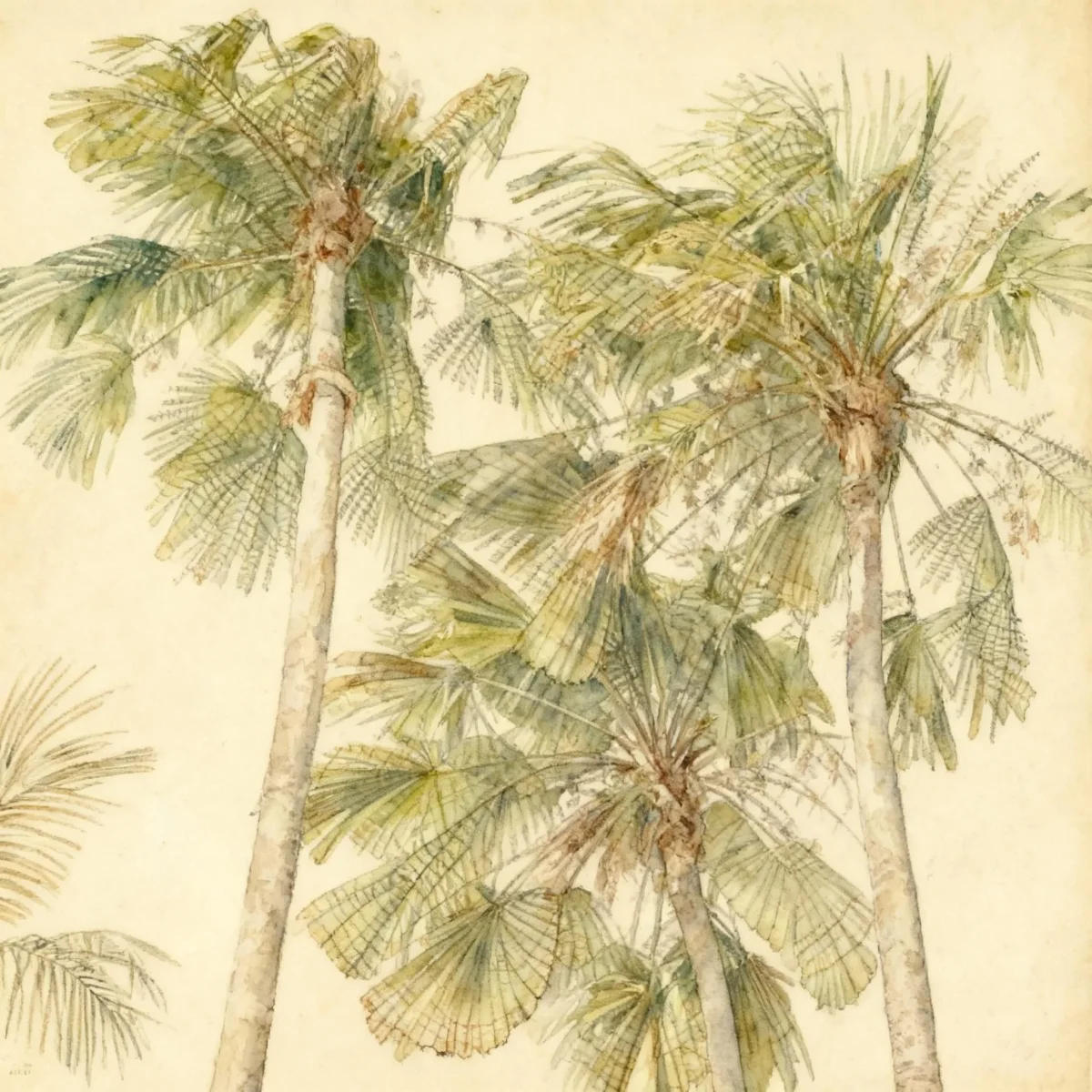
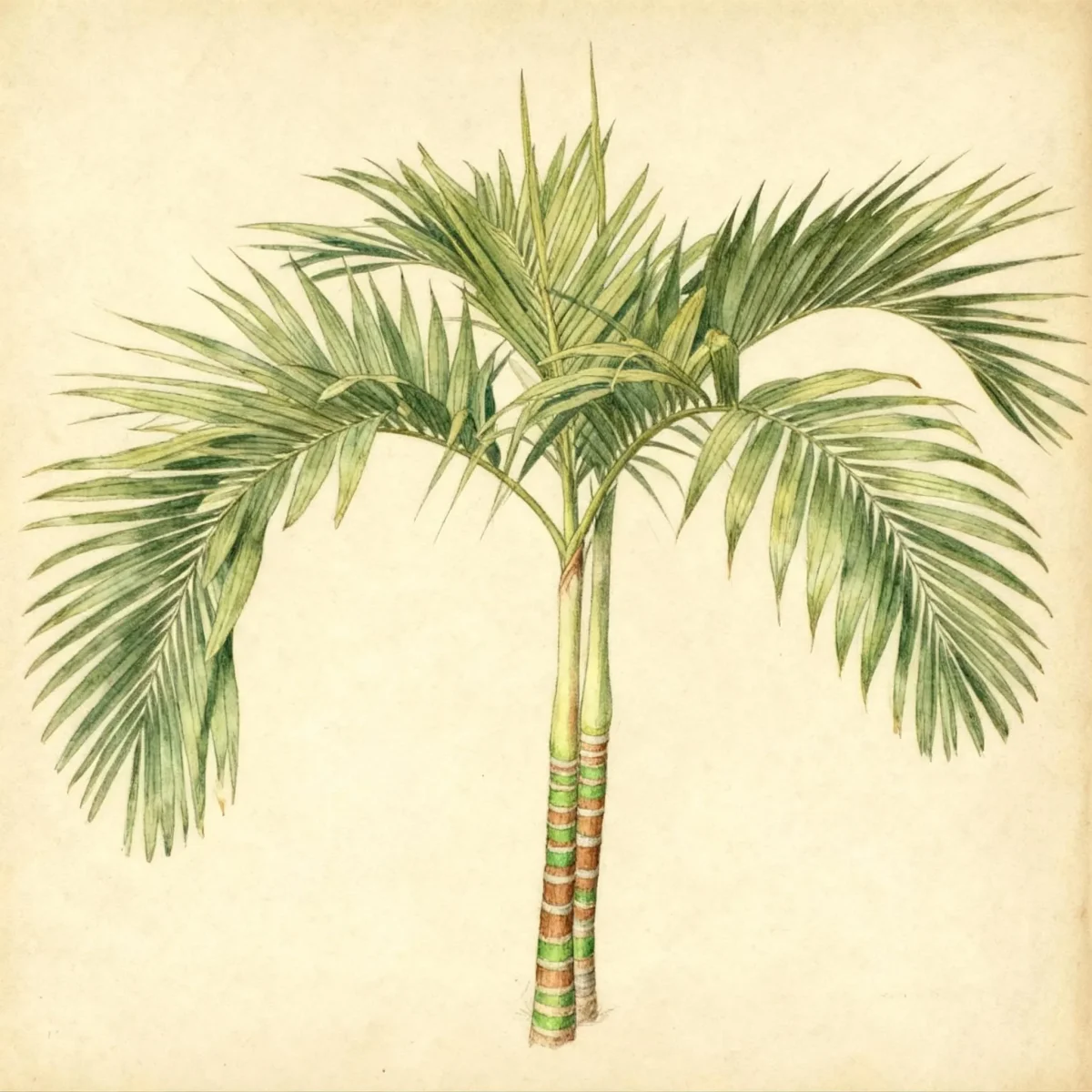
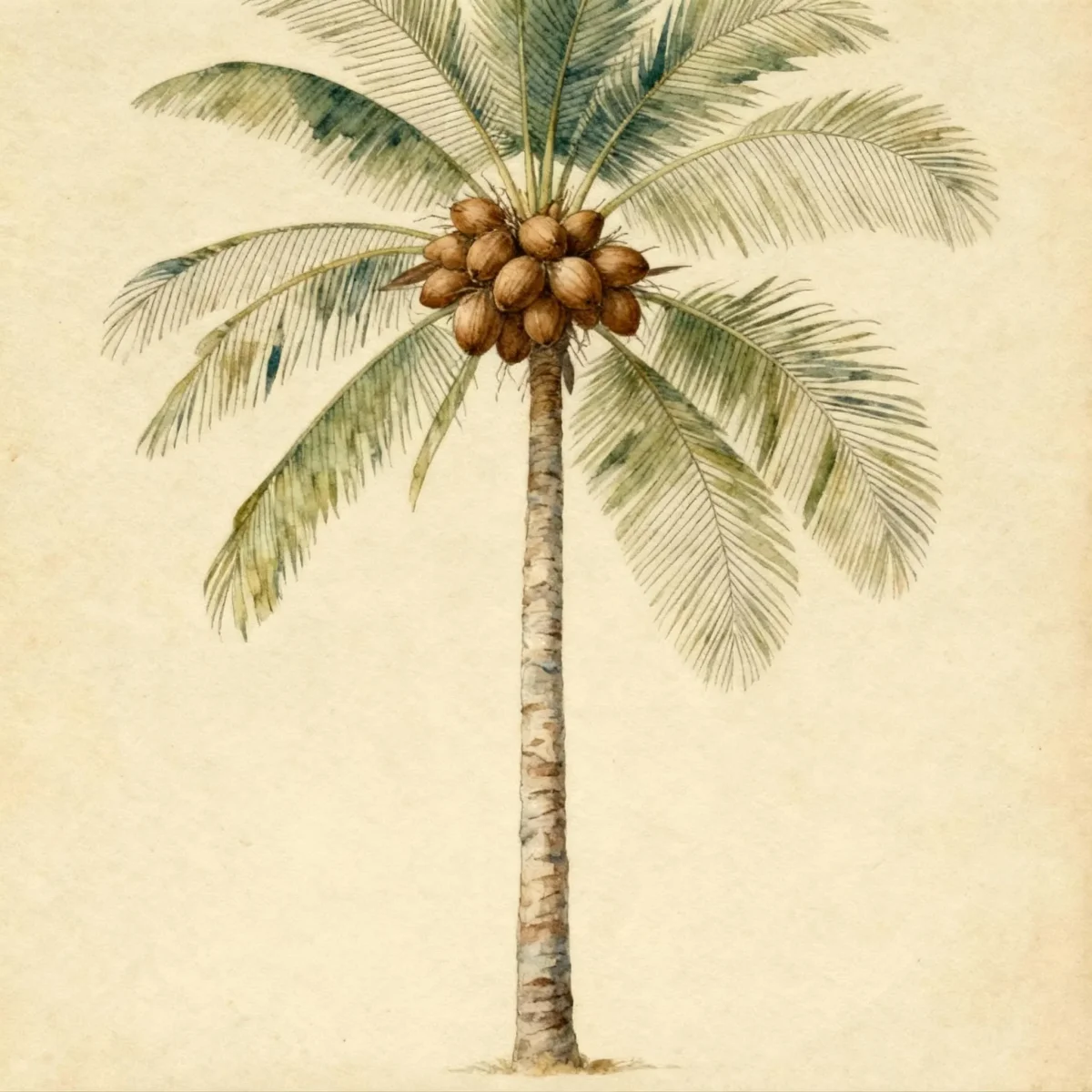
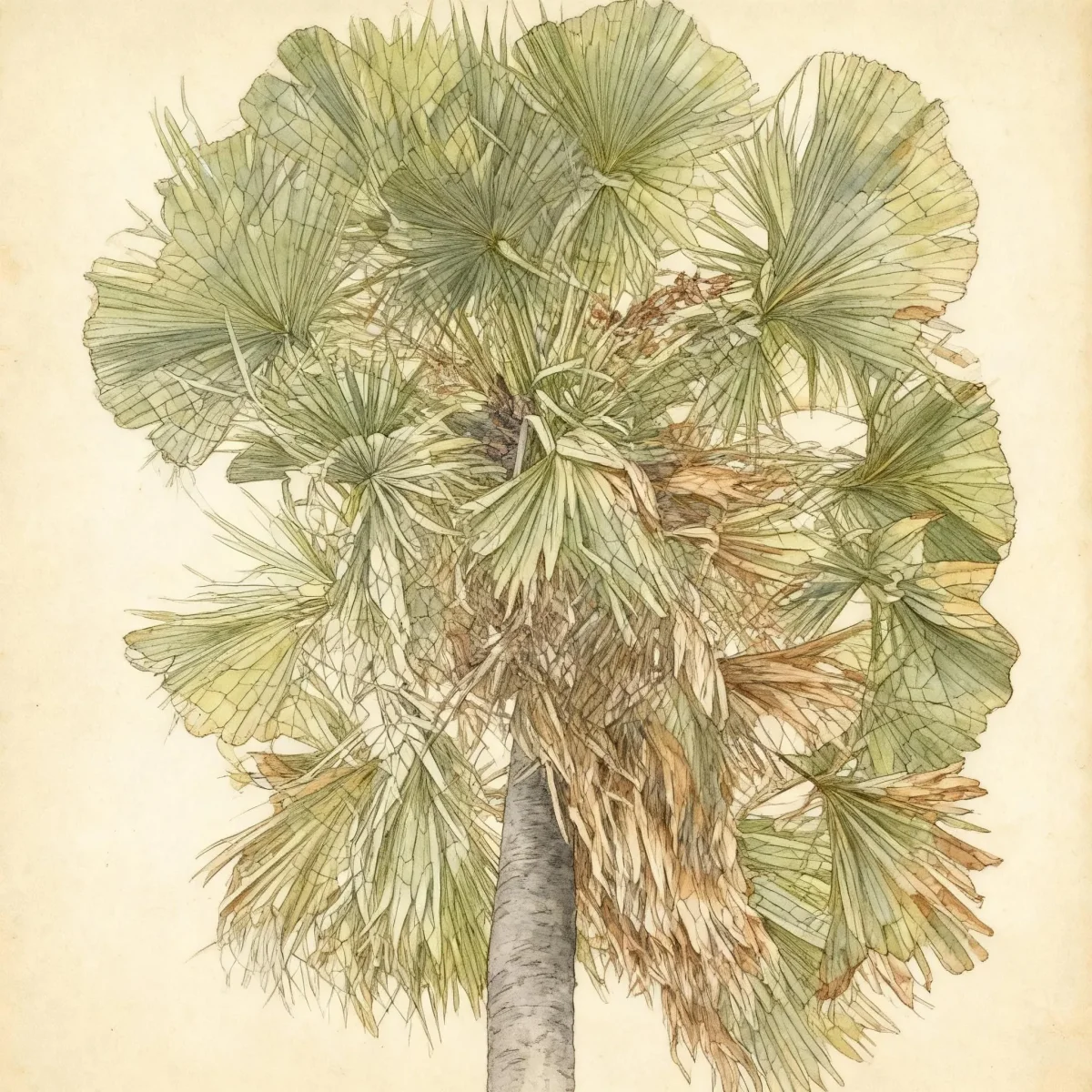
Bismarck palm (Bismarckia nobilis)
The majestic Bismarckia nobilis, or Bismarck palm, is known for massive, silvery-blue-green fronds and low maintenance needs.

Bloom Boldly, No Matter the Season - Sweatshirt
Cozy organic cotton sweatshirt featuring our exclusive Purple Coneflower design. Perfect for gardeners who bloom year-round.
Inspired by the beautiful Bismarck palm
Limited first batch (50) — join the waitlist for early access
Waitlist closes Feb 15, 2026.
Complete Plant Information
Field Guide Continues
Ready for care notes, companion picks, and planting tips?
The map is just the start. The full guide below covers growth habits, seasonal performance, and landscape uses.
Overview
The Bismarck palm (Bismarckia nobilis) is an incredibly bold and dramatic specimen tree highly valued for its massive, stiff, fan-shaped leaves, which often display a striking silvery-blue-grey color. This palm commands attention in any large landscape setting, making it a true architectural statement in subtropical and tropical gardens. As a solitary grower, the Bismarckia nobilis develops a stately presence without the need for complex pruning or constant fuss.
Native to the grasslands of Madagascar, this species thrives in bright conditions and offers excellent drought tolerance once fully established. Gardeners are often drawn to the sheer scale and unique coloration of the Bismarckia nobilis, which contrasts beautifully with standard green foliage plants. Although it requires adequate space to reach its full potential, its low maintenance profile makes it rewarding for dedicated landscape projects.
Mature specimens showcase imposing, unbranched trunks topped by a dense crown of costapalmate leaves held high on sturdy petioles. While flowering is seasonal and the blossoms are creamy white and inconspicuous, the true ornamental value of the Bismarck palm lies entirely in its powerful vegetative structure and magnificent mature size.
Fast Facts
- Plant Family: Arecaceae
- Plant Type: Tree
- Native Range: Madagascar
- Hardiness Zones: USDA Zones 10-11
- Size at Maturity:
- Height: 30-40 ft
- Spread: 10-15 ft
- Bloom Time: Seasonal bloomer
- Bloom Description: Creamy white
- Sun Exposure: Full sun
- Water Needs: Medium
- Maintenance Level: Low
How to Grow
The best time to establish a new Bismarck palm is typically during the warm season when soil temperatures encourage root development. Choose a location that offers full sun; the silvery coloration of the magnificent leaves is best developed under intense light, though some light shade is tolerated. Bismarckia nobilis prefers evenly moist, well-draining soils, but it shows remarkable tolerance for clay soils provided they do not remain waterlogged.
Once planted, maintain medium water needs, ensuring regular moisture promotes faster growth, especially in the establishment phase. Remember that the Bismarck palm is known to be difficult to transplant, often requiring a year or more to fully recover its vigor. To improve success rates, gardeners should consider root pruning the plant before digging and keeping it consistently well-watered until reestablishment is complete.
Fertilization should be done regularly using a slow-release formula specifically designed for palms to ensure adequate nutrient uptake. While mature plants exhibit significant drought tolerance, supplemental water during extended dry periods is beneficial. Be aware that the Bismarck palm is marginally hardy down to 25°F in Zone 9b, requiring a highly protected, warm microclimate to survive those conditions.
Landscape Uses
The imposing scale and spectacular leaf color of the Bismarck palm make it unsuitable for small garden spaces but perfect for large-scale design elements. It functions exceptionally well as a singular accent specimen, drawing the eye immediately in vast lawns, expansive parks, or long driveways where its silhouette can be appreciated without obstruction.
Due to its majestic structure, the Bismarckia nobilis excels as a focal point or a bold anchor in tropical-style plantings. Consider pairing it with lower-growing textured foliage or brightly colored, heat-tolerant groundcovers that won’t compete with its massive canopy. Its strong verticality also contrasts nicely when placed near structures or at the termination point of a long vista.
Careful planning is essential when siting this palm, as its mature spread can reach 15 feet across, requiring substantial clearance from buildings, walkways, and underground utilities. Planting multiple specimens in a loose grouping can create a magnificent, formal screen or backdrop in expansive estates.
Standout Features
Flower Qualities
- Insignificant
Noteworthy Characteristics
Bismarckia nobilis, commonly called Bismarck palm, is a large, solitary palm endemic to the savannas, grasslands, and other open habitats of western Madagascar. Mature plants can reach up to 70’ tall in the wild but tend to reach 30-40’ tall in cultivation. The unbranched trunks can reach 1.5-2’ wide and are topped with a 10-15’ wide canopy of grey-green, costapalmate leaves. Genus name Bismarckia honors Prince Otto von Bismarck (1815-1898), Prussian statesman and first Chancellor of the German Empire.
Tolerances
- Drought
- Clay Soil
Potential Problems
The Bismarck palm is generally considered a low-maintenance choice, but specific cultural stresses can invite serious issues. Susceptibility includes lethal bronzing disease and ganoderma butt rot, both serious threats to palm health. Boron and potassium deficiency are common nutritional problems necessitating targeted fertilization to correct.
Magnesium and manganese deficiencies are occasionally observed, potentially leading to yellowing or browning of the fronds. Palmetto weevils can become problematic, especially when healthy leaves are pruned excessively from palms already weakened by cold stress or transplant shock, creating entry points.
Root rot is the top preventable killer; avoid poorly drained or consistently overly moist soils at all costs, as this directly compromises the root system of the Bismarckia nobilis.
Frequently Asked Questions
What hardiness zones is Bismarck palm suitable for?
The Bismarck palm is officially hardy in USDA Zones 10 through 11. It may sometimes survive brief dips to 25°F (Zone 9b) if given significant protection.
How large does Bismarckia nobilis grow?
In cultivation, the Bismarckia nobilis typically reaches heights between 30 and 40 feet tall, with a spread ranging from 10 to 15 feet wide.
What sun exposure does Bismarckia nobilis need?
This majestic palm performs best and displays its best blue coloration when placed in full sun. It can tolerate some light shade but growth and color may be diminished.
When does Bismarck palm bloom?
The Bismarck palm blooms seasonally, producing small, inconspicuous flowers that are creamy white in color.
Conclusion
The Bismarck palm remains a top choice for creating spectacular, high-impact landscapes due to its low maintenance requirements combined with its unforgettable silvery-blue foliage. Successfully integrating the Bismarckia nobilis into your garden relies heavily on respecting its size and providing well-draining soil, especially during establishment. Before planting, always confirm your local USDA Hardiness Zone compatibility.
Companion Planting
When designing areas around the Bismarck palm, it is crucial to select plants that share its preference for bright light and well-draining conditions. Consider planting medium-height shrubs or perennials with contrasting colors, such as deep green, glossy foliage or vibrant reds, to enhance the blue-grey hue of the Bismarckia nobilis fronds.
Low-growing bromeliads, agaves, or drought-tolerant tropical flowering vines can serve as excellent understory accents beneath the vast canopy of the mature Bismarck palm. Avoid any species that require consistently moist or soggy feet, as this runs counter to the palm’s tolerance for drought and its susceptibility to root rot in perpetually wet conditions.
For a cohesive tropical meadow look, pair the Bismarck palm with other single-trunk palms that have different textures, or use architectural grasses that can withstand similar sun exposure and lower water needs once established.
Seasonal Care Calendar
Caring for the Bismarck palm involves adjusting practices based on the season, particularly concerning water and nutrient delivery. During the active growing season (spring through early fall), increase monitoring of soil moisture, ensuring the medium is kept evenly moist, and adhere to a regular schedule for slow-release palm fertilization.
Winter preparation requires vigilance primarily in Zones 9b or colder areas where protective measures will be necessary if frost threatens the Bismarckia nobilis. For established palms in Zones 10-11, the primary winter task is simply observing for signs of stress related to cold snaps or nutrient depletion before the spring push begins.
Spring marks the signal to resume robust feeding programs to support the rapid growth typical of this large palm. Also, use the beginning of the warm season to review transplant sites; if the Bismarck palm was recently moved, ensure ample water is provided to encourage critical root regeneration.