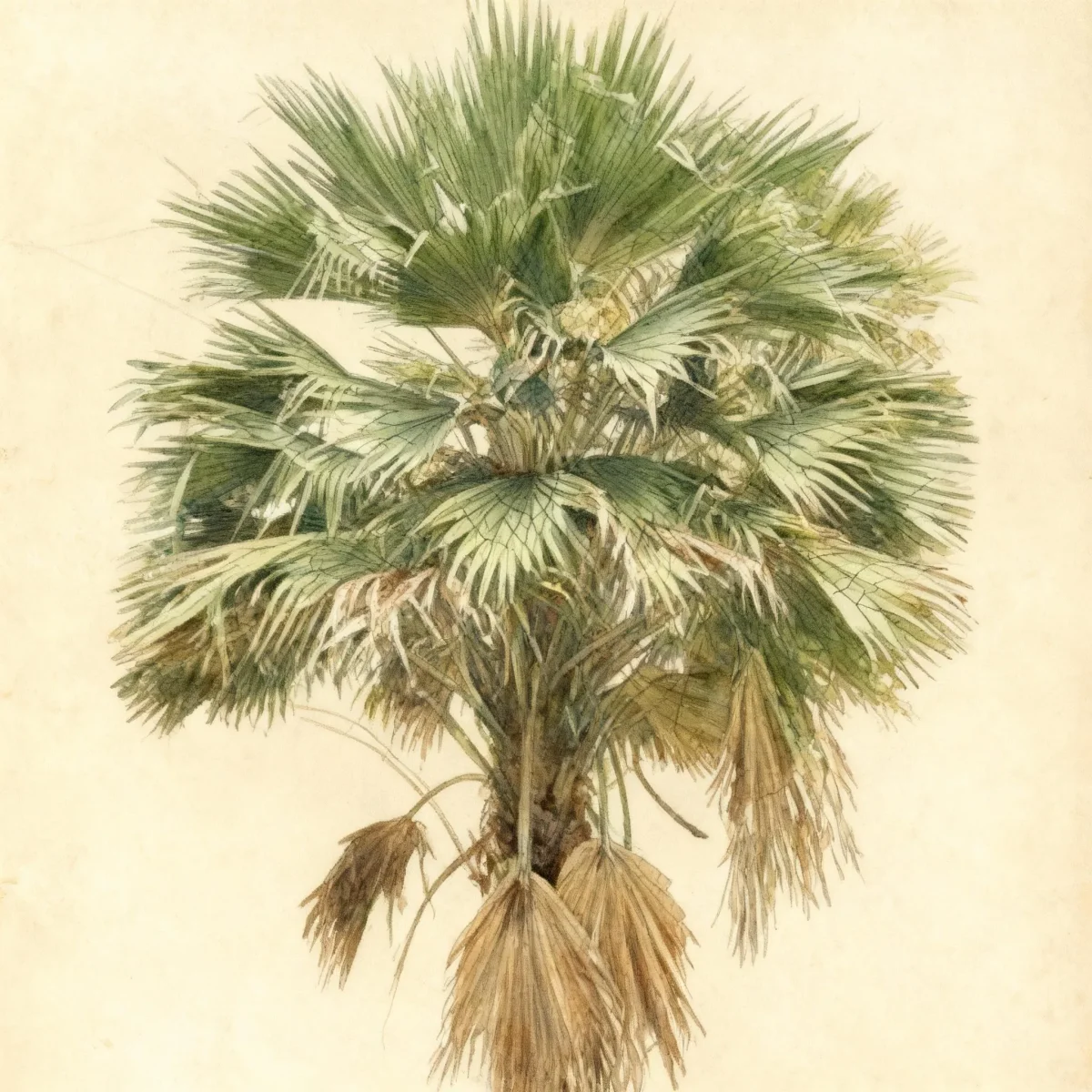
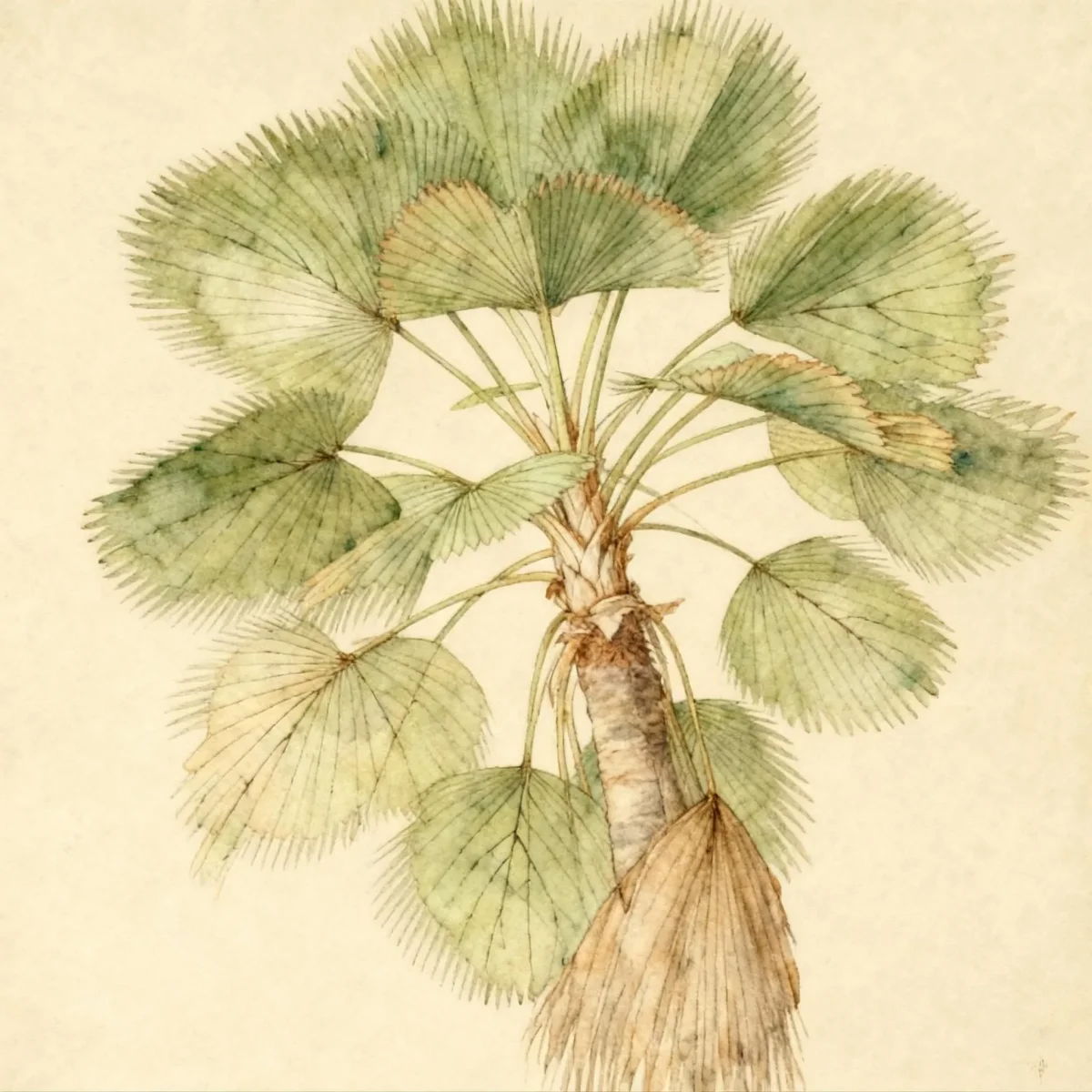
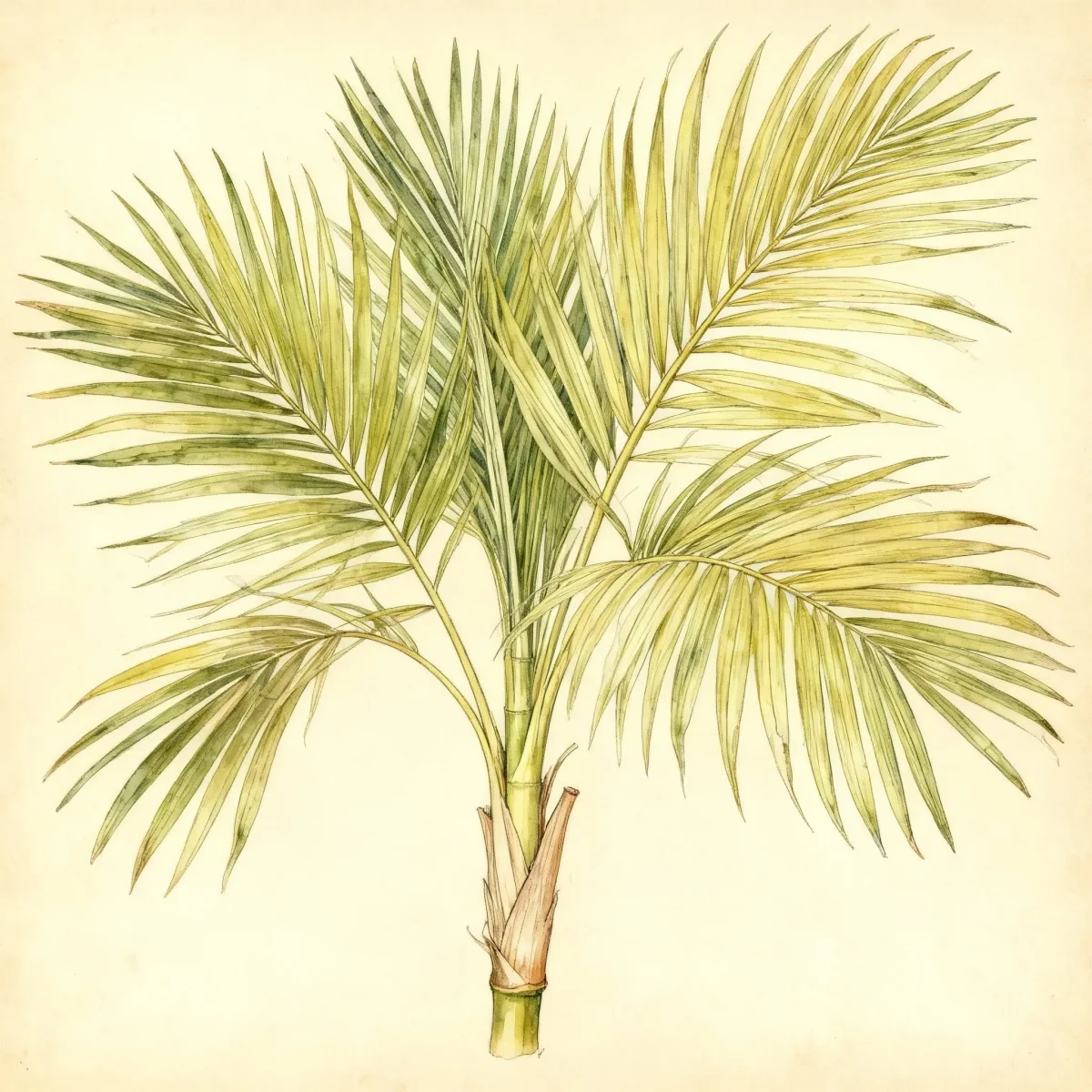
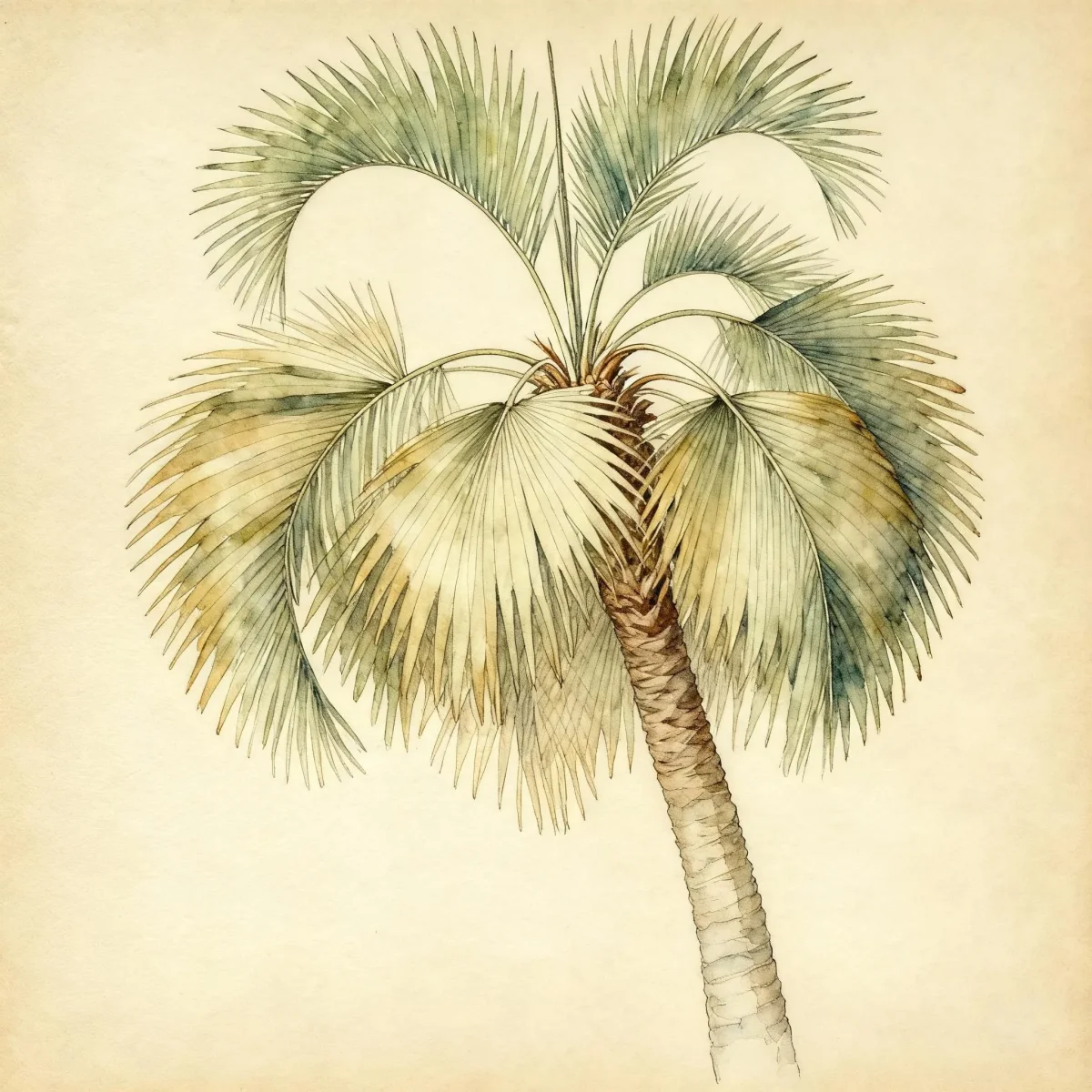
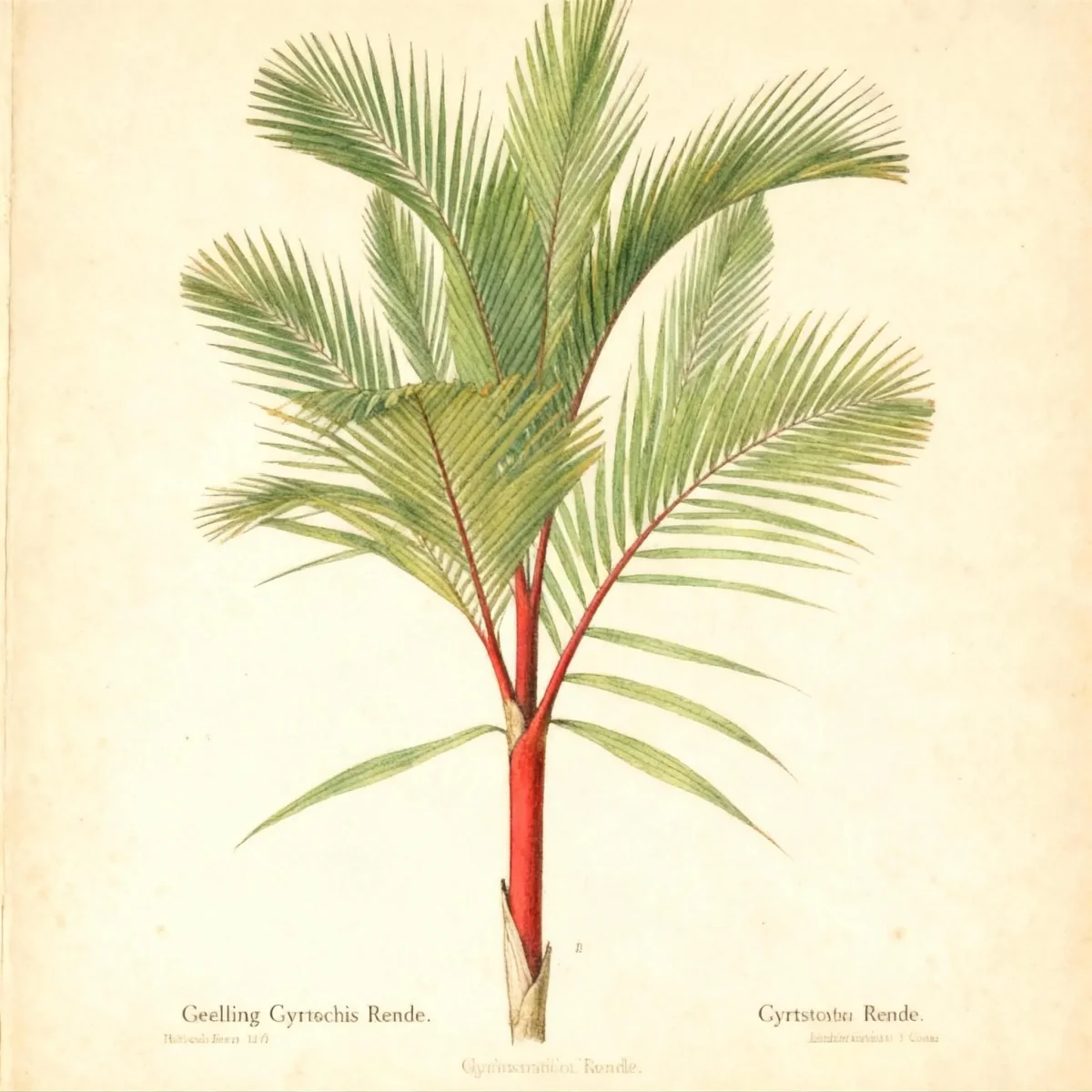
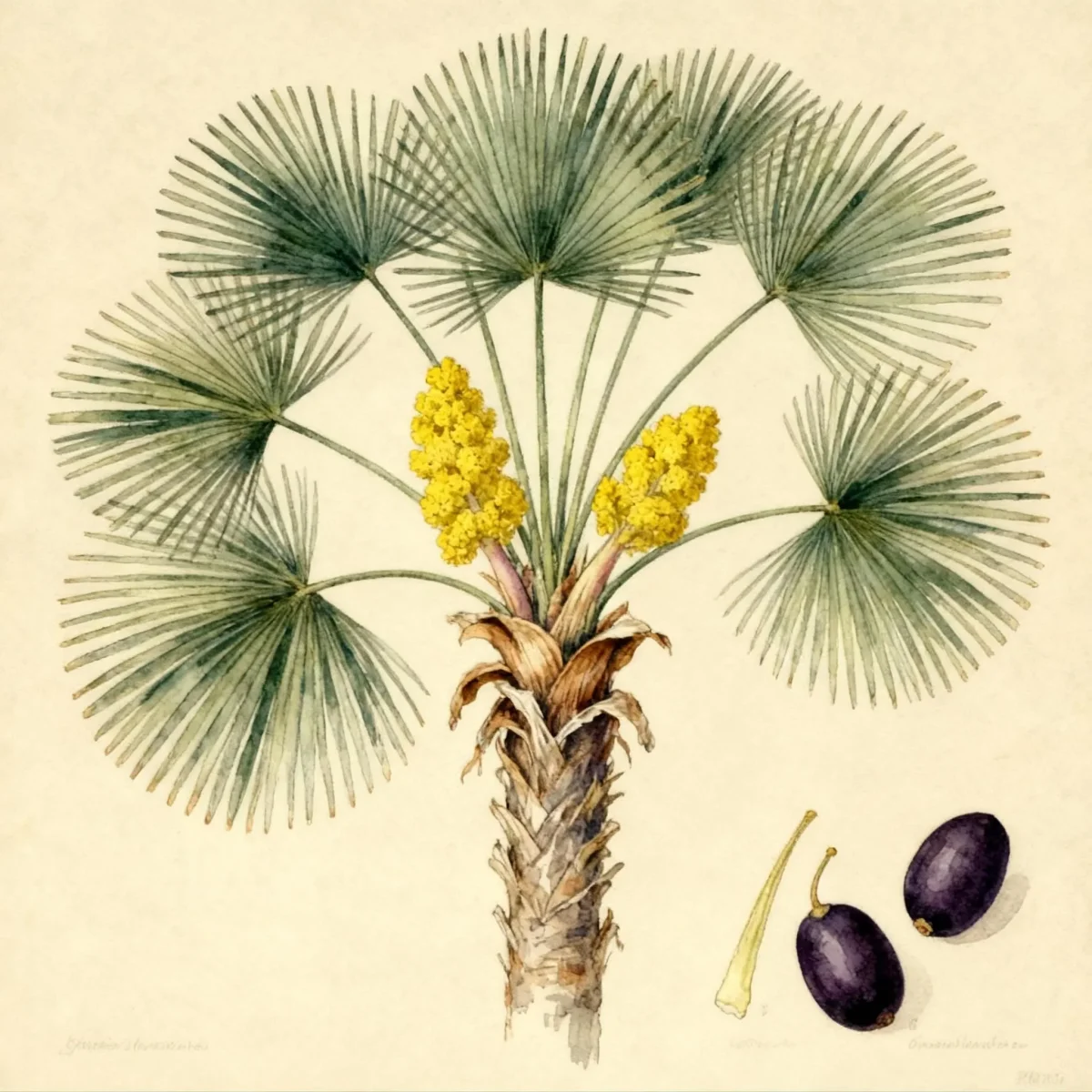
Ptychosperma (Ptychosperma macarthurii)
Ptychosperma macarthurii, the Macarthur Palm, is a clustering, low-maintenance palm ideal for tropical landscaping in Zones 10-11.
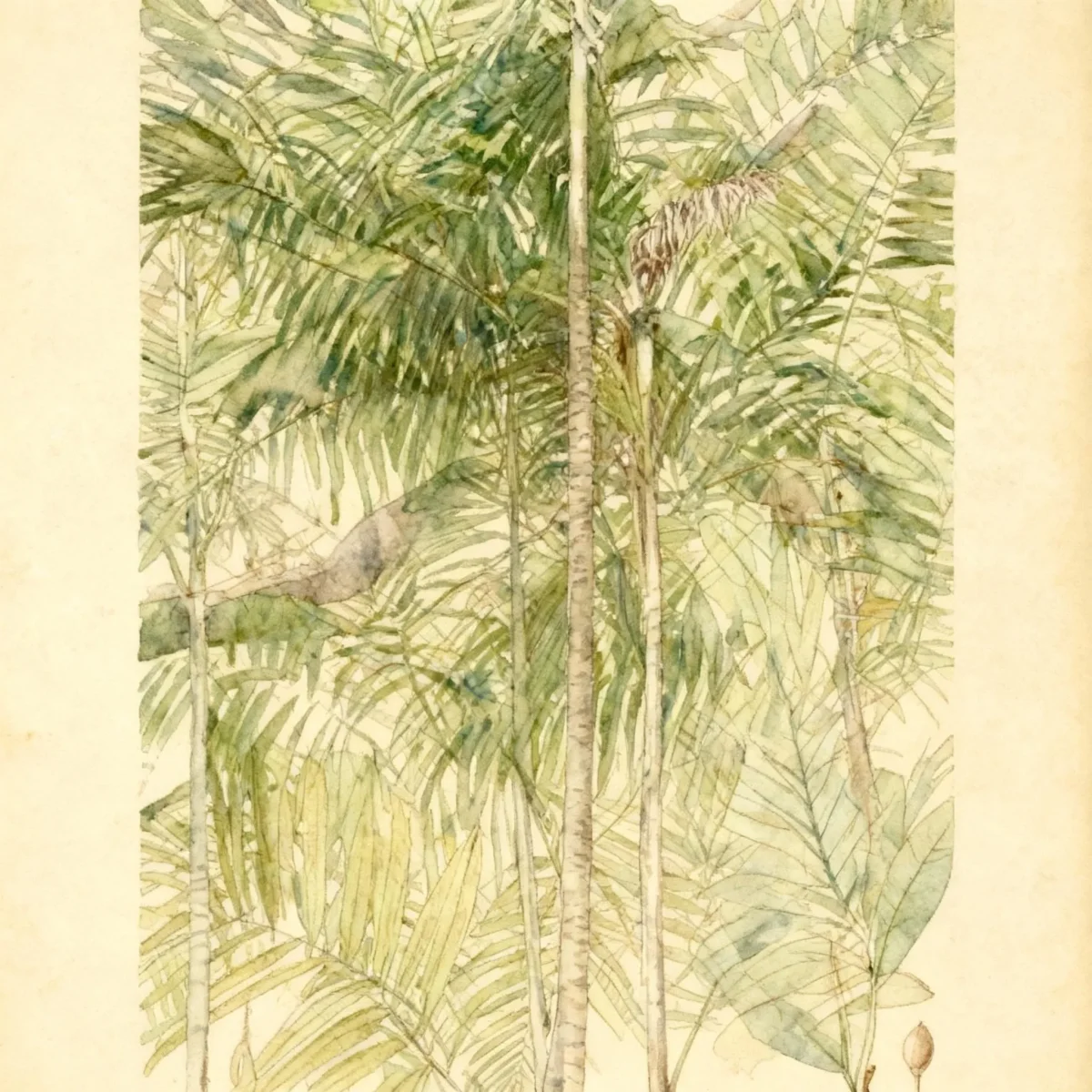

Bloom Boldly, No Matter the Season - Sweatshirt
Cozy organic cotton sweatshirt featuring our exclusive Purple Coneflower design. Perfect for gardeners who bloom year-round.
Inspired by the beautiful Ptychosperma
Limited first batch (50) — join the waitlist for early access
Waitlist closes Feb 15, 2026.
Complete Plant Information
Field Guide Continues
Ready for care notes, companion picks, and planting tips?
The map is just the start. The full guide below covers growth habits, seasonal performance, and landscape uses.
Overview
The Ptychosperma, scientifically known as Ptychosperma macarthurii, is a highly desirable clustering palm celebrated for its slender multiple trunks and tropical allure. Native to the rainforests of New Guinea and Northern Australia, this genus member offers significant visual impact even in restricted spaces due to its upright, self-cleaning nature. Gardeners value the macarthur palm for its relatively low maintenance requirements and adaptability across various light and soil conditions.
This clustering specimen provides lush foliage that forms an open crown, making it excellent for achieving a classic tropical aesthetic. While it can reach heights of 30 feet in ideal wild settings, cultivation typically sees Ptychosperma macarthurii topping out around 10 to 15 feet, with a manageable spread of 5 to 10 feet. The seasonal display of creamy-white flowers followed by bright red fruit adds further interest.
Ultimately, the Ptychosperma offers a versatile, resilient solution for adding vertical drama to warmer climate landscapes. Its tolerance for heat, shade, and diverse soils, combined with a low upkeep routine, solidifies its position as a favorite among subtropical horticulturalists.
Fast Facts
- Plant Family: Arecaceae
- Plant Type: Palm or Cycad
- Native Range: New Guinea, Northern Australia
- Hardiness Zones: USDA Zones 10-11
- Size at Maturity:
- Height: 10-30 ft
- Spread: 5-10 ft
- Bloom Time: Seasonal bloomer
- Bloom Description: Creamy-white to light green
- Sun Exposure: Full sun to part shade
- Water Needs: Medium
- Maintenance Level: Low
How to Grow
Planting the Ptychosperma is best executed during warmer months when active growth is assured, ensuring it receives excellent drainage regardless of soil type. While this palm tolerates a wide range of soils, including clay, it thrives best in rich, loamy soil that is kept evenly moist. Position it where it receives full sun exposure or dappled part shade; heavy, perpetual shade should be avoided despite its tolerance.
Ongoing care for the macarthur palm is generally straightforward. Provide consistent, medium watering to keep the soil moist but never soggy, especially during dry spells, as Ptychosperma macarthurii handles drought reasonably well once established. Minimal fertilization is usually required, focusing applications during the growing season if the soil is poor. As a clustering palm, pruning is rarely needed except to remove dead or damaged fronds near the base.
Growers in Zone 10 must be vigilant against unexpected cold snaps, as this palm does not tolerate frost or freezing temperatures. Critically, avoid planting the Ptychosperma where it will be exposed to salt spray, as it shows poor tolerance to saline environments. In all conditions, ensure good drainage remains the top cultural priority for long-term success.
Landscape Uses
The flexibility of the Ptychosperma makes it a fantastic option for diverse landscape designs across tropical and subtropical regions. Its clustering nature allows it to form natural screens or dense focal points, making it suitable for plantings along walkways or bordering property lines where a dense visual barrier is desired. As it can be grown in large containers, it serves well on patios or entryways, although buyers must remember that the species is not inherently a dwarf variety and will eventually demand more space.
For specimen planting, placing a single, well-formed multi-stemmed Ptychosperma macarthurii where its slender gray trunks and crown are clearly visible highlights its architectural beauty. Pair it with broad-leafed, contrasting textures common in tropical settings, such as large-leafed philodendrons or colorful crotons, that share similar requirements for part shade and moisture. Its use as a street tree is feasible in appropriate zones where its manageable spread and moderate height are assets.
Standout Features
Flower Qualities
- Insignificant
Fruit Qualities
- Showy
Noteworthy Characteristics
Ptychosperma macarthurii, commonly called macarthur palm, is a small, clustering to multi-stemmed palm native to moist rainforests of northern Australia and New Guinea but is common in cultivation throughout the tropics and subtropics. Mature plants can reach up to 30’ tall in the wild but more often reach 10-15’ tall in cultivation with a 5-10’ spread. The upright trunks are slender and grey with horizontal stripes from old leaf scars, and the stems are topped with an open crown of compound leaves. The flowers are followed by round, bright red fruits that are highly attractive to local bird populations.
Tolerances
- Drought
- Heavy Shade
- Clay Soil
Potential Problems
This palm generally enjoys a clean bill of health, making the low maintenance level a key selling point. There are no major, consistent pest or disease issues regularly reported that plague the Ptychosperma in cultivation. A significant benefit for gardeners in regions prone to palm diseases is that this species demonstrates proven resistance to lethal yellowing disease (LY), which devastates many other palm types. To maintain this clean record, ensure proper cultural care; deep, infrequent watering is better than shallow, frequent sprinkling, which can encourage superficial root development and vulnerability to stress.
Frequently Asked Questions
What hardiness zones is Ptychosperma suitable for?
The Ptychosperma macarthurii is suitable for warm climates, specifically USDA Hardiness Zones 10 through 11.
How large does Ptychosperma grow?
This species typically reaches a height between 10 and 30 feet, with a spread ranging from 5 to 10 feet wide.
What sun exposure does Ptychosperma need?
The macarthur palm adapts well across a range from full sun to part shade, provided it receives adequate moisture.
When does Ptychosperma bloom?
Ptychosperma is noted as a seasonal bloomer, producing creamy-white to light green flowers.
Conclusion
The Ptychosperma macarthurii stands out due to its clustering habit, tolerance for challenging conditions like heavy shade and clay soil, and very low maintenance footprint. For those gardening in subtropical climates (Zones 10-11), this plant offers reliable vertical structure and seasonal fruit color. Before planting, confirm your local conditions are frost-free and that you can provide medium, consistent moisture to best enjoy your new Ptychosperma palm.
Companion Planting
When designing a tropical border around your Ptychosperma, select understory plants that appreciate similar moisture levels and thrive in partial shade. Good companions include various species of ferns, such as the Bird’s Nest Fern (Asplenium nidus), which offers a broad, contrasting texture beneath the fine, compound leaves of the palm. Additionally, Zingiberales (e.g., Bananas or Heliconias) create a lush, layered look that mimics the palm’s native rainforest environment, provided they do not shade out the lower fronds of the macarthur palm too heavily.
Wildlife Benefits
While the Ptychosperma macarthurii is noted for its showy fruit display, these vibrant red drupes serve a crucial ecological purpose by attracting numerous bird species. This fruit production is so successful in tropical areas that it has led to the species becoming naturalized or invasive in some locales, as birds disperse the seeds widely. Gardeners introducing this palm should be aware that they are actively providing a high-value food source for local avifauna, which adds a dynamic element to the landscape beyond mere aesthetics.