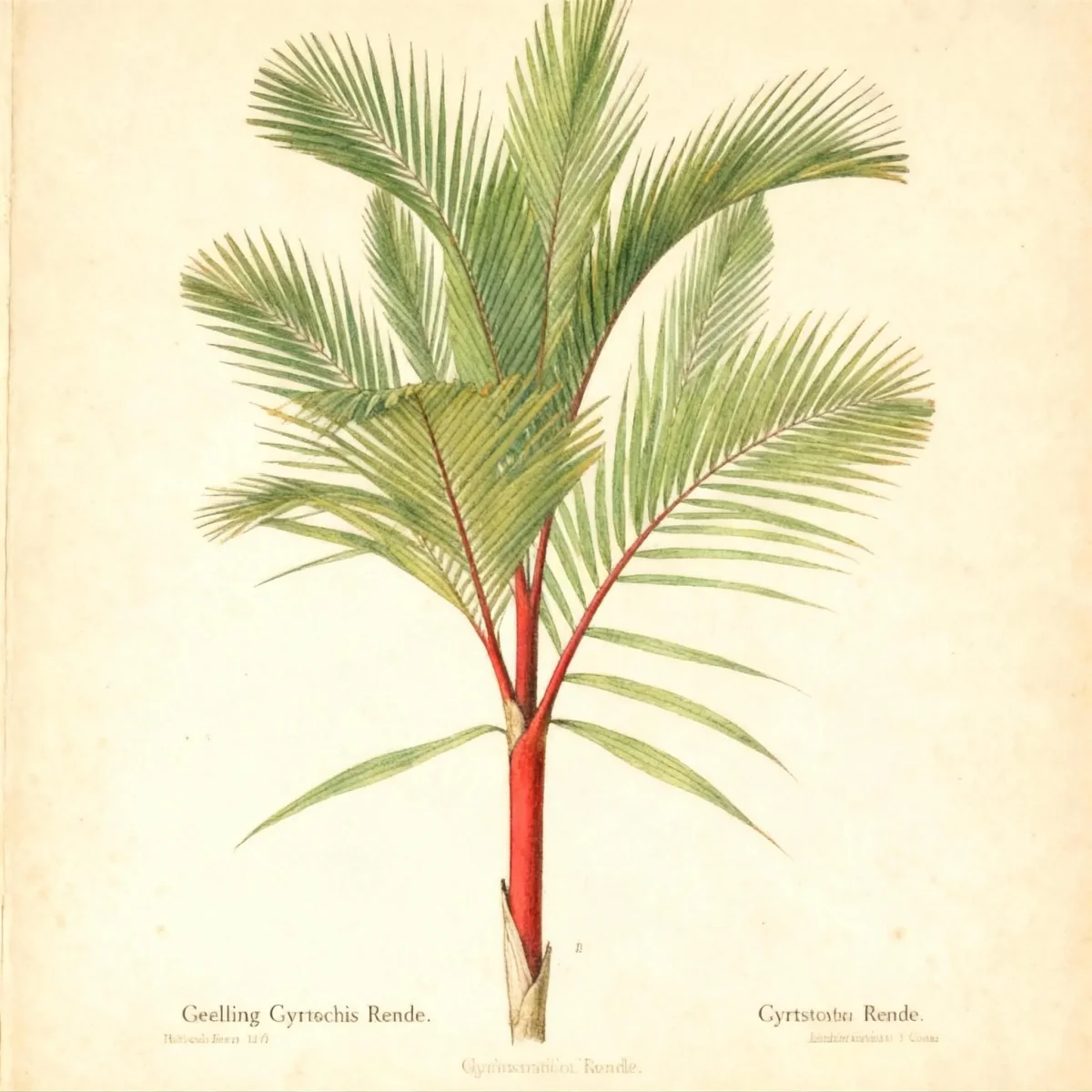
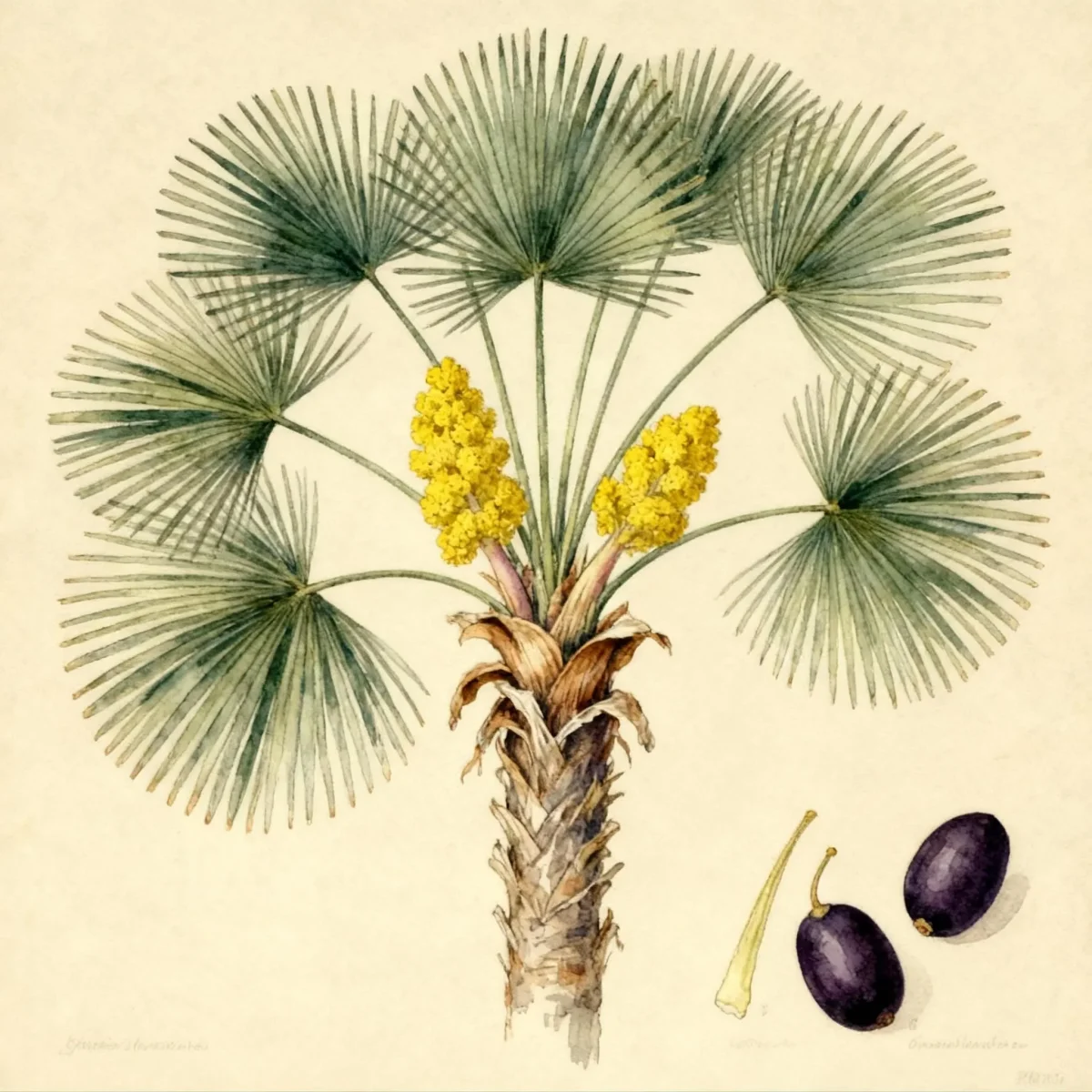
Fiji palm (Pritchardia pacifica)
The slow-growing Pritchardia pacifica, or Fiji palm, offers huge, fan-shaped lime-green leaves and low maintenance for warm climates.

Bloom Boldly, No Matter the Season - Sweatshirt
Cozy organic cotton sweatshirt featuring our exclusive Purple Coneflower design. Perfect for gardeners who bloom year-round.
Inspired by the beautiful Fiji palm
Limited first batch (50) — join the waitlist for early access
Waitlist closes Feb 15, 2026.
Complete Plant Information
Field Guide Continues
Ready for care notes, companion picks, and planting tips?
The map is just the start. The full guide below covers growth habits, seasonal performance, and landscape uses.
Overview
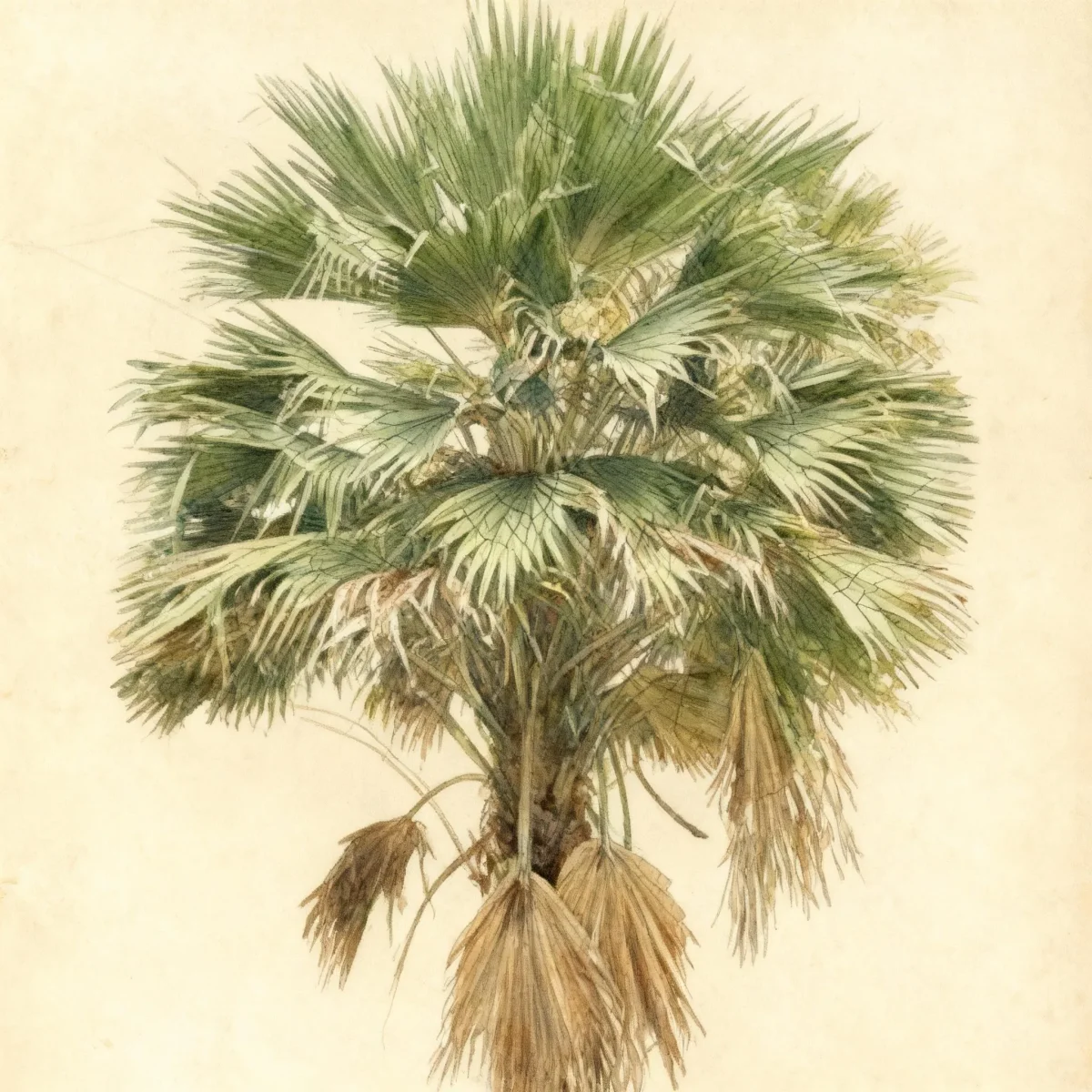
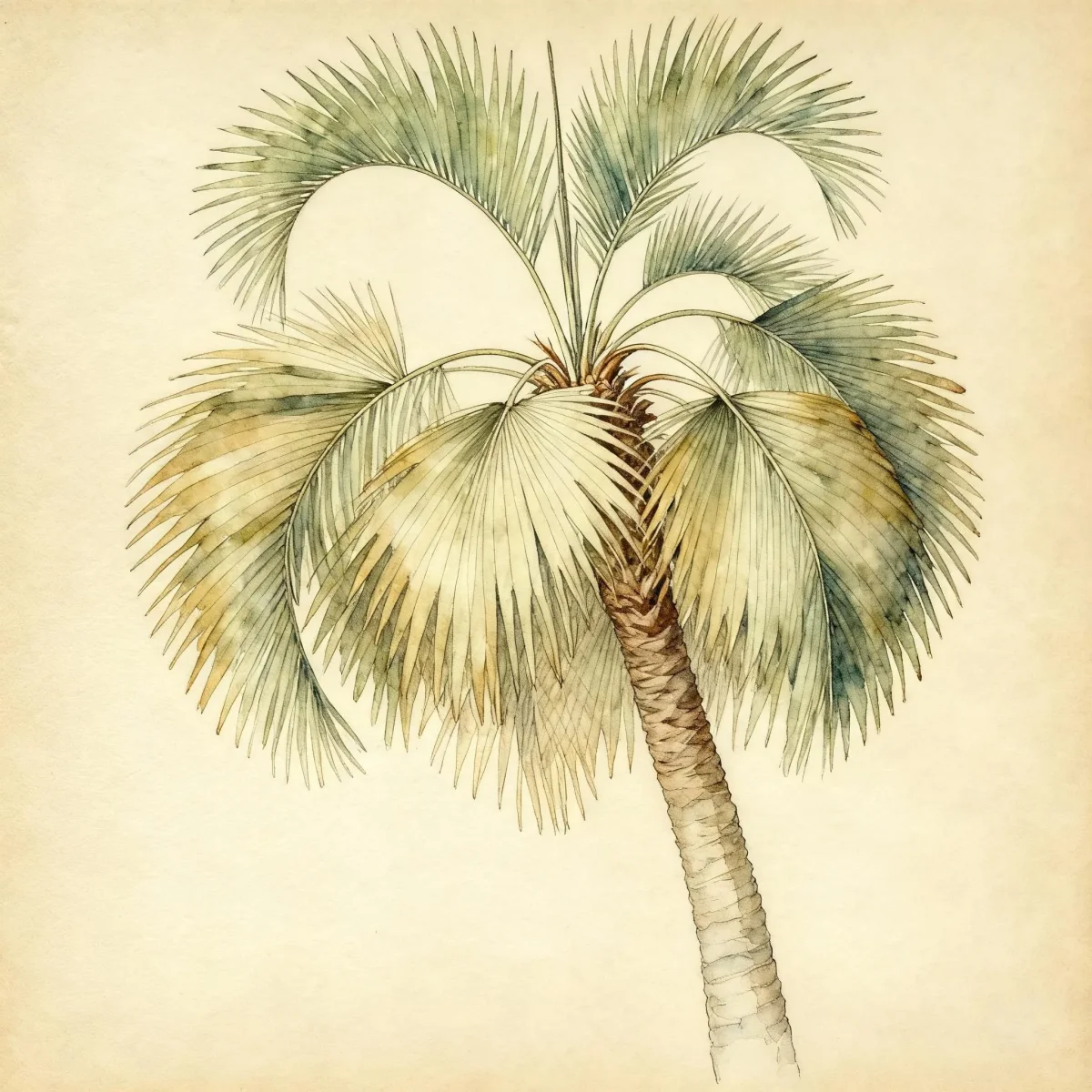
The Pritchardia pacifica, widely known as the Fiji palm or Fiji fan palm, is a solitary palm prized for its dramatic tropical presence. It is recognized by its slow growth rate and spectacular foliage, featuring huge, segmented, fan-shaped leaves that emerge lime green. This species offers a desirable, low-maintenance way to bring classic Pacific island aesthetics into warmer landscapes or sunlit interiors.
Native primarily to islands like Fiji, the Fiji palm has become a staple in tropical and subtropical gardens worldwide. It develops a distinct gray trunk as it matures, reaching impressive heights in ideal conditions. Gardeners appreciate the Pritchardia pacifica for its resilience once established in suitable zones, paired with impressive flower and fruit displays.
This palm provides architectural structure in a landscape, making it an excellent specimen plant. Whether grown outdoors in humid, warm regions or maintained as a stately houseplant, the substantial size and graceful fronds of the Pritchardia pacifica ensure it remains a focal point in any setting.
Fast Facts
- Plant Family: Arecaceae
- Plant Type: Palm or Cycad
- Native Range: Tonga
- Hardiness Zones: USDA Zones 10-11
- Size at Maturity:
- Height: 20-30 ft
- Spread: 10-18 ft
- Bloom Time: July to August
- Bloom Description: Brown
- Sun Exposure: Full sun to part shade
- Water Needs: Medium
- Maintenance Level: Low
How to Grow
For optimal growth, plant the Pritchardia pacifica during the warm season to encourage establishment. It thrives best in consistently moist, well-drained soils; avoid heavy clay or standing water, which can lead to root issues. While it prefers full sun in tropical settings, offering light shade during the hottest part of the afternoon can benefit younger specimens or those in slightly cooler environments within its acceptable range.
Water needs are medium; maintain even soil moisture, especially through dry spells, but allow the top layer of soil to slightly dry between thorough waterings. Fertilization should follow standard palm guidelines, ensuring micronutrients like magnesium and potassium are supplied regularly to maintain leaf vibrancy. Maintenance for this palm is generally low, requiring minimal pruning other than removing old, dead fronds as needed.
A critical consideration for the Fiji palm is temperature sensitivity. While winter hardy to USDA Zone 10, the Pritchardia pacifica strongly dislikes temperatures dipping below 55–60°F. In zones bordering the lower limit, gardeners must provide protection or treat this plant as a patio specimen, moving containers inside a sunny room when temperatures threaten to drop near freezing.
Landscape Uses
The lush, architectural form of the Pritchardia pacifica makes it highly valuable as a solo specimen planting, anchoring tropical garden designs. Its 10 to 18-foot spread allows it to stand beautifully in lawns or at the edges of open clearings where its large, fan-shaped canopy can be fully appreciated without crowding. For those residing in northern parts of its range or desiring flexible placement, the Fiji palm grows well as a houseplant.
When growing containers indoors, use a proportionally large container and ensure the room receives ample, bright sunlight. In late spring, once dangerous cold snaps have passed, these containers can be successfully moved outside to grace patios or decks, bringing that signature Pacific vibe until autumn returns. This versatility secures the Pritchardia pacifica as a key architectural plant for many gardeners.
Standout Features
Flower Qualities
- Showy
- Fragrant
Fruit Qualities
- Showy
Noteworthy Characteristics
Prichardia pacifica, commonly called Fiji fan palm, is a solitary palm that is native to Fiji in the southwest Pacific Ocean. It has been introduced to a large number of tropical islands in the Pacific Ocean, including Tonga and Samoa where it may also be native, and in many other tropical to sub-tropical habitats throughout the world. It is a gray-trunked tree (mature trunk diameter to 12”) which grows slowly to as much as 20-30’ tall in tropical areas, but smaller when grown indoors in containers as a houseplant.
Tolerances
Potential Problems
Lethal yellowing is a serious threat to palms in certain regions, notably Florida. Primarily caused by a phytoplasma disease, it spreads via the planthopper Myndus crudus. Symptoms often include yellowing fronds, blackened flowers, and premature fruit drop, ultimately leading to the death of the palm.
Since the Fiji fan palm can be susceptible, growers in endemic areas must employ strict cultural practices to avoid introducing or spreading the pathogen. Maintaining good general plant health aids resistance, and management often involves controlling the planthopper vector where possible. Always source clean, disease-free stock when establishing new Pritchardia pacifica plants.
Frequently Asked Questions
What hardiness zones is Fiji palm suitable for?
The Fiji palm (Pritchardia pacifica) is best suited for USDA Hardiness Zones 10 through 11, as it dislikes temperatures below 55–60°F.
How large does Pritchardia pacifica grow?
When grown in tropical environments, the Pritchardia pacifica can reach a mature height between 20 and 30 feet tall, with a spread ranging from 10 to 18 feet wide.
What sun exposure does Pritchardia pacifica need?
This palm performs best when situated in full sun to partial shade conditions. Bright light is essential, especially when grown indoors as a houseplant.
When does the Fiji palm bloom?
The Fiji palm typically blooms between July and August, producing noticeable brown flowers on long inflorescences.
Conclusion
The slow-growing, distinctive appearance of the Pritchardia pacifica ensures its continued popularity as a stately tropical accent plant. Its low maintenance requirements, coupled with the showy nature of its fruit and fragrant flowers, make the Fiji palm a prime choice for warm-climate gardeners. Before planting, always verify local frost risk and ensure well-draining soil to give your new Pritchardia pacifica the best chance for success.
Companion Planting for Tropical Structure
When designing a landscape featuring the Pritchardia pacifica, select companions that share similar light and moisture needs while complementing its strong vertical form. Consider underplanting this palm with large-leafed tropicals that thrive in partial shade, such as various species of Alocasia or Philodendron, which provide textural contrast to the fan-shaped fronds. Alternatively, for a blazing full-sun border, pair the Fiji palm with low-growing Bromeliads or colorful Crotons for bursts of contrasting color near its gray trunk.
To enhance the exotic feel, group the Fiji palm with other palms that offer different canopy shapes, like the feathery Coconut palm (Cocos nucifera) or a clustering parlor palm (Chamaedorea elegans) to add layers to the garden structure. Remember that because the Pritchardia pacifica enjoys moist, well-drained soil, ensure that any accompanying perennials also prefer consistent water supply rather than drought tolerance.
Seasonal Care Calendar for Container Palms
For gardeners growing the Fiji palm in containers, seasonal attention is vital, particularly regarding temperature shifts. In early spring, begin gradually acclimatizing containerized Pritchardia pacifica back to full outdoor exposure after overwintering indoors; introduce them to direct sun slowly to prevent leaf scorch. During the peak growing season of summer, actively monitor soil moisture, as containers dry out much faster than garden beds, potentially requiring daily watering in extreme heat.
As autumn approaches and night temperatures begin to dip below 60°F, it is crucial to move the Fiji palm back indoors promptly to prevent chilling injury that the species dislikes. Overwintering requires a bright location—a south-facing window is ideal—and reducing water frequency significantly, allowing the potting mix to stay drier until the threat of frost has completely passed the following spring.