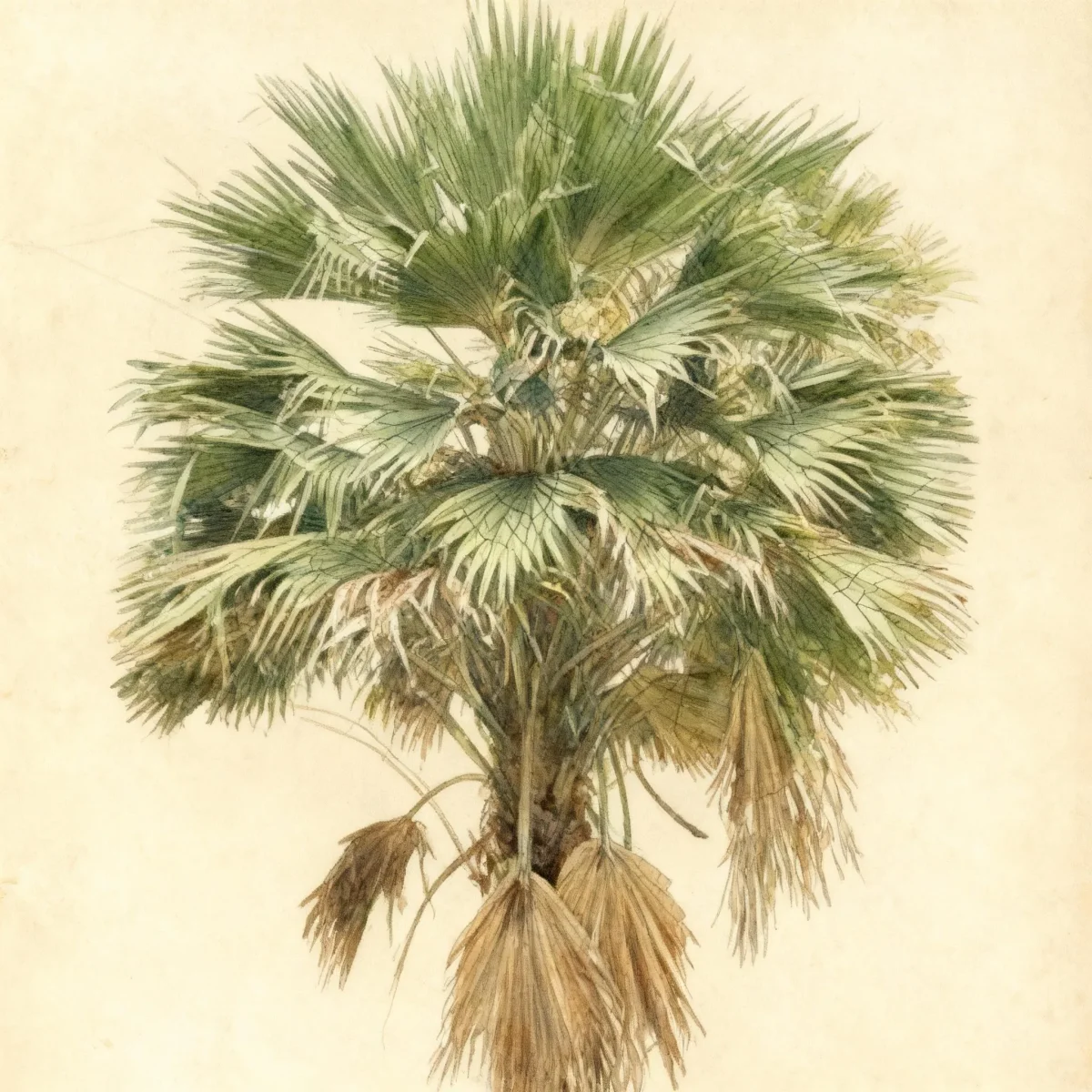
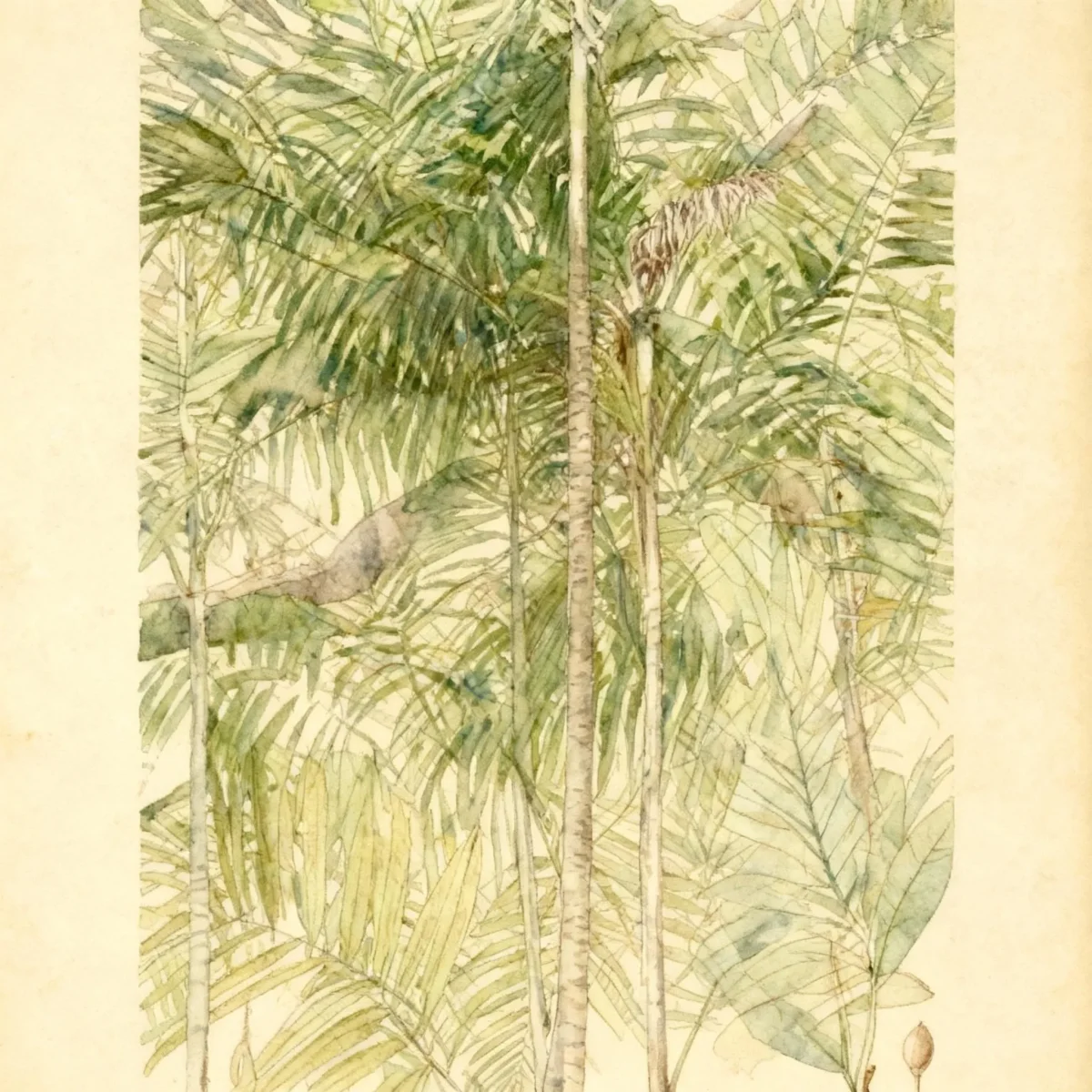
Windmill palm (Trachycarpus fortunei)
Discover the Windmill palm (Trachycarpus fortunei), a remarkably cold-hardy fan palm, perfect for adding tropical structure in USDA Zones 7-10.

Bloom Boldly, No Matter the Season - Sweatshirt
Cozy organic cotton sweatshirt featuring our exclusive Purple Coneflower design. Perfect for gardeners who bloom year-round.
Inspired by the beautiful Windmill palm
Limited first batch (50) — join the waitlist for early access
Waitlist closes Feb 15, 2026.
Complete Plant Information
Field Guide Continues
Ready for care notes, companion picks, and planting tips?
The map is just the start. The full guide below covers growth habits, seasonal performance, and landscape uses.
Overview
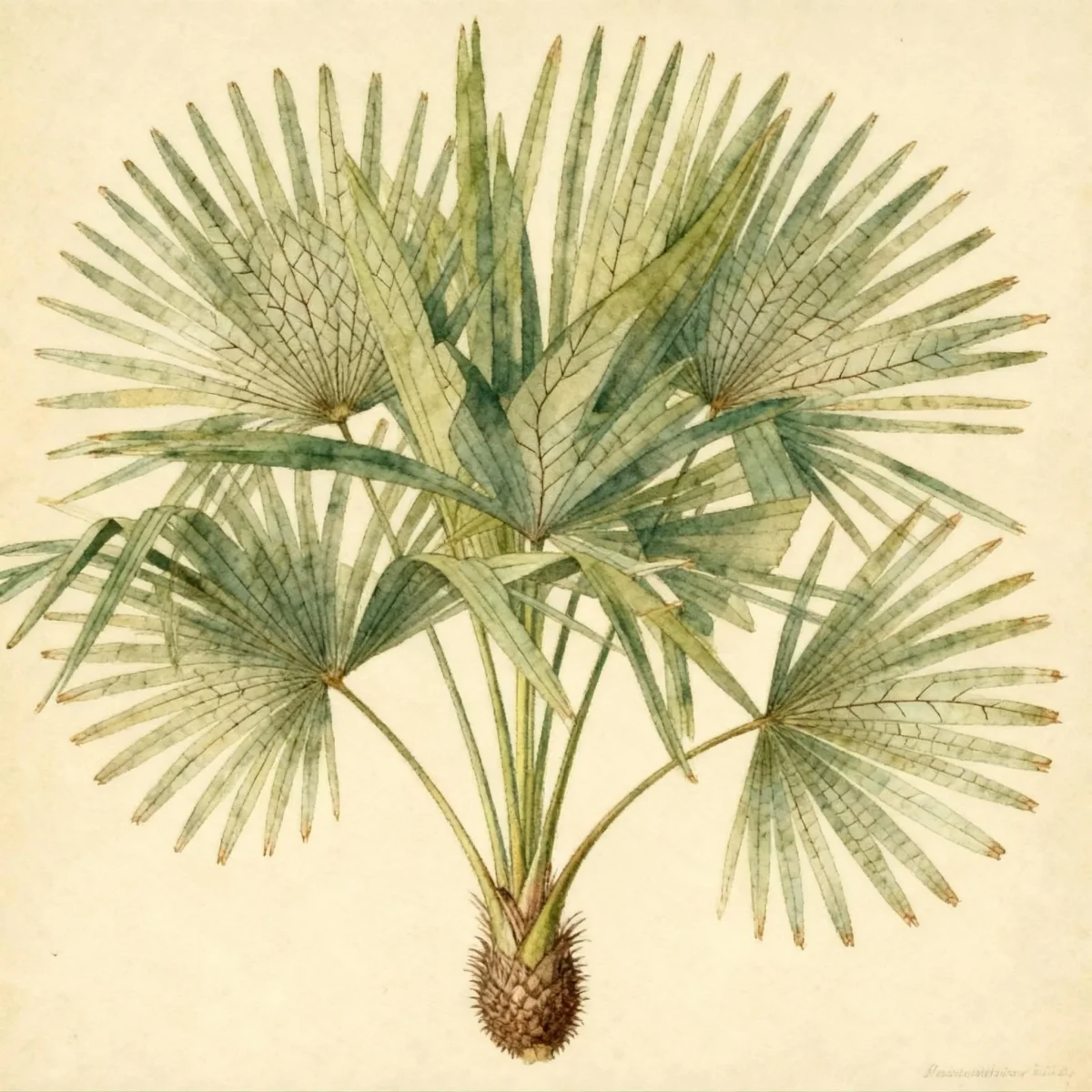
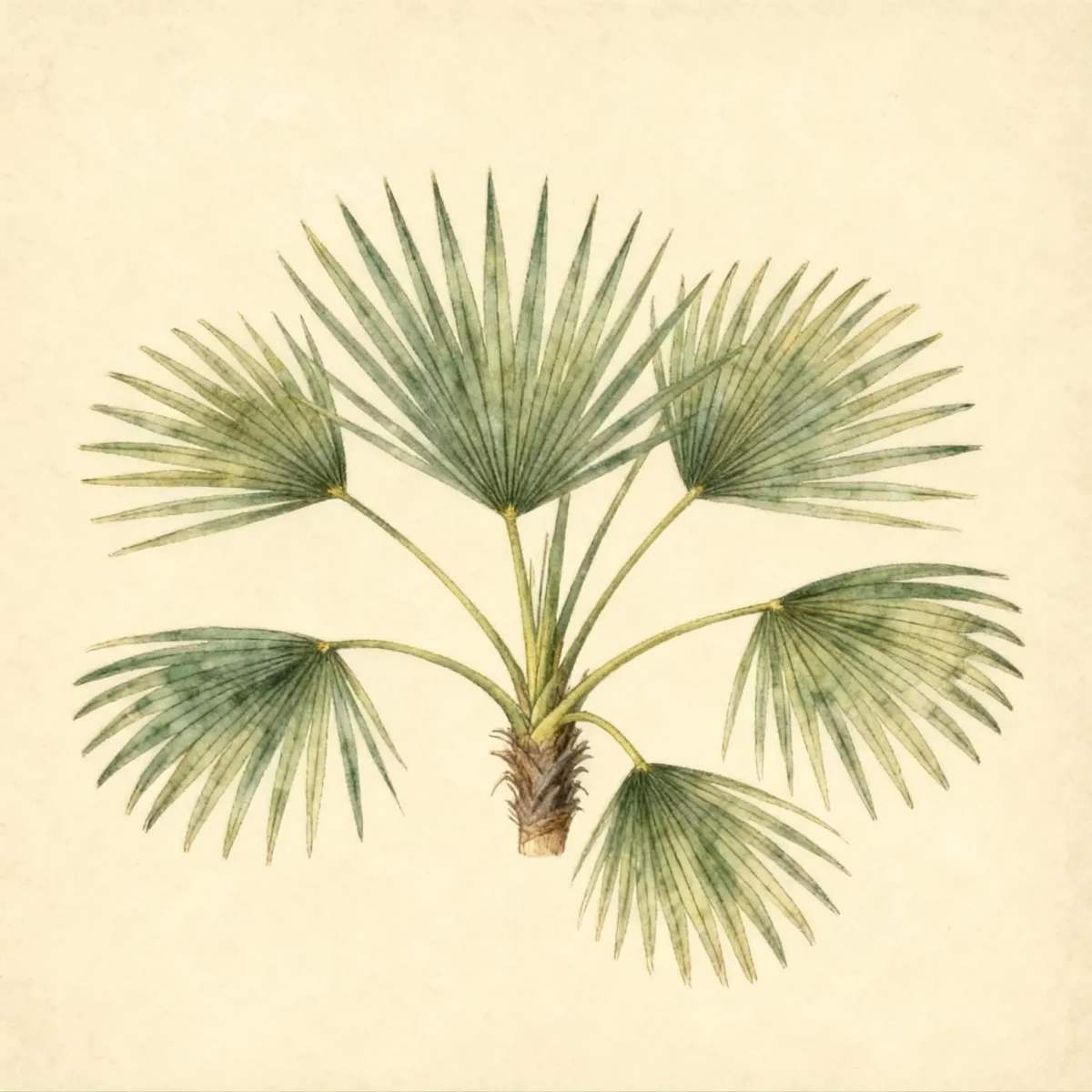
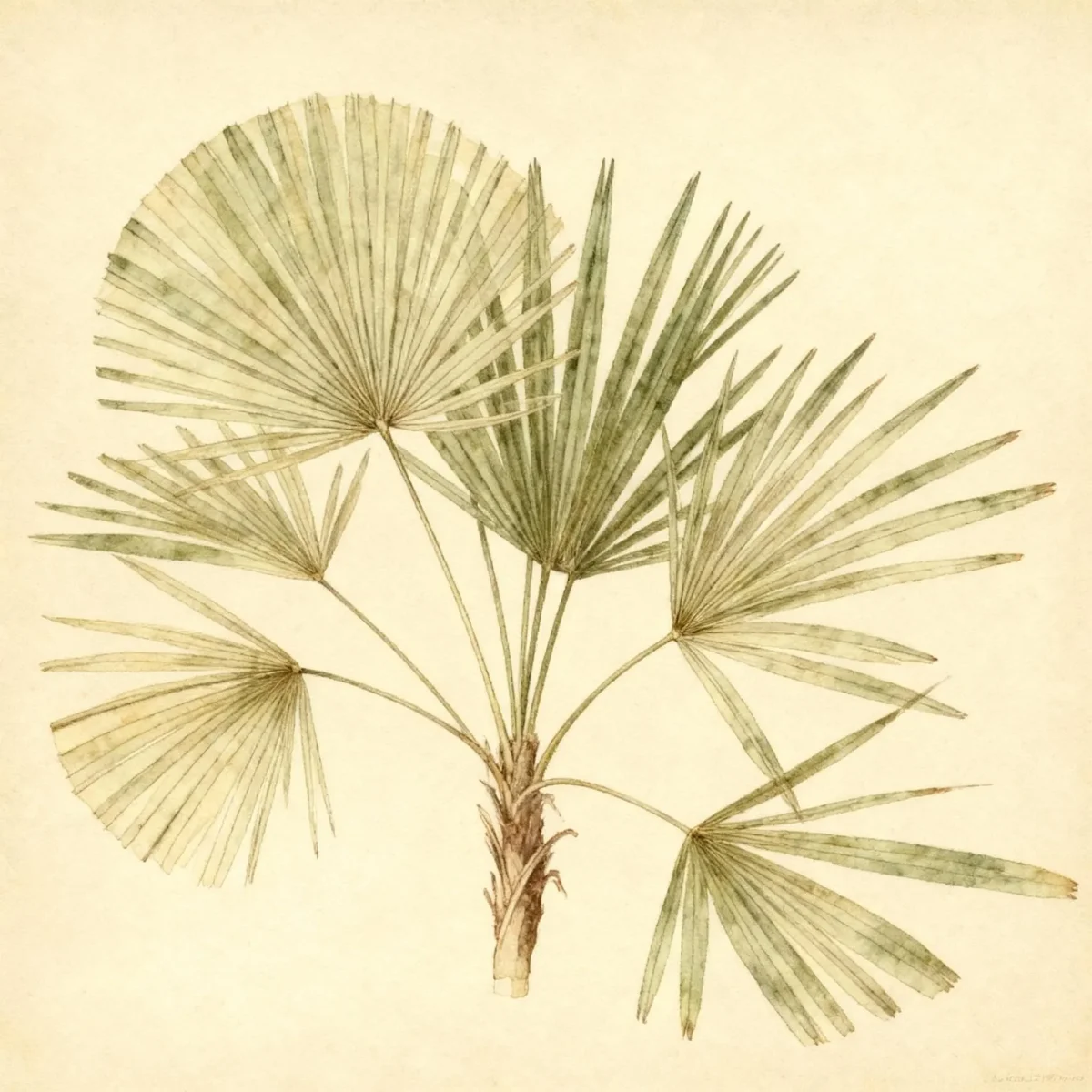
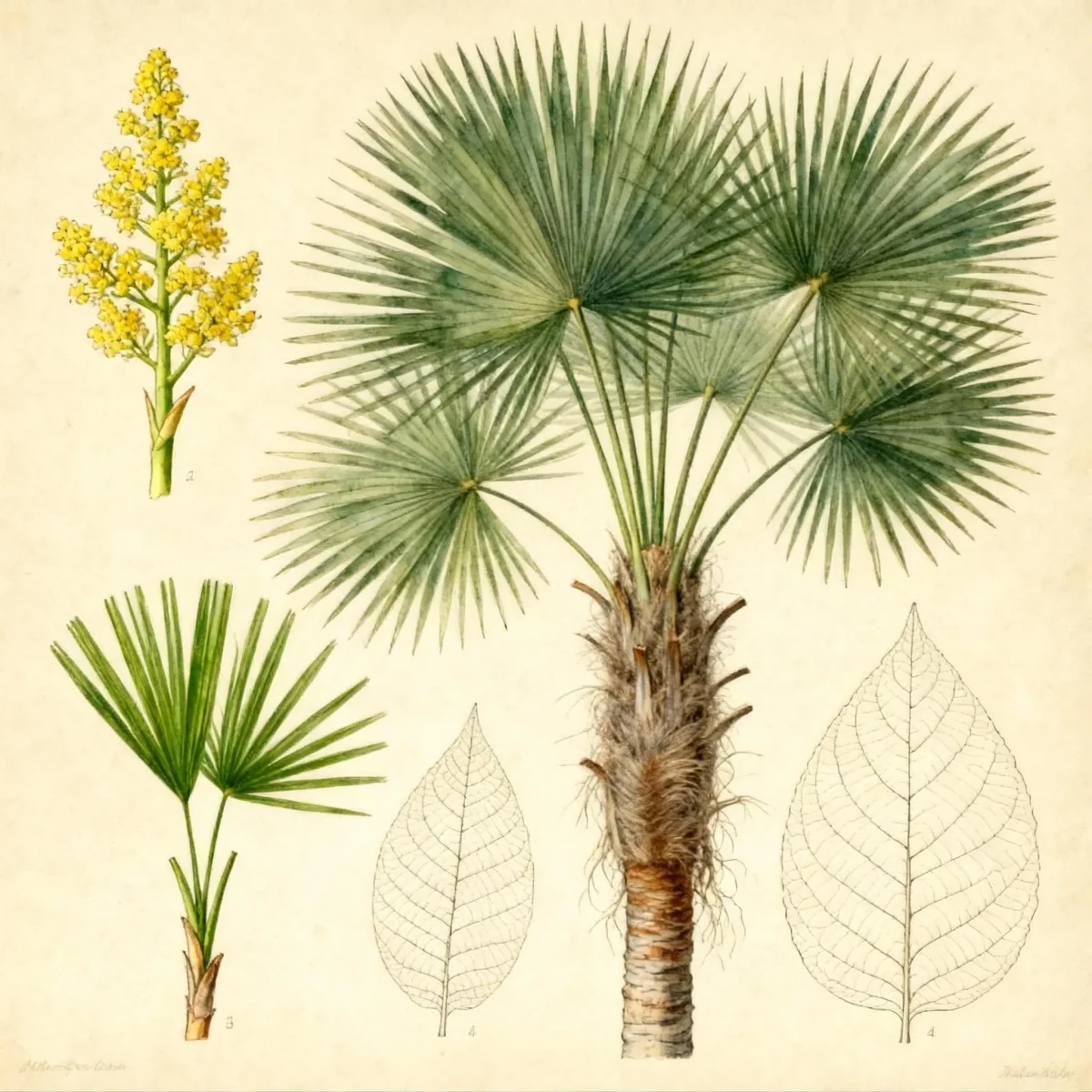
The Windmill palm, scientifically known as Trachycarpus fortunei, stands out in temperate landscapes due to its exceptional cold tolerance among trunked palms. This species develops a solitary trunk densely covered in fibrous, hair-like material, creating a dramatic, exotic profile year-round. Gardeners prize the Trachycarpus fortunei for its large, dark green, fan-shaped leaves that dance in the breeze, resembling a windmill in motion.
Native to the mountain forests of China, the Windmill palm brings stunning tropical flair even into cooler climates, provided site selection is respectful of its needs. While mature plants offer significant hardiness, achieving the maximum height of 40 feet requires careful attention to culture and protection during specific cold snaps. This evergreen foliage ensures structural interest throughout the winter months, making the Trachycarpus fortunei a centerpiece specimen.
Although its maintenance level is noted as high, the reward is a bold, architectural plant that few other palms can offer in zones spanning USDA 7 through 10. Careful placement to shelter it from harsh winter winds significantly contributes to the long-term success of establishing this beautiful Windmill palm.
Fast Facts
- Plant Family: Arecaceae
- Plant Type: Palm or Cycad
- Native Range: Central and eastern China
- Hardiness Zones: USDA Zones 7-10
- Size at Maturity:
- Height: 20-40 ft
- Spread: 4-6 ft
- Bloom Time: June to July
- Bloom Description: Yellow
- Sun Exposure: Full sun to part shade
- Water Needs: Medium
- Maintenance Level: High
How to Grow
Planting the Trachycarpus fortunei is best performed in spring or early summer, allowing the plant time to establish a robust root system before facing winter stress. Select a location offering organically rich, moderately fertile soil that provides excellent drainage. While it tolerates full sun, the Trachycarpus fortunei often performs best when sited in a location that offers light afternoon shade, maximizing performance while minimizing stress.
Consistent moisture is crucial, especially during the growing season; aim for evenly moist soil without allowing it to become waterlogged, which compromises drainage. Due to its “High” maintenance rating, supplemental feeding to maintain vigor is often necessary, focusing on palm-specific fertilizers. Pruning should be minimal, primarily removing only old, completely dead fronds to maintain the natural, textured look of the trunk.
Winter protection is the key cultural consideration for this hardy Windmill palm in borderline zones. Always site the plant in protected areas sheltered from prevailing winter winds. As temperatures approach 10°F, gardeners should consider mulching heavily around the base for root insulation and providing temporary crown protection, perhaps using a plastic sheet barrier, especially when temperatures dive toward single digits.
Landscape Uses
The dramatic structure of the Windmill palm makes it an instant focal point, immediately invoking a tropical atmosphere even in cooler climates. It excels as a singular specimen plant, drawing the eye upwards to its crown of fan leaves. Consider using several Trachycarpus fortunei specimens to effectively frame a main entrance or walkway, adding grand scale and year-round symmetry.
Beyond focal points, this palm works well planted in small, curated groups where its evergreen character can provide continuous texture contrast against deciduous shrubs or broadleaf evergreens. Although it reaches substantial height, the relatively narrow spread of 4 to 6 feet means it doesn’t dominate the surrounding space as much as some other large landscape trees. Furthermore, mature trunks provide a unique material source, allowing the plant to serve a historical or utilitarian function if fibers are harvested carefully.
Standout Features
Fruit Qualities
- Showy
Noteworthy Characteristics
Trachycarpus fortunei, commonly called windmill palm, is native to subtropical and temperate mountain forests of China, noted for its solitary, fiber-covered trunk that can reach 20–40 feet tall. Its large, fan-shaped, dark green leaves segment about halfway, creating the distinctive windmill appearance. In warmer zones, female plants produce attractive yellowish flowers followed by dark blue drupes.
Tolerances
- No serious insect or disease problems
Potential Problems
This palm generally exhibits excellent pest and disease resistance, which contributes to its appeal when properly sited. You should generally observe few serious insect or disease issues under ideal cultural conditions. The primary problems encountered relate directly to environmental extremes, particularly unanticipated severe freezing events or poor drainage creating root rot, rather than biological infestations.
Frequently Asked Questions
What hardiness zones is Windmill palm suitable for?
The Trachycarpus fortunei is generally hardy in USDA Zones 7 through 10, offering impressive cold tolerance for a trunked palm.
How large does Windmill palm grow?
This palm typically matures to a height between 20 and 40 feet, with a relatively narrow spread of 4 to 6 feet.
What sun exposure does Trachycarpus fortunei need?
It thrives in conditions ranging from full sun to part shade, though many growers find it performs optimally where it receives shade during the hottest part of the afternoon.
When does Trachycarpus fortunei bloom?
Flowering generally occurs from June through July, producing clusters of attractive yellowish flowers.
Conclusion
The Trachycarpus fortunei delivers unparalleled architectural drama and tropical appeal, making it a sought-after addition wherever zone compatibility allows. Its relative hardiness distinguishes the Windmill palm from many other palms, securing its place as a reliable evergreen feature. Before planting, confirm your USDA zone is within the 7–10 range and select a well-drained, protected site to ensure its successful, towering growth.
Companion Planting
Selecting appropriate companions for the Windmill palm is essential for creating a cohesive, low-maintenance tropical border in cooler zones. Consider pairing Trachycarpus fortunei with hardy broadleaf evergreens that appreciate similar acidic soil profiles, such as certain varieties of Camellia or Rhododendron, which offer contrasting leaf texture and color. For ground cover beneath the canopy, look toward resilient texture providers like hardy ferns (e.g., Dryopteris species) or low-growing evergreen sedges that can handle filtered light cast by the palm’s fronds.
Avoid planting species requiring hot, arid conditions near your Trachycarpus fortunei, as this palm strongly prefers medium water needs and consistent moisture. Grouping it with other cold-tolerant subtropicals, such as certain hardy bamboo varieties (clumping types preferred for control), enhances the jungle aesthetic while sharing similar cultural requirements for rich, well-aerated soil.
Seasonal Care Calendar
Spring is the time to assess winter damage and begin regular feeding schedules to encourage vigorous growth for the coming season. Apply a balanced, slow-release fertilizer formulated for palms as new growth begins to emerge. Summer care focuses primarily on consistent, deep watering, especially during dry spells, ensuring the soil remains evenly moist without saturating the root zone.
As autumn approaches, cease fertilization to allow the plant to harden off naturally before winter dormancy. Winter preparation is critical: ensure a deep layer of mulch is applied around the trunk’s base to protect surface roots from freezing, and if severe low temperatures (near 0°F) are forecasted, be prepared to physically wrap the crown of the Windmill palm lightly.