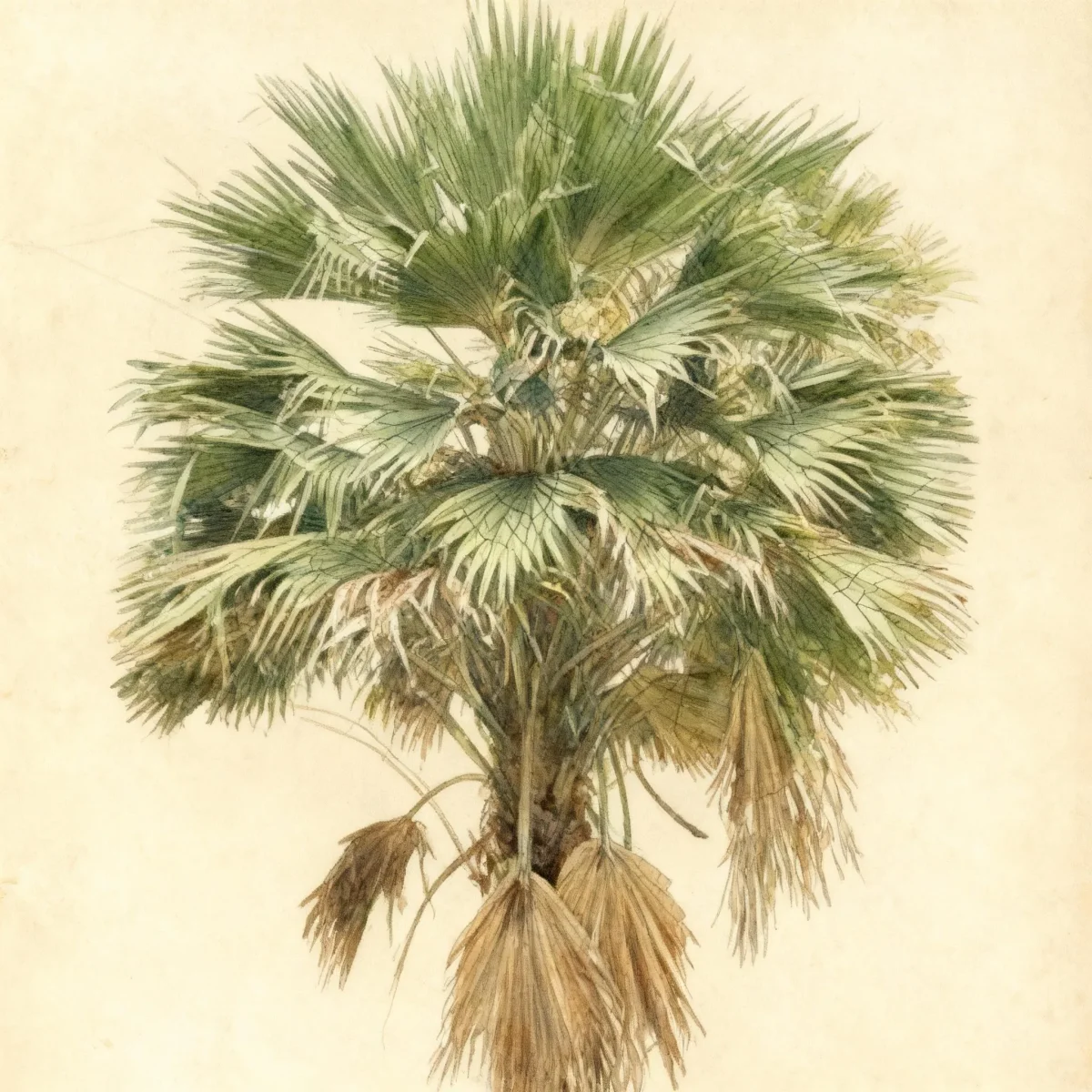
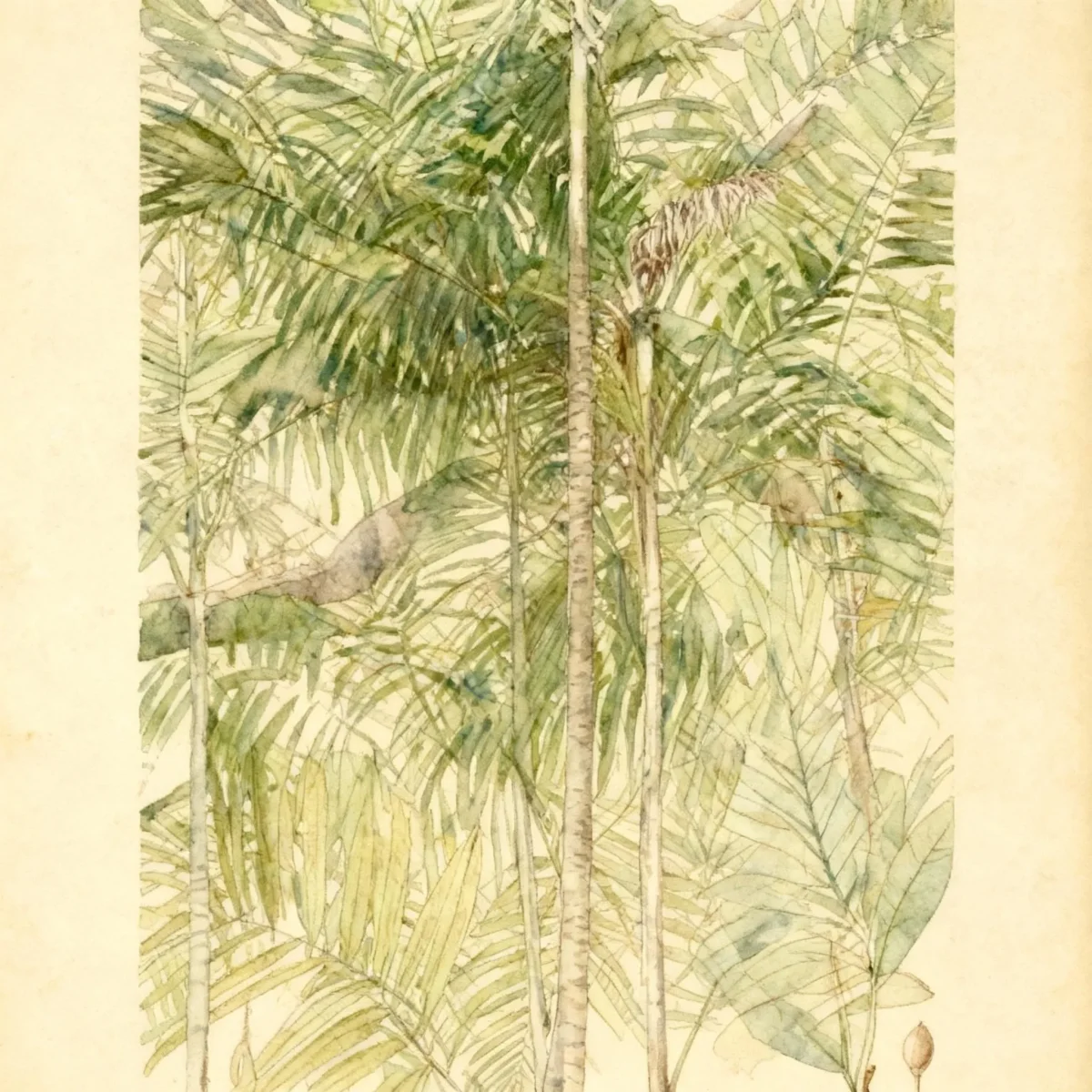
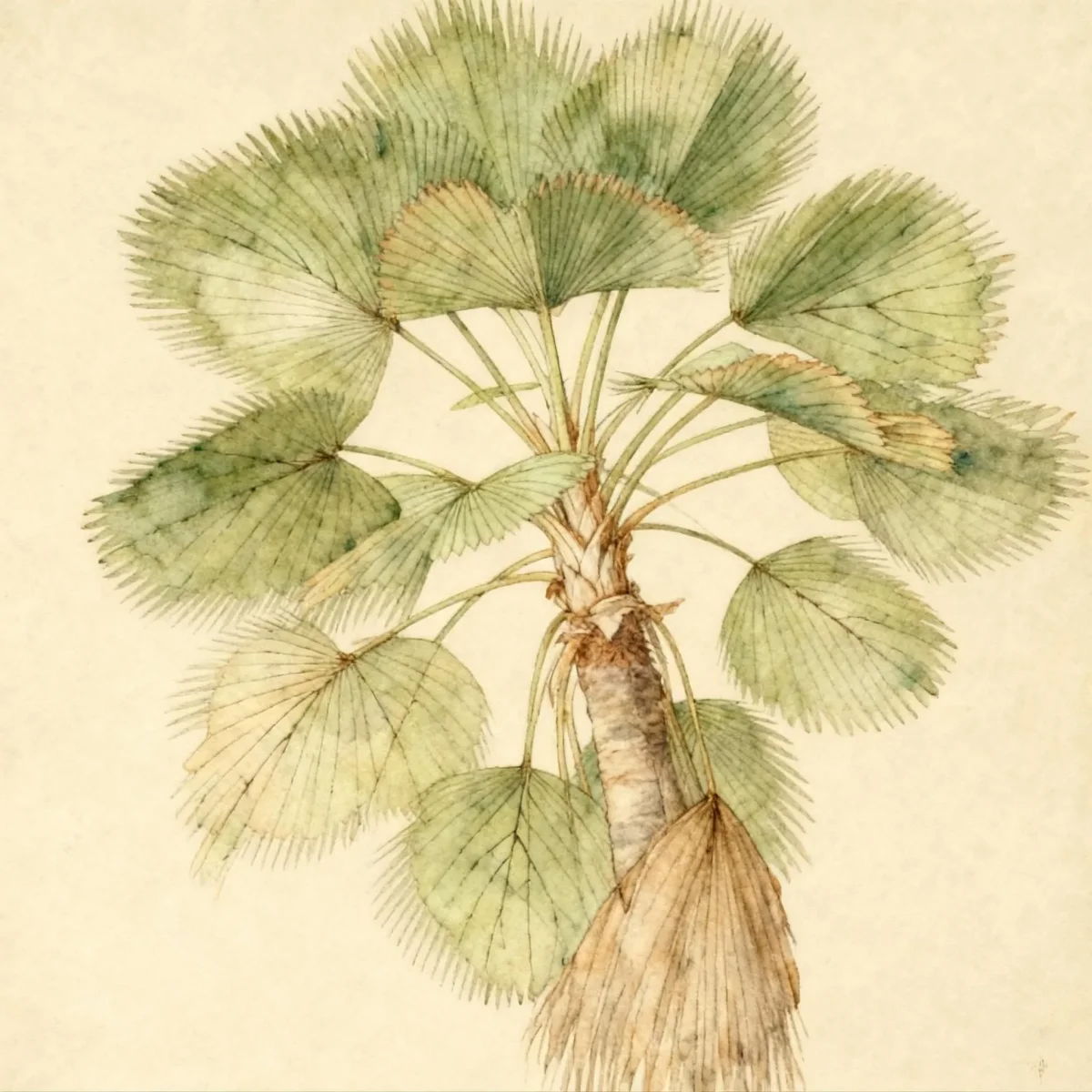
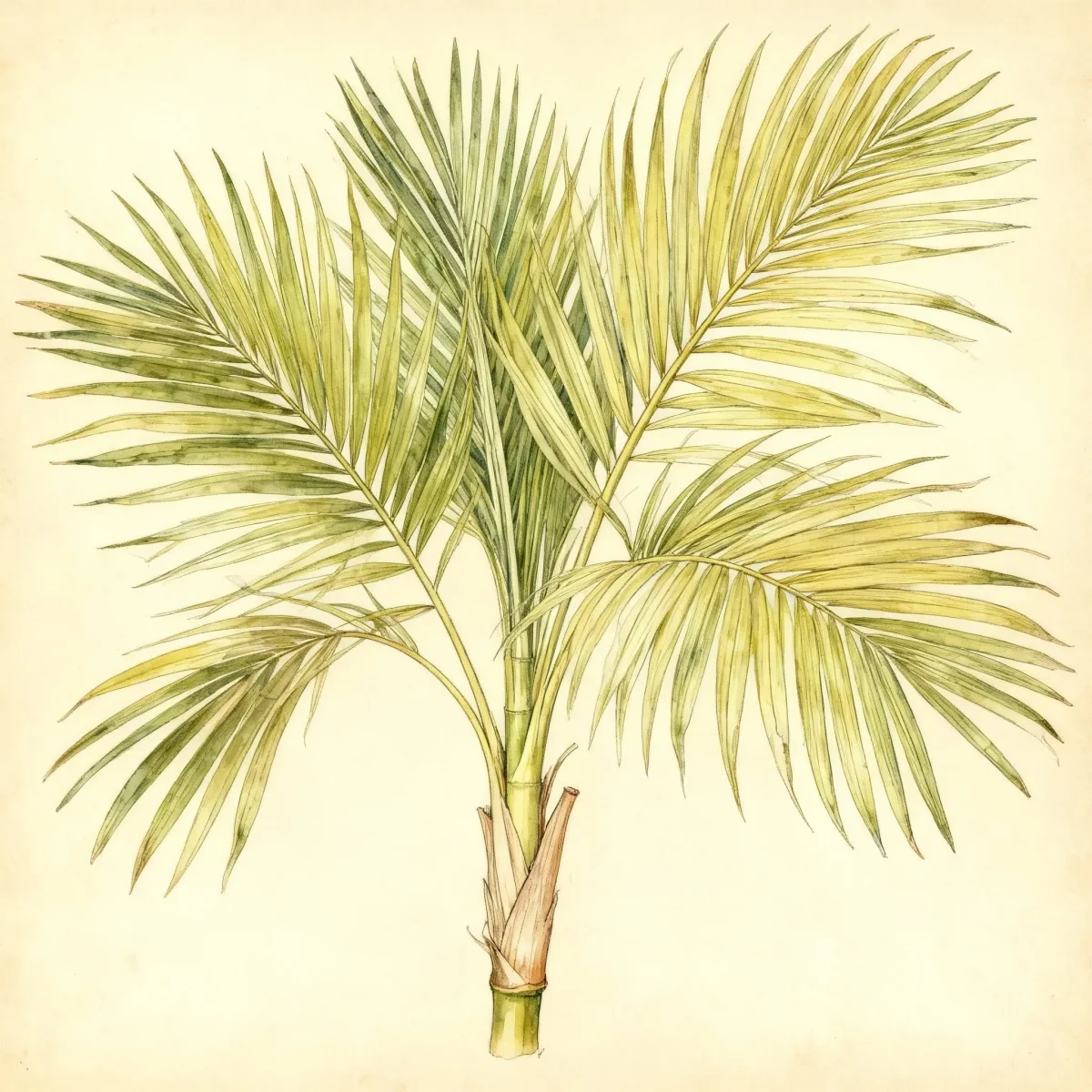
Sealing wax palm (Cyrtostachys renda)
Discover the stunning Sealing wax palm (Cyrtostachys renda), famed for its brilliant red crown shafts. A high-maintenance tropical accent for Zones 11-12.

Bloom Boldly, No Matter the Season - Sweatshirt
Cozy organic cotton sweatshirt featuring our exclusive Purple Coneflower design. Perfect for gardeners who bloom year-round.
Inspired by the beautiful Sealing wax palm
Limited first batch (50) — join the waitlist for early access
Waitlist closes Feb 15, 2026.
Complete Plant Information
Field Guide Continues
Ready for care notes, companion picks, and planting tips?
The map is just the start. The full guide below covers growth habits, seasonal performance, and landscape uses.
Overview
The Cyrtostachys renda, affectionately known as the Sealing wax palm due to its extraordinary vibrant red stem coloring, is a spectacular focal point for tropical and subtropical gardens. This palm brings unparalleled visual drama with its glossy scarlet crown shafts and leaf stalks, contrasting beautifully against the deep green foliage. Gardeners seeking a true statement piece are drawn to the unique aesthetic provided by the Cyrtostachys renda.
Native to the swampy rainforests of the Malay peninsula and Borneo, the Sealing wax palm demands warm, humid conditions to thrive. While visually rewarding, it is classified as a high-maintenance plant, requiring consistency in its environment, particularly regarding moisture and temperature regulation. Its preference for tropical climates means it is primarily grown as an exotic specimen or as a sophisticated houseplant outside of its native range.
Cultivating the Lipstick palm successfully involves mimicking its humid, dappled forest home. When properly sited, this outstanding accent palm provides stunning visual appeal year-round, making the diligent care required for this Cyrtostachys renda well worth the effort for dedicated enthusiasts.
Fast Facts
- Plant Family: Arecaceae
- Plant Type: Palm or Cycad
- Native Range: Malay peninsula, Borneo, Sumatra
- Hardiness Zones: USDA Zones 11-12
- Size at Maturity:
- Height: 8-15 ft
- Spread: 5-10 ft
- Bloom Time: July
- Bloom Description: Greenish-white
- Sun Exposure: Full sun to part shade
- Water Needs: Medium
- Maintenance Level: High
How to Grow
The Sealing wax palm thrives when planted in warm, sheltered locations. In suitable tropical zones (11-12), locate it where it receives dappled sun or bright indirect light, especially when young. Mature plants can handle full sun exposure. Soil preparation is crucial; use an all-purpose potting mix indoors or ensure garden soil provides excellent drainage while retaining consistent moisture.
Watering must be meticulous; the Lipstick palm requires medium water usage and dislikes drought intensely. Keep the soil uniformly moist at all times. Avoid letting the roots dry out, but ensure the soil does not become waterlogged, which can lead to root issues in this species. High humidity levels are non-negotiable for keeping this tropical beauty happy.
Cold temperatures are a significant threat to Cyrtostachys renda, which strongly dislikes conditions below 55 degrees F and is only marginally hardy in Zone 10. For cultivation in the continental U.S., use it as a greenhouse specimen or bring plants indoors before temperatures drop. When moving plants outdoors during summer, place them only in shaded areas with bright, indirect sunlight and protect them from strong winds.
Landscape Uses
The Sealing wax palm is unparalleled as a specimen plant in true tropical settings where its scarlet coloring can be fully appreciated against deep green backdrops. It serves as an excellent, vertical accent, drawing the eye upward and adding a bold, exotic feel to borders or entrances. When grown as a houseplant, a single, well-established Cyrtostachys renda commands attention in an atrium or large, bright indoor space.
For companion planting, pair the Lipstick palm with darker green, less colorful foliage plants that will allow its striking red shafts to pop. Consider broad-leafed tropicals or ferns that appreciate similar high-humidity environments. Because it needs consistent moisture, group it near other water-loving landscape elements.
Indoor culture offers flexibility; use large containers to display your Sealing wax palm prominently near sunlit windows, ensuring placement away from any drafts or cool air currents emanating from windows or air conditioning units.
Standout Features
Flower Qualities
- Showy
Noteworthy Characteristics
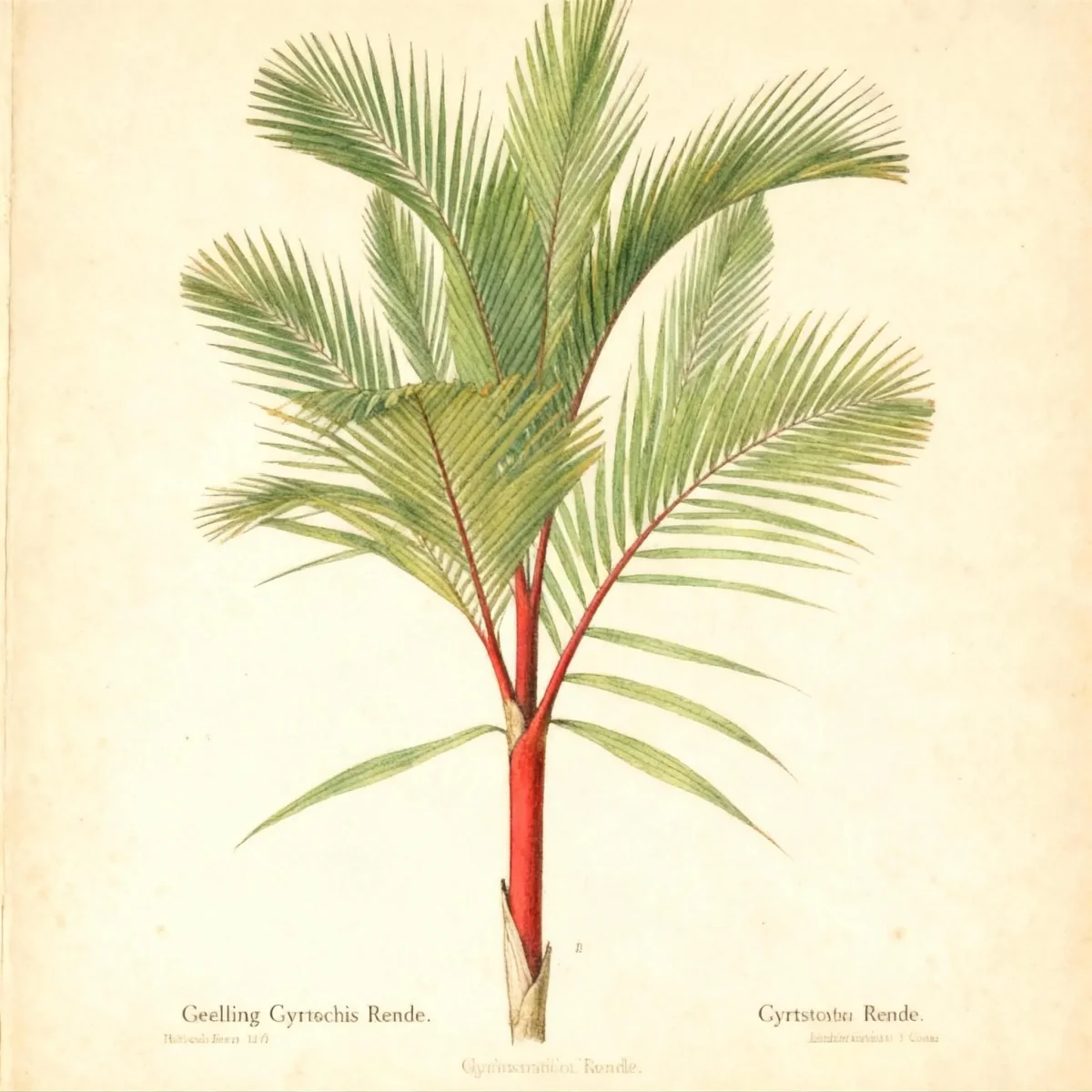
Cyrtostachys renda, commonly called lipstick palm or sealing wax palm, is a tropical palm that is native to swampy rain forest areas of the Malaysian peninsula, Indonesia and Borneo. It is perhaps best known for its glossy scarlet red crown shafts and leaf stalks which bring stunning accent and contrast to landscapes or indoor areas. The small, greenish-white flowers bloom in the summer, eventually yielding small, black fruits.
Tolerances
Omit this section as data is empty.
Potential Problems
The Sealing wax palm generally boasts an impressive history regarding major pests and diseases; no serious insect or disease problems are routinely reported in ideal outdoor settings. However, when grown indoors, cultural stress often leads to susceptibility to common houseplant pests.
Indoor plants, particularly those suffering from low humidity or temperature inconsistencies, are susceptible to spider mites and scale insects. Regularly inspect the undersides of the leaves and the leaf axils for early signs of infestation. Management often involves wiping leaves with a systemic insecticide or insecticidal soap, ensuring high humidity levels are maintained to discourage mite proliferation.
Frequently Asked Questions
What hardiness zones is Sealing wax palm suitable for?
The Cyrtostachys renda is winter hardy only in USDA Zones 11 through 12, requiring protection in cooler subtropical areas.
How large does Sealing wax palm grow?
This magnificent palm typically reaches heights between 8 and 15 feet, with a modest spread of 5 to 10 feet at maturity.
What sun exposure does Cyrtostachys renda need?
This palm prefers full sun to part shade; young plants benefit from protection from intense, direct midday sun, while mature plants can tolerate brighter exposure.
When does Sealing wax palm bloom?
The Cyrtostachys renda typically produces its small, greenish-white flower panicles during the month of July.
Conclusion
The Sealing wax palm (Cyrtostachys renda) offers unparalleled tropical drama through its intensely colored, glossy red stems, making it an exotic centerpiece for specialized gardens or sophisticated interior displays. While its high maintenance requirements—especially concerning consistent warmth and moisture—demand dedicated care, the visual reward of the Lipstick palm is unmatched. Before acquiring this species, carefully assess your local climate and the possibility of providing necessary indoor protection during cooler months.
Companion Planting
Selecting appropriate companions is key to maintaining the microclimate necessary for a thriving Sealing wax palm. Look for plants that share a need for high humidity and consistently moist, well-drained soil, such as various Calatheas, Ferns, and other understory tropicals. Grouping moisture-loving plants together helps raise the ambient humidity around the Cyrtostachys renda, reducing stress.
Avoid arid-loving succulents or plants that require deep, dry periods between watering, as these companions will inevitably signal a drastic shift in the soil moisture balance required by the Sealing wax palm. Ensure companions, especially when young, do not cast dense shade that would block the necessary bright, indirect light critical for healthy coloration.
Seasonal Care Calendar
During the peak growing season (spring through fall), focus heavily on hydration; treat the moderate water needs by ensuring the soil never completely dries out. Fertilization should be regular, using a balanced palm fertilizer applied according to product instructions to support continuous growth throughout the warm period.
As autumn approaches in marginal zones, diligently monitor nighttime temperatures; be prepared to move indoor specimens back inside if temperatures dip near 55 degrees F. Indoor care in winter involves reducing fertilizer and ensuring humidity remains high, perhaps using a pebble tray or humidifier near your prized Sealing wax palm.