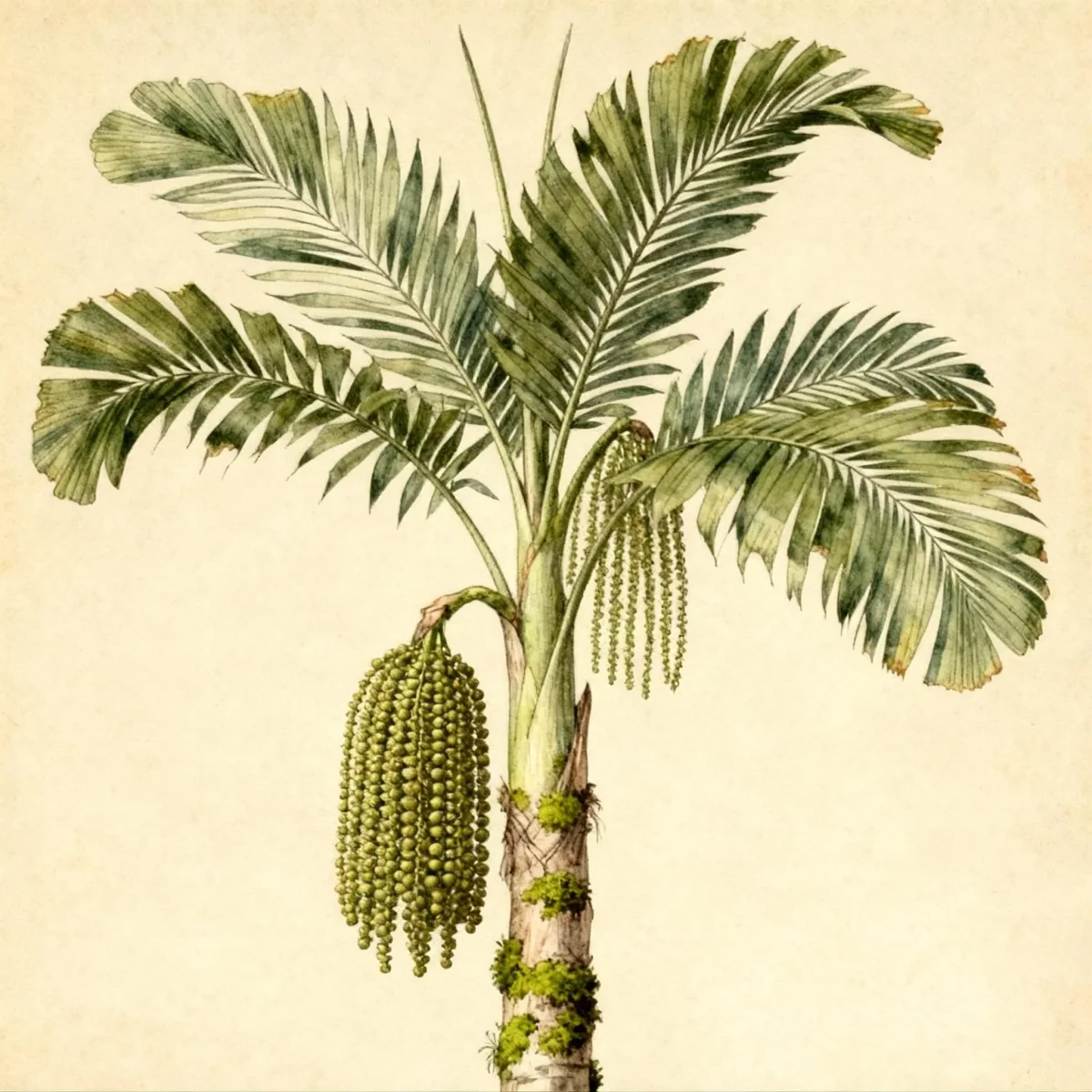
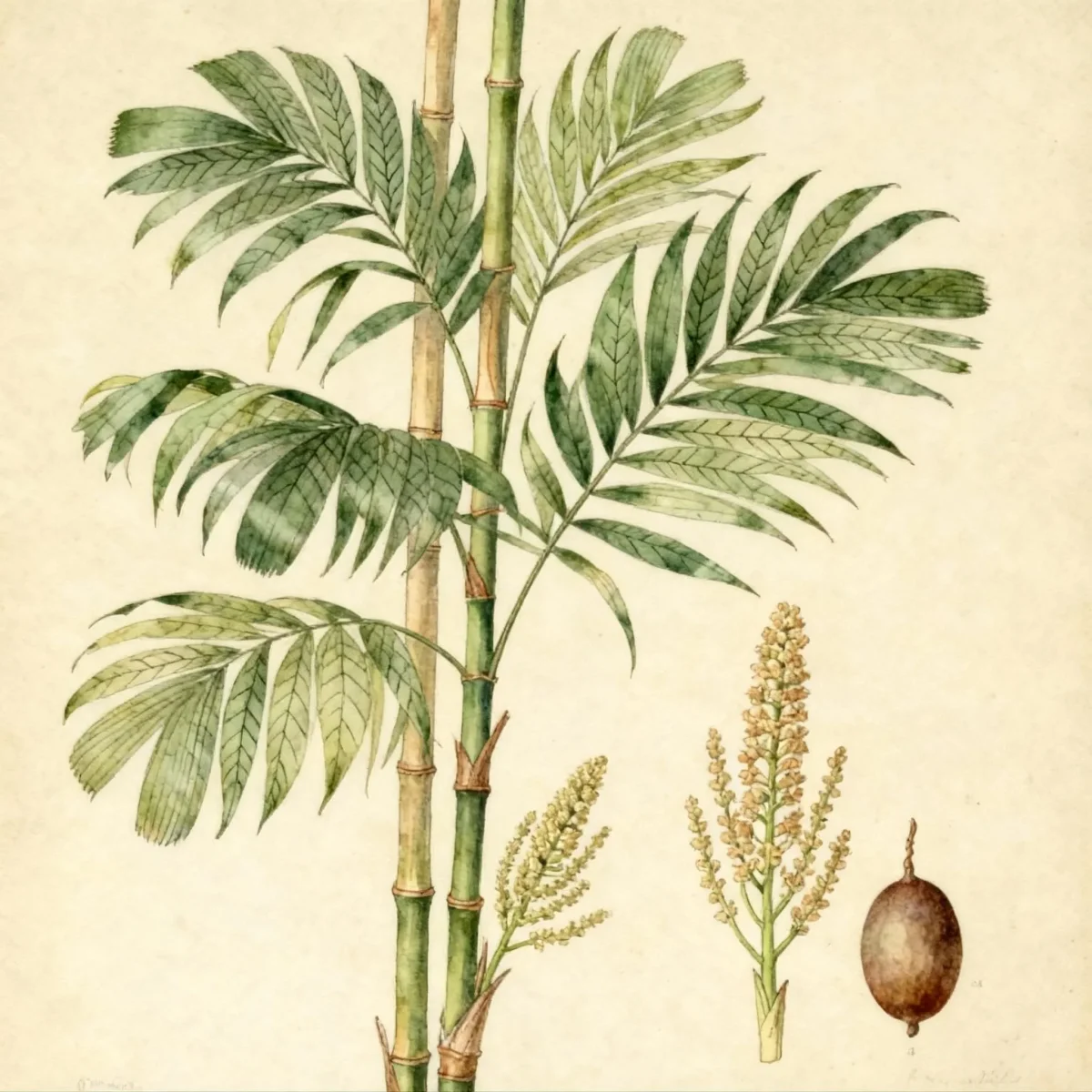
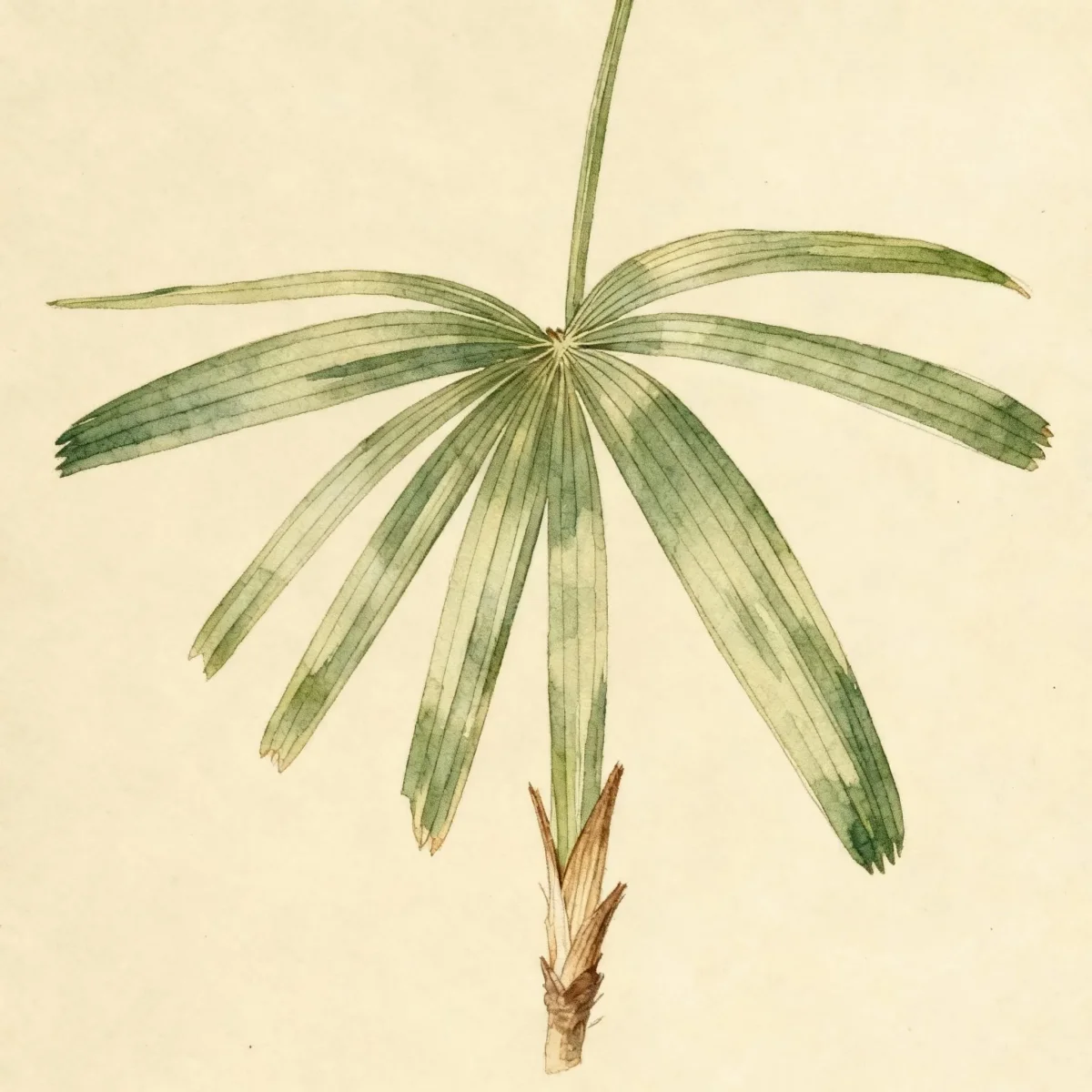
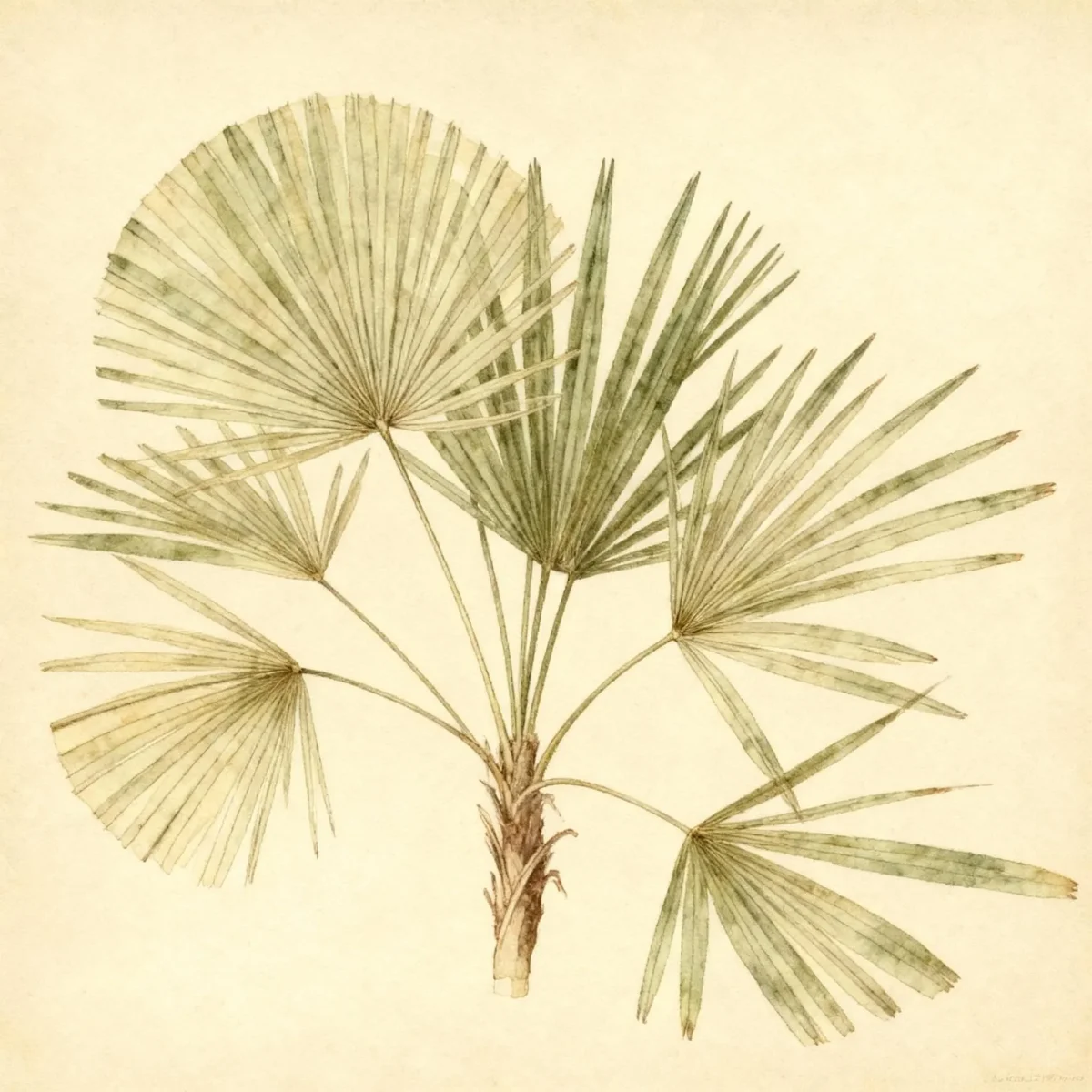
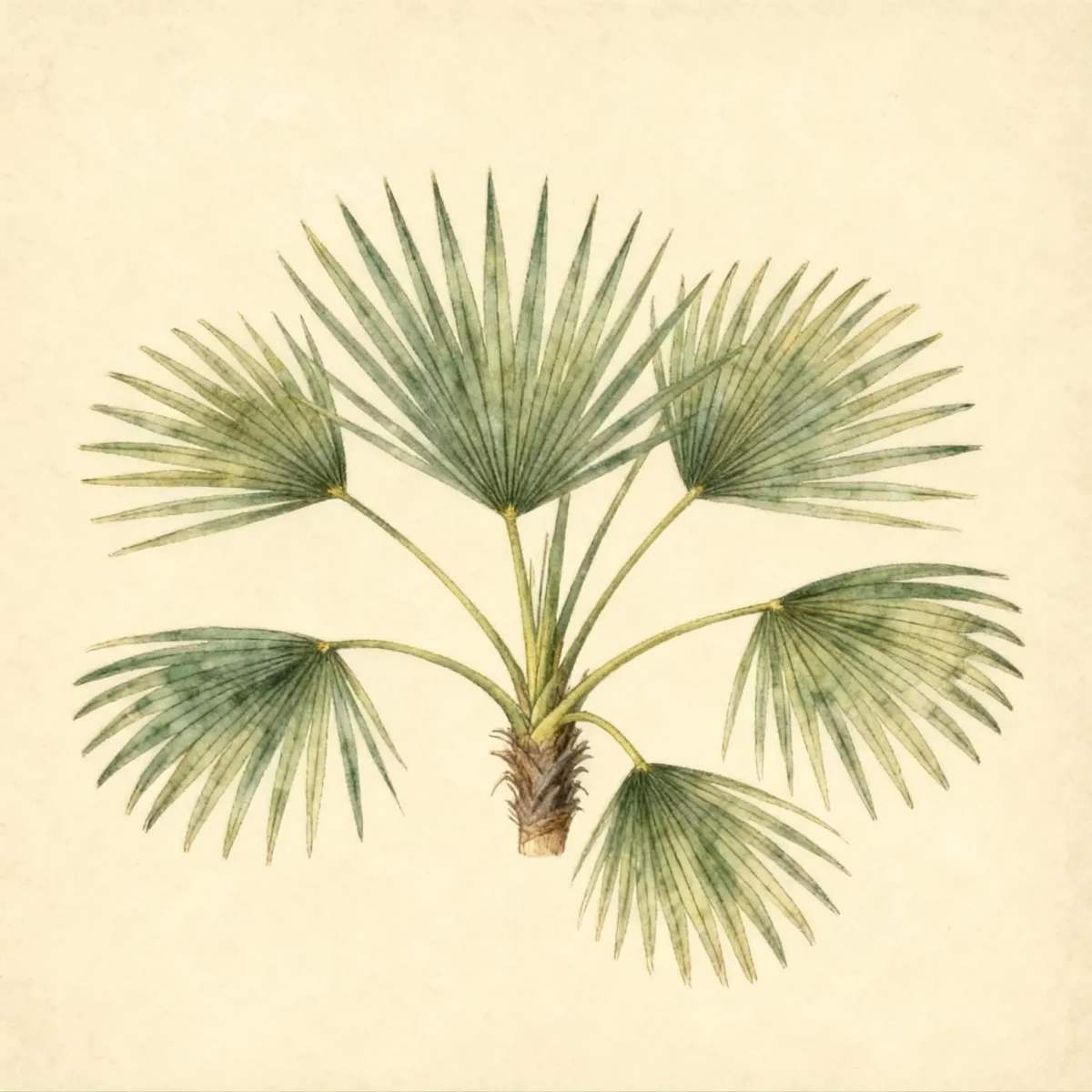
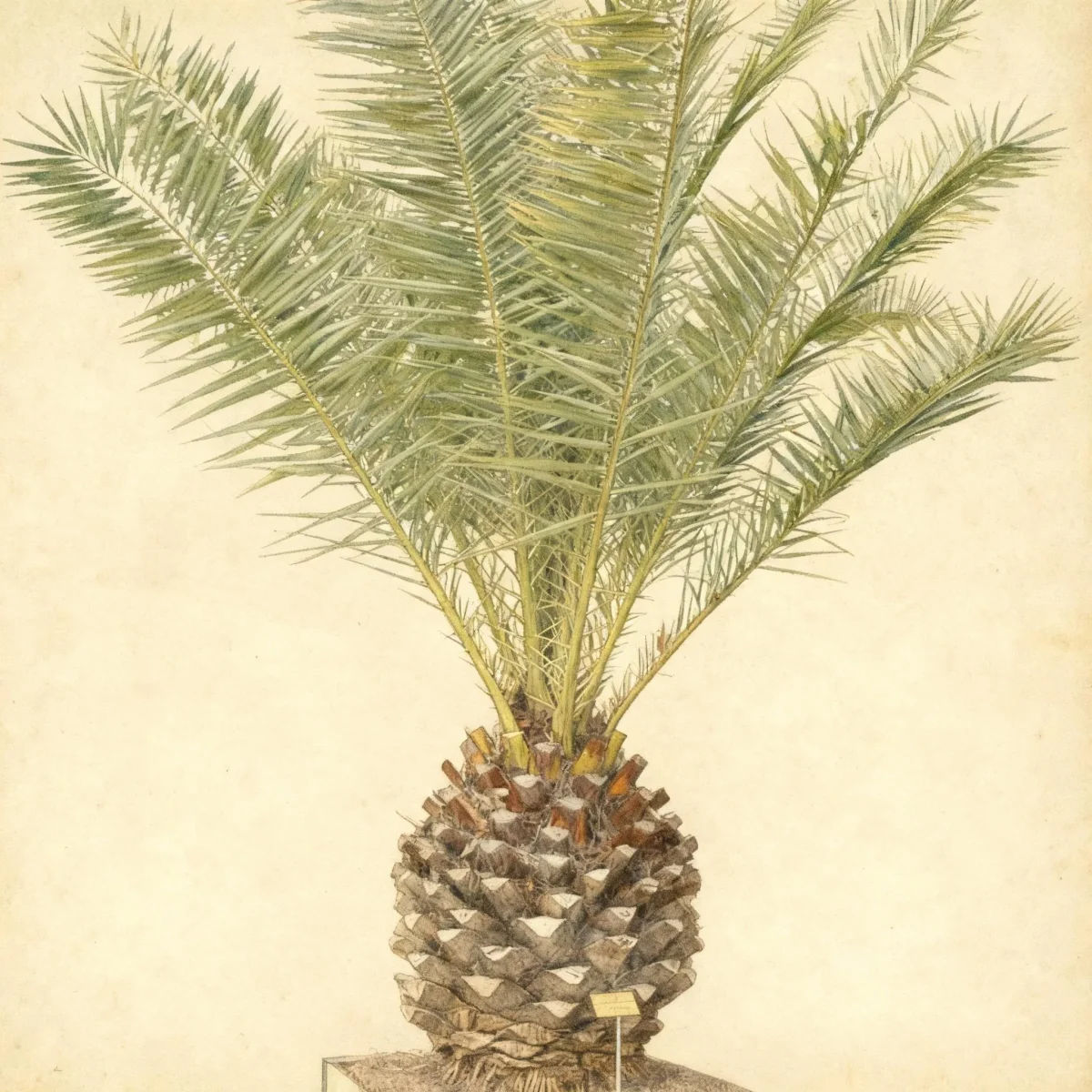
Chamaedorea (Chamaedorea microspadix)
The hardy bamboo palm, Chamaedorea microspadix, offers dense foliage and surprising winter hardiness for Zones 8-11.
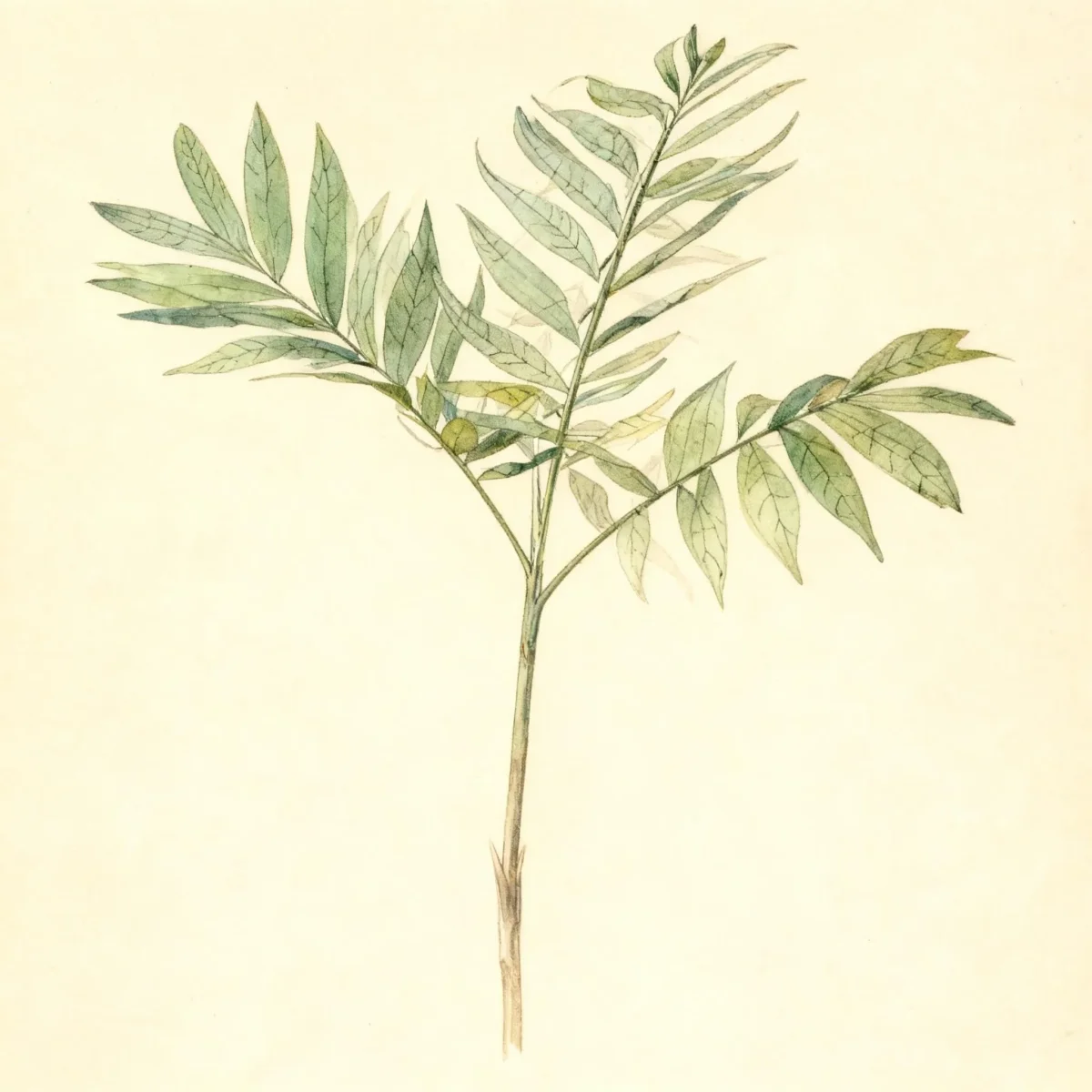

Bloom Boldly, No Matter the Season - Sweatshirt
Cozy organic cotton sweatshirt featuring our exclusive Purple Coneflower design. Perfect for gardeners who bloom year-round.
Inspired by the beautiful Chamaedorea
Limited first batch (50) — join the waitlist for early access
Waitlist closes Feb 15, 2026.
Complete Plant Information
Field Guide Continues
Ready for care notes, companion picks, and planting tips?
The map is just the start. The full guide below covers growth habits, seasonal performance, and landscape uses.
Overview
Chamaedorea microspadix, often known as the hardy bamboo palm, is an exceptional choice for gardeners seeking tropical texture combined with surprising resilience. This compact, clump-forming palm is valued for its relatively low maintenance requirements and its ability to withstand occasional dips in temperature down to 20°F, making it viable in Zone 8 climates. The aesthetic appeal of Chamaedorea lies in its dense, attractive foliage growing from cane-like stalks reminiscent of bamboo canes.
Native to the forested areas of Eastern Mexico, this Chamaedorea thrives best when protected from intense direct sunlight and strong winds. It naturally forms dense colonies outdoors, providing excellent screening potential, while its adaptability makes it an outstanding indoor container specimen when kept in cooler environments.
For the homeowner looking to introduce easy-care, year-round greenery, the Chamaedorea microspadix offers a year-round solution, delivering structure and rich green color with minimal effort. Its compact mature size ensures it fits well into foundation plantings or as a striking patio feature.
Fast Facts
- Plant Family: Arecaceae
- Plant Type: Palm or Cycad
- Native Range: Eastern Mexico
- Hardiness Zones: USDA Zones 8-11
- Size at Maturity:
- Height: 6-10 ft
- Spread: 3-7 ft
- Bloom Time: July to August
- Bloom Description: White
- Sun Exposure: Part shade
- Water Needs: Medium
- Maintenance Level: Low
How to Grow
Planting Chamaedorea microspadix should ideally occur when the danger of frost has fully passed, ensuring the best establishment period during warm weather. Choose a location offering rich, moist, well-drained soils. This palm requires filtered sun or part shade; exposure to direct, hot sun must be avoided, as this can scorch the foliage. Site specimens in areas naturally sheltered from harsh winds to protect the slender stems.
Ongoing care revolves around maintaining consistent moisture, as the Chamaedorea requires medium water levels. Keep soils uniformly moist throughout the active growing season and supply fertilizer once monthly. As winter approaches, significantly reduce water applications and cease fertilization entirely.
For indoor containers, use a peaty, soil-based potting mix and ensure the plant receives bright filtered light, avoiding full sun exposure indoors as well. When moving containers outdoors for summer, transition them slowly to prevent shock and protect them from dry air circulation common near heating vents indoors. Pruning should be minimal, reserved only for removing entire spent fronds or stems.
Landscape Uses
The Chamaedorea microspadix excels as an outdoor foliage accent plant, particularly in shady gardens or underneath larger canopy trees where other palms might struggle due to low light. Its clumping habit makes it an excellent natural screen or backdrop near patios or foundations where a slightly vertical element is desired without excessive width. In temperate climates, its hardiness allows it to anchor landscapes suffering occasional winter frost.
When used as a container plant, the Chamaedorea provides instant lushness on decks, balconies, or entryways. Indoors, the dwarf nature of the indoor-grown Chamaedorea allows it to function perfectly as a low-light tolerant office plant or living accent in homes and malls. Its architectural form pairs well with broadleaf evergreens or contrasting groundcovers suited to similar shady, moist conditions.
Standout Features
Flower Qualities
- Showy
Fruit Qualities
- Showy
Noteworthy Characteristics
Chamaedorea microspadix, commonly called hardy bamboo palm, is a compact, clump-forming palm that has surprisingly good winter hardiness. The stalks are ringed by leaf scars, resembling bamboo canes, and the plant is native to deep, shaded forests of central to northeastern Mexico. As a houseplant, it is highly valued for its dense foliage and compact shape, easily adapting to the controlled conditions of interior spaces.
Tolerances
- Withstands occasional temperature drops to 20°F
Potential Problems
The Chamaedorea palm generally maintains good health, rarely suffering from serious insect or disease issues under appropriate outdoor conditions. Inside homes or offices, low humidity can sometimes invite pest infestations. Monitor indoor specimens carefully for the presence of spider mites and mealybugs. Scale and nematodes remain potential issues that require vigilance. Immediately isolate and treat any affected indoor plants to manage pests effectively.
Frequently Asked Questions
What hardiness zones is Chamaedorea suitable for?
Chamaedorea microspadix is reliably hardy in USDA Zones 8 through 11, allowing for outdoor cultivation in regions that experience periodic light frosts.
How large does Chamaedorea grow?
Outdoors, this palm typically matures to a height between 6 and 10 feet with a spread of 3 to 7 feet, though indoor specimens may remain somewhat smaller.
What sun exposure does Chamaedorea need?
This species prefers part shade conditions. It thrives in filtered light and requires protection from harsh, direct sun exposure both inside and outside the home.
When does Chamaedorea bloom?
Flowering occurs during the summer months, specifically from July to August, producing clusters of creamy white flowers on established plants that receive adequate light.
Conclusion
The Chamaedorea microspadix stands out among palms for merging an elegant, tropical aesthetic with notable cold tolerance for Zones 8-11. Its low maintenance profile and adaptability as both an outdoor accent and an indoor feature make the hardy bamboo palm a versatile gardening asset. Before planting, carefully assess your location’s light levels and confirm your climate matches the required hardiness range for successful, long-term enjoyment of this Chamaedorea.
Companion Planting
When designing shaded garden spaces, consider pairing Chamaedorea microspadix with other moisture-loving woodland plants that share its preference for filtered light. Hostas, ferns, and bleeding hearts make excellent ground-level companions, providing textural and color contrasts beneath the palm’s arching fronds. In containers, use plants like Caladiums or Impatiens near the base to fill empty space while benefiting from the same partially shaded environment.
Design Ideas
Utilize the clump-forming nature of the Chamaedorea to create striking, informal screens or hedges in shady borders. For modern designs, place specimen pots of Chamaedorea microspadix near entryways, allowing the vertical lines of the stems to contrast with low, broad containers. In deeply shaded courtyards, mass plantings of this palm create an immersive, jungle-like atmosphere, effectively hiding foundations or utility boxes.