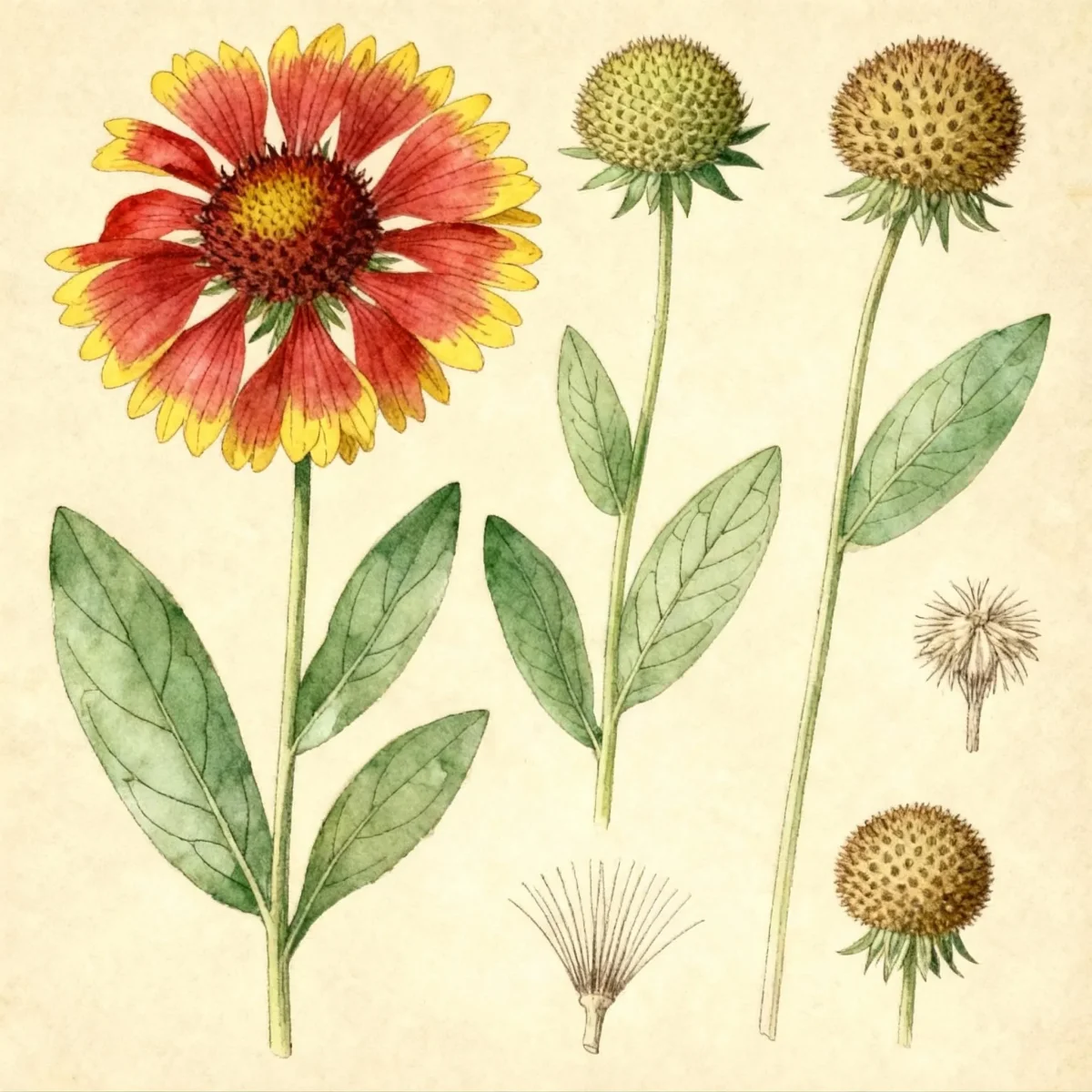
Indian blanket (Gaillardia pulchella)
Gaillardia pulchella (Indian blanket) offers vibrant red and yellow blooms from June to frost. A low-maintenance, drought-tolerant annual for zones 2-11.

Bloom Boldly, No Matter the Season - Sweatshirt
Cozy organic cotton sweatshirt featuring our exclusive Purple Coneflower design. Perfect for gardeners who bloom year-round.
Inspired by the beautiful Indian blanket
Limited first batch (50) — join the waitlist for early access
Waitlist closes Feb 15, 2026.
Complete Plant Information
Field Guide Continues
Ready for care notes, companion picks, and planting tips?
The map is just the start. The full guide below covers growth habits, seasonal performance, and landscape uses.
Overview
The Indian blanket, scientifically known as Gaillardia pulchella, is a vibrant and cheerful annual wildflower famous for its striking, daisy-like blooms that last from summer until the first heavy frost. Prized for its resilience and brilliant color display, this native plant brings warm hues of red and yellow to gardens across many USDA zones. Gaillardia pulchella thrives in challenging conditions, making it an excellent choice for novice gardeners or those seeking low-effort bloomers.
This hardy annual is native to dry, often sandy soils in the central and eastern United States, which contributes to its remarkable drought tolerance once established. Gardeners appreciate Gaillardia pulchella for its ability to naturalize easily, quickly seeding itself to create blankets of color across meadows or borders. Its low maintenance requirements mean less time spent fussing and more time enjoying the fiery display.
Whether planted in mass groupings or allowed to weave naturally through a native garden setting, the visual impact of the Indian blanket is unmistakable. Its tough constitution ensures beautiful flowers even when subjected to summer heat and slightly depleted soils, solidifying its reputation as a reliable provider of late-season charm.
Fast Facts
- Plant Family: Asteraceae
- Plant Type: Annual
- Native Range: Eastern and south-central United States, Mexico
- Hardiness Zones: USDA Zones 2-11
- Size at Maturity:
- Height: 1-1.5 ft
- Spread: 0.5-1 ft
- Bloom Time: June to frost
- Bloom Description: Red, yellow on red/yellow bicolor with dark centers
- Sun Exposure: Full sun
- Water Needs: Dry to medium
- Maintenance Level: Low
How to Grow
Sow Gaillardia pulchella seed directly into the garden after the danger of the last spring frost has passed. This annual is easily established in average, dry to medium, well-drained soils. The key to success is ensuring full sun exposure, as this species truly thrives when exposed to intense light and dry summer heat, tolerating poor soils better than many cultivated annuals.
Spacing plants about 12 inches apart will allow sufficient air circulation and room for the plants to mature. While you can start seeds indoors 4 to 6 weeks early, direct sowing is generally preferred for wildflowers like the Indian blanket. Water seedlings regularly until they become established, but mature plants require only dry to medium moisture levels.
Maintenance is wonderfully minimal for this flower. Deadheading spent blooms is not strictly necessary for survival but will help tidy the planting and may encourage a slightly longer bloom period. Note that Gaillardia pulchella readily reseeds in optimal conditions, so allow some spent flowers to remain if you desire a naturalized colony next year.
Landscape Uses
The hardiness and visual impact of the Indian blanket make it highly versatile in landscape design. It is perfect for mass plantings where its rich, warm colors can form vibrant bands along beds and borders, offering reliable color when many other spring bloomers fade. For a relaxed, informal look, naturalize Gaillardia pulchella within meadows or cottage gardens, allowing it to mingle with other tough native species.
This wildflower performs admirably in rock gardens, where the contrast between the sharp stone textures and the soft, colorful blooms is striking. Additionally, owing to its drought tolerance, it performs well in containers, especially when paired with other full-sun, low-water companions like ornamental grasses or zinnias. Planting Indian blanket ensures you have color that doesn’t demand constant attention or irrigation.
Standout Features
Flower Qualities
- Showy
Noteworthy Characteristics
Gaillardia pulchella is a hairy annual wildflower that is native to dry open places with sandy soils from Virginia to Minnesota south to Florida, Arizona and Mexico. Daisy-like flowerheads feature rays in shades of red, yellow or red/yellow bicolor, with contrasting darker center disks, typically growing to 2 inches in diameter. The common name of blanket flower is believed to reference the rich, warm flower colors resembling Native American woven blankets, or perhaps the way the wild species forms ground-covering colonies.
Tolerances
- Drought
Potential Problems
Fortunately, the Indian blanket generally resists serious insect or disease issues. The primary management concern involves soil condition; root rot can develop if soils are poorly drained, especially if accompanied by extended periods of high summer rainfall. Gardeners should remain vigilant for occasional minor pests like aphids and thrips, which can usually be managed with horticultural soap or by simply dislodging them with a strong spray of water.
Frequently Asked Questions
What hardiness zones is Indian blanket suitable for?
USDA Zones 2 through 11 are suitable for growing Gaillardia pulchella, offering wide adaptability across North America.
How large does Indian blanket grow?
This annual typically reaches a height between 1 and 1.5 feet, with a modest spread ranging from 0.5 to 1 foot wide.
When does Indian blanket bloom?
The bloom time for Gaillardia pulchella extends from June until the frost arrives, offering continuous, vibrant color.
What sun exposure does Indian blanket need?
This plant must receive full sun to perform optimally and produce the best flower display.
Conclusion
The Indian blanket (Gaillardia pulchella) is an indispensable, low-maintenance annual for adding authentic, fiery color to any sunny landscape from the hottest regions to relatively cool zones. Its exceptional drought tolerance and ease of self-seeding mean reliable blooms year after year with minimal effort. Check your local last frost date and incorporate this tough native into your garden plans this season.
Wildlife Benefits
The bright, accessible flower heads of Gaillardia pulchella are highly attractive to various beneficial insects, making them excellent pollinator magnets for the mid-to-late summer garden. Bees and butterflies flock to the daisy-like centers, ensuring effective pollination in your mixed borders or native plantings.
Furthermore, gardeners in regions where goldfinches are common should consider leaving some of the spent flower heads standing through the fall and winter. The small seeds within the dry flower heads provide a valuable and readily available food source for these cheerful little birds when other forage is scarce.
Companion Planting
Because Gaillardia pulchella prefers lean, dry soil and full sun, it pairs beautifully with other tough, drought-tolerant counterparts. Consider planting it alongside classic prairie companions such as coneflower (Echinacea species) or various salvias, which share similar low-water requirements and high sun demands. Its low, mounding habit also works well as a colorful front-of-border plant against taller prairie grasses.