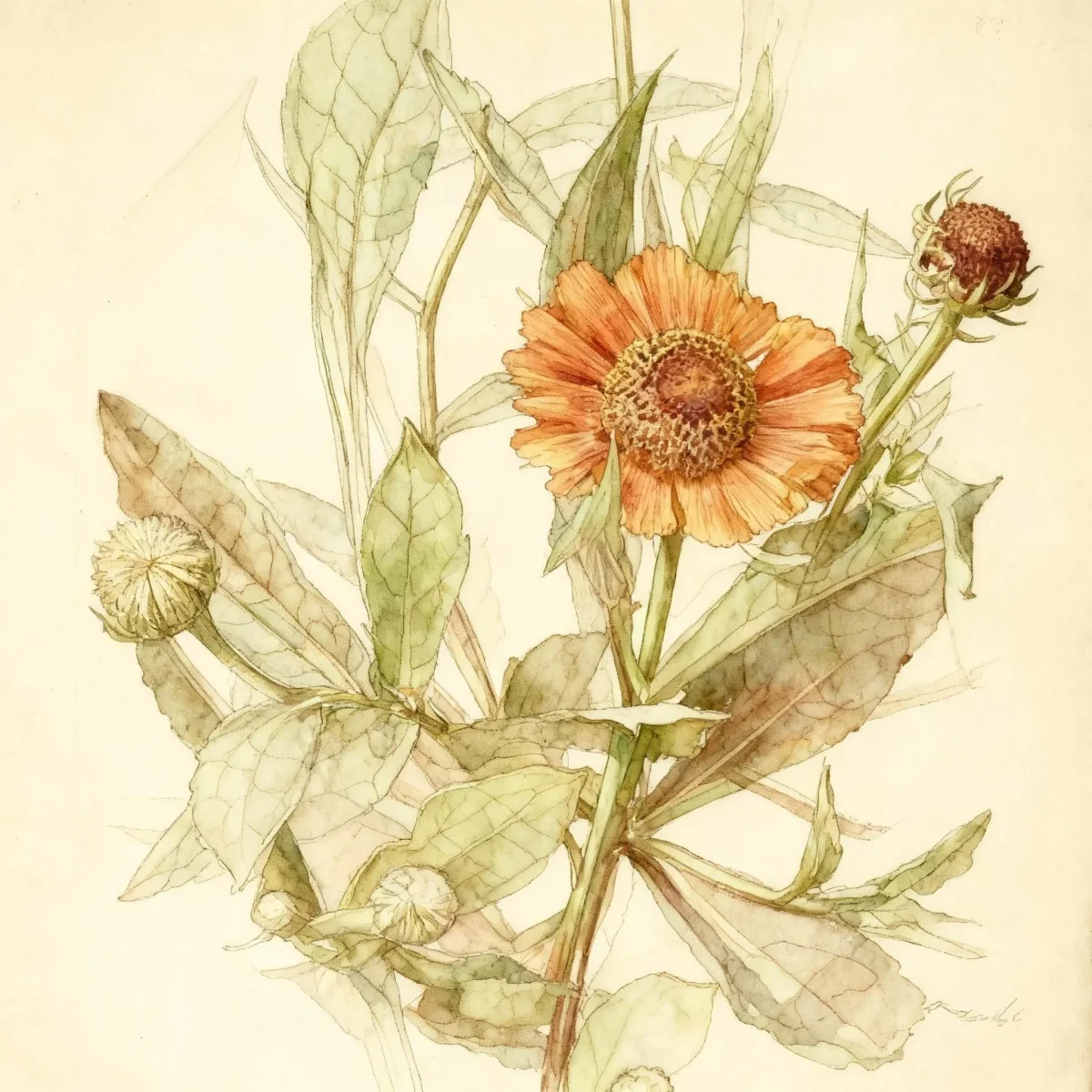
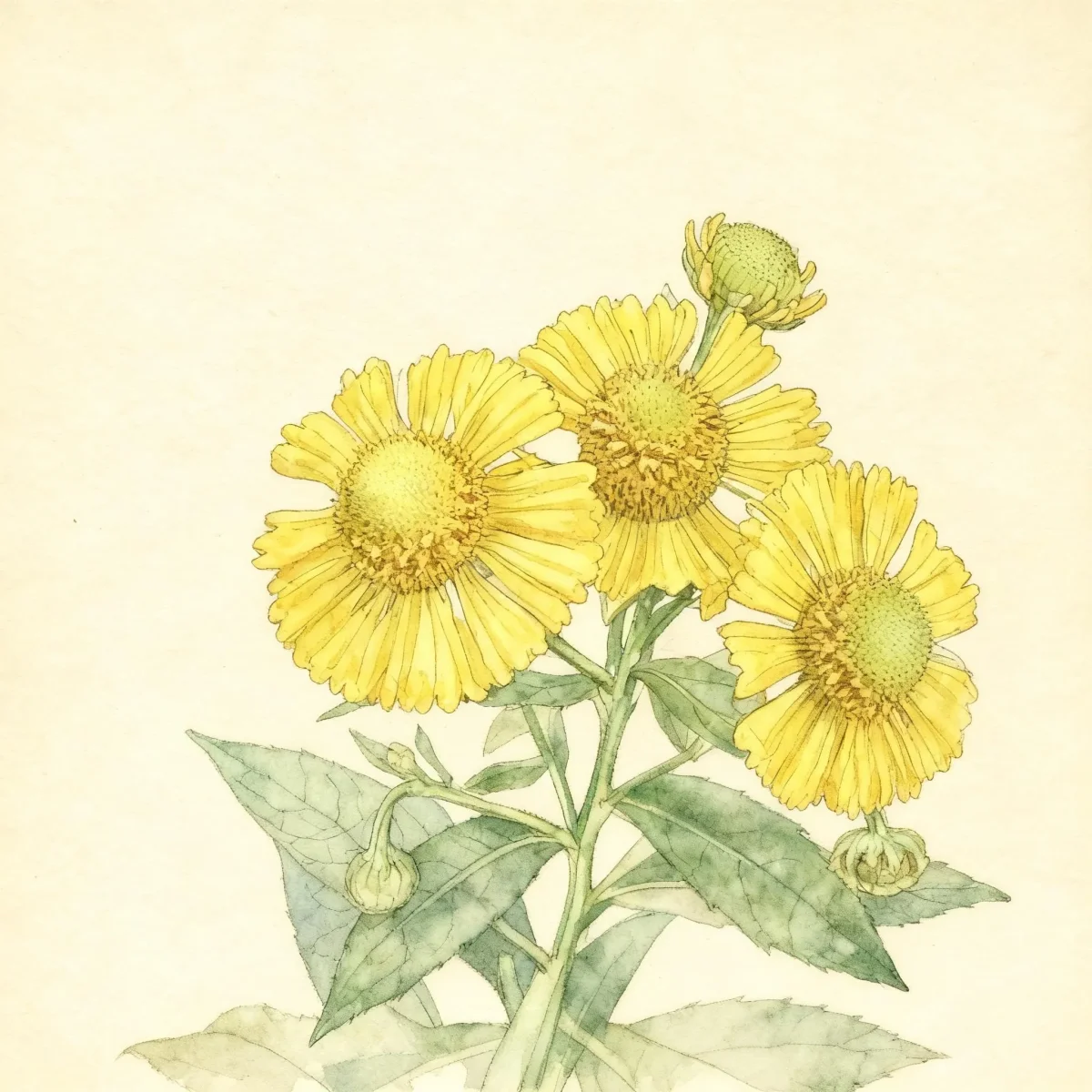
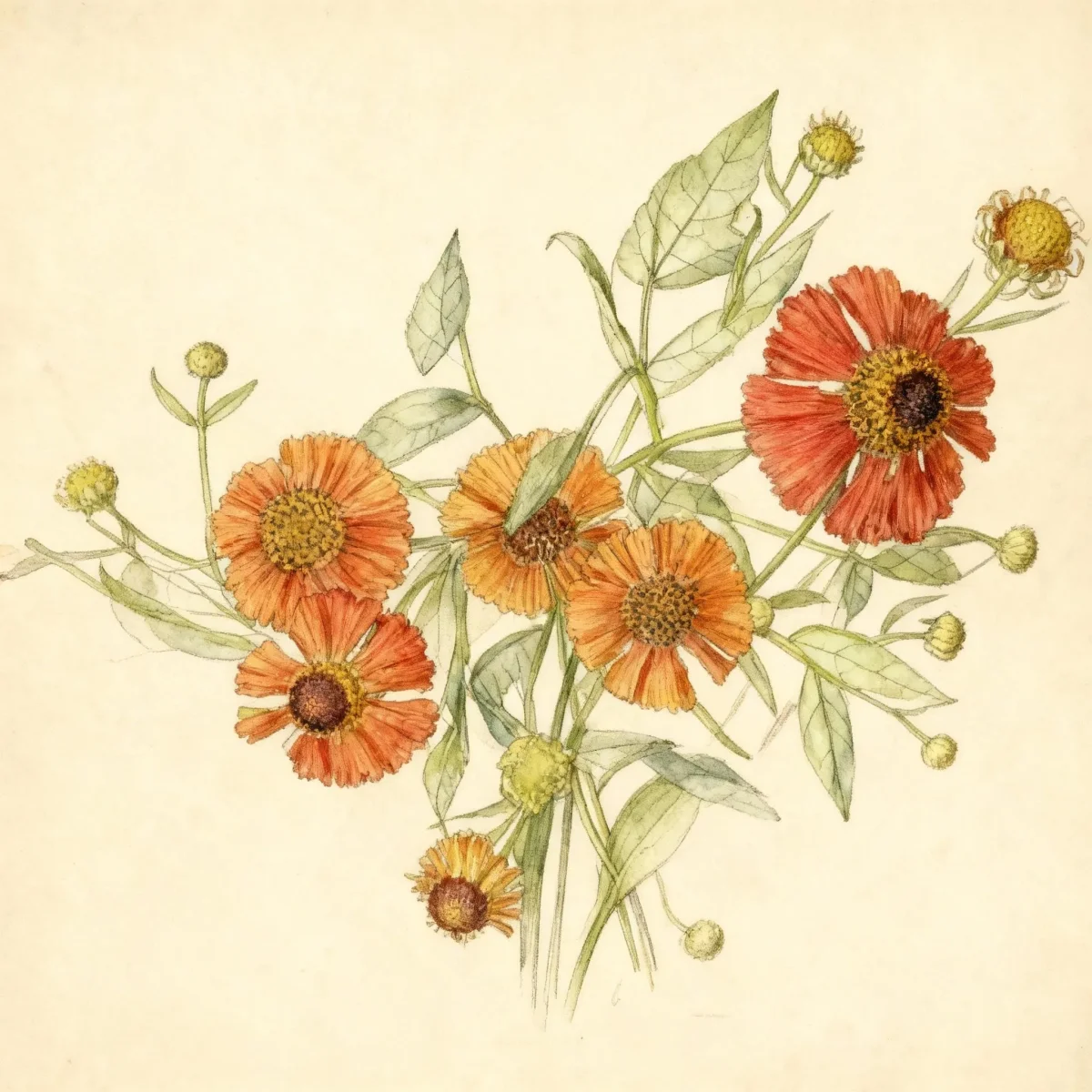
Sneezeweed (Helenium autumnale)
Grow Sneezeweed (Helenium autumnale) for vibrant late-season color in moist soils. An excellent perennial for rain gardens.
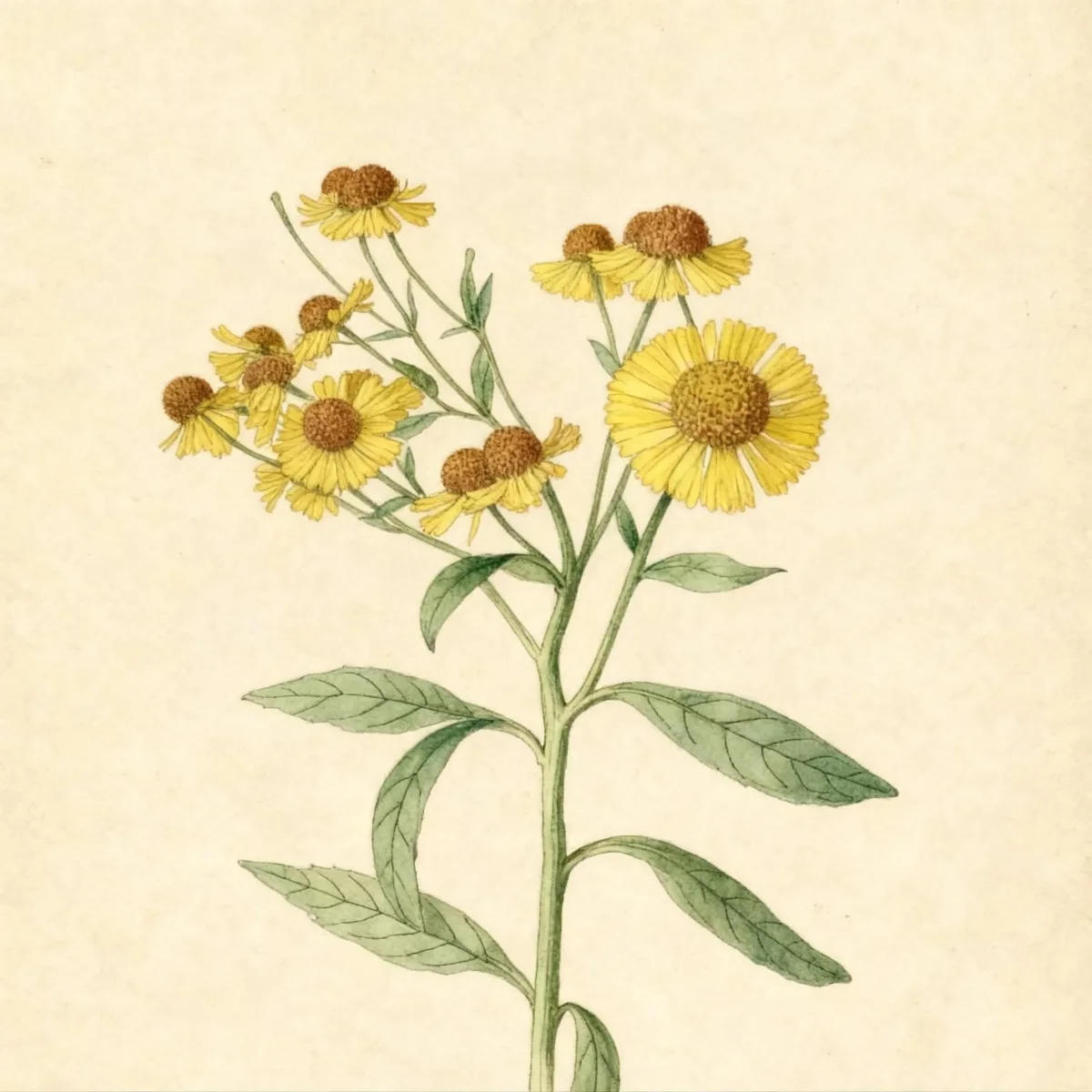

Bloom Boldly, No Matter the Season - Sweatshirt
Cozy organic cotton sweatshirt featuring our exclusive Purple Coneflower design. Perfect for gardeners who bloom year-round.
Inspired by the beautiful Sneezeweed
Limited first batch (50) — join the waitlist for early access
Waitlist closes Feb 15, 2026.
Complete Plant Information
Field Guide Continues
Ready for care notes, companion picks, and planting tips?
The map is just the start. The full guide below covers growth habits, seasonal performance, and landscape uses.
Overview
Helenium autumnale, commonly known as Sneezeweed, is a standout herbaceous perennial highly valued for delivering brilliant, late-season color when many other garden favorites are fading. This Missouri native anchors summer and autumn landscapes with its characteristic daisy-like flowers, providing essential visual interest toward the end of the growing season. Its adaptation to moist environments makes it an indispensable component for late-season wet-soil plantings.
This stately plant typically reaches heights between three to five feet, standing tall on rigid, winged stems that branch near the top. The blooms feature cheerful yellow rays surrounding prominent, dome-like dull yellow center disks, appearing reliably from August through the first frost. Experienced gardeners prize Helenium autumnale for its long bloom period and its ability to thrive where other plants struggle with consistent ground moisture.
While its common name, Sneezeweed, hints at historical use (the dried powder was once used as snuff), today its benefit lies squarely in its ornamental value and hardiness in difficult spots. It adds vertical structure and consistent, reliable color to borders and rain gardens, drawing the eye long after the peak of summer bloom has passed.
Fast Facts
- Plant Family: Asteraceae
- Plant Type: Herbaceous perennial
- Native Range: North America
- Hardiness Zones: USDA Zones 3-8
- Size at Maturity:
- Height: 3-5 ft
- Spread: 2-3 ft
- Bloom Time: August to October
- Bloom Description: Yellow rays and dull yellow center disks
- Sun Exposure: Full sun
- Water Needs: Medium to wet
- Maintenance Level: Medium
How to Grow
Planting Helenium autumnale should occur in the spring or fall when conditions are mild. Select a location receiving full sun, as insufficient light diminishes blooming and increases stem weakness. This plant thrives in average to rich soils, provided they are consistently medium to wet; it is strongly intolerant of dry soil conditions, making it perfect for low spots or rain gardens.
Ongoing care focuses on moisture management and strategic pruning. Ensure the soil remains consistently moist, especially during dry spells, though established plants tolerate moderate moisture variability. Avoid over-fertilization, which promotes excessive, weak top growth, resulting in taller plants prone to flopping.
For optimal structure and bushier flowering, consider cutting back plants about halfway in early June—at least six weeks before the expected bloom window. This encourages branching, leading to shorter, stronger plants with more flowers, reducing the need for staking. Deadhead spent flowers throughout the blooming season to spur additional repeat blooms.
To maintain vigorous clumps of Sneezeweed, plan to divide them every three to four years when overcrowding becomes apparent. This division process rejuvenates the plant material, ensuring robust performance in subsequent seasons.
Landscape Uses
Sneezeweed is remarkably versatile, excelling in naturalized settings where moisture is abundant. Its height makes it exceptional toward the back of traditional perennial borders, providing a bold splash of late-season gold. Pair Helenium autumnale with complementary textures and colors, such as Astilbe or blue-flowering Baptisia, which appreciate similar moist soil conditions.
Due to its specific water requirements, Helenium autumnale is an outstanding choice for designated rain gardens or along the edges of ponds and streams where soils naturally remain damp. In these settings, it blends seamlessly with meadow plantings, creating a wild garden aesthetic that supports late-season pollinators seeking nectar.
Consider using Sneezeweed in large drifts within prairies or naturalized areas for significant visual impact. Its strong vertical outline provides necessary structure against the softer, lower growth of native grasses and other moisture-loving perennials, ensuring continuous interest well into autumn.
Standout Features
Flower Qualities
- Showy
Noteworthy Characteristics
Helenium autumnale, more commonly known as sneezeweed, is an erect, clump-forming, Missouri native perennial which occurs in moist soils along streams, ponds or ditches and in spring-fed meadows, prairie and wet open ground throughout most of the State. Typically grows 3-5’ tall on rigid, distinctively winged stems which branch near the top, featuring clusters of daisy-like flowers with distinctive wedge-shaped, bright yellow rays and prominent, dome-like, dull yellow center disks. Flowers appear over a lengthy late summer to autumn bloom period. The specific epithet autumnale clearly refers to this plant’s characteristic autumn flowering time.
Tolerances
- Deer
- Clay Soil
- Wet Soil
Potential Problems
Helenium autumnale is generally robust, avoiding serious insect or disease issues under proper cultural conditions. However, foliage is susceptible to fungal challenges like powdery mildew, leaf spot, and rust, which often appear when air circulation is poor or humidity is excessively high. Maintain good spacing to encourage air movement and ensure consistent moisture without waterlogging the crown.
The biggest cultural challenge involves the plant’s tendency to grow too tall and potentially flop late in the season, especially if over-fertilized or grown in too much shade. To combat this, employ preventative measures such as pinching or the recommended early June cutback to encourage strong branching and a shorter, sturdier habit. Although susceptible to fungal spots, deer generally tend to avoid the foliage of Sneezeweed.
Frequently Asked Questions
What hardiness zones is Sneezeweed suitable for?
Helenium autumnale is a hardy perennial, best suited for USDA Zones 3 through 8, making it adaptable across much of the temperate gardening world.
How large does Helenium autumnale grow?
This species typically matures to a height between 3 and 5 feet, with a spread ranging from 2 to 3 feet wide, offering significant vertical presence in the garden.
What sun exposure does Sneezeweed need?
For the best performance and the most abundant blooms, Helenium autumnale requires full sun exposure throughout the day.
When does Sneezeweed bloom?
Sneezeweed produces its signature yellow rayed flowers between August and October, often continuing to bloom until the first hard frost arrives.
Conclusion
The reliable, late-season brilliance of Helenium autumnale ensures a vibrant finish to the gardening year, especially for areas requiring plants that thrive in moist conditions. By managing its height through early summer pruning, you can maximize the floriferous nature of this Sneezeweed variety. Before planting, always check your USDA zone compatibility to ensure your new perennial thrives for years to come.
Companion Planting
Selecting appropriate partners is key for growing Helenium autumnale successfully, particularly given its preference for consistent moisture. Plants that share its love for damp soil, like Joe Pye Weed (Eutrochium spp.) or certain ornamental grasses such as Switchgrass (Panicum virgatum), create natural-looking, water-wise groupings. For contrasting textures, consider pairing it with plants that dry out slightly faster in summer, like certain Sedums or ornamental Alliums, though ensure the Sneezeweed’s roots always have access to medium moisture.
Wildlife Benefits
The dome-like centers of the yellow flowers on Helenium autumnale are highly attractive to various late-season pollinators who need resources as the season winds down. Solitary bees, various fly species, and specialized butterflies are frequently observed foraging among the dense cluster of blooms late in summer and early fall. By providing this crucial nectar source when resources diminish, Sneezeweed supports local insect populations, contributing positively to garden biodiversity.