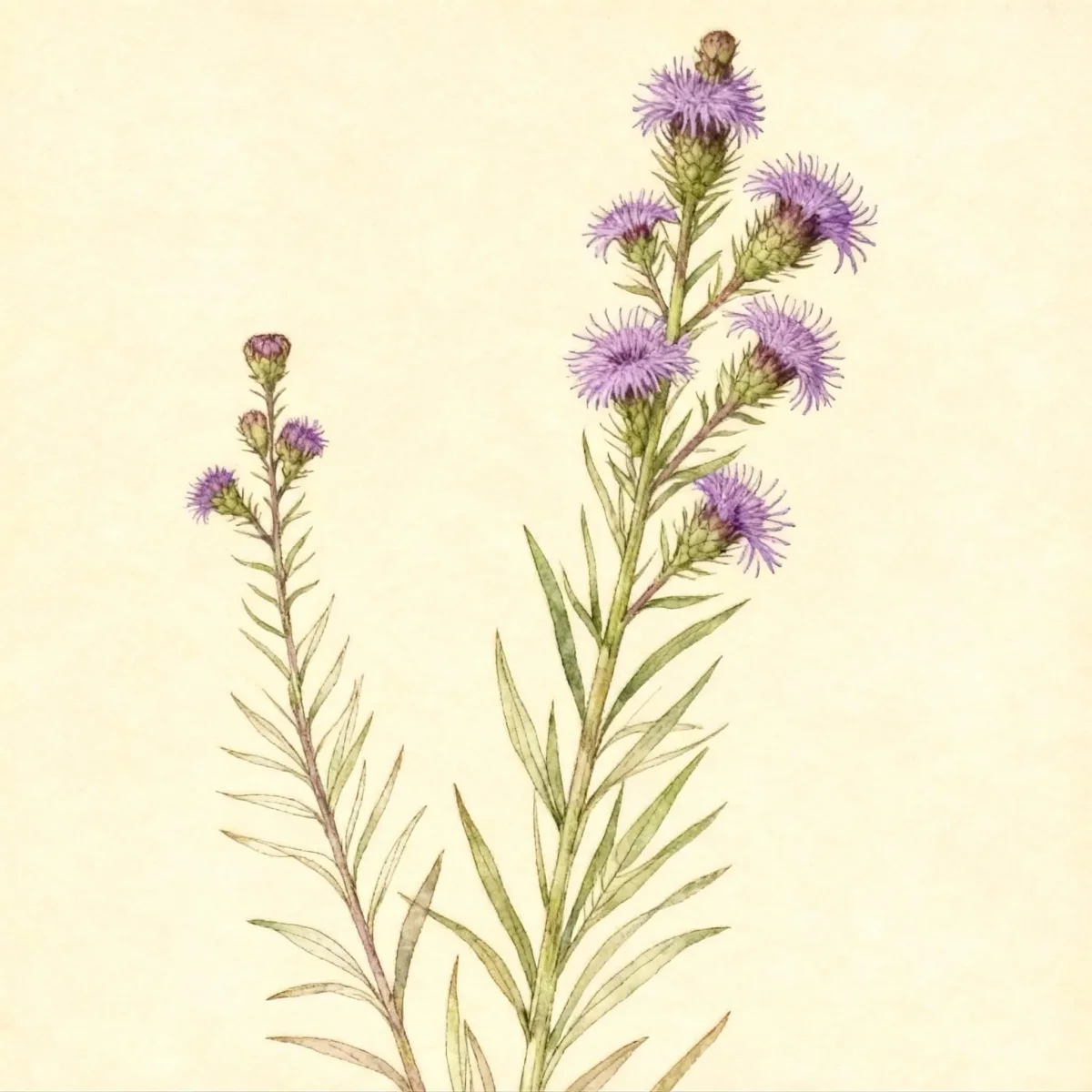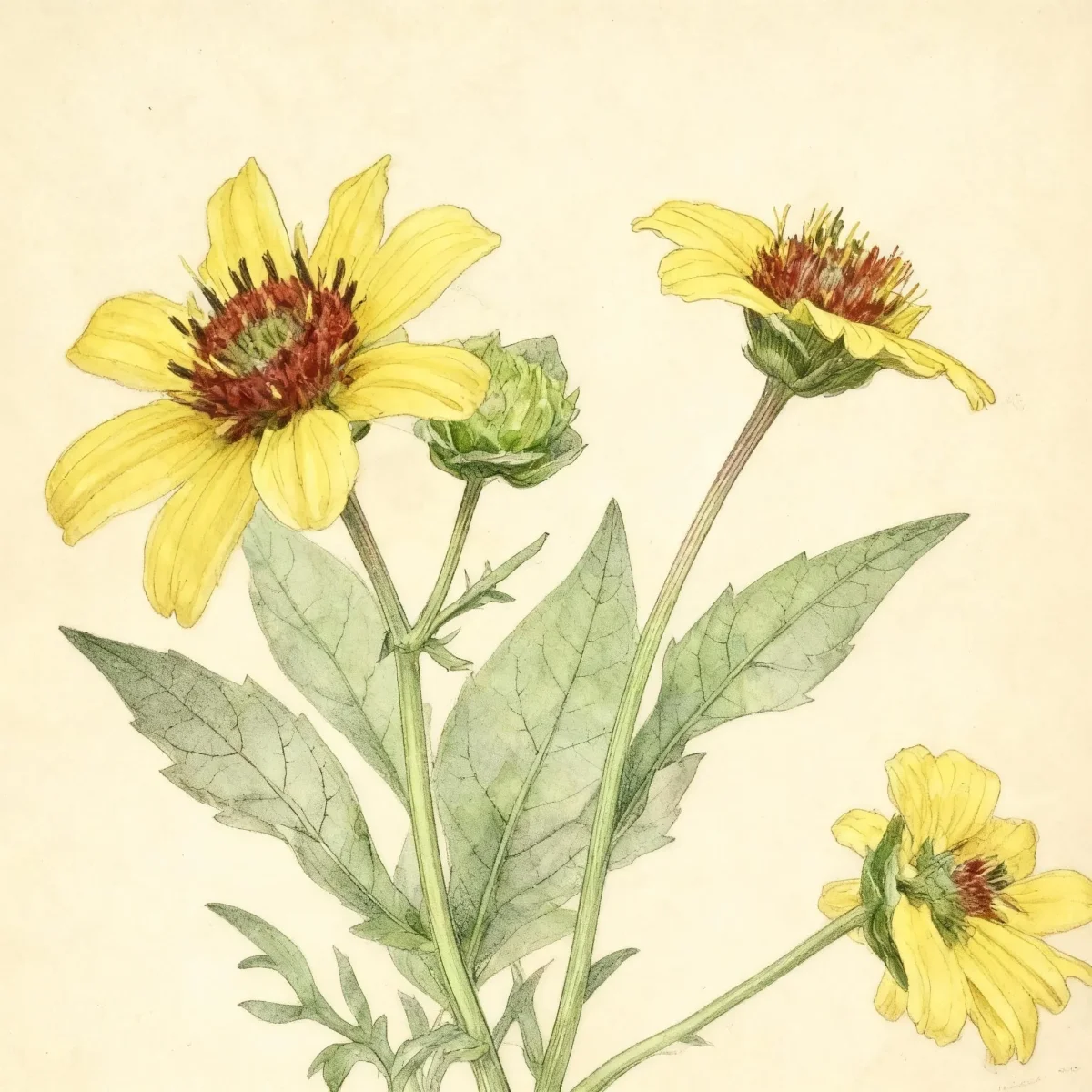

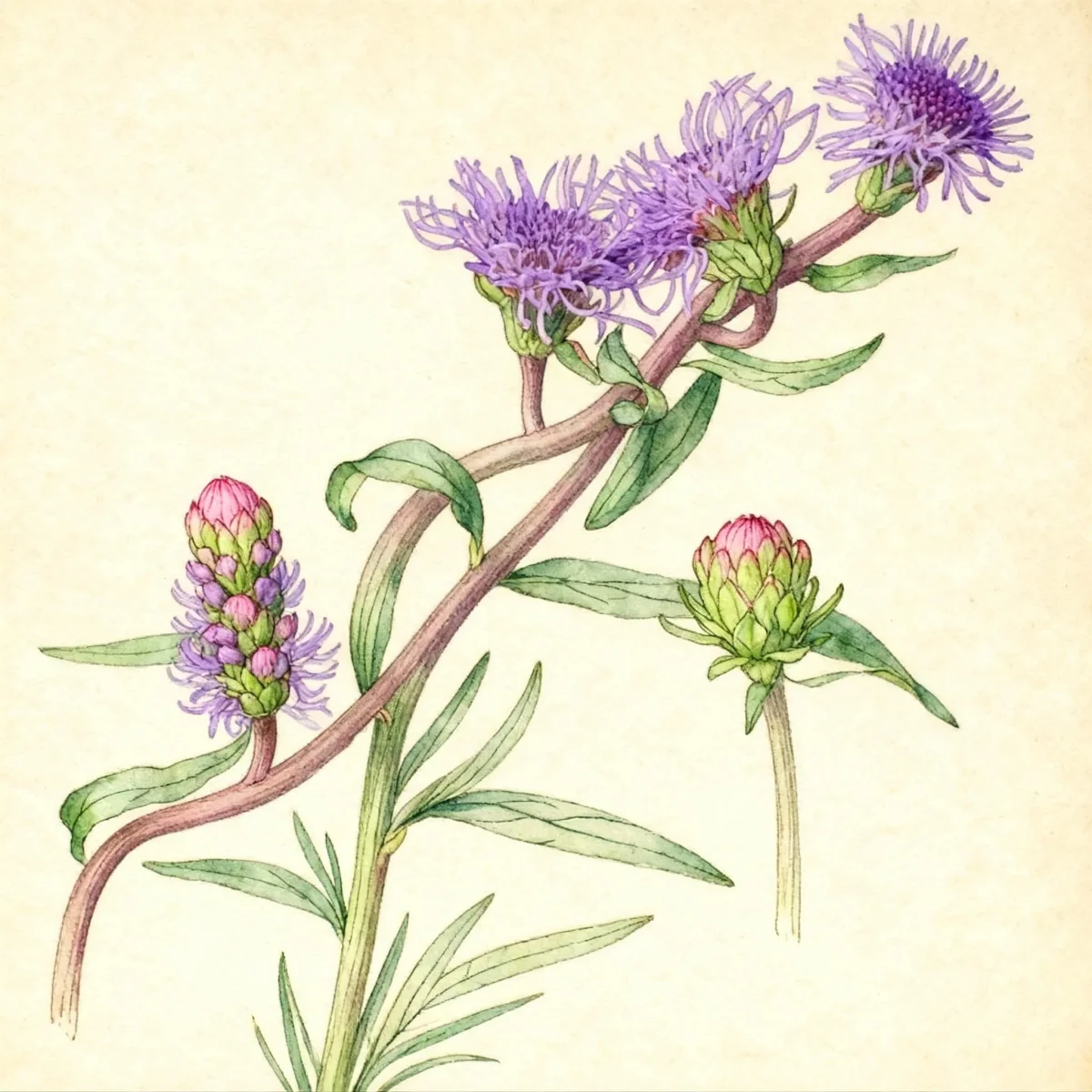
Blazing star (Liatris ligulistylis)
Stunning Liatris ligulistylis, or Blazing star, offers showy rose-purple blooms July-Sept, thriving in full sun with low maintenance.
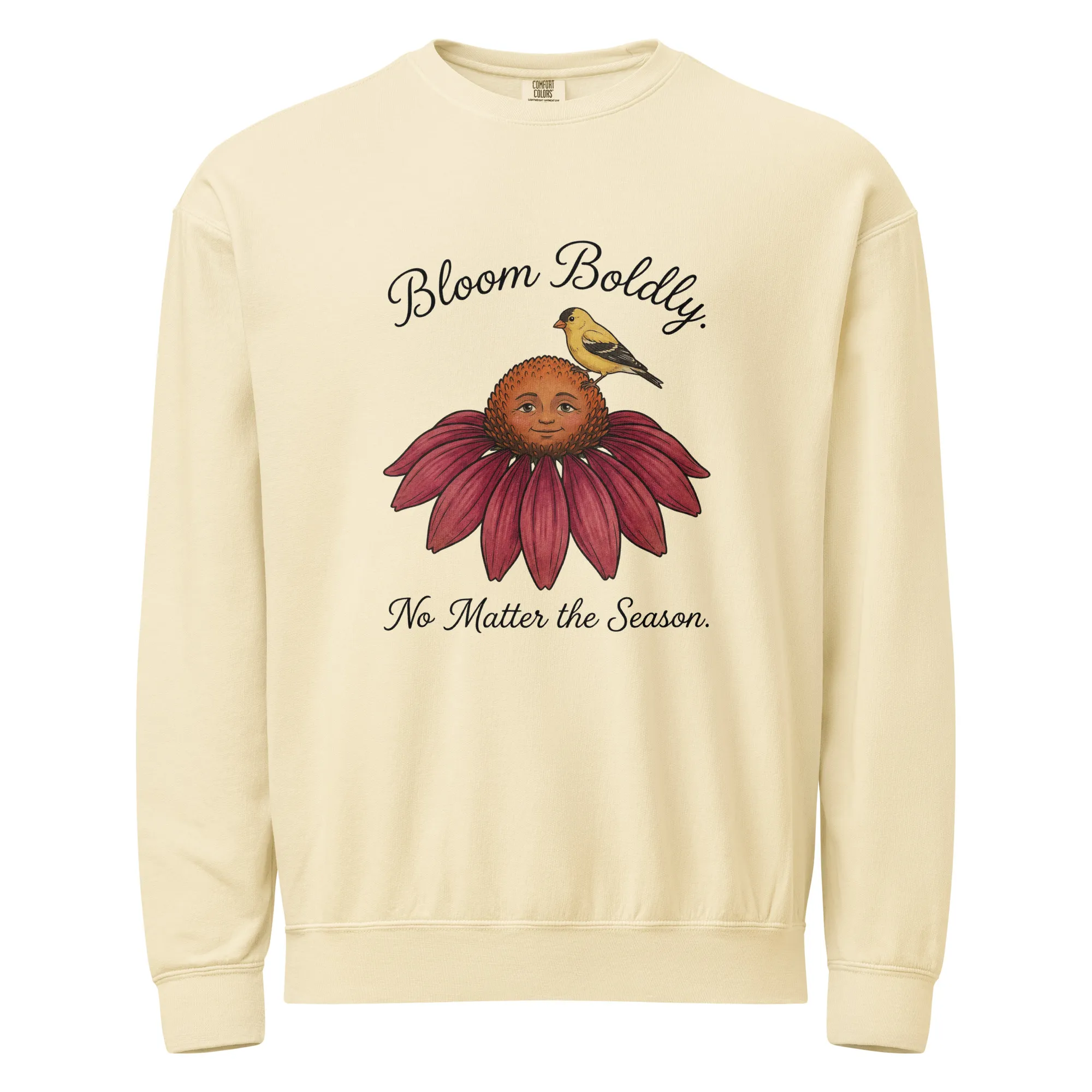
Bloom Boldly, No Matter the Season - Sweatshirt
Cozy organic cotton sweatshirt featuring our exclusive Purple Coneflower design. Perfect for gardeners who bloom year-round.
Inspired by the beautiful Blazing star
Limited first batch (50) — join the waitlist for early access
Waitlist closes Feb 15, 2026.
Complete Plant Information
Field Guide Continues
Ready for care notes, companion picks, and planting tips?
The map is just the start. The full guide below covers growth habits, seasonal performance, and landscape uses.
Overview
The graceful Liatris ligulistylis, commonly known as Blazing star or Rocky Mountain blazing star, is a vertical accent native to North America that provides exceptional late-season color. This upright, clump-forming perennial is highly valued for its fluffy, thistle-like flower heads that bloom a vibrant rose-purple from mid-summer into early fall. Its reliable structure and exceptional wildlife attraction make the Liatris ligulistylis a cornerstone for naturalistic garden designs.
This species is relatively easy to incorporate into many garden settings, provided it receives ample sunshine. It thrives in average to dry soils, demonstrating significant tolerance for poor conditions, including dryness and rocky substrates once established. Beyond its aesthetic appeal, the Blazing star is a magnet for crucial pollinators.
Gardeners seeking low-effort, high-impact native perennials will appreciate the minimal needs of Liatris ligulistylis. It provides crucial nectar sources when many other plants are fading, ensuring local ecosystems remain vibrant late into the season. Planning for its mid-summer presentation will reward you with vertical interest and abundant butterfly activity.
Fast Facts
- Plant Family: Asteraceae
- Plant Type: Herbaceous perennial
- Native Range: North America
- Hardiness Zones: USDA Zones 3-8
- Size at Maturity:
- Height: 1-3 ft
- Spread: 0.5-2 ft
- Bloom Time: July to September
- Bloom Description: Rose-purple
- Sun Exposure: Full sun
- Water Needs: Dry to medium
- Maintenance Level: Low
How to Grow
Planting Liatris ligulistylis is best achieved in spring or early fall, ensuring it receives full sun exposure for the best bloom performance. This plant prefers average, dry to medium, well-drained soils. It shows particular adaptability to poor, dry, sandy, or rocky, alkaline substrates, which mimic its natural habitats. Proper drainage is critical; the plant is notably intolerant of wet soils, especially during winter dormancy.
Once established, this Blazing star variety requires minimal supplemental watering, fitting perfectly into xeriscapes or low-water borders. Fertilization is generally unnecessary, as overly rich, fertile loams can encourage excessive vegetative growth, potentially leading to taller stems that may require staking for support. Focus maintenance efforts on cleanup in early spring, removing old foliage before new growth emerges.
While Liatris ligulistylis can be grown from seed, gardeners should prepare for a slow establishment period. If your soil is exceptionally rich, be prepared to monitor the plant for flopping, using stakes or looser, massed planting to provide natural support for these striking spikes of rose-purple flowers.
Landscape Uses
Due to its strong vertical habit, the Blazing star adds essential architectural contrast to flatter plantings. It excels when massed in native plant gardens, prairie restorations, or naturalized cottage gardens where its late-season color contrasts beautifully with mounding forms. Its relatively compact size allows it to function well as a good small native liatris for rock gardens or along the middle to back of a perennial border needing vertical accents.
This plant’s cultural preferences for dry, sunny conditions suggest excellent companions like Coneflowers (Echinacea), Silvery Cassia (Senna hebecarpa), or various native grasses that share similar low-water requirements. Utilizing Liatris ligulistylis in perennial borders guarantees that you maintain visual interest well into fall, often after mid-summer perennials have finished flowering. Its ability to handle shallow or rocky soil makes it indispensable for challenging, well-drained sites.
Standout Features
Flower Qualities
- Showy
- Good Cut
Noteworthy Characteristics
Liatris ligulistylis is an upright, clump-forming perennial that typically grows to 2’ (infrequently to 3’) tall in the wild, though it may achieve greater stature in rich garden soils. Fluffy, thistle-like, deep rose-purple flower heads appear on terminal columnar inflorescences atop erect, leafy stems, rising from basal tufts of narrow green leaves. Blooms appear in late summer to early fall, and since the flower heads within an inflorescence bloom somewhat simultaneously, this species is considered a good fresh cut flower for arrangements. The flowers are highly attractive to hummingbirds and butterflies, supplementing its strong visual appeal with significant ecological value.
Tolerances
- Drought
- Dry Soil
- Shallow-Rocky Soil
Potential Problems
This plant boasts excellent pest and disease resistance, making the Blazing star a reliable choice for organic gardeners. The primary pest concern noted is occasional damage from thrips, which can affect flower quality if populations are high. Generally, no serious insect or disease issues plague healthy Liatris ligulistylis when cultural needs are met. Ensure the plant is not situated in wet areas over winter, as poor drainage remains the fastest way to invite root rot or other stress-related problems. Monitoring for thrips during hot, dry spells allows for swift, minor intervention if necessary.
Frequently Asked Questions
What hardiness zones is Blazing star suitable for?
Liatris ligulistylis is reliably hardy across USDA Zones 3 through 8, offering wide adaptability across temperate regions.
How large does Blazing star grow?
This striking perennial typically reaches a height between 1 to 3 feet tall, with a spread ranging from 0.5 to 2 feet wide.
What sun exposure does Liatris ligulistylis need?
For optimal flowering and strong, upright growth, Liatris ligulistylis requires full sun exposure throughout the day.
When does Blazing star bloom?
The signature rose-purple flower spikes of Liatris ligulistylis appear reliably from July through September.
Conclusion
Incorporating Liatris ligulistylis into your landscape guarantees reliable, vertical structure and crucial late-season color attractive to numerous pollinators. Its low maintenance requirements and adaptability to dry, poor soils make this native Blazing star an expert-level performer for novice and experienced growers alike. Check your local hardiness zone compatibility and plan to install this superb perennial while the soil is workable this coming spring or fall.
Wildlife Benefits
The late-season bloom window provided by Liatris ligulistylis is vital for sustained ecological activity in the garden. As summer transitions to autumn, the nectar-rich flowers of this Blazing star serve as an essential fuel source for migrating butterflies, including monarchs, and various beneficial bees preparing for winter.
Beyond pollinators, the structure of the flower head, which consists purely of disk flowers, matures into small seed heads that are appreciated by songbirds throughout the fall and early winter months. Planting in groupings helps maximize visibility for foraging wildlife, enhancing the garden’s overall ecosystem value.
Companion Planting
Because Liatris ligulistylis insists on full sun and excellent drainage, companion plants should share similar cultural preferences to ensure all thrive. Pair this upright perennial with other sturdy prairie and meadow natives that can tolerate dry summer soil.
Consider pairing the vertical spikes of the Blazing star with broad-leafed or mounding companions like Rudbeckia species (Black-Eyed Susan) or Sedum varieties (Stonecrop) for textural contrast. These groupings enhance the visual interest while maintaining uniform care requirements regarding water and sun exposure.