Black-eyed Susan (Rudbeckia hirta)
The iconic Black-eyed Susan (Rudbeckia hirta) offers brilliant summer color. Easy to grow, this low-maintenance perennial thrives in full sun.
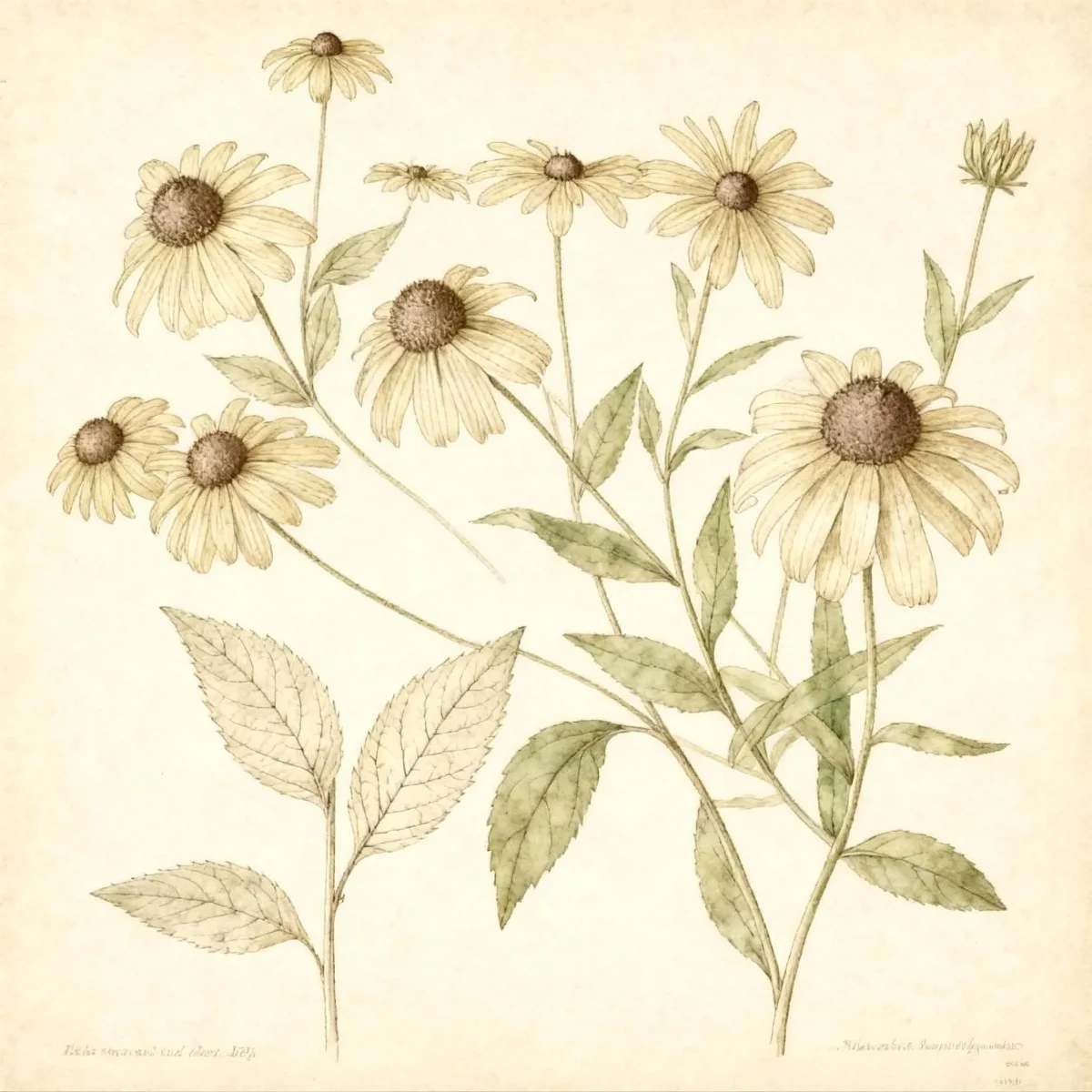

Bloom Boldly, No Matter the Season - Sweatshirt
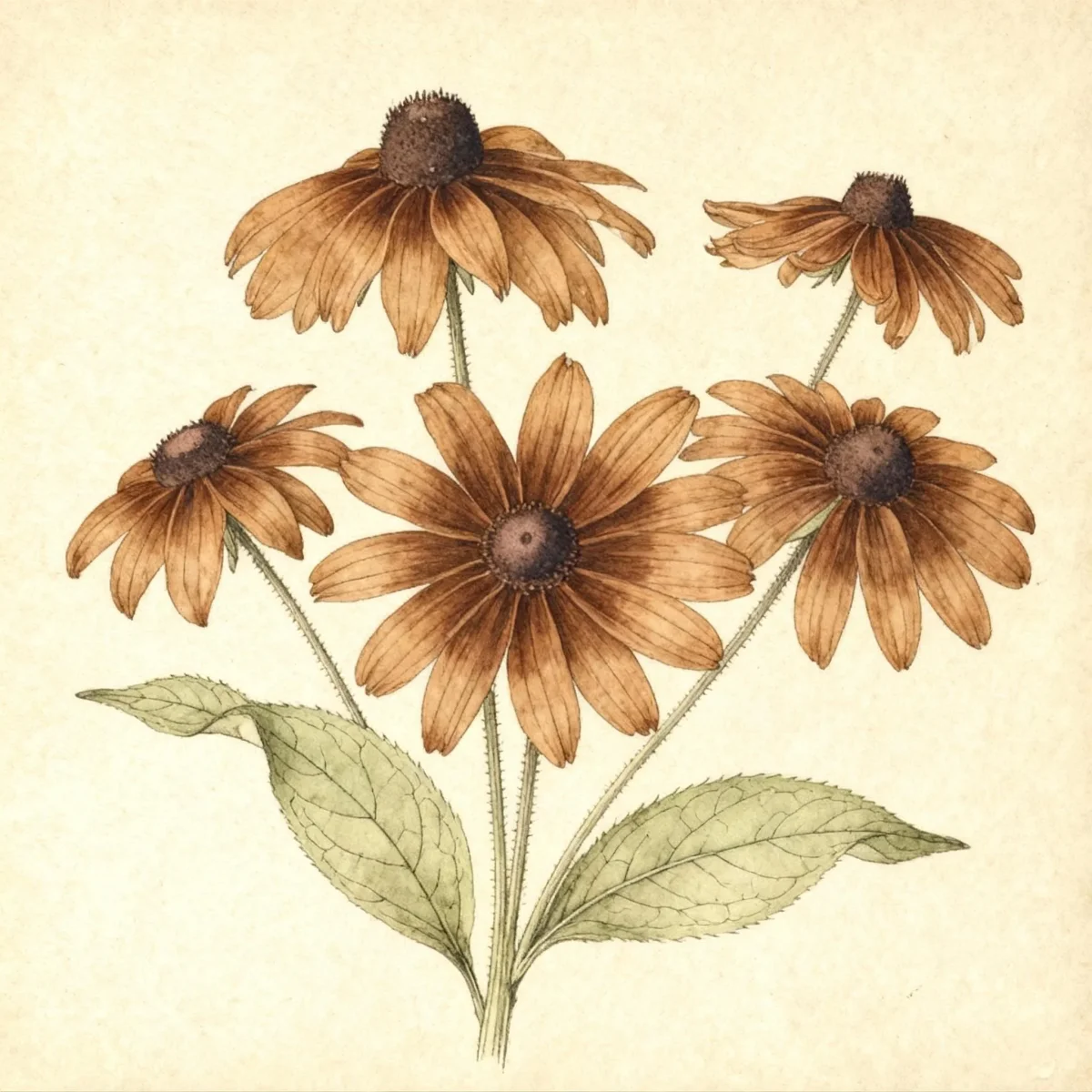
Cozy organic cotton sweatshirt featuring our exclusive Purple Coneflower design. Perfect for gardeners who bloom year-round.
Inspired by the beautiful Black-eyed Susan
Limited first batch (50) — join the waitlist for early access
Waitlist closes Feb 15, 2026.
Complete Plant Information
Field Guide Continues
Ready for care notes, companion picks, and planting tips?
The map is just the start. The full guide below covers growth habits, seasonal performance, and landscape uses.
Overview
The Black-eyed Susan, scientifically known as Rudbeckia hirta, is a sun-loving staple in North American gardens, prized for its vibrant, daisy-like flowers that radiate cheerful yellow and orange hues throughout the summer months. This coarse, hairy wildflower brings bold color and reliability to landscapes, often persisting for years even when treated as an annual due to prolific self-seeding. Whether you are establishing a meadow or adding structure to a cottage garden, the presence of Rudbeckia hirta guarantees long-lasting visual impact.
This species is exceptionally adaptable, handling heat and drought once established, which reduces the need for intensive care. Its sturdy, upright stems hold flowers up to three feet tall, making it an excellent vertical accent in mixed perennial borders. Gardeners appreciate the low maintenance level associated with this robust native wildflower.
From June through September, the Black-eyed Susan provides critical nectar and pollen sources for pollinators, adding significant ecological value to the garden space. Enjoying full sun and medium moisture, this plant readily naturalizes, creating sweeping drifts of gold across the landscape.
Fast Facts
- Plant Family: Asteraceae
- Plant Type: Herbaceous perennial
- Native Range: Central United States
- Hardiness Zones: USDA Zones 3-7
- Size at Maturity:
- Height: 2-3 ft
- Spread: 1-2 ft
- Bloom Time: June to September
- Bloom Description: Yellow to orange-yellow rays and dark brown centers
- Sun Exposure: Full sun
- Water Needs: Medium
- Maintenance Level: Low
How to Grow
Planting Rudbeckia hirta is straightforward; it performs best when started from seed indoors around March 1st for early season blooms, or sown directly into the garden after the threat of the last frost passes. This plant thrives in average, well-drained soils, though it tolerates a wide range of soil types, including heavier clay, as long as the ground does not stay overly wet. Full sun exposure is non-negotiable for achieving the best flowering performance from the Black-eyed Susan.
Once established, care requirements are minimal. Water should be supplied consistently at a medium rate, especially during dry spells, as the plant handles drought well but performs optimally with regular moisture, particularly in rich, organic soils. No routine fertilization is typically necessary, allowing the plant to retain its naturally rugged character.
Deadheading spent blossoms throughout the summer is an important cultural practice. This action encourages the plant to produce more flowers, extending the blooming season well into September. Many gardeners choose to allow some seed heads to remain to facilitate natural self-seeding, ensuring the presence of Rudbeckia hirta in the garden in subsequent years.
Landscape Uses
The bold color and upright habit of the Black-eyed Susan make it highly versatile in garden design. It excels when mass-planted in wild gardens or meadows, providing a brilliant, naturalized tapestry of gold from mid-summer onward. For formal settings, use Rudbeckia hirta in structured borders or annual beds where its height (2-3 ft) can balance shorter front-of-border plantings.
Because of its durable nature and high flower count, this species is considered a good cut flower option, easily bringing summer cheer indoors. Consider grouping it with complementary colors; deep purple coneflowers or airy white daisies create stunning contrast against the bright yellow rays of the Black-eyed Susan. It naturally thrives in cottage garden designs, mixing well with salvias, coreopsis, and ornamental grasses.
Standout Features
Flower Qualities
- Showy
Noteworthy Characteristics
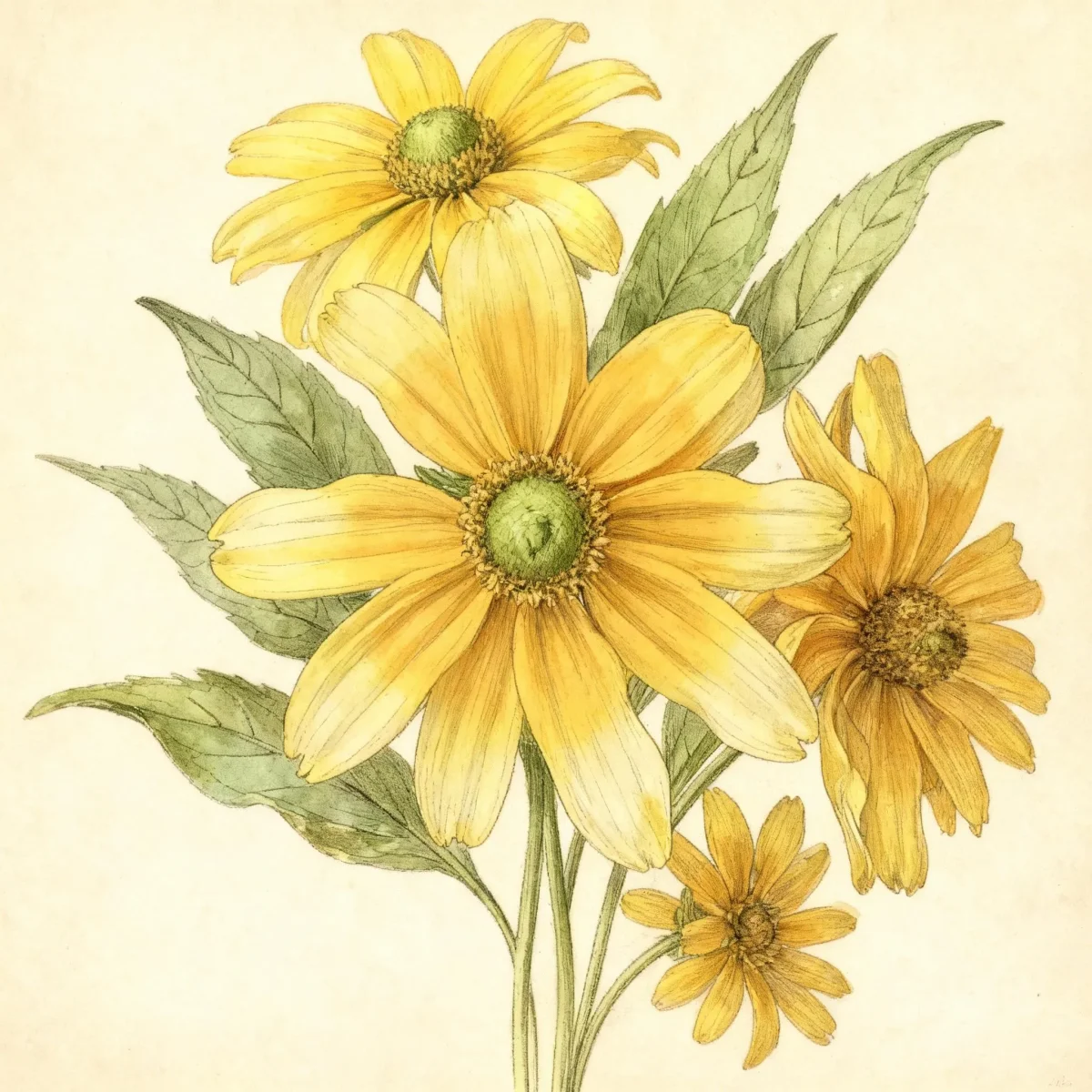
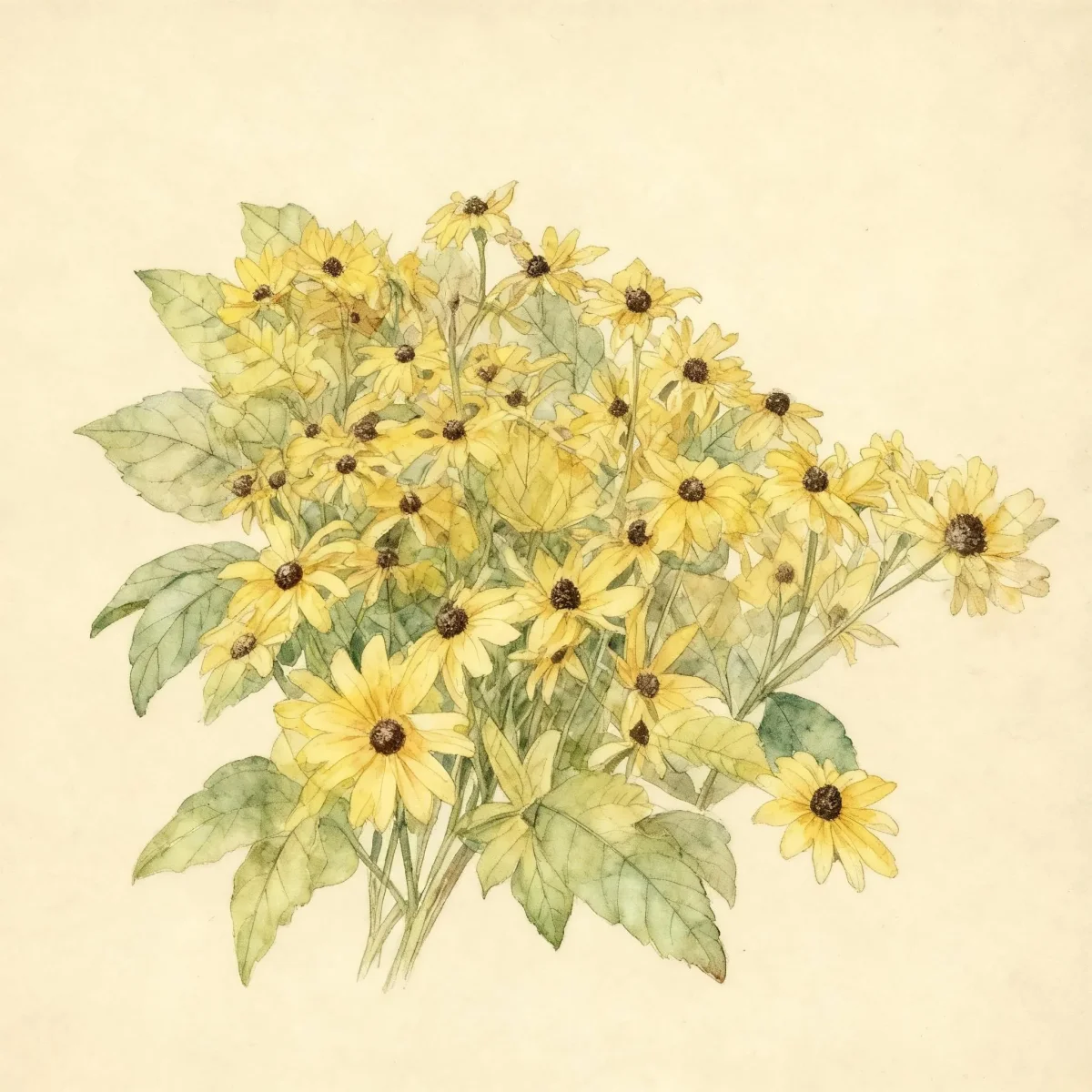
Rudbeckia hirta, commonly called black-eyed Susan, is a common Missouri native wildflower which typically occurs in open woods, prairies, fields, roadsides and waste areas throughout the State. It is a coarse, hairy, somewhat weedy plant that features daisy-like flowers (to 3” across) with bright yellow to orange-yellow rays and domed, dark chocolate-brown center disks. Blooms throughout the summer atop stiff, leafy, upright stems growing 1-3’ tall.
Tolerances
- Deer
- Drought
- Clay Soil
Potential Problems
Rudbeckia hirta is generally resistant to serious insect or disease issues, contributing to its low-maintenance appeal. The primary concern is susceptibility to powdery mildew, particularly in areas with high humidity and poor air circulation. To manage this, ensure plants are spaced adequately and avoid overhead watering late in the day. Young seedlings may attract slugs and snails, requiring monitoring until the plants establish their coarse, hairy foliage. Be aware that this plant freely self-seeds; if you do not desire volunteers the following year, diligent deadheading before seeds set is necessary.
Frequently Asked Questions
What hardiness zones is Black-eyed Susan suitable for?
The Black-eyed Susan (Rudbeckia hirta) is winter hardy across a wide range, thriving best in USDA Zones 3 through 7.
How large does Black-eyed Susan grow?
This plant typically reaches a manageable height between 2 and 3 feet tall, with a spread of 1 to 2 feet wide.
What sun exposure does Rudbeckia hirta need?
Rudbeckia hirta performs optimally when situated in locations receiving full sun throughout the day.
When does Black-eyed Susan bloom?
You can expect reliable flowering from this species between June and September, highlighted by its characteristic yellow to orange-yellow rays and dark brown centers.
Conclusion
The reliability, vibrant summer display, and low cultural demands make the Black-eyed Susan an indispensable bedding plant or meadow accent. By selecting Rudbeckia hirta for sunny spots in your garden, you are ensuring a season-long burst of native cheer that requires little intervention. Check your local hardiness zone now to plan for springtime planting or direct sowing this season.
Companion Planting
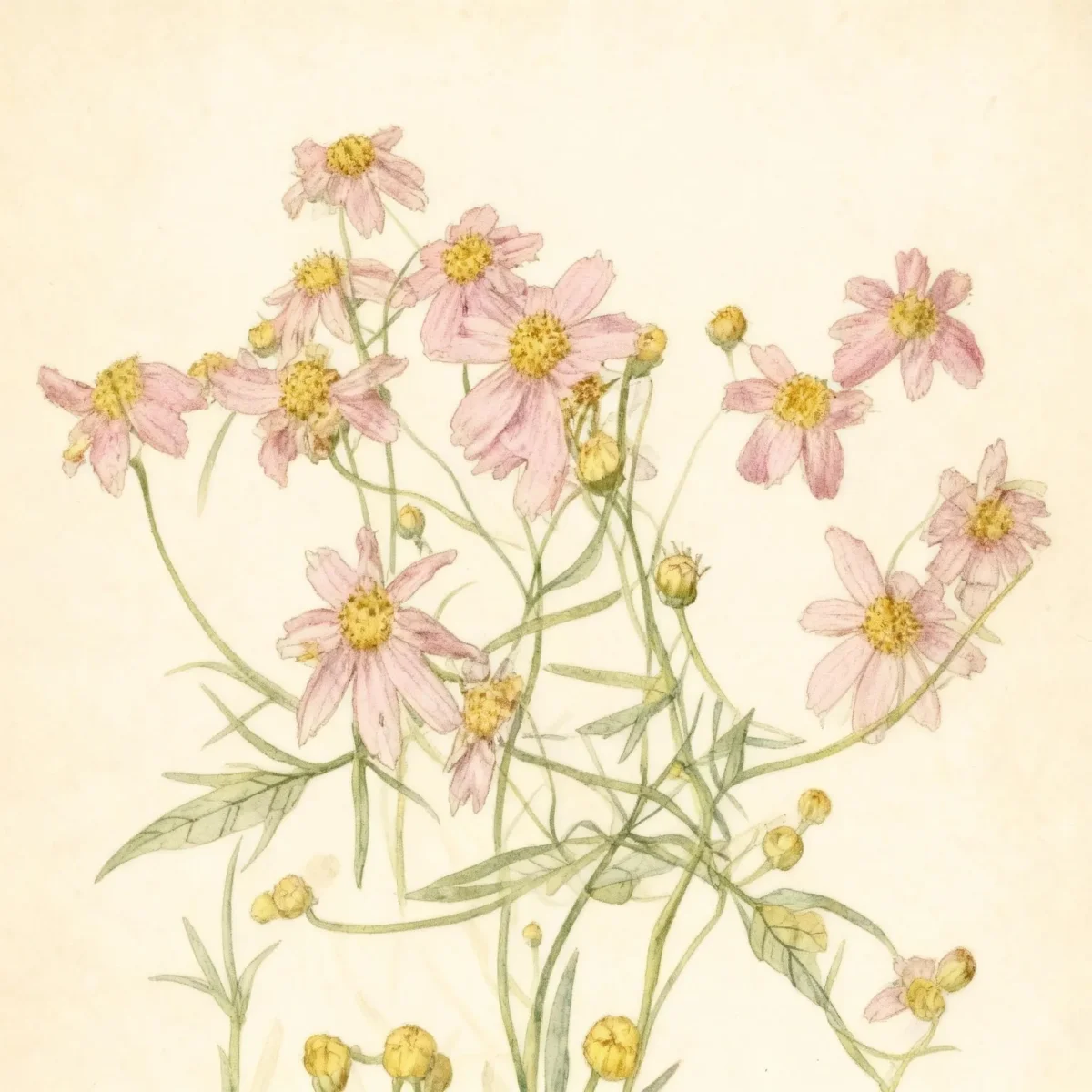
The cultural requirements of Rudbeckia hirta—full sun, medium water, and tolerance for average soil—make it an excellent partner for many other prairie and cottage garden staples. Aim to pair it with plants that also appreciate drier, hot summer conditions. Consider planting companion species like Coreopsis (Tickseed), which shares similar sunny preferences and yellow tones, or contrast the gold with complementary purples from plants like Salvia nemorosa or Russian Sage (Perovskia atriplicifolia). This combination creates layered interest; the upright, coarse texture of the Black-eyed Susan complements finer-textured grasses planted nearby.
Wildlife Benefits
As a key member of the Asteraceae family, healthy stands of Rudbeckia hirta provide significant forage for beneficial insects throughout the main summer growing period. The prominent brown central disk is an excellent landing pad and nectar source for various native bees and butterflies seeking pollen. Furthermore, while deer tend to avoid this plant due to its hairy texture, the seed heads left standing after the first frost offer valuable winter sustenance for goldfinches and other seed-eating birds, linking the beauty of the summer garden to the activity of the winter landscape.