Lavender cotton (Santolina chamaecyparissus)
Grow aromatic Lavender cotton (Santolina chamaecyparissus) for silver-gray evergreen foliage and bright yellow summer blooms. Ideal for dry, sunny sites.

Bloom Boldly, No Matter the Season - Sweatshirt
Cozy organic cotton sweatshirt featuring our exclusive Purple Coneflower design. Perfect for gardeners who bloom year-round.
Inspired by the beautiful Lavender cotton
Limited first batch (50) — join the waitlist for early access
Waitlist closes Feb 15, 2026.
Complete Plant Information
Field Guide Continues
Ready for care notes, companion picks, and planting tips?
The map is just the start. The full guide below covers growth habits, seasonal performance, and landscape uses.
Overview
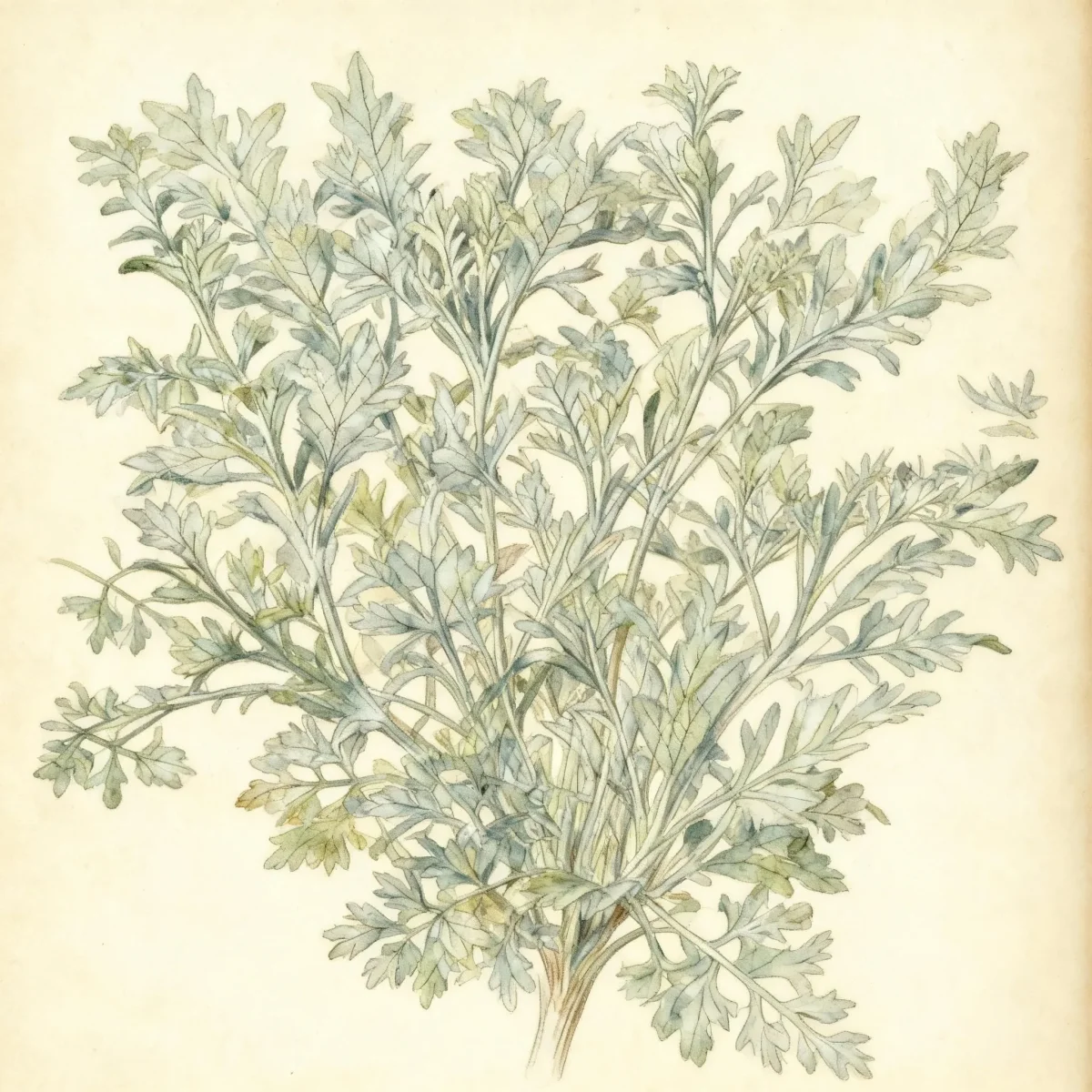
Santolina chamaecyparissus, commonly known as Lavender cotton, is prized by gardeners for its fine-textured, aromatic, silver-gray, evergreen foliage. This semi-woody sub-shrub creates a striking, neat mound in the garden, providing year-round visual interest with its cool coloring. Native to the drier climates of the Western and central Mediterranean, it thrives where many standard perennials struggle.
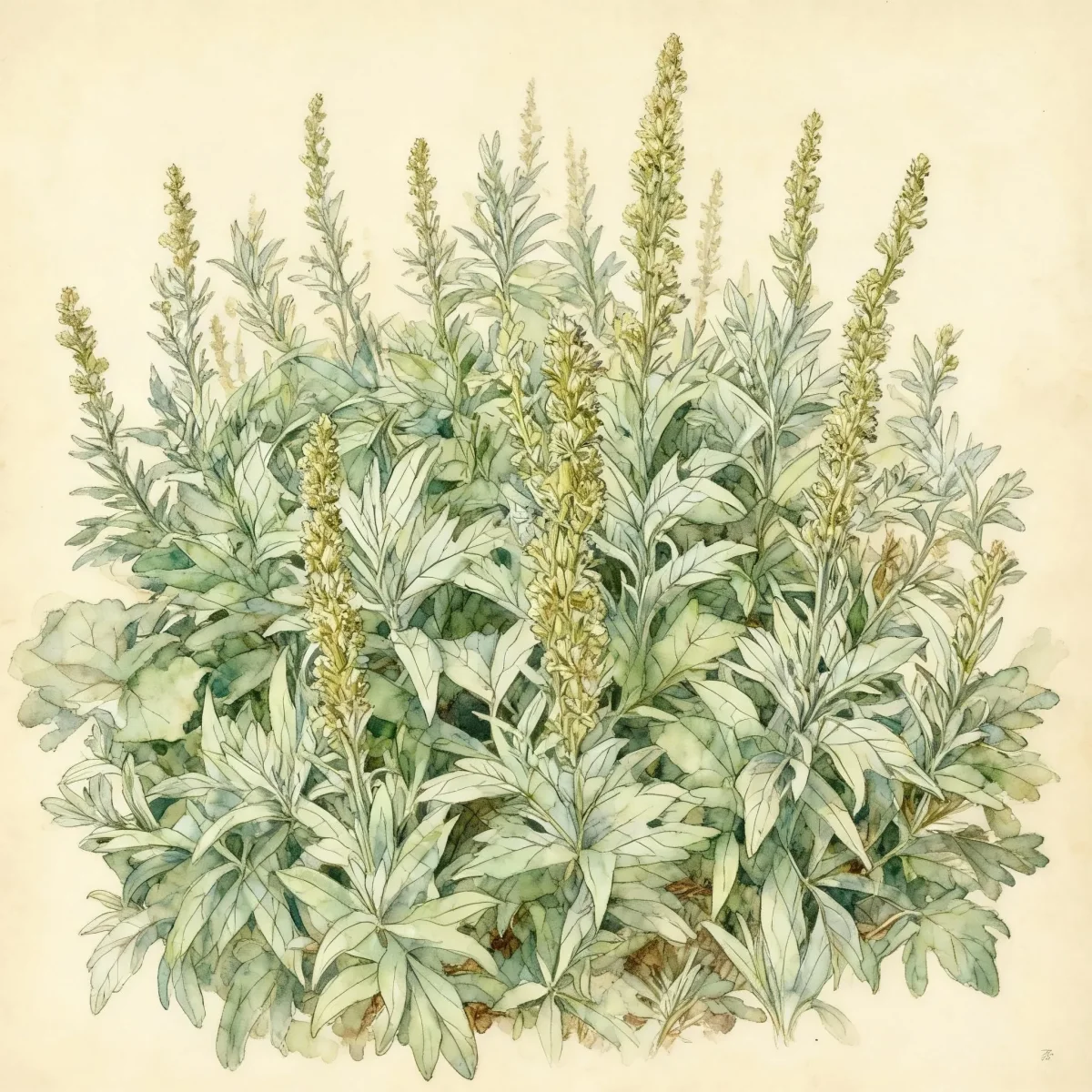
The plant offers unexpected summer color when its bright yellow, button-like flowers emerge atop the foliage. While it behaves as a perennial in warmer areas, gardeners in cooler zones often treat Santolina chamaecyparissus as a tender annual or container plant to ensure reliability. Its distinct fragrance and texture make it a popular addition to herb gardens and formal plantings.
Functionally, Lavender cotton is extremely resilient once established, tolerating poor soils and significant dryness, making it an excellent choice for xeriscaping. Its dense, low-growing habit fills borders beautifully while its clean appearance contrasts nicely with bolder leaf textures.
Fast Facts
- Plant Family: Asteraceae
- Plant Type: Broadleaf evergreen
- Native Range: Western and central Mediterranean
- Hardiness Zones: USDA Zones 6-9
- Size at Maturity:
- Height: 1-2 ft
- Spread: 2-3 ft
- Bloom Time: July to August
- Bloom Description: Yellow
- Sun Exposure: Full sun
- Water Needs: Dry to medium
- Maintenance Level: Medium
How to Grow
Santolina chamaecyparissus establishes best when planted in spring or early summer, allowing it time to develop its root system before facing summer heat or winter cold. Successful cultivation hinges entirely on drainage; these plants demand average, dry to medium soil that is exceptionally well-drained. Gritty or sandy soil amendments are often essential, as rich soils or compacted, wet areas rapidly lead to failure.
During the first year, provide regular moisture to help the roots settle in. Once established, plants tolerate substantial drought and perform admirably even in poor or limey soils, though overly rich conditions should be avoided. Full sun exposure is non-negotiable for maintaining the tight, compact form and healthy silver color of the foliage.
Cultivation of Lavender cotton is simple, though it requires attentive pruning. Deadhead spent flowers as soon as they fade to maintain neatness. Crucially, cut back older growth lightly in the spring to encourage dense new growth and prevent the center of the plant from opening up, a common issue, particularly in humid weather.
Gardeners in the cooler reaches of its range (like Zone 6) must recognize that Santolina chamaecyparissus is not reliably hardy. In these locations, protect plants with thick winter mulch or consider growing them as annuals for guaranteed summer color. Avoiding humid conditions is vital, as high humidity increases susceptibility to fungal issues.
Landscape Uses
The low, spreading habit of Lavender cotton makes it an exceptional edging plant, defining walkways or mass plantings with its silvery mounds. It excels as a dwarf hedge along the front of a border, creating a crisp, formal line that contrasts beautifully with deeper green materials or colorful summer annuals. Because it tolerates poor, dry soils, it is perfectly suited for rock gardens or challenging terrace plantings where roots struggle to find moisture.
Consider using Santolina chamaecyparissus in knot gardens, mimicking traditional European designs where its clipped shape provides permanent structure. Its aromatic foliage is also historically valued in herb gardens, and dried leaves can be harvested for use in sachets and potpourris, lending a refined scent to linen drawers. Interplant with sun-loving Mediterranean companions like true lavender or creeping thyme for a cohesive, drought-tolerant Mediterranean theme.
Standout Features
Flower Qualities
- Showy
Noteworthy Characteristics
Santolina chamaecyparissus, commonly called lavender cotton or gray santolina, is a small, semi-woody, tender sub-shrub with aromatic, evergreen, silver-gray foliage. Pinnately divided leaves possess a distinctive texture and musky fragrance, excellent for tactile gardening experiences. Button-like, bright yellow flowers bloom briefly in summer atop stalks rising above the silvery mound, though shearing too heavily may suppress flowering entirely.
Tolerances
- Drought
Potential Problems
Generally, Santolina chamaecyparissus avoids serious insect or disease issues when sited correctly. The primary threats arise from poor soil aeration and excess humidity. Blight and root rot are the consequences of wet roots or planting in heavy, undrained clay soils—prevention involves ensuring superb drainage before planting. High humidity can cause the plant to become loose and open rather than remaining compact, so good air circulation is necessary for health.
Frequently Asked Questions
What hardiness zones is Lavender cotton suitable for?
Santolina chamaecyparissus is typically suited for USDA Hardiness Zones 6 through 9.
How large does Lavender cotton grow?
This plant generally reaches a mature height between 1 to 2 feet tall, spreading to a width of 2 to 3 feet, forming a neat, low mound.
When does Santolina chamaecyparissus bloom?
Lavender cotton produces its distinctive yellow flowers atop the foliage from July through August.
What sun exposure does Santolina chamaecyparissus need?
This species requires full sun exposure to thrive and maintain its dense, compact form.
Conclusion
For gardeners seeking year-round silver texture and resilience in hot, dry borders, Santolina chamaecyparissus is an unparalleled choice. Its aromatic foliage and tolerance for neglect make Lavender cotton a cornerstone of low-maintenance, sun-drenched landscapes. Before planting, carefully amend your soil to ensure exceptional drainage, and confirm that your location falls within USDA Zones 6-9 for dependable perennial performance.
Companion Planting
When planning a garden adjacent to Santolina chamaecyparissus, select companions that share its preference for full sun and dry, well-drained conditions. Plants native to the Mediterranean basin are ideal partners; try pairing the silvery foliage of Lavender cotton with the purple spikes of true Lavender (Lavandula species) for a classic color and texture combination. Drought-tolerant sedums and ornamental sages (Salvia) also pair well aesthetically and culturally, creating a cohesive, water-wise tapestry.
Seasonal Care Calendar
Spring is the crucial time for maintenance; cut back the previous year’s growth lightly to maintain a tight, attractive dome shape and promote vibrant new silver foliage. Avoid aggressive shearing, which can remove wood that won’t readily regrow. In summer, deadhead spent yellow blooms promptly to keep the plant tidy, a simple step in its medium maintenance routine. During the first year establishment phase, water regularly but allow the soil to dry thoroughly between waterings.