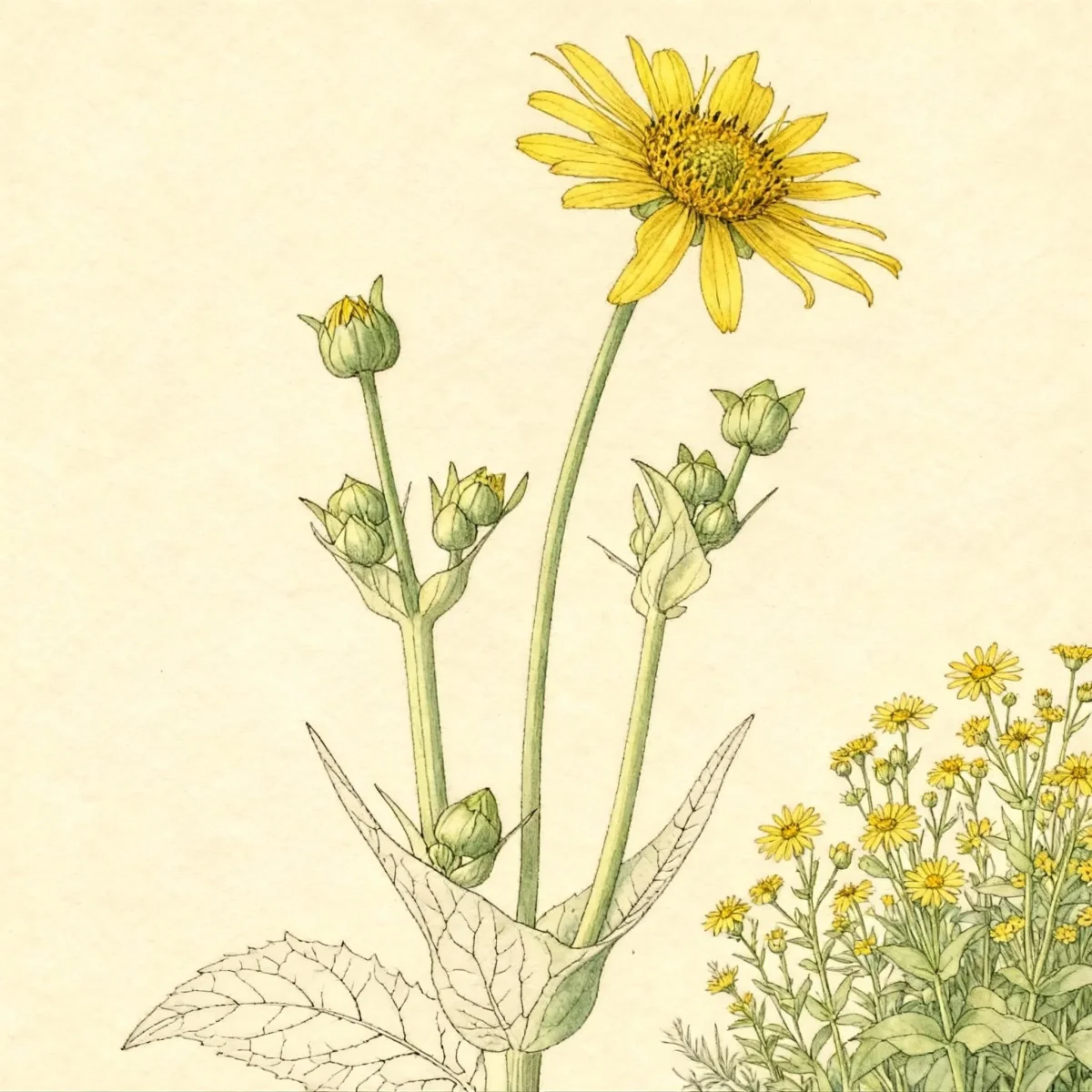
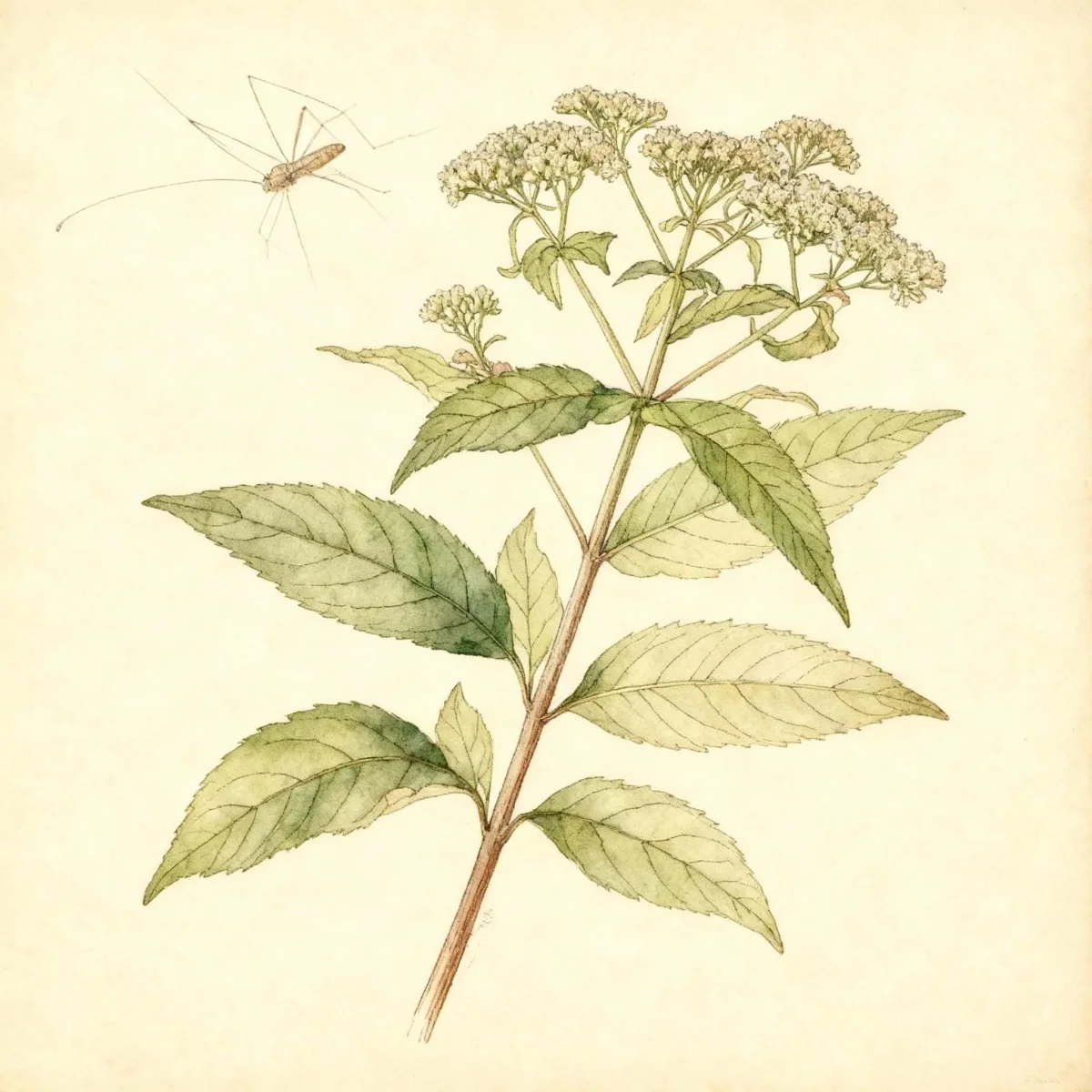
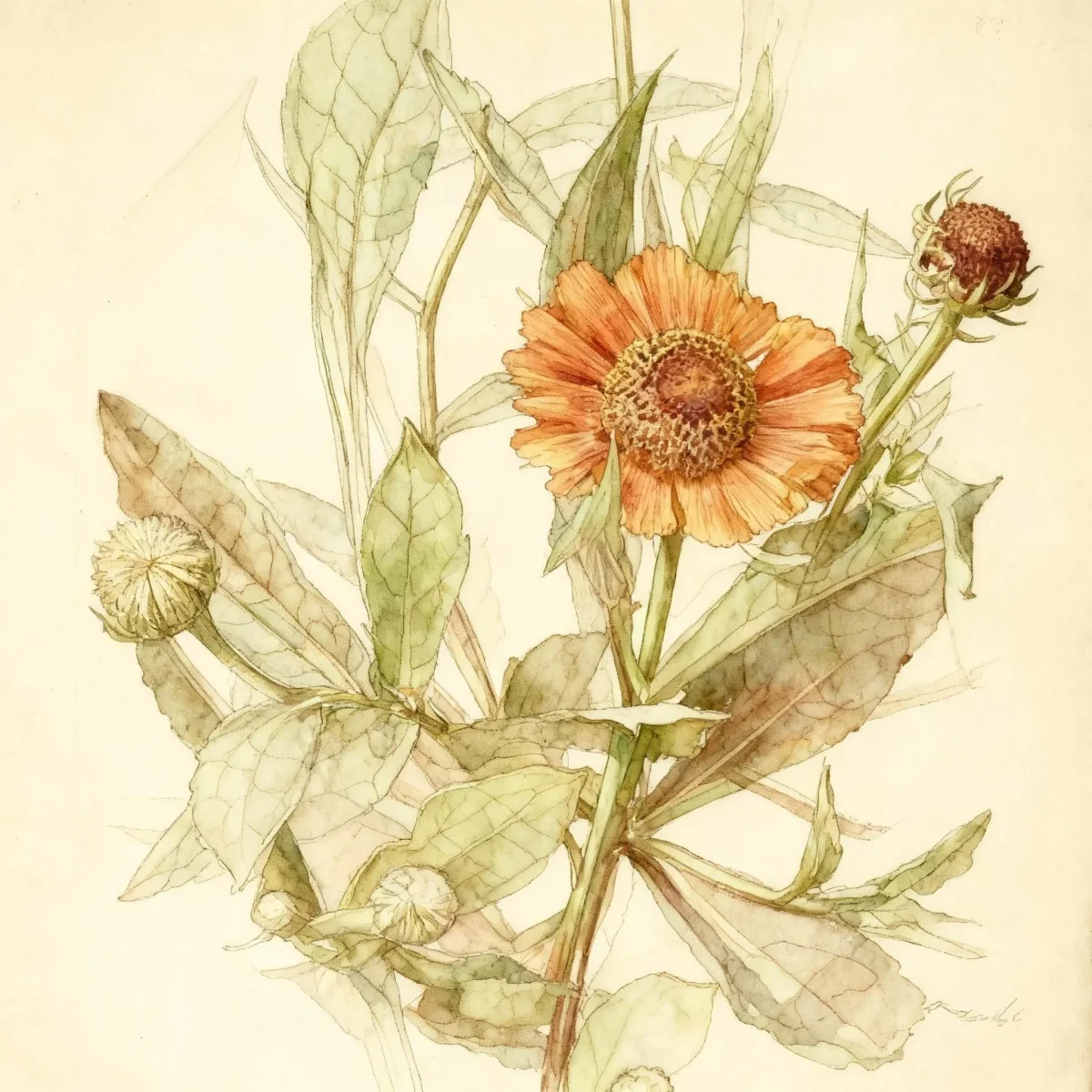
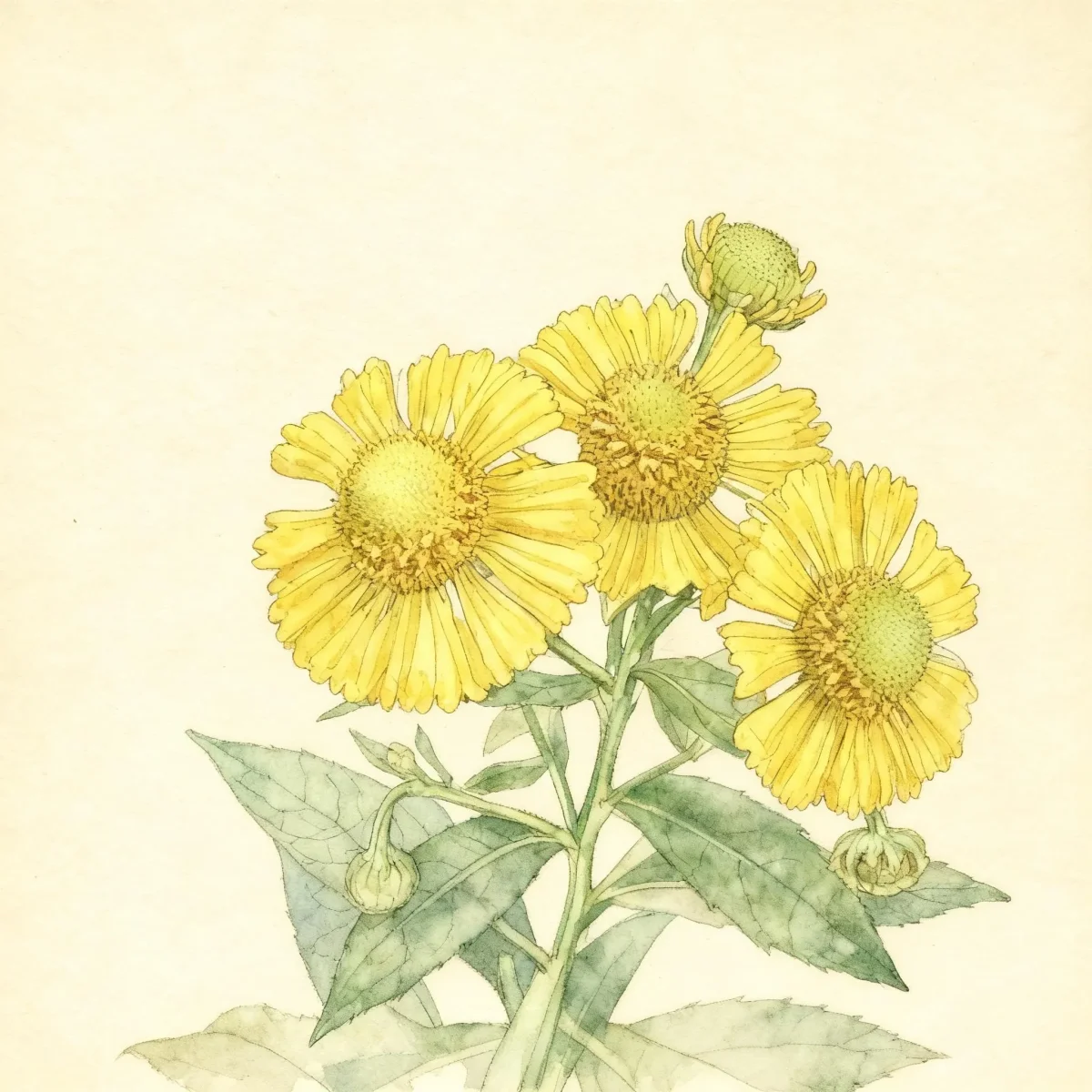
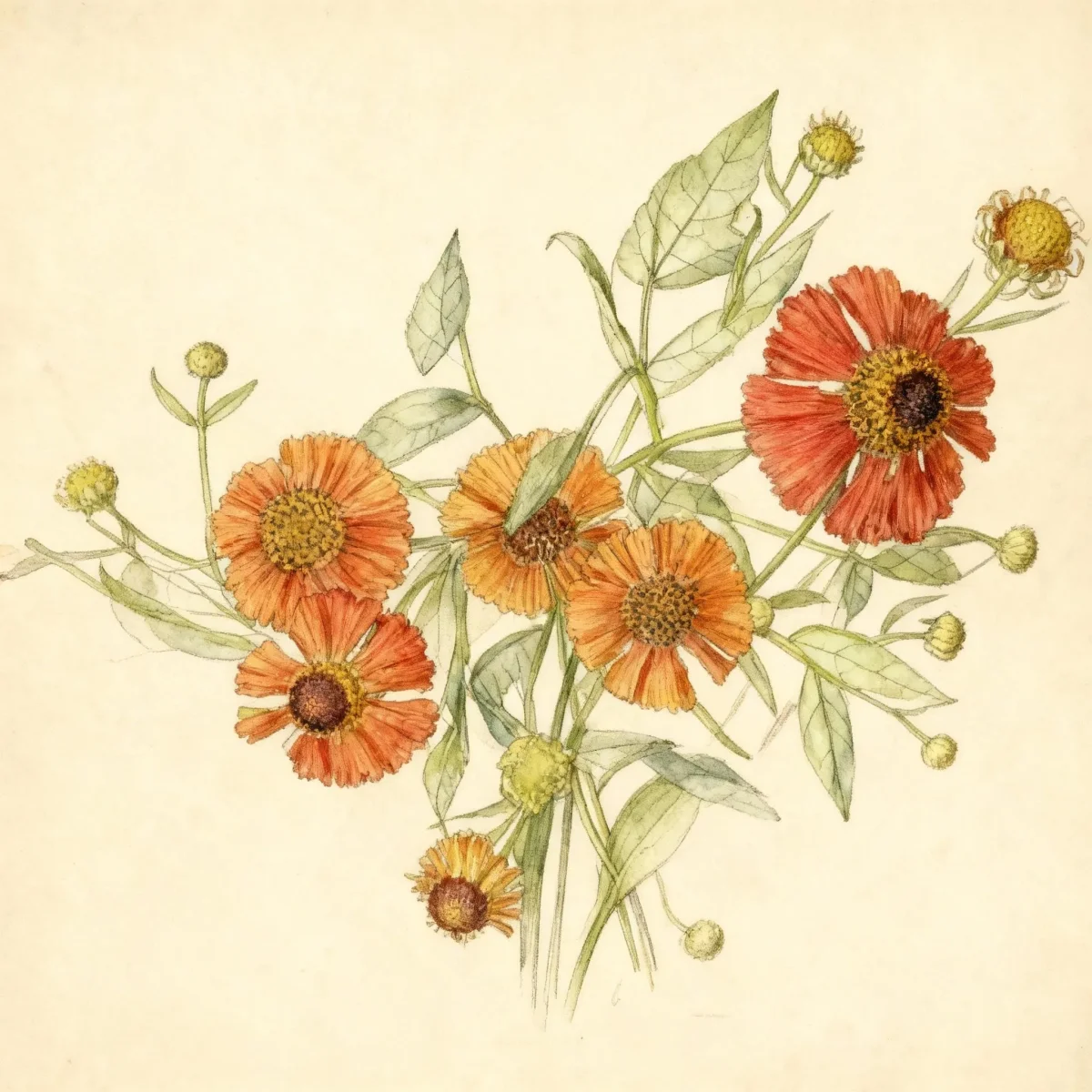
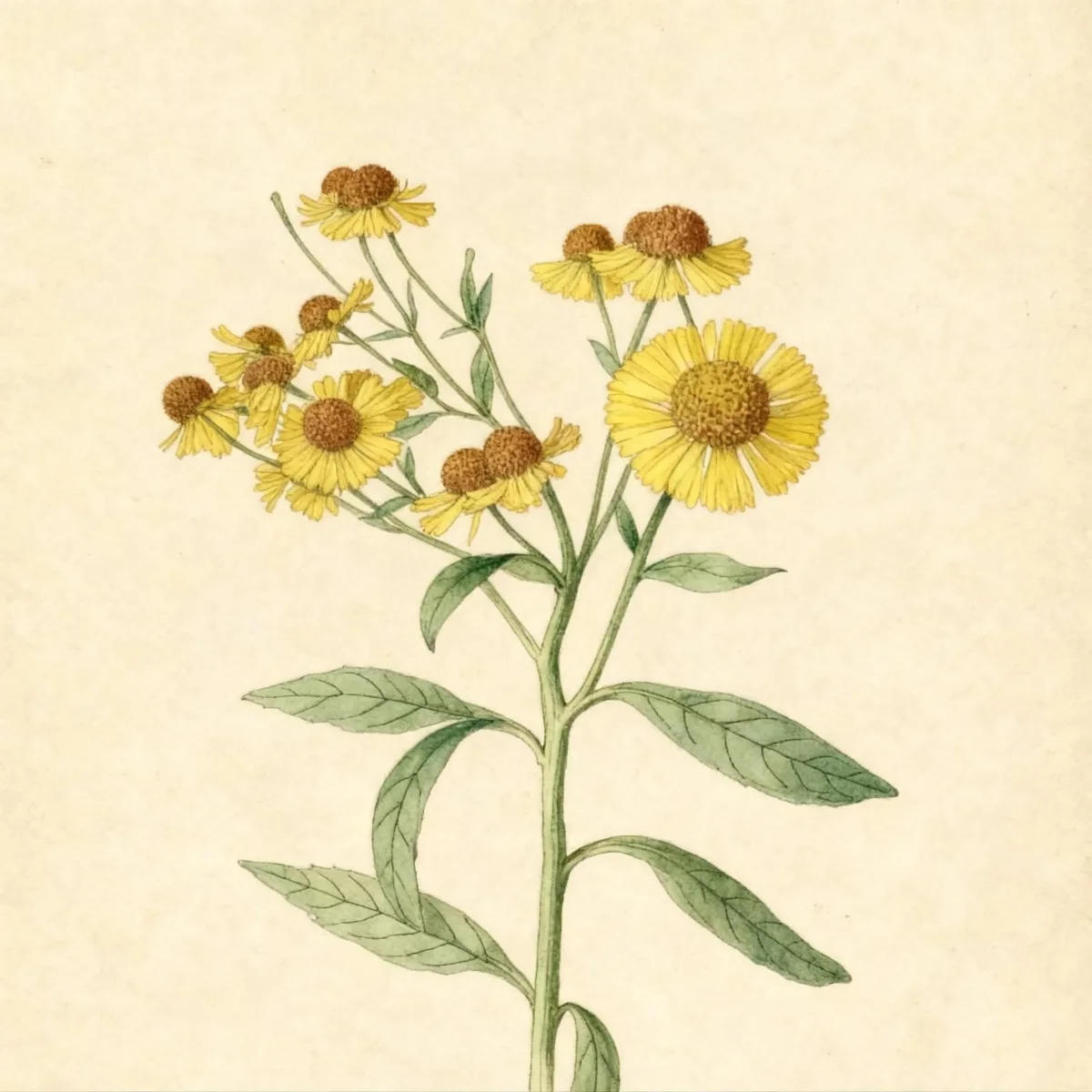
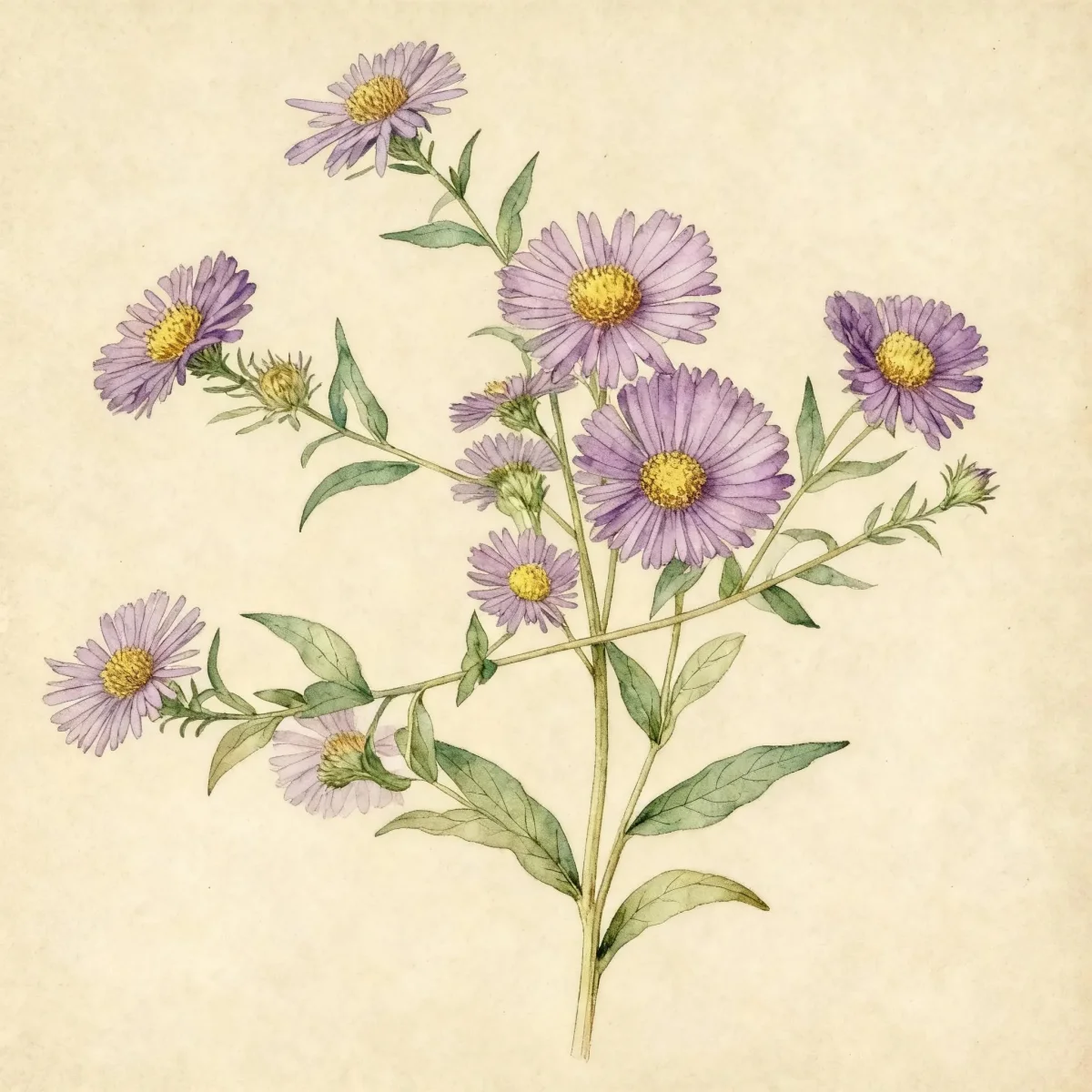
Swamp aster (Symphyotrichum puniceum)
The tall, robust Swamp aster (Symphyotrichum puniceum) offers late-season color in wet garden areas with showy violet-blue blooms.

Bloom Boldly, No Matter the Season - Sweatshirt
Cozy organic cotton sweatshirt featuring our exclusive Purple Coneflower design. Perfect for gardeners who bloom year-round.
Inspired by the beautiful Swamp aster
Limited first batch (50) — join the waitlist for early access
Waitlist closes Feb 15, 2026.
Complete Plant Information
Field Guide Continues
Ready for care notes, companion picks, and planting tips?
The map is just the start. The full guide below covers growth habits, seasonal performance, and landscape uses.
Overview
Symphyotrichum puniceum, widely known as Swamp aster, is an indispensable late-season bloomer prized for its impressive stature and vibrant fall color. This tall herbaceous perennial anchors the back of the border, providing essential late nectar sources for pollinators just as many summer flowers fade. Its robust vertical habit makes it a commanding feature in mixed plantings.
This species thrives in moist to wet conditions, making it an excellent choice for challenging soggy areas of the landscape where other plants struggle. The abundant, small flowers, ranging from violet-blue to deep purple, are held in leafy clusters, contrasting beautifully with its dark, glossy foliage. The sheer dependability and low maintenance requirements of the Swamp aster ensure reliable performance year after year.
Gardeners value Symphyotrichum puniceum for its native appeal and its ability to transform marginal, wet areas into vibrant ecosystems. It is an attractive addition to any naturalized meadow or specialized rain garden setting, offering height and late-season interest until the first hard frost arrives.
Fast Facts
- Plant Family: Asteraceae
- Plant Type: Herbaceous perennial
- Native Range: Eastern North America
- Hardiness Zones: USDA Zones 2-9
- Size at Maturity:
- Height: 6-8 ft
- Spread: 2-3 ft
- Bloom Time: August to September
- Bloom Description: Violet-blue to purple with yellow centers
- Sun Exposure: Full sun
- Water Needs: Medium to wet
- Maintenance Level: Low
How to Grow
Planting for Symphyotrichum puniceum should occur in the spring or fall, ensuring it is established before extreme heat or cold. Locate this aster where it receives full sun; while adaptable, sufficient light maximizes bloom density. The soil should ideally be average to wet and well-drained, accommodating its natural preference for swampy ground.
Maintenance is commendably low once established. Watering should be consistent, especially if planted outside of its ideal saturated environment, though established Swamp aster tolerates wet spikes well. Fertilization is rarely required; over-fertilizing can lead to floppy stems. If stems become too tall or floppy in a crowded location, cut them back by one-third in late May or early June to encourage a slightly shorter, sturdier habit.
This easy-to-grow perennial readily self-seeds, which can assist significantly with naturalizing efforts across larger, suitable landscapes. If propagation is not desired, simply deadhead spent flowers before seed set occurs. Prepare for a spectacular late-season show; this aster remains fresh looking even when other garden offerings have declined.
Landscape Uses
The stately height of the Swamp aster makes it an ideal plant for the rear section of perennial borders where it can act as a vertical element without obscuring smaller, foreground plantings. Its preference for wet conditions immediately signals its suitability for rain gardens and bioswales, effectively managing runoff while adding high visual impact.
For gardeners aiming toward a native aesthetic, mass plantings of Symphyotrichum puniceum create stunning wildflower meadows or naturalized drifts near pond edges or ditches. They pair well visually and culturally with other moisture-loving natives like Joe Pye Weed (Eutrochium spp.) or various rushes, creating resilient, low-input ecological gardens. Its structure also provides excellent architectural interest during early spring dormancy.
Standout Features
Flower Qualities
- Showy
- Good Cut
Noteworthy Characteristics
Symphyotrichum puniceum, commonly called glossy-leaf aster, is a Missouri native that typically occurs in the swampy ground of spring-fed meadows in the eastern Ozark region. An erect, tall-growing species which grows to a height of 4-8’, this plant features small but abundant flowers (to 1.5” across) with light violet blue to purple rays and yellow center disks appearing in leafy clusters in autumn. Glossy, lance-shaped leaves clasp the stems, and the plant remains attractive late into the season, even past the first frost.
Tolerances
- Wet Soil
Potential Problems
This aster generally boasts exceptional vigor and suffers from no serious insect or disease problems in the landscape. Its tolerance for excessive moisture often deters common fungal issues that plague drier-loving perennials. Healthy plants grown in appropriate, full-sun, wet locations should require virtually no management regarding pests or illness. Rotate planting locations every few seasons if aggressive self-seeding becomes an issue rather than treating it as a pest problem.
Frequently Asked Questions
What hardiness zones is Swamp aster suitable for?
Symphyotrichum puniceum is incredibly hardy, suitable for USDA Zones 2 through 9.
How large does Symphyotrichum puniceum grow?
This tall perennial typically reaches heights between 6 and 8 feet, with a relatively narrow spread of 2 to 3 feet.
When does Swamp aster bloom?
The bloom time for this plant is late in the season, generally running from August well into September, displaying violet-blue to purple flowers.
What sun exposure does Symphyotrichum puniceum need?
To achieve its best height and bloom density, this aster requires full sun exposure.
Conclusion
The Swamp aster offers exceptional value through its late-flowering brilliance, significant height, and adaptation to wet soils. Incorporating Symphyotrichum puniceum into your garden design ensures reliable, low-maintenance beauty that supports local wildlife during the transition into fall. Verify your site receives full sun and adequate moisture before planting this magnificent native perennial.
Wildlife Benefits
The late bloom time of the Swamp aster is perhaps its greatest ecological advantage. Blooming extensively through August and September, it provides critical sustenance—nectar and pollen—to migratory butterflies, late-season bees, and other beneficial insects preparing for winter. Its structure also offers shelter during the cooler evenings of early autumn.
Planting Symphyotrichum puniceum is an excellent choice for creating habitat-rich areas. As the flowers fade, the remaining seed heads still offer residual structure and potential food sources for foraging birds throughout the winter months before the final spring cleanup.
Companion Planting
When designing a wet border, pair Symphyotrichum puniceum with other robust, moisture-loving perennials to create a cohesive tapestry of late-season color and texture. Excellent companions include tall species of Joe Pye Weed (Eutrochium), Cardinal Flower (Lobelia cardinalis), and various native sedges (Carex spp.) that appreciate similar soil conditions. These companions complement the purple tones of the aster while offering different bloom shapes and structures. Ensure that all companions also thrive in full sun to maintain the vigor of the Swamp aster.