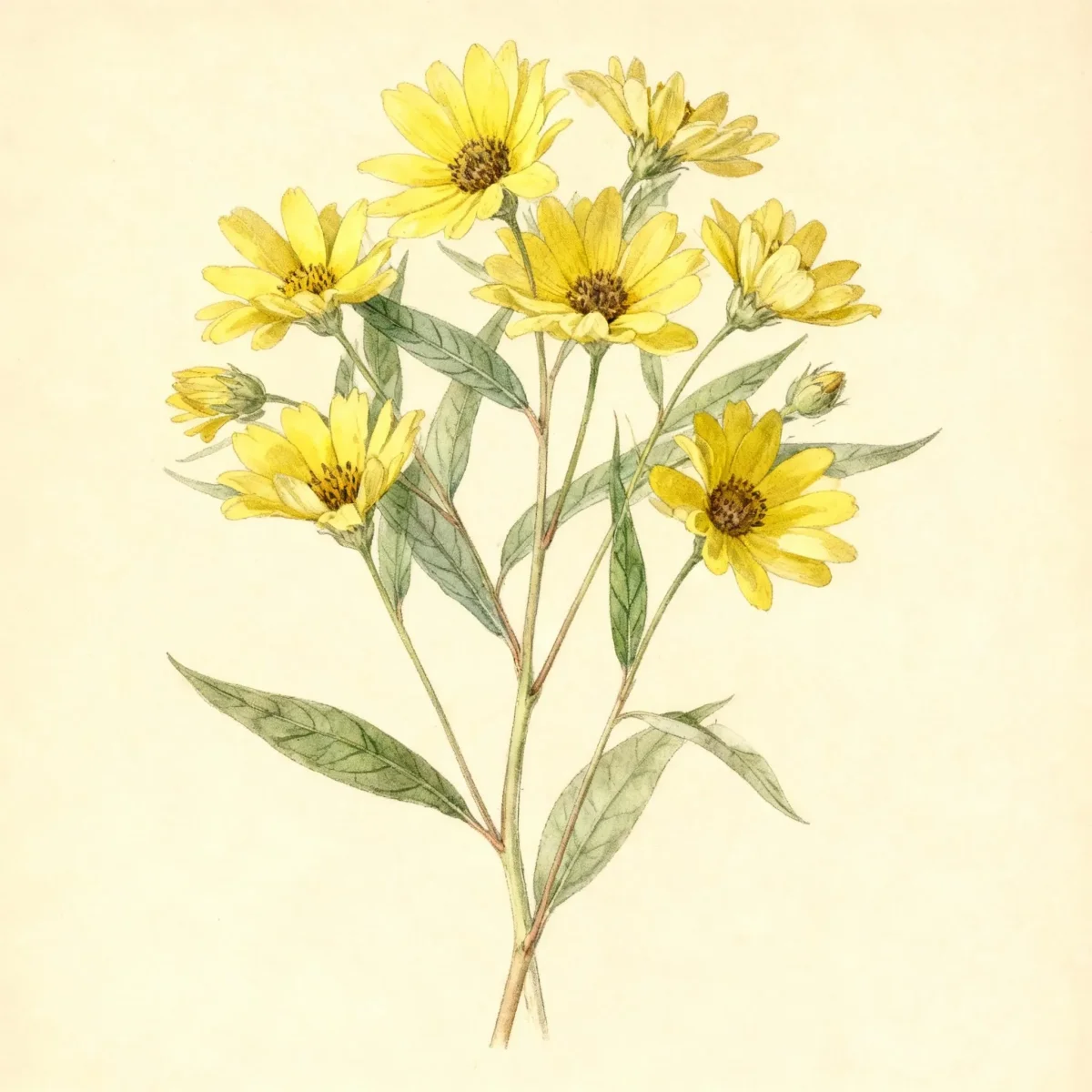
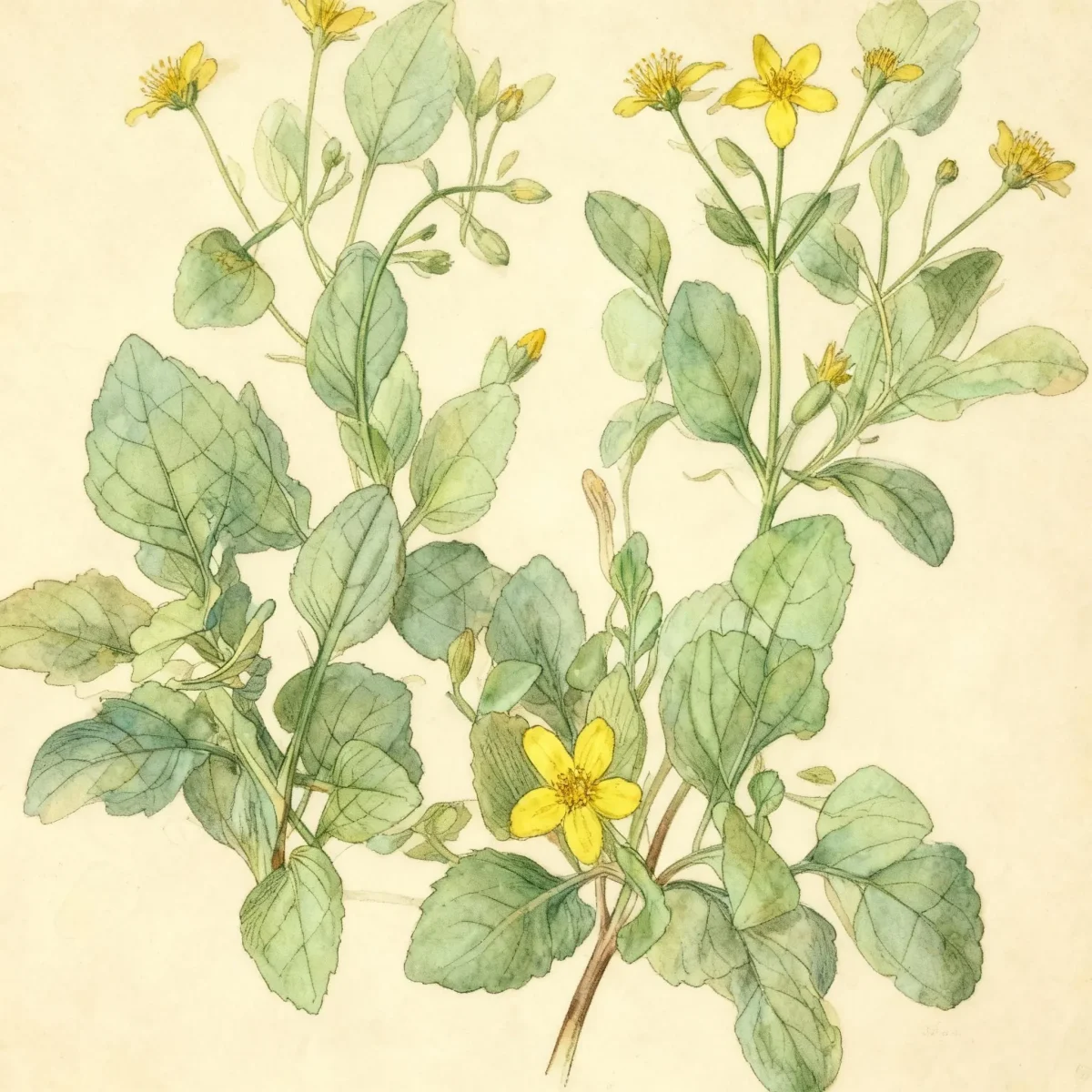
Leopard plant (Farfugium japonicum)
Discover the Leopard plant (Farfugium japonicum), prized for huge, glossy, dark green foliage and late-season yellow blooms. Zones 7-10.
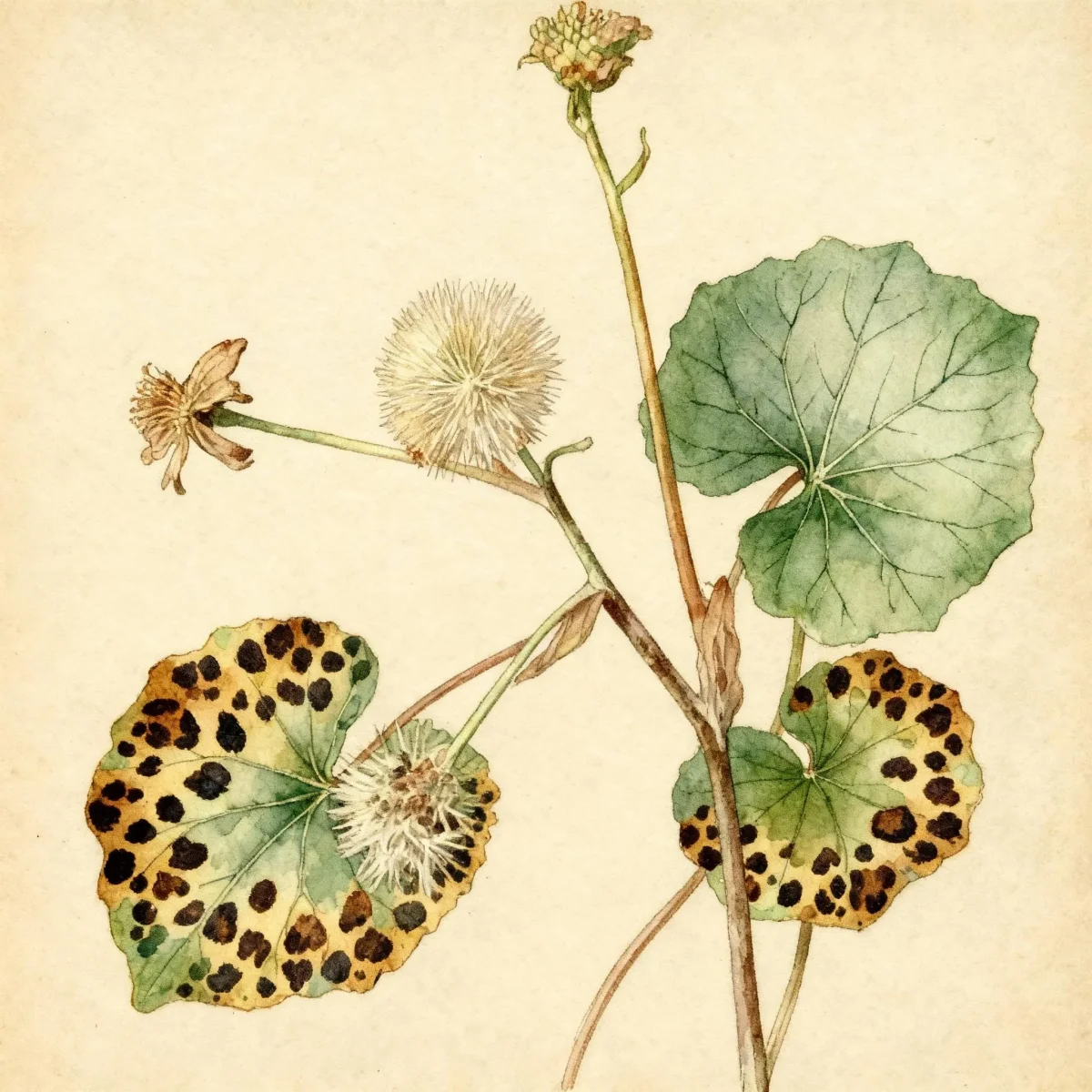

Bloom Boldly, No Matter the Season - Sweatshirt
Cozy organic cotton sweatshirt featuring our exclusive Purple Coneflower design. Perfect for gardeners who bloom year-round.
Inspired by the beautiful Leopard plant
Limited first batch (50) — join the waitlist for early access
Waitlist closes Feb 15, 2026.
Complete Plant Information
Field Guide Continues
Ready for care notes, companion picks, and planting tips?
The map is just the start. The full guide below covers growth habits, seasonal performance, and landscape uses.
Overview
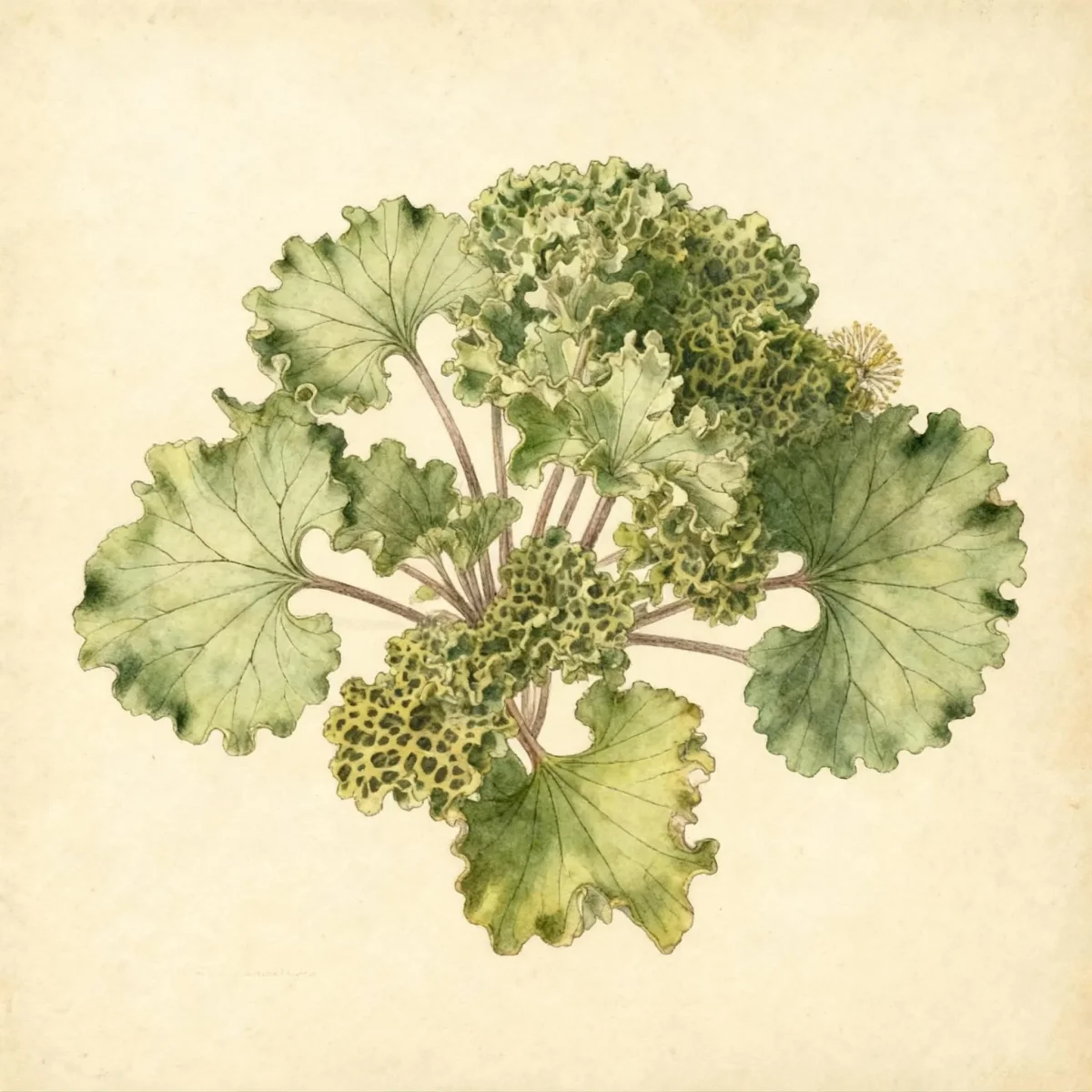
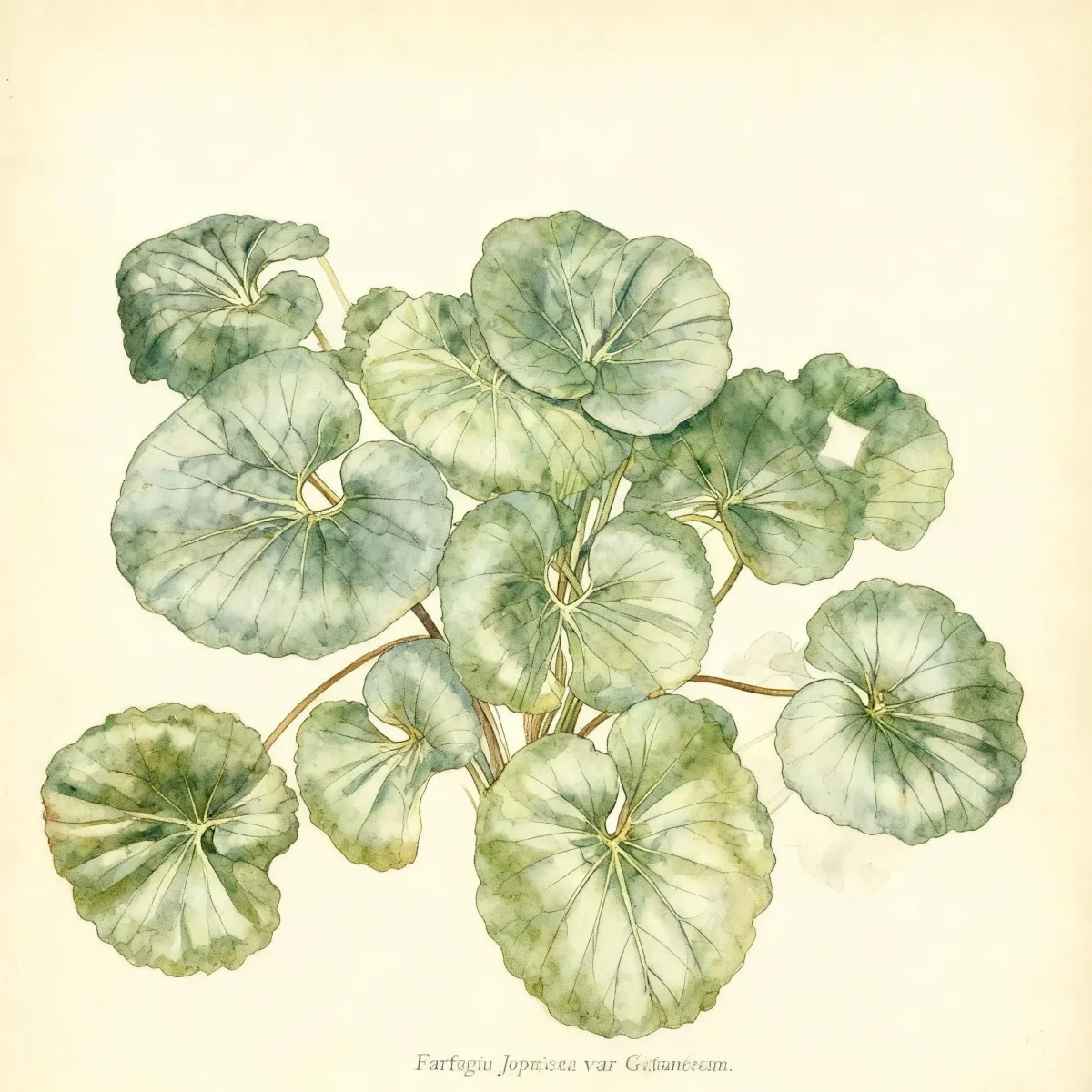
The Leopard plant, scientifically known as Farfugium japonicum, is a highly valued perennial prized for its dramatic, architectural foliage. This plant creates a striking visual foundation in shady garden spots, featuring huge, leathery, glossy, dark green leaves often exceeding twelve inches across. While appreciated for its autumn flowers, the primary ornamental appeal of Farfugium japonicum rests in its remarkable leaf structure, which forms a dense basal clump. Gardeners in appropriate climates rely on this tough perennial for consistent interest in woodland or moisture-retentive settings.
Fast Facts
- Plant Family: Asteraceae
- Plant Type: Herbaceous perennial
- Native Range: Japan
- Hardiness Zones: USDA Zones 7-10
- Size at Maturity:
- Height: 1-2 ft
- Spread: 1-2 ft
- Bloom Time: September to October
- Bloom Description: Yellow
- Sun Exposure: Part shade to full shade
- Water Needs: Medium
- Maintenance Level: Medium
How to Grow
Plant Farfugium japonicum in the spring or fall in locations that receive part shade to full shade, as direct, strong afternoon sun will scorch the attractive leaves. The key to success with the Leopard plant is soil quality and moisture control; aim for humusy, organically rich, medium moisture soils. They thrive where soil is consistently moist and never allowed to dry out completely, although they are slightly more forgiving than some related Ligularia species.
Care generally involves providing regular, deep watering, especially during hot summer periods, to prevent wilting. While fertilization is not usually mandatory in rich garden soil, a spring application of compost can boost vigor if necessary. Gardeners focused solely on maximizing the foliage display often choose to remove the flowering stalks as they emerge in late summer to direct energy back into leaf production.
For gardeners in the cooler reaches of its range (Zone 7), ensure the clump is well-mulched to protect roots from freezing temperatures. Though leaves may die back when temperatures approach 20°F, the plant is typically hardy when established in its preferred moist, shaded habitat.
Landscape Uses
The dramatic scale of Farfugium japonicum makes it an exceptional specimen plant, perfect for anchoring shady borders or creating focal points near water features. Group or mass plantings of the Leopard plant create a bold, tropical-like texture against finer-textured shrubs or ferns. Its requirement for consistent moisture means it excels along manicured woodland paths, beside streams, ponds, pools, or within dedicated bog gardens where soil remains consistently damp. Use it to contrast the upright texture of hostas or the fine sprays of astilbes, ensuring the golden-yellow blooms of late season add necessary cheer before winter dormancy.
Standout Features
Flower Qualities
- Showy
Noteworthy Characteristics
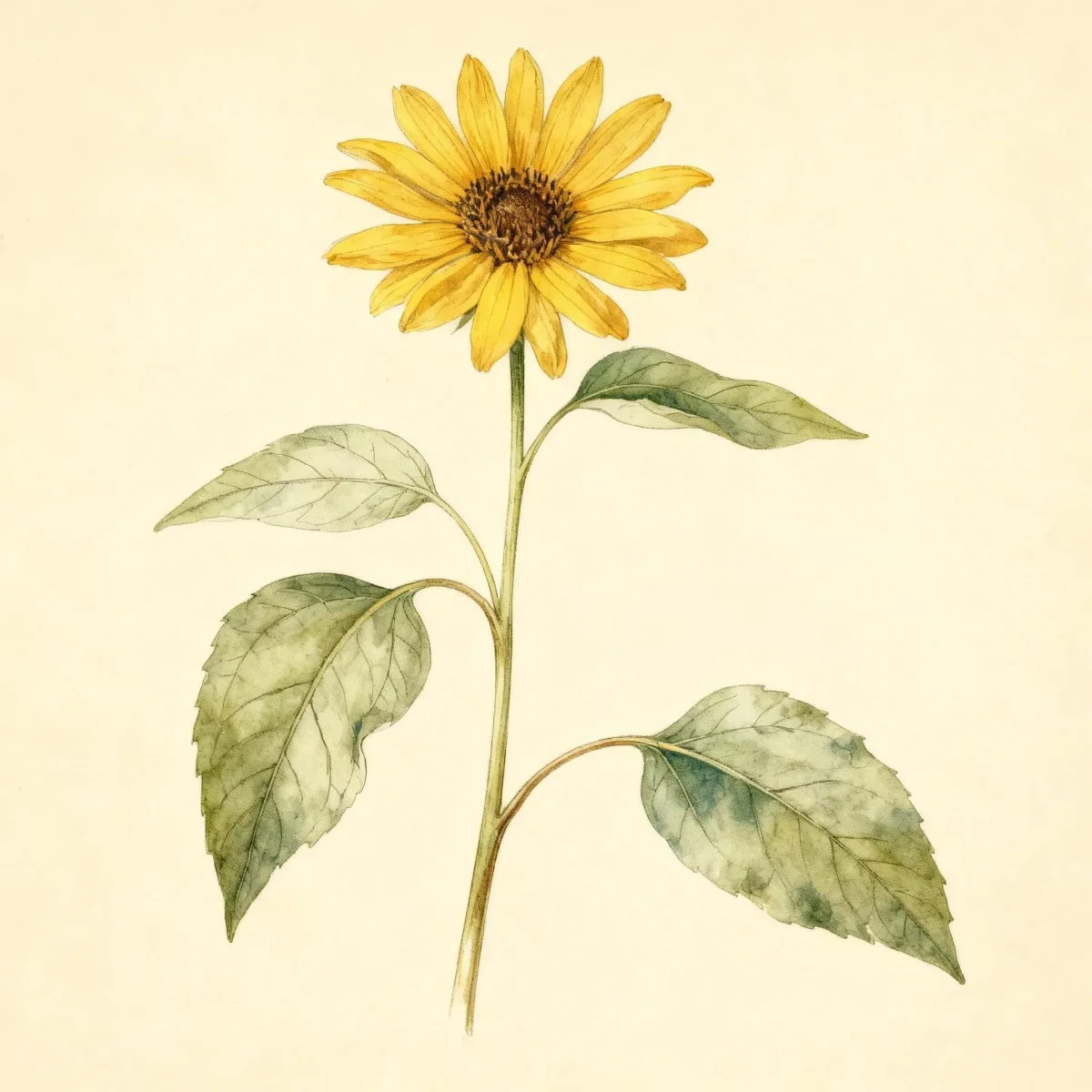
The best ornamental feature of Farfugium japonicum is its foliage, consisting of huge, long-stalked, glossy, leathery, kidney-shaped, dark green leaves that can reach over 12 inches across. These signature leaves form a basal clump up to two feet tall, remaining evergreen where winters are mild but dying back if temperatures drop near 20°F. Daisy-like yellow flowers appear in late summer or fall on stalks rising above the leaves, providing late-season color contrast.
Tolerances
Potential Problems
Slugs and snails pose one of the most significant threats to the vibrant foliage of the Leopard plant, often leaving large, unsightly holes. Proactive management using baits, beer traps, or copper barriers is recommended, particularly when leaves are young and tender. Leaf wilting can also occur during excessive summer heat, even if moisture is adequate, which may signal that the plant is receiving too much direct sun exposure. Ensure proper siting in deep to dappled shade to mitigate sun stress.
Frequently Asked Questions
What hardiness zones is Leopard plant suitable for?
Farfugium japonicum is reliably winter hardy in USDA Zones 7 through 10.
How large does Leopard plant grow?
This herbaceous perennial typically reaches a height between 1 and 2 feet and spreads to a similar width of 1 to 2 feet.
What sun exposure does Leopard plant need?
The Leopard plant thrives best when sited in part shade to full shade conditions; excessive sunlight can cause the foliage to wilt or scorch.
When does Leopard plant bloom?
The plant produces its signature yellow flowers, which arise in loose clusters, generally from September into October.
Conclusion
The Farfugium japonicum, or Leopard plant, offers unmatched bold texture for difficult shady, moist garden areas where few other perennials thrive. Its massive, glossy foliage ensures season-long visual impact, complemented by late-season yellow flowers. Before planting, confirm your site offers the deep shade and consistent moisture this handsome perennial needs, and take preventative measures against common pests like slugs.
Companion Planting
Choosing appropriate companions enhances the aesthetic and cultural success of Farfugium japonicum. Look for plants that share its love for moisture and shade, providing textural contrast to the Leopard plant’s large leaves. Good partners include various ferns, especially Japanese painted fern (Athyrium niponicum), whose silvery foliage contrasts nicely with the deep green of Farfugium. Also consider using white or blue-flowering Hosta varieties or Tiarella (Foamflower) which thrive in similar humus-rich, damp soil conditions.
Seasonal Care Calendar
Spring is the ideal time to refresh the soil around your Farfugium japonicum by incorporating a layer of compost to replenish organic matter. In early spring, remove any dead or damaged foliage from the previous season. During the summer months, consistently monitor watering; deep and regular soakings are crucial, particularly during dry spells, to keep the large leaves turgid and prevent wilting stress. In autumn, anticipate the yellow blooms which signal the approach of leaf die-back in colder Zone 7 gardens, or evergreen retention elsewhere where damaging frosts are absent.