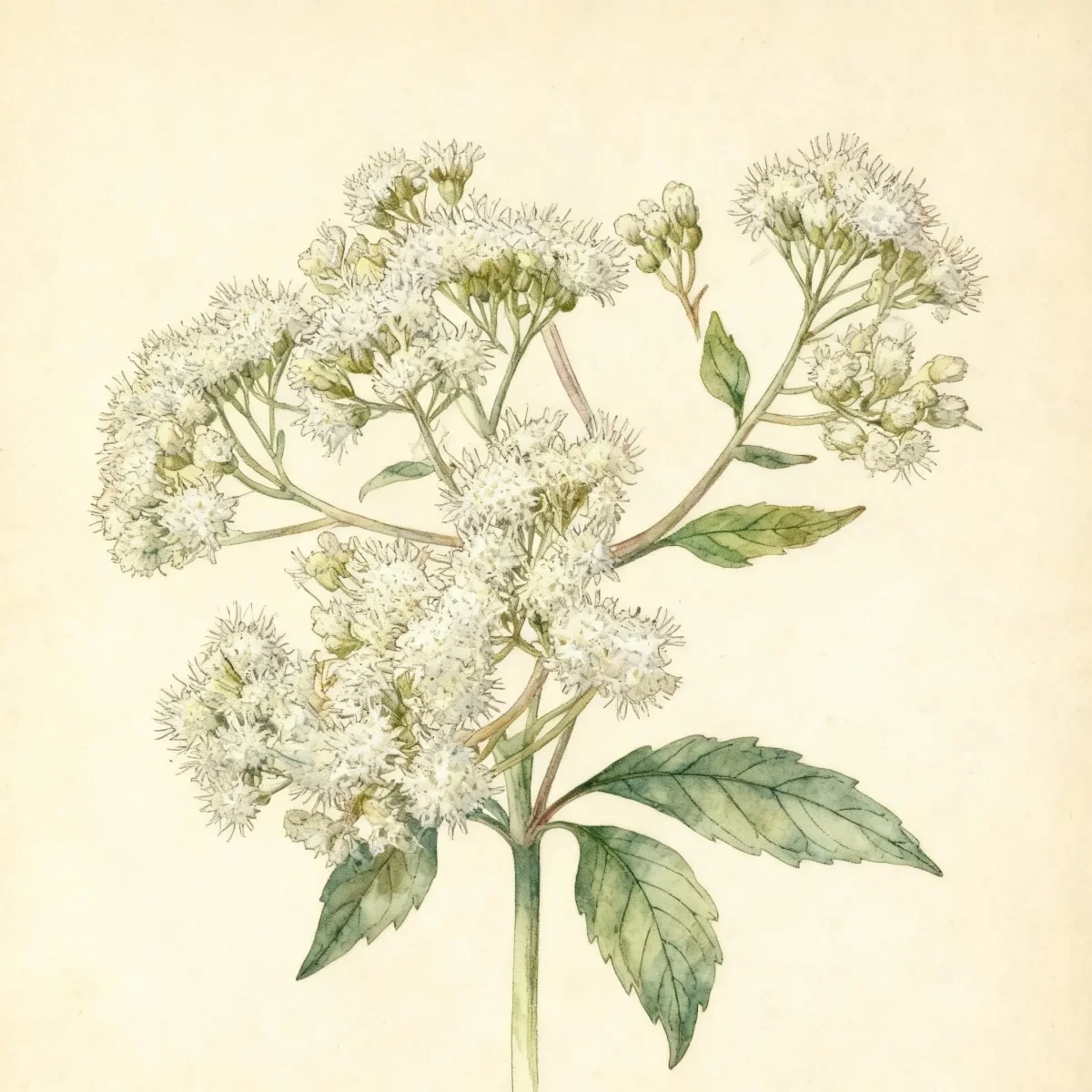
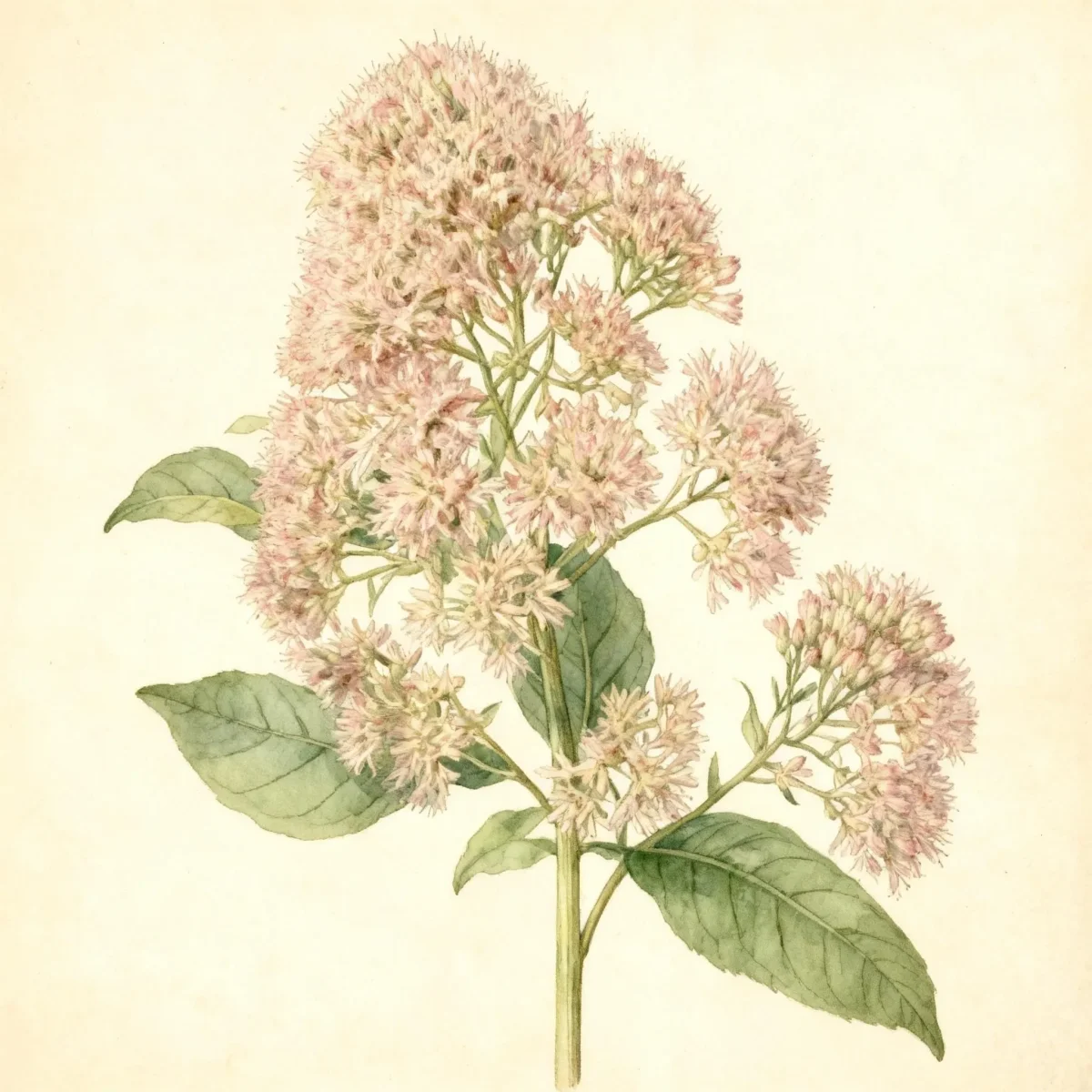
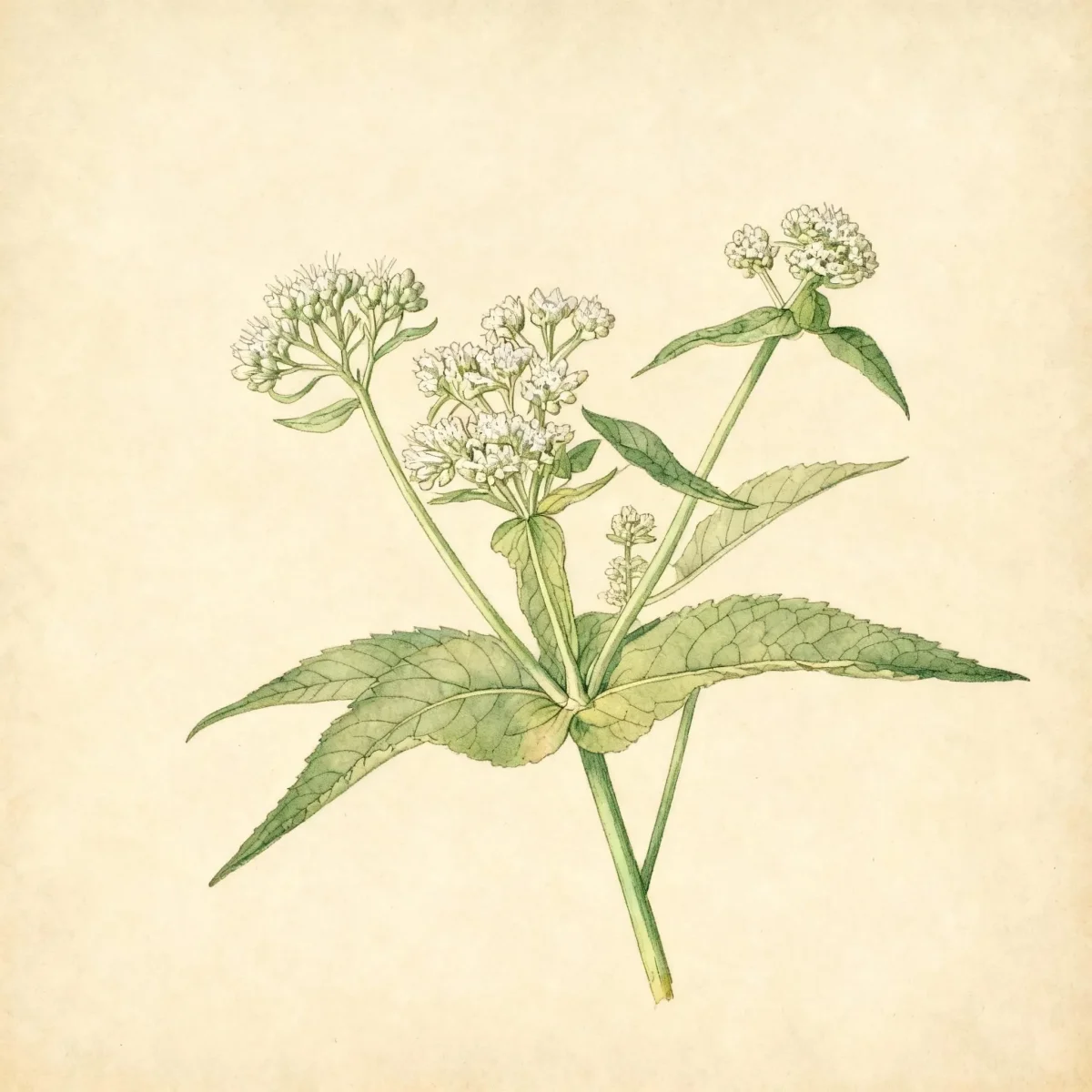
White snakeroot (Ageratina altissima)
Discover White snakeroot (Ageratina altissima), a native perennial thriving in moist shade with late-season white blooms.
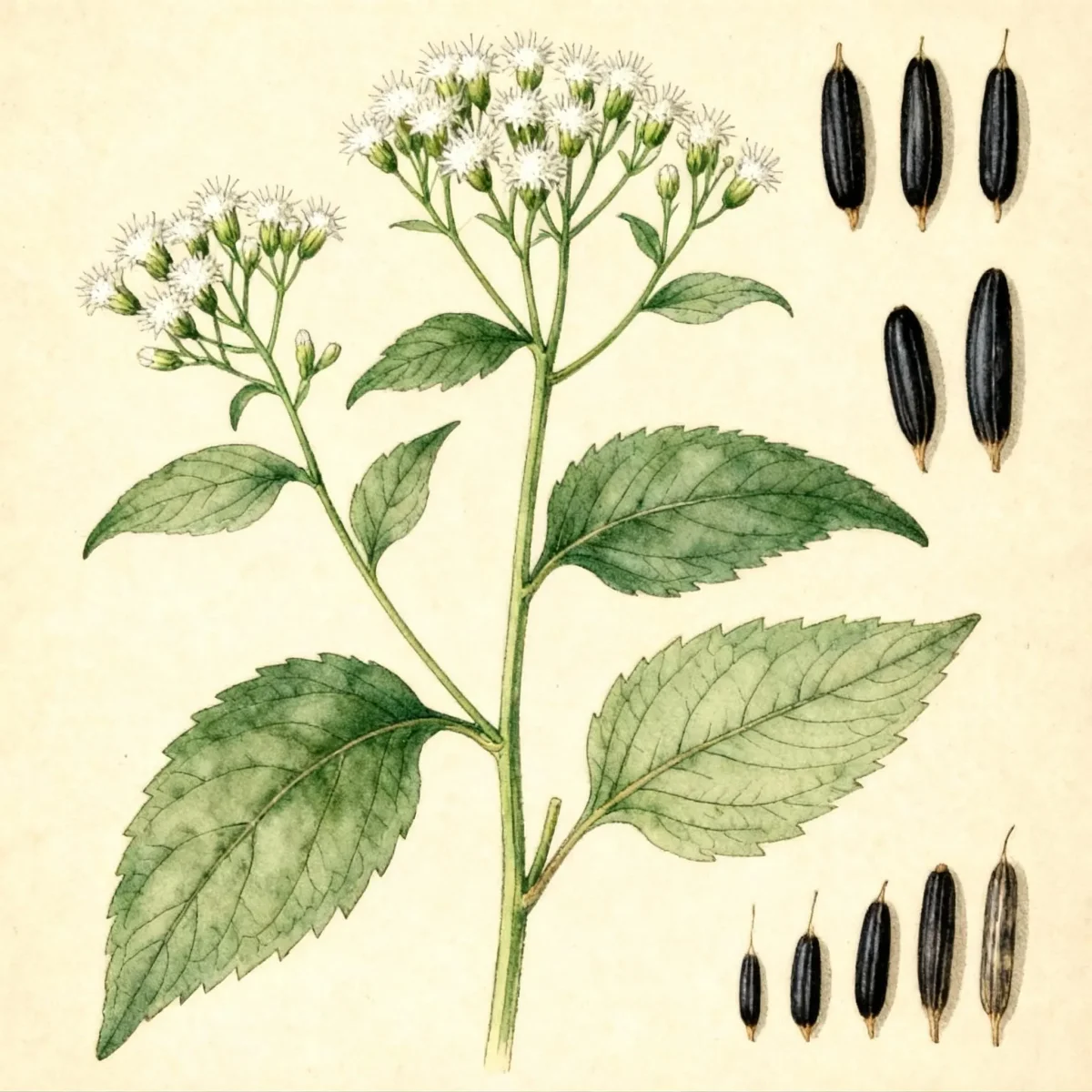

Bloom Boldly, No Matter the Season - Sweatshirt
Cozy organic cotton sweatshirt featuring our exclusive Purple Coneflower design. Perfect for gardeners who bloom year-round.
Inspired by the beautiful White snakeroot
Limited first batch (50) — join the waitlist for early access
Waitlist closes Feb 15, 2026.
Complete Plant Information
Field Guide Continues
Ready for care notes, companion picks, and planting tips?
The map is just the start. The full guide below covers growth habits, seasonal performance, and landscape uses.
Overview
Ageratina altissima, commonly known as White snakeroot, is a valuable native North American herbaceous perennial highly appreciated for its late-season floral display. This plant brings fluffy, bright white flower clusters to the landscape precisely when many other summer bloomers are fading, extending garden interest well into the autumn months. While attractive, gardeners should be aware of its historical context and tendency to spread.
This species establishes well in average conditions, particularly favoring moist, well-drained soils, bridging the gap between sunny borders and wetter, shaded areas. It is known for its ability to tolerate deeper shade than many related aster family members, making it a reliable choice for woodland edges and partially shaded corners. The dense foliage and late flowers make White snakeroot an excellent textural element.
Functionally, Ageratina altissima excels in naturalized settings, rain gardens, and native plant restorations where reliable structure is needed. Its preference for cooler, moister spots means it provides beauty without requiring intensive summer watering once established. Proper placement is key to managing its aggressive spreading nature.
Fast Facts
- Plant Family: Asteraceae
- Plant Type: Herbaceous perennial
- Native Range: North America
- Hardiness Zones: USDA Zones 3-8
- Size at Maturity:
- Height: 3-5 ft
- Spread: 2-4 ft
- Bloom Time: September to frost
- Bloom Description: White
- Sun Exposure: Full sun to part shade
- Water Needs: Medium to wet
- Maintenance Level: Medium
How to Grow
Planting White snakeroot is best done in spring or early fall. Locate Ageratina altissima where it can receive full sun or partial shade, though it performs best in the latter, especially in hot climates. It thrives in average, medium to wet, well-drained soils, showing adaptability even in drier spots, though it prefers humusy conditions.
Ongoing care for this perennial is relatively straightforward. Ensure consistent moisture, especially during establishment, owing to its preference for medium to wet soil. No routine fertilization is typically required if the soil quality is reasonable. Deadheading spent flower heads is recommended to control excessive self-seeding, which is one way this plant propagates readily.
Because Ageratina altissima spreads by rhizomes and self-seeding, managing its size is part of its medium maintenance requirement. Overcrowding can be prevented by dividing established clumps every few years or by simply removing unwanted seedlings in the spring. Its adaptability to shade allows it to naturalize beautifully beneath taller deciduous trees.
Landscape Uses
The naturalizing habit of White snakeroot makes it an essential component in wild gardens and woodland settings throughout North America. It performs exceptionally well when used in rain gardens, fulfilling its water needs while providing structure and late-season flowers. Consider planting it in large sweeps along naturalized banks or borders where its mid-height stature can blend seamlessly with taller background plants.
For formal landscapes, Ageratina altissima can be used strategically to fill shady corners of the border where few other perennials can handle both the moisture and the low light levels. Pair it with plants that enjoy similar conditions, such as ferns, hostas, or astilbes earlier in the season, allowing the White snakeroot to take over the visual interest as autumn approaches. Its fine, white texture contrasts nicely with broad-leafed shade lovers.
Standout Features
Flower Qualities
- Showy
Noteworthy Characteristics
Ageratina altissima commonly called white snakeroot, is native to woodland areas in the Eastern United States. It is common throughout Missouri where it typically occurs in rich or rocky woods, thickets, wood margins and rocky areas (Steyermark). It features small fluffy bright white flowers (composites with rays absent) arranged in loose, flattened clusters (corymbs to 3-4” across) atop smooth stems typically rising 3-5’ tall. Native Americans reportedly used a decoction of the roots as a remedy for snakebite, hence the common name, though settlers learned of its toxicity when consumed via dairy cattle.
Tolerances
- Deer
Potential Problems
This plant is generally free from serious insect or disease issues, which adds to its appeal for low-input gardening. However, leaf miners and flea beetles might occasionally find the foliage appealing, causing cosmetic, but usually non-lethal, damage. The primary management concern involves its vigorous spreading habit. If left unchecked, self-seeding and rhizomatous growth can cause Ageratina altissima to spread rapidly, potentially taking over desired areas. Deadheading blooms is the simplest biological control measure.
Frequently Asked Questions
What hardiness zones is White snakeroot suitable for?
Ageratina altissima performs best when planted within USDA Zones 3 through 8.
How large does White snakeroot grow?
This perennial typically reaches a mature height between 3 and 5 feet, with a spread spanning 2 to 4 feet wide.
What sun exposure does White snakeroot need?
White snakeroot prefers full sun to part shade. In hotter regions, providing afternoon shade is highly beneficial for best growth.
When does White snakeroot bloom?
You can expect beautiful white blooms from this plant beginning in September and continuing right up until the first hard frost.
Conclusion
The late-season brilliance offered by White snakeroot makes Ageratina altissima a superb choice for gardeners seeking structure and color when summer fades. Its ease of growth in medium to wet soils, combined with its native status, secures its position in ecological and informal landscape designs. Verify that your planting location falls within USDA Zones 3-8 and plan to deadhead spent flowers to manage its spread naturally.
Companion Planting
Selecting companions that thrive in moist, partially shaded environments allows White snakeroot to integrate seamlessly into established scenes. Plants with contrasting foliage textures, such as large-leaved Hostas or delicate ferns, create a dynamic visual balance against the upright stems of Ageratina altissima. For late-season color collaboration, consider pairing it with native asters or goldenrods that share similar sun and moisture requirements while blooming concurrently.
Propagation Tips
While deadheading prevents large increases, gardeners can easily propagate White snakeroot to create new colonies or share divisions. The easiest method is division, best performed in early spring before new growth fully emerges or in the fall after blooming ceases. Alternatively, the plant grows readily from seed; simply scatter cleaned seeds on prepared soil surface in autumn for natural stratification, or sow indoors early spring for transplanting once danger of frost has passed.