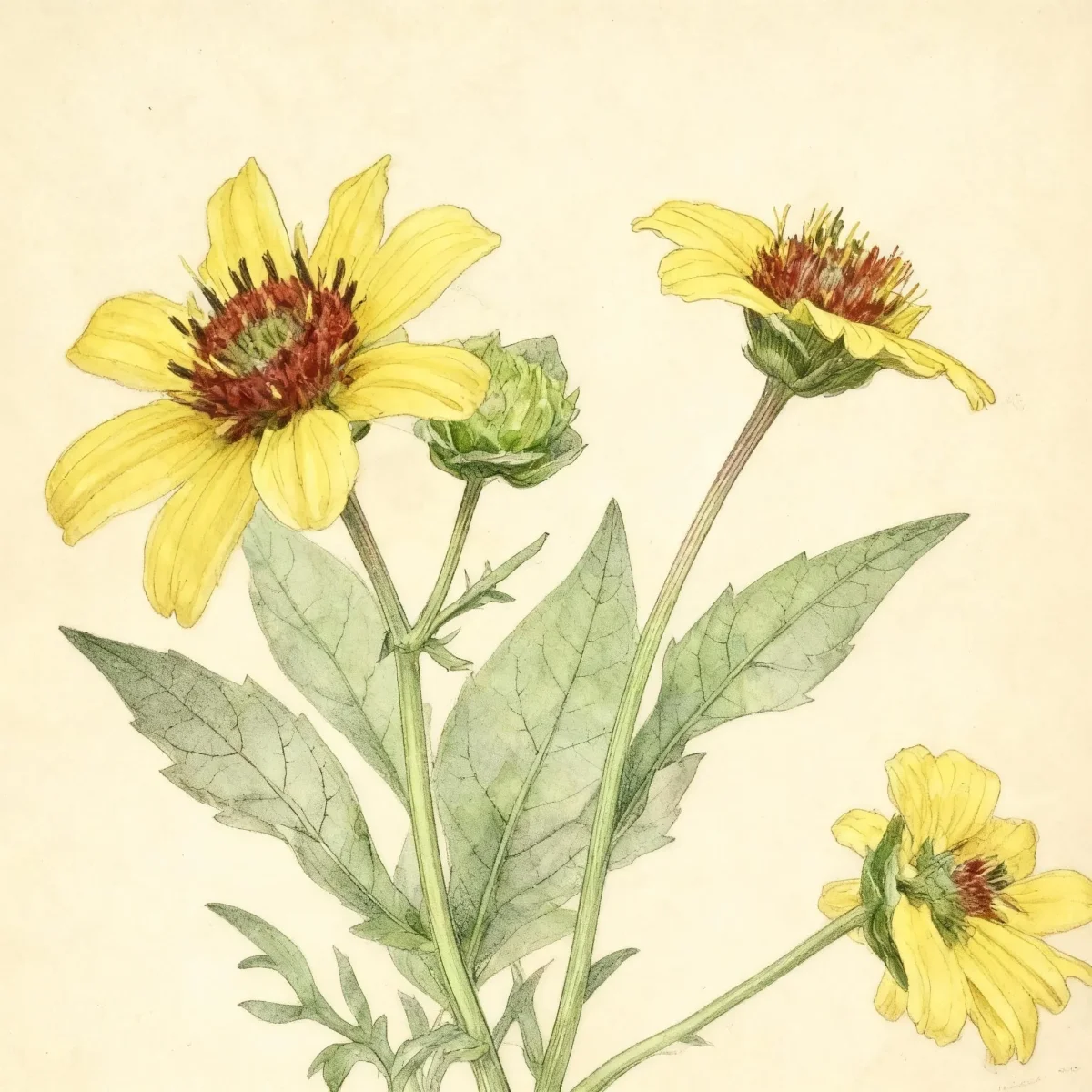
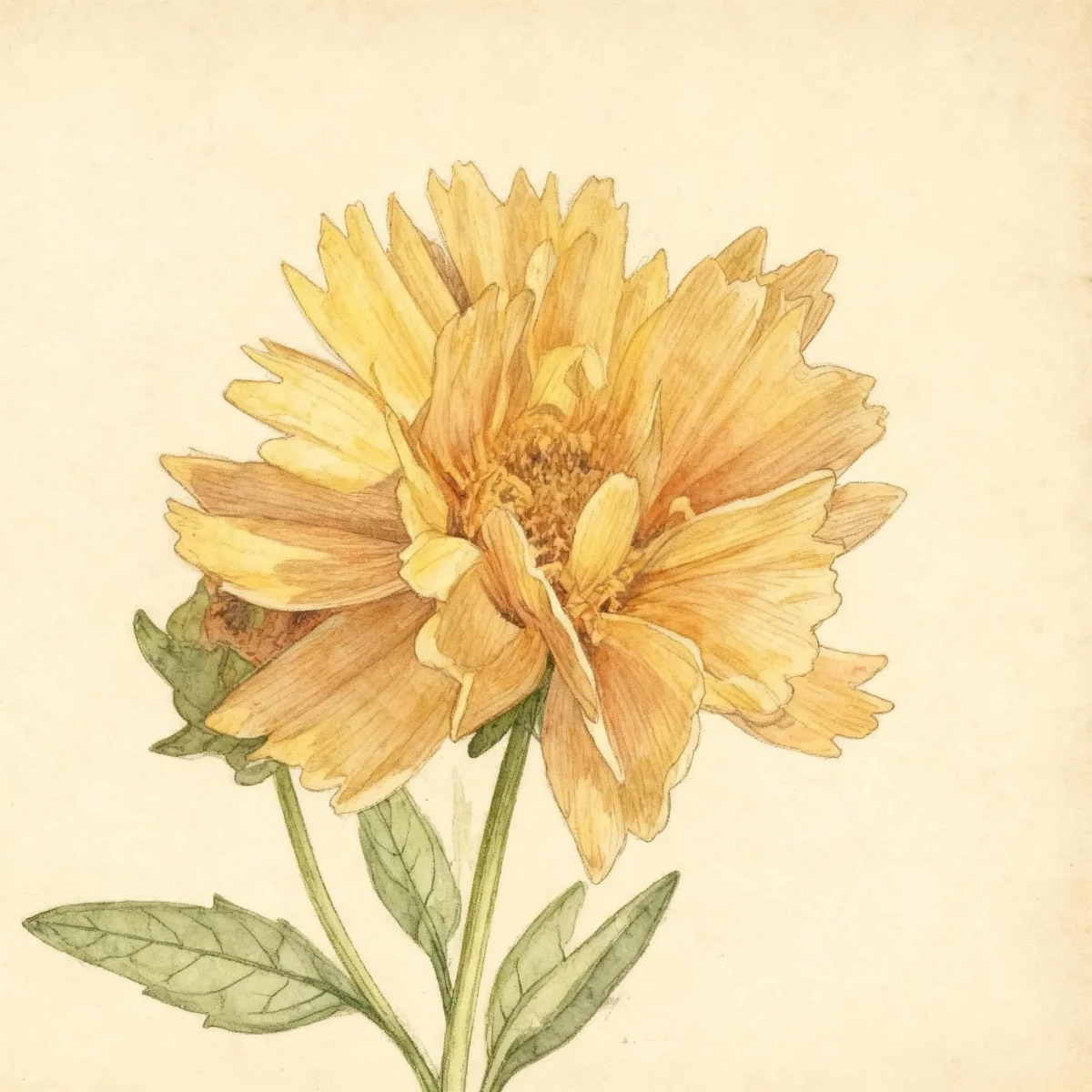
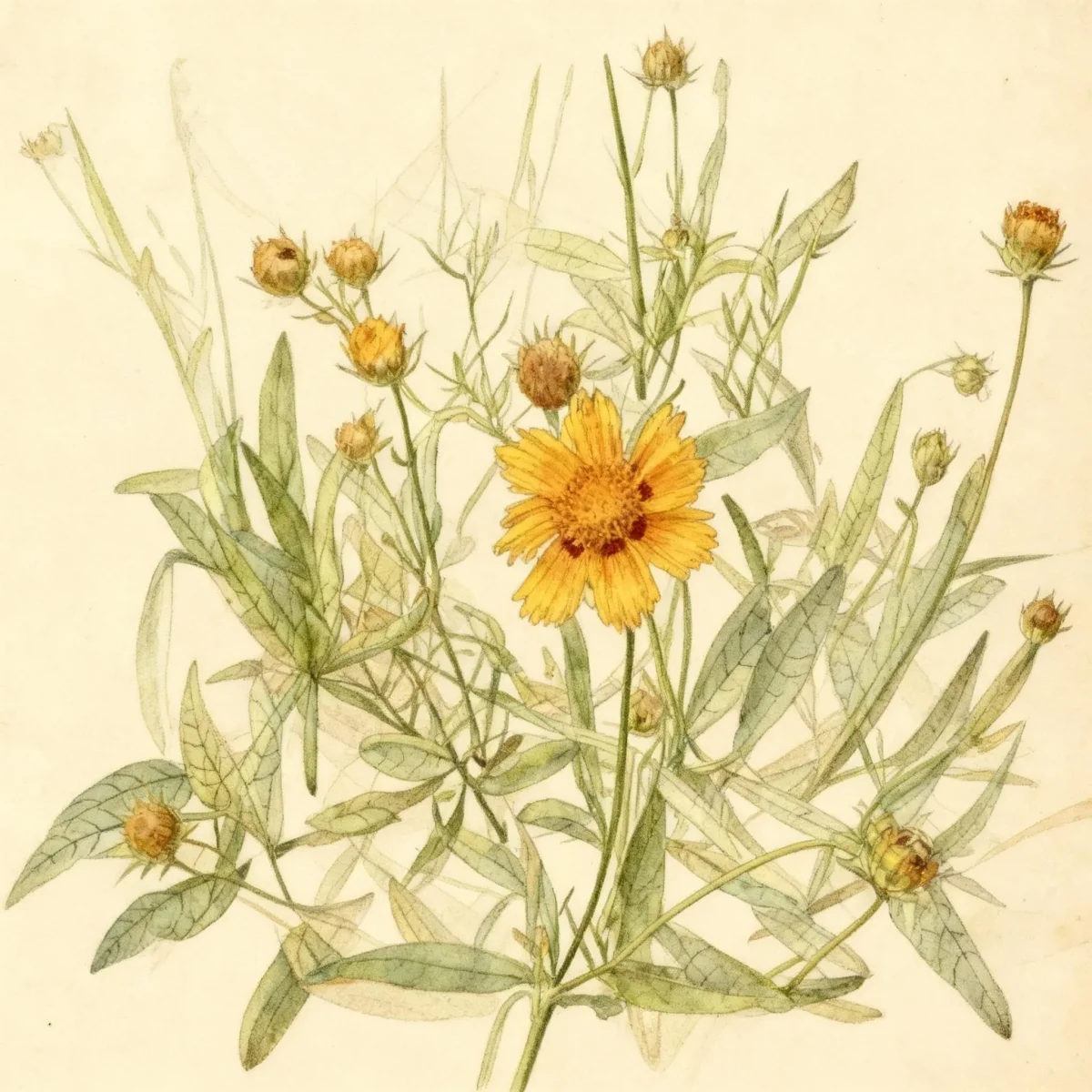
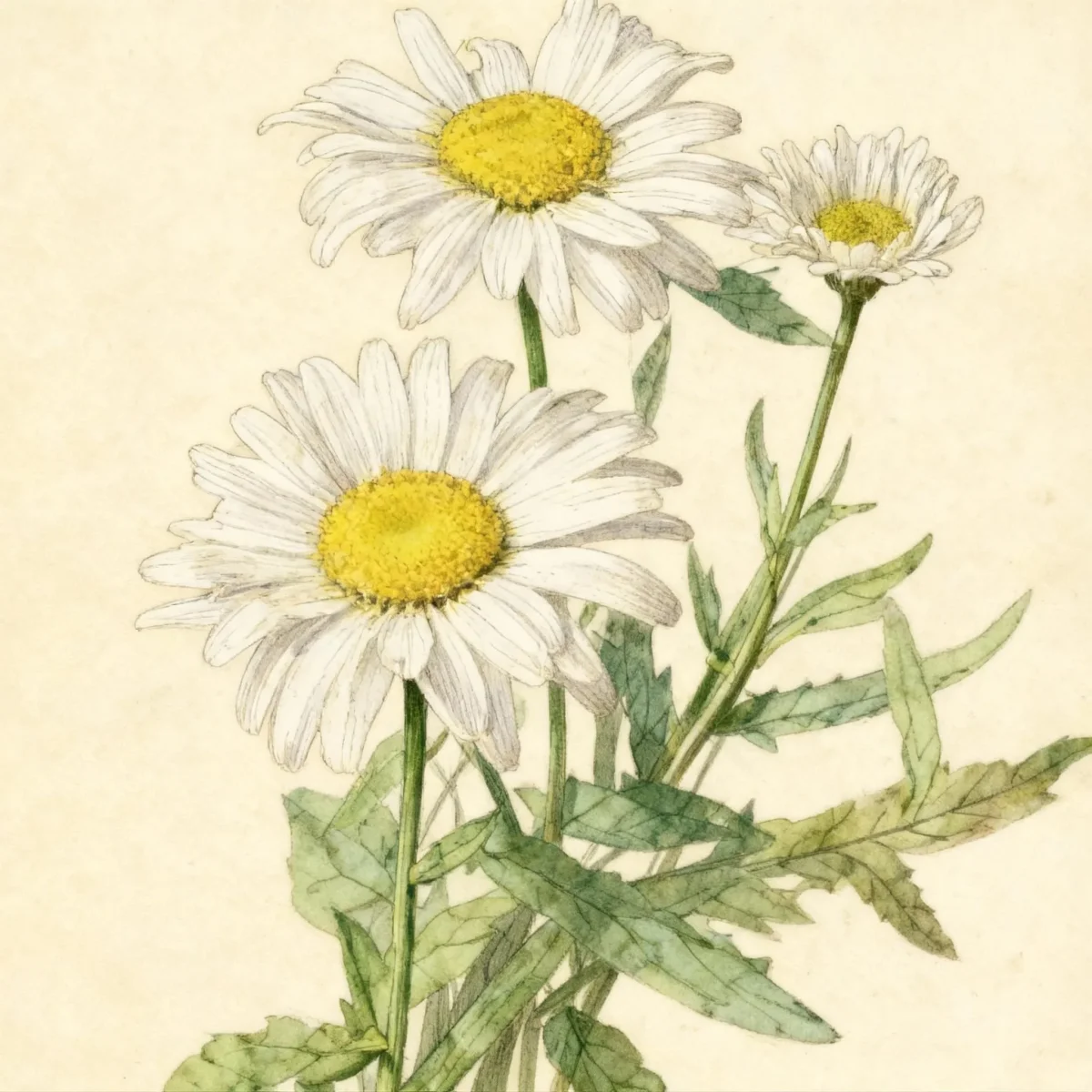
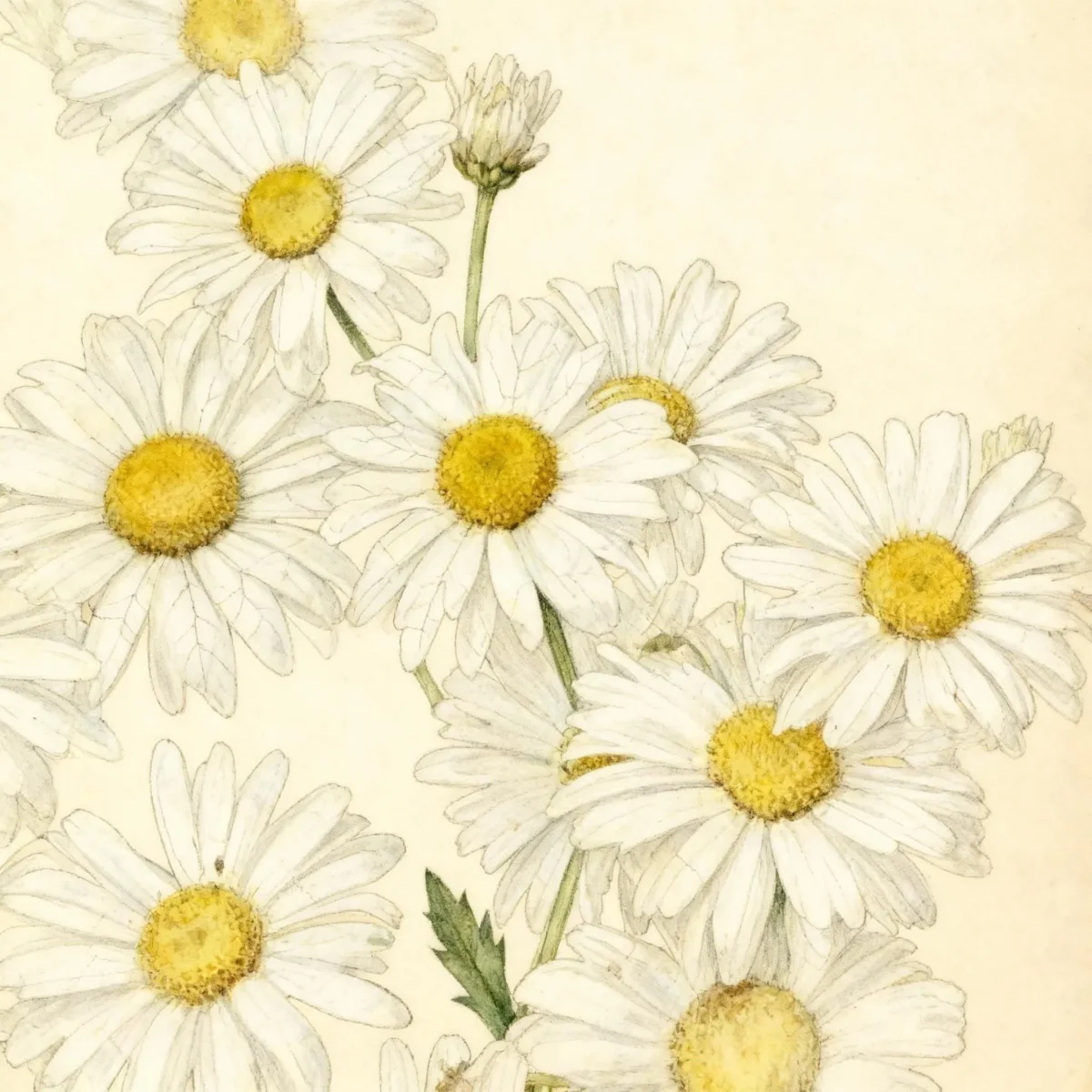
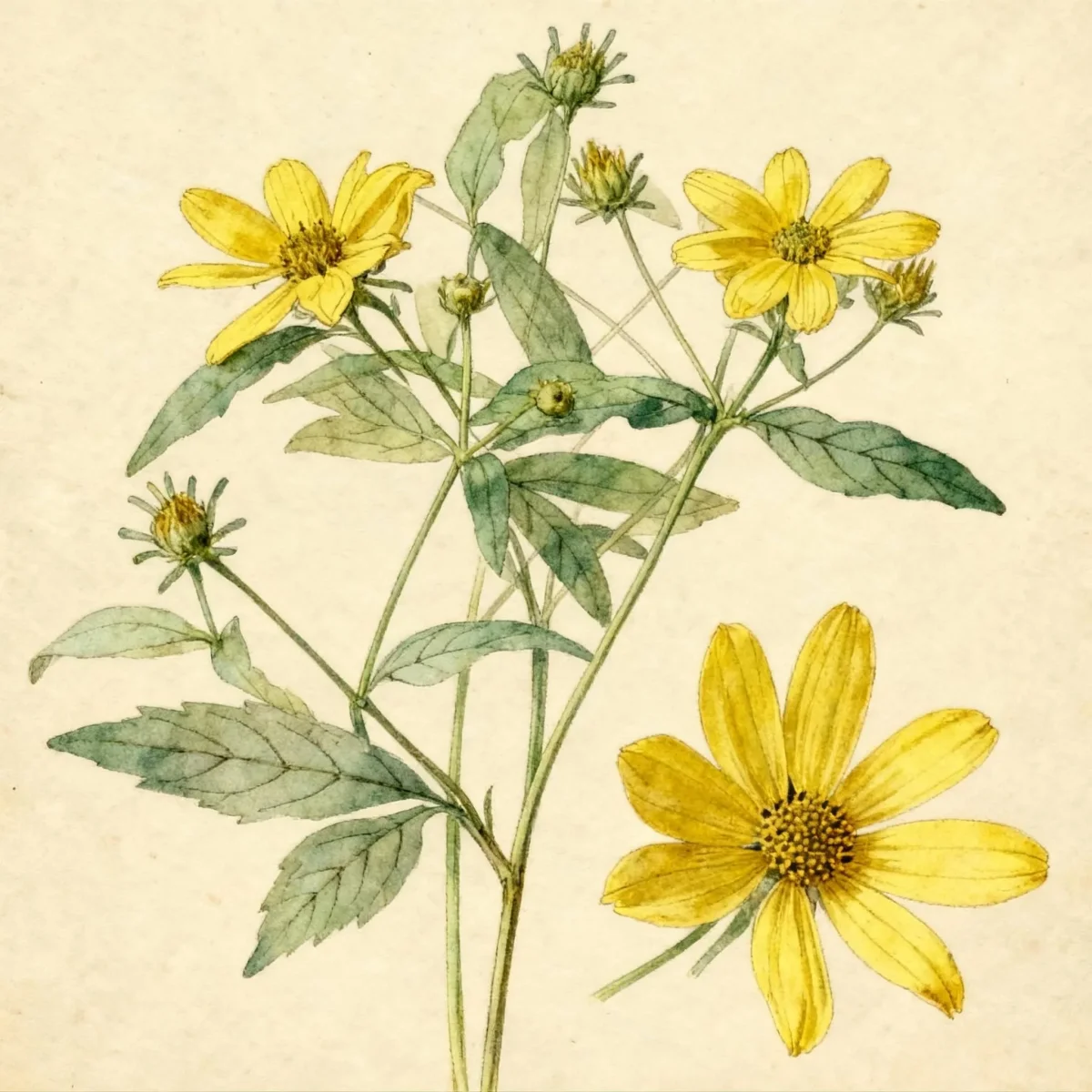
Greater tickseed (Coreopsis major)
Coreopsis major, or Greater tickseed, offers large, showy yellow daisy flowers and thrives in dry, full sun conditions across USDA zones 5-9.

Bloom Boldly, No Matter the Season - Sweatshirt
Cozy organic cotton sweatshirt featuring our exclusive Purple Coneflower design. Perfect for gardeners who bloom year-round.
Inspired by the beautiful Greater tickseed
Limited first batch (50) — join the waitlist for early access
Waitlist closes Feb 15, 2026.
Complete Plant Information
Field Guide Continues
Ready for care notes, companion picks, and planting tips?
The map is just the start. The full guide below covers growth habits, seasonal performance, and landscape uses.
Overview
Coreopsis major, commonly known as Greater tickseed, is a standout herbaceous perennial valued for its robust nature and cheerful display of large, daisy-like flowers. Reaching up to three feet tall, this plant brings welcome, vibrant yellow color to late spring and summer gardens. Its structure features branching stems topped with eye-catching blossoms, making it an excellent native addition.
Native to the open woodlands and roadsides of the Southeastern United States, Greater tickseed is adapted to challenging conditions, performing exceptionally well where other plants might struggle. It thrives in dry, poor, or rocky soils, requiring minimal care once established. Gardeners appreciate this Coreopsis for its low maintenance needs and its ability to naturalize gracefully over time.
The value of Coreopsis major extends beyond simple aesthetics; it fits perfectly into naturalized settings, meadows, and wildflower gardens designed for low-input horticulture. By selecting this species, gardeners support regional ecology while enjoying reliable, drought-tolerant yellow blooms throughout the primary summer season.
Fast Facts
- Plant Family: Asteraceae
- Plant Type: Herbaceous perennial
- Native Range: Southeastern United States
- Hardiness Zones: USDA Zones 5-9
- Size at Maturity:
- Height: 2-3 ft
- Spread: 1-2 ft
- Bloom Time: June to July
- Bloom Description: Yellow
- Sun Exposure: Full sun
- Water Needs: Dry to medium
- Maintenance Level: Low
How to Grow
For optimal success with Coreopsis major, plant in full sun. This requirement ensures the strongest stems and the maximum number of blooms from this adaptable species. It roots best in well-drained soil, thriving specifically in dry to medium moisture conditions, and tolerates poorer, sandy, or rocky substrates where drainage is excellent.
This perennial requires little attention once established. Watering should primarily supplement during prolonged dry spells, as the Greater tickseed demonstrates notable drought tolerance once its root system develops. Fertilization is generally unnecessary; rich soils may actually encourage weak, sprawling growth rather than the desired compact form.
Deadheading spent flower stalks promptly encourages the plant to produce subsequent flushes of bloom throughout the summer. Although Coreopsis major spreads slowly via stolons and self-seeding, leading to naturalization, it is not aggressive. If plants become unruly in formal borders, a hard cut-back in mid-summer can tidy up the foliage. Division every few years may be necessary, particularly in highly robust growing situations, to maintain vigor.
Landscape Uses
The primary recommendation for Coreopsis major is naturalization. It excels when allowed to establish colonies in native wildflower gardens, sunny meadows, or prairies where its tough tolerance for dry soil can be fully exploited. This trait makes it an indispensable component for Xeriscaping or low-water landscape designs.
While its spirit is wild, the upright habit of the Greater tickseed allows it to function well in the middle to back rows of perennial borders. Plant it alongside other full-sun, drought-tolerant natives like coneflowers (Echinacea) or various native grasses that share similar low-input cultural requirements. Integrating this plant into dry slopes or rock gardens provides reliable seasonal color.
Be mindful of its natural tendency to reseed lightly when planning formal arrangements; containment or routine removal of seedlings may be required if you prefer a more manicured look around your Greater tickseed plantings.
Standout Features
Flower Qualities
- Showy
Noteworthy Characteristics
Coreopsis major features large, daisy-like flowers measuring about 2 inches in diameter, displaying bright yellow rays surrounding yellow (occasionally reddish-tinged) center disks. Flowers appear in loose clusters atop erect stems, presenting a substantial visual display throughout the late spring into summer. Stem height typically ranges from two to three feet, characteristic of this species, commonly called greater tickseed due to these imposing features compared to other coreopsis types.
Tolerances
- Deer
- Drought
- Dry Soil
- Shallow-Rocky Soil
Potential Problems
Coreopsis major is generally recognized for its strong disease resistance and resilience against most common garden pests. The primary concern arises from cultural errors, specifically when grown in overly moist or high-nutrient soils. Under these richer conditions, the plant tends to sprawl or become floppy, compromising its upright structure. Furthermore, overly wet, poorly drained sites significantly increase the risk of crown rot, a fatal condition for this drought-tolerant native. Ensure excellent drainage to mitigate these issues.
Frequently Asked Questions
What hardiness zones is Greater tickseed suitable for?
The Greater tickseed (Coreopsis major) is successfully grown across USDA Hardiness Zones 5 through 9.
How large does Coreopsis major grow?
This species typically reaches a mature height between 2 and 3 feet tall, with a spread of 1 to 2 feet wide.
What sun exposure does Greater tickseed need?
Coreopsis major requires full sun exposure to maintain its best structure and blooming power.
When does Coreopsis major bloom?
You can expect this dependable perennial to bloom from June through July, displaying its signature yellow flowers.
Conclusion
The Coreopsis major, or Greater tickseed, offers gardeners a combination of beauty and resilience, making it a vital plant for low-management summer color in sunny locations. Its tolerance for poor, dry soils ensures success where other perennials might falter. Check your local USDA zone compatibility now to plan planting the valuable Coreopsis major this season.
Companion Planting
Selecting companions for Coreopsis major is straightforward, as it thrives alongside other plants that demand little supplemental water and enjoy full sun exposure. Look to pairing it with native Echinacea (Coneflower) or Rudbeckia (Black-Eyed Susan) cultivars that share similar bloom times and cultural needs. These combinations work perfectly in meadow settings, creating layers of texture and color while sharing the requirement for dry, well-drained conditions.
For a more textural contrast that complements the yellow flowers, consider planting shorter mounds of Gray-Headed Coneflower (Ratibida pinnata) or integrating structural elements like ornamental grasses adapted to dry sites. These neighbors enhance the native aesthetic of the Greater tickseed without competing for limited moisture resources.
Propagation Tips
While Coreopsis major happily spreads on its own through self-seeding, gardeners seeking to increase their stock or refresh existing clumps can rely on easy division. This herbaceous perennial should be divided in early spring before new growth begins or in early fall after flowering has ceased. Gently excavate the clump and carefully separate the rhizomes, ensuring each section retains healthy roots and growth points. Replant these divisions promptly at the same depth in well-drained soil to encourage establishment for the next season.