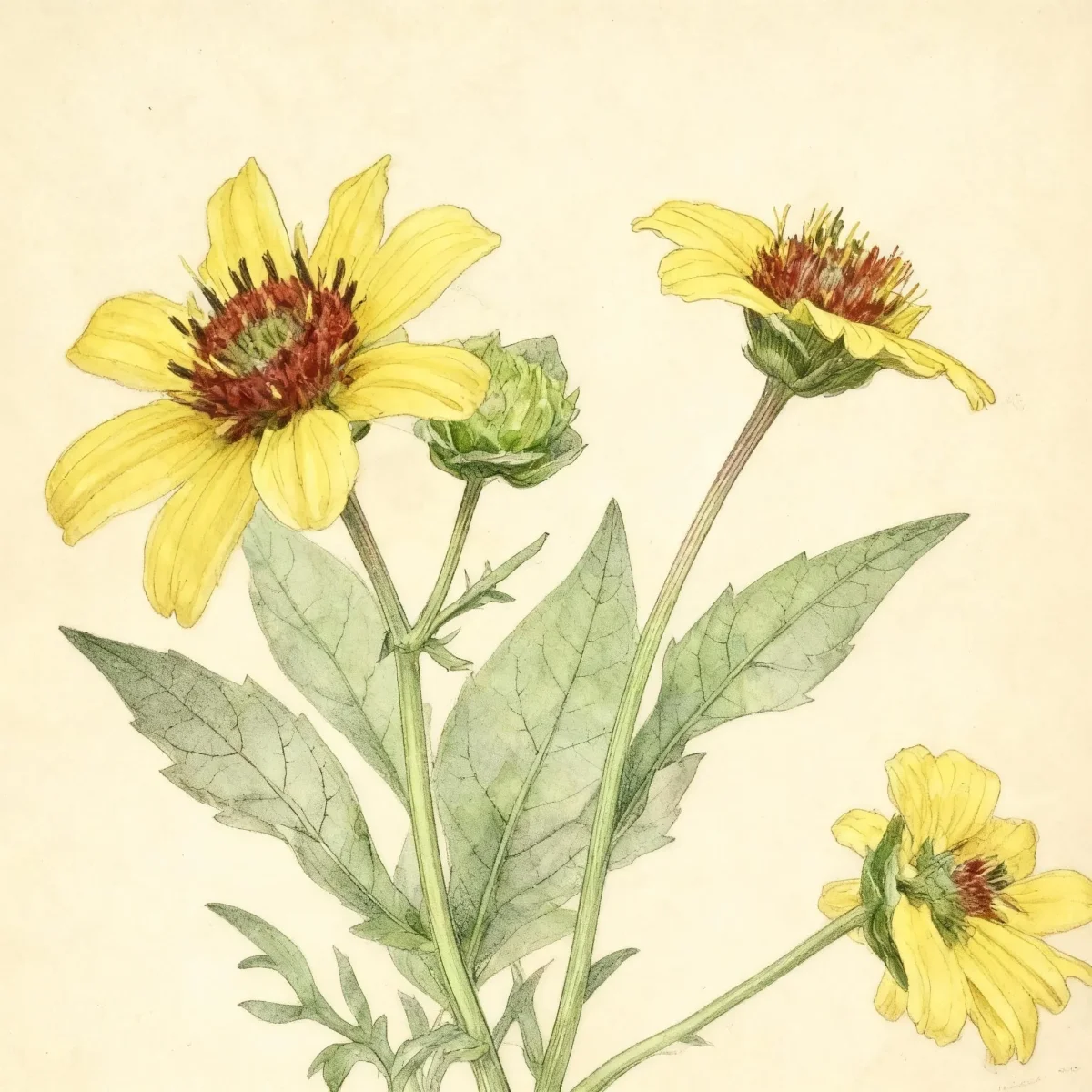
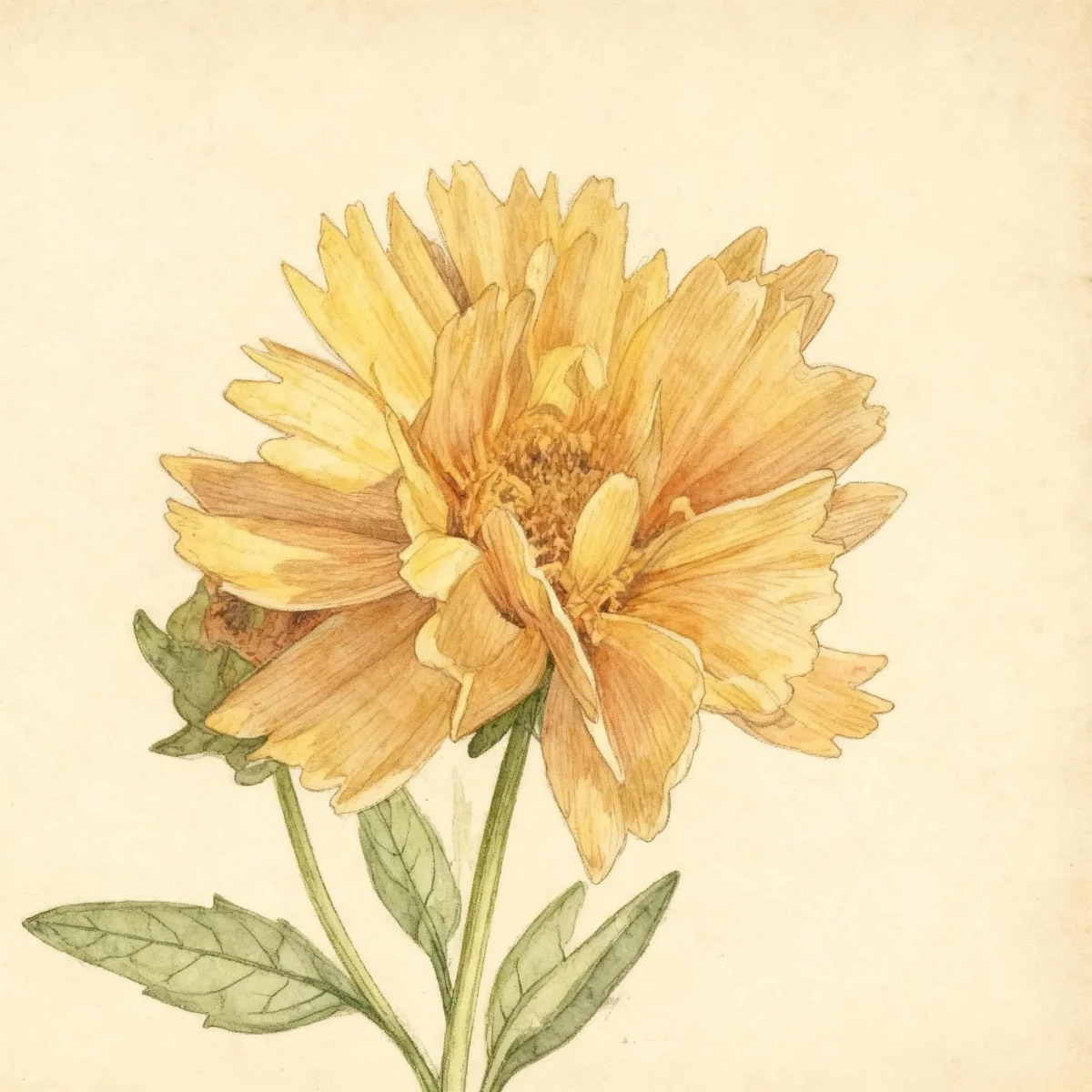
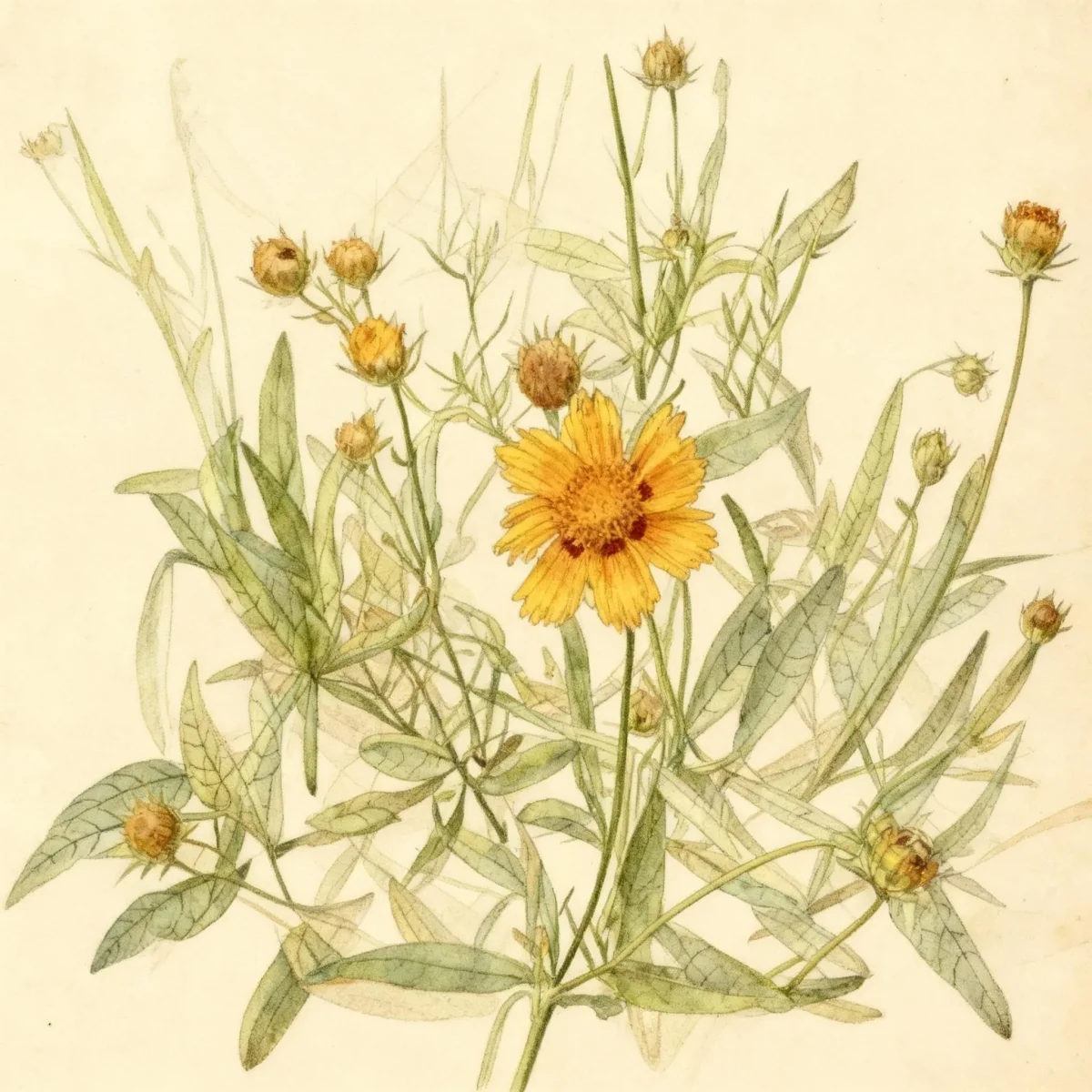
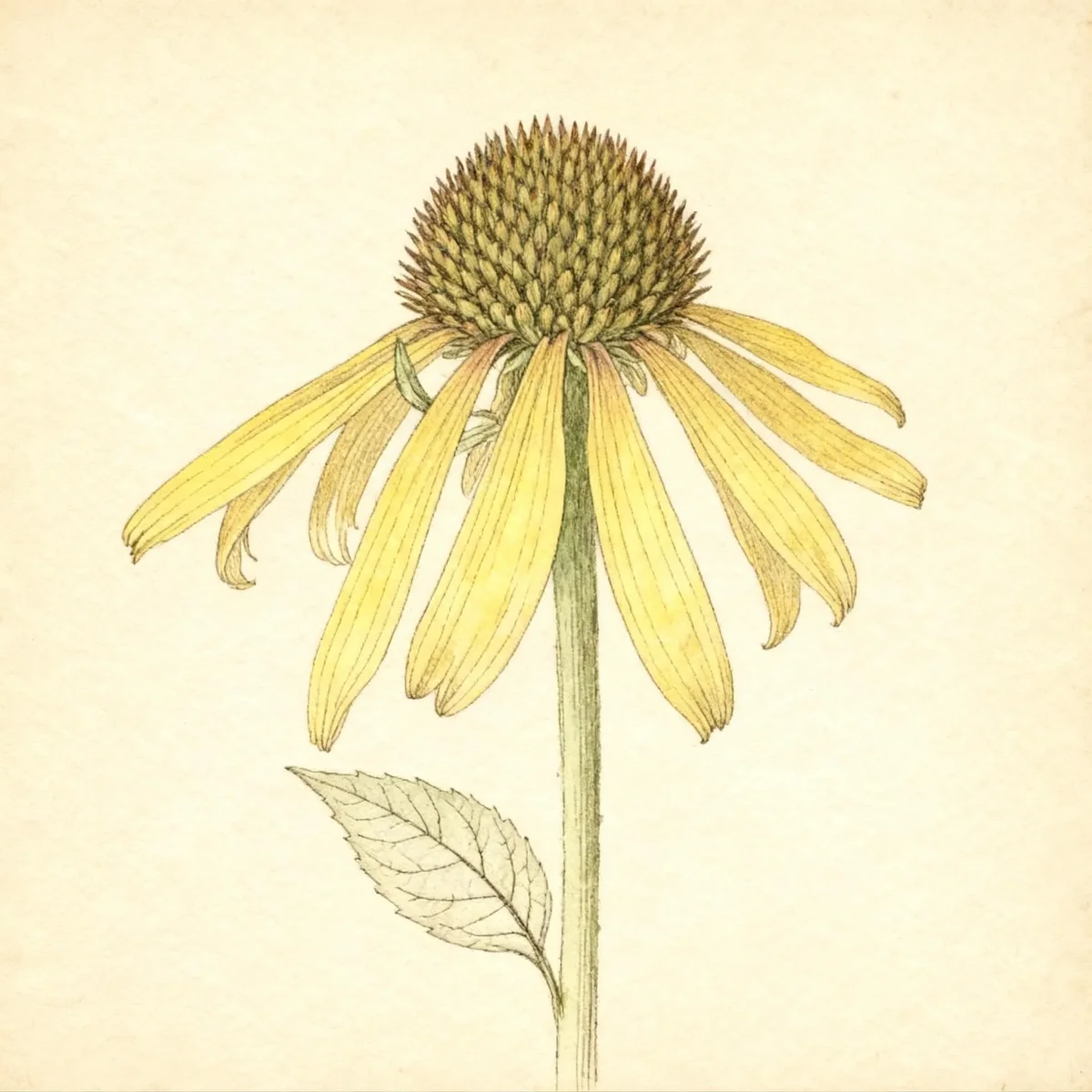
Yellow coneflower (Echinacea paradoxa)
Discover Echinacea paradoxa, the unique Yellow coneflower offering bright summer blooms and extreme drought tolerance.

Bloom Boldly, No Matter the Season - Sweatshirt
Cozy organic cotton sweatshirt featuring our exclusive Purple Coneflower design. Perfect for gardeners who bloom year-round.
Inspired by the beautiful Yellow coneflower
Limited first batch (50) — join the waitlist for early access
Waitlist closes Feb 15, 2026.
Complete Plant Information
Field Guide Continues
Ready for care notes, companion picks, and planting tips?
The map is just the start. The full guide below covers growth habits, seasonal performance, and landscape uses.
Overview
The Echinacea paradoxa, commonly known as the Yellow coneflower, stands out dramatically in the garden because it defies the typical color palette for its genus. Unlike its purple-flowered cousins, this perennial proudly displays petals in shades of bright yellow to orange-yellow, offering a cheerful contrast in perennial borders and native landscapes. Its resilience is a major draw; Echinacea paradoxa thrives even when conditions become dry, making it an ideal choice for gardeners seeking low-maintenance, tough summer color. This species is a superb addition to wildflower meadows and prairies, valued for its reliable June through August bloom period and its attractive central cones that persist into winter, often feeding goldfinches.
Fast Facts
- Plant Family: Asteraceae
- Plant Type: Herbaceous perennial
- Native Range: Arkansas, Missouri, Oklahoma, Texas
- Hardiness Zones: USDA Zones 5-8
- Size at Maturity:
- Height: 2-3 ft
- Spread: 1-1.5 ft
- Bloom Time: June to August
- Bloom Description: Yellow
- Sun Exposure: Full sun
- Water Needs: Dry to medium
- Maintenance Level: Low
How to Grow
Plant Echinacea paradoxa in the spring or fall after the last hard frost, selecting a location that provides full, uninterrupted sun exposure throughout the day. This species is highly adaptable and easily grown; ensure the soil is well-drained, as soggy conditions are detrimental, though it tolerates clay, dry, or shallow-rocky soil types. Watering requirements are minimal once established; deep watering during extended dry spells is usually sufficient, fitting perfectly into a low-water garden scheme. While deadheading spent flowers can promote sporadic additional blooms and keeps the garden tidy, leaving some seed heads intact is beneficial for winter interest and wildlife. Overcrowding can eventually diminish vigor, so plan to divide clumps of Yellow coneflower every few years during the early spring or autumn.
Landscape Uses
Mass planting of Echinacea paradoxa creates a vibrant, sun-drenched display reminiscent of native prairies. These plants serve as excellent structural elements when used as “fillers” in the middle of the border or incorporated directly into a dedicated native plant garden. Their bright yellow tones contrast beautifully against the deep purples or magentas of related purple coneflowers, offering compelling visual dynamics. Consider naturalizing them in wildflower meadows where they can mingle with grasses and other sun-loving perennials, or use them to anchor drier, sunny slopes within a naturalized area.
Standout Features
Flower Qualities
- Showy
- Fragrant
Noteworthy Characteristics
Echinacea paradoxa, sometimes called yellow coneflower, is the only species in the genus Echinacea to have yellow flowers instead of the usual purple flowers (this being the paradox suggested by the species name). It primarily occurs on glades and prairies in the Ozark regions of Missouri and Arkansas, featuring large, daisy-like flowers with drooping yellow to orange-yellow petals and large, coppery-brown central cones. The common name of Yellow coneflower reflects this unique coloration, which provides excellent contrast in the summer garden.
Tolerances
- Deer
- Drought
- Clay Soil
- Dry Soil
- Shallow-Rocky Soil
Potential Problems
All coneflowers, including Echinacea paradoxa, can sometimes be targets for pests or diseases. Be vigilant for symptoms of aster yellows, which can distort growth, as well as various fungal or bacterial leaf spots, which often manifest in humid conditions. Gardeners should also monitor for erythroid mites and Japanese beetles, which find the flowers attractive. Proper garden hygiene, such as ensuring adequate air circulation by spacing plants correctly, and prompt removal of infected foliage can mitigate many common issues.
Frequently Asked Questions
What hardiness zones is Yellow coneflower suitable for?
Echinacea paradoxa is reliably hardy across USDA Zones 5 through 8.
How large does Echinacea paradoxa grow?
This herbaceous perennial typically reaches a height between 2 and 3 feet, spreading moderately between 1 and 1.5 feet wide.
What sun exposure does Yellow coneflower need?
For optimal blooming and plant health, the Yellow coneflower requires full sun exposure.
When does Echinacea paradoxa bloom?
You can expect the showy yellow blooms of Echinacea paradoxa to appear reliably from June to August.
Conclusion
The Yellow coneflower offers unparalleled value through its drought tolerance and unique sunny coloration, distinguishing Echinacea paradoxa from other members of its genus. Incorporating this tough native perennial ensures vibrant summer interest with minimal fuss, especially in hot, dry sites. Before planting, confirm that your local USDA zone falls within 5 to 8 to ensure the best long-term success with this outstanding coneflower.
Wildlife Benefits
The prominent, dark central cones of Echinacea paradoxa provide crucial winter sustenance for seed-eating birds. Goldfinches are frequently observed perching near or on the dried flower heads throughout late fall and winter to feed on the ripening seeds, making the plant highly valuable for winter wildlife interest. Additionally, the showy flowers attract a range of beneficial pollinators during their bloom time in mid-summer.
Companion Planting
Because the Yellow coneflower prefers dry-to-medium conditions and full sun, companion plants should share similar low-water needs to reduce maintenance complexity. Pair Echinacea paradoxa with other prairie natives that thrive in similar environments, such as ornamental grasses like Little Bluestem (Schizachyrium scoparium), or drought-tolerant salvias and sturdy Rudbeckia varieties. This grouping creates a cohesive, low-input landscape that mimics natural meadow conditions while maximizing summer color saturation.