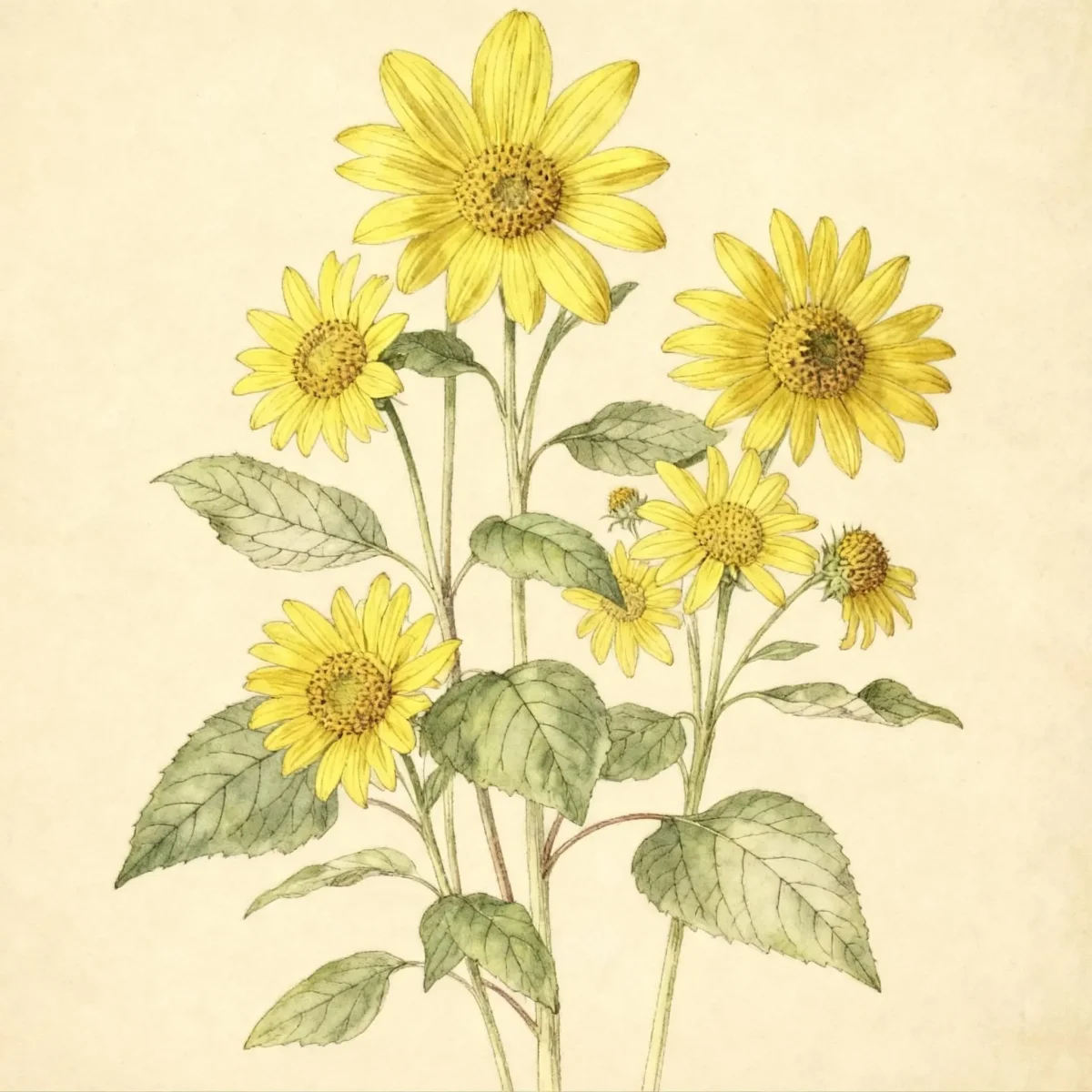
Willow-leaved sunflower (Helianthus salicifolius)
Discover Helianthus salicifolius, the Willow-leaved sunflower. This tall perennial offers showy late-season yellow blooms and deer tolerance.

Bloom Boldly, No Matter the Season - Sweatshirt
Cozy organic cotton sweatshirt featuring our exclusive Purple Coneflower design. Perfect for gardeners who bloom year-round.
Inspired by the beautiful Willow-leaved sunflower
Limited first batch (50) — join the waitlist for early access
Waitlist closes Feb 15, 2026.
Complete Plant Information
Field Guide Continues
Ready for care notes, companion picks, and planting tips?
The map is just the start. The full guide below covers growth habits, seasonal performance, and landscape uses.
Overview
The Willow-leaved sunflower, scientifically known as Helianthus salicifolius, is a striking, architectural addition to the late-season garden. Reaching imposing heights, this herbaceous perennial provides crucial late-season color when many other plants are fading. Its distinctive narrow, drooping foliage gives the common name Willow-leaved sunflower its reference, setting it apart from typical sunflowers.
This Missouri native thrives in full sun and is remarkably adaptable, tolerating a wide range of soil conditions, including heavy clay. Gardeners value Helianthus salicifolius for its dramatic vertical accent, profuse September and October bloom, and appeal to feeding pollinators late in the growing cycle. While large, its spread is manageable, typically forming colonies over time via creeping rhizomes.
Proper placement utilizes the Willow-leaved sunflower as an architectural background element. Its unique leaf texture and height—often reaching 8 to 10 feet—ensure it stands out in native plantings or mixed borders. Successful cultivation relies on providing ample sunlight to maintain strong, upright stems.
Fast Facts
- Plant Family: Asteraceae
- Plant Type: Herbaceous perennial
- Native Range: South-central United States
- Hardiness Zones: USDA Zones 4-9
- Size at Maturity:
- Height: 8-10 ft
- Spread: 1-3 ft
- Bloom Time: September to October
- Bloom Description: Yellow rays and dark brown center disks
- Sun Exposure: Full sun
- Water Needs: Medium
- Maintenance Level: Medium
How to Grow
Plant Helianthus salicifolius in the spring after the danger of frost has passed, or consider fall planting in milder regions. Ensure the location receives full sun; while it tolerates part shade, reduced light encourages leggier growth, fewer flowers, and necessitates staking. This plant adapts easily to average, medium, well-drained soil but exhibits notable tolerance for various soil types, including challenging clay.
Water needs are reliably medium; establish plants well in their first season, and thereafter they typically require only moderate supplemental water during extended dry spells. Fertilizing is generally unnecessary, as rich soil can contribute to flopping. The primary structural management involves controlling its spread, as the Willow-leaved sunflower spreads over time by creeping rhizomes to form dense colonies.
To maintain vigor and prevent overcrowding, plan to divide the colonies every three to four years. Spring cleanup involves removing old, dead stems from the previous season. Taller plants may benefit from staking proactively, especially in exposed or windy sites, to ensure the magnificent late-season flowers are displayed optimally.
Landscape Uses
The dramatic height and late-season flowering make the Willow-leaved sunflower indispensable for designing borders that maintain interest into autumn. Its recommended use is to naturalize, where it can establish colonies that provide excellent screening or backdrop texture against fences or lower-growing perennials. The attractive foliage is a year-round asset, even before the yellow blooms appear.
Use this species in wild or native plant gardens to create an authentic meadow aesthetic. In a structured mixed border, plant the Helianthus salicifolius toward the rear, allowing shorter, contrasting textures and colors—perhaps deep purples or blues—to shine in the foreground. Its rigid stems offer great architectural support for the overall design.
When naturalizing, allow the Willow-leaved sunflower room to expand slowly. This habit makes it perfect for large gardens, meadows, or areas where a permanent, low-maintenance vertical element is desired. Its late bloom period ensures you have color when many perennial borders become sparse.
Standout Features
Flower Qualities
- Showy
- Good Cut
Noteworthy Characteristics
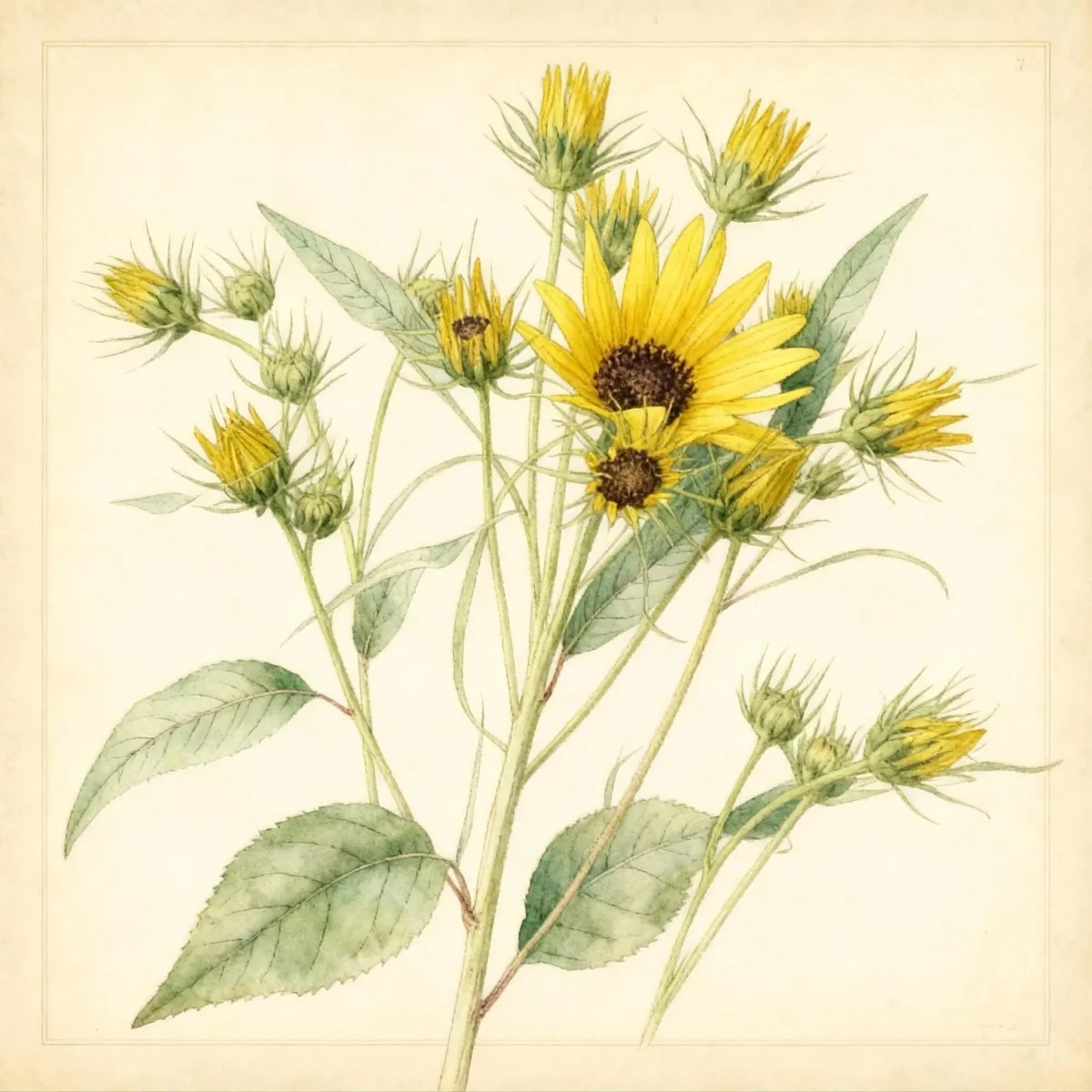
Helianthus salicifolius, commonly called willow-leaved sunflower, is a Missouri native plant that occurs in unglaciated western Missouri prairie areas south of the Missouri River. It features clusters of 2-2.5” wide sunflowers with bright yellow rays and dark brown center disks atop rigid, whitish-green stems, typically growing 5-6’ tall but sometimes reaching 8’. The genus name references the Greek words for sun (helios) and flower (anthos), while the specific epithet indicates its willow-like leaves.
Tolerances
- Deer
- Clay Soil
Potential Problems
Sunflowers are generally susceptible to rust, leaf fungal spots, and powdery mildew, especially where air circulation is poor or humidity is high. To mitigate fungal disease risk for your Willow-leaved sunflower, ensure adequate spacing between plants for good airflow and site them in full sun. Treating foliage preventatively with fungicides at the start of the growing season can sometimes be necessary in high-pressure environments.
In terms of pests, caterpillars and beetles may chew on the foliage, although serious damage is rare. Gardeners should also watch for aphids, particularly on new growth tips. Taller specimens of Helianthus salicifolius may require staking, which is a structural issue rather than a disease problem, occurring if the plant lacks sufficient light or has been over-fertilized. Notably, deer tend to avoid this plant, offering a benefit in deer-prone landscapes.
Frequently Asked Questions
What hardiness zones is Willow-leaved sunflower suitable for?
The Helianthus salicifolius is reliably hardy in landscape settings within USDA Zones 4 through 9.
How tall does Helianthus salicifolius grow?
This plant typically matures to a substantial height between 8 and 10 feet, with a relatively narrow spread of 1 to 3 feet, creating a columnar effect.
When does Willow-leaved sunflower bloom?
This species specializes in late-season color, blooming profusely from September into October with attractive yellow ray flowers surrounding dark brown center disks.
Conclusion
The Helianthus salicifolius, or Willow-leaved sunflower, provides indispensable height, architectural interest, and vibrant color late in the growing season. Its tolerance for clay soil and deer resistance make it a reliable choice for challenging garden spots demanding vertical structure. Before planting, confirm your site offers the required full sun exposure and plan for routine division to maintain the health and vigor of this magnificent native perennial.
Companion Planting
Selecting appropriate neighbors is crucial when planting a tall specimen like Helianthus salicifolius. For mid-to-late season color contrast, pair it with plants that bloom simultaneously but have different habits, such as deep purple or blue-flowered species like Asters (e.g., Symphyotrichum varieties) or tall ornamental grasses such as Switchgrass (Panicum virgatum). These companions benefit from the sunflower’s height acting as a backdrop.
Because the Willow-leaved sunflower spreads moderately via rhizomes, avoid neighboring it with slow-spreading or highly delicate plants that might be choked out over time. Focus on other robust native species that require similar culture—full sun and medium water—such as Goldenrod (Solidago) varieties, provided their height doesn’t completely overshadow the desirable texture of the sunflower’s foliage.
Wildlife Benefits
The late-season bloom window of the Willow-leaved sunflower is especially valuable for supporting local ecosystems. The flowers, featuring bright yellow rays and dark brown center disks packed with tiny florets, are exceptionally attractive to butterflies and various essential insect pollinators preparing for winter migration or hibernation. Planting Helianthus salicifolius ensures a reliable nectar source is available late into the fall months.
Furthermore, the large seed heads produced after the petals drop offer beneficial winter sustenance. While not its primary use, the seeds can attract finches and other seed-eating birds throughout late fall and winter if the dried stalks are left standing during overwinter cleanup. Leaving the perennial stalks adds winter interest while providing ecological value.