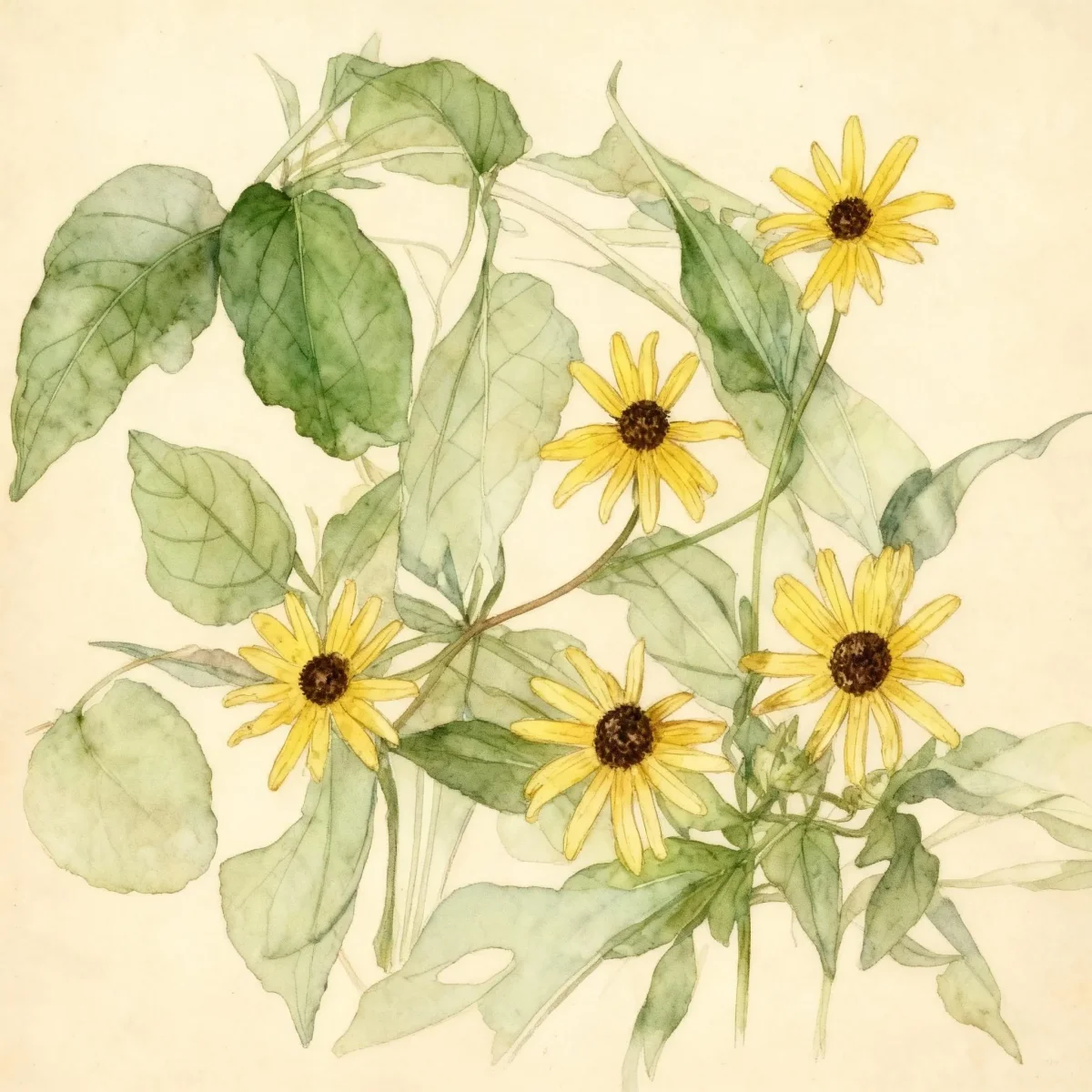
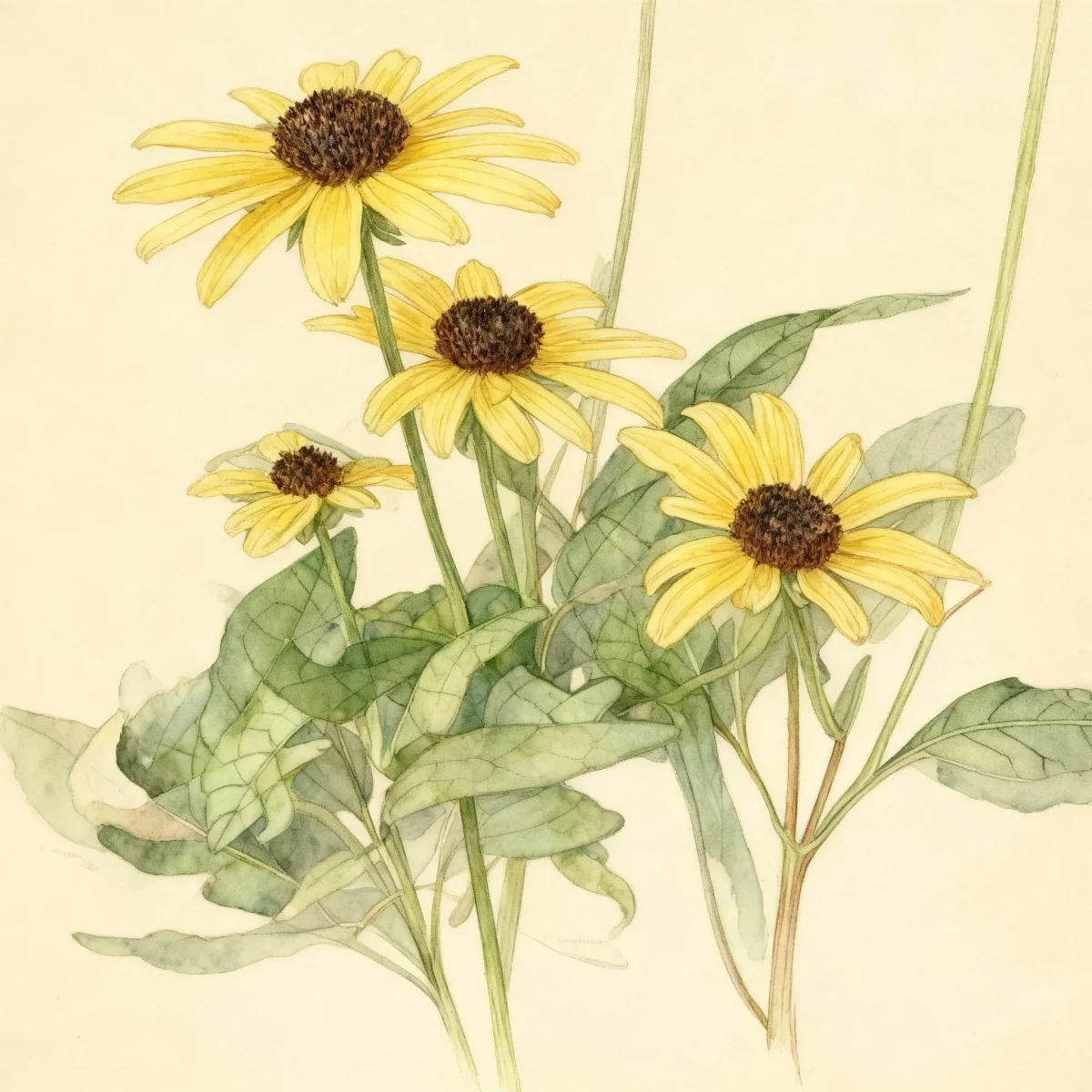
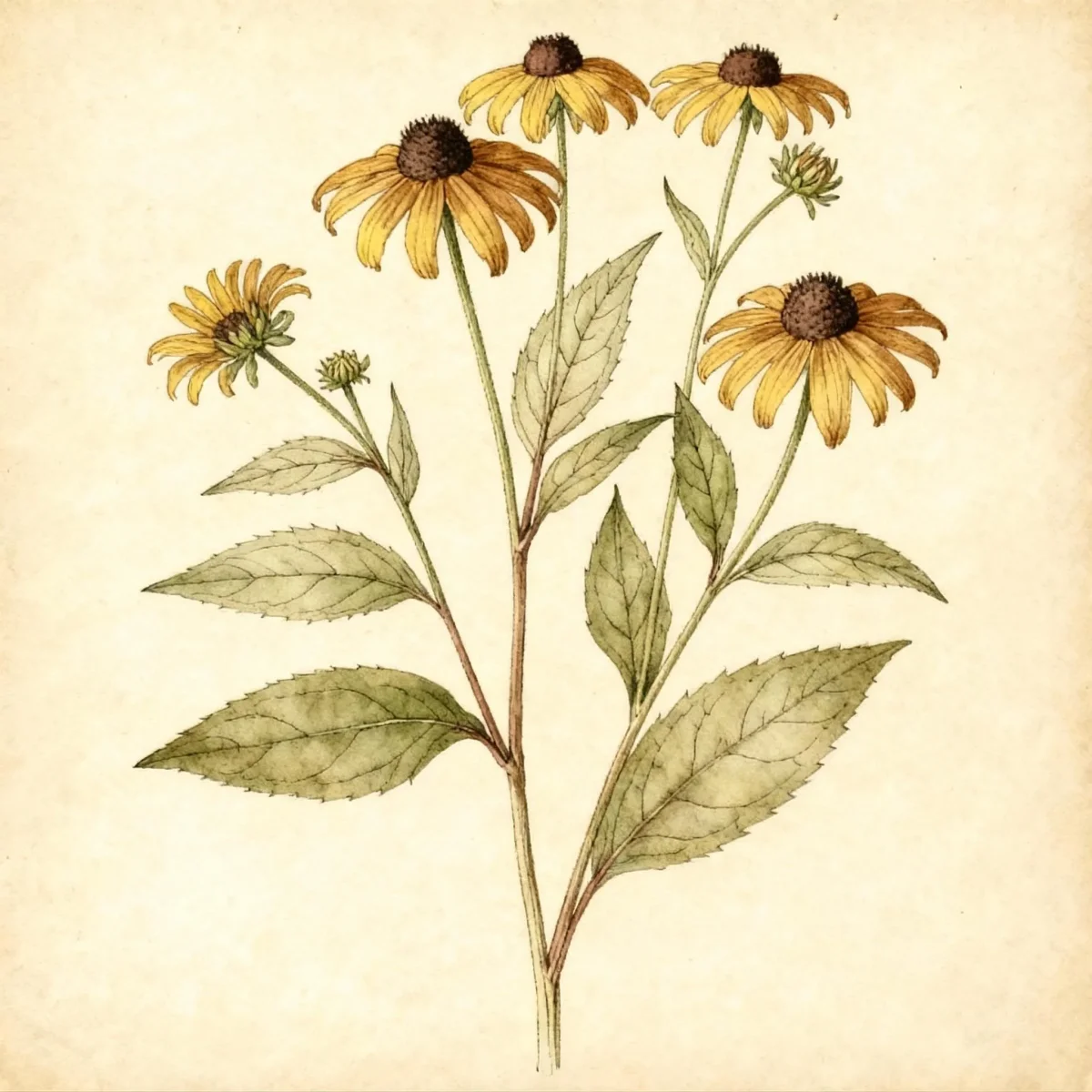
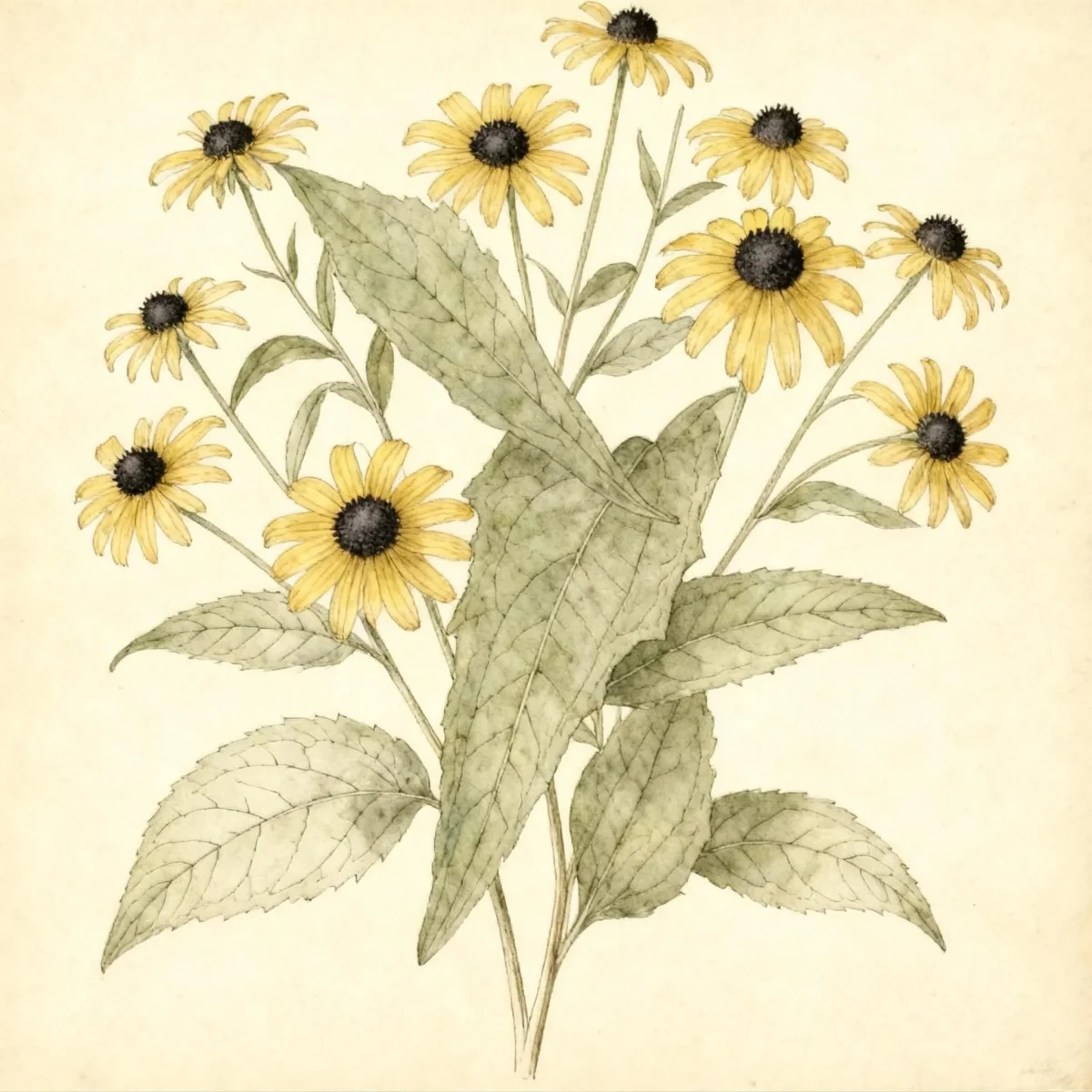
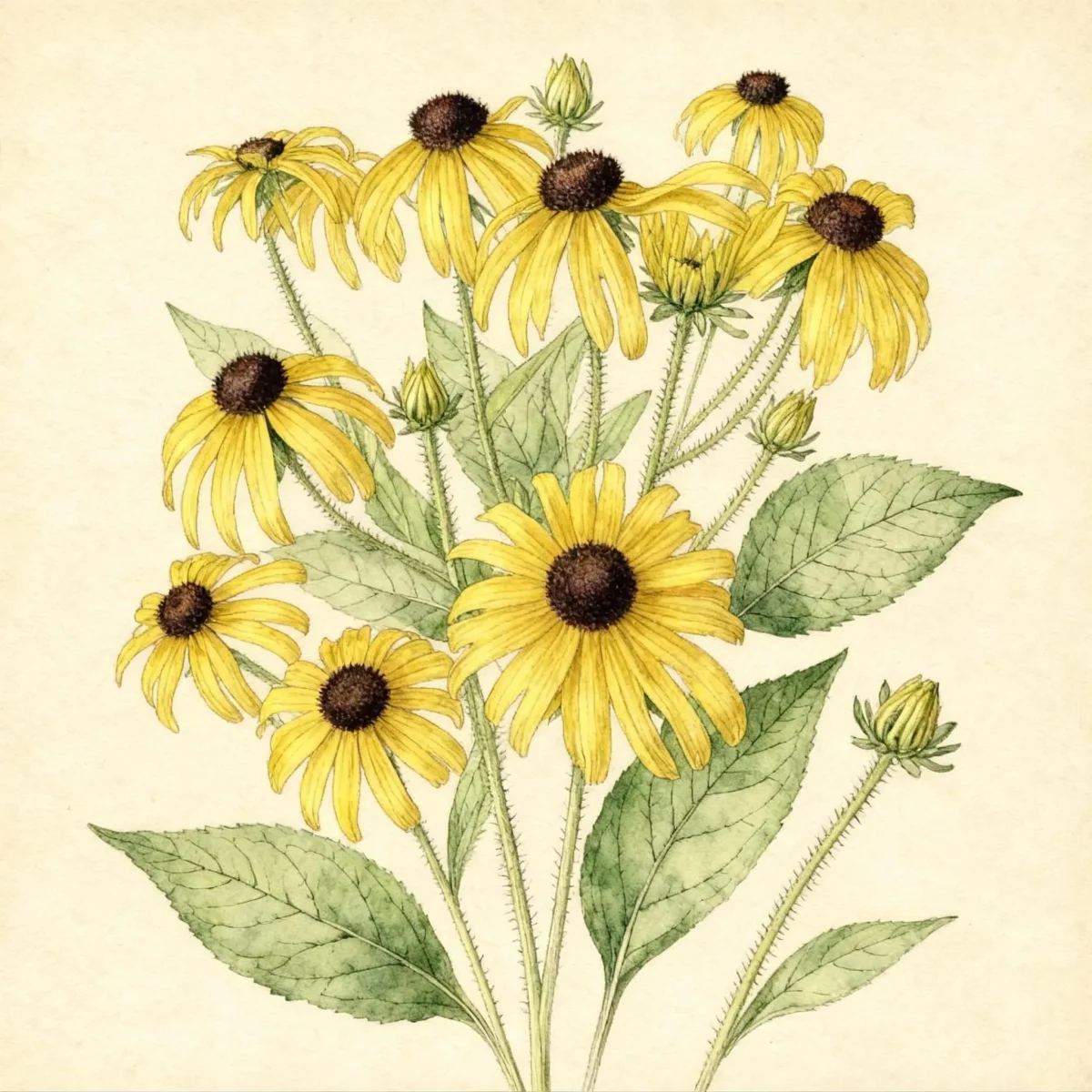
Black-eyed Susan (Rudbeckia fulgida var. Sullivantii)
Rudbeckia fulgida var. sullivantii, or Black-eyed Susan, offers prolific bloom from June-Sept. Low maintenance, drought tolerant, and great for wildlife.
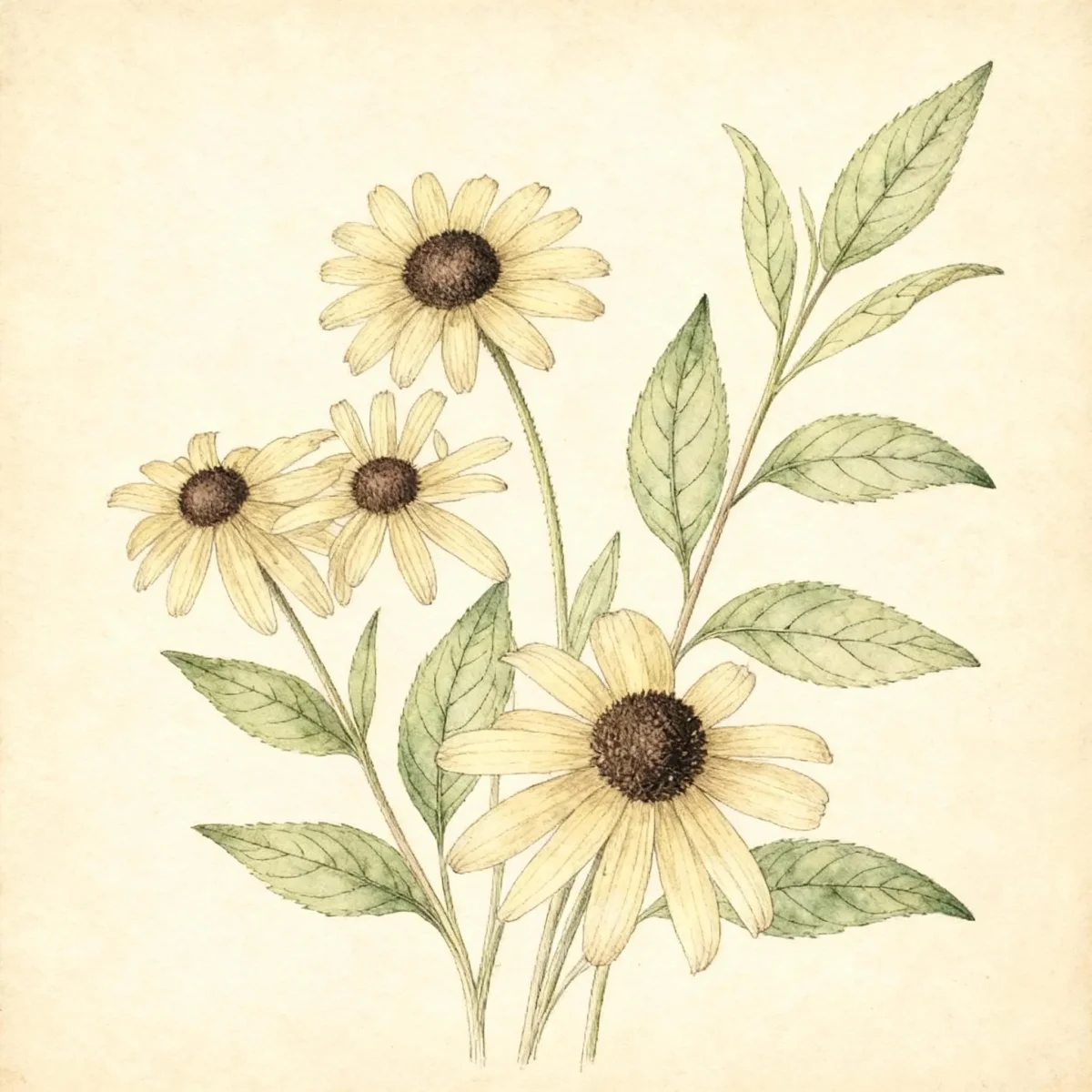

Bloom Boldly, No Matter the Season - Sweatshirt
Cozy organic cotton sweatshirt featuring our exclusive Purple Coneflower design. Perfect for gardeners who bloom year-round.
Inspired by the beautiful Black-eyed Susan
Limited first batch (50) — join the waitlist for early access
Waitlist closes Feb 15, 2026.
Complete Plant Information
Field Guide Continues
Ready for care notes, companion picks, and planting tips?
The map is just the start. The full guide below covers growth habits, seasonal performance, and landscape uses.
Overview
The striking Rudbeckia fulgida var. sullivantii, commonly known as the Black-eyed Susan, is a celebrated native perennial renowned for its extended summer and fall flowering period. This variety brings masses of vivid yellow-orange daisy-like flowers, each centered with a deep purple-brown disk, into the perennial border. It is a robust, clump-forming perennial that thrives in demanding garden conditions, making it an essential backbone plant for late-season color.
As an upright, rhizomatous grower, the Rudbeckia fulgida var. sullivantii slowly colonizes areas, forming reliable, cheerful patches of gold. It stands steadfastly against heat and dry spells once established, proving its value in landscapes requiring minimal intervention. Beyond its aesthetic appeal, this coneflower significantly supports local ecosystems by attracting crucial insect pollinators.
Gardeners appreciate its low maintenance requirements and its suitability for a wide array of planting schemes, from naturalized meadows to formal mass plantings. Cultivating this species ensures reliable, long-lasting color well into the autumn months, long after many spring bloomers have faded.
Fast Facts
- Plant Family: Asteraceae
- Plant Type: Herbaceous perennial
- Native Range: Connecticut to Michigan south to West Virginia and Arkansas
- Hardiness Zones: USDA Zones 3-9
- Size at Maturity:
- Height: 2-3 ft
- Spread: 1-2 ft
- Bloom Time: June to September
- Bloom Description: Yellow-orange rays with purple-brown center
- Sun Exposure: Full sun
- Water Needs: Dry to medium
- Maintenance Level: Low
How to Grow
Planting should ideally occur in spring or early fall to allow the Rudbeckia fulgida var. Sullivantii time to establish strong roots before periods of extreme heat or cold. This coneflower demands full sun for the most abundant flowering, though it will tolerate light afternoon shade in hotter climates. It performs admirably in average, moist, well-drained soils but shows commendable adaptability.
Watering should be consistent through the first growing season. While established plants possess good drought tolerance, plants prefer consistent moisture throughout the growing season to maintain vigor and bloom quality. Fertilization is rarely necessary; excessive fertility often leads to floppy, weaker stems. Good air circulation is appreciated, helping to mitigate potential issues with mildew.
Deadheading spent flowers of the Black-eyed Susan regularly encourages the production of additional blooms throughout the long summer to fall season. As a rhizomatous spreader, you can divide clumps every few years in the early spring if the plant becomes overcrowded, thereby refreshing its performance and creating new specimens for other garden areas.
Landscape Uses
The floriferous nature of Rudbeckia fulgida var. sullivantii makes it indispensable for borders, cottage gardens, and mass plantings where bold, cheerful color is desired. Its moderate height (2-3 feet) places it perfectly in the middle-to-back layers of a mixed perennial bed. It is also listed as suitable for rain gardens due to its adaptability to moist soil conditions, though we note its tolerance for dryness as well.
This iconic perennial pairs beautifully with late-season bloomers like Asters, ornamental grasses such as Switchgrass, or silvery foliage plants that contrast sharply with its bright yellow. Since the flowers are showy and excellent for cutting, placing colonies near the house ensures a steady supply for indoor arrangements. Groups or mass plantings truly showcase the collective impact of the Black-eyed Susan’s glowing flowers.
For city gardens or container arrangements, this plant provides reliable structure and vibrant color. Its medium size and ability to handle air pollution make it a rugged choice for urban settings where toughness is paramount.
Standout Features
Flower Qualities
- Showy
- Good Cut
Noteworthy Characteristics
Rudbeckia fulgida is a herbaceous perennial native to the eastern United States which occurs in both dry and moist soils in open woods, glades and thickets. An upright, rhizomatous, clump-forming, free-blooming coneflower which typically grows to 3’ tall, often forming colonies in the wild. Var. Sullivantii is specifically native to swampy edges and meadows, featuring generally narrower leaves and a higher count of ray florets than other Fulgida varieties.
Tolerances
- Deer
- Drought
- Clay Soil
- Dry Soil
- Air Pollution
Potential Problems
This coneflower species generally exhibits robust health, meaning serious insect or disease problems are uncommon. However, keeping an eye out for aphids, powdery mildew, downy mildew, aster yellows, or leaf spot diseases can prevent minor issues from escalating. Ensuring good air circulation, as mentioned in its care requirements, is the best cultural defense against fungal issues. If mildew appears, applying a fungicide or simply trimming back dense interior foliage can help manage spread. Deer typically find the foliage unappealing and tend to avoid browsing this plant.
Frequently Asked Questions
What hardiness zones is Black-eyed Susan suitable for?
USDA Zones 3-9 encompass the appropriate range for successfully growing Rudbeckia fulgida var. sullivantii across diverse climates.
How large does Black-eyed Susan grow?
This perennial typically reaches a height of 2 to 3 feet and spreads to 1 to 2 feet wide, forming a manageable clump.
What sun exposure does Black-eyed Susan need?
Full sun exposure is highly recommended for the best possible bloom performance of the yellow-orange flowers on the Black-eyed Susan.
When does Black-eyed Susan bloom?
It provides prolific bloom from June through September, displaying distinctive yellow-orange rays with a dark purple-brown center disk.
Conclusion
The Rudbeckia fulgida var. sullivantii, or Black-eyed Susan, is a garden workhorse, delivering dependable, cheerful color late into the season with minimal fuss. Its high tolerance for poor soils and dry periods secures its place as a staple in naturalized plantings and low-maintenance beds. Before planting, confirm your growing zone falls within USDA 3 to 9, and place your clumps where they can receive maximum afternoon sun exposure.
Companion Planting for Rudbeckia fulgida var. Sullivantii
Creating synergistic planting schemes benefits both aesthetics and plant health. Since Rudbeckia fulgida var. sullivantii prefers full sun and dry to medium conditions, pair it with other drought-tolerant, sun-loving natives such as various Sedums, Russian Sage (Perovskia atriplicifolia), or Coneflower relatives (Echinacea). These companions share similar cultural needs, ensuring all plants thrive under the same watering and feeding regimens, reducing maintenance efforts significantly.
Wildlife Benefits Showcase
The brilliant daisy structures of the Black-eyed Susan are specifically adapted to draw in beneficial insects, making it a superb choice for wildlife gardens. The prominent central disks are rich nectar and pollen sources, heavily visited by butterflies throughout the late summer. Furthermore, once the flowers fade but remain standing, the dried seed heads provide vital winter food for seed-eating songbirds. Planting Rudbeckia fulgida var. Sullivantii is an easy way to enhance biodiversity in your landscape.