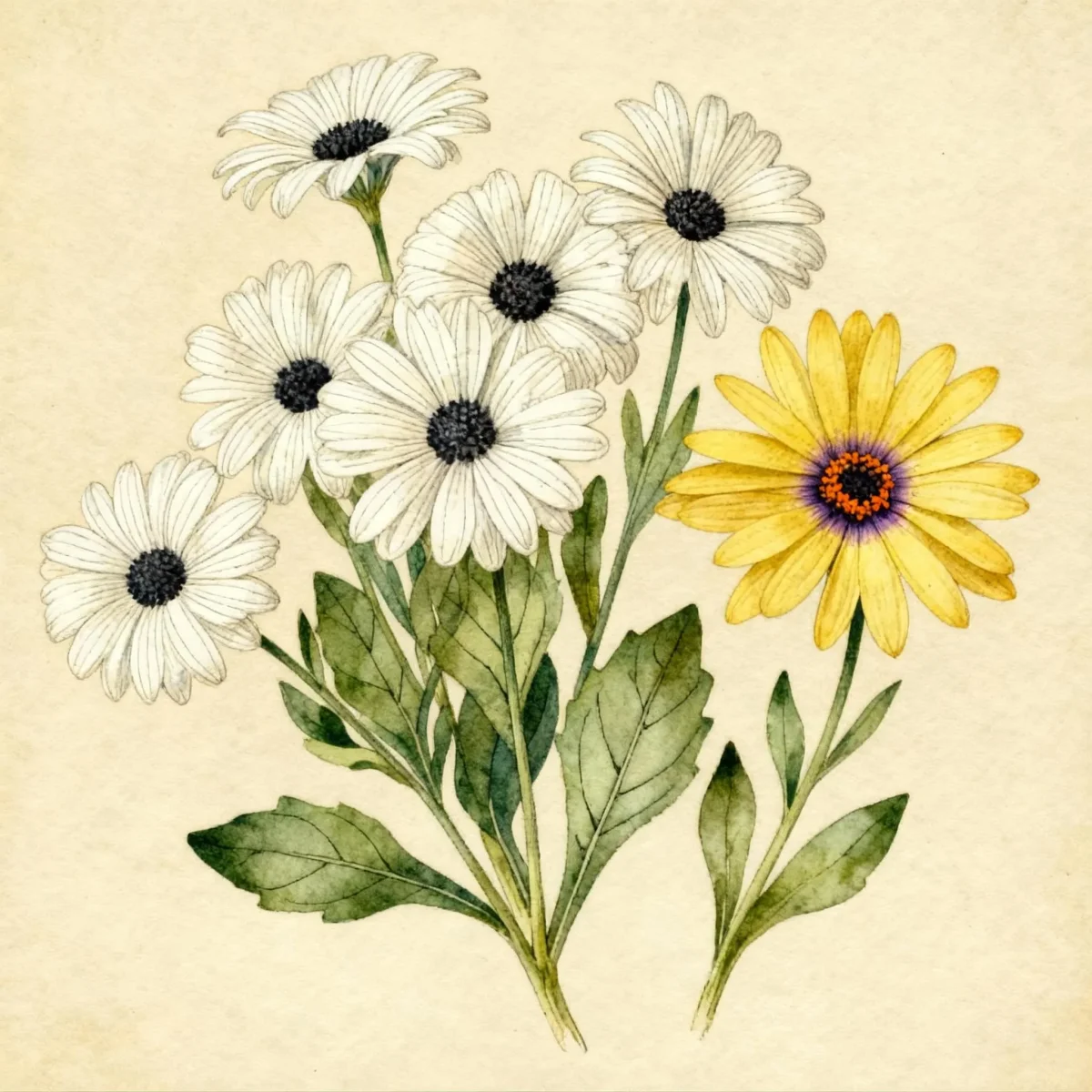
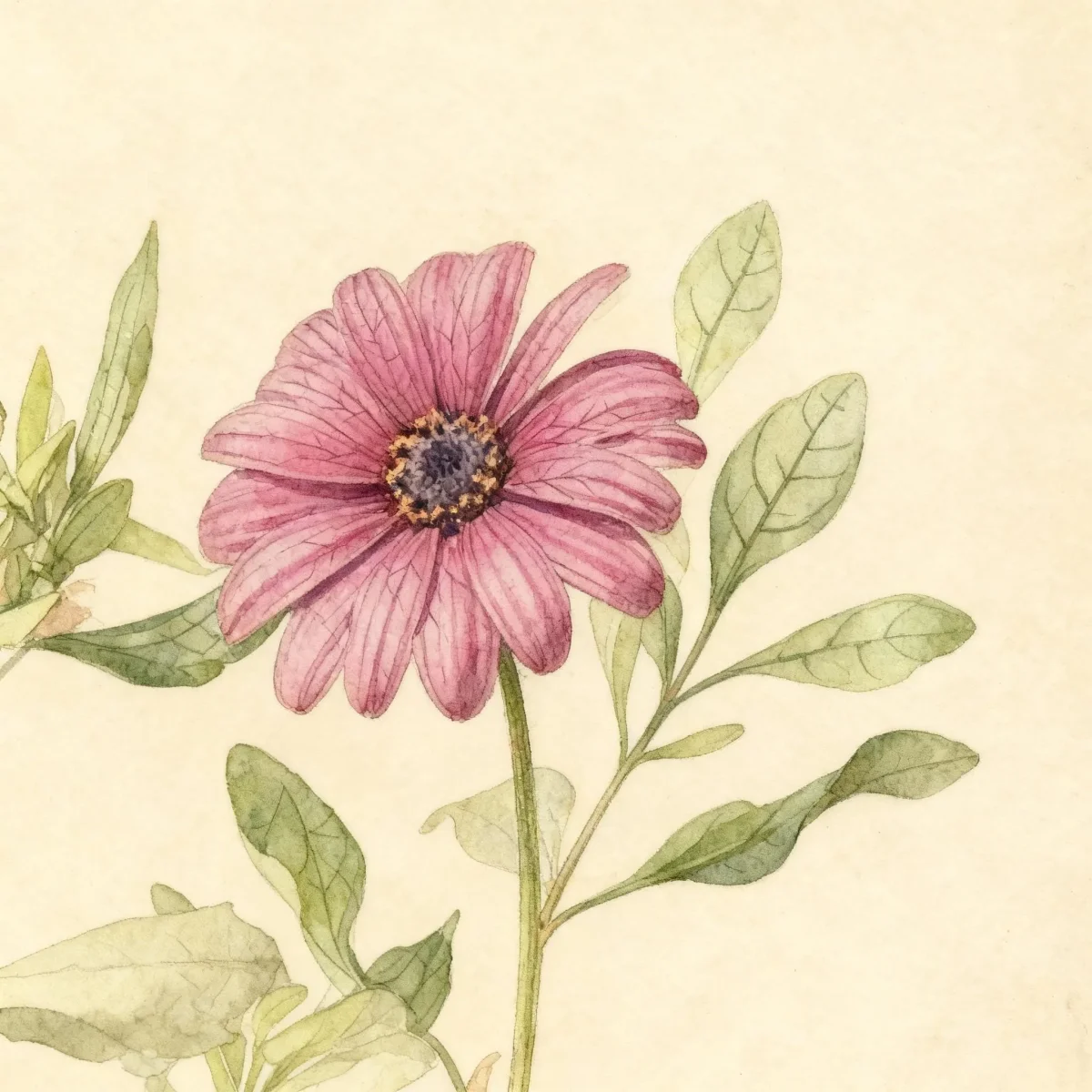
Sweetleaf (Stevia rebaudiana)
Discover Stevia rebaudiana (Sweetleaf), a source for natural, zero-calorie sweetener grown as a tender perennial or annual herb.

Bloom Boldly, No Matter the Season - Sweatshirt
Cozy organic cotton sweatshirt featuring our exclusive Purple Coneflower design. Perfect for gardeners who bloom year-round.
Inspired by the beautiful Sweetleaf
Limited first batch (50) — join the waitlist for early access
Waitlist closes Feb 15, 2026.
Complete Plant Information
Field Guide Continues
Ready for care notes, companion picks, and planting tips?
The map is just the start. The full guide below covers growth habits, seasonal performance, and landscape uses.
Overview
Sweetleaf (Stevia rebaudiana) offers gardeners access to one of nature’s most potent sweeteners, derived from its leaves. Though botanically a tender perennial, it is widely grown as an annual herb for its exceptional culinary value. The leaves of Stevia rebaudiana contain Steviol glycosides, compounds that register 200 to 300 times sweeter than refined cane sugar without adding calories.
While its ornamental merit is minimal—featuring weak, floppy stems—the functional benefit of growing your own sweetener makes this plant highly sought after. As a member of the Asteraceae family, the plant requires specific cultural conditions, thriving best when given rich, moist, and well-drained soil conditions.
Gardeners value Stevia rebaudiana primarily for continuous summer harvesting. Whether used fresh in teas or dried and powdered for long-term storage, sweetleaf provides a zero-calorie alternative to commercial sugar substitutes. Ensure you know the local regulations regarding its use, as food additive approval varies by region.
Fast Facts
- Plant Family: Asteraceae
- Plant Type: Herbaceous perennial
- Native Range: Brazil
- Hardiness Zones: USDA Zones 10-11
- Size at Maturity:
- Height: 1-2 ft
- Spread: 1-2 ft
- Bloom Time: July to August
- Bloom Description: White
- Sun Exposure: Full sun to part shade
- Water Needs: Medium
- Maintenance Level: Medium
How to Grow
For optimal sugar content, Stevia rebaudiana requires ample warmth and consistent moisture. Plant starter plants after the danger of all spring frost has passed, as seeds can be started indoors earlier in the spring if obtainable. The best performance comes in rich, consistently moist, and exceptionally well-drained soils, often benefiting from raised beds, especially in areas with heavy native soil structure. Sandy loams are particularly favorable for this herb.
Water needs are medium; avoid overwatering Stevia rebaudiana as this condition can quickly encourage fatal root rot. In extremely hot summers, applying root mulch helps conserve necessary soil moisture around shallow roots. The plant tolerates partial shade but requires full sun for the strongest flavor development in the leaves.
Pruning is a functional necessity rather than merely aesthetic. Snip off flower buds immediately as they appear; the best quality and sweetest leaves occur prior to the plant shifting energy into flowering. Harvest leaves heavily in the fall before the first frost. If cultivating in containers, bring potted sweetleaf inside for winter protection, as it is not winter hardy below USDA Zone 10.
Landscape Uses
Sweetleaf finds its best applications in functional planting schemes rather than purely ornamental borders. It is perfectly suited as an Annual for the herb garden, contributing a unique element alongside culinary favorites. Due to its modest size (1-2 feet tall and wide), it performs exceptionally well in containers, window boxes, or clay pots placed on patios where daily access for harvesting is convenient.
Growing Stevia rebaudiana in pots allows gardeners in cooler climates to easily manage its overwintering requirements indoors. For ground planting, group it with other full-sun, medium-water herbs that appreciate rich soil, such as basil or mints (ensuring the mints are also containerized or strictly managed). Its minimal aesthetic appeal means it functions best nestled among more colorful foliage plants that provide adequate support for its sometimes floppy stems.
Standout Features
Flower Qualities
- Showy
Noteworthy Characteristics
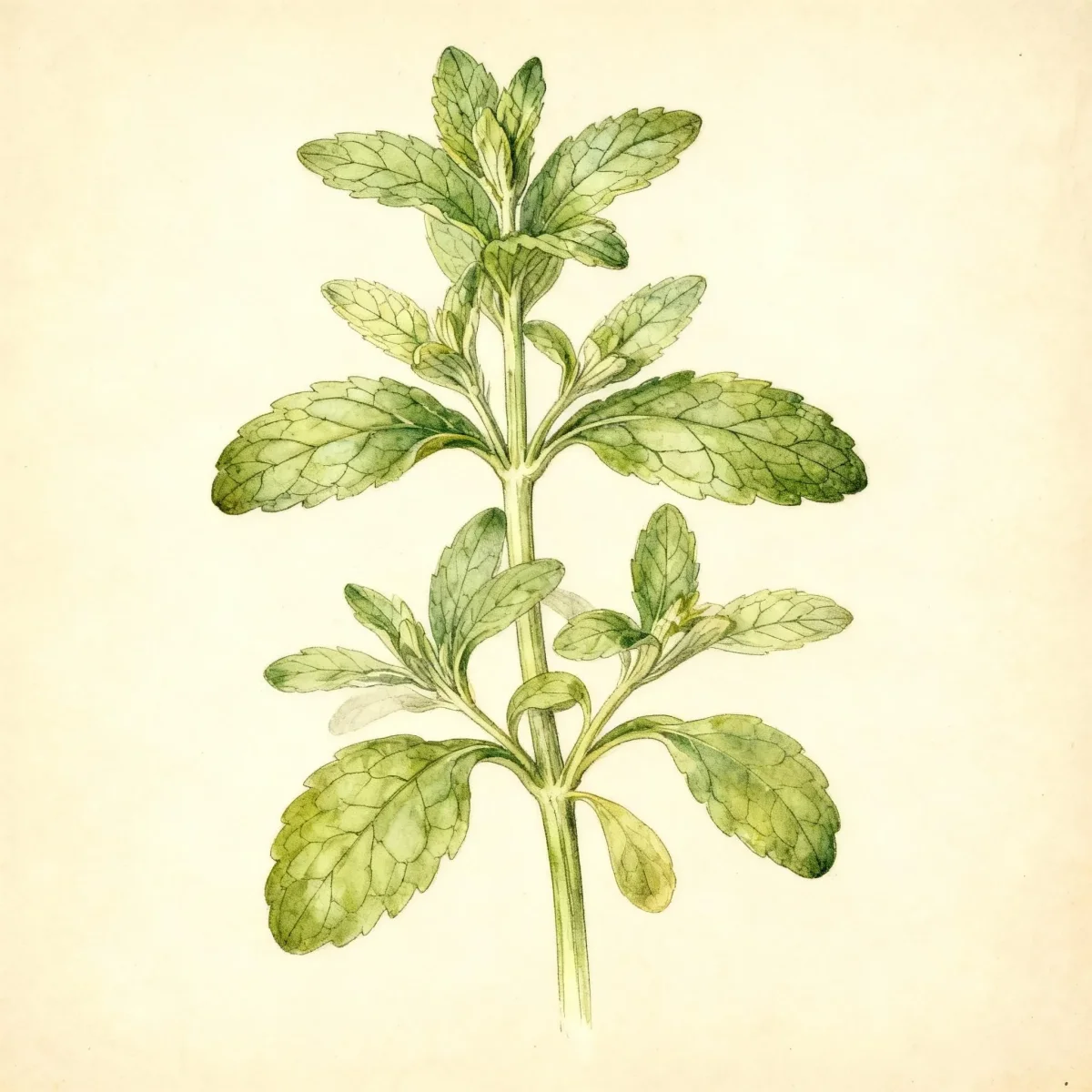
Stevia rebaudiana, commonly known as sweetleaf, is a tender perennial herb native to Paraguay and Brazil, typically growing 12–24 inches tall with weak, floppy stems. The main attraction is the sweet-tasting leaves containing glucoside compounds that are 200-300 times sweeter than cane sugar with zero calories. Leaves are slender and oblong, measuring up to 1 inch, and appear near white, tubular flowers in mid-summer.
Tolerances
Potential Problems
Sweetleaf generally experiences no serious insect or disease problems when grown in suitable conditions. The most common cultural issue is root rot, directly linked to improper watering. Avoid letting the soil remain waterlogged, especially in heavy clay; ensuring sharp drainage is critical for the long-term health of your Stevia rebaudiana plants.
Monitor for general soft-bodied pests if growing indoors or in tightly clustered containers, though serious infestations are rare. Proper airflow and avoiding high humidity spikes, often associated with overwatering, will mitigate most minor health concerns.
Frequently Asked Questions
What hardiness zones is Sweetleaf suitable for?
Stevia rebaudiana is winter hardy only in USDA Zones 10 and 11, treating it as an annual in cooler regions.
How large does Stevia rebaudiana grow?
This herb typically reaches a modest height between 1 and 2 feet, with a similar spread of 1 to 2 feet at maturity.
What sun exposure does Sweetleaf need?
It thrives best in full sun, though it will tolerate and grow adequately in part shade conditions.
When does Sweetleaf bloom?
The plant produces small, white tubular flowers primarily between July and August.
Conclusion
Growing Stevia rebaudiana provides an ongoing, easily accessible supply of a powerful, natural sweetener perfect for culinary applications throughout the growing season. For the best flavor in your sweetleaf harvest, focus meticulously on providing excellent drainage and harvesting leaves before the plant flowers heavily. Check your local hardiness zone compatibility and plan to start seeds indoors early or purchase starter plants for a successful season cultivation.
Companion Planting
When placing Sweetleaf containers or beds near other edible plants, consider its preference for bright light and consistently moist, rich soil. Good neighbors often include basil, which enjoys similar feeding and watering regimes, as well as leafy greens that appreciate slight afternoon relief from the most intense sun Stevia rebaudiana might tolerate. Avoid placing it adjacent to drought-tolerant Mediterranean herbs like rosemary or thyme, as their differing water needs will complicate consistent cultural care.
Container Growing Tips
Container culture is an excellent strategy for managing Stevia rebaudiana, especially for overwintering in non-tropical climates. Use containers that provide at least 12 inches of depth to accommodate root development, and ensure they have ample drainage holes; consider using a potting mix amended with extra perlite or coarse sand to guarantee sharp drainage. Keep the soil consistently moistened—not soggy—throughout the summer. This allows mobility for patio placement and simplifies the process of bringing the entire living plant indoors before the first fall frost if you intend to keep it alive beyond one season.