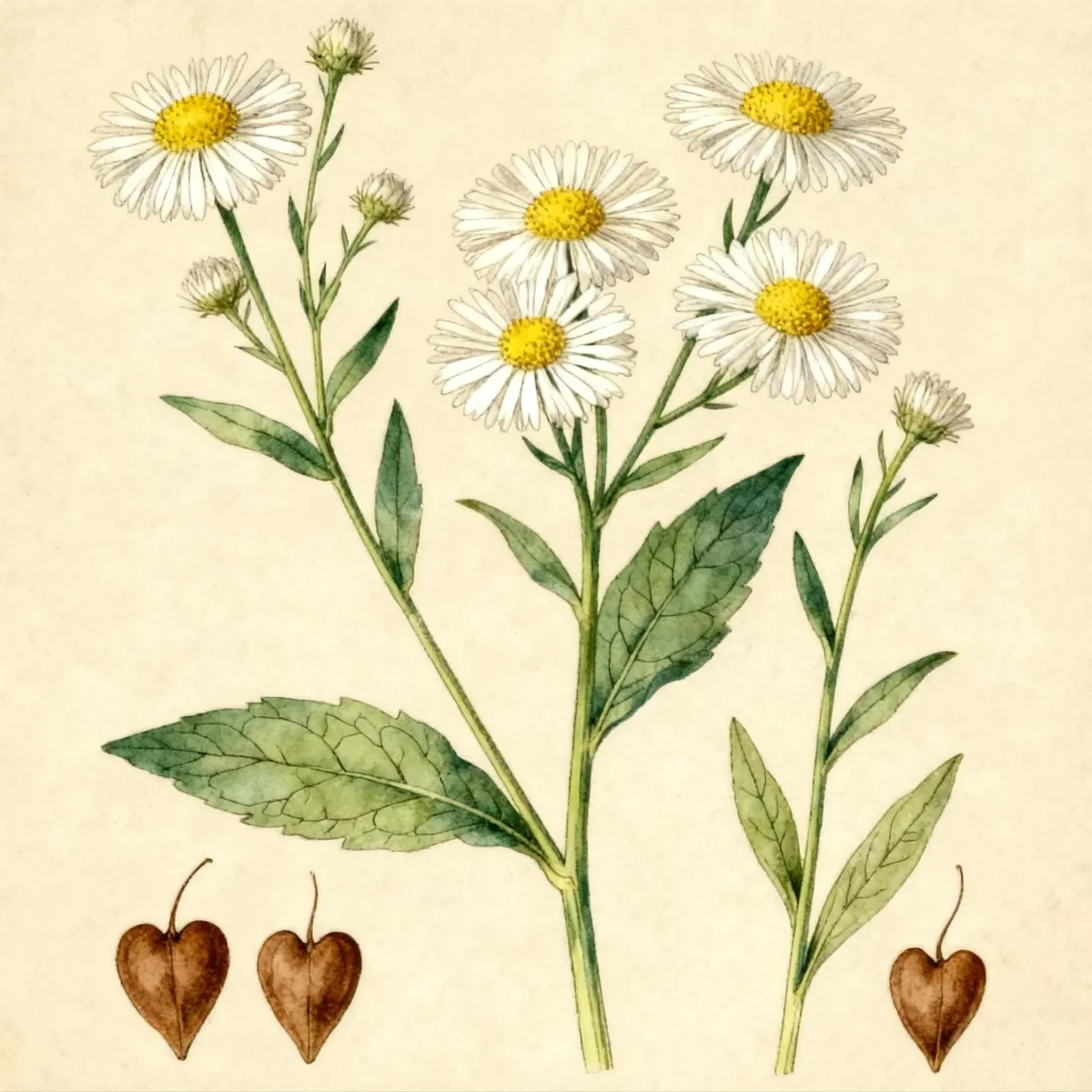
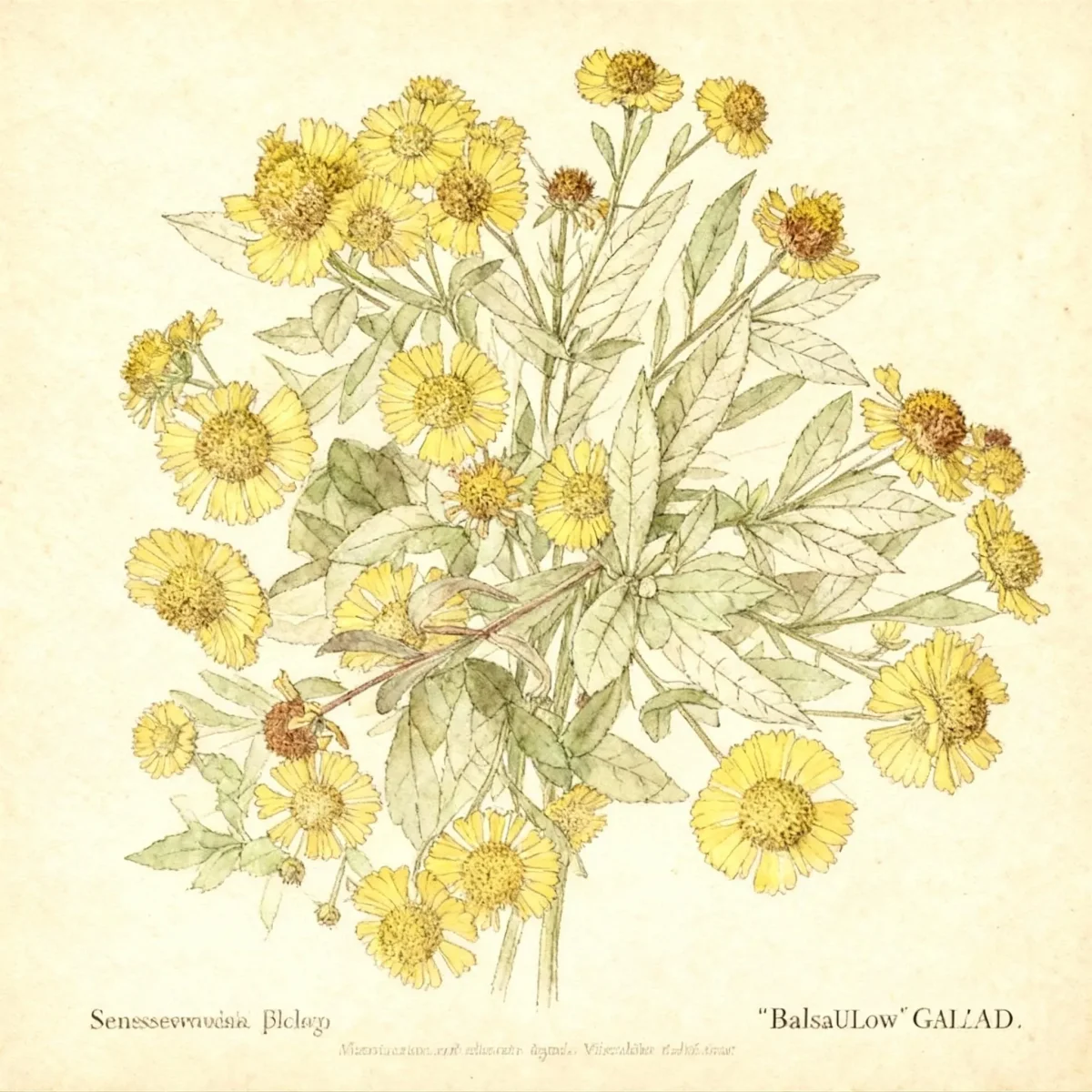
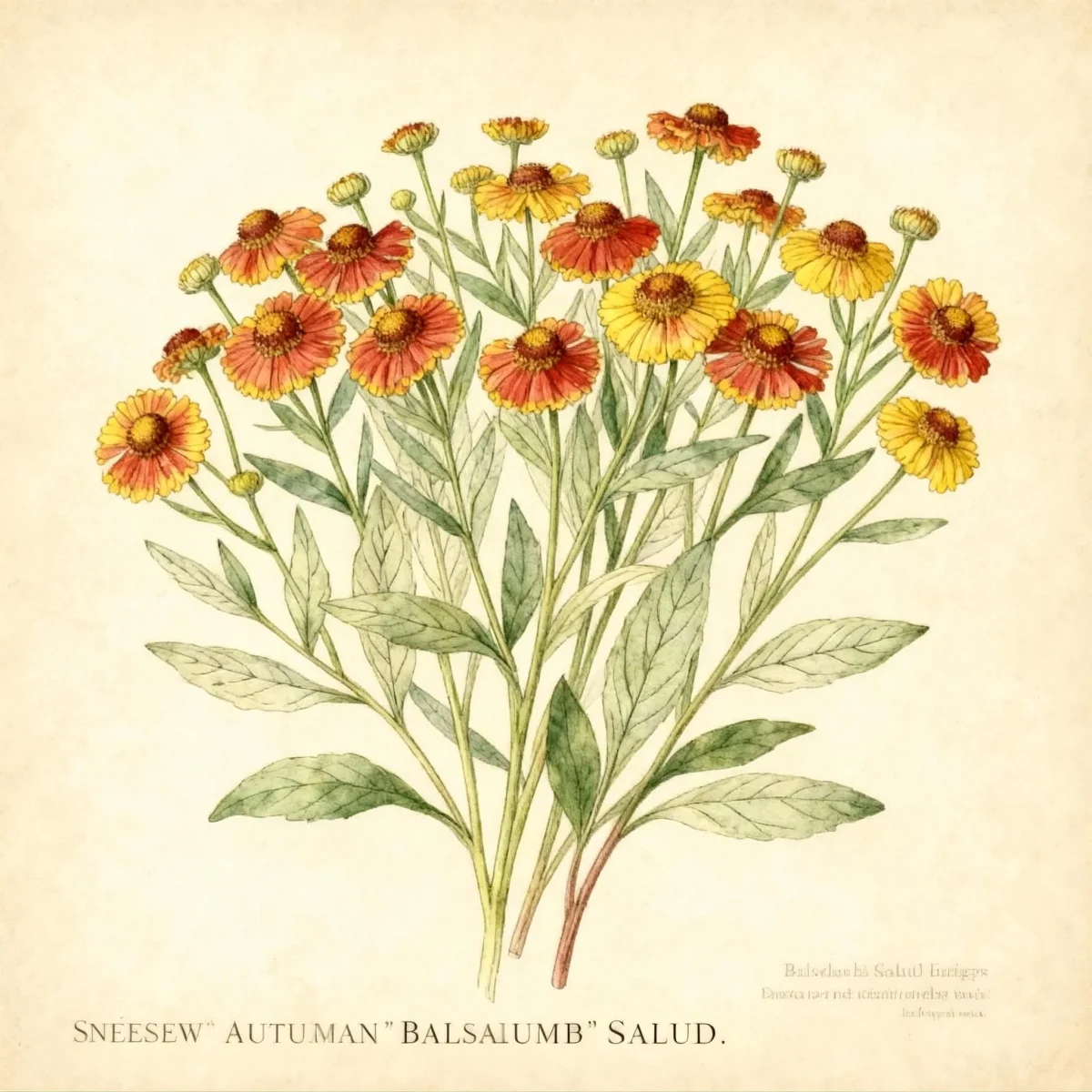
Purple-headed sneezeweed (Helenium flexuosum)
Grow Purple-headed sneezeweed (Helenium flexuosum) for late-season color in moist spots; a durable perennial for rain gardens.

Bloom Boldly, No Matter the Season - Sweatshirt
Cozy organic cotton sweatshirt featuring our exclusive Purple Coneflower design. Perfect for gardeners who bloom year-round.
Inspired by the beautiful Purple-headed sneezeweed
Limited first batch (50) — join the waitlist for early access
Waitlist closes Feb 15, 2026.
Complete Plant Information
Field Guide Continues
Ready for care notes, companion picks, and planting tips?
The map is just the start. The full guide below covers growth habits, seasonal performance, and landscape uses.
Overview
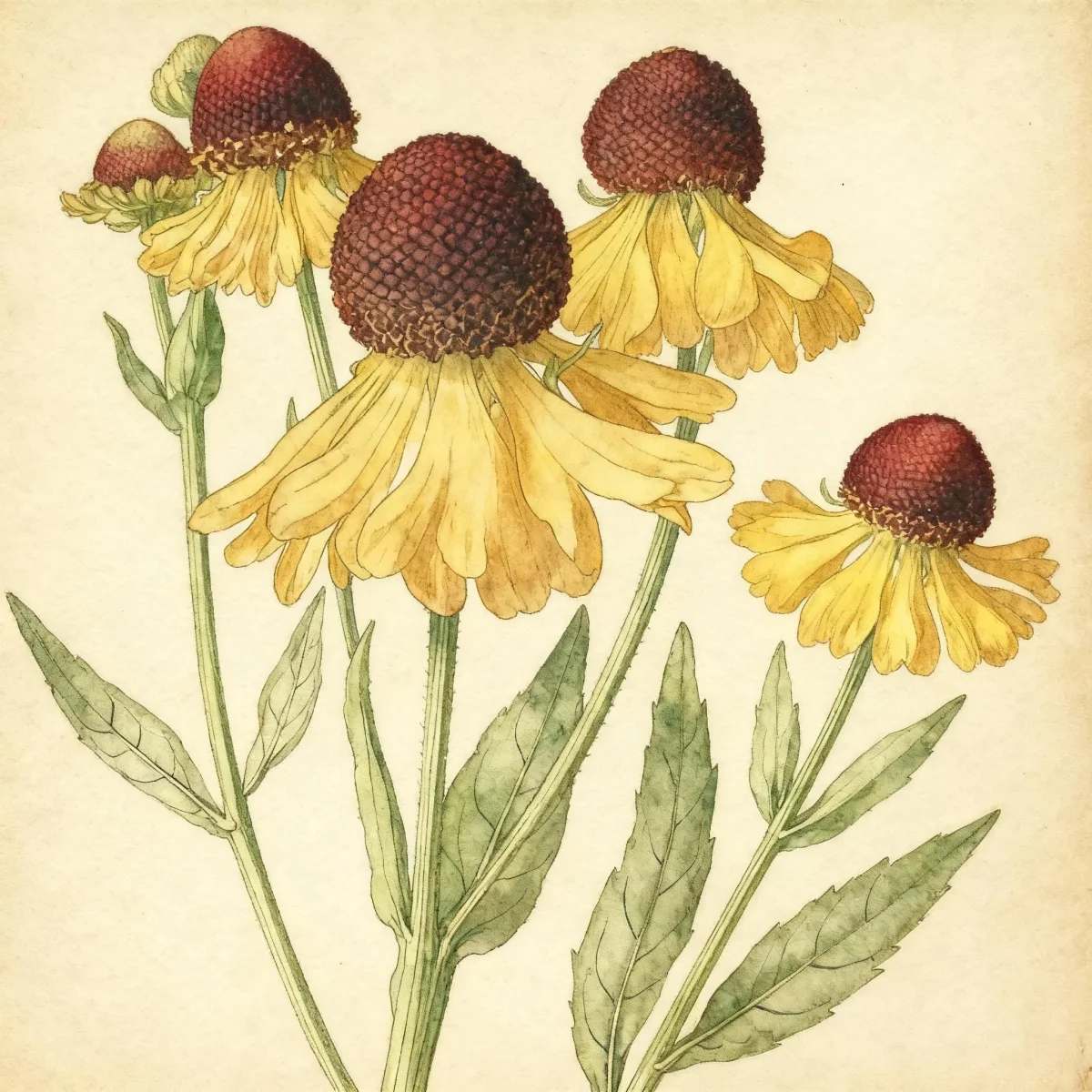
Helenium flexuosum, commonly known as purple-headed sneezeweed, is highly valued by gardeners for bringing vibrant, late-season color to the landscape. This erect, clump-forming perennial features classic daisy-like flowers, easily identifiable by their spherical, brownish-purple center disk contrasting beautifully with bright yellow rays. As a native plant to eastern and central North America, Helenium flexuosum offers reliable performance in challenging moist environments where other plants might struggle.
This species thrives in consistently damp settings, making it an excellent structural element for specialized gardens. It requires full sun to produce its best bloom display, which stretches late into the season from August through October. For landscapers and home gardeners seeking dependable, medium-maintenance color for low spots, purple-headed sneezeweed provides sustained interest.
The plant typically reaches 1 to 3 feet tall with a manageable spread, fitting well into borders and naturalized plantings. By choosing Helenium flexuosum, you support local ecosystems while adding dynamic texture and color, particularly beneficial when the garden begins to fade in the autumn.
Fast Facts
- Plant Family: Asteraceae
- Plant Type: Herbaceous perennial
- Native Range: Eastern and central North America
- Hardiness Zones: USDA Zones 5-9
- Size at Maturity:
- Height: 1-3 ft
- Spread: 1-2 ft
- Bloom Time: August to October
- Bloom Description: Yellow rays with brownish-purple center disk
- Sun Exposure: Full sun
- Water Needs: Medium to wet
- Maintenance Level: Medium
How to Grow
Planting purple-headed sneezeweed is best done in the spring or fall, ensuring it settles in before extreme temperatures arrive. Helenium flexuosum demands full sun exposure, coupled with average, moist to wet soils; it absolutely cannot tolerate dry conditions, making it an ideal candidate for rain gardens or the edge of a pond or drainage ditch. While it tolerates average soil, it performs best when the soil is rich and consistently moist.
Care for this perennial is relatively straightforward but requires attention to moisture levels. Water regularly to maintain medium to wet soil conditions throughout the growing season. Avoid over-fertilizing, as excess nutrients can promote weak, overly tall growth, increasing the risk of flopping.
Maintenance is classified as medium. Gardeners can intentionally cut back plants by half early in the season (May to early June) to encourage bushier habit, better branching, and a more floriferous, shorter display, which also reduces the need for staking. Deadheading spent flowers will encourage a longer bloom period. After flowering concludes, cut the stems back by half. To maintain strong clumps, plan to divide Helenium flexuosum every three to four years.
Landscape Uses
The upright structure and vibrant flowers make Helenium flexuosum a fantastic choice for the back or middle of sunny borders, anchoring perennial combinations with its reliable late-season performance. Its love for moisture opens up excellent possibilities; it is perfectly suited as a star component in a rain garden, where it thrives utilizing stormwater runoff in low spots. This adaptability also allows it to transition seamlessly into wild gardens, prairies, and meadows.
Consider planting purple-headed sneezeweed alongside other moisture-loving perennials such as rushes, irises, or cardinal flower (Lobelia cardinalis) to create a lush, water-wise display. Since the flowers are attractive to pollinators, integrating Helenium flexuosum into cottage gardens provides both structure and ecological benefit. Its preference for rich, wet soils means it also performs well along the margins of slow-moving streams or boggy areas where a vertical accent is desired.
Standout Features
Flower Qualities
- Showy
Noteworthy Characteristics
Helenium flexuosum, commonly called purple-headed sneezeweed, is most easily distinguished from other sneezeweeds by its spherical, brownish-purple center disk. It is an erect, clump-forming perennial that is native to the eastern and midwestern U.S. In Missouri, it typically occurs in moist soils along streams, sink hole ponds, sloughs, ditches, swamps, swampy meadows, upland prairie depressions, pastures and fields, mostly in the central and southern portions of the State south of the Missouri River (Steyermark). This is a single-stemmed plant that branches near the top, typically growing 1-3’ tall. Stem is distinctively winged below.
Tolerances
- Deer
- Wet Soil
Potential Problems
This plant generally avoids serious insect or disease trouble, which increases its appeal for low-labor gardens. However, the foliage is susceptible to common fungal issues, including powdery mildew, leaf spot, and rust, especially if air circulation is poor or humidity is consistently high. Ensure adequate spacing during planting and adhere to cultural requirements for adequate sunlight (full sun) to minimize these occurrences.
Frequently Asked Questions
What hardiness zones is Purple-headed sneezeweed suitable for?
Helenium flexuosum is reliably hardy in USDA Zones 5 through 9.
How large does Purple-headed sneezeweed grow?
This perennial generally matures to a height between 1 and 3 feet, with a spread ranging from 1 to 2 feet wide.
What sun exposure does Purple-headed sneezeweed need?
For the best flowering display from this desirable native, ensure it receives full sun exposure throughout the day.
When does Purple-headed sneezeweed bloom?
The bloom time for Helenium flexuosum is late summer into fall, specifically August to October, featuring yellow rays with a prominent brownish-purple center disk.
Conclusion
Helenium flexuosum offers tremendous value as a tough, vibrant, late-blooming perennial perfect for moisture-rich areas of the landscape. Its distinctive flower structure secures its identity as the purple-headed sneezeweed, a reliable choice over many other fall bloomers. Before planting, confirm your site receives full sun and consistently moist to wet soil to ensure successful establishment of this vigorous native.
Companion Planting
Selecting companions for Helenium flexuosum is largely dictated by its moisture demands. Look for other plants that appreciate consistently moist or even wet soils in full sun to create a cohesive planting scheme. Astilboides, various species of native Joe-Pye Weed (Eutrochium), and tall sedges integrate beautifully alongside the vertical structure of the sneezeweed. These companions often share similar late-season bloom times, creating continuous foreground and background interest while thriving in the damp conditions Helenium flexuosum requires. Mixing it with prairie grasses can also add essential winter interest when the Helenium flexuosum foliage dies back.
Propagation Tips
The primary method for increasing your stock of Helenium flexuosum is through division, which is recommended every three to four years to maintain clump vigor. Perform this division in early spring before active growth begins, or in the fall after the foliage has died back. Dig up the entire clump and gently separate the outer, newer sections of the root mass, ensuring each division has several viable crown buds attached. Replant the divisions immediately into prepared, moist soil at the correct depth. While seed collection is possible from the dried flower heads, divisions offer a much faster route to establishing mature, true-to-type plants identical to the parent purple-headed sneezeweed.