Blue cohosh (Caulophyllum thalictroides)
Discover Blue cohosh (Caulophyllum thalictroides), a Missouri native valued for lacy blue-green foliage and ornamental blue seeds.

Bloom Boldly, No Matter the Season - Sweatshirt
Cozy organic cotton sweatshirt featuring our exclusive Purple Coneflower design. Perfect for gardeners who bloom year-round.
Inspired by the beautiful Blue cohosh
Limited first batch (50) — join the waitlist for early access
Waitlist closes Feb 15, 2026.
Complete Plant Information
Field Guide Continues
Ready for care notes, companion picks, and planting tips?
The map is just the start. The full guide below covers growth habits, seasonal performance, and landscape uses.
Overview
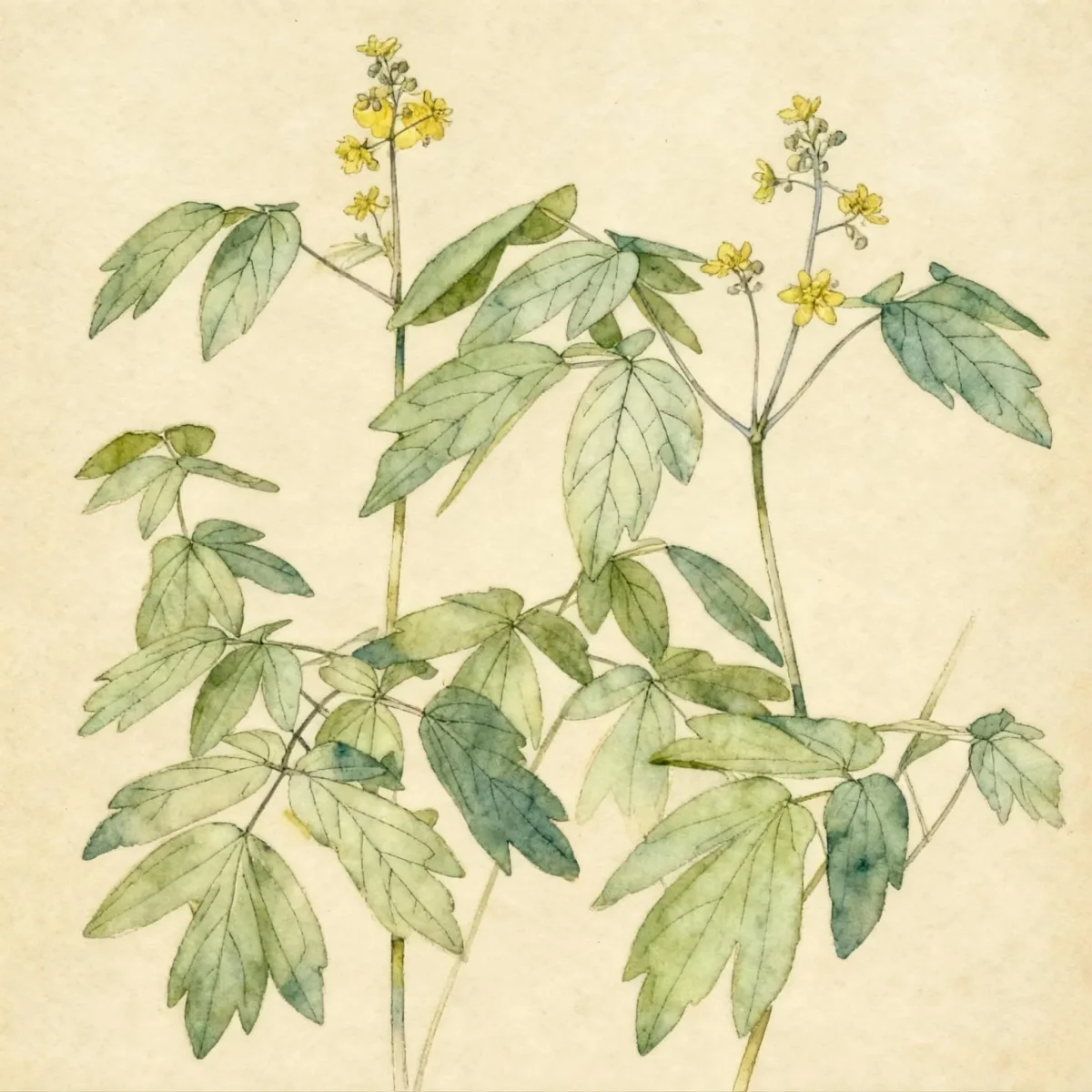
Blue cohosh (Caulophyllum thalictroides) brings subtle woodland elegance to shaded garden spaces. This charming herbaceous perennial is noted less for its spring bloom and more for its distinctive foliage and striking blue fruit clusters that appear later in the season. Gardeners often seek out Caulophyllum thalictroides for its airy texture, which contrasts well with broader-leaved shade plants.
Native to eastern and central North America, blue cohosh thrives where its roots remain cool and consistently moist, making it ideal for replicating a natural forest floor environment. Although slow to establish, especially from seed, healthy colonies of Caulophyllum thalictroides provide reliable structure through the growing season. Its unique combination of smoky new leaves and persistent, jewel-toned berries offers multi-season visual appeal.
The foliage of Caulophyllum thalictroides lends itself beautifully to naturalistic plantings, serving as an excellent foreground element in shaded woodland borders. While its maintenance is moderate, understanding its specific soil and moisture requirements is key to long-term success with this woodland treasure.
Fast Facts
- Plant Family: Berberidaceae
- Plant Type: Herbaceous perennial
- Native Range: Eastern and central North America
- Hardiness Zones: USDA Zones 3-8
- Size at Maturity:
- Height: 1-2 ft
- Spread: 0.5-1 ft
- Bloom Time: April
- Bloom Description: Yellow-green
- Sun Exposure: Part shade to full shade
- Water Needs: Medium
- Maintenance Level: Medium
How to Grow
For optimal growth, plant Caulophyllum thalictroides in well-drained, rich soil that mimics woodland conditions. The preferred pH is neutral to slightly acidic. The most critical factor is moisture; this plant requires consistently moist soils and should never be allowed to dry out completely during the growing season.
While propagation from seed is possible, be patient, as plants established this way may take three to four years before flowering commences. Established clumps of blue cohosh can be divided, but they generally perform best when left undisturbed to slowly expand their colonies via slow rhizome spread over time.
Watering should be consistent, especially during dry spells in the summer months. Fertilization is usually unnecessary if the soil is rich and amended with organic matter, such as compost or leaf mold. Little pruning is required outside of removing any tattered foliage in late winter before new growth emerges in spring.
Landscape Uses
Blue cohosh is perfectly suited for shaded woodland gardens, naturalized areas, or the foreground of deeper shade borders where its fine texture can shine. It works well beneath deciduous trees where it receives dappled light without the harsh afternoon sun. Consider pairing Caulophyllum thalictroides with other shade-loving natives that have contrasting leaf textures, such as hostas, ferns, or epimediums.
Its moderate height (1-2 ft) keeps sight lines open, making it an excellent component in layered plantings. The eventual development of blue seeds provides a stunning late-season feature among the green understory. Use it where you desire reliability in a moist, shady microclimate.
Standout Features
Flower Qualities
- Insignificant
Fruit Qualities
- Showy
Noteworthy Characteristics
Caulophyllum thalictroides, commonly called blue cohosh, is a Missouri native perennial which grows 1-3’ tall on strong, upright stems. It is valued not for its flowers but for its lacy, ternately-compound, blue-green foliage and its erect clusters of blue, fruit-like seeds. Foliage is suggestive of meadow rue (Thalictrum), hence the species name. Inconspicuous flowers give way in summer to attractive blue berry-like seeds which resemble small grapes and provide good ornamental interest into fall after foliage decline has occurred.
Tolerances
- No specific tolerances listed.
Potential Problems
Caulophyllum thalictroides is generally robust, exhibiting no serious insect or disease problems under proper cultural conditions. The primary cultural challenge involves establishment, as plants can be slow to set seed or establish significant root systems initially. A significant caution for gardeners is that the berry-like seeds produced by blue cohosh are poisonous if ingested. Ensure placement away from areas frequented by pets or small children who might handle or taste the fruit.
Frequently Asked Questions
What hardiness zones is Blue cohosh suitable for?
Blue cohosh (Caulophyllum thalictroides) is reliably hardy across USDA Zones 3 through 8.
How large does Caulophyllum thalictroides grow?
This plant typically reaches a mature height between 1 and 2 feet tall, with a spread generally ranging from 0.5 to 1 foot wide.
What sun exposure does Blue cohosh need?
Caulophyllum thalictroides thrives best in conditions ranging from part shade to full shade, mimicking its native woodland habitat.
When does Caulophyllum thalictroides bloom?
Bloom time for this species is April, showcasing inconspicuous, yellow-green flowers.
Conclusion
Caulophyllum thalictroides, or blue cohosh, offers exceptional value to the shade garden through its delicate foliage texture and later display of ornamental blue fruit. Successfully growing this plant depends on providing consistently moist, rich soil in partial to full shade. Before planting, verify that your location falls within USDA hardiness zones 3 to 8 to ensure the best performance from your new woodland specimen.
Companion Planting
When designing a woodland garden featuring Caulophyllum thalictroides, focus on partners that share similar moisture and light requirements. Hostas with solid green or variegated leaves offer a necessary textural contrast to the fine, lacy structure of the blue cohosh foliage. Ferns, such as Japanese Painted Ferns (Athyrium species) or Christmas Ferns (Polystichum acrostichoides), are excellent companions, thriving in the same moist, neutral soil conditions.
Consider groundcovers that can help regulate soil temperature and moisture retention around the base of the Caulophyllum thalictroides. Wild Ginger (Asarum) or creeping Phlox varieties suited for shade can fill in gaps beautifully. These combinations create an authentic, low-maintenance tapestry reminiscent of a mature eastern forest floor.
Propagation Tips
While Caulophyllum thalictroides can be successfully propagated by division, this method should be approached cautiously. Established plants prefer to remain undisturbed; divide only when absolutely necessary, perhaps to separate an overly crowded clump or to propagate to a new location. It is best performed in early spring just as new growth begins or in the fall after the foliage has died back.
Division generally involves carefully lifting the clump and gently separating the rhizomes using a sharp, sterile spade or knife. Ensure each division retains viable roots and at least one growth bud to successfully re-establish. If establishing from seed, remember that stratification is required, and flowering success will take several years, requiring patience.