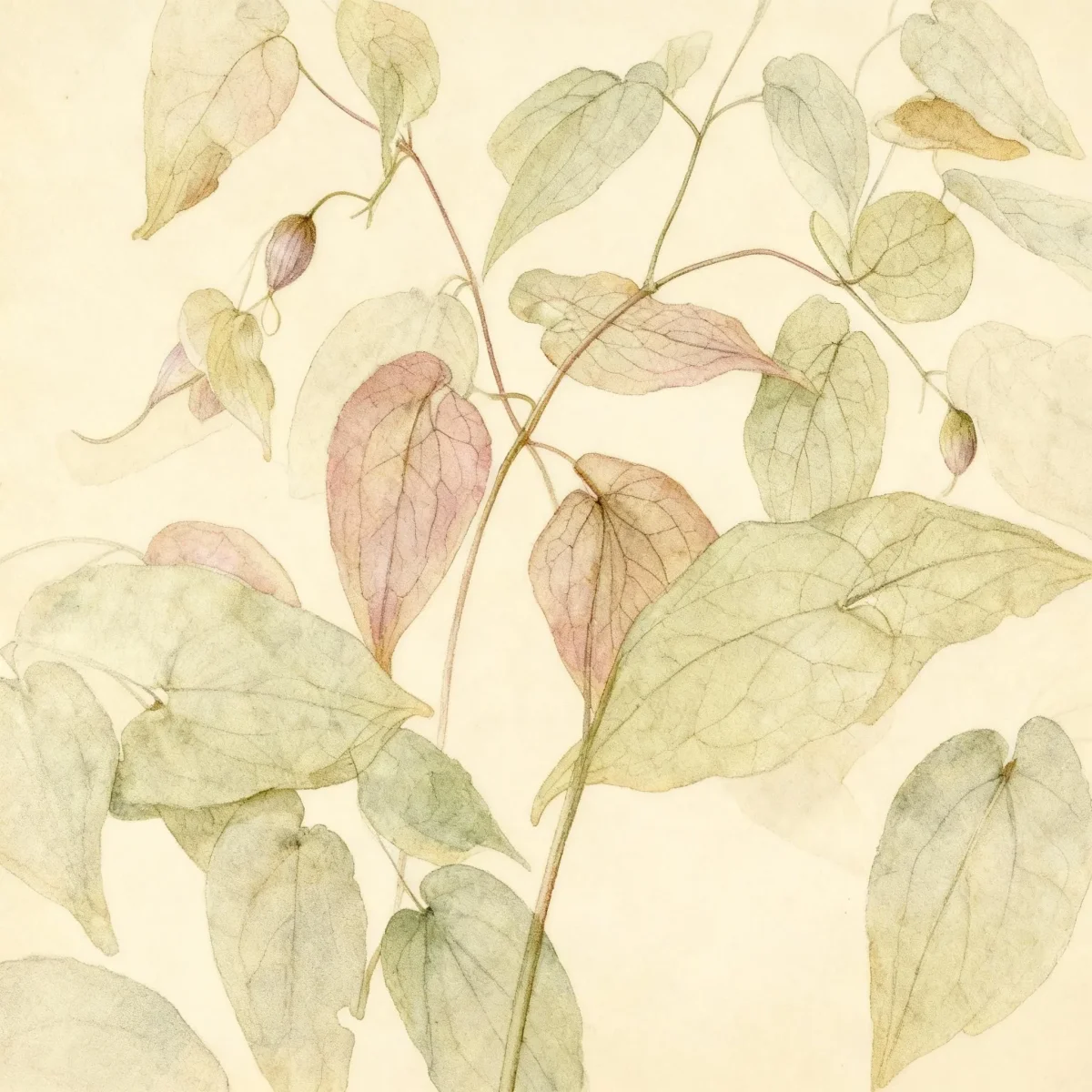
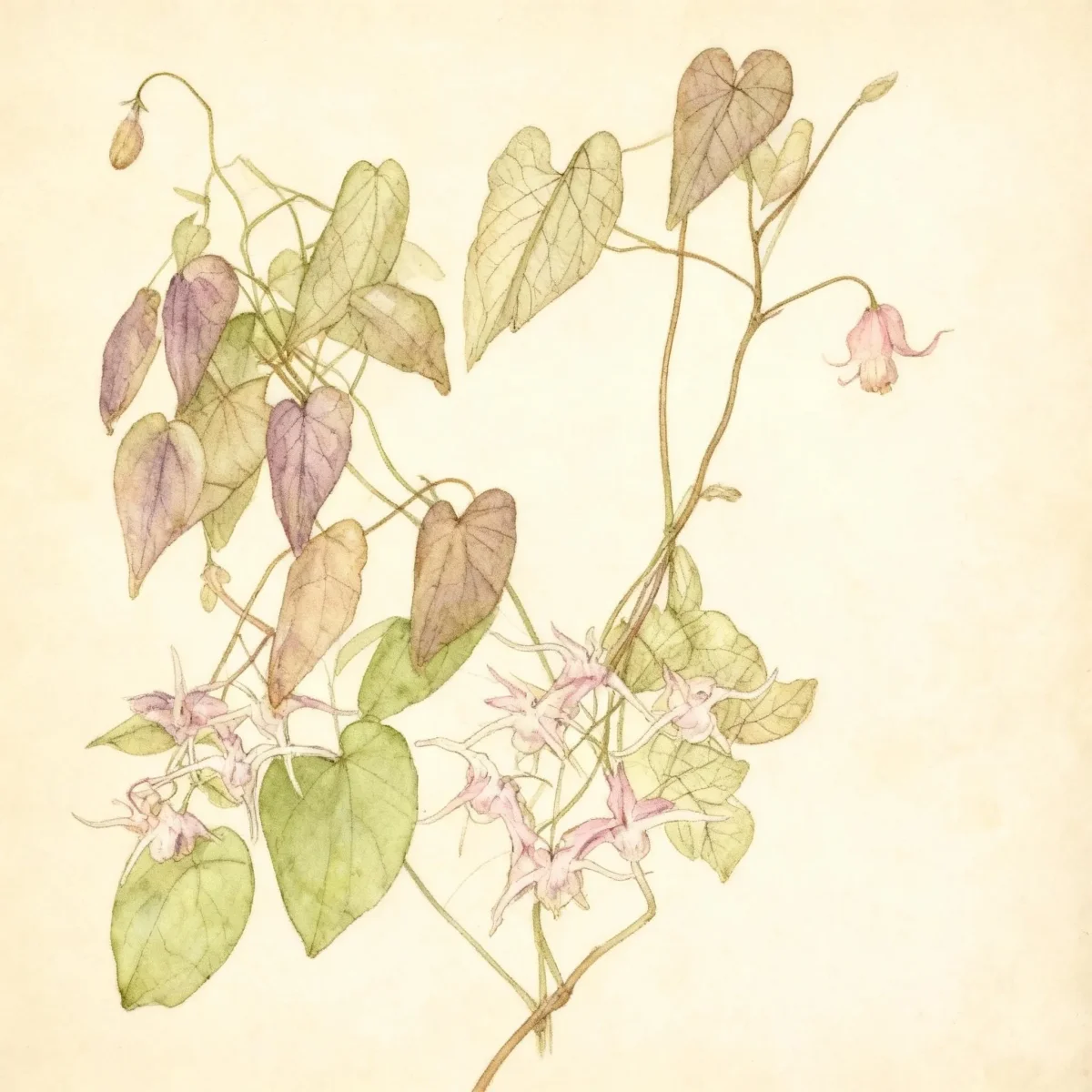
Bishop's hat (Epimedium alpinum)
Epimedium alpinum, or Bishop's hat, is a low-maintenance ground cover defined by red/yellow spring blooms and reliable shade tolerance.
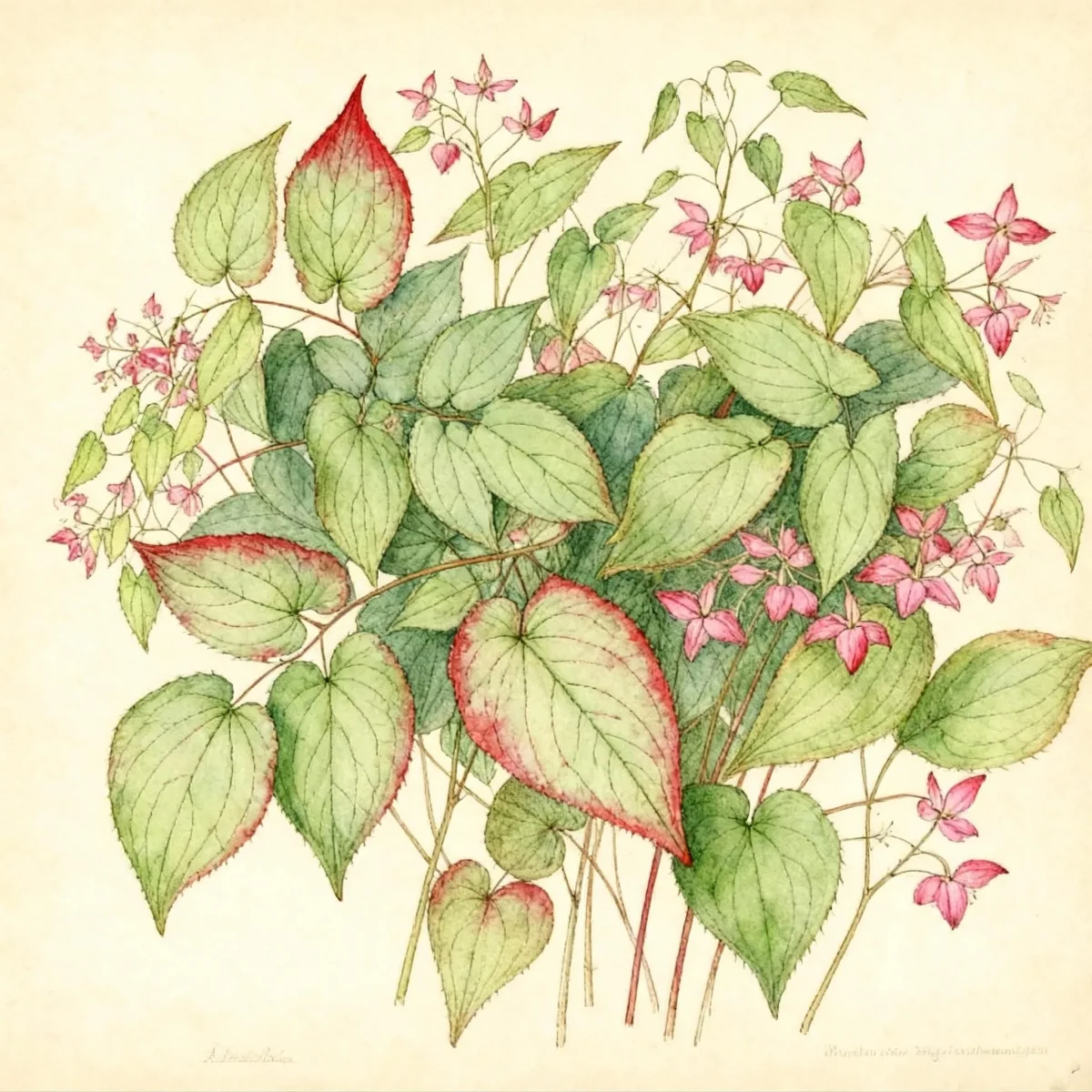

Bloom Boldly, No Matter the Season - Sweatshirt
Cozy organic cotton sweatshirt featuring our exclusive Purple Coneflower design. Perfect for gardeners who bloom year-round.
Inspired by the beautiful Bishop's hat
Limited first batch (50) — join the waitlist for early access
Waitlist closes Feb 15, 2026.
Complete Plant Information
Field Guide Continues
Ready for care notes, companion picks, and planting tips?
The map is just the start. The full guide below covers growth habits, seasonal performance, and landscape uses.
Overview
Bishop’s hat, scientifically known as Epimedium alpinum, is a highly valued, dense, rhizomatous perennial perfect for tackling difficult shady spots in the garden. It forms robust clumps with attractive medium green foliage that is often tinged pink in the spring and deep reddish bronze in the autumn. The appeal of Epimedium alpinum is twofold: its exceptionally durable ground-covering foliage and its delicate early spring flowers.
This charming plant typically reaches heights between 6 to 9 inches, making it an excellent choice for low borders or mass plantings under established trees. One practical benefit is its remarkable resilience; once established, it tolerates dry soil conditions better than many other shade lovers. Gardeners appreciate Epimedium alpinum for its low input needs and its ability to create a uniform, weed-suppressing carpet.
The genus name comes from an unclear root, but the specific epithet alpinum refers to its mountainous origins in Southern Europe. Whether you call it barrenwort or Bishop’s hat, this perennial offers season-long texture and dependable performance for the woodland or shade garden.
Fast Facts
- Plant Family: Berberidaceae
- Plant Type: Herbaceous perennial
- Native Range: Southern Europe
- Hardiness Zones: USDA Zones 4-8
- Size at Maturity:
- Height: 0.5-0.75 ft
- Spread: 0.75-1 ft
- Bloom Time: April
- Bloom Description: Red/yellow
- Sun Exposure: Part shade to full shade
- Water Needs: Dry to medium
- Maintenance Level: Low
How to Grow
Epimedium alpinum thrives when planted in the spring or early fall, allowing the rhizomes time to establish before facing summer heat or winter freezes. It exhibits high adaptability but performs best in loose, organically rich loam that is well-drained. While it prefers even moisture in part shade, remember that this specific variety tolerates drought exceptionally well once its root system is mature.
Maintenance is minimal for this shade staple. Fertilization is generally unnecessary if the soil is reasonably amended, as excessive richness can sometimes compromise its drought tolerance. The most essential cultural task is the optional late winter cleanup: cut back any remaining old foliage just before new spring growth starts to emerge.
As a rhizomatous perennial, Epimedium alpinum spreads more rapidly than some of its cousins, so plan for its eventual coverage area. It is perfect for naturalizing in woodland gardens where root competition from trees might be an issue. Avoid planting in areas with constantly soggy soil, as good drainage is crucial for its long-term health.
Landscape Uses
The primary function of Epimedium alpinum in the landscape is as a robust ground cover, effectively blanketing shady slopes and dry areas under mature canopies where turf often struggles. Its relatively dense habit makes it an excellent low edger for shady paths and walkways, providing a clean, defined border without demanding constant trimming.
Mass plantings of Bishop’s hat create beautiful, textural sweeps in woodland or naturalized areas. Its durability also lends itself well to partially shaded rock gardens or the front-of-border placement, softening hard edges. Consider pairing it with later-blooming ferns or hostas, which will grow up taller, allowing the evergreen foliage of Epimedium alpinum to take the foreground during early spring.
For challenging sites, use this plant for erosion control on shallow, rocky slopes where other plants fail. The reliable texture offered by this ground cover ensures that the garden retains structure even when larger perennials are dormant.
Standout Features
Flower Qualities
- Showy
Noteworthy Characteristics
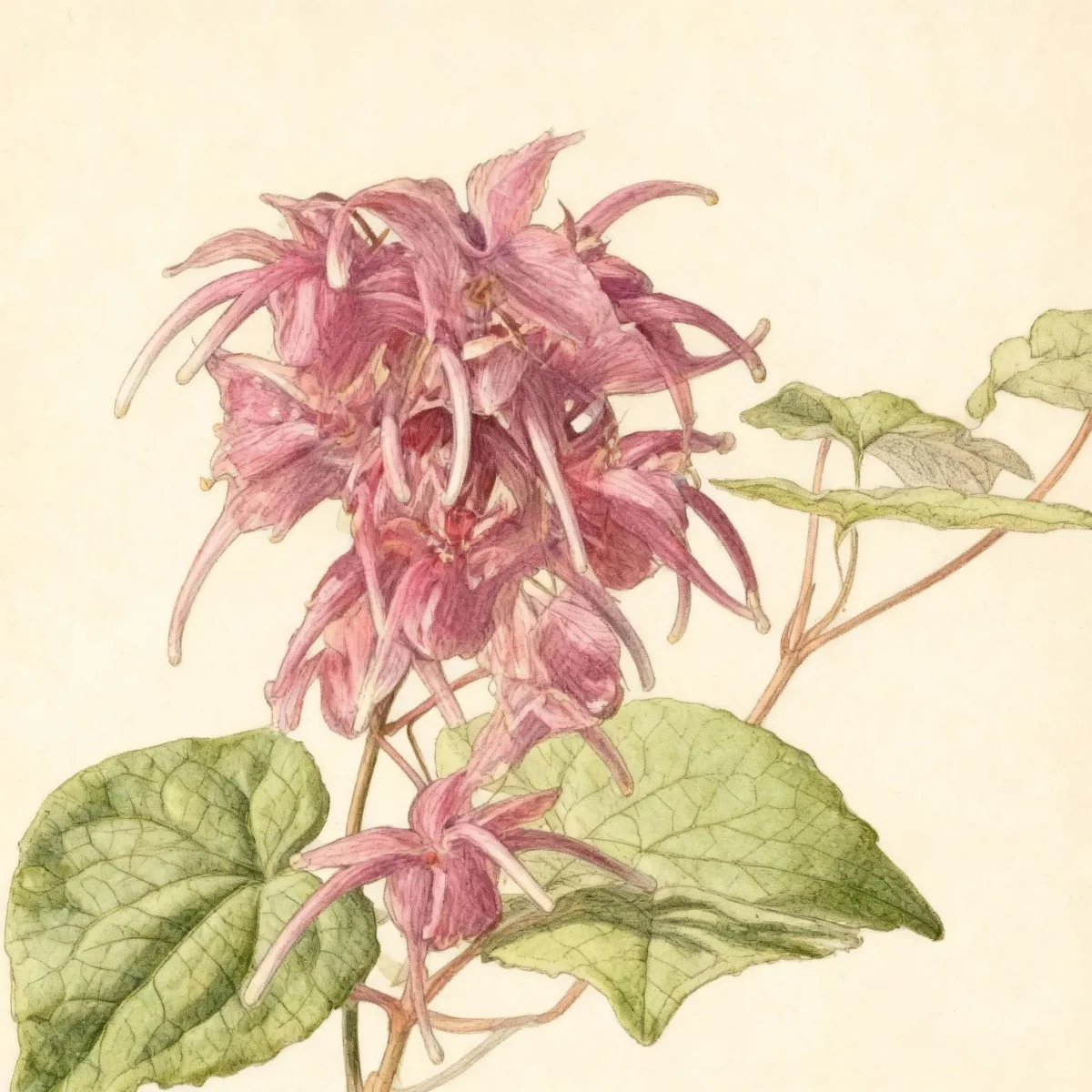
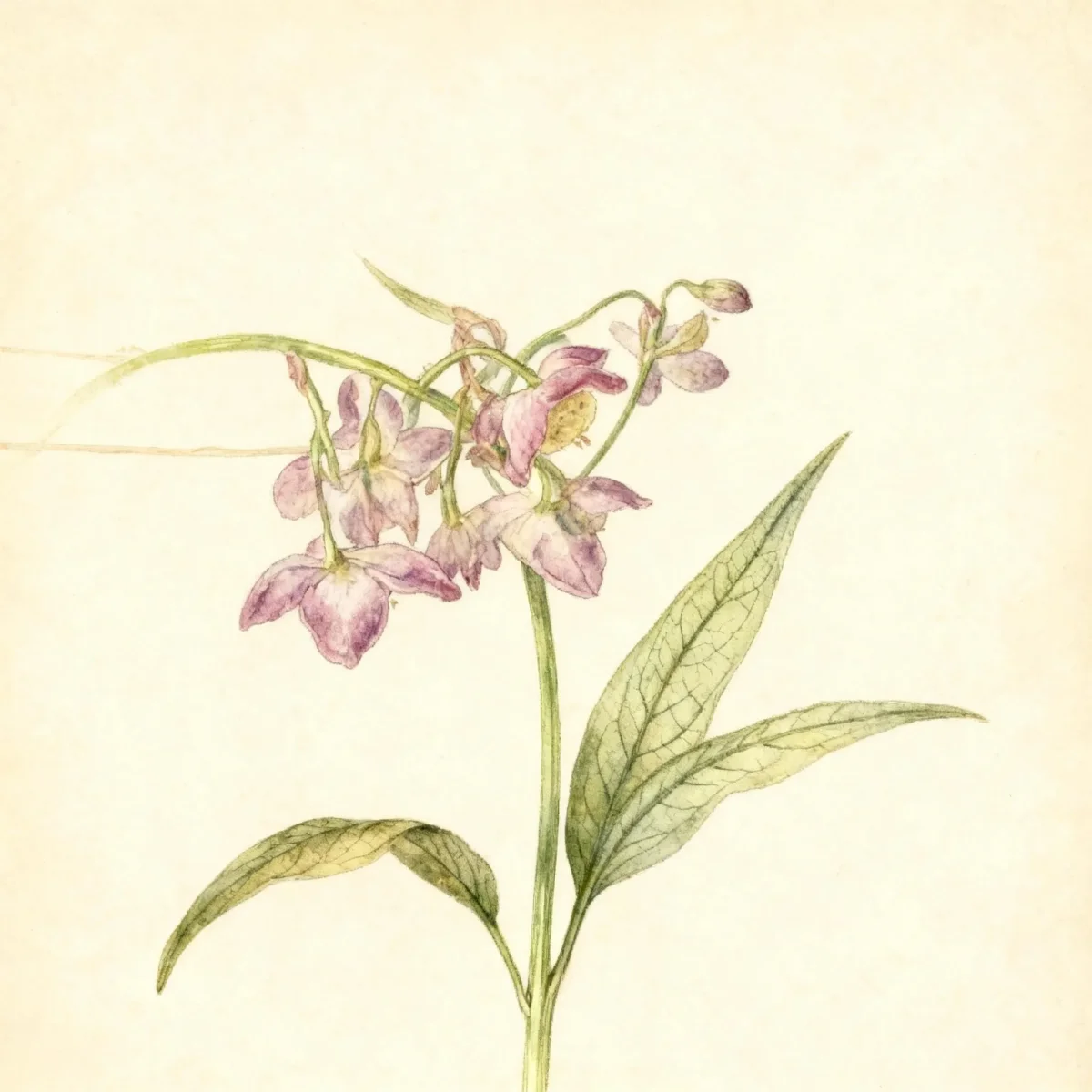
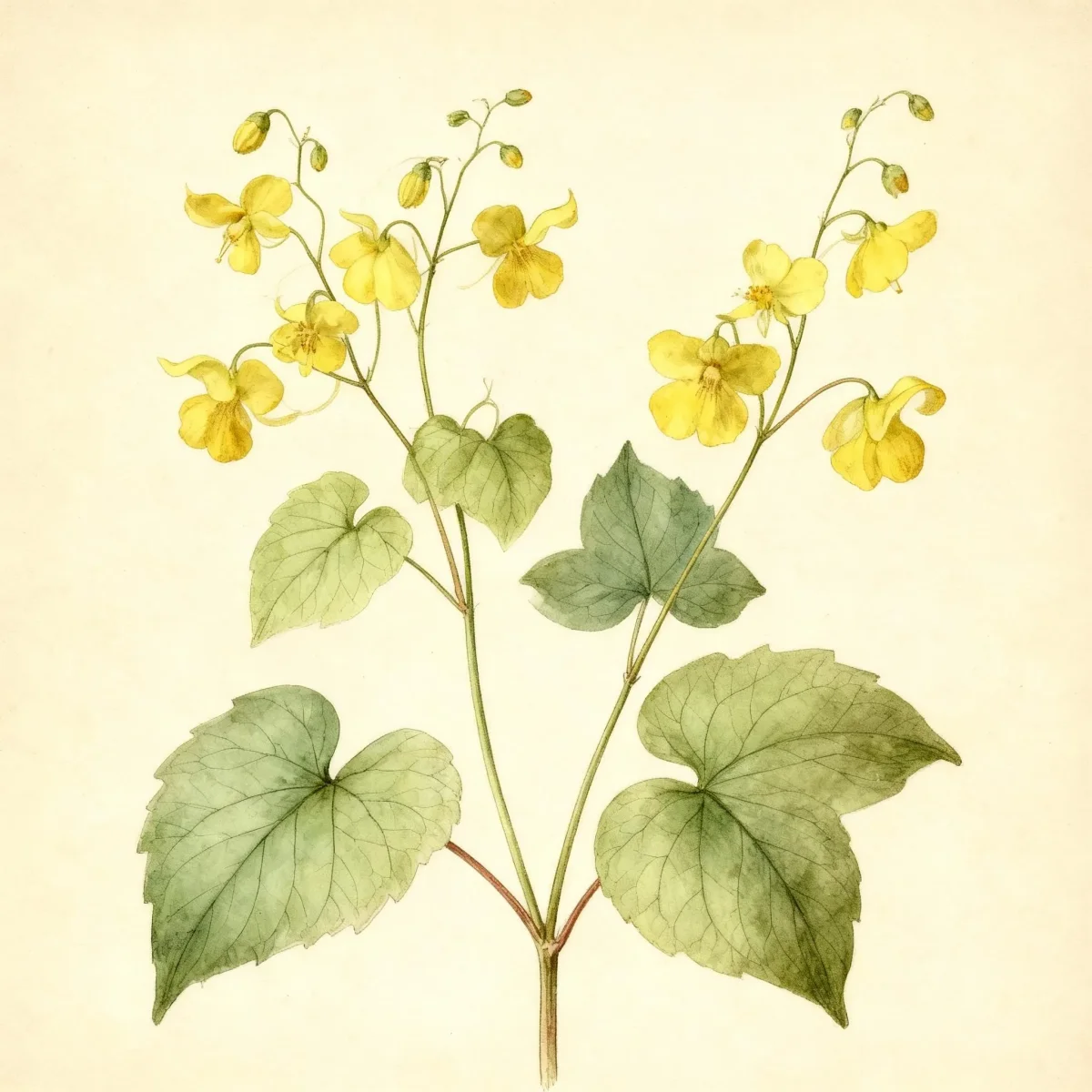
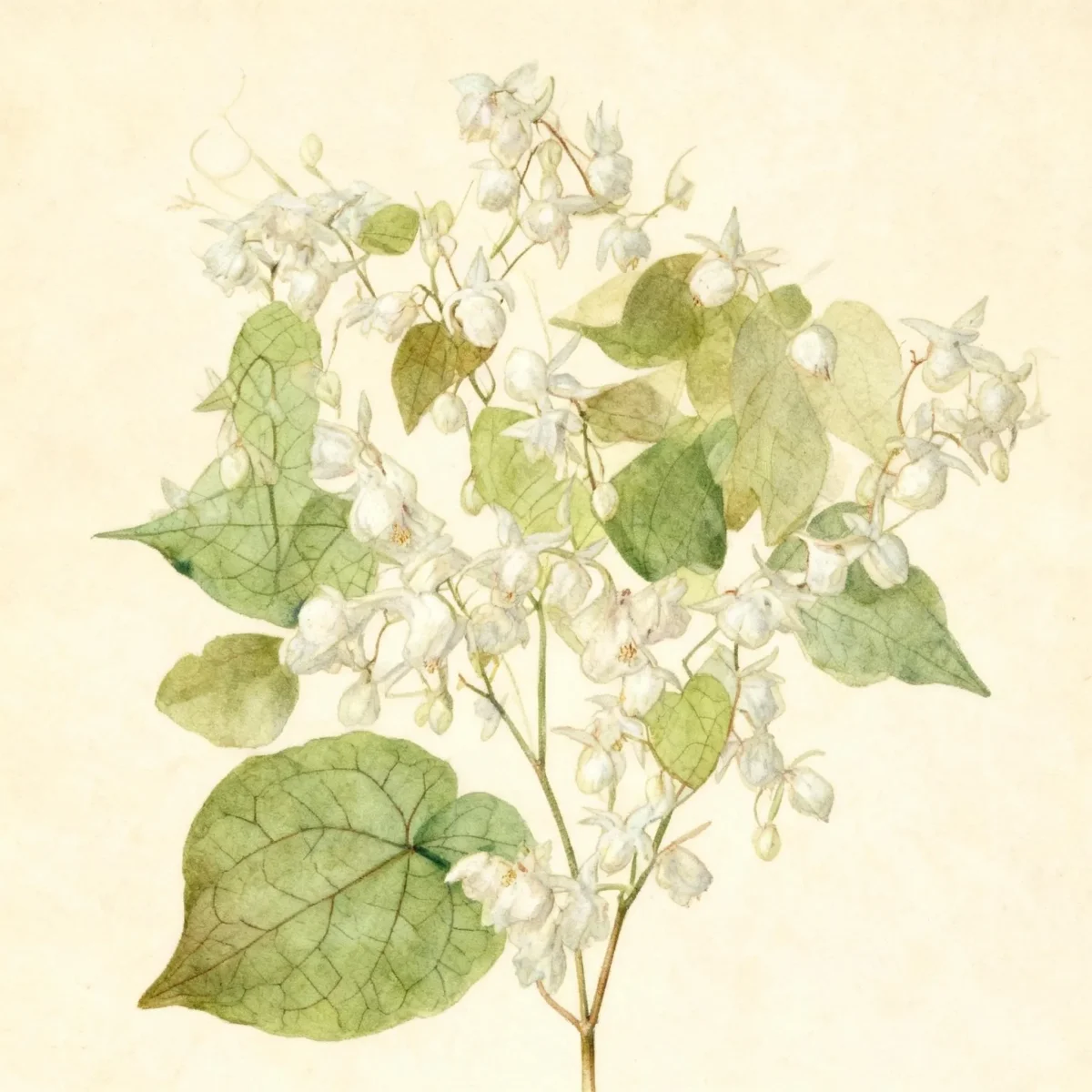
Epimedium alpinum, sometimes commonly called alpine barrenwort, is a dense, rhizomatous, clump-forming perennial which typically grows 6-9” tall and is primarily used as a ground cover or edger in shady or woodland areas. Dull red flowers (red sepals and yellow petals) in 12-20 flowered racemes appear in spring above the foliage. Compound, medium green leaves with pointed, heart-shaped leaflets (to 3” long) appear on wiry stems and form attractive foliage mounds.
Tolerances
- Rabbit
- Deer
- Drought
- Heavy Shade
- Erosion
- Dry Soil
- Shallow-Rocky Soil
Potential Problems
This plant is highly regarded for its lack of serious horticultural problems, presenting virtually no serious insect or disease issues when grown in appropriate conditions. Gardeners should mainly focus on ensuring adequate drainage, as wet, heavy clay can sometimes lead to root issues. Avoid over-fertilizing, which can encourage excessive, floppy leafy growth rather than dense coverage.
Frequently Asked Questions
What hardiness zones is Epimedium alpinum suitable for?
Bishop’s hat is highly adaptable across USDA Zones 4 through 8.
How large does Epimedium alpinum grow?
This perennial typically maxes out at 0.75 feet in height with a spread reaching 1 foot wide.
What sun exposure does Bishop’s hat need?
Epimedium alpinum performs best in part shade to full shade locations.
When does Epimedium alpinum bloom?
The characteristic red/yellow flowers appear reliably in April.
Conclusion
For gardeners seeking a low-maintenance solution for dry, shaded areas, Epimedium alpinum remains an outstanding choice due to its durable foliage and robust nature. This reliable Bishop’s hat offers great ground cover capability and excellent resilience against pests and tough soil conditions. Before purchasing, confirm that your site provides the required USDA Zone compatibility and sufficient shade for optimal performance.
Companion Planting
When selecting partners for Epimedium alpinum, focus on plants that share a preference for dry to average moisture and part to full shade. Ferns, such as Autumn Fern (Dryopteris erythrosora), pair beautifully, offering textural contrast while also appreciating similar soil conditions once established. Consider woodland ephemerals that bloom earlier, like Bloodroot (Sanguinaria canadensis), knowing that the Epimedium alpinum foliage will emerge shortly after they die back, filling the gap.
For a softer, lower border near a woodland path, low-growing sedges (Carex species) provide fine texture that highlights the coarser, heart-shaped leaflets of the Bishop’s hat. Since Epimedium alpinum is drought-tolerant once mature, ensure any companion plants specified for wetter conditions are planted in areas receiving slightly more moisture flow, if possible.
Propagation Tips
The most straightforward method for increasing your stock of Epimedium alpinum is division, capitalizing on its rhizomatous growth habit. Divisions can be done readily in early spring before significant leaf-out or again in early autumn. Dig carefully around the clump to sever manageable sections of the root system, ensuring each division retains several healthy shoots and ample root structure.
These bare segments establish quickly in prepared soil. Plant the divisions immediately at the same depth they previously grew, and maintain consistent moisture for the first few weeks after dividing to reduce transplant shock. Because Epimedium alpinum spreads readily on its own, division is often the only propagation necessary to fill out large areas over time.