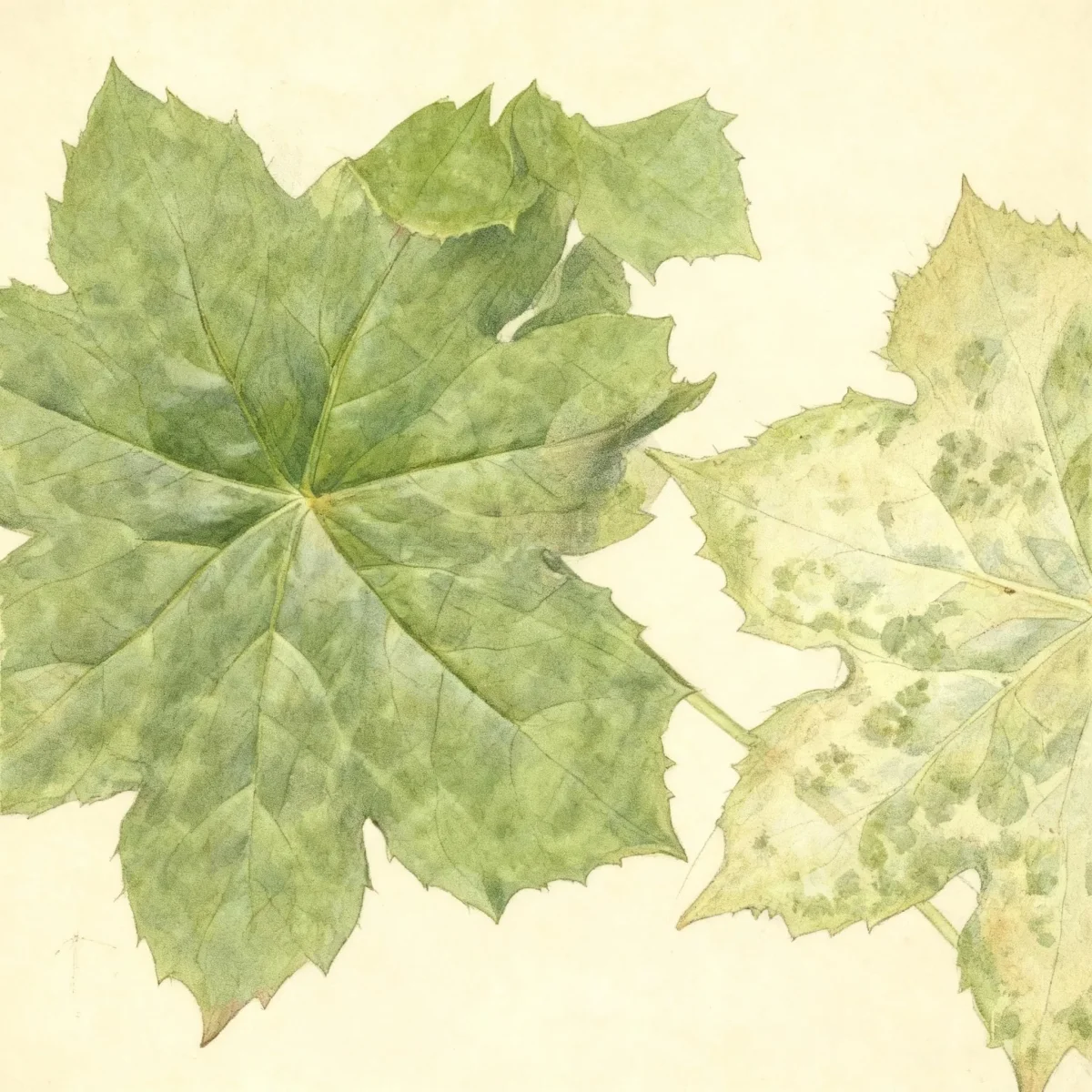
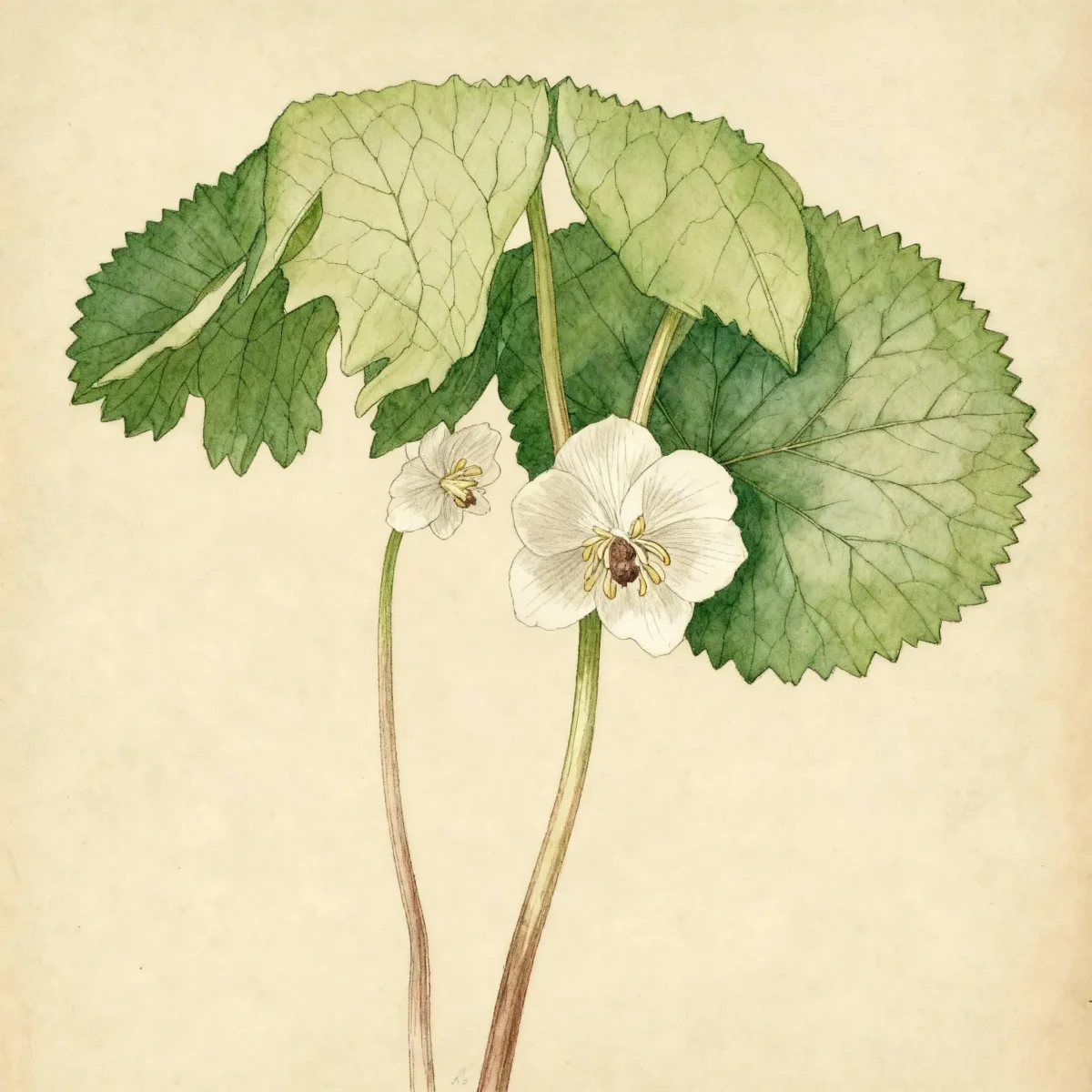
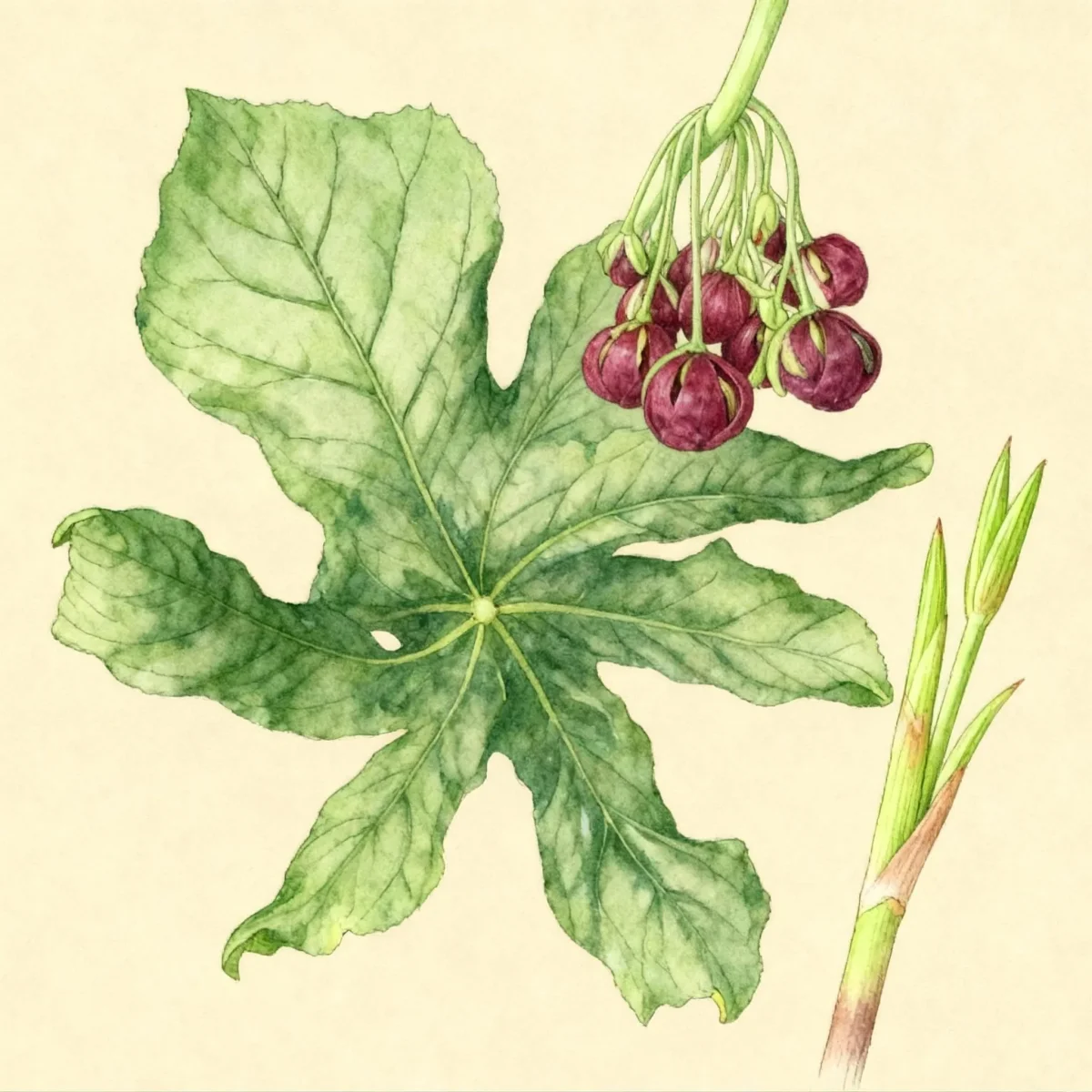
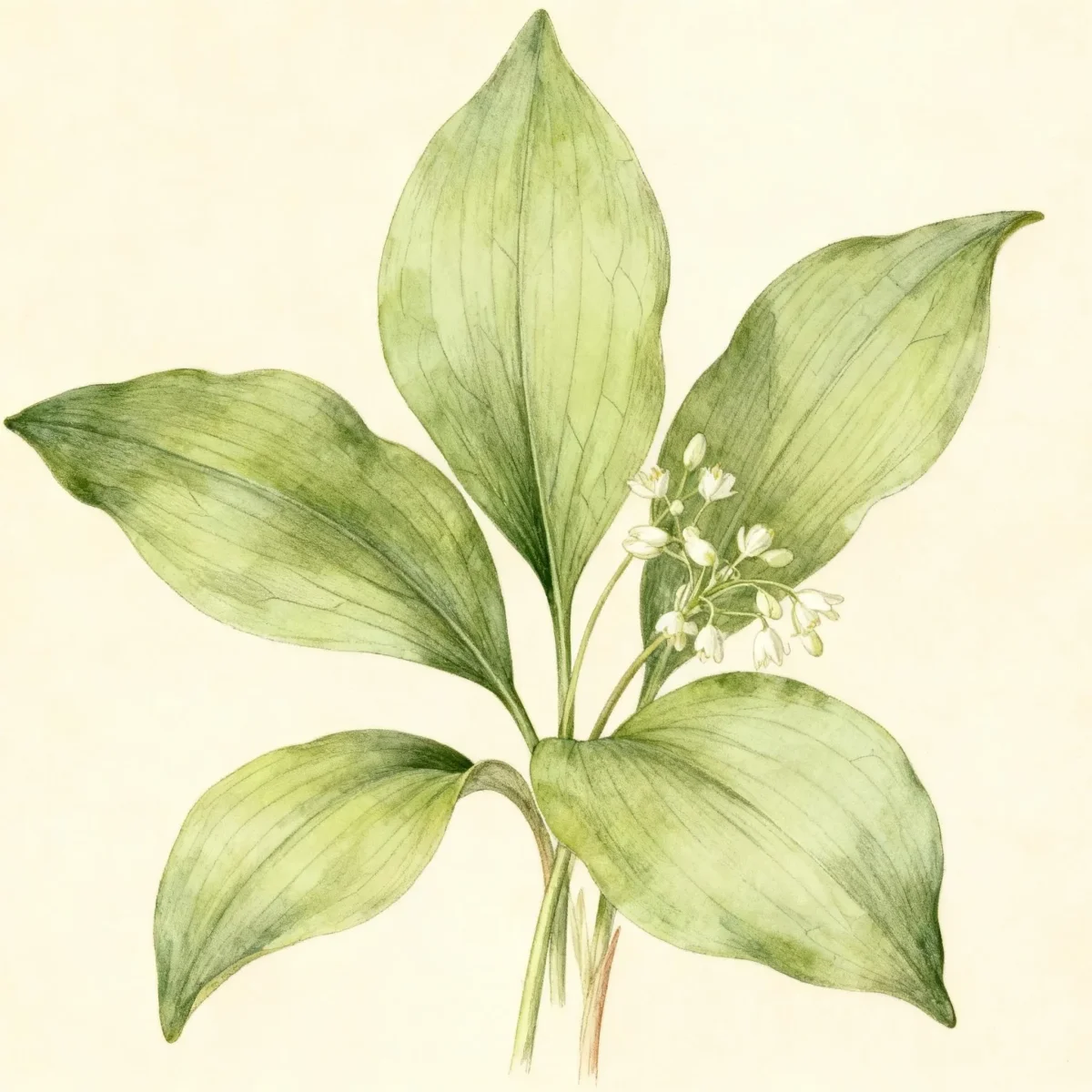
Holly-leaved barberry (Berberis aquifolium)
Discover Berberis aquifolium, the Holly-leaved barberry. Evergreen beauty with yellow spring flowers and edible fruit. Hardy in Zones 5-8.

Bloom Boldly, No Matter the Season - Sweatshirt
Cozy organic cotton sweatshirt featuring our exclusive Purple Coneflower design. Perfect for gardeners who bloom year-round.
Inspired by the beautiful Holly-leaved barberry
Limited first batch (50) — join the waitlist for early access
Waitlist closes Feb 15, 2026.
Complete Plant Information
Field Guide Continues
Ready for care notes, companion picks, and planting tips?
The map is just the start. The full guide below covers growth habits, seasonal performance, and landscape uses.
Overview
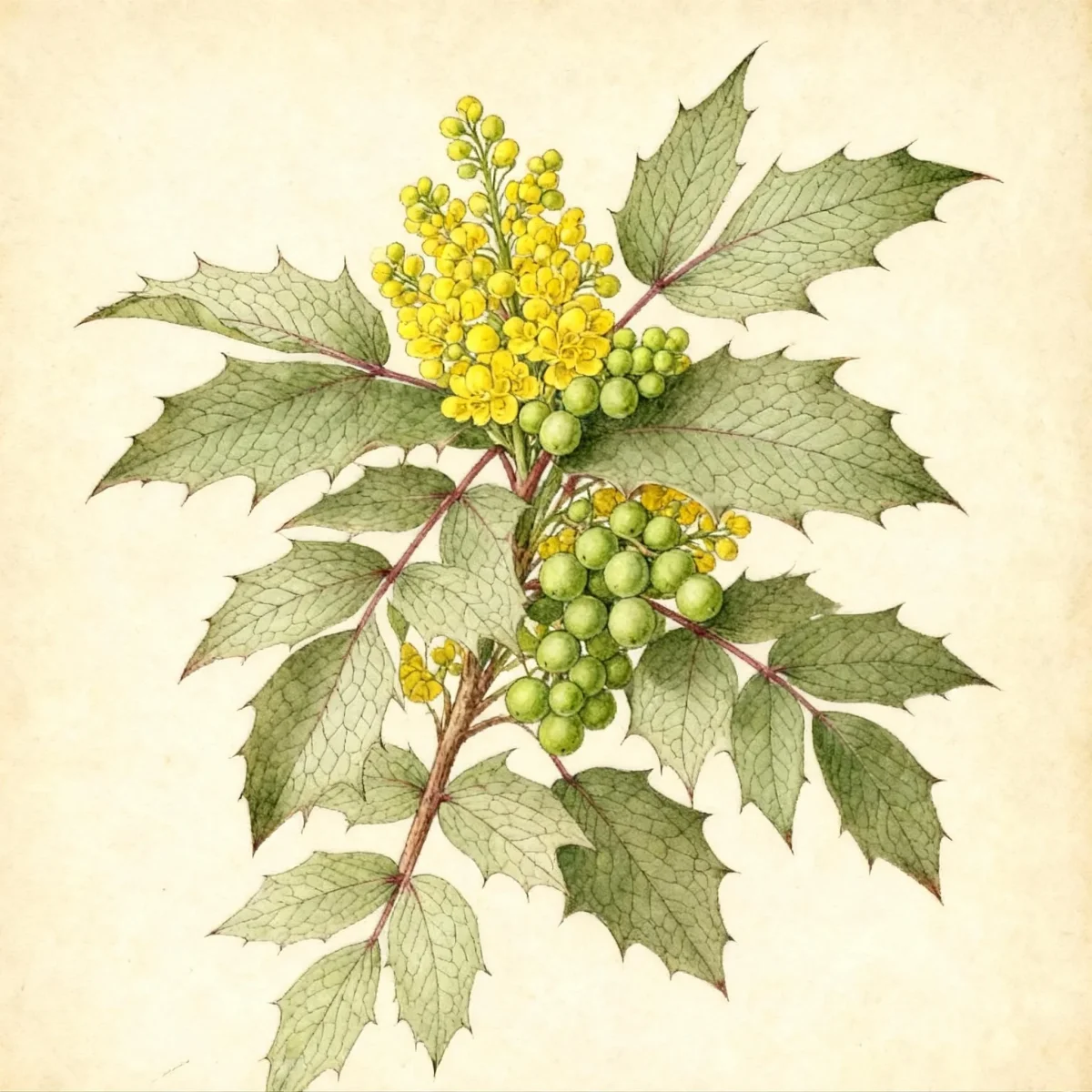
The Holly-leaved barberry, scientifically known as Berberis aquifolium, offers year-round structure and seasonal interest, making it a valuable addition to shady landscapes. As a tough, broadleaf evergreen native to the rocky woods of Northern North America, it is frequently called Oregon grape due to its clustered berries. This species is celebrated for its glossy, holly-like foliage that provides excellent texture, complimented by bright yellow flowers in spring and attractive dark blue fruits later in the season.
Established Berberis aquifolium spreads via stolons to form dense colonies, making it an excellent choice for naturalizing areas or covering difficult slopes. While it performs best in acidic soils and partial shade, garden success lies in protecting it from both harsh winter sun and drying, hot winds. Gardeners should be aware of its spreading nature if they prefer a more formal appearance.
Functionally, the Holly-leaved barberry provides excellent evergreen screening and supports local wildlife, especially birds attracted to its fruit. Its cultural adaptability and striking appearance ensure that this Berberis aquifolium variety remains a staple in woodland and shade garden designs throughout USDA Zones 5 through 8.
Fast Facts
- Plant Family: Berberidaceae
- Plant Type: Broadleaf evergreen
- Native Range: Northern North America
- Hardiness Zones: USDA Zones 5-8
- Size at Maturity:
- Height: 3-6 ft
- Spread: 2-5 ft
- Bloom Time: April
- Bloom Description: Yellow
- Sun Exposure: Part shade to full shade
- Water Needs: Medium
- Maintenance Level: Medium
How to Grow
Planting Holly-leaved barberry should ideally occur in spring or fall when temperatures are mild, allowing the roots to establish before summer heat or deep winter freezes. Locate plants in situations protected from exposure to strong winds and the intensity of full sun. This shrub thrives best in moist, organically rich, acidic, and well-drained soils.
Watering requirements are medium; ensure consistent moisture, particularly during the first growing season. Once established, Berberis aquifolium is reasonably drought-tolerant but performs better with regular supplemental water during dry spells. General fertilization is rarely needed if the soil is organically rich, but an acidic soil amendment can be beneficial if pH testing suggests alkalinity. Pruning is minimal unless you are actively trying to limit its spread.
If you are not aiming to naturalize the area, promptly remove suckers that emerge outside the desired planting area to maintain clean borders. A crucial cultural note for maximizing fruit set is ensuring cross-pollination; grow more than one shrub together, as single specimens often fruit poorly or not at all. In winter, foliage may suffer some burn, especially in exposed sites subject to strong winter sun.
Landscape Uses
The natural tendency of Berberis aquifolium to spread makes it an excellent candidate for areas designated for naturalization, creating an informal, native woodland understory effect. For structure, use these shrubs in small groupings within shady areas, allowing their textured evergreen foliage to contrast with deciduous plants nearby. They work well incorporated into mixed shrub borders or as foundation plantings where deep shade prevents more traditional choices from thriving.
When designing a woodland or shade garden, utilize the texture of the Holly-leaved barberry to anchor low-light spaces. Due to its holly-like, spiny leaves, it can also serve as a mildly protective barrier where soft-textured plants are undesirable. Remember that planting several shrubs together ensures better pollination and a richer visual tapestry of flowers and subsequent blue-black berries.
Standout Features
Flower Qualities
- Showy
- Fragrant
Fruit Qualities
- Showy
- Edible
Noteworthy Characteristics
Berberis aquifolium is a notable evergreen shrub typically achieving 3–6 feet in height and spreading up to 5 feet wide, originating from the Pacific Northwest’s rocky woods. It stands out due to its bright yellow, mildly fragrant spring flowers, glossy dark green pinnately compound evergreen foliage, and the late-summer harvest of edible, blue-black berries ideal for jellies. The distinctive, spiny leaflets strongly resemble holly, which lends the plant its common name, Holly-leaved barberry.
Tolerances
- Deer
Potential Problems
Improperly sited Berberis aquifolium may suffer from leaf scorch when exposed to too much direct, intense sun or winter wind. Watch out for common issues like leaf spots and certain rusts, though often these are minor aesthetic concerns. Pest-wise, scale insects, aphids, and whiteflies can occasionally infest plants, especially if they are already stressed. Fortunately, deer tend to avoid browsing this robust shrub. Good air circulation and avoiding overly wet conditions will minimize fungal issues.
Frequently Asked Questions
What hardiness zones is Holly-leaved barberry suitable for?
The Holly-leaved barberry is reliably hardy in USDA Zones 5 through 8.
How large does Berberis aquifolium grow?
This shrub typically reaches a mature height between 3 and 6 feet tall, with an equivalent spread of 2 to 5 feet wide.
What sun exposure does Berberis aquifolium need?
Berberis aquifolium prefers conditions ranging from part shade to full shade, thriving best when protected from harsh midday or winter sun.
When does Berberis aquifolium bloom?
It produces clusters of bright yellow flowers during the month of April.
Conclusion
The Holly-leaved barberry provides essential evergreen structure, attractive spring blooms, and flavorful fruit, making it a highly rewarding plant for shaded, acidic garden spaces. Incorporating multiple shrubs ensures the best fruit production for this versatile Berberis aquifolium. Before planting, confirm your location falls within USDA Zones 5–8 and prepare your soil to be moist and organically rich.
Companion Planting
When planning a shade garden featuring Berberis aquifolium, look for companions that appreciate similar acidic, moist soil conditions. Hostas, Astilbes, and various ferns thrive alongside the Holly-leaved barberry, offering a delightful contrast in leaf texture throughout the summer. For spring color that precedes the barberry’s bloom, naturalize early-blooming spring ephemerals like Virginia Bluebells (Mertensia virginica) in the surrounding area.
Wildlife Benefits
While deer tend to avoid the prickly foliage, the flowers of the Berberis aquifolium are known to be mildly fragrant and showy, attracting early-season pollinators searching for nectar. More significantly, the late-season, deep blue-black berries are a valuable food source for numerous bird species as they prepare for migration or through the early winter months. Planting these shrubs ensures you are supporting local fauna while enjoying beautiful evergreen screening.