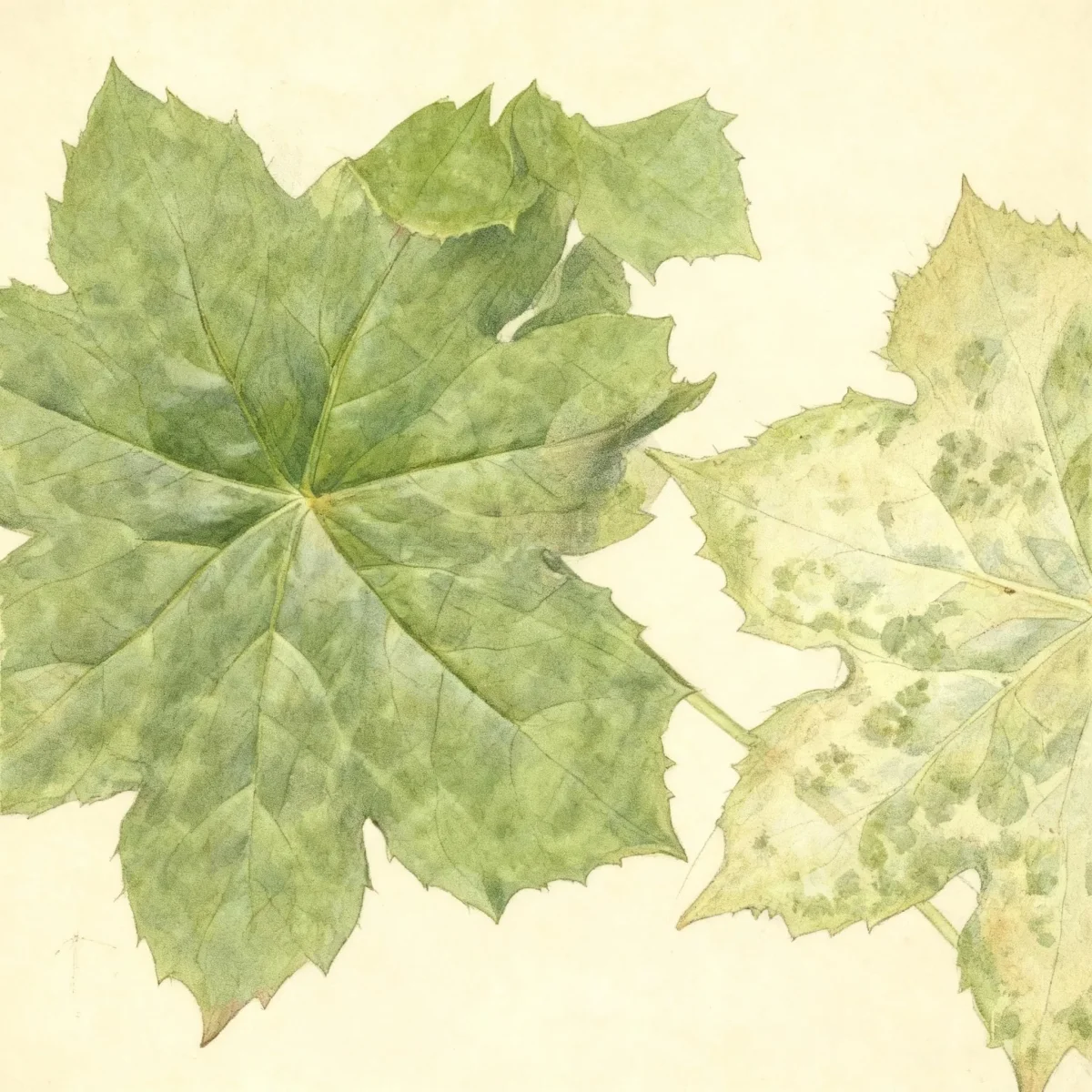
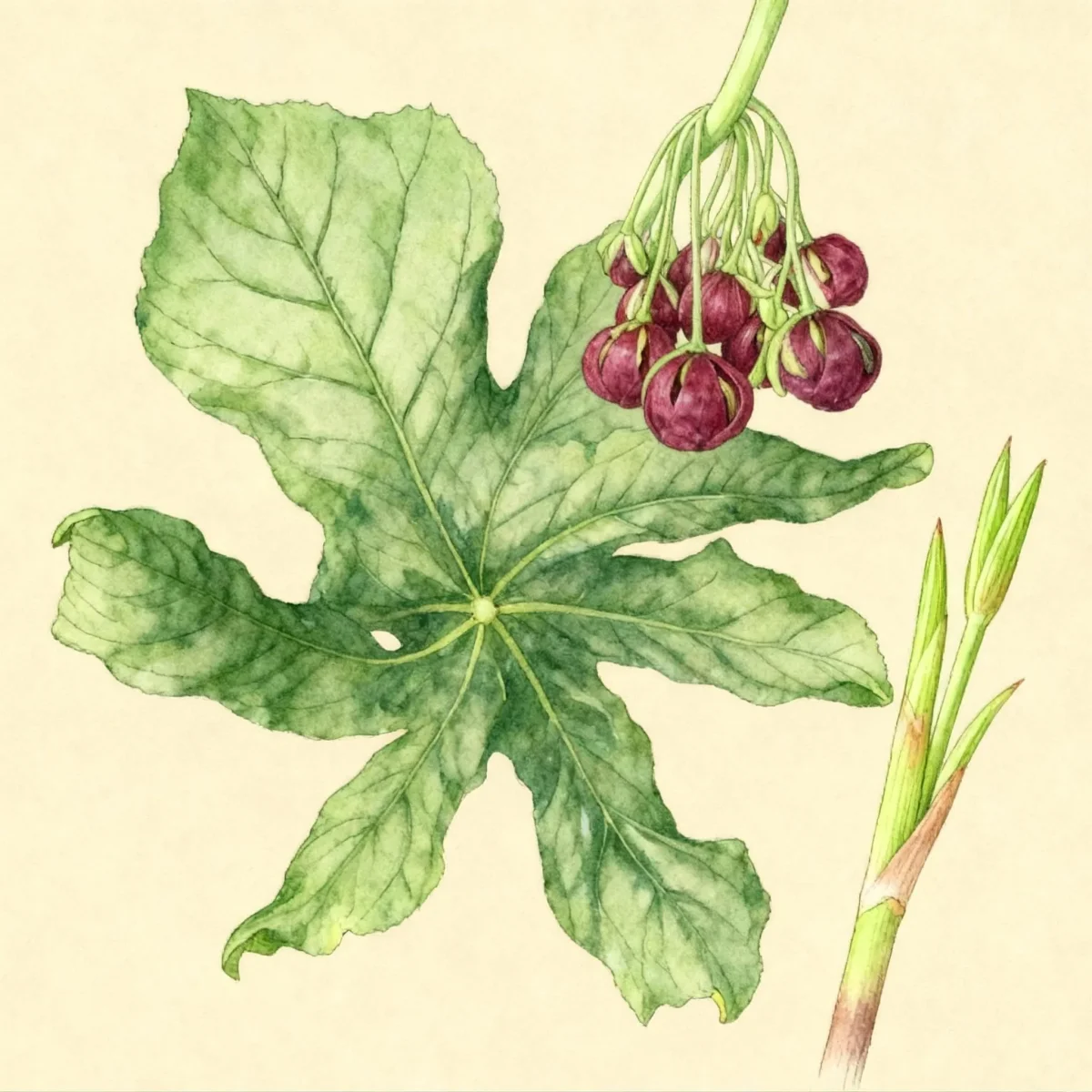
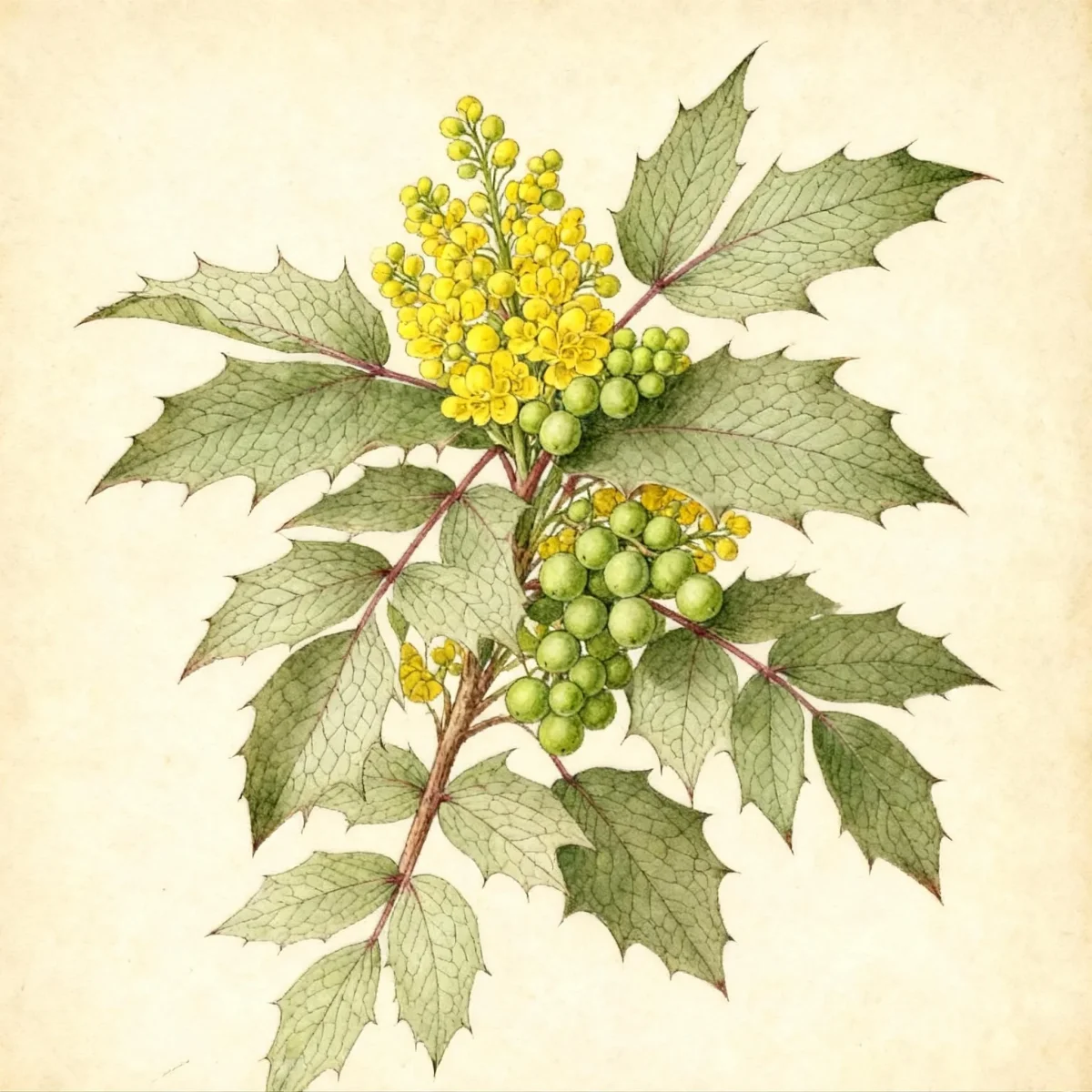
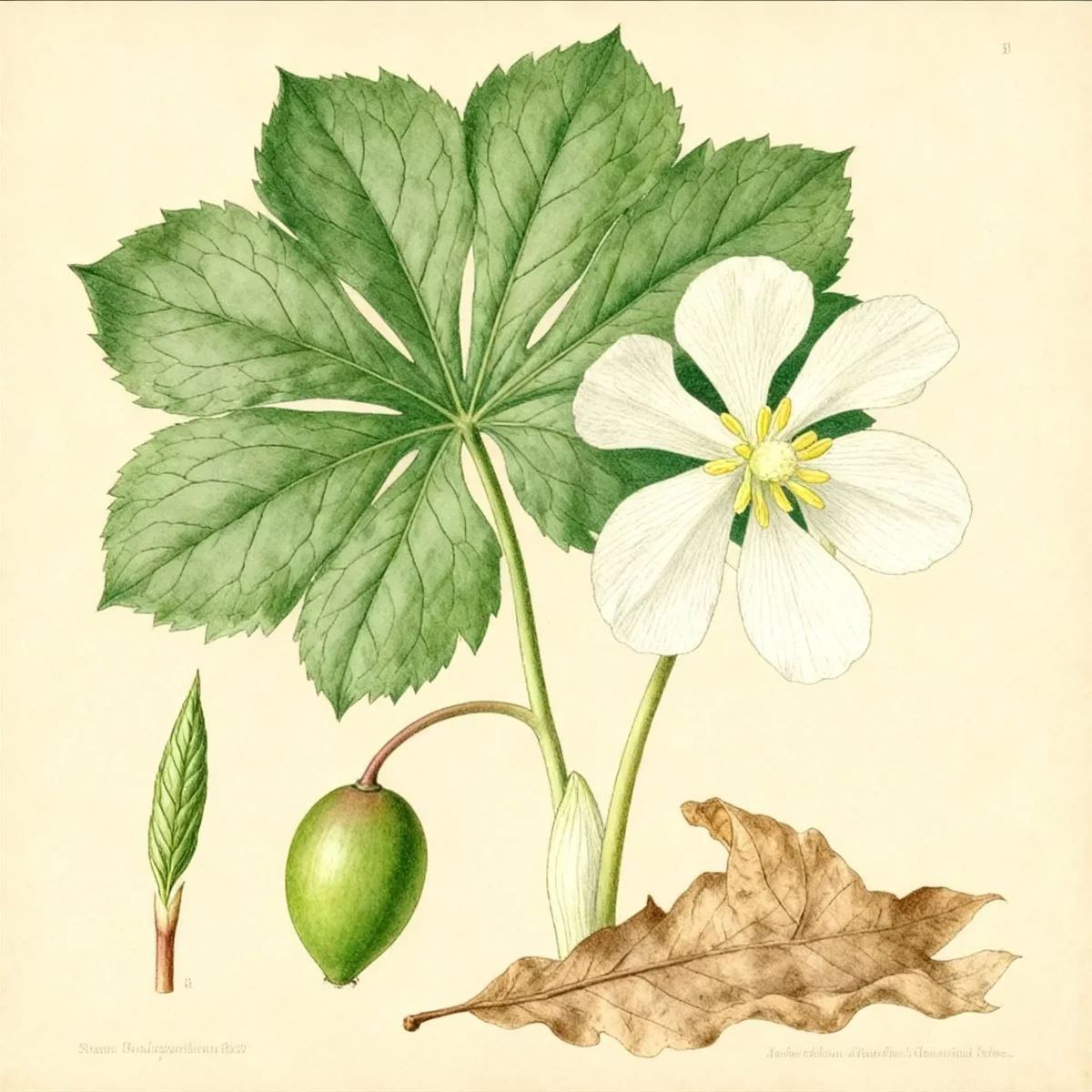
May-apple (Podophyllum peltatum f. Deamii)
Discover Podophyllum peltatum f. deamii, a rare form of May-apple with purplish hues, thriving in shade.

Bloom Boldly, No Matter the Season - Sweatshirt
Cozy organic cotton sweatshirt featuring our exclusive Purple Coneflower design. Perfect for gardeners who bloom year-round.
Inspired by the beautiful May-apple
Limited first batch (50) — join the waitlist for early access
Waitlist closes Feb 15, 2026.
Complete Plant Information
Field Guide Continues
Ready for care notes, companion picks, and planting tips?
The map is just the start. The full guide below covers growth habits, seasonal performance, and landscape uses.
Overview
Podophyllum peltatum f. Deamii offers gardeners a unique color variation on the familiar American native, the May-apple. This herbaceous perennial is highly valued for its distinctive umbrella-like foliage and the unusual purplish coloration found in its flowers, ovaries, and fruit, making Podophyllum peltatum f. deamii a fascinating addition to shaded gardens. Growing reliably in zones 5 through 8, this plant spreads via rhizomes to form attractive, dense colonies under the canopy of established trees. While highly ornamental, gardeners must exercise caution as parts of the May-apple are toxic, contrasting sharply with the edible, golden ripe fruit.
This rare form, Podophyllum peltatum f. deamii, is geographically limited, often requiring specialized sourcing, but rewards patient growers with its striking appearance in early spring. It provides excellent ground cover, disappearing entirely by mid-summer as it enters summer dormancy, a critical consideration for border planning. The nodding flowers emerge nodding from the crotch of the two-leafed stems, often obscured by the deeply lobed, palmate leaves.
The visual appeal of this plant, combined with its native heritage, makes the May-apple a superb choice for naturalistic plantings where seasonal interest is desired. Its medium moisture needs and preference for shade align perfectly with woodland garden settings, enhancing biodiversity within those microclimates.
Fast Facts
- Plant Family: Berberidaceae
- Plant Type: Herbaceous perennial
- Native Range: Ontario and Quebec to Texas and Florida
- Hardiness Zones: USDA Zones 5-8
- Size at Maturity:
- Height: 1-1.5 ft
- Spread: 0.75-1 ft
- Bloom Time: April
- Bloom Description: Purplish pink
- Sun Exposure: Part shade to full shade
- Water Needs: Medium
- Maintenance Level: Medium
How to Grow
Planting Podophyllum peltatum f. deamii is best achieved in the spring or fall when the soil is workable. As this plant prefers rich, moist, humusy, and acidic soils, amend heavy clay or poor woodland soil heavily with compost or leaf mold before planting. Ensure the location receives part shade to full shade, mimicking its natural woodland habitat.
Care requirements for May-apple focus primarily on maintaining even moisture levels; water mediumly and consistently, especially during the spring growth phase before summer dormancy sets in. While Podophyllum peltatum f. deamii can tolerate drought and dry soil once established, consistent moisture yields the best foliage and colony development. Fertilization is rarely necessary if the soil is improved with organic matter annually.
Pruning is minimal; remove any foliage that appears damaged once the plant goes dormant in summer, though usually, the leaves naturally wither away. Because the plant naturally goes dormant, be patient; do not mistake leaf drop for plant death, as this is normal for the early spring wildflower.
Landscape Uses
The primary suggested use for this variety is to naturalize it within a woodland setting or a native plant garden where its colony-forming habit can be fully appreciated. Podophyllum peltatum f. deamii thrives where it can spread via rhizomes without interruption, creating a dense ground cover layer beneath deciduous trees. Because the foliage disappears completely in summer, avoid placing it where blank patches would look unsightly; instead, utilize the space for late-season perennials that emerge after the May-apple has finished its cycle.
For an authentic woodland feel, companion planting with other spring ephemerals works well. Consider pairing Podophyllum peltatum f. deamii with flowering ferns, native trilliums, or bloodroot, which share similar cultural needs for rich soil and shade. The rare color variation in this form ensures that even when blooming, the subtle purplish-pink flowers provide a unique focal point distinct from the common white-flowered species.
Standout Features
Flower Qualities
- Showy
Fruit Qualities
- Showy
- Edible
Noteworthy Characteristics
The species Podophyllum peltatum, commonly known as May-apple, is a rhizomatous native wildflower found in both moist and dry woodlands. Each plant typically produces one or two umbrella-like leaves, and only two-leafed plants yield a flower in early spring. Forma deamii is distinguished from the species by having light purplish-pink flowers, wine-purple ovaries, maroon-purple fruit, and stems flecked with purple, offering unique aesthetic differentiation. The genus name references the foot-shaped leaf, while the species name refers to the peltate leaf attachment.
Tolerances
- Drought
- Dry Soil
Potential Problems
This May-apple generally faces no serious insect or disease problems, offering low-maintenance appeal once established in suitable conditions. Its primary defense against herbivores is the toxicity of its leaves and roots, deterring most common garden pests. Gardeners should be aware that pigs and cows may graze on the foliage, leading to poisoning if access is not restricted.
Frequently Asked Questions
What hardiness zones is May-apple suitable for?
Podophyllum peltatum f. deamii is ideally suited for USDA Hardiness Zones 5 through 8. Confirming your local zone rating is the first step before planting this spring ephemeral.
How large does May-apple grow?
This species typically reaches a height between 1 to 1.5 feet tall, with a corresponding spread averaging 0.75 to 1 foot wide once mature.
What sun exposure does Podophyllum peltatum f. deamii need?
This native plant requires protection from harsh afternoon sun, performing best in locations offering part shade to full shade conditions throughout the growing season.
When does May-apple bloom?
The bloom time for this woodland perennial occurs in April, featuring distinctive purplish pink flowers that are often hidden by the developing foliage.
Conclusion
The May-apple, especially this striking Podophyllum peltatum f. deamii form, adds irreplaceable early spring structure and subtle color to shaded landscapes. Its ability to naturalize and form colonies makes it an excellent, low-maintenance choice for woodland revitalization projects. Before planting your rare Podophyllum peltatum f. deamii, ensure your location provides the rich, moist, acidic soil it requires to thrive through its spring flush and summer dormancy.
Companion Planting
Selecting companions for Podophyllum peltatum f. deamii should prioritize species that appreciate similar shade and moisture regimens, providing visual interest after the mayapple foliage vanishes. Excellent partners include Virginia Bluebells (Mertensia virginica) and Wild Ginger (Asarum canadense), as they share the need for humus-rich, well-drained soil. Combining these plants creates a layered woodland tapestry that transitions gracefully from early spring bloomers into summer green.
Seasonal Care Calendar
Spring is the active growth period for May-apple, demanding consistent medium watering to support leaf and flower development. In early summer, as temperatures rise and humidity drops, the foliage will yellow and collapse as the plant enters dormancy; at this point, cease supplemental watering. In autumn, lightly mulch the area with leaf litter to mimic natural decomposition, providing the rich, acidic topdressing that Podophyllum peltatum f. deamii favors for its rhizomes.