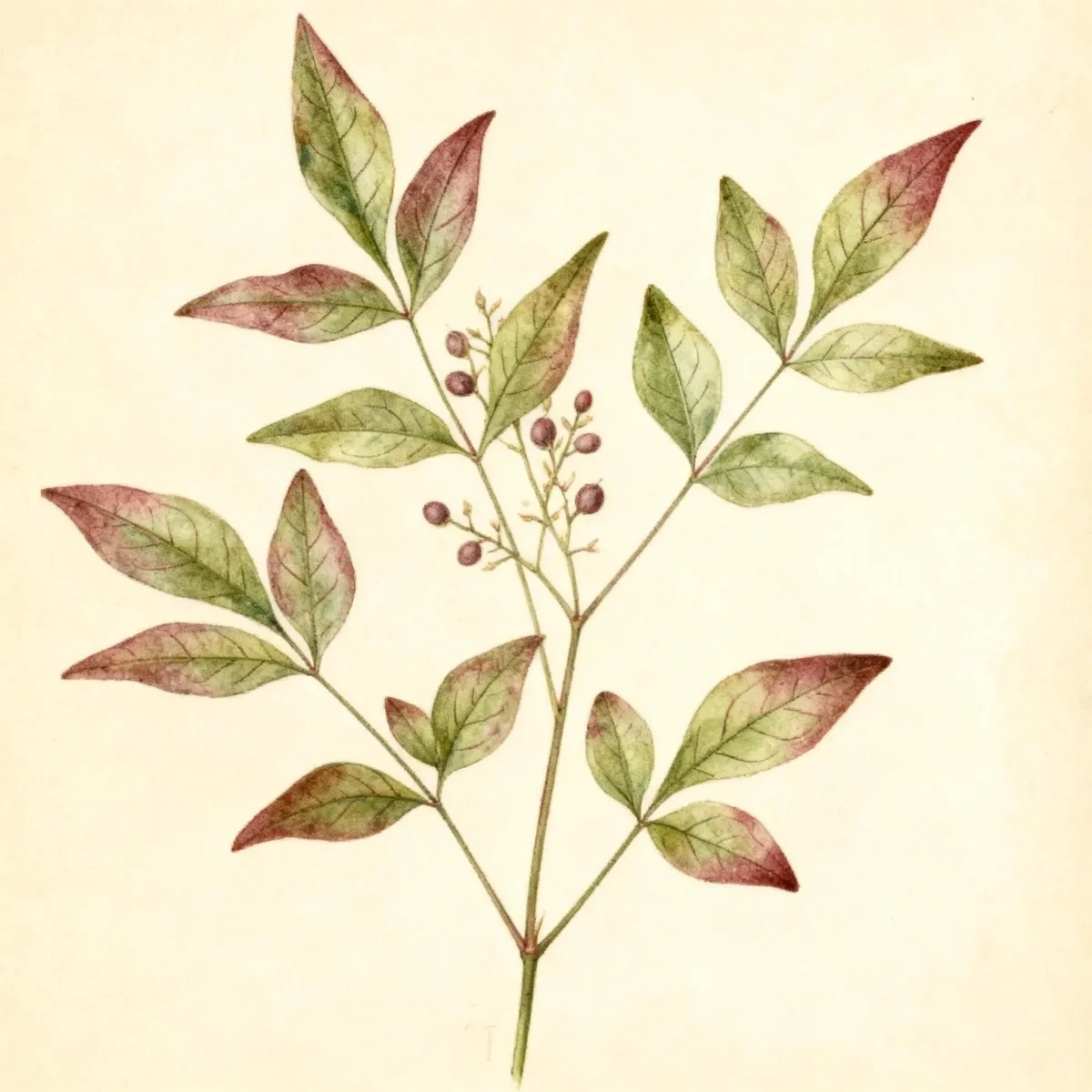
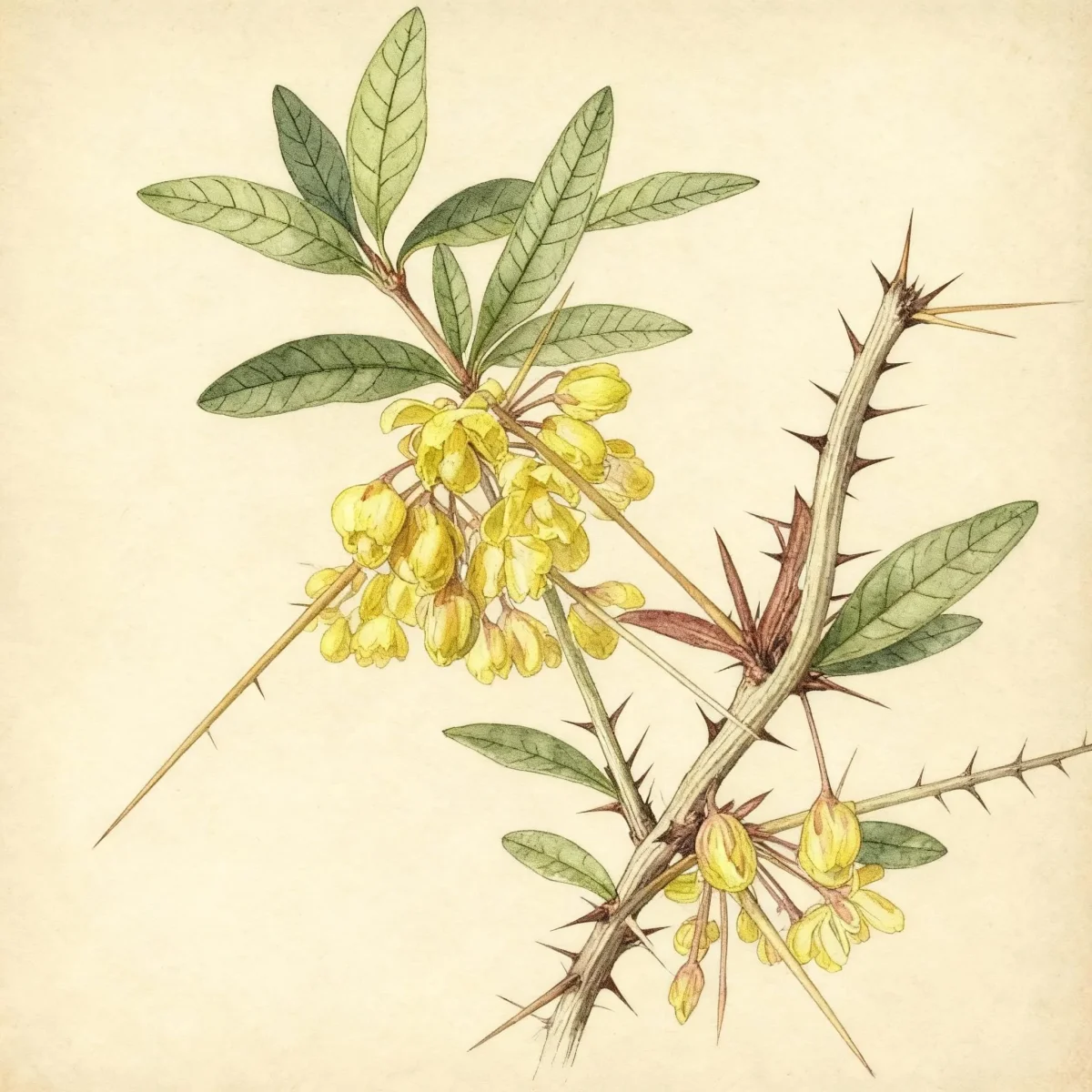
Barberry (Berberis replicata)
Berberis replicata Barberry is a hardy, spiny broadleaf evergreen shrub ideal for hedges, reaching 5-6ft tall.

Bloom Boldly, No Matter the Season - Sweatshirt
Cozy organic cotton sweatshirt featuring our exclusive Purple Coneflower design. Perfect for gardeners who bloom year-round.
Inspired by the beautiful Barberry
Limited first batch (50) — join the waitlist for early access
Waitlist closes Feb 15, 2026.
Complete Plant Information
Field Guide Continues
Ready for care notes, companion picks, and planting tips?
The map is just the start. The full guide below covers growth habits, seasonal performance, and landscape uses.
Overview
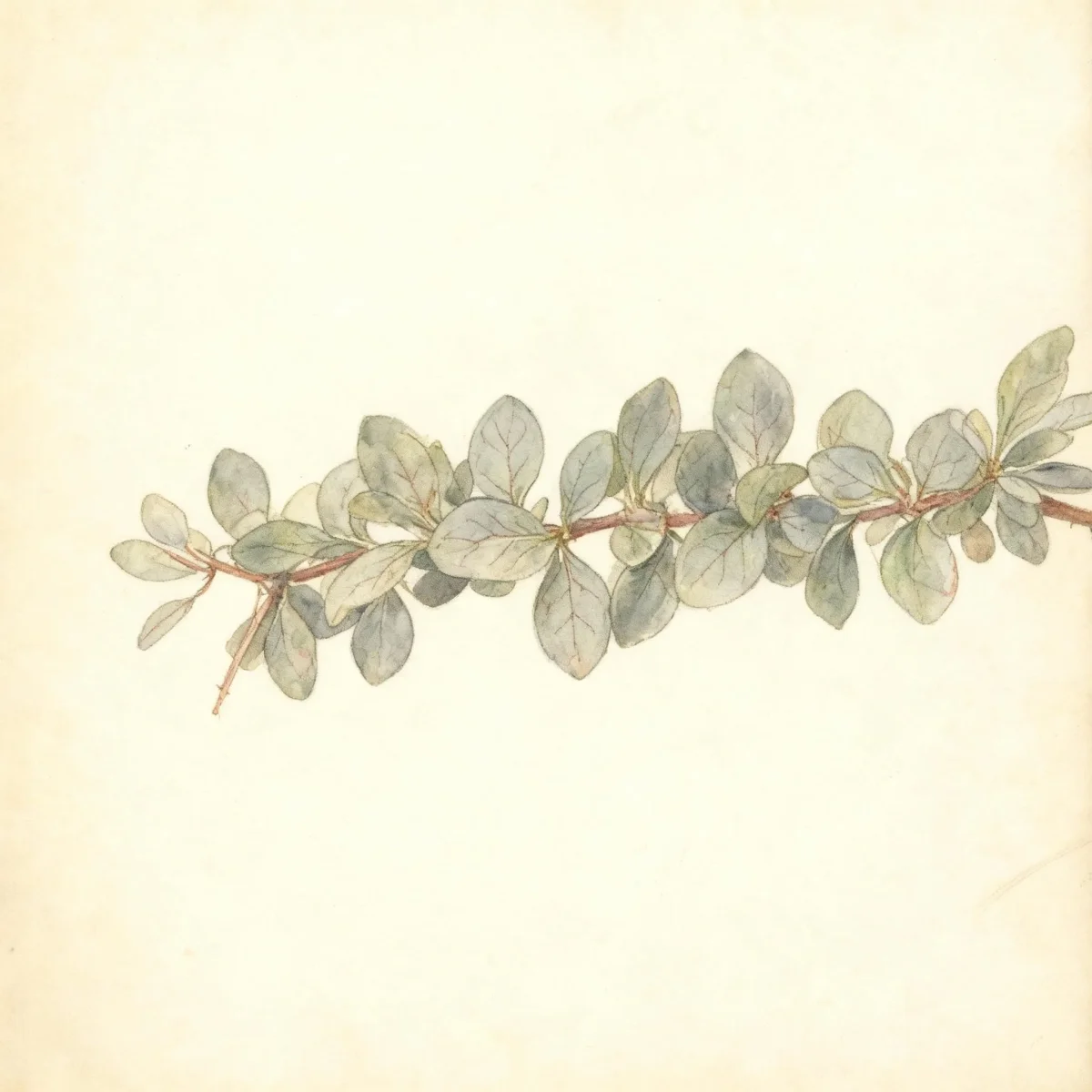
The Berberis replicata, commonly known as Barberry, is a striking broadleaf evergreen shrub prized for its dense, spiny structure and interesting foliage. This particular species is identified by its oblong-lanceolate leaves, which have margins that fold backward, a characteristic noted in its specific epithet. Gardeners value Berberis replicata for providing year-round structure and a formidable natural barrier due to its spiny nature.
Flowering occurs in late spring, producing clusters of fragrant, pale yellow blossoms that add subtle interest before setting fruit. Following the blooms, small red berries mature to a purplish-black hue by fall, offering continued visual appeal. This robust Barberry naturally forms a broad, rounded shape, typically maturing to about 5-6 feet tall and wide.
Native to the mountain slopes and thickets of Southwestern China, Berberis replicata is well-adapted to varied conditions once established. Its ability to thrive in drier soils, combined with its evergreen habit, makes it a dependable choice for gardeners seeking low-to-medium maintenance screening or accent planting in suitable zones.
Fast Facts
- Plant Family: Berberidaceae
- Plant Type: Broadleaf evergreen
- Native Range: Southwestern China
- Hardiness Zones: USDA Zones 5-7
- Size at Maturity:
- Height: 5-6 ft
- Spread: 5-6 ft
- Bloom Time: May
- Bloom Description: Pale yellow
- Sun Exposure: Full sun to part shade
- Water Needs: Dry to medium
- Maintenance Level: Medium
How to Grow
The ideal time for planting Berberis replicata is generally spring or fall, allowing the shrub to establish roots before encountering temperature extremes. Plant in a location receiving full sun to partial shade for best performance. This Barberry prefers average, well-drained soil with medium moisture, but it is notable for tolerating dry soils once mature. Avoid areas where water pools, as this shrub is intolerant of poorly drained, wet soils.
Once established, watering needs for Berberis replicata are relatively low, fitting well into a dry to medium water schedule. Established specimens handle dry spells well, though consistent moisture will support denser growth. Fertilization is rarely necessary; if growth seems stunted, an application of a balanced, slow-release fertilizer in early spring may be beneficial. Pruning should be done selectively to maintain shape, but generally, this variety is best allowed to assume its natural broad, rounded form.
Manage any needed pruning immediately after flowering to avoid removing next year’s flower buds. Gardeners should exercise caution when working with this plant due to the sharp spines covering the branches. When cleaning up the base in early spring, ensure all fallen debris is removed, as dense materials can sometimes harbor moisture conducive to minor fungal issues.
Landscape Uses
The structure and dense, thorny nature of Berberis replicata make it exceptionally effective when deployed as a small hedge or an edging feature, providing both security and formal lines. Its mature height of 5 to 6 feet also suits its use in medium-height shrub borders, creating a textured backdrop for shorter perennials or annuals that appreciate drier conditions.
As an accent, this Barberry draws attention through its contrasting evergreen leaves and seasonal berries, making it suitable for anchoring corners of foundation plantings or dividing larger landscape areas. For design cohesion, pair it with plants that thrive in similar sun exposures and dry tolerance, such as Lavender, ornamental grasses, or other drought-tolerant evergreens. Use this shrub where its structure and spiny defense are desired.
Standout Features
Flower Qualities
- Showy
- Fragrant
Fruit Qualities
- Showy (small, oblong red berries maturing to purplish-black)
Noteworthy Characteristics
Berberis replicata, commonly called barberry, is a spiny, broad-rounded shrub with arching branches clad with oblong-lanceolate evergreen leaves (to 1” long). Leaf margins are replicate (turned backward) as indicated by the specific epithet. Fragrant, pale yellow flowers in clusters bloom in late spring. Flowers are followed by small oblong red berries which mature in fall to purplish-black. This shrub typically matures to 5-6’ tall and as wide.
Tolerances
- Dry Soil
Potential Problems
Generally, this reliable Barberry variety suffers from no serious insect or disease problems under ideal conditions. Gardeners should remain observant for signs of fungal issues, as some susceptibility to wilt, rust, and root rot can occur, particularly if the plant is sited in poorly drained soil areas. Ensuring excellent drainage is the most critical preventative measure against these root-related diseases. Mealybugs or scale insects occasionally appear but rarely cause significant damage.
Frequently Asked Questions
What hardiness zones is Berberis replicata suitable for?
Berberis replicata Barberry is hardy and suitable for garden planting in USDA Zones 5 through 7.
How large does Berberis replicata grow?
This shrub will typically mature to a height between 5 and 6 feet, with a similar spread of 5 to 6 feet wide.
What sun exposure does Barberry need?
Berberis replicata performs well in a wide range of light conditions, preferring full sun to light partial shade.
When does Barberry bloom?
The pale yellow, fragrant flowers of this Barberry usually appear in May.
Conclusion
The Berberis replicata offers excellent textural interest and reliable evergreen screening, further enhanced by its fragrant spring blooms and persistent fall berries. Its manageable size and tolerance for dry soil make this Barberry a highly practical choice for mixed borders or foundational planting. Before planting, confirm your local conditions fall within USDA Zones 5-7 and ensure the planting site offers the necessary sun exposure for this distinctive specimen.
Companion Planting
Selecting suitable companions for Berberis replicata is straightforward given its preference for well-drained soil and partial shade tolerance. Plants that thrive in similar dry-to-medium moisture regimes are ideal partners. Consider pairing it with drought-tolerant perennials such as Sedum ‘Autumn Joy’ or Russian Sage (Perovskia atriplicifolia), which offer contrasting textures and bloom times. For evergreen texture at the base, low-growing junipers or dwarf conifers that don’t demand excessive moisture will complement the shrub’s form without competing heavily.
Design Ideas
In formal landscape designs, utilize the dense, spiny structure of this Barberry to create impenetrable low barriers along property lines or pathways where security is desired alongside aesthetics. For a more naturalized approach, mass several specimens together to form a rustic screen, allowing the arching branches to interlock. Because the flowers are pale yellow, contrasting them against deep purple or silver-leafed foliage—such as Japanese Forest Grass or certain Artemisia varieties—will enhance the visual impact of both the flowers and the subsequent dark berries.