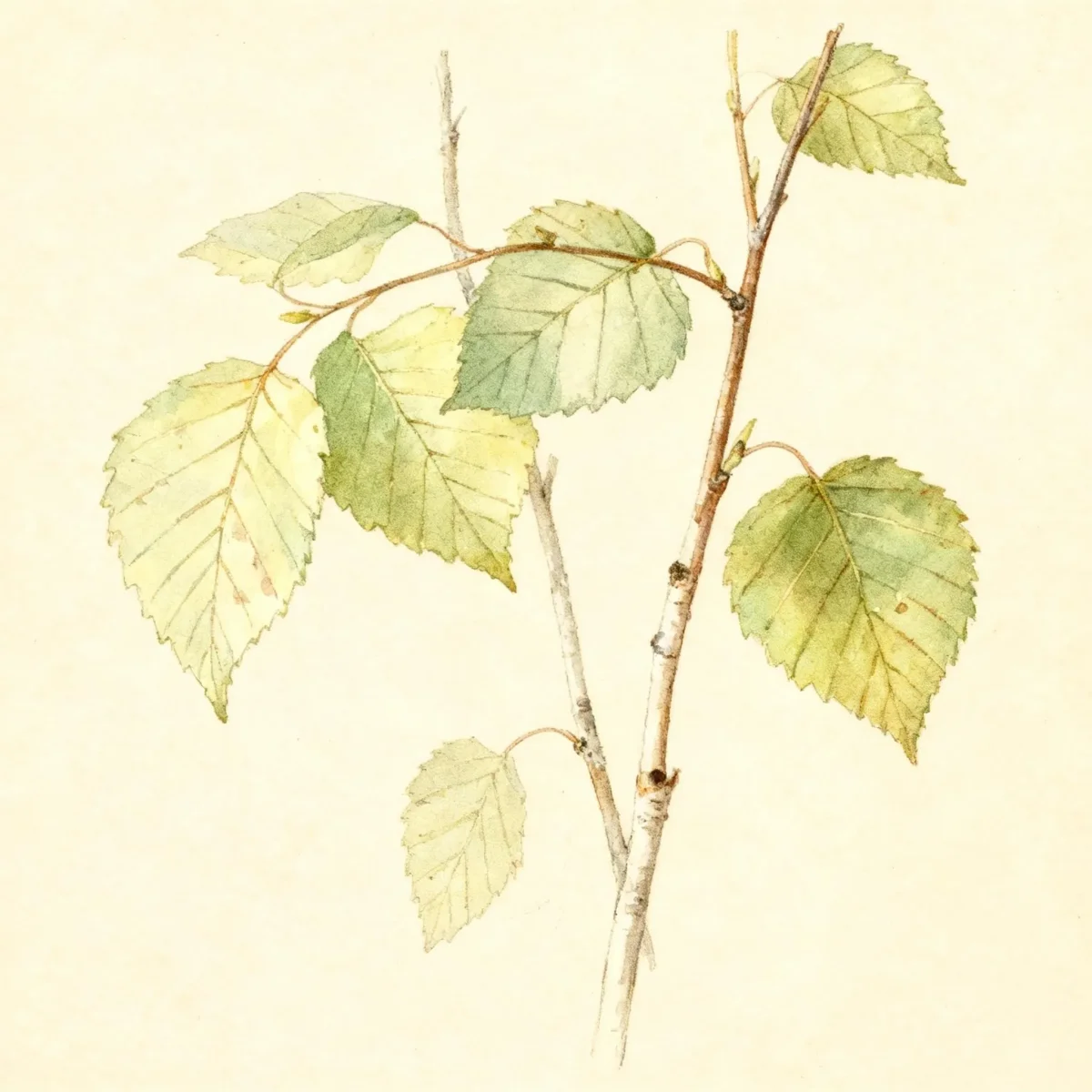
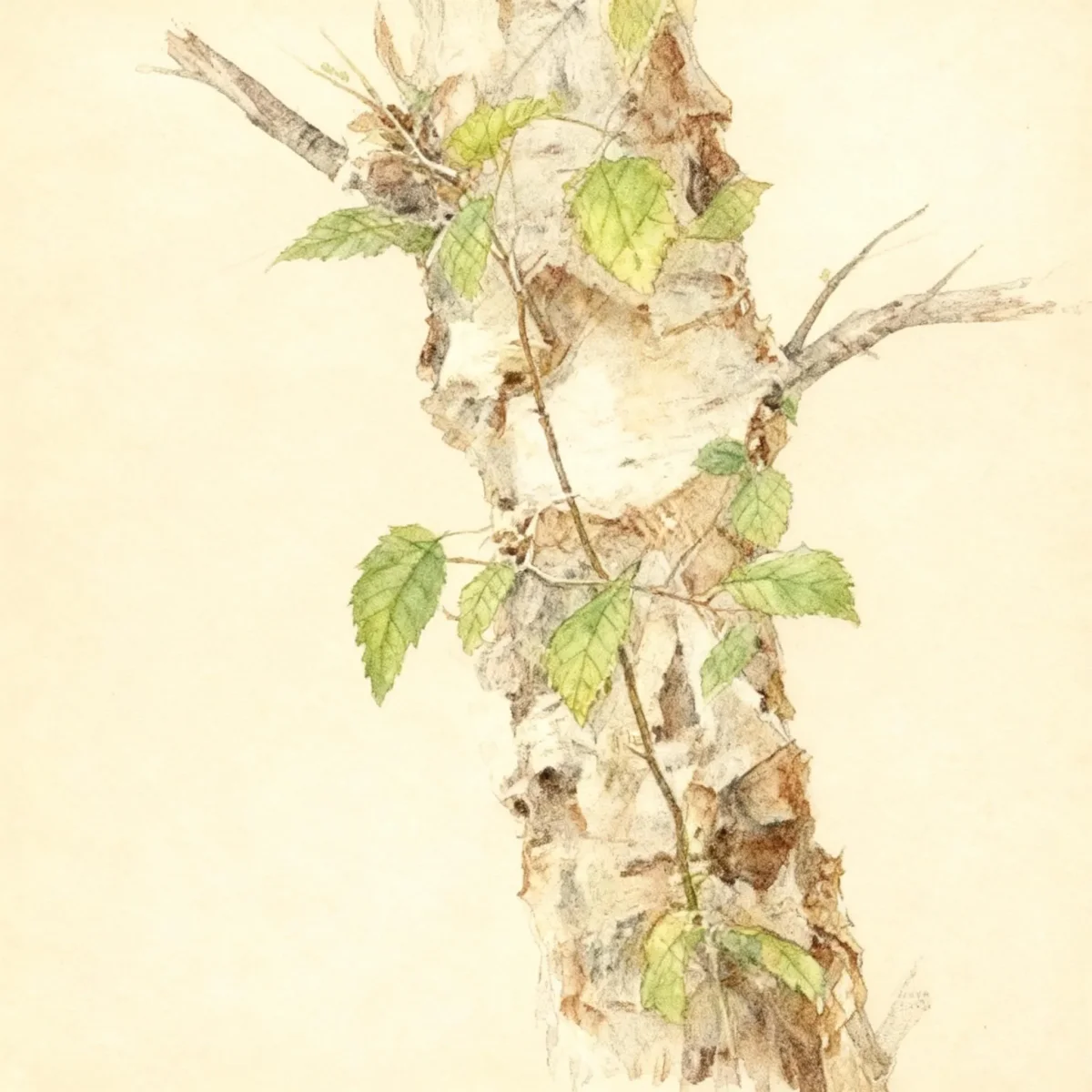
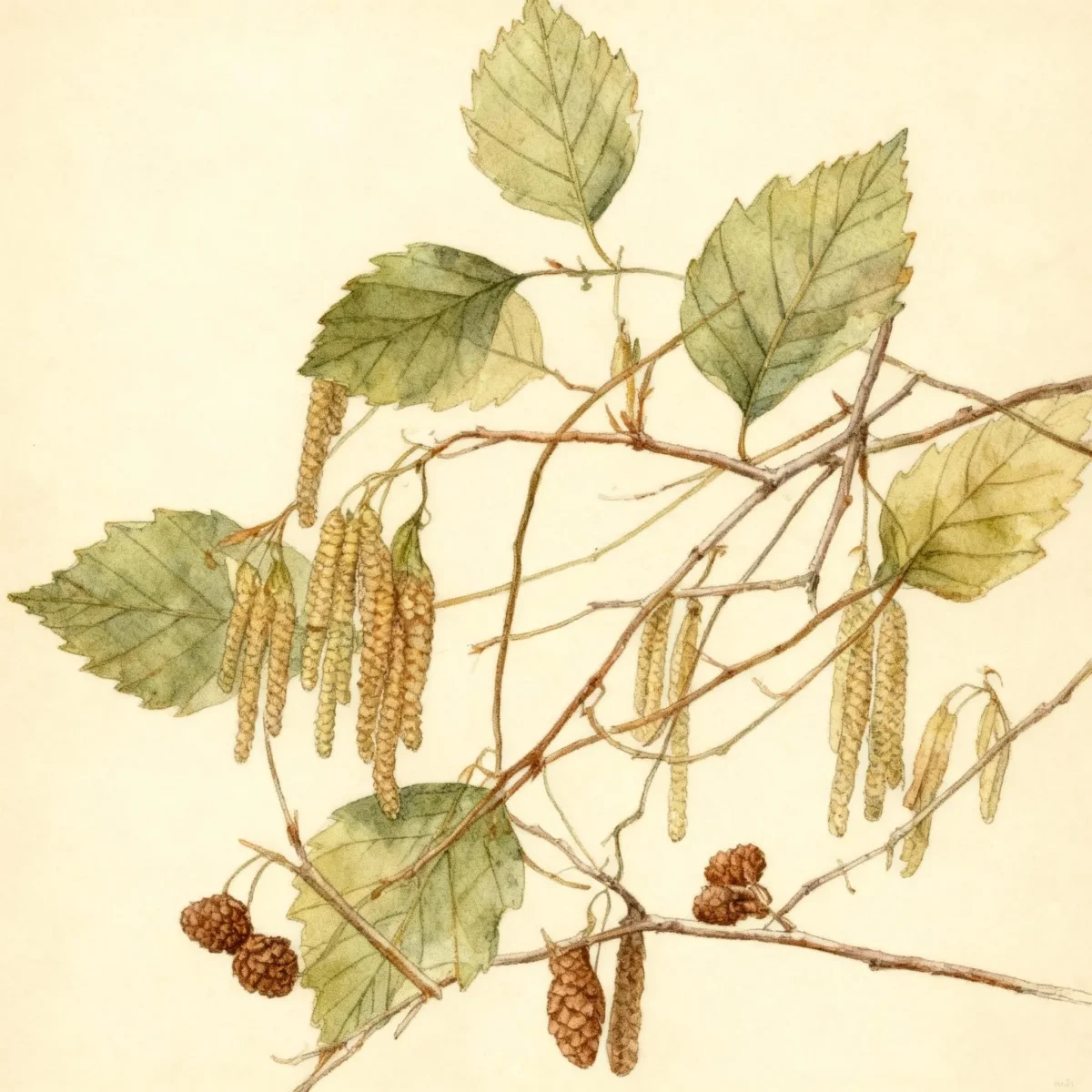
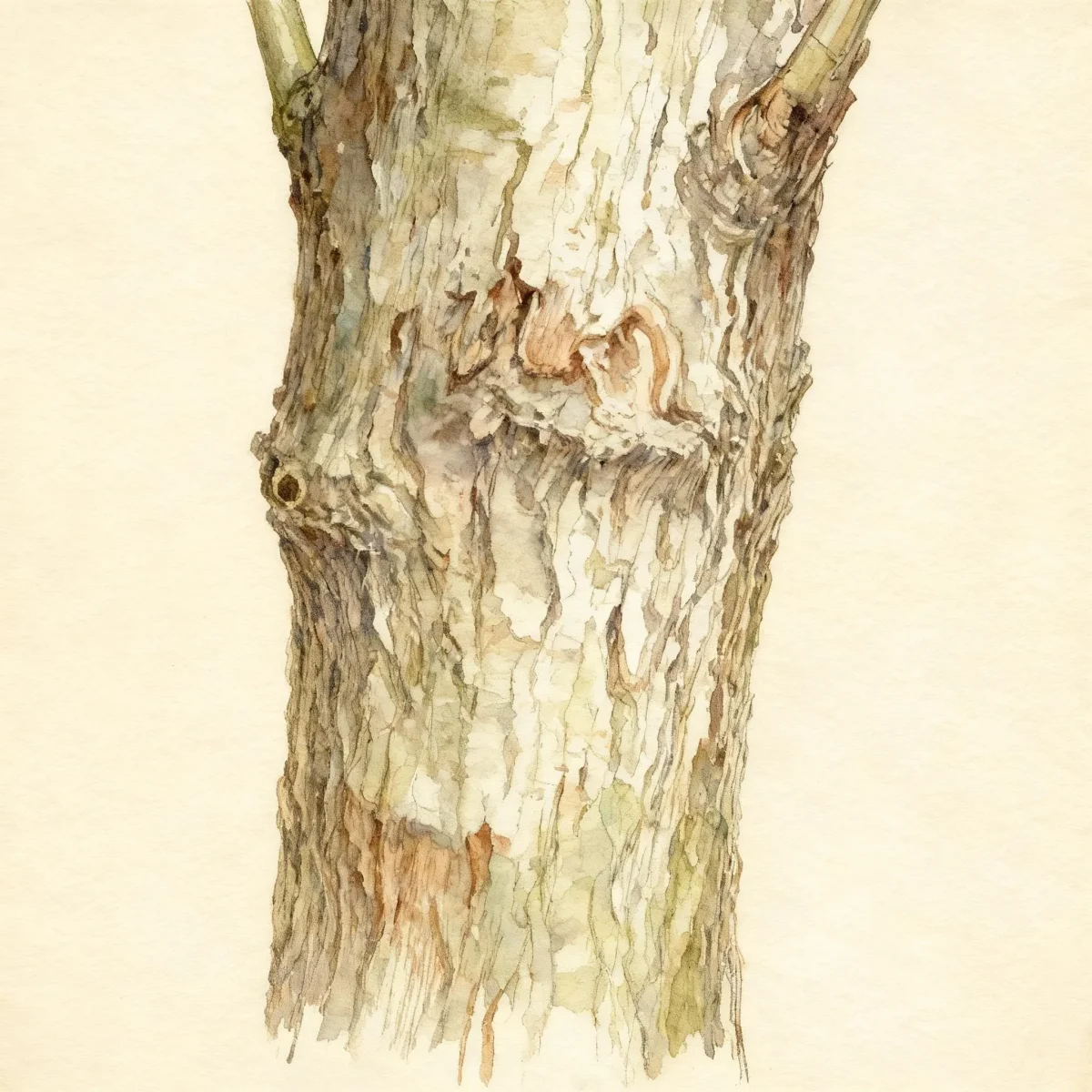
Water birch (Betula occidentalis)
Hardy Water birch (Betula occidentalis) thrives in wet soils, offering low maintenance and native beauty in USDA Zones 4-6.

Bloom Boldly, No Matter the Season - Sweatshirt
Cozy organic cotton sweatshirt featuring our exclusive Purple Coneflower design. Perfect for gardeners who bloom year-round.
Inspired by the beautiful Water birch
Limited first batch (50) — join the waitlist for early access
Waitlist closes Feb 15, 2026.
Complete Plant Information
Field Guide Continues
Ready for care notes, companion picks, and planting tips?
The map is just the start. The full guide below covers growth habits, seasonal performance, and landscape uses.
Overview
Betula occidentalis, widely recognized as water birch, is a resilient deciduous tree native to the riparian woodlands of Western North America. This species is highly valued for its tolerance to moist conditions, making it an essential component for stabilizing stream banks and brightening wet areas of the landscape. Its relatively low maintenance profile appeals to gardeners seeking robust native plantings.
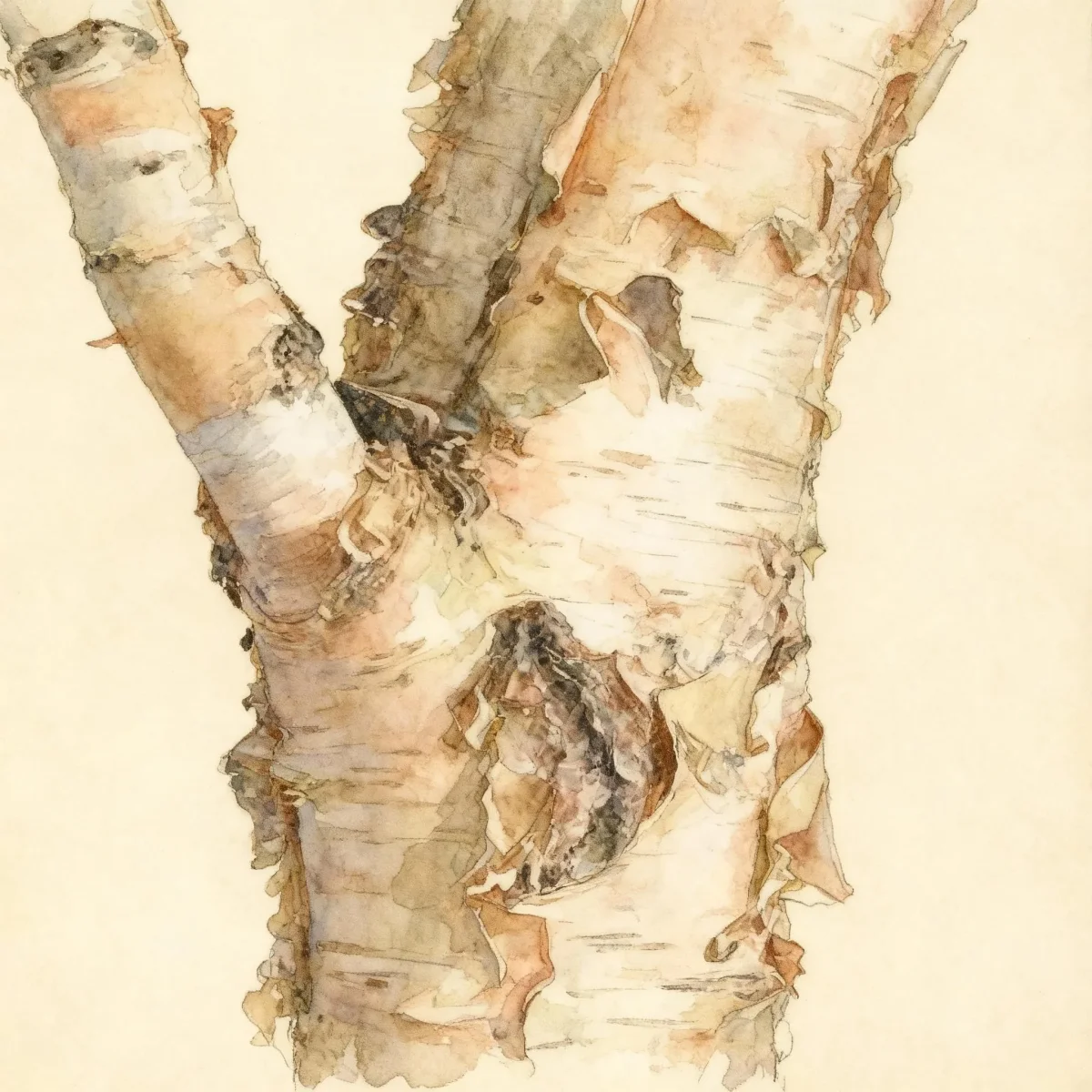
Water birch typically presents as a multi-stemmed shrub or small tree, capable of reaching heights between 10 and 40 feet. It develops attractive, shiny, reddish-brown bark marked with distinct white horizontal streaks, providing year-round visual interest. Growing Betula occidentalis ensures you are supporting local ecosystems, as this plant provides food and shelter for native wildlife.
For successful establishment, this species requires consistent moisture, thriving in full sun to partial shade exposure. Whether used as a screening element or a focal point near water features, the water birch brings the structure and texture of western landscapes to your garden design with minimal fuss once established.
Fast Facts
- Plant Family: Betulaceae
- Plant Type: Tree
- Native Range: Western North America
- Hardiness Zones: USDA Zones 4-6
- Size at Maturity:
- Height: 10-40 ft
- Spread: 10-30 ft
- Bloom Time: April to May
- Bloom Description: Brown (male) and green (female)
- Sun Exposure: Full sun to part shade
- Water Needs: Medium to wet
- Maintenance Level: Low
How to Grow
The best time to establish Betula occidentalis is during the dormant season before spring growth begins. Plant water birch in locations where the soil remains consistently moist to wet, as this species performs best in fertile substrates. Ensure the root zone is kept cool and moist by applying bark mulches, and consider using soaker hoses in drier periods to mimic its natural habitat along streams and springs.
Maintenance for the water birch is generally low. Pruning should be avoided in the spring when sap flow is heavy, as this will cause significant bleeding. If shaping or removal of crossing branches is necessary, restrict pruning activities to the dormant winter months. Monitor for common birch pests, but overall, healthy plants established in proper moisture conditions require little intervention.
This tree exhibits notable tolerance to wet conditions and occasional flooding, making it perfect for low-lying areas of the landscape. Focus on maintaining soil moisture, particularly during establishment, as this species prefers cool, acidic, and moist environments for optimal vigor within USDA Zones 4-6.
Landscape Uses
The hardiness and moisture preference of Betula occidentalis make it ideally suited for water gardens, pond margins, and riparian restoration projects. While its suggested use is sometimes listed as a hedge, its greatest impact is felt when planted in small groups near water features where its need for wet feet is satisfied. The multi-trunked structure of the water birch provides excellent visual screening along property lines or streams.
When designing with this western native, pair it with other moisture-loving species that appreciate similar sun requirements, such as native ferns or sedges that thrive in partial shade near the water’s edge. Its distinctive bark ensures that even when deciduous, the structure of the planting remains engaging.
For gardeners within its native range, utilizing water birch reinforces regional biodiversity. It serves as an excellent natural screen or buffer plant along naturalized areas where consistent moisture is guaranteed, leveraging its low maintenance needs.
Standout Features
Flower Qualities
- Showy
Noteworthy Characteristics
Betula occidentalis, commonly known as water birch, is a shrubby tree of riparian woodlands that is most commonly found growing in clumps or thickets along rivers, streams, springs or other water courses in elevations to 8000’ from the Cascades, forested areas of Western Canada, and the Canadian Rockies south through the U.S. Rockies to New Mexico. It is often seen growing as a single to multi-stemmed shrub to 10-15’ tall, but sometimes rises to as much as 40-50’ tall as a multi-trunked tree with a broad, irregular, open crown. Non-peeling bark is shiny, reddish-brown and marked with white horizontal streaks.
Tolerances
- Deer
- Clay Soil
- Wet Soil
Potential Problems
The water birch can face challenges from common birch pests, most notably the birch leaf miner and aphids. A significant concern for weakened specimens is the bronze birch borer, an insect that targets trees stressed by environmental factors like excessive summer heat or high humidity. To prevent borer infestation, maintain consistent soil moisture and avoid stressing the plant. Fungal issues like leaf spot diseases should be monitored, and plant susceptibility increases if stress creates an entry point for cankers. In high pH soils, gardeners should watch for signs of iron chlorosis, managing soil acidity as needed.
Frequently Asked Questions
What hardiness zones is Water birch suitable for?
The water birch (Betula occidentalis) is hardy and best suited for USDA Zones 4 through 6.
How large does Water birch grow?
This species typically matures to a height between 10 and 40 feet, with a corresponding spread between 10 and 30 feet.
What sun exposure does Betula occidentalis need?
Betula occidentalis thrives best when situated in full sun to part shade conditions.
When does Water birch bloom?
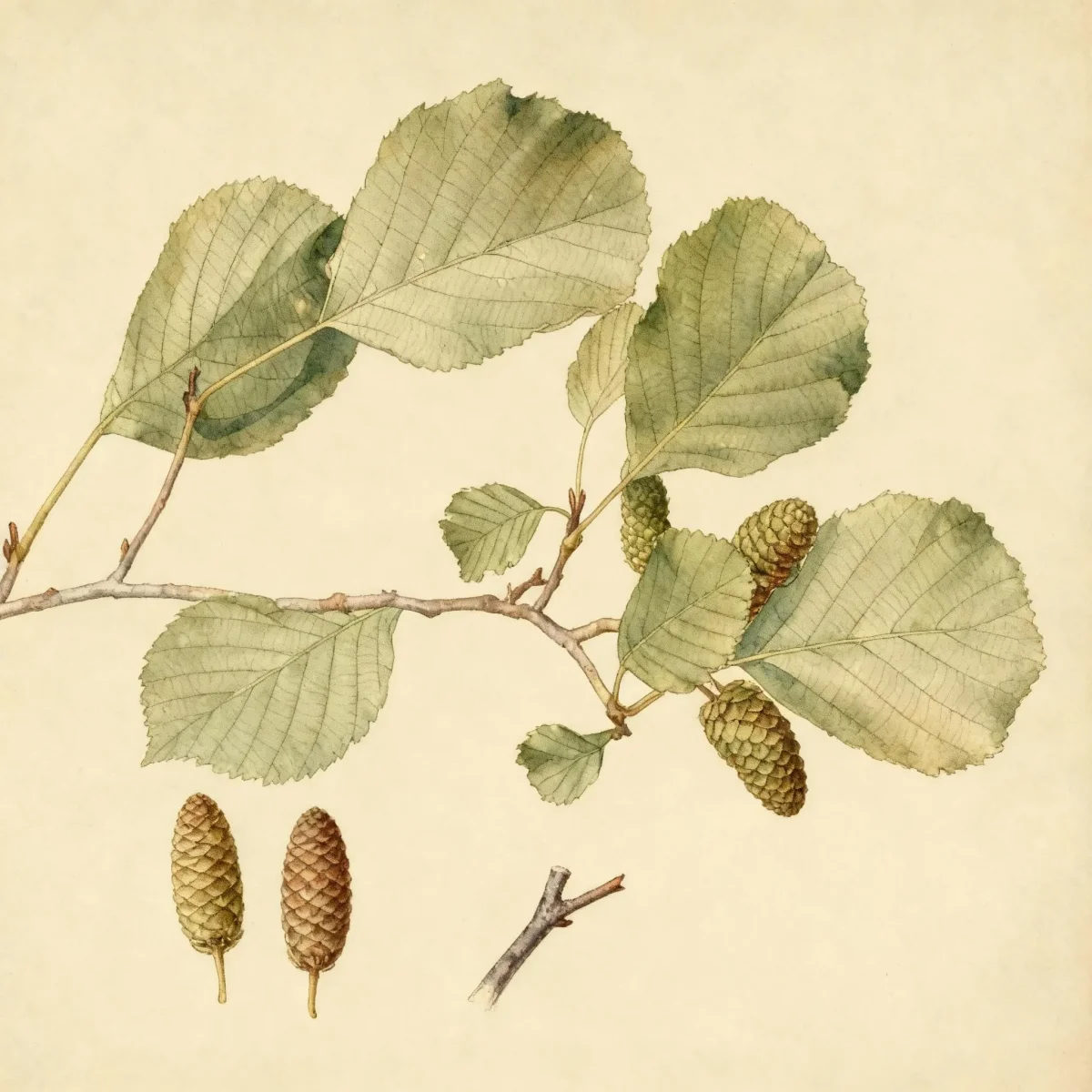
Bloom time occurs from April to May, featuring distinct brown male catkins and green female catkins on the same plant.
Conclusion
The Betula occidentalis, or water birch, offers gardeners a tough, low-maintenance native tree perfectly adapted to wet and challenging soils across the Western landscape. Its attractive bark and tolerance for moisture make it a functional and beautiful addition to naturalized settings. Before planting, confirm that your site falls within USDA Zones 4-6 and can provide the consistently moist or wet conditions this species requires for its best performance.
Companion Planting for Wet Areas
Selecting appropriate companions is key when utilizing water birch, especially considering its love for consistently wet ground. Plants that share a requirement for medium to wet soil and partial shade will create a harmonious understory or border planting. Consider native grasses and sedges known to inhabit riparian zones, as these often tolerate the same fluctuating moisture levels that benefit Betula occidentalis. Avoid drought-tolerant species, as they will compete poorly with the birch’s cultural needs.
Seasonal Care Calendar
For low-maintenance success with your growing water birch, focus your efforts seasonally. During late winter or early spring before bud break, perform any necessary structural pruning, making clean cuts to avoid sap bleed. Throughout the summer, the primary task is ensuring consistent moisture, especially if establishing a newer specimen or experiencing a dry spell; use mulch to keep roots cool. As the leaves senesce in fall, raking fallen foliage away prevents mulch layers from becoming overly compact and potentially suffocating surface roots near the base of the Betula occidentalis.